
































































































































































































































































































































































































































































































































































































































































































































































































































































































































































































































































































































































































































































































































































































































Iran US ceasefire deal update: Tehran exits peace talks



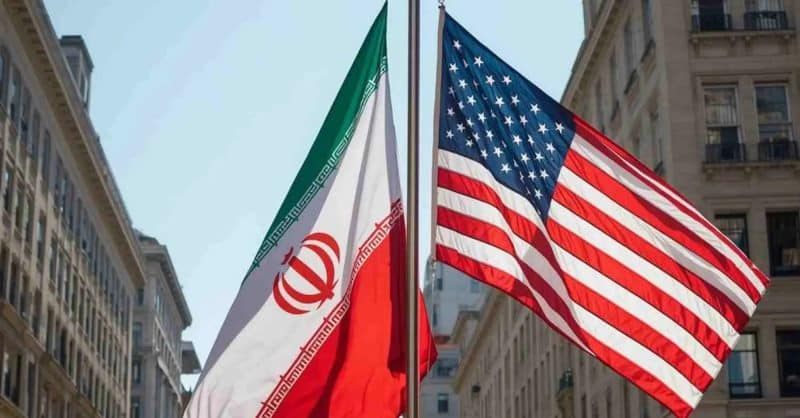
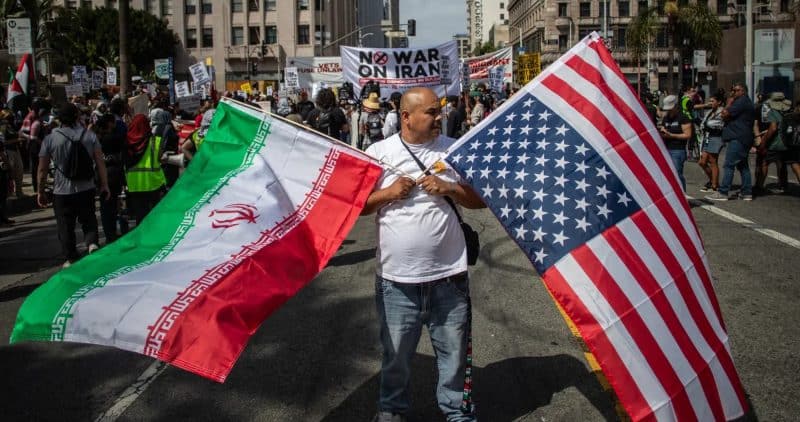
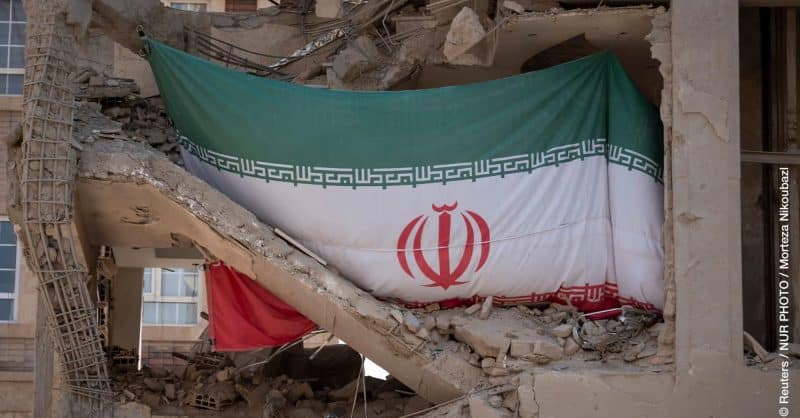
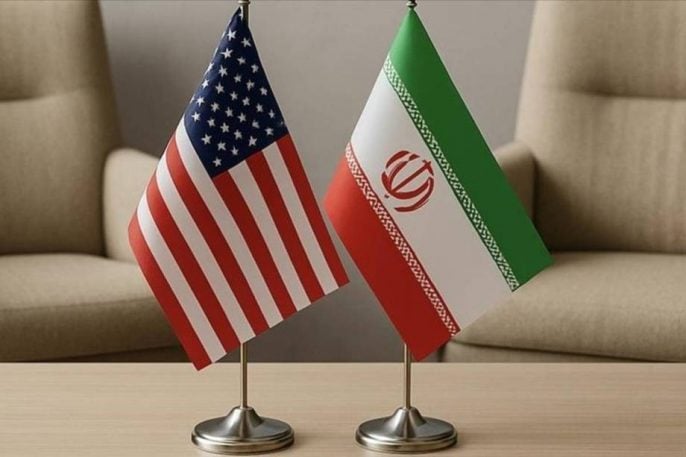
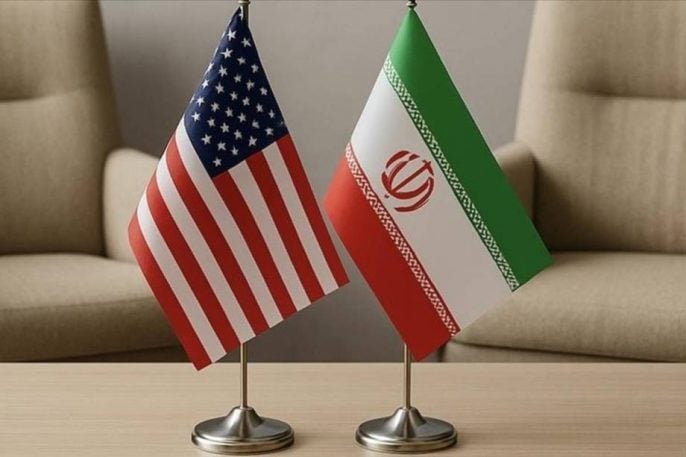
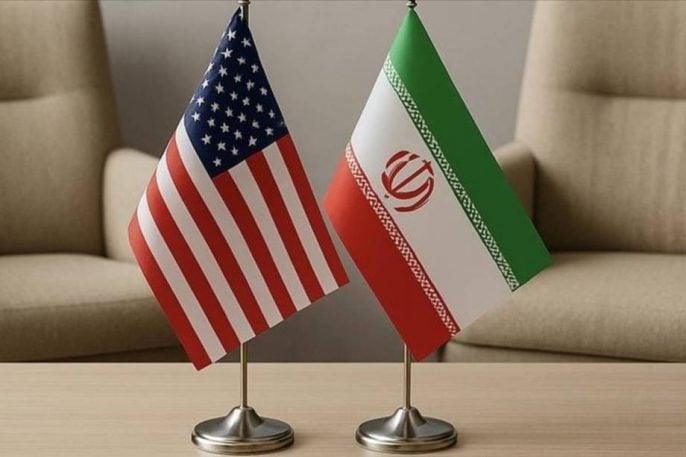
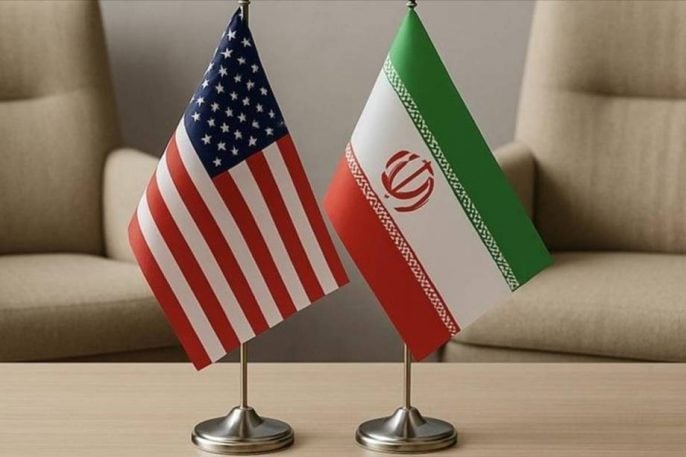
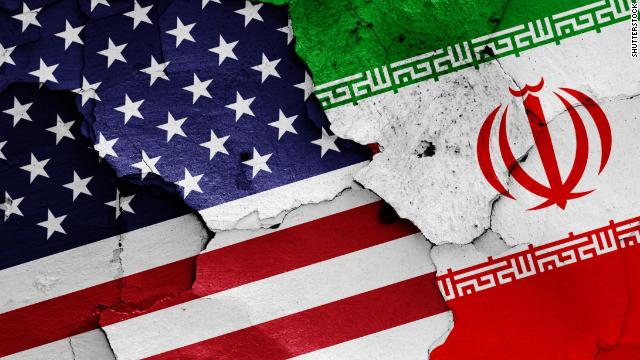
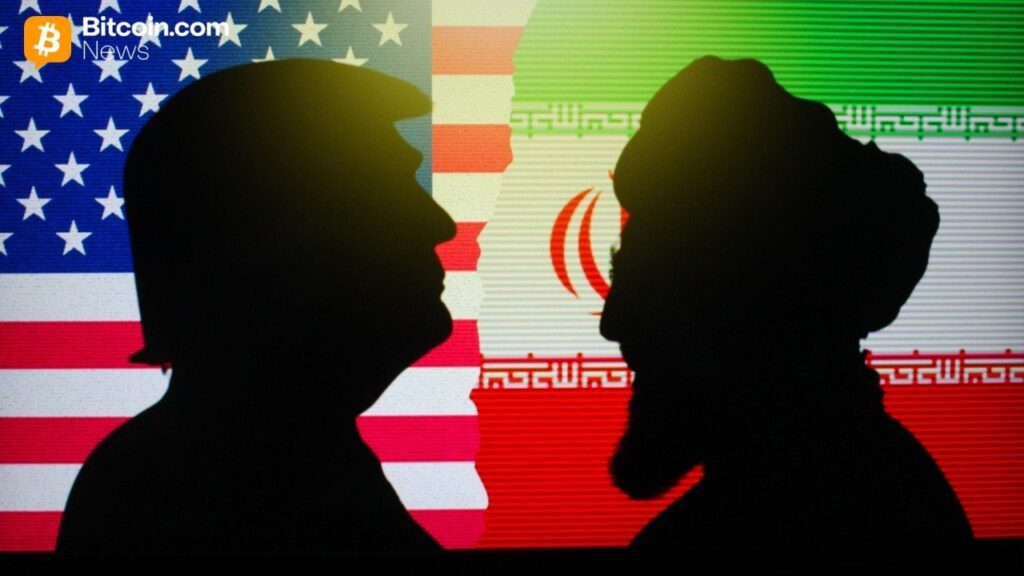
The Iran US ceasefire deal update news today is contradictory and fast-moving: the New York Times reported that Iran halted ceasefire negotiations entirely after Trump’s “civilization will die” post, while Iran’s own Tehran Times simultaneously insisted that “diplomatic and indirect channels of talks with the US are not closed.”
Summary
- The New York Times, citing three senior Iranian officials, reported that Iran informed Pakistani mediators it was ending ceasefire negotiations after Trump’s 8 AM ET Truth Social post on April 7
- The Wall Street Journal separately reported that Iran cut off “direct communications with the US,” while Iran’s ambassador to Pakistan said mediation efforts had reached a “critical, sensitive stage”
- Iran submitted a 10-point peace proposal through Pakistani intermediaries rejecting a temporary ceasefire and calling instead for a permanent end to the war, the lifting of all sanctions, and reconstruction
The Iran US ceasefire deal update news today reflects a conflict between what different governments are saying publicly and what is happening through back channels. According to CNBC, citing the New York Times directly: “The New York Times, citing three senior Iranian officials, reported that Iran has stopped negotiation efforts with the U.S. and told Pakistan, which has acted as a mediator, that it would end ceasefire talks.” The Wall Street Journal added that Iran cut off “direct communications with the US.” But Iran’s Tehran Times posted on X that “diplomatic and indirect channels of talks with the US are not CLOSED” — and Iran’s ambassador to Pakistan said the peace efforts had reached a “critical, sensitive stage.”
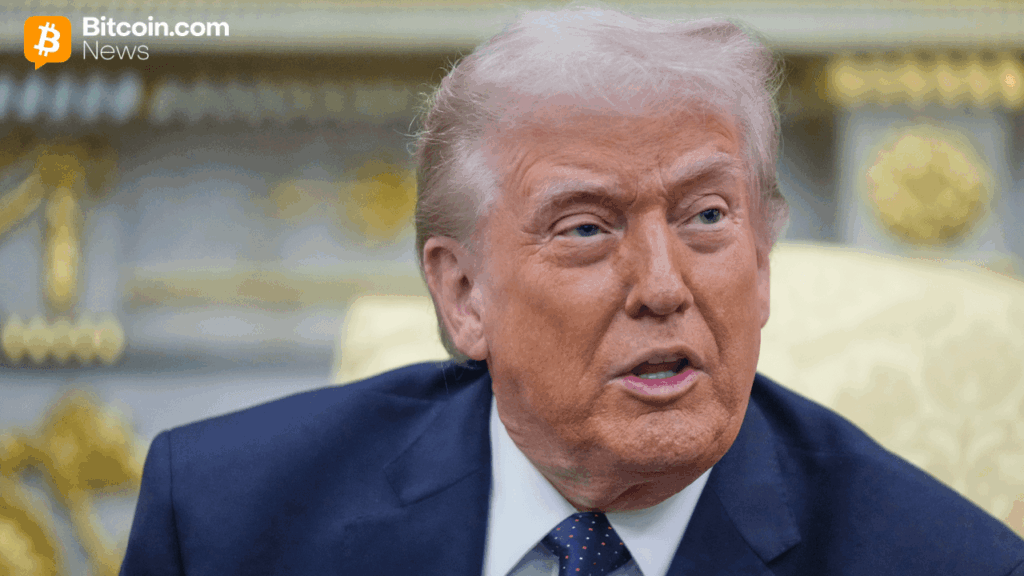
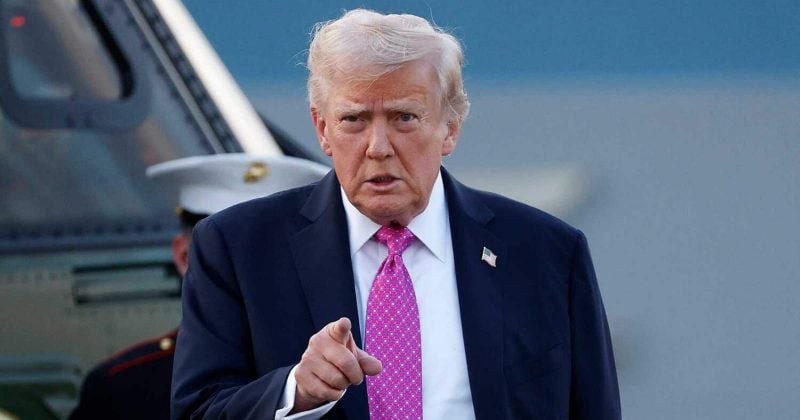
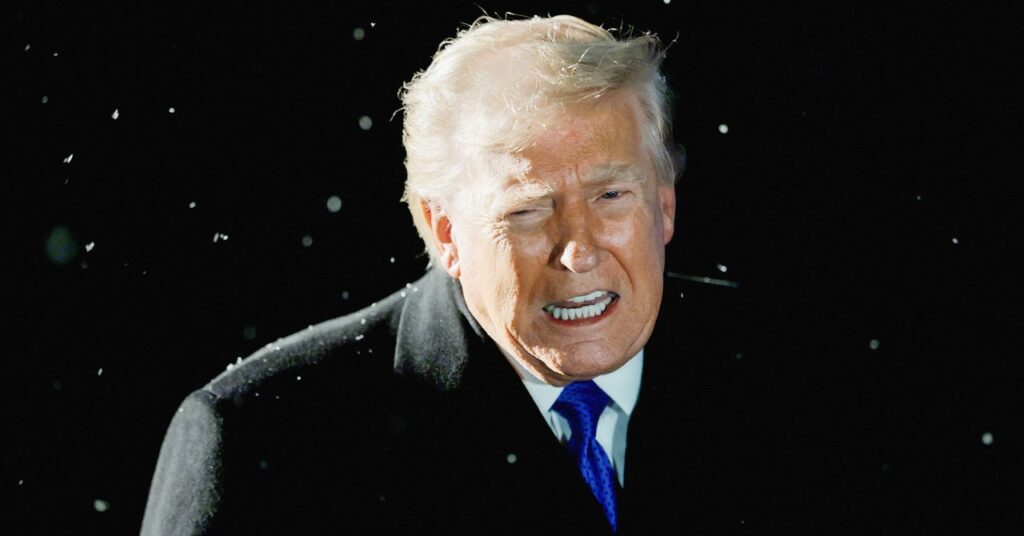
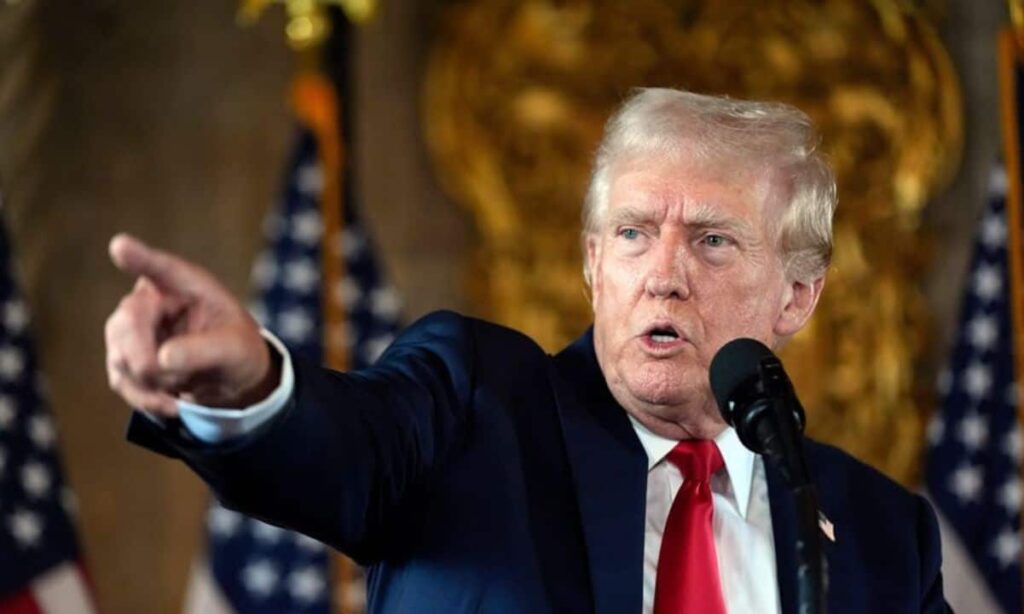
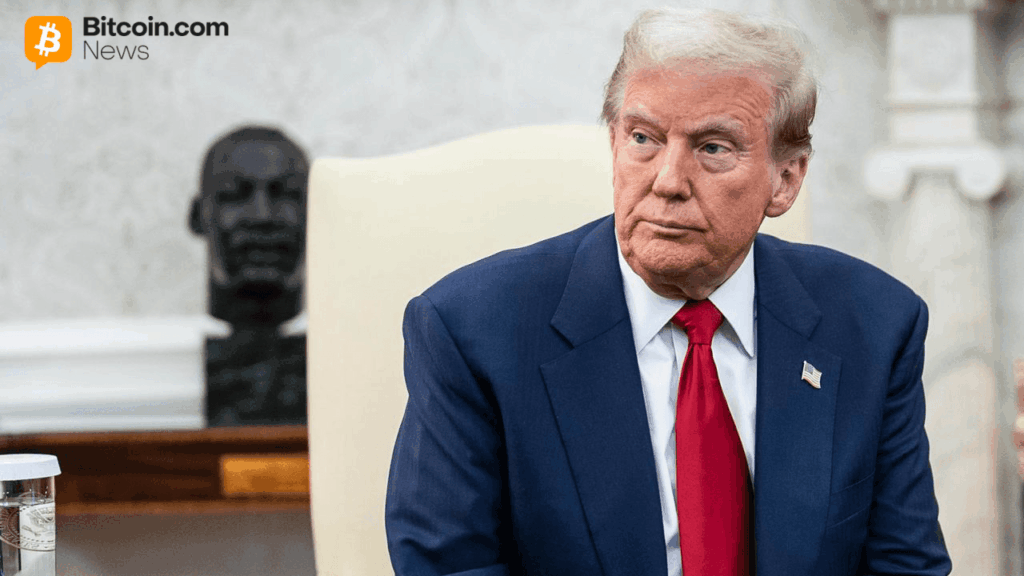
The immediate trigger was Trump’s Truth Social post just after 8 AM ET on April 7, in which he wrote that “a whole civilization will die tonight.” Iranian officials cited the post as incompatible with negotiation. Foreign Ministry spokesperson Esmail Baghaei had already stated the day before that talks were “entirely incompatible with ultimatums, crimes and threats of war crimes.”
Before the breakdown, Iran submitted a formal 10-point proposal through Pakistani mediators. The proposal rejected any temporary 45-day ceasefire and instead demanded a permanent end to the conflict, a protocol governing safe passage through the Strait of Hormuz, the lifting of all US sanctions, and Iranian reconstruction funding. Trump publicly acknowledged the proposal on Monday, calling it “a significant step” but “not good enough.”
Why the 45-Day Ceasefire Was a Non-Starter for Iran
Iran’s refusal to accept a temporary ceasefire is rooted in its experience during Israel’s 12-day war in June 2025, which Iran argues showed it that ceasefire agreements do not prevent future attacks. As crypto.news reported, Iran has consistently demanded that any deal include guarantees against future attacks — not just a pause — and that the Strait of Hormuz’s full reopening would happen only under a final, comprehensive agreement, not as a confidence-building measure in a preliminary phase.
What Markets Are Doing With the Conflicting Signals
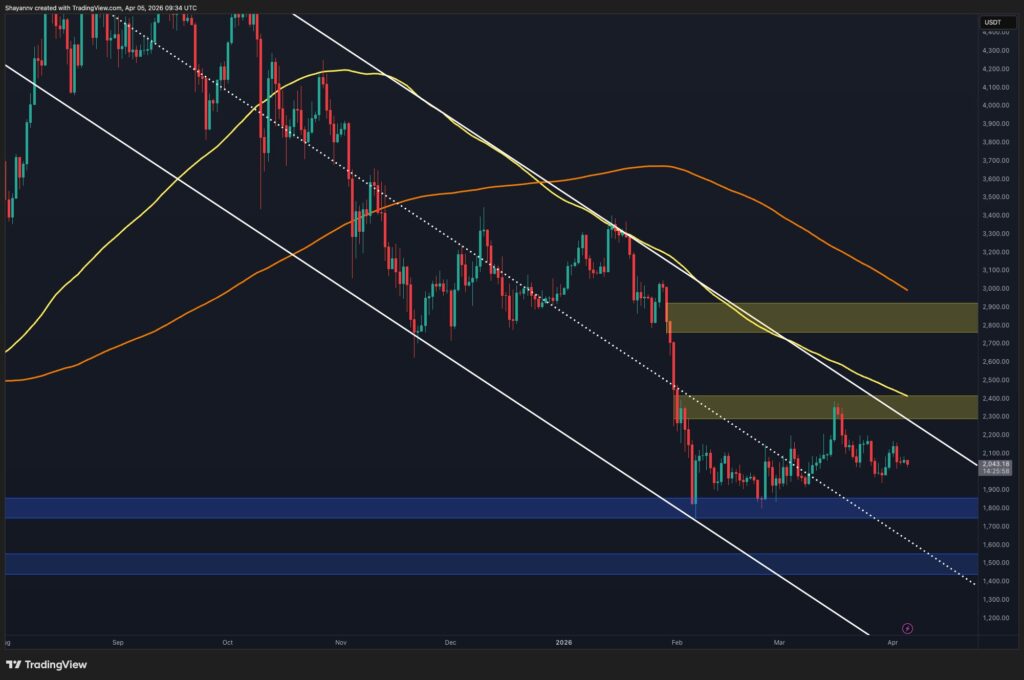
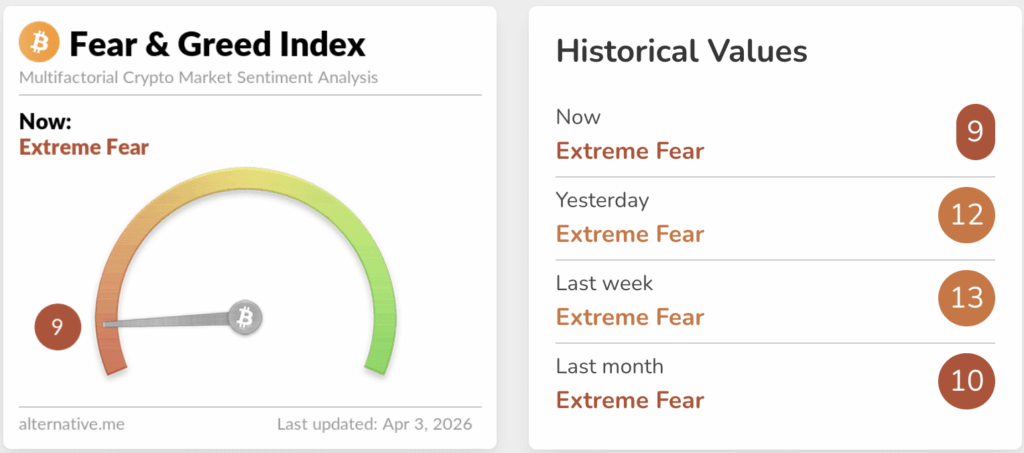
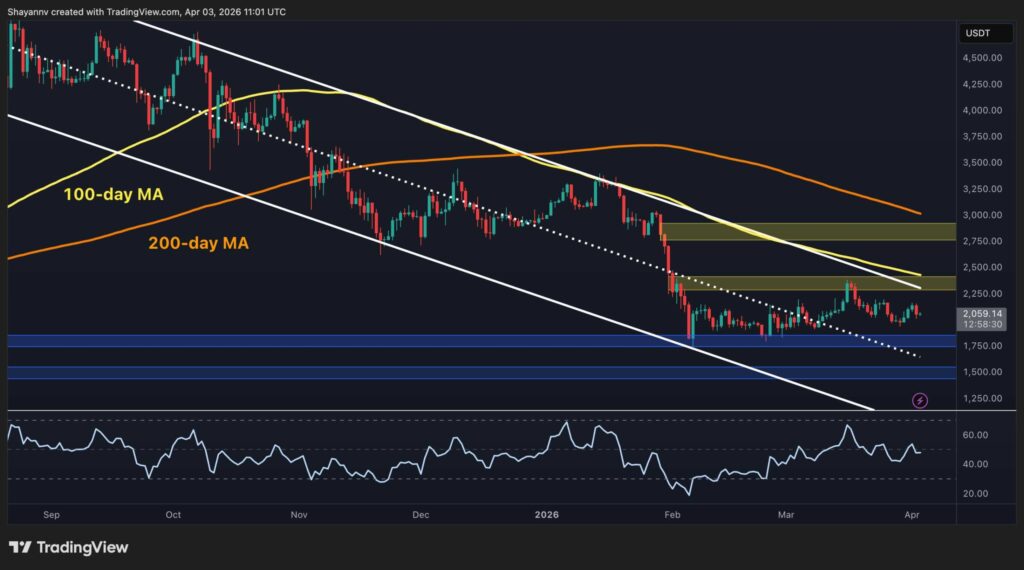
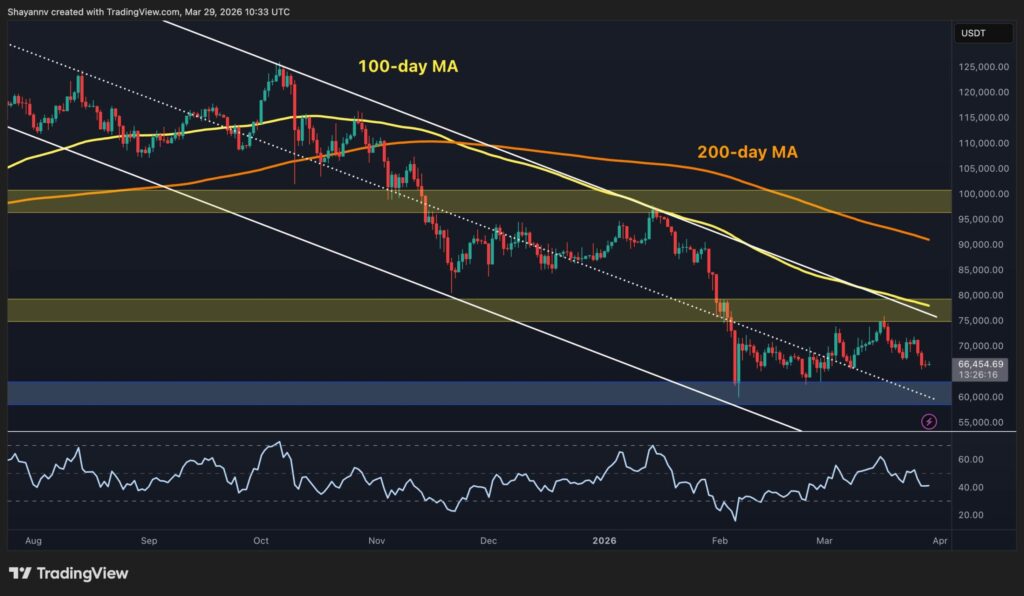
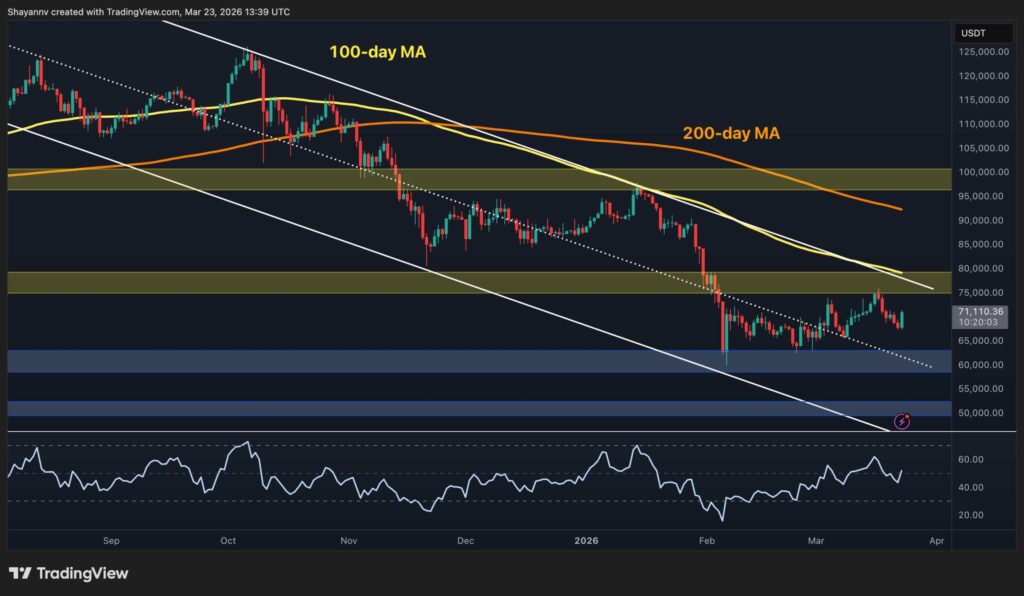
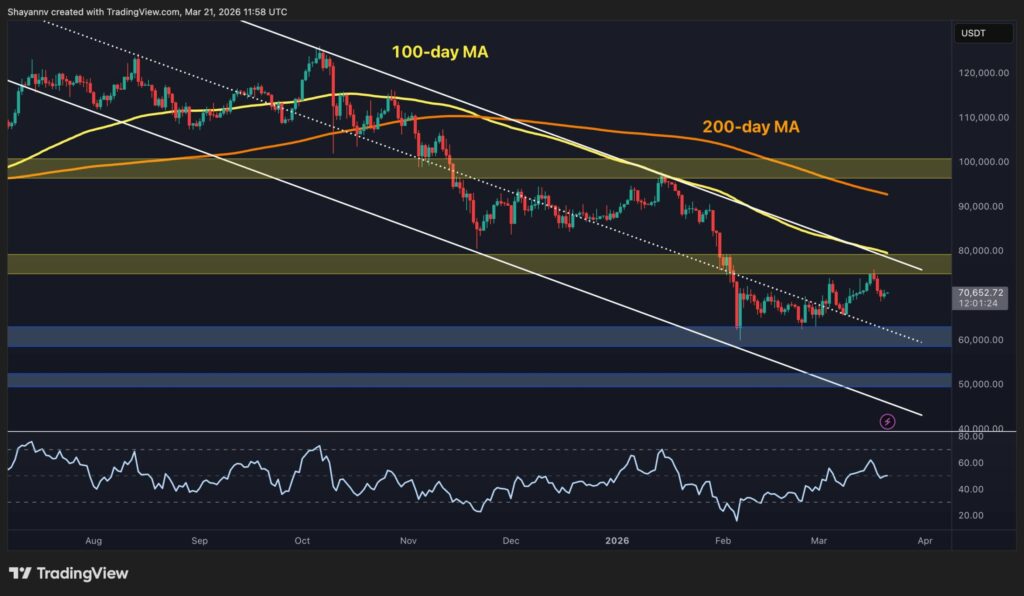
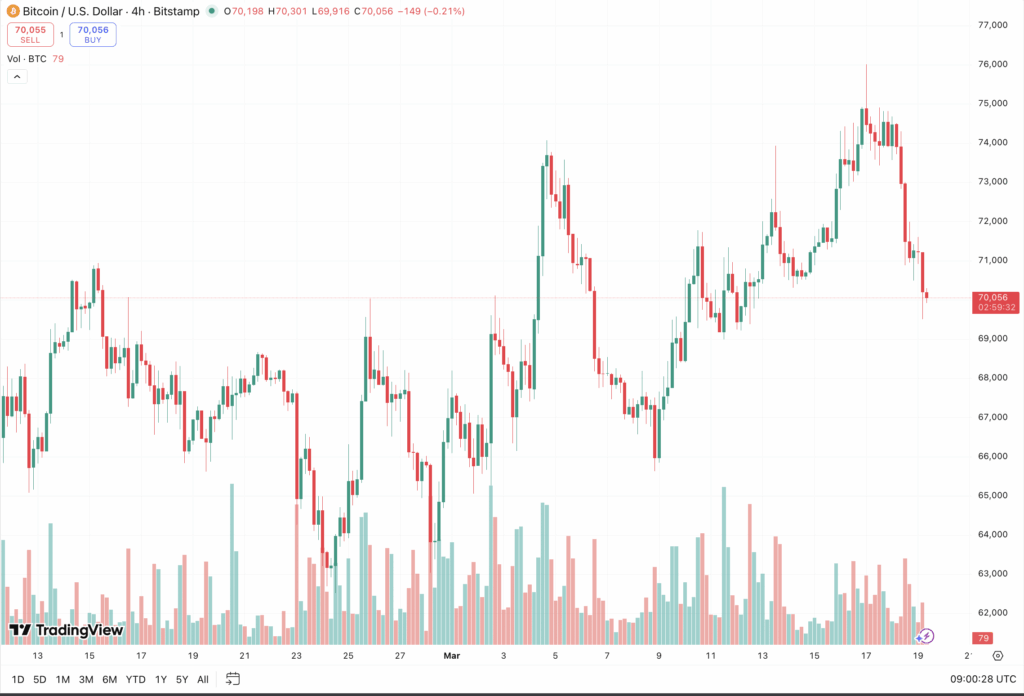
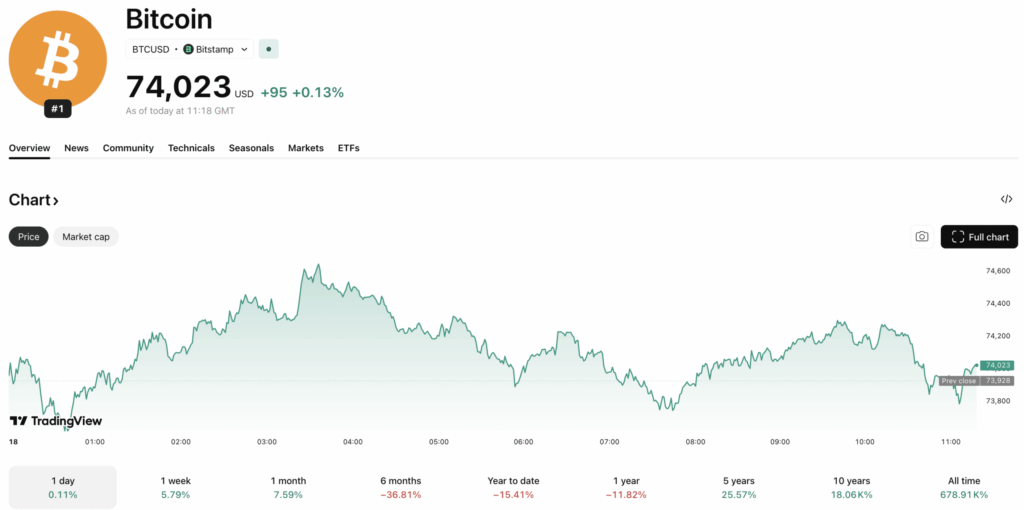
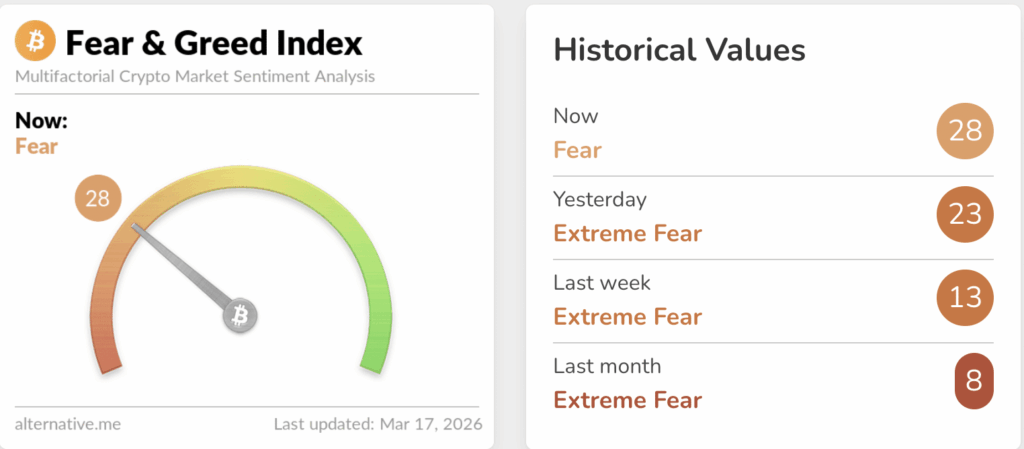
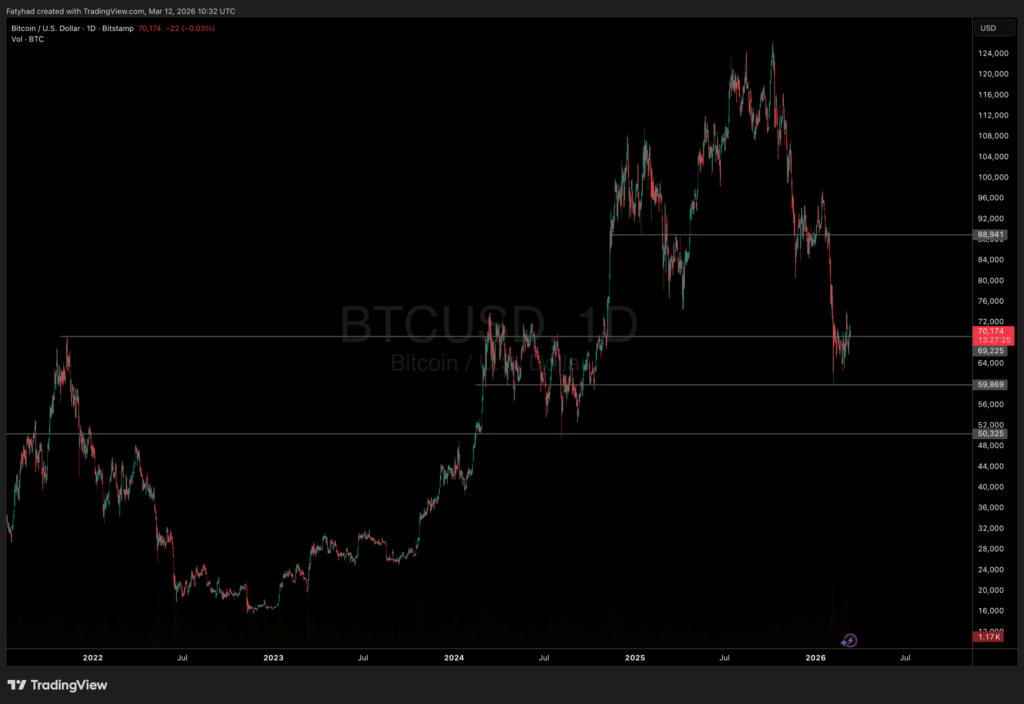
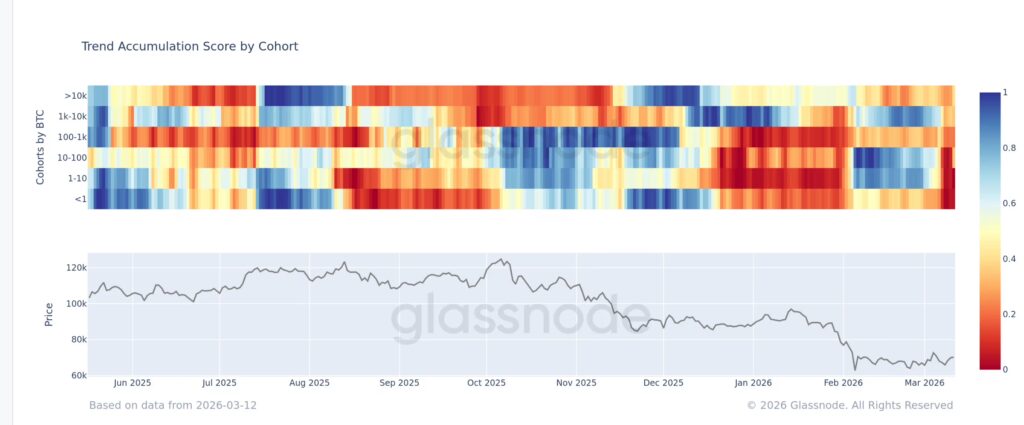
The contradiction between the official walkout and the back-channel communication is exactly what has made this conflict so difficult for markets to price. As crypto.news noted, Bitcoin pulled back below $69,000 when Trump confirmed Iran’s earlier proposal was insufficient, as traders returned to bearish positioning. The pattern throughout this conflict has been the same: ceasefire signals produce brief relief rallies, and their collapse reverses those gains within hours.
With 8 PM ET rapidly approaching, the credibility of any remaining indirect channel depends almost entirely on whether Iran uses the next few hours to signal something concrete to Pakistani mediators — or whether tonight sees the military escalation Trump has threatened.
“All elements need to be agreed today,” a source aware of the proposals told Reuters early Tuesday. “The initial understanding would be structured as a memorandum of understanding finalized electronically through Pakistan, the sole communication channel in the talks.”