








































































































































































































































































































































































































































































































































































































































































































































































































































































































































































































































































































































































































































































































































































































































































Trader Liquidated for the Sixth Time: How James Wynn From $100M to $900 in a Brutal Leverage Lesson

A trader named James Wynn turned $100 million into $900. Not over years of bad decisions, over a concentrated stretch of leveraged Bitcoin shorts on the derivatives platform Hyperliquid, culminating in his sixth liquidation in two weeks on April 6, 2026. That number – $900 – is what remains after one of the more extreme public displays of leverage risk crypto has ever produced on-chain.
This isn’t just one trader’s bad luck. It’s a real-time demonstration of exactly what high-leverage trading does when the market moves against you – and why the warnings aren’t exaggerated.
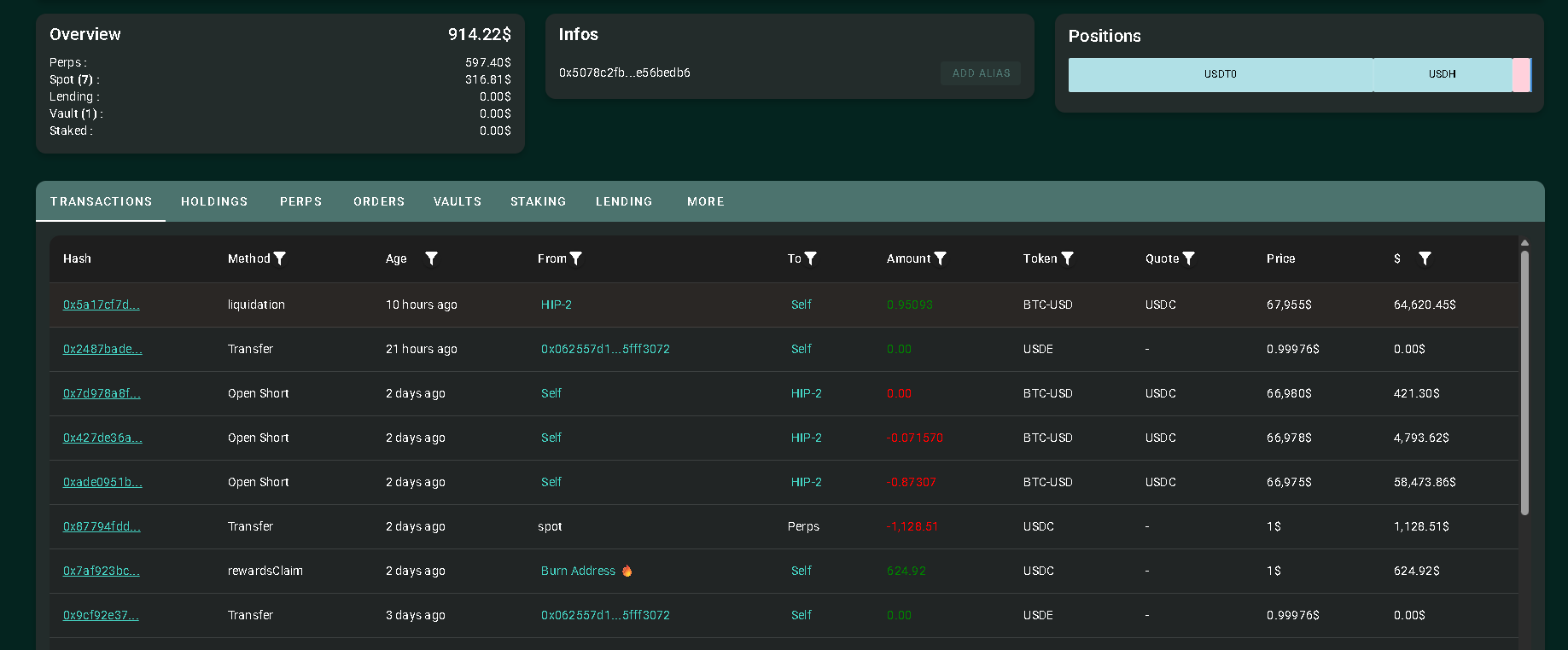
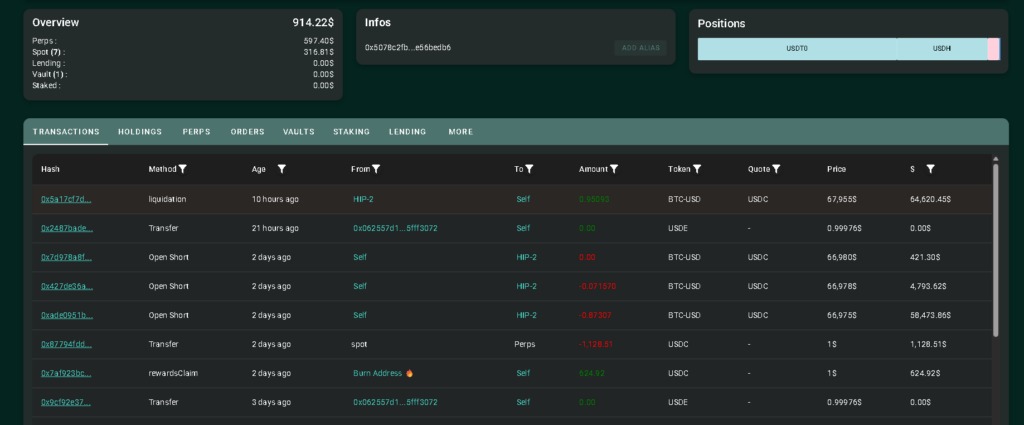
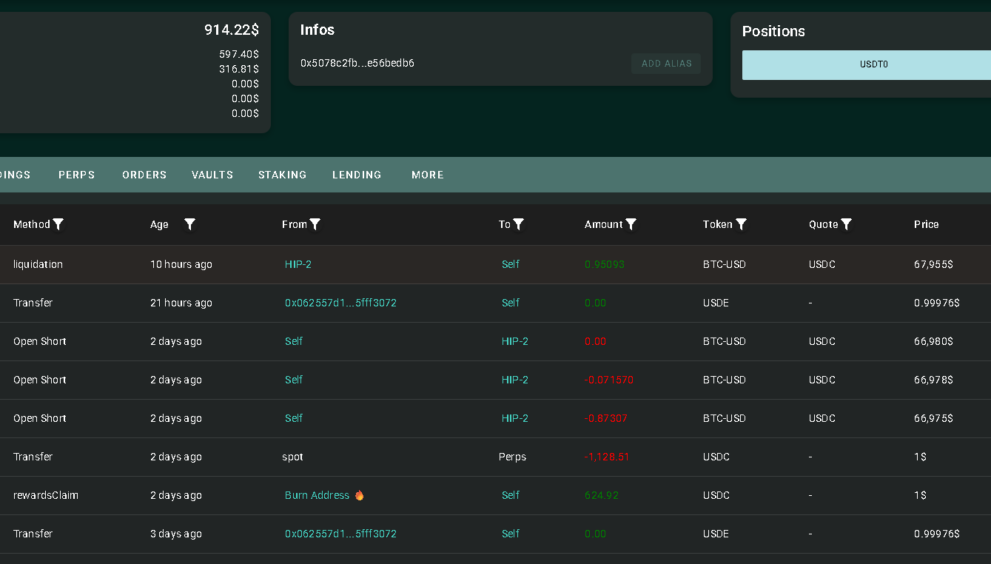
(Source – HypurrScan)
What Actually Happened to James Wynn? How Did He Face Liquidation?
Wynn had been opening 40x leverage short positions on Bitcoin through Hyperliquid since mid-March 2026, with position sizes ranging from $44,000 to $190,000 in notional value. A short position is a bet that the price will fall – so every time Bitcoin rallied instead, Wynn’s positions moved in the wrong direction fast.
James Wynn(@JamesWynnReal) has been liquidated again due to the market rally.
In just the past 2 weeks, he has been liquidated 6 times!https://t.co/Gk9K9GXeel pic.twitter.com/qICzgl6T3w
— Lookonchain (@lookonchain) April 6, 2026
On-chain tracker, Lookonchain, flagged the sixth liquidation live at 02:29 AM on April 6, posting “JAMES WYNN: HYPERLIQUIDATED” as BTC’s ongoing rally wiped the position. Liquidation – when the platform automatically closes your trade because your losses have eaten through your collateral – hit Wynn’s account for the 200th-plus time in his trading history. Arkham Intelligence data confirmed the account balance cratered from $100 million down to $900.
Prior to this streak, Wynn had already logged 194 total liquidations, with his peak notional exposure once reaching $1.26 billion. He’d also shown leverage can go right – in November 2025, 40x BTC longs generated over $900,000 in unrealized gains. But the net result, played out across months of on-chain history, is a near-total wipeout.
Why High-Leverage Traders Keep Blowing Up And Getting Liquidated
Here’s the simplest way to understand 40x leverage: you’re controlling $40 of Bitcoin for every $1 you actually put in. It’s like borrowing $39,000 to bet alongside your $1,000. The upside is amplified, but so is every cent of downside.
At 40x, a 2.5% move against your position wipes out 100% of your collateral. Bitcoin moves 2.5% in an afternoon without blinking. Wynn was shorting into a sustained BTC rally, which meant every tick higher was chewing through his margin. The platform doesn’t wait for you to decide to exit; once the collateral is gone, the position closes automatically. That’s liquidation.
The specific error pattern here wasn’t just high leverage – it was high leverage used repeatedly in the same direction against a prevailing trend, with position sizes large enough to cause significant damage each time. Even sophisticated whale-level traders exit large derivatives positions when conditions turn – Wynn’s on-chain record suggests he kept re-entering instead.
Analysts at Phemex noted the event “highlights the risks associated with high-leverage trading in volatile markets like cryptocurrency,” which understates it considerably. Six liquidations in two weeks isn’t a risk highlight. It’s the risk, fully realized, in sequence.
The Risk Management Rules This Trader Ignored
Experienced traders treat leverage like a tool with a very short fuse – useful in specific, controlled conditions, dangerous in almost every other context. Here’s what that actually looks like in practice:
- Position sizing: Professional risk frameworks typically cap any single position at 1–2% of total account value. A $100M account opening a $190,000 position sounds disciplined – until it’s 40x leveraged and one bad hour erases it.
- Stop-loss discipline: A stop-loss is a pre-set exit point if the trade moves against you. It removes emotion from the equation. Wynn’s pattern – re-entering shorts repeatedly into a rally – suggests stop-losses either weren’t set or weren’t respected.
- Leverage limits: Most experienced traders use 2x–5x at most. At 40x, you’re not trading – you’re gambling on the next few minutes of price action. Even 10x means a 10% move against you is a total loss.
- Trend awareness: Shorting an asset in a sustained uptrend is like swimming against a rip current. You might be right eventually – but the current can exhaust you long before then.
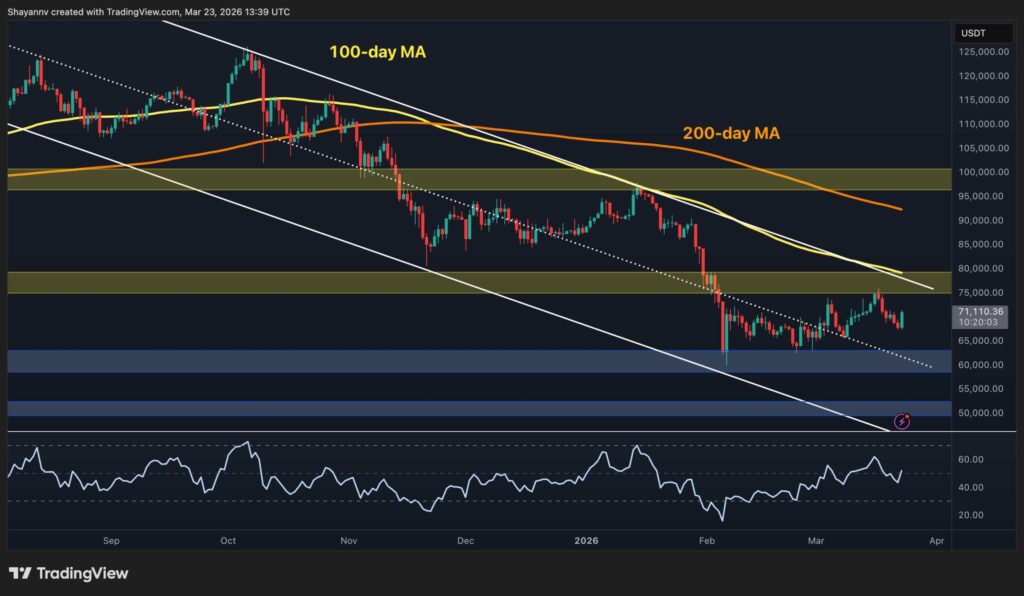
EXPLORE: Bitcoin’s April 2026 price action – and what forced liquidations look like when BTC moves sharply
What Path Are You On With Leverage?
If you’re a beginner who’s heard that leverage can 10x your gains, here’s how the three realistic paths actually play out:
- If you use low leverage (2x–3x) with strict stop-losses: You participate in amplified gains while limiting downside to a manageable loss – the only version of leverage that resembles a tool rather than a trap.
- If you use moderate leverage carelessly, without stops: One bad trade erases weeks of gains. You survive, probably, but the psychological damage often pushes you toward chasing losses – which is where real disasters start.
- If you chase 40x like Wynn: A 2.5% move in the wrong direction zeroes your position. Do that six times in two weeks and $100 million becomes $900. The math is not survivable at scale.
EXPLORE: What $422M in liquidations taught us about leverage risk in crypto
Follow 99Bitcoins on X and subscribe on YouTube for daily crypto analysis, beginner guides, and market updates.
The post Trader Liquidated for the Sixth Time: How James Wynn From $100M to $900 in a Brutal Leverage Lesson appeared first on 99Bitcoins.