






















































































































































































































































































































































































































































































































































































































































































































































































































































































































































































































































































































































































































































































































































































































































































































































































































































































































































































































































































































































































































































































































































































































































































































































































































































































































































































































































































































































































































































































































































































































































































Google Chrome secretly installs 4GB AI model



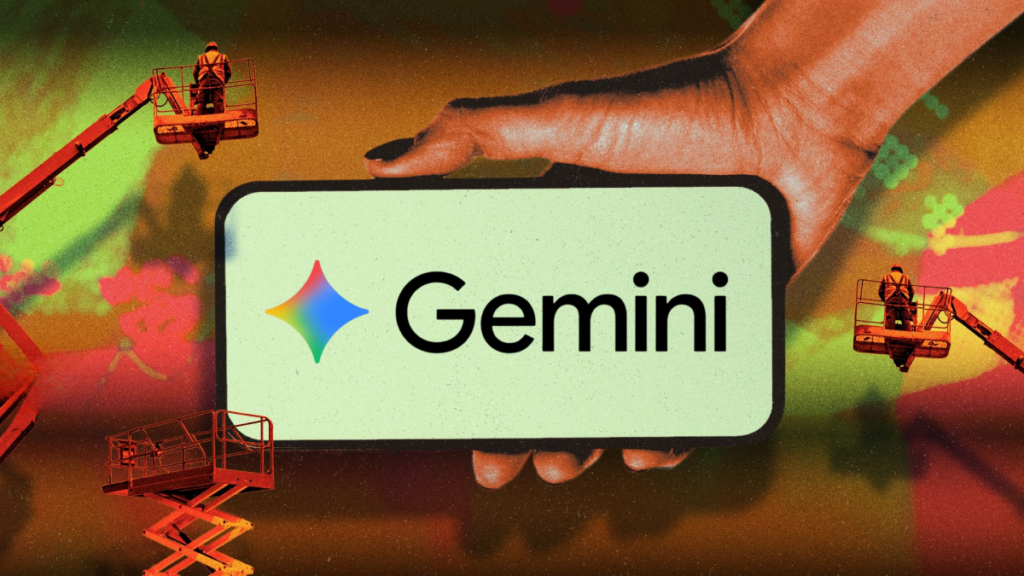
Google Chrome has been silently installing a 4GB AI model called Gemini Nano on users’ devices without consent, a researcher found.
Summary
- Researcher Alexander Hanff documented Chrome secretly downloading a 4GB AI model called Gemini Nano to eligible devices without user notification or consent.
- The model reinstalls itself automatically if users delete it, and Chrome does not offer an opt-out prompt during installation.
- Hanff argues the practice likely violates the EU’s ePrivacy Directive and GDPR, raising legal questions that have not yet been tested in court.
Google Chrome is silently installing a 4GB AI model on users’ devices without consent, a researcher found. Privacy researcher and computer scientist Alexander Hanff documented the installation after discovering that a Chrome profile he created for automated privacy audits had accumulated 4GB of model files called weights.bin inside a folder named OptGuideOnDeviceModel, despite receiving zero human input at any point.
The model is Google’s Gemini Nano, a lightweight on-device large language model. Hanff’s evidence chain shows Chrome downloading the 4GB file in 14 minutes and 28 seconds on April 24, 2026, without a consent prompt, without a settings notification, and without a checkbox.
The file reinstalls automatically when restarted after deletion, according to multiple independent reports across Windows, macOS, and Linux.
What Chrome does with the model
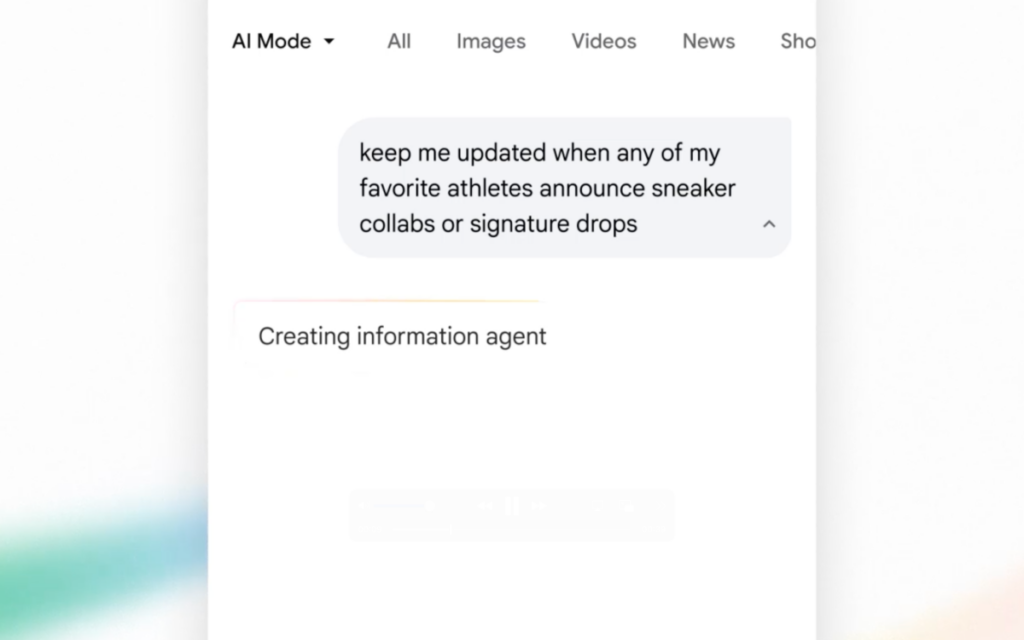
Chrome 147 displays an “AI Mode” pill in the address bar, which users might reasonably assume routes queries to the local on-device model. According to Hanff’s investigation, that assumption is wrong.
The AI Mode pill is a cloud-backed Search Generative Experience that sends every query to Google’s servers. The on-device Gemini Nano powers right-click menu features that most users never access.
Snopes verified the claim as mostly true, finding the weights.bin file on the devices of three of six staffers checked, spanning both macOS and Windows machines. Google told Snopes it began rolling out an opt-out option in Chrome settings in February 2026, though this setting was not available to all users.
As crypto.news reported, unsolicited data collection and silent software behavior from major tech platforms have become a growing concern in 2026, with CZ and others warning that transparency failures across digital systems are eroding user trust at scale.
Legal and environmental risks
Hanff argues the practice likely violates the EU’s ePrivacy Directive, which governs storage of data on user devices, and GDPR transparency requirements.
Those claims have not been tested in court. He also calculated that at Chrome’s approximately one-billion-device scale, distributing the 4GB file generates between 6,000 and 60,000 tonnes of CO2-equivalent emissions.
The Malwarebytes security blog noted that a similar pattern emerged weeks earlier when Hanff documented Anthropic’s Claude Desktop silently installing browser integration files across multiple Chromium browsers without meaningful user disclosure, also arguing those installs likely violated EU law.
As crypto.news tracked, AI-driven security and privacy risks are accelerating in 2026, with CertiK warning that AI tools are making attacks faster and harder to detect across the digital ecosystem.