




































































































































































































































































































































































































































































































































































































































































































































































































































































































































































































































































































































































































































































































































































































































































































































































































































































































































































































































































































































































































































































































































































































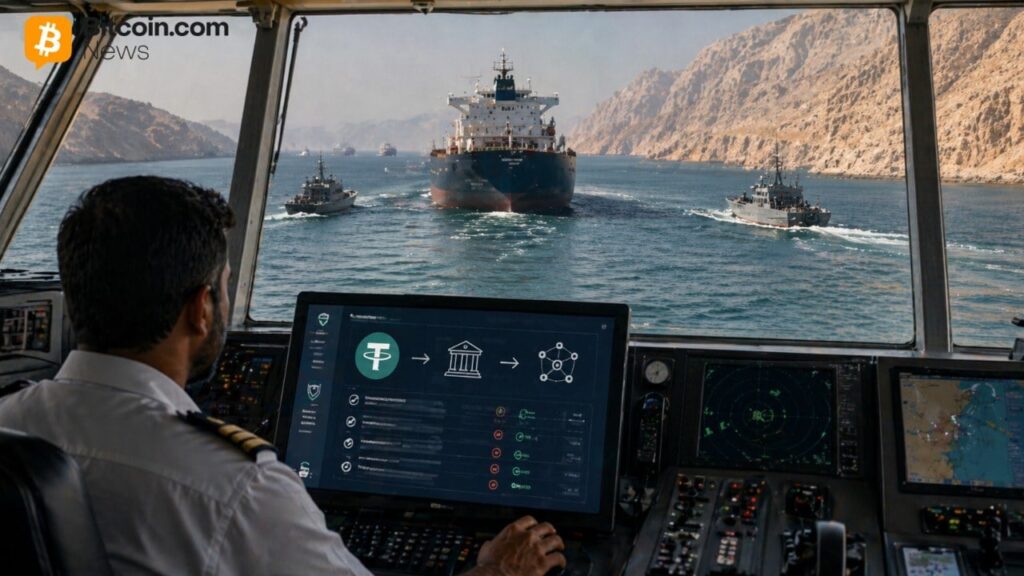


















































































































































































































































Asia dominates stablecoin payments, accounting for two-thirds of volume

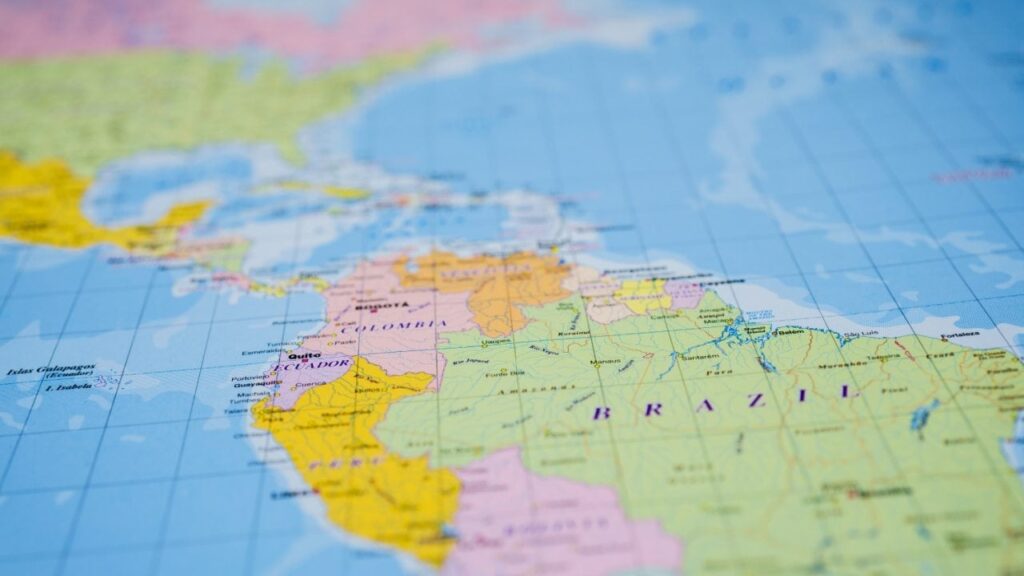
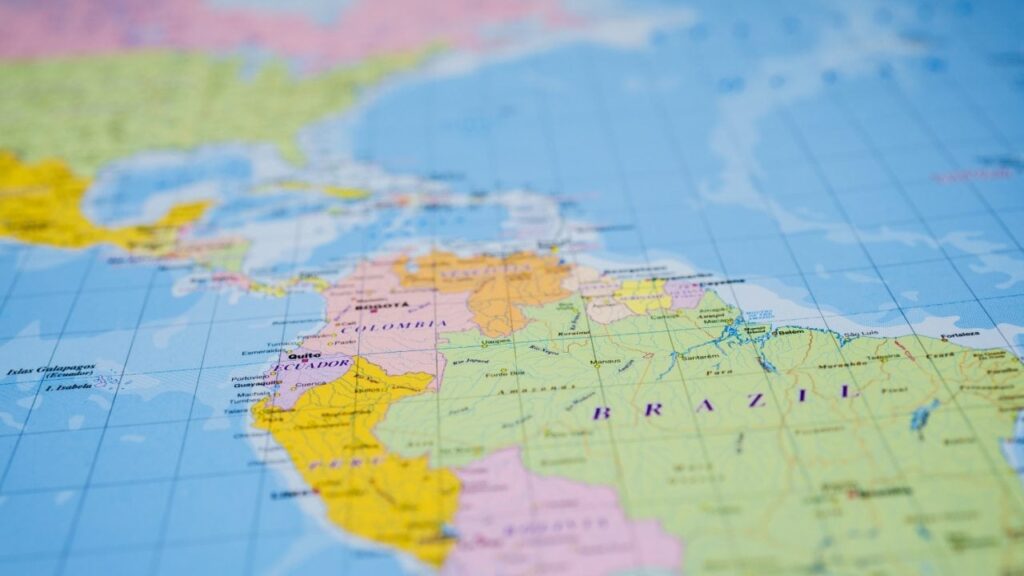
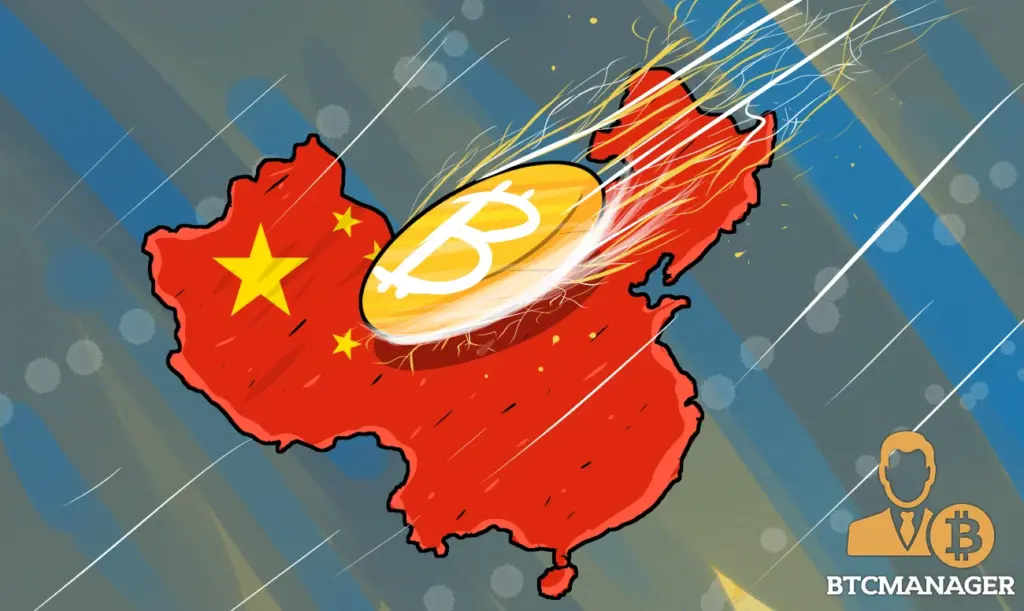
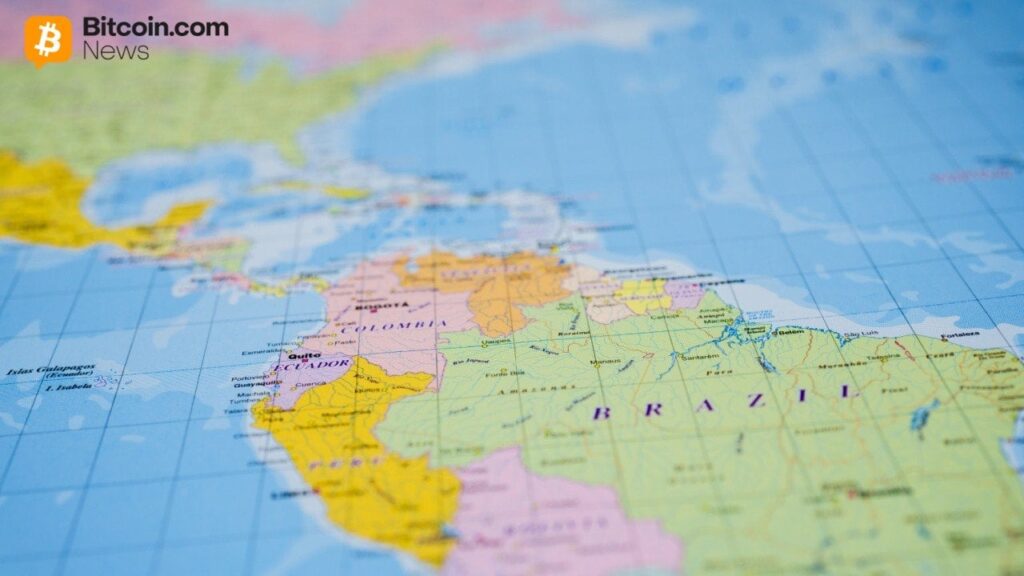
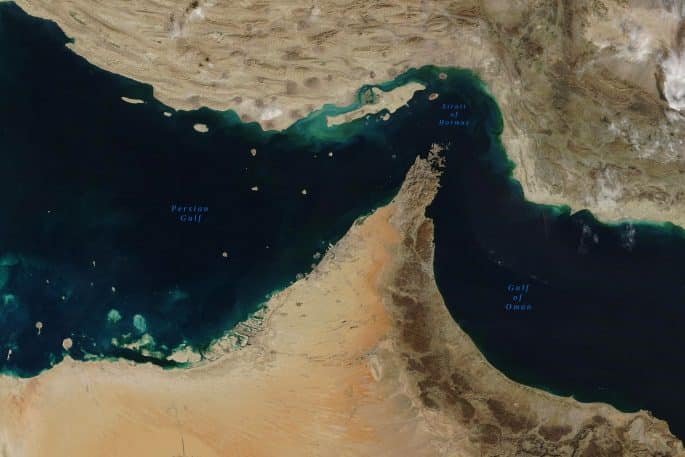
While Western regulators have spent the last few years debating what stablecoins even are, Asia quietly built a payments ecosystem around them. The continent now accounts for approximately 60% of global stablecoin payment volume, translating to roughly $245 billion in annual transactions.
That figure comes from a February 2026 analysis by McKinsey & Company in collaboration with Artemis Analytics. The key financial hubs driving this dominance: Singapore, Hong Kong, and Japan.
The gap between trading and paying
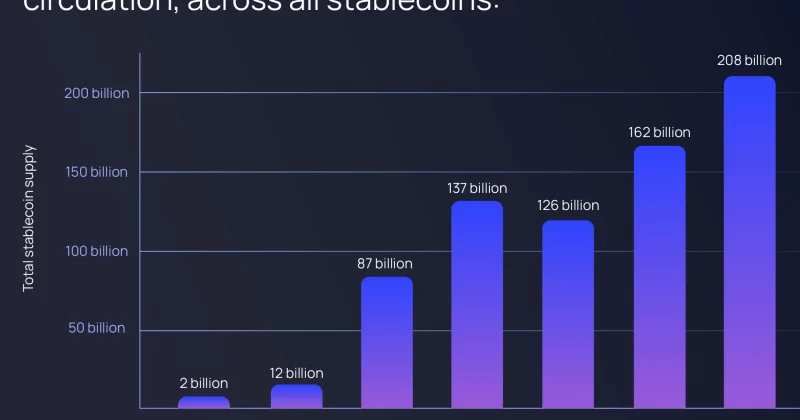
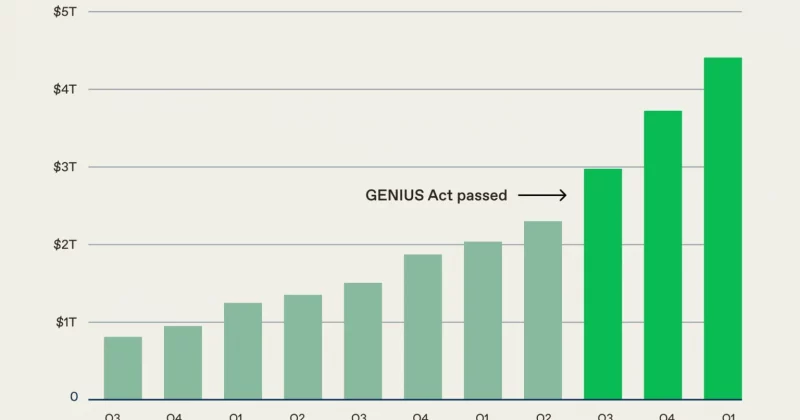
Total stablecoin transaction settlement exceeded $33 trillion in 2025. The McKinsey-Artemis analysis draws a critical distinction between genuine end-user payments and the broader on-chain trading activity that inflates headline figures. Most of that $33 trillion is traders shuffling value between exchanges and DeFi protocols, not businesses paying suppliers or consumers buying goods.
The actual payment volume, meaning transactions where stablecoins function as money rather than as trading collateral, comes to roughly $390 billion annually worldwide. That’s roughly 1.2% of total on-chain settlement.
B2B transactions make up the lion’s share of that real payment activity, accounting for about $226 billion, or roughly 60% of the total. And the growth rate there is staggering: 733% year-over-year in 2025.
Why Asia, and why now
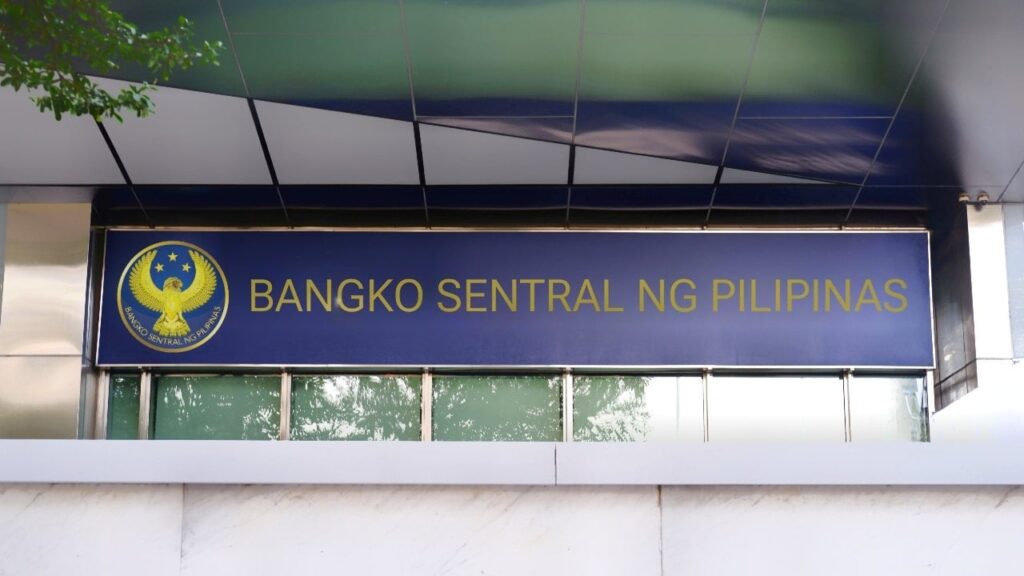
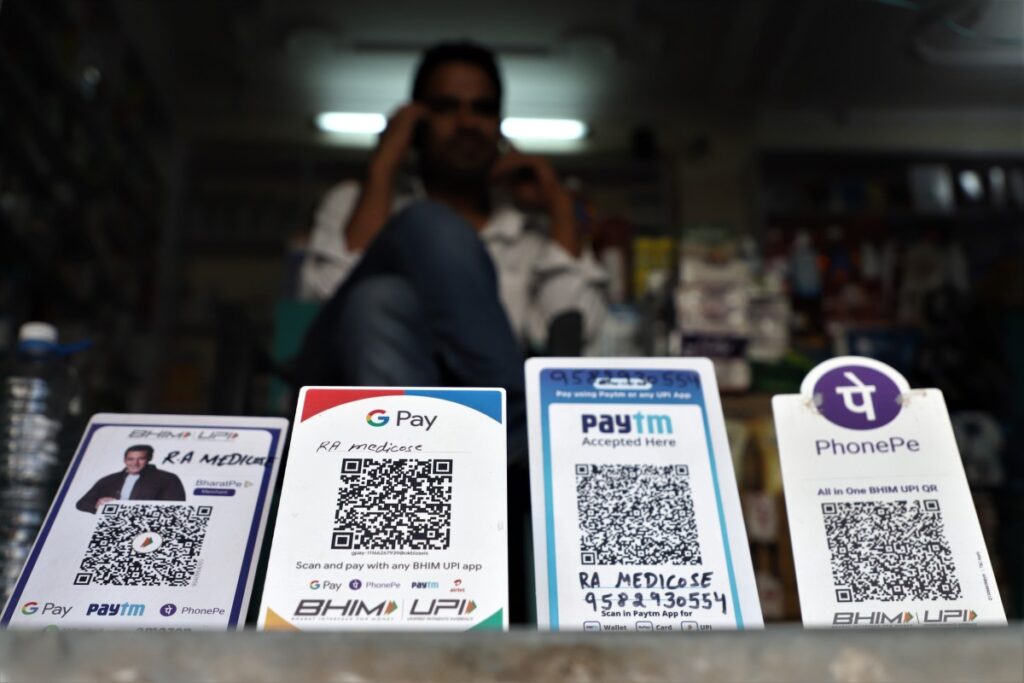
In 2024, the Asia-Pacific region received approximately $2.36 trillion in total crypto value. Countries like Indonesia, Vietnam, and the Philippines have emerged as leading adopters, driven less by speculation and more by practical use cases.
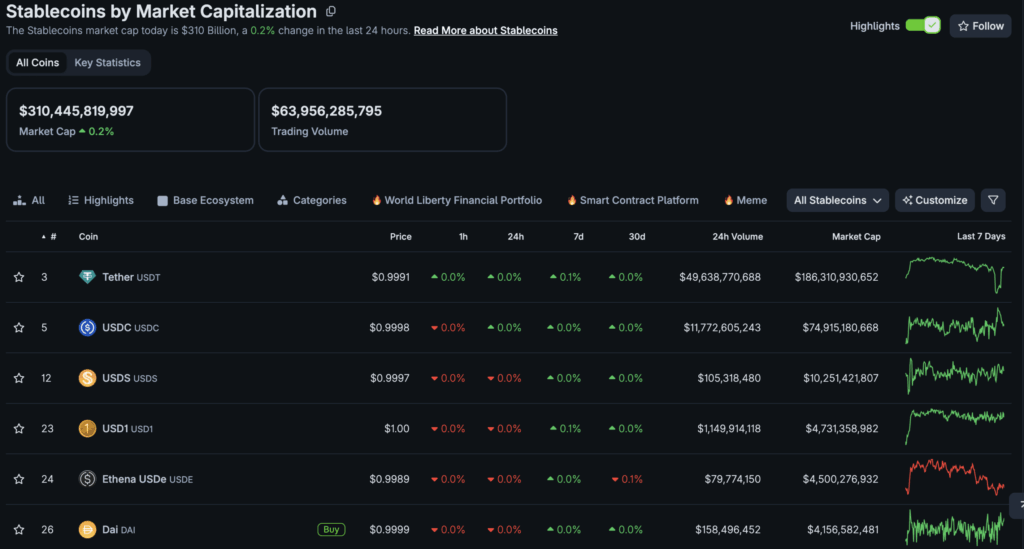
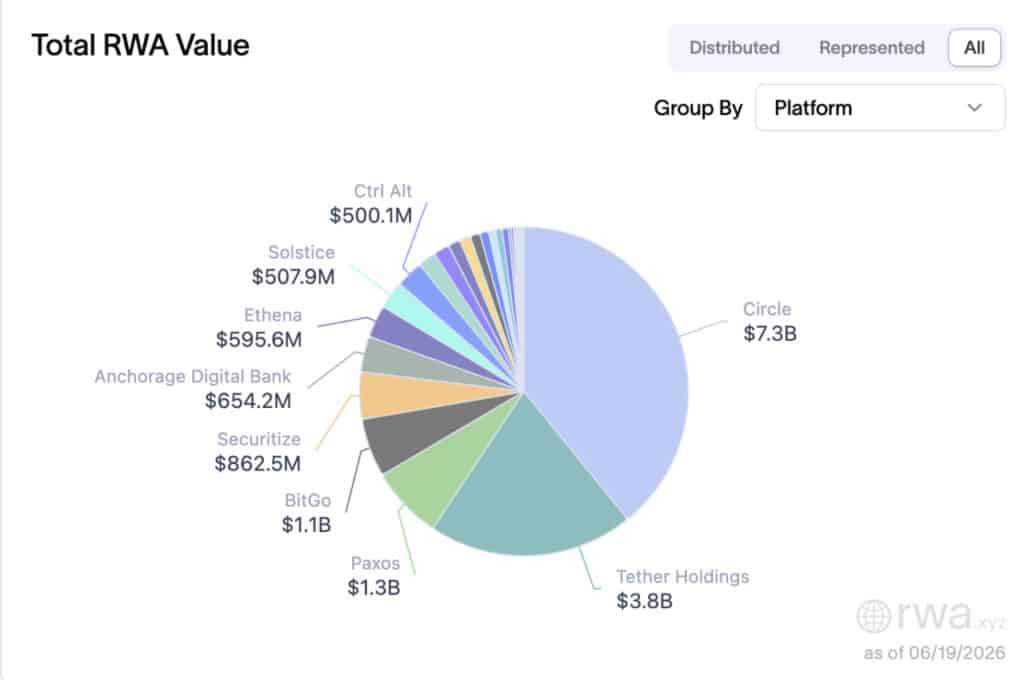
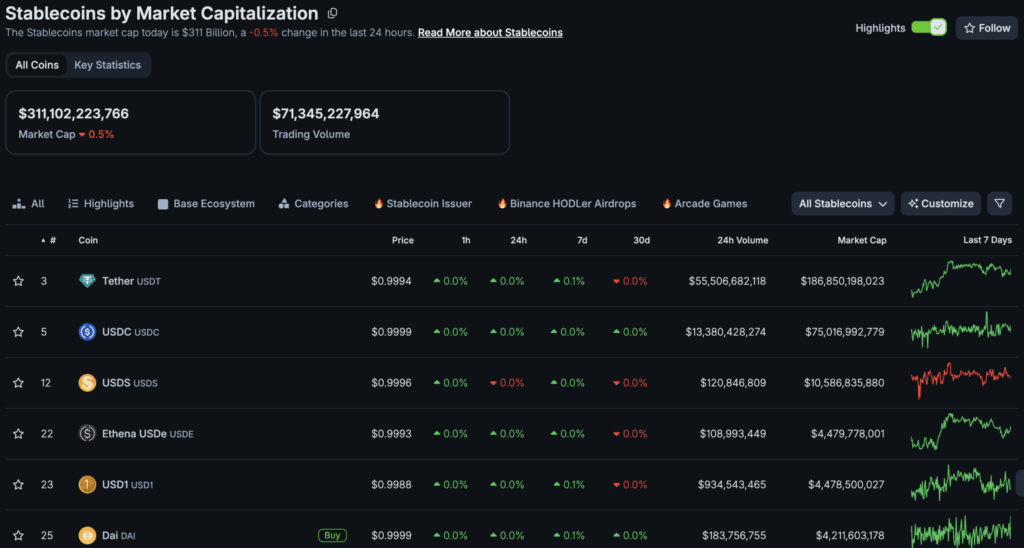
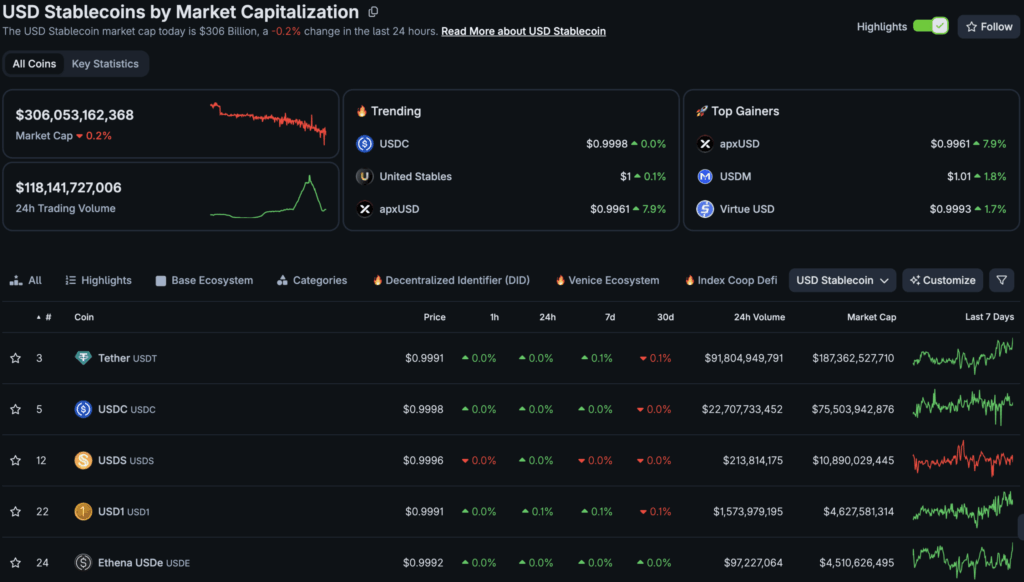
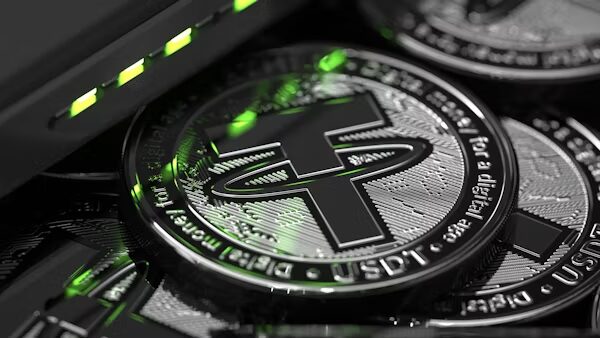
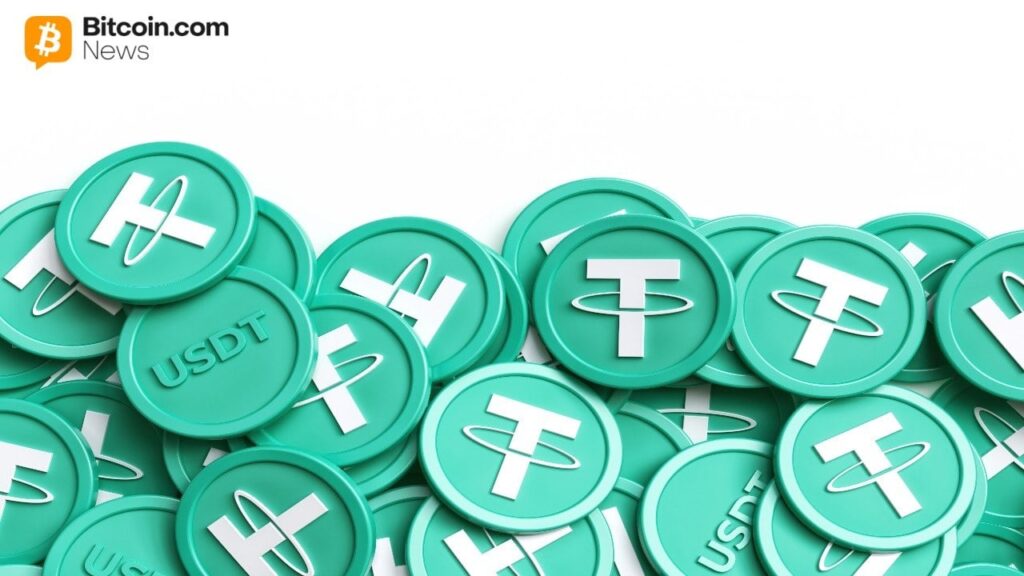
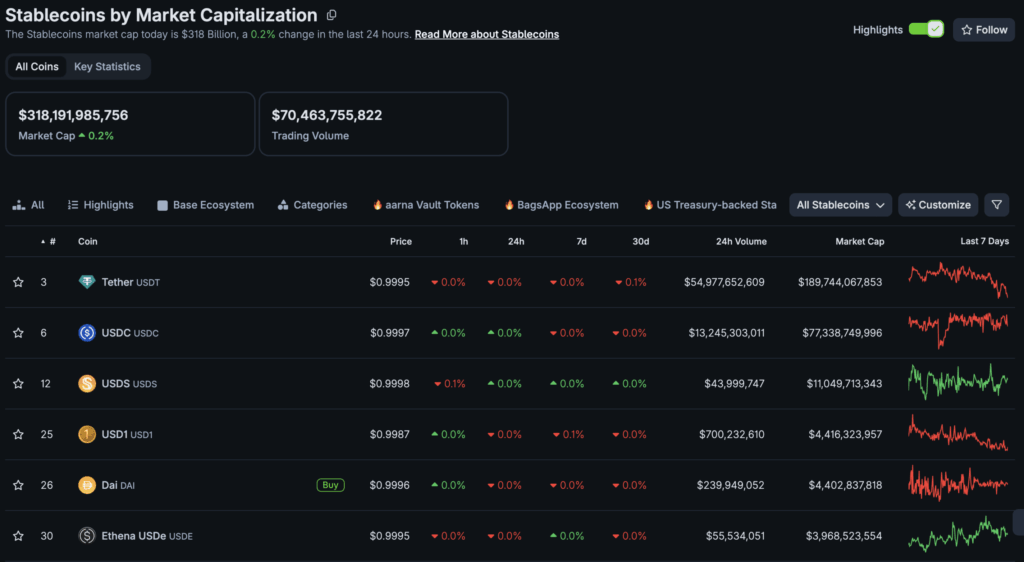
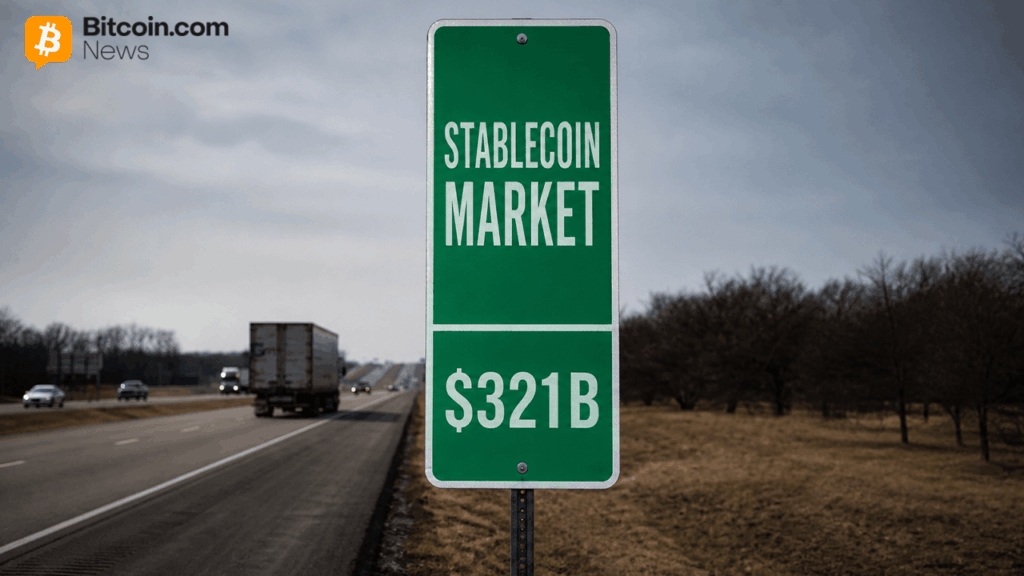
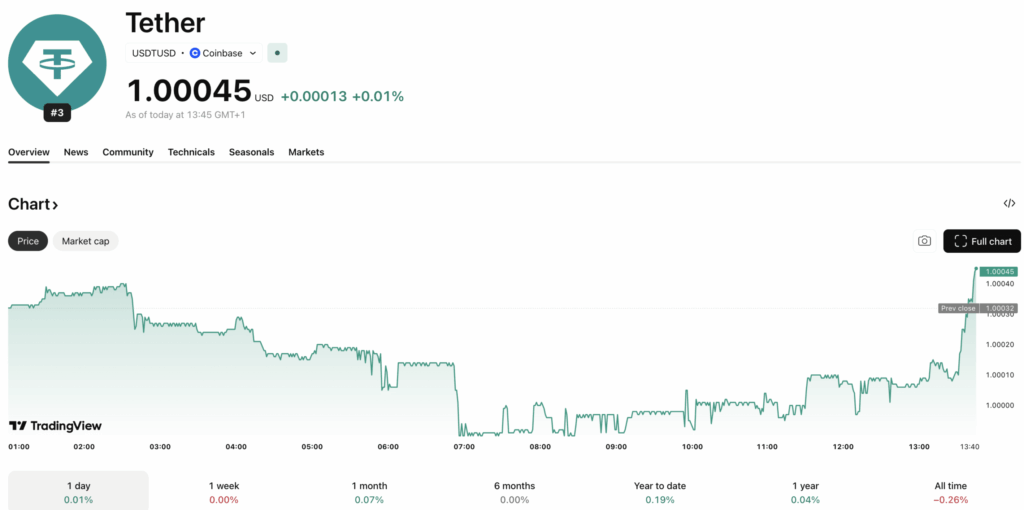
USDC and USD Tether together hold over 95% of the stablecoin market as of 2025.
What this means for investors
The 733% B2B growth figure is the number worth circling. When a manufacturing firm rewires its treasury operations to settle invoices in USDC, that’s not a decision that gets reversed because of a market downturn.
Disclosure: This article was edited by Editorial Team. For more information on how we create and review content, see our Editorial Policy.