






































































































































































































































































































































































































































































































































































































































































































































































































































































































































































































































































































































































































































































































































































































































































































































































































































































































































































































































































































































































































































































































































































































































































































































































































































































































































































































































































Russia and China agree on Power of Siberia 2 pipeline route, accelerating de-dollarization of energy trade

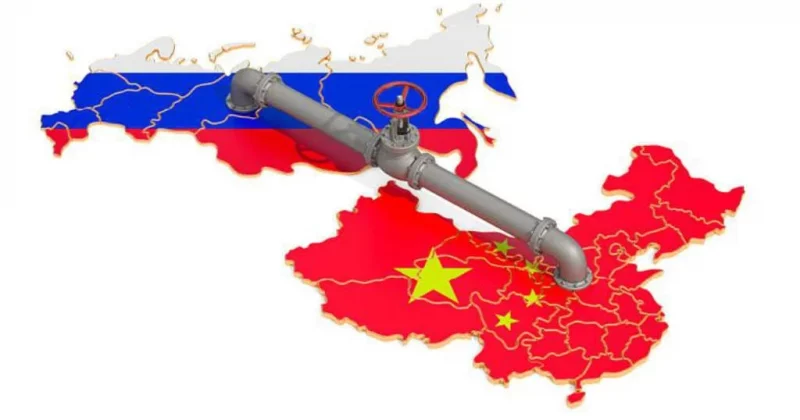
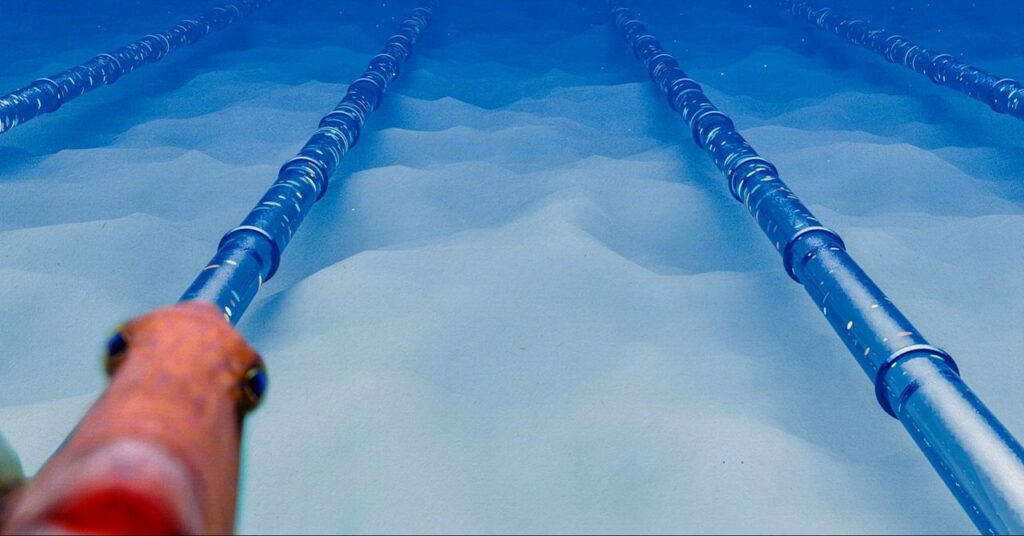
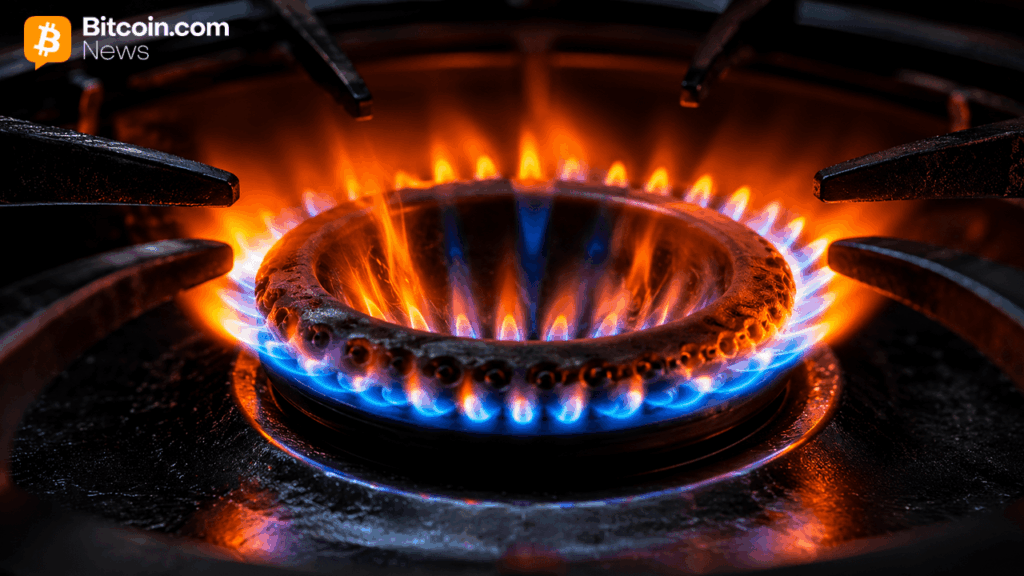
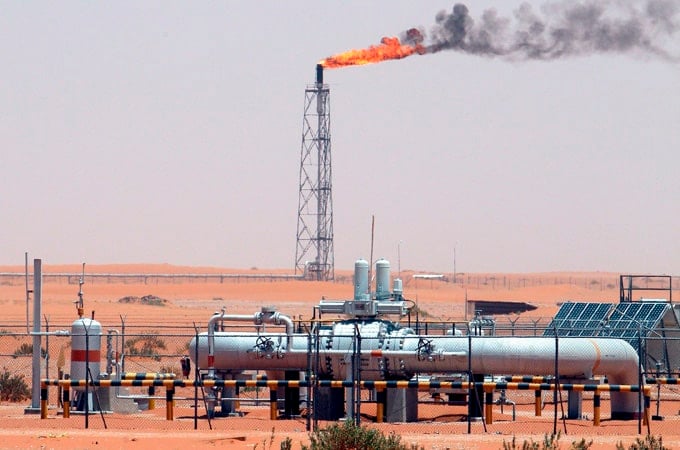
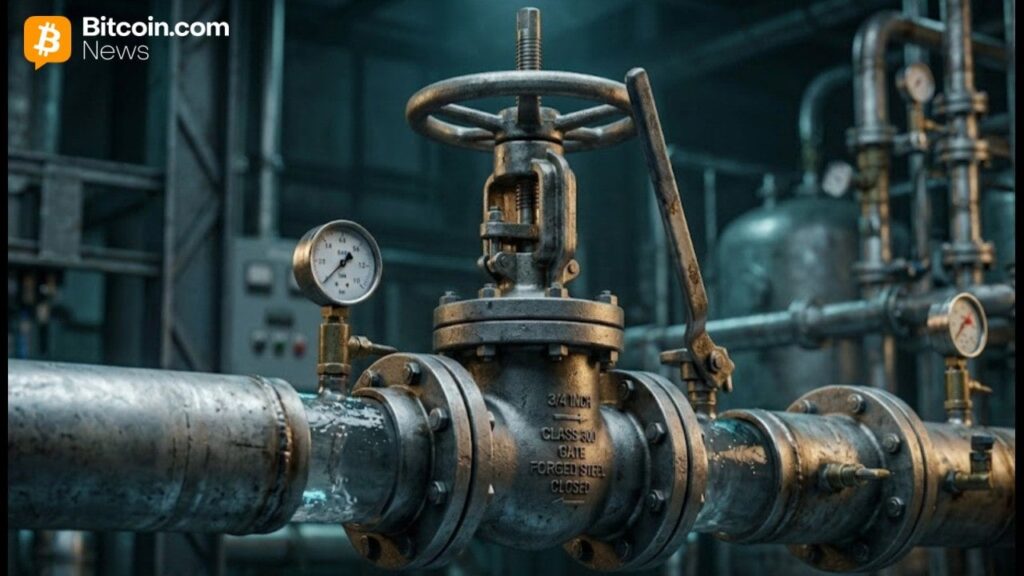
Russia’s Gazprom and China have reached what Moscow describes as a legally binding agreement on the route for the Power of Siberia 2 pipeline, a massive natural gas artery designed to carry 50 billion cubic meters of gas per year from Siberia to northern China. The deal, if fully realized, would represent one of the most significant energy infrastructure commitments of the decade, and it has implications that reach well beyond hydrocarbons.
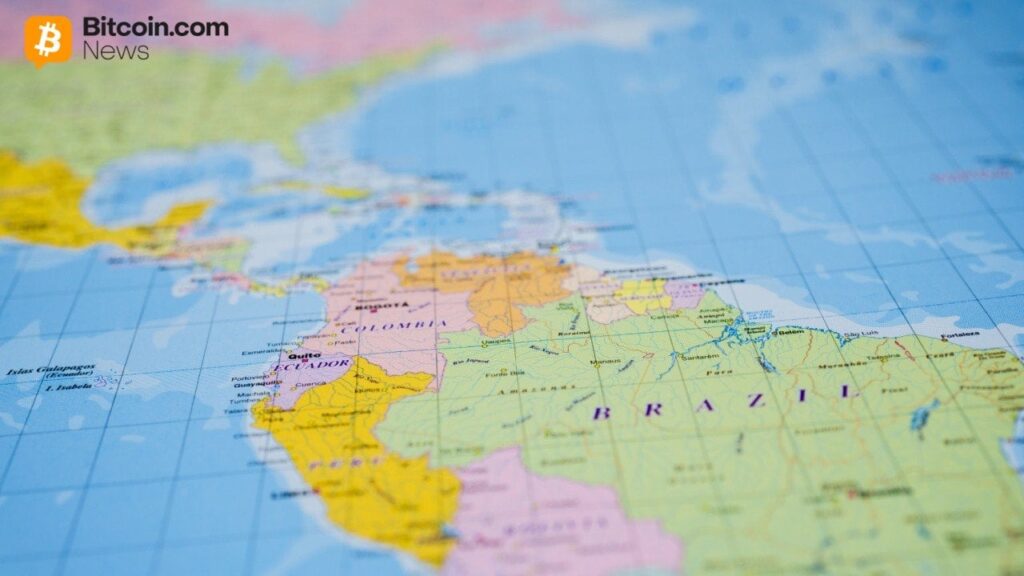
The pipeline would stretch roughly 2,600 kilometers, running from Russia’s Yamal gas fields through Mongolia and into China’s northern provinces. Gazprom is targeting a 30-year operational lifespan, with first deliveries expected around 2030.
What the deal actually looks like
Moscow is calling this a done deal, but Beijing’s public posture has been notably more measured. Pricing terms and construction timelines remain unresolved.
China has significant leverage here. Russia desperately needs to replace the European gas revenue it lost after invading Ukraine, while China has the luxury of multiple competing suppliers and a growing LNG import market. The 50 bcm annual capacity would match roughly half of China’s total LNG imports in 2023, giving Beijing a massive new source of piped gas but also giving it reason to negotiate hard on price.
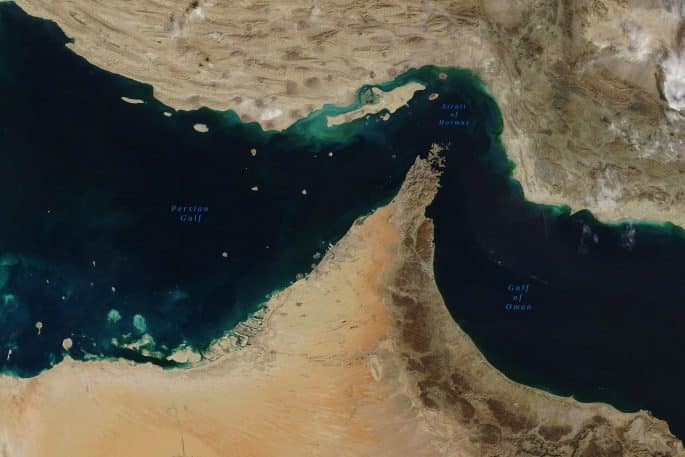
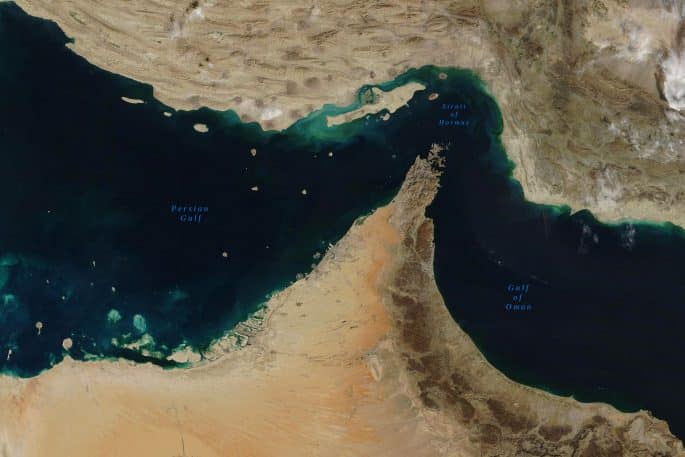
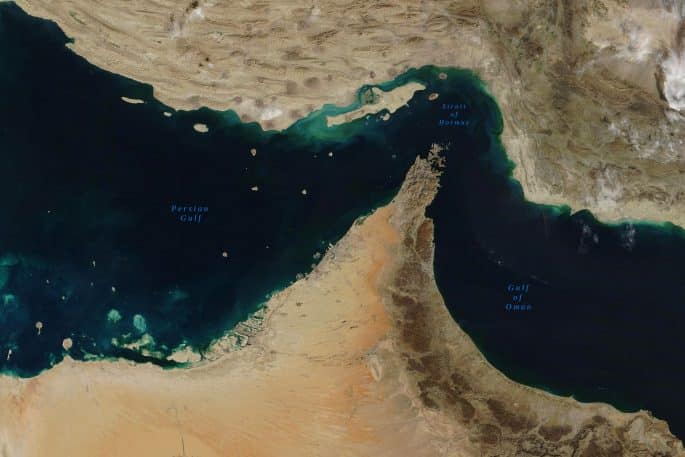
If Power of Siberia 2 reaches full capacity and joins the existing Power of Siberia 1 pipeline, Russia’s total gas pipeline capacity to China could approach 100 bcm per year. For China, piped gas from a neighboring superpower, locked in over three decades, reduces dependence on seaborne LNG shipments that pass through strategically vulnerable chokepoints like the Strait of Malacca. If fully operational, the combined Russian pipeline system could supply over 20% of China’s gas demand by the 2030s.
The de-dollarization angle
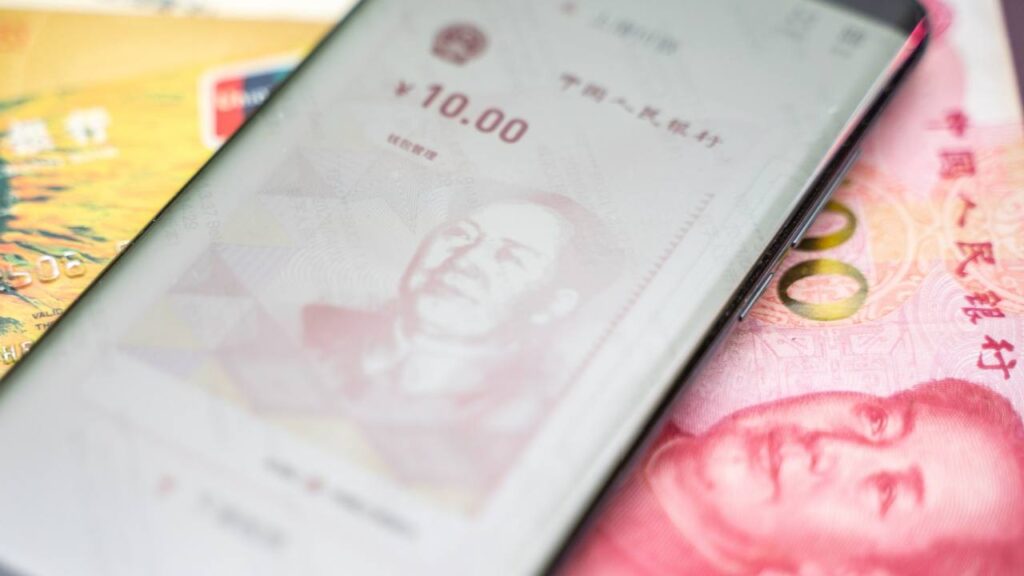
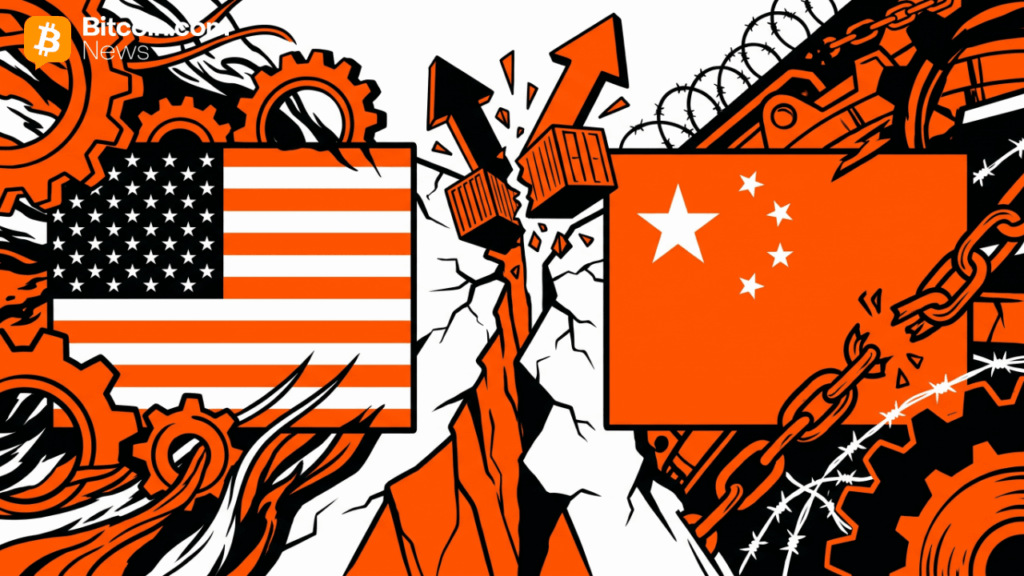
The Power of Siberia 2 agreement sits within a broader trend of Russia and China settling bilateral energy trades outside the US dollar system. Since Western sanctions isolated Russia from dollar-denominated financial infrastructure, Moscow and Beijing have increasingly turned to yuan-denominated settlements. The existing Power of Siberia 1 pipeline already operates with significant yuan settlement. A 30-year, 50 bcm-per-year contract on Power of Siberia 2 would lock in decades of non-dollar energy trade. China’s digital yuan (e-CNY) has already been tested in cross-border energy settlement pilots, and a deal of this magnitude provides exactly the kind of sustained, high-volume use case that could accelerate adoption.
What this means for investors
If Russia and China formalize Power of Siberia 2 with yuan-based pricing, it would be the largest single non-dollar energy contract in history by annual volume.
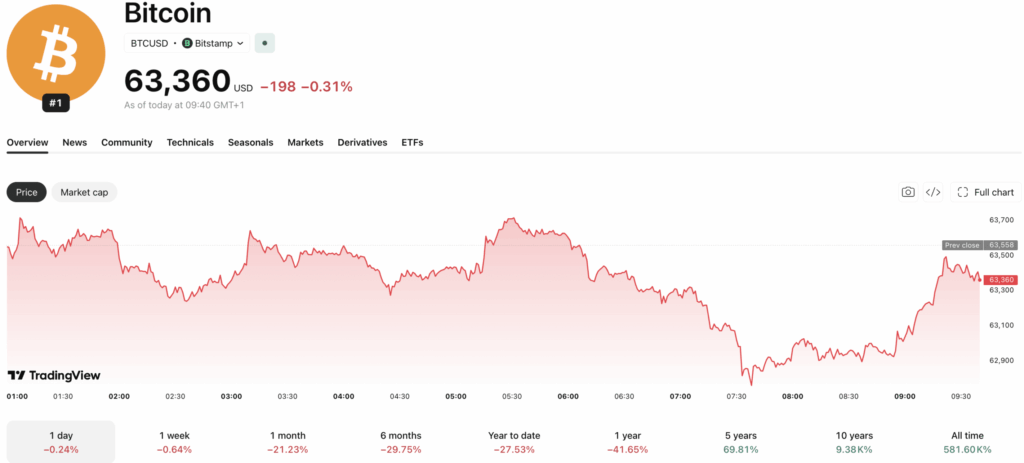
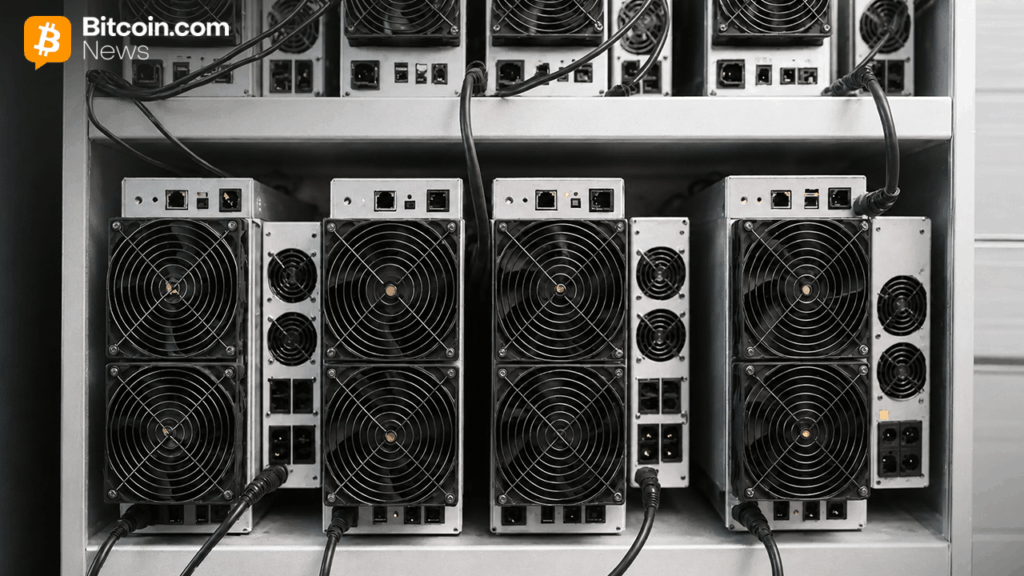
If China locks in 50 bcm of cheap piped Russian gas, it needs less seaborne LNG. That could free up LNG cargoes for Europe and Asia, potentially lowering energy costs in regions where Bitcoin mining operations are sensitive to electricity prices.
The unresolved pricing negotiations are worth monitoring closely. If Beijing extracts steep discounts, it signals that Russia’s bargaining position is weaker than Moscow wants to project.
Disclosure: This article was edited by Editorial Team. For more information on how we create and review content, see our Editorial Policy.