














































































































































































































































































































































































































































































































































































































































































































































































































































































































































































































































































































































































































































Coins.ph Warns of Rising Scams as E-Wallet Fraud Use Surges to 73% in the Philippines

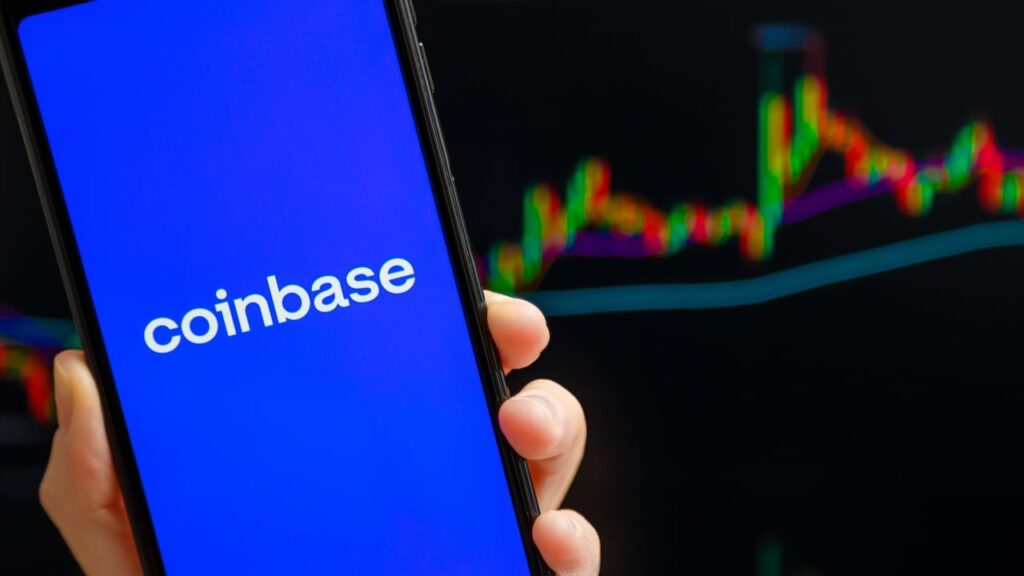
Digital financial scams cost Filipinos an estimated 121.8 billion pesos over the past year, with 84% of adults targeted as illicit transactions increasingly moved through mobile wallets, according to industry research cited by cryptocurrency exchange Coins.ph.
The findings, drawn from the Global Anti-Scam Alliance’s 2026 State of Scams Philippines Report, show an increase in scam exposure from 77% the previous year. The report, produced with Mastercard and Gogolook, also revealed that the share of scam transactions routed through e-wallets surged from 34% to 73% during the same 12-month period.
Coins.ph released the data ahead of its sponsorship of the 14th National Fraud Conference, organized by the Association of Certified Fraud Examiners Philippines Chapter in observance of International Fraud Awareness Week.
E-Wallet Exploitation and Human Vulnerability
Company officials said the sharp rise in wallet-based fraud reflects a tactical shift by criminal syndicates toward social engineering rather than technical intrusions against platform infrastructure.
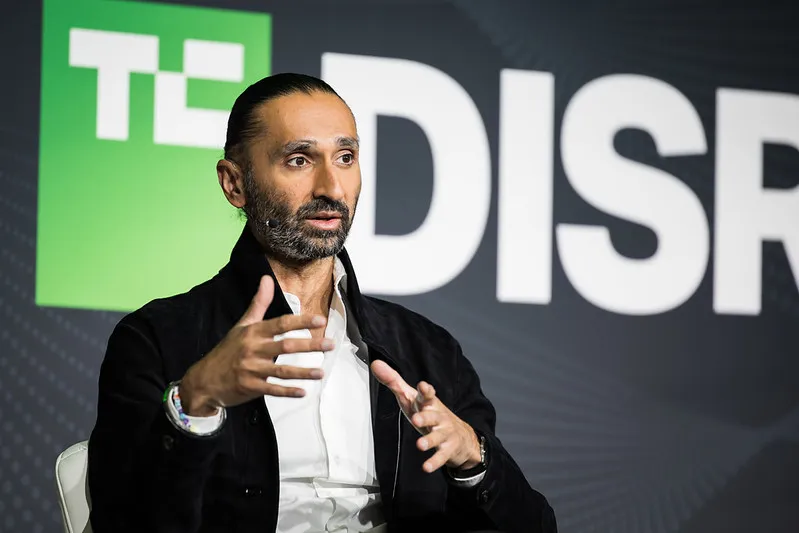
“Most scams don’t break into an account. They convince the account owner to open the door,” Amira Alawi, global marketing director at Coins.ph, said in a statement. “The best protection, though, is a user who can recognize a scam the moment it shows up.”
The exchange identified four primary mechanisms driving local losses: phishing websites and impersonation messages, fraudulent customer service accounts, high-yield investment schemes and task-based employment offers that demand upfront deposits before releasing phantom earnings. (Read More: How to Report an Investment Scam in the Philippines)
Phishing and Investment Fraud
Third-party data indicates that deceptive messaging remains the primary entry point for cybercriminals operating in the country. A TransUnion study conducted between August and December 2025 identified phishing at 45% and fraudulent text messaging at 38% as the two most common scam types reported by consumers, with 6.1% of all Philippine digital login attempts flagged as suspected fraud.
Crypto-related fraud has contributed significantly to cross-border financial damage. The FBI reported $7.2 billion in losses from cryptocurrency investment fraud in 2025, classifying it as the costliest category of cybercrime reported to U.S. federal authorities.
“Real investments carry risk, and nobody can honestly promise you a fixed return on crypto,” Alawi said. “If someone guarantees your profit, that guarantee is a scam.” (Read More: Crypto Scams: Common Traps and How to Protect Your Digital Assets)
Legal Sanctions and Regulatory Oversight
The warning comes amid tightening domestic scrutiny over the use of verified digital accounts to launder stolen funds. Under Republic Act No. 12010, known as the Anti-Financial Account Scamming Act, individuals who sell, rent or lend their verified bank accounts or e-wallets to third parties face criminal prosecution as money mules. (Read More: Central Bank Signs Data-Sharing Deals with NBI, CICC, SEC to Strengthen Anti-Scam Enforcement)
Regulators have also increased scrutiny over digital transaction rails. In September, the Bangko Sentral ng Pilipinas placed restrictions on DCPay Philippines Inc., the electronic money issuer entity behind Coins.ph, temporarily halting incoming InstaPay and PESONet transfers under Monetary Board Resolution No. 839. Outbound withdrawals, merchant payments and cryptocurrency operations under Betur Inc. remain operational.
Coins.ph urged account holders to refuse requests to share one-time PINs or security passwords and to conduct all transactions through verified company channels.
This article is published on BitPinas: Coins.ph Warns of Rising Scams as E-Wallet Fraud Use Surges to 73% in the Philippines
What else is happening in Crypto Philippines and beyond: