









































































































































































































































































































































































































































































































































































































































































































































































































































































































































































































































































































































































































































































































































































Hyperliquid confirms Singapore base as MAS says it falls outside its remit

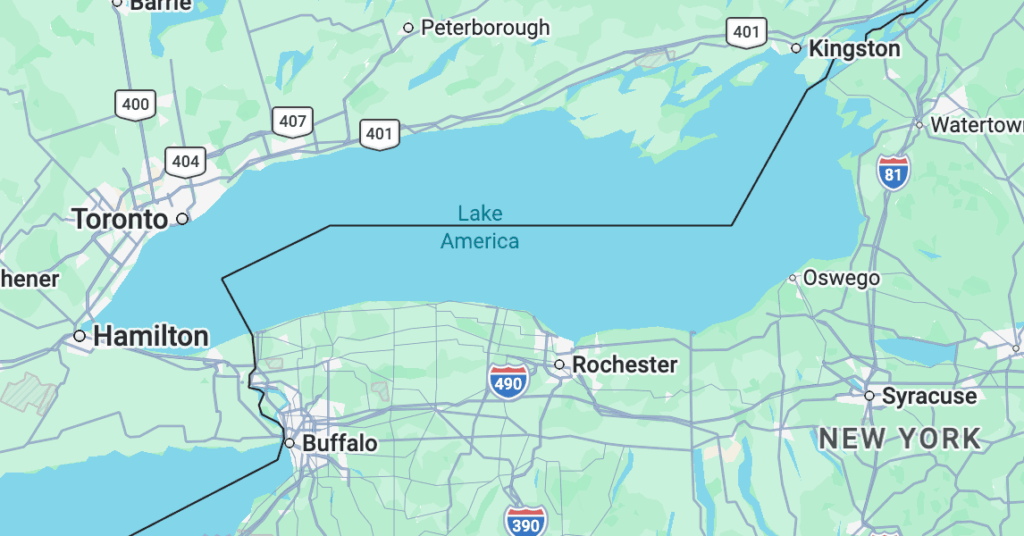
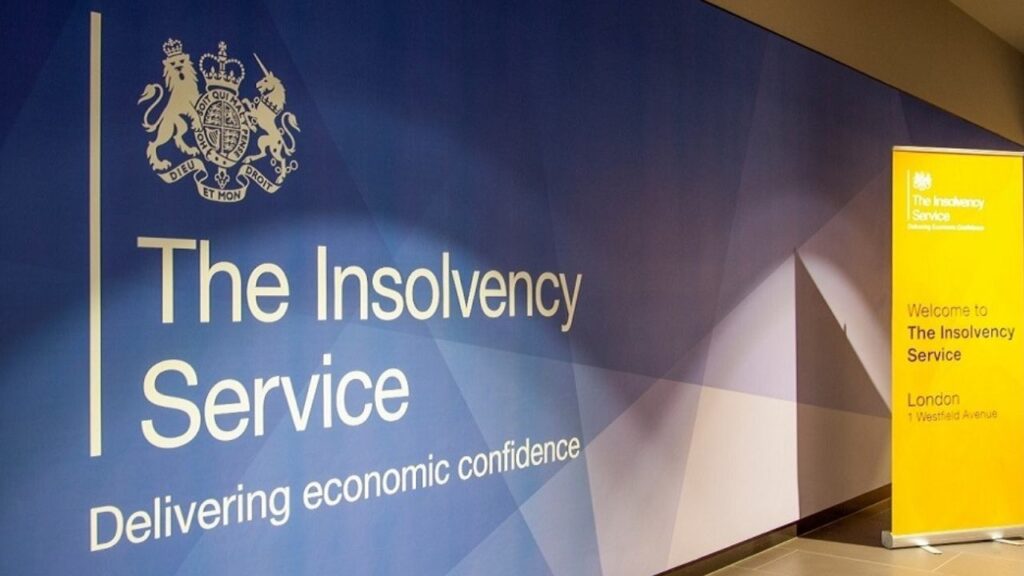
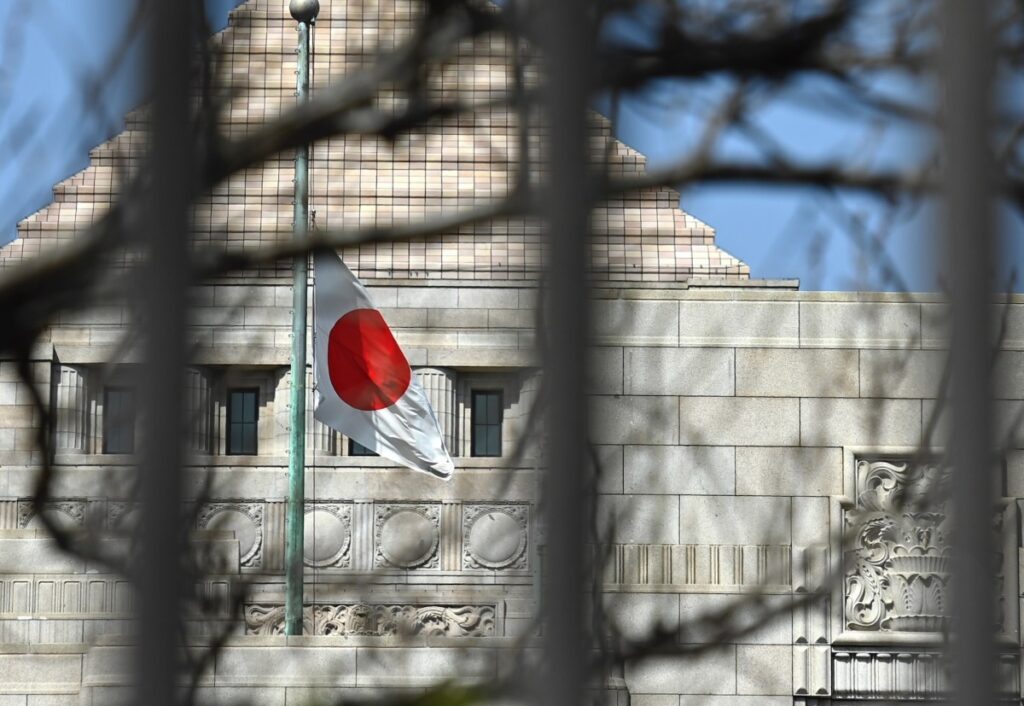
Hyperliquid Labs has confirmed its registered headquarters in Singapore, where its roughly 11-person team moved in 2024, while the country’s regulator has said it is unaware of the platform being regulated in any major jurisdiction.
Summary
- Hyperliquid Labs has confirmed Singapore as its registered headquarters and acknowledged its unregulated status.
- People familiar with MAS’s thinking cited decentralization as the reason it considers Hyperliquid outside its jurisdiction.
- MAS added Hyperliquid to its Investor Alert List on June 26, without imposing a ban.
- Payward has proposed regulated Hyperliquid-based markets for eligible U.S. customers, subject to approval.
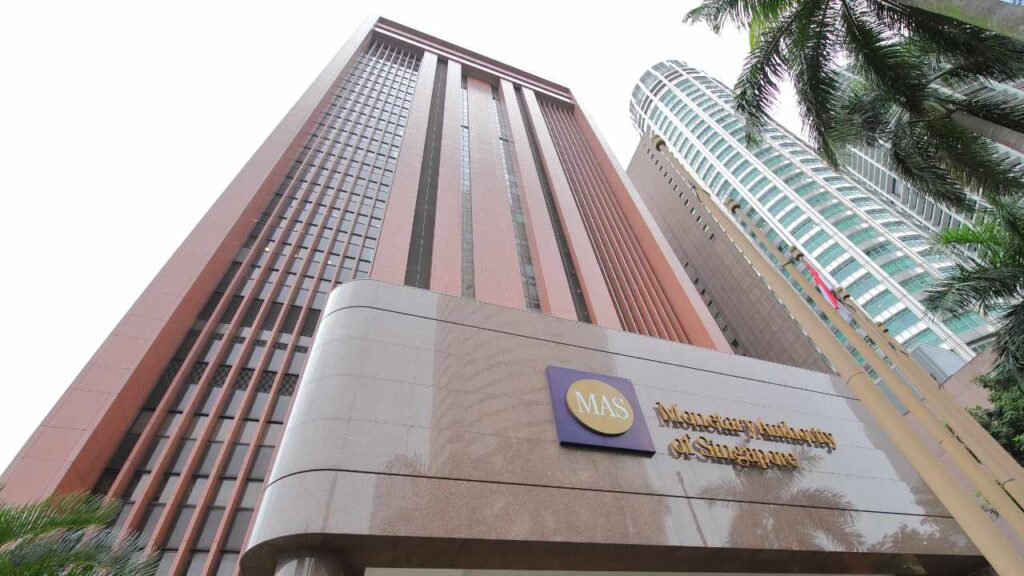
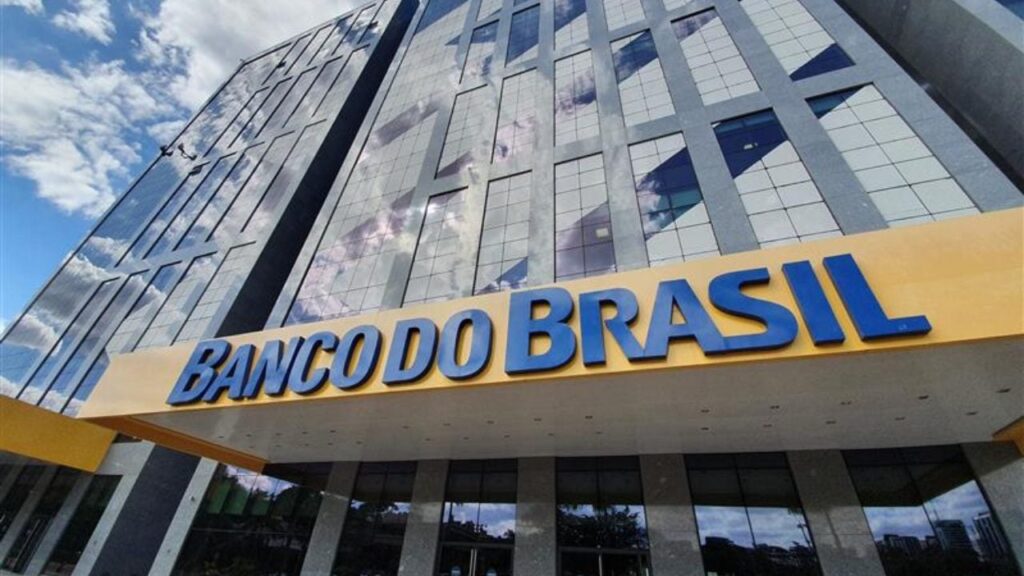
The Financial Times reported that Hyperliquid Labs confirmed its Singapore headquarters, while people familiar with the Monetary Authority of Singapore’s thinking said the regulator considers the decentralized platform outside its jurisdiction.
In its direct response to the newspaper, MAS said, “We are not aware that Hyperliquid is regulated in any major jurisdiction.”
Hyperliquid acknowledged that it operates without regulation, according to the report, and said it has never claimed to hold permission or authorization from MAS. The company also expressed willingness to work constructively with regulators.
Hyperliquid’s Singapore presence includes its development team
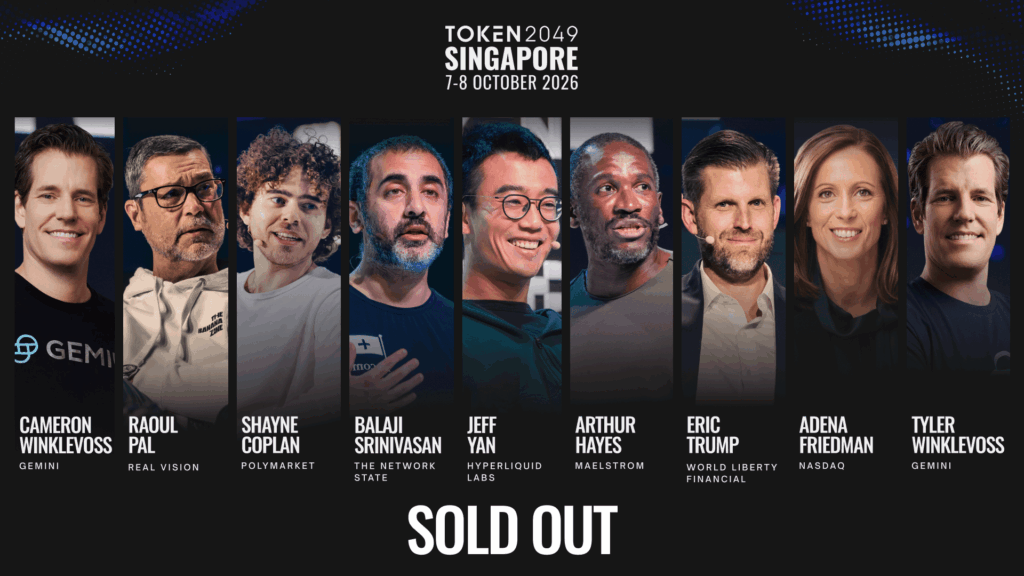
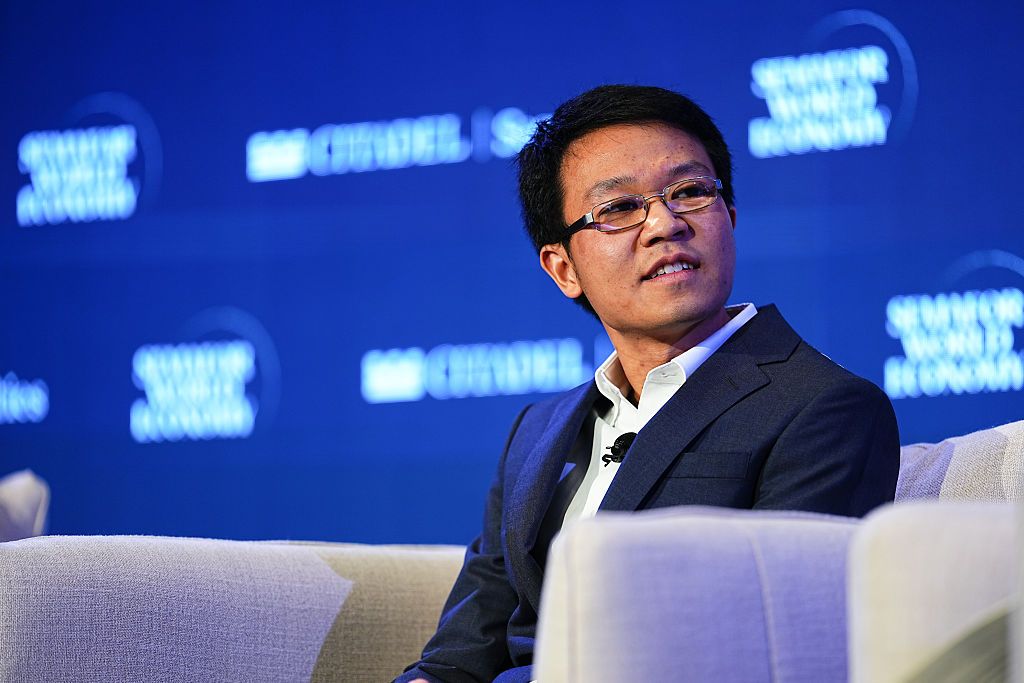
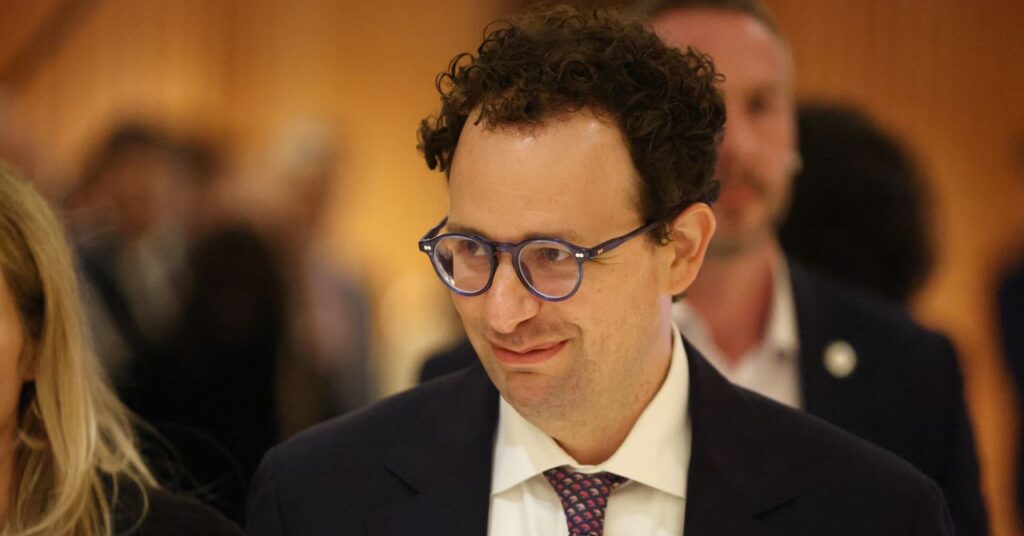
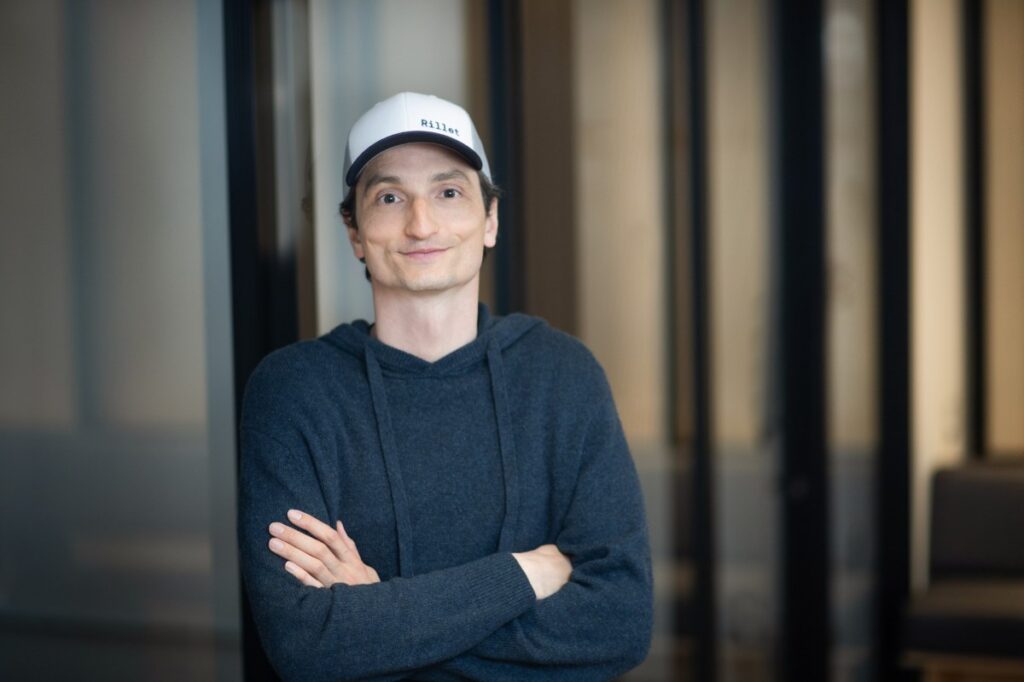
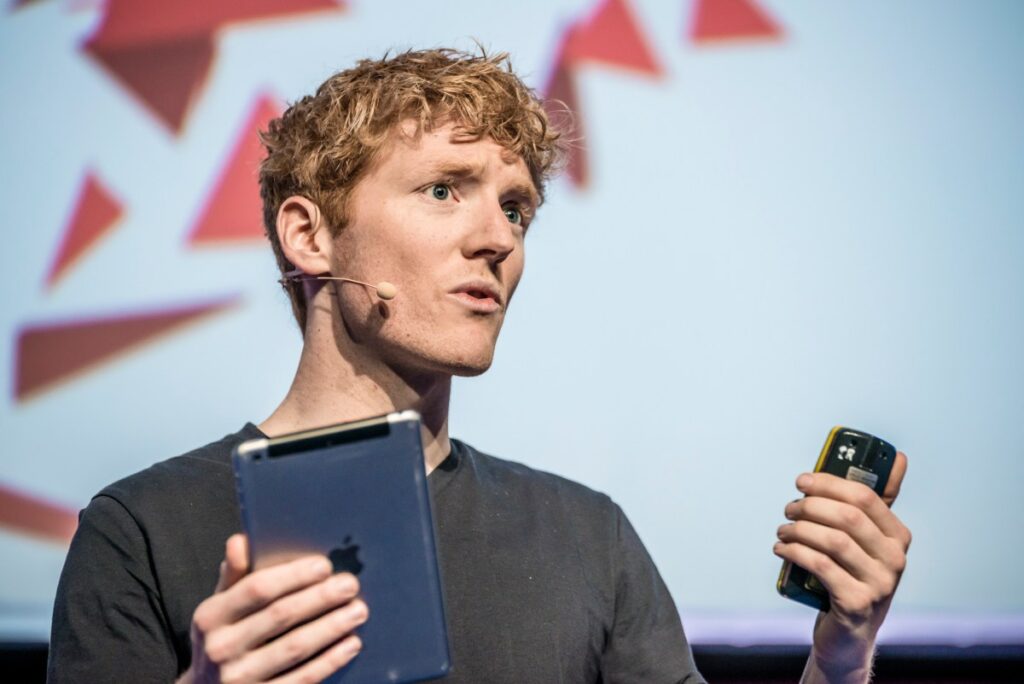
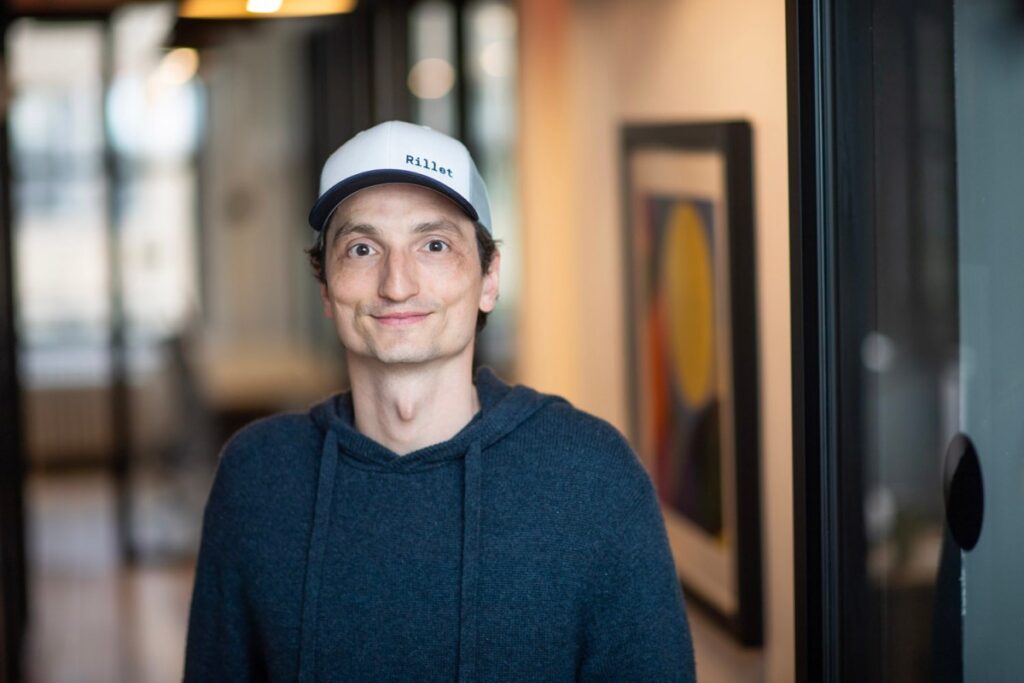
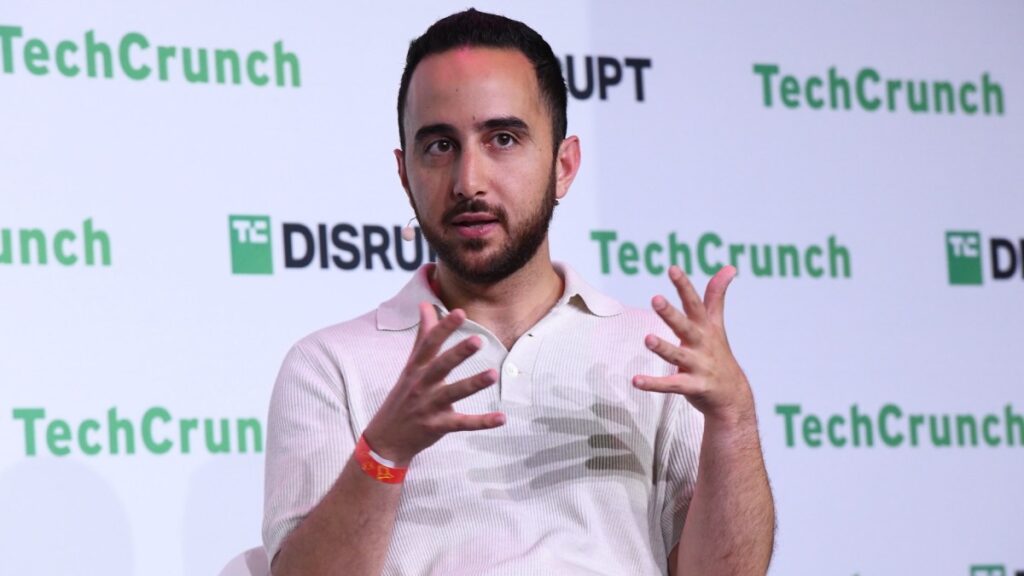
According to the FT, co-founder Jeff Yan and a team of about 11 people relocated to Singapore in 2024. Company documents reviewed by the newspaper identified Singapore as the registered headquarters, while recent recruitment material also referred to an office there.
The newspaper reported that job advertisements posted as recently as the previous week asked candidates whether they could work in the Singapore office. Hyperliquid Labs confirmed its registered location when approached by the FT.
People familiar with MAS’s position told the publication that the platform’s decentralized nature was the basis for its view that Hyperliquid should not fall under its jurisdiction. Hyperliquid, for its part, told the newspaper it remains unregulated and is open to cooperation with authorities.
MAS’s investor warning identifies an unlicensed platform
As crypto.news previously reported, MAS added Hyperliquid to its Investor Alert List on June 26. The regulator’s entry names both the Hyper Foundation website and the Hyperliquid trading application.
MAS describes the list as a notice about entities that investors may wrongly believe are licensed, authorized or regulated by the authority. The regulator says the list is not exhaustive and records information available when an entry is published.
Responding to the June listing, Hyperliquid said:
“IAL listing does not constitute a ban, an enforcement action, or a finding of wrongdoing.”
In the same response, the platform said its permissionless infrastructure remained unchanged and reiterated that it had never presented itself as authorized by MAS. Hyperliquid also said it would work with regulators and institutions to support clear rules for on-chain finance.
Singapore requires licenses for covered overseas token services
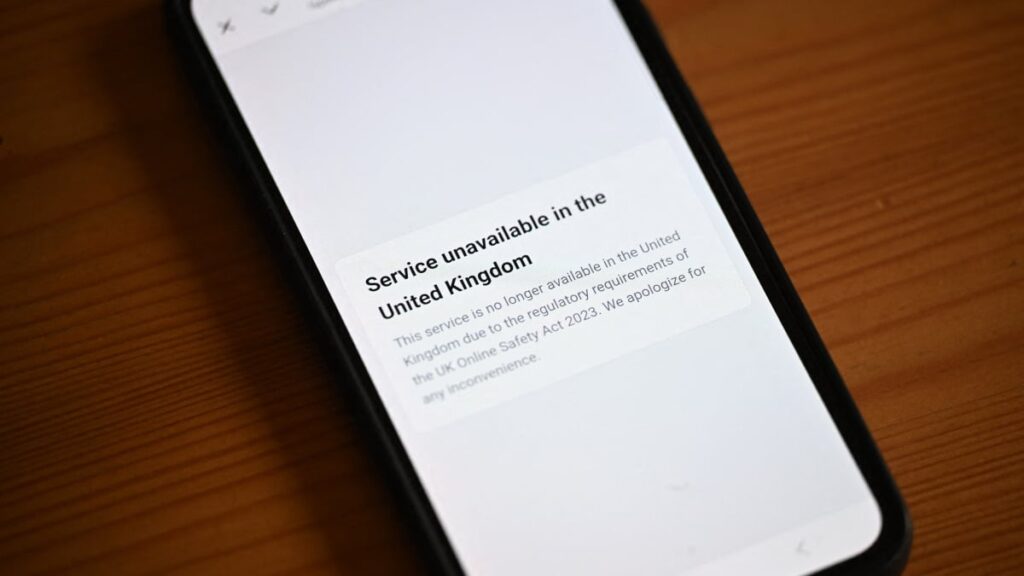
In June 2025, earlier reporting detailed Singapore’s overseas token licensing deadline, following MAS’s May 30 notice and June 6 clarification. The regulator required covered providers to obtain a license or stop the activities by June 30, 2025, without an additional transition period.
MAS said the framework applies to digital token service providers serving only customers outside Singapore in digital payment tokens or tokens representing capital market products. The authority said it had set a high licensing bar and would generally not grant licenses for that business model.
Explaining its position, MAS cited higher money-laundering risks and difficulty supervising providers whose substantive regulated activity takes place overseas. The regulator said providers without the necessary license must cease covered services from the effective date.
U.S. access proposals rely on registered trading infrastructure
For American customers, former SEC senior counsel Ashley Ebersole described a separate U.S. regulatory pathway in an Aug. 31 report. Ebersole, co-founder and chief legal officer at tx, said existing U.S. law does not provide a straightforward route for offering offshore-style crypto perpetual futures to retail customers.
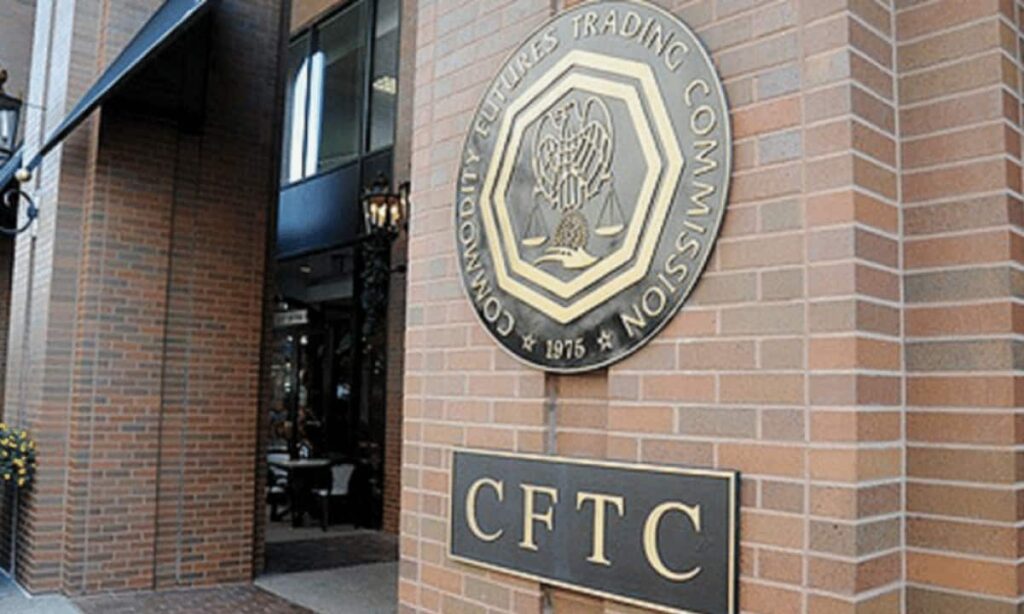
According to Ebersole, the CFTC would likely oversee contracts tied to commodities, while securities-linked products could involve the SEC. A compliant structure could require registrations covering the trading venue, clearing and intermediaries, alongside rules or exemptions for the products themselves.
Even if both agencies pursued the work, Ebersole estimated a 10-to-12-month process. He said agencies would need to identify their legal authority, establish a framework, and complete any required proposal, public-comment, and implementation steps.
Ebersole said reliance on existing powers or exemptions could shorten that process, while litigation, disagreements between agencies or a need for legislation could delay it.
On Sep. 16, Kraken parent Payward announced plans for regulated Hyperliquid perpetual markets using the platform’s HIP-3 infrastructure. Payward said the proposed markets require regulatory approval before eligible U.S. customers can trade.
Under the proposal, Bitnomial Exchange would create and administer the contracts, with Bitnomial Clearinghouse handling clearing and settlement. Payward said trades would use Hyperliquid’s on-chain order book for matching and recording transactions.
For customer access, Payward plans to use NinjaTrader Clearing to carry accounts. The company said traders would need to complete onboarding and appear on both NinjaTrader and Bitnomial allowlists before participating.
Payward’s proposed arrangement limits customers to the regulated products Bitnomial deploys under its exchange rules, rather than every market available through Hyperliquid. In the Sep. 16 announcement, Payward named Hyperliquid as the first protocol for the initiative and did not specify a launch date.