








































































































































































































































































































































































































































































































































































































































































































































































































































































































































































































































































































































































































































































































































Why Crypto Depositors Could Lose Everything in Bankruptcy

Key Takeaways
- Echo Base CEO Roshan Dharia warns that 1 offshore entity can leave crypto depositors unsecured.
- Misleading terms and omnibus wallets leave platform depositors at risk of 100% loss as unsecured lenders.
- Dharia urges daily, or 24-hour, asset reconciliation and segregated custody to protect depositors.
How Offshore Structures Expose Crypto Depositors
When a centralized cryptocurrency platform halts withdrawals, millions of retail depositors can face the same realization: The sleek mobile application and seamless trading interface offered a false sense of security. Behind the branding lies a complex web of offshore entities, omnibus wallets, and fine-print customer agreements that can shield corporate structures while shifting insolvency risks onto depositors.
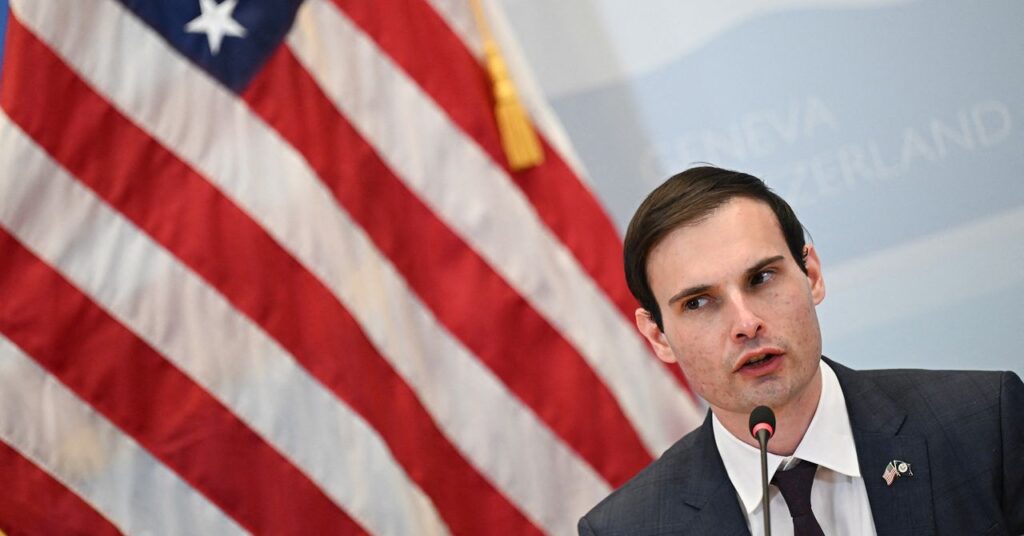
To unpack how these structural traps function and what legal remedies remain when platforms collapse, Bitcoin.com News spoke with Roshan Dharia, founder and CEO of Echo Base, a special situations firm specializing in digital asset restructuring, distress financing, and recovery. Echo Base recently made headlines by organizing an ad hoc claimholder committee for affected Bitmart users following the exchange’s operational wind-down, mobilizing legal counsel and asset-tracing strategies after a $10 million rescue proposal went unanswered.
For most depositors, the assumption is simple: Their tokens sit in their accounts. However, centralized platforms routinely separate customer-facing operations from asset storage. According to Dharia, onboarding and terms of service are typically handled by an operating entity in one offshore jurisdiction, while the actual private keys and tokens are held by a separate affiliate or custodian.
Dharia stresses that ownership in bankruptcy proceedings is governed by contractual language rather than on-chain control. If the fine print establishes a custody or trust arrangement, customers retain legal title while the platform acts merely as a bailee. However, if the terms transfer title, customers lose direct ownership of their tokens and are left with unsecured claims against an operating company that may hold virtually no assets.
“Celsius showed how much turns on the paperwork,” Dharia explains. “Custody accounts were largely returned, while Earn balances under the same brand became estate property. The drafting is often vague enough that nobody can say for certain until a court rules. Until then, control decides the first months of any failure, because whoever can sign transactions sets the timetable while everyone else argues about title.”
This arrangement exposes depositors to structural subordination. Because the asset-holding entity owes no direct contractual duties to customers, depositors may rank behind that entity’s creditors. Their only path to the tokens may be an intercompany claim against an operating shell, a receivable that the asset-holding entity could challenge or offset.
Legal Strategies for Recovering Frozen Crypto Assets
When withdrawals are frozen, recovery specialists face an immediate conflict between contractual claims against the asset-light operating entity and proprietary claims over the assets held in digital wallets.
To navigate this conflict, recovery teams pursue both avenues simultaneously. Proprietary claims take priority because they offer a direct path to the tokens, while contractual claims serve as a backup for recovering intercompany debts.
However, no legal argument matters if the digital assets disappear. To prevent funds from being moved or commingled, claimants must act quickly before management initiates bankruptcy proceedings on its own terms.
“The primary levers are the same in most platform freezes, and they all aim to take control away from management before the assets move,” says Dharia. “The strongest is a creditor petition to wind up the company with a request for a provisional liquidator, which common law offshore courts will grant on short notice where assets are at risk of dissipation. That puts the keys with an independent officeholder before a full hearing.”
Alongside provisional liquidation proceedings, recovery specialists seek court-issued freezing orders targeting wallets and exchanges, trace funds through disclosure orders and use U.S. Chapter 15 bankruptcy filings to prevent assets from being dissipated across borders.
Piercing the Corporate Veil of Offshore Crypto Platforms
To overcome the corporate separation established by platforms, lawyers must demonstrate that the entities effectively operated as one. In offshore courts, this may require evidence that the separation was a sham, including shared bank signatories, unified treasury operations, undocumented intercompany transfers and marketing campaigns that made no mention of the asset-holding company.
The distinction between establishing a direct property right and holding an unsecured claim creates a significant valuation gap in secondary claims markets.
Under the U.S. Bankruptcy Code, unsecured claims are generally valued in U.S. dollars as of the bankruptcy petition date. When cryptocurrency prices surge during bankruptcy proceedings, unsecured claimholders may be unable to benefit from those gains. By contrast, successful proprietary claims can establish direct ownership of the tokens, potentially allowing depositors to recover assets in kind and retain any market appreciation.
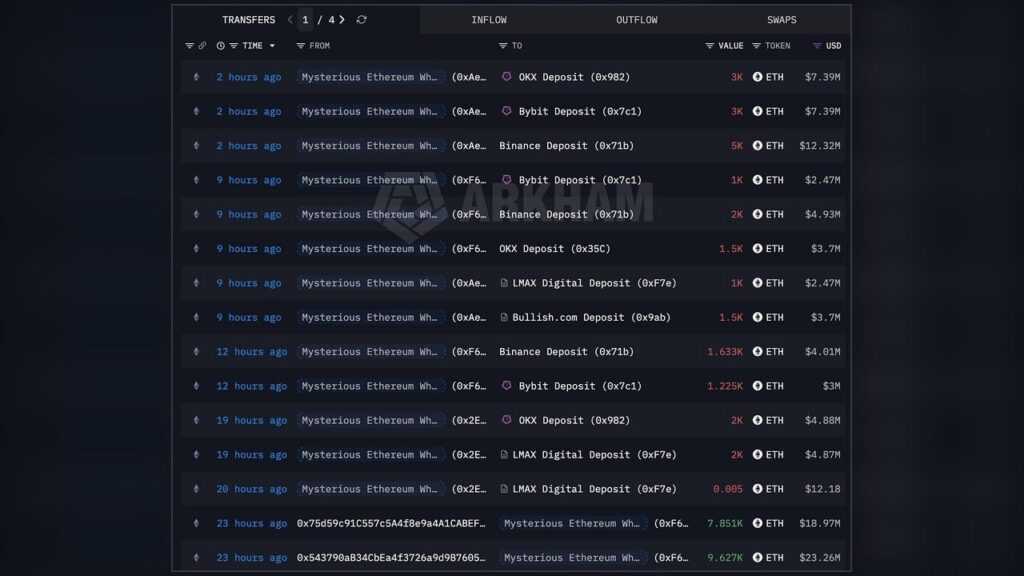
This dynamic is further complicated by omnibus wallets, which pool funds from thousands of customers into shared blockchain addresses. When deposits are swept into these wallets, the direct on-chain link between depositors and their specific tokens can be lost.
If an exchange’s internal ledger fails to reconcile with its on-chain balances, determining which assets belong to individual customers becomes difficult. In such cases, proprietary claims may fail, leaving depositors classified as unsecured creditors who must share proportionally in whatever assets remain.
The Limits of Proof of Reserves in Protecting Depositors
In the wake of major cross-border platform collapses, Dharia warns that popular industry transparency tools, such as proof of reserves, can create a false sense of security. Showing on-chain assets without an independently audited reconciliation of total liabilities reveals little about a platform’s actual solvency or the legal ownership of those assets.
Ultimately, the offshore corporate structures used by some centralized platforms can protect affiliated entities while leaving retail depositors exposed to substantial financial losses.
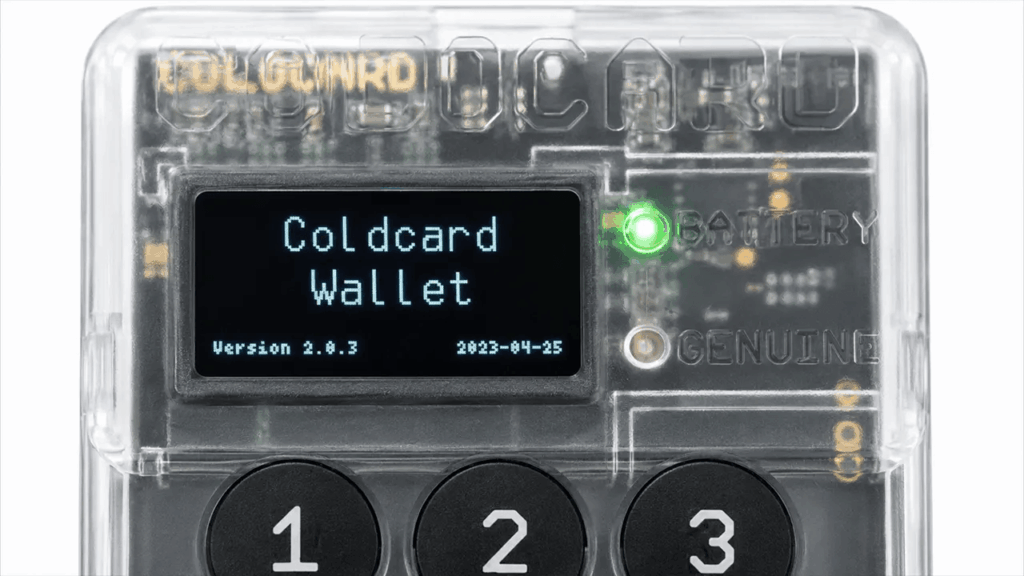
“A structure that protected customer property would be easy to recognize,” Dharia concludes. “The tokens would sit with a regulated custodian in segregated accounts, the ledger would reconcile to the chain daily and the terms would say plainly that the customer owns them. Few offshore platforms offer that today. Until they do, most of their customers are not account holders at all. They are unsecured lenders who were never told.”