
























































































































































































































































































































































































































































































































































































































































































































































































































































































































































































































































































































































































MAKE Group Bridge Connects Casper Protocol to $32B RWAs


Key Takeaways
- MAKE Group launched a cross-chain bridging protocol on Casper to transfer regulated assets across EVM networks.
- The system preserves ERC-3643 rules for over $32 billion in tokenized real-world assets via T-REX Ledger.
- Apex Group plans to bring $100 billion in tokenized assets to T-REX by 2027 using AstralBeam messaging.
Tackling the Cross-Chain Compliance Challenge
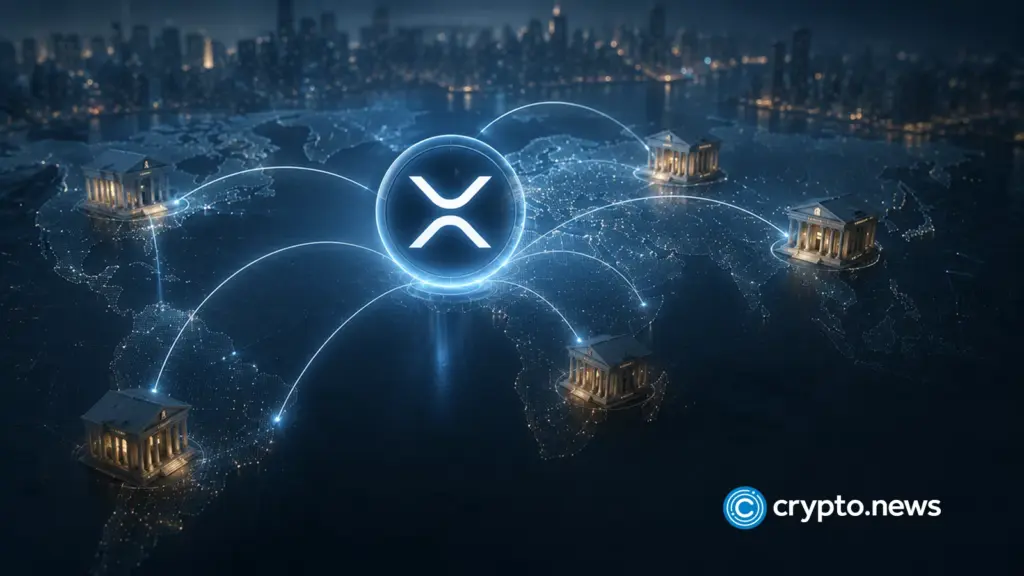
MAKE Group has unveiled a cross-chain bridging protocol launched on the Casper blockchain designed to move tokenized real-world assets across major networks while preserving their underlying regulatory compliance.
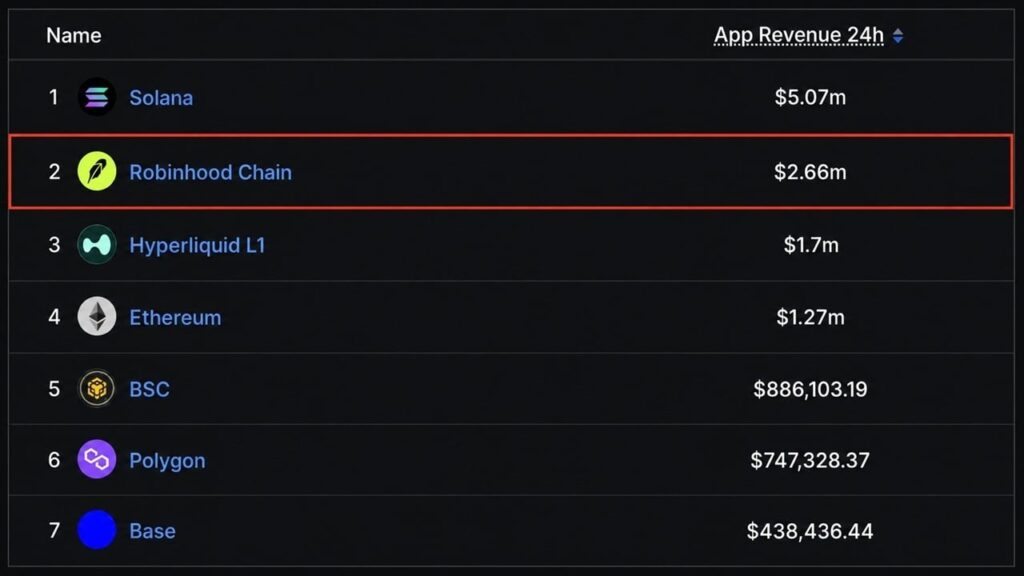
The new bridge, Astralbeam, connects Casper to Ethereum, Polygon, Base, and Robinhood Chain. It also serves as a cross-chain communications link connecting Casper to the T-REX Ledger, a compliance-focused blockchain backed by financial services firm Apex Group and built using Polygon CDK.
While more than $32 billion in real-world assets (RWAs) have already been tokenized under the ERC-3643 compliance standard, financial institutions have faced significant technical barriers moving regulated securities across different blockchains without stripping away identity and eligibility rules.
According to a media statement, Astralbeam addresses this by leveraging the ERC-7786 cross-chain messaging standard. When assets such as tokenized gold, silver, or equities like Amazon, Netflix, and SpaceX move between networks, Astralbeam queries the T-REX Ledger to verify investor registries and transfer conditions before transactions settle.
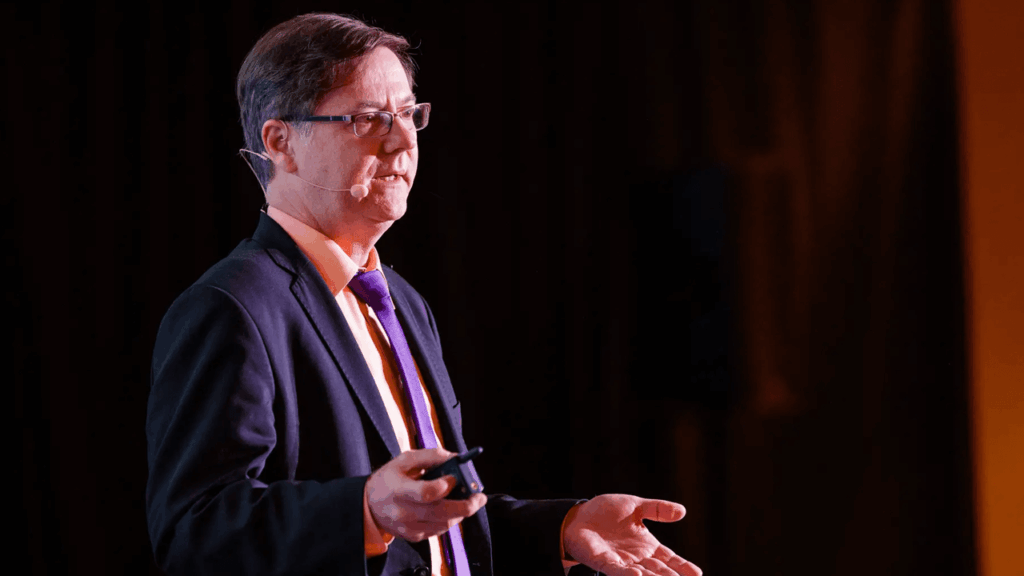
“Compliance cannot stop at the edge of a single chain. For tokenized securities to reach institutional scale, they need to move across networks without shedding the identity and eligibility rules they were issued with,” said Joachim Lebrun, co-founder of the T-REX Network and head of blockchain at Apex Group.
The launch makes Casper the first non-Ethereum Virtual Machine (EVM) blockchain integrated into the T-REX ecosystem. Casper features upgradeable smart contracts and fast transaction finality designed for institutional transfer standards.
Apex Group, which currently services $3.5 trillion in traditional assets, previously committed to bringing $100 billion in tokenized assets to the T-REX Ledger by 2027.
To address historical security vulnerabilities associated with blockchain bridges, Astralbeam employs a decentralized multi-signature validation mechanism. Transactions require independent verification from at least three out of five node operators enforced directly by smart contracts rather than centralized servers.
According to MAKE Group, Astralbeam underwent six months of testnet operations alongside a security audit conducted by Halborn Security prior to launch.
“Every era of finance had its settlement rail: paper certificates, then SWIFT, then central securities depositories,” said Michael Steuer, co-founder and chief technology officer of MAKE Group. “Tokenized real-world assets are settling on-chain now, and the hard problem is not moving them, it is moving them without losing the rules they were issued under.”