



































































































































































































































































































































































































































































































































































































































































































































































































































































































































































































































































































































































































































































































































































MEXC faces $16B FinCEN action as U.S. sanctions eight Canadian firms

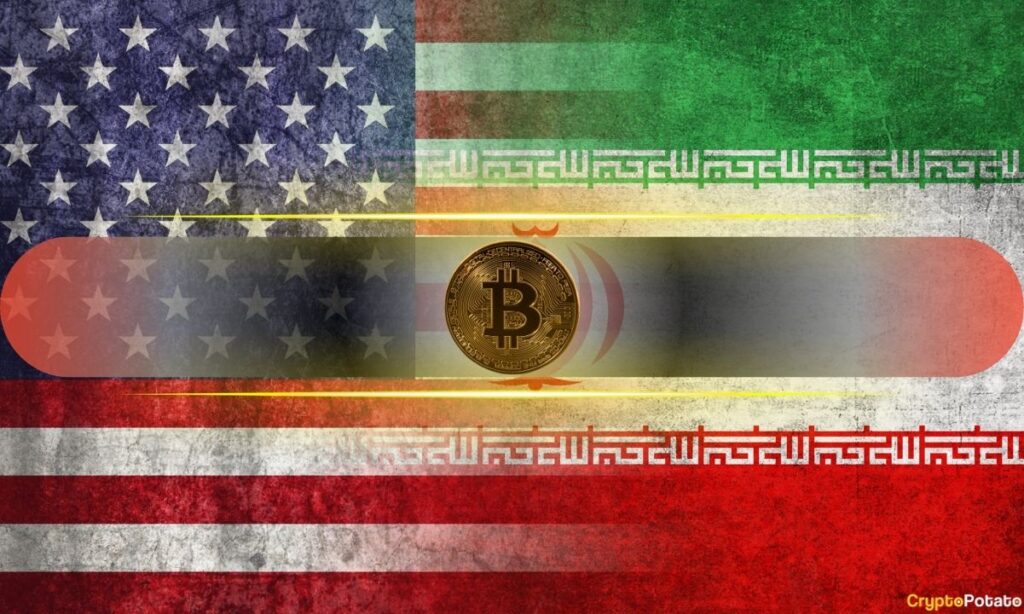
The U.S. Treasury has moved to restrict MEXC Global’s access to the American financial system over at least $16 billion in alleged illicit cryptocurrency transactions while separately sanctioning eight Canadian money services businesses linked to Iranian financial networks.
Summary
- FinCEN accused MEXC of facilitating at least $16 billion in illicit transactions over five years.
- U.S. financial institutions face restrictions on transfers involving MEXC once FinCEN’s order becomes formally effective.
- MEXC says withdrawals remain operational, while OKX has warned users against direct transfers from MEXC.
- Treasury sanctioned eight Canadian money businesses accused of processing cryptocurrency transactions linked to Iranian entities.
- FINTRAC reported revoking 161 money services business registrations in Canada since the beginning of 2026.
In its November 6 enforcement announcement, the Treasury Department said MEXC facilitated transactions associated with sanctions evasion involving Iran, North Korea and Russia, alongside cybercrime activities. The Financial Crimes Enforcement Network (FinCEN) consequently issued an order prohibiting U.S. financial institutions from processing fund transfers involving the exchange.
The restrictions have already prompted a response from OKX, whose chief executive, Star Xu, warned customers against transferring assets directly from MEXC. Meanwhile, the exchange maintains that its services remain operational and customer assets are secure.
FinCEN Links MEXC to $16 Billion in Illicit Transactions
Between May 2021 and May 2026, MEXC allegedly processed at least $16 billion connected to sanctions evasion, cybercrime and other illegal financial activity, according to FinCEN.
Treasury identified approximately $1 billion in direct transactions involving more than 40 Iranian cryptocurrency exchanges, some already subject to international sanctions. Another $22 million involved the sanctioned Central Bank of Iran and the Islamic Revolutionary Guard Corps, including its Qods Force.
Although MEXC maintained anti-money laundering policies and prohibited customers from certain jurisdictions, FinCEN alleged that weaknesses in its compliance controls allowed sanctioned actors to continue using the platform.
The order relies on Section 9714 of the Combating Russian Money Laundering Act. It takes effect 30 days after publication in the Federal Register and restricts covered U.S. financial institutions from sending or receiving funds involving MEXC Global.
The measure does not itself freeze customer assets or prohibit all trading worldwide. However, U.S. financial institutions must comply with its transfer restrictions once they take effect.
MEXC Responds as OKX Tightens Transfer Controls
Following the announcement, MEXC said it was reviewing FinCEN’s findings with its legal and compliance teams and had started an independent examination of its anti-money laundering and sanctions procedures.
The exchange stated, “MEXC is operating normally, and user assets remain secure,” while promising to cooperate with regulators.
CEO Vugar Usi subsequently said deposits and withdrawals remained available, although the platform had experienced higher withdrawal volumes. He maintained that transfers were proceeding normally and that customer assistance teams were helping users complete transactions.
Usi further claimed that blockchain analytics provider Elliptic had restored MEXC Global to its regular exchange category after removing a previous special risk classification.
Meanwhile, OKX CEO Star Xu warned users to avoid sending funds directly from MEXC, citing additional compliance checks following FinCEN’s announcement.
Xu said, “Funds associated with affected platforms may be frozen,” adding that related accounts could undergo further investigation.
His warning came before the order’s formal implementation, with OKX choosing to strengthen its controls immediately.
crypto.news previously reported MEXC’s licensing position after the exchange confirmed it lacked authorization under the European Union’s Markets in Crypto-Assets framework and prepared to restrict services in the Netherlands.
crypto.news contacted MEXC and FinCEN for additional comments on the order, but neither had responded by press time.
Treasury Sanctions Eight Canadian Firms Over Iran Transactions
Alongside the MEXC action, the Treasury’s Office of Foreign Assets Control (OFAC) designated eight Canadian money services businesses accused of facilitating transactions involving Iranian entities and sanctioned cryptocurrency exchanges.
The companies include Diverse Trade Inc., operating as Million Exchange, and 1380079 BC Limited, operating as Amin Exchange. Treasury identified six additional businesses involved in currency exchange and digital asset transactions across Ontario and British Columbia.
According to the department, several businesses converted Iranian rials into cryptocurrencies, allowing funds to move internationally through digital asset accounts linked to sanctioned Iranian exchanges and the IRGC.
Treasury connected some of the companies to drug proceeds associated with Ryan Wedding, the former Olympic snowboarder accused of operating an international narcotics network.
U.S. officials alleged that Wedding used Canadian money exchange businesses to convert cash from drug sales into cryptocurrency before transferring assets abroad.
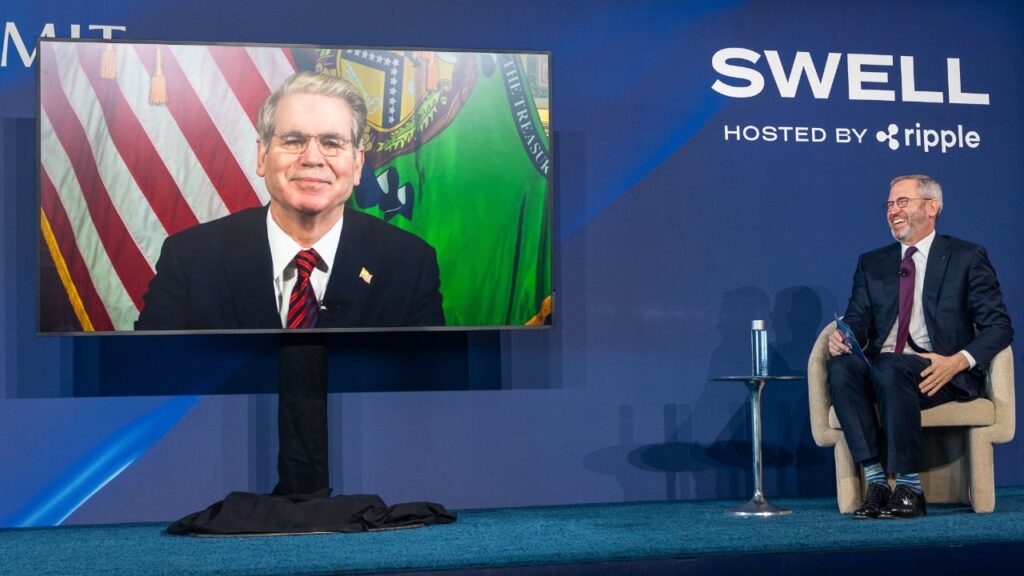
Treasury Secretary Scott Bessent said, “Canada cannot be a safe haven for illicit financial facilitators,” referring to businesses providing sanctions evasion services to Iran.
The designations build on the administration’s Iran cryptocurrency sanctions campaign launched under Operation Economic Outcast in August.
FINTRAC Reports 161 Registration Revocations in 2026
Canada’s financial intelligence agency, FINTRAC, confirmed its coordination with FinCEN and OFAC on the eight designations.
The regulator said it had revoked registrations belonging to 161 money services businesses since the beginning of 2026, exceeding the total number of revocations recorded over the preceding three years.
Over the past year, FINTRAC imposed more than C$198 million in administrative penalties against nine money services businesses for compliance violations, including registration failures and inadequate reporting of large cryptocurrency transactions.
It referred another 28 cases involving suspected noncompliance to law enforcement authorities.
The Canadian measures follow earlier sanctions against Iranian exchanges accused of facilitating transactions involving the IRGC.
Under Canada’s revised legislation, operating a money services business without valid registration can result in fines of up to C$5 million, imprisonment for up to five years, or both, upon conviction on indictment.