























































































































































































































































































































































































































































































































































































































































































































































































































































































































































































































































































































































































































































































XRP Ledger proposes quantum-proof accounts without higher fees by 2028

The XRP Ledger Foundation has outlined a proposal to introduce quantum-resistant account signatures using the ML-DSA-44 standard, allowing XRP holders to replace vulnerable signing keys without paying higher base transaction fees.
Summary
- XRP Ledger proposes ML-DSA-44 signatures to protect accounts against potential future quantum computing attacks on cryptography.
- Account owners could replace their signing keys and disable vulnerable master keys without changing addresses.
- The proposal retains existing base transaction fees despite substantially larger public keys and digital signatures.
- Ripple targets a full quantum-resistant transition by 2028, subject to testing, development and validator approval.
- The Foundation estimates review, auditing and implementation expenses of $215,000 to $255,000, excluding development hours.
According to the Foundation’s 2027 protocol roadmap, updated November 4, the proposed amendment would extend post-quantum protection to user accounts, validators and validator list publishers. The development forms part of Ripple’s existing plan to prepare the XRP Ledger for quantum-resistant cryptography by 2028.
The proposal remains under development, with a migration study scheduled for the first half of 2027 before further engineering, reviews and security audits.
XRP Ledger plans quantum-resistant keys for existing accounts
Under the proposed design, account owners would be able to assign an ML-DSA-44 signing key and disable their existing master key, preventing transactions from being authorized through the older credentials.
The XRP Ledger currently supports secp256k1 and Ed25519 signatures. Both rely on cryptographic methods that sufficiently powerful quantum computers could eventually break.
Whenever an account signs a transaction, its public key becomes visible on the blockchain. A future quantum computer capable of breaking the underlying cryptography could potentially recover the corresponding private key from that information.
As crypto.news previously reported, XRP Ledger contributor Vet discussed introducing quantum-resistant signatures through a phased migration, with testing expected before a possible 2028 transition.
The Foundation’s latest study identifies exchanges, custodians and institutions holding substantial balances as likely early users of the proposed protection.
Existing XRP Ledger accounts can already change their regular signing keys without changing their addresses. However, replacing one conventional key with another does not provide protection against future quantum attacks.
The new design would address that limitation by introducing a different signature method, although users would still need to disable their original master keys after migrating.
NIST-approved ML-DSA-44 would increase transaction storage
The Foundation selected ML-DSA-44, a digital signature algorithm standardized by the US National Institute of Standards and Technology in August 2024.
Under NIST’s FIPS 204 standard, ML-DSA is designed to remain secure against attacks using large-scale quantum computers.
The proposed implementation would introduce substantially larger public keys and signatures than those currently used on the XRP Ledger.
According to the Foundation’s calculations, an ML-DSA-44 public key measures 1,312 bytes, while its signature requires 2,420 bytes.
Together, the two components occupy 3,732 bytes, compared with 105 bytes for the corresponding key and signature information in a conventional XRP transaction.
Including transaction history and database overhead, the estimated storage requirement would reach 5,331 bytes per protected payment, against a 1,704-byte baseline.
Despite the additional data, the proposed amendment does not change the network’s base transaction fee.
The XRP Ledger’s transaction cost rules currently set the minimum standard transaction fee at 10 drops of XRP, although network congestion can require higher fees.
The Foundation’s research identifies larger transactions, network bandwidth and long-term storage requirements as areas requiring further evaluation during the migration study.
Ripple targets quantum-resistant XRP Ledger transition by 2028
Ripple published its four-phase post-quantum security plan in April 2026, setting out preparations for a future transition away from vulnerable cryptographic systems.
The first phase covers emergency measures if a practical quantum threat emerges unexpectedly. Subsequent work includes algorithm testing, validator benchmarking and developing compatible wallet infrastructure.
As outlined in Ripple’s quantum security roadmap, the company has worked with Project Eleven on validator testing and an early post-quantum custody wallet prototype.
The Foundation’s November roadmap identifies an existing implementation branch that has already undergone testing on AlphaNet.
However, developers still need to resolve differences between the Python prototype and the server and JavaScript implementations, which currently derive different keys from the same starting seed.
The research identifies further outstanding work involving shared test vectors, wallet compatibility and measuring validator performance when quantum-resistant signatures are used throughout the network.
Full migration remains a target for 2028, subject to development and the XRP Ledger’s amendment approval process.
XRP Ledger Foundation estimates quantum upgrade costs at $255K
The Foundation has estimated that the proposed quantum amendment would require 640 development hours and another 400 hours of engineering review.
Its published budget places the cost of Ripple’s review work between $40,000 and $80,000, with a further $100,000 allocated to an external security audit.
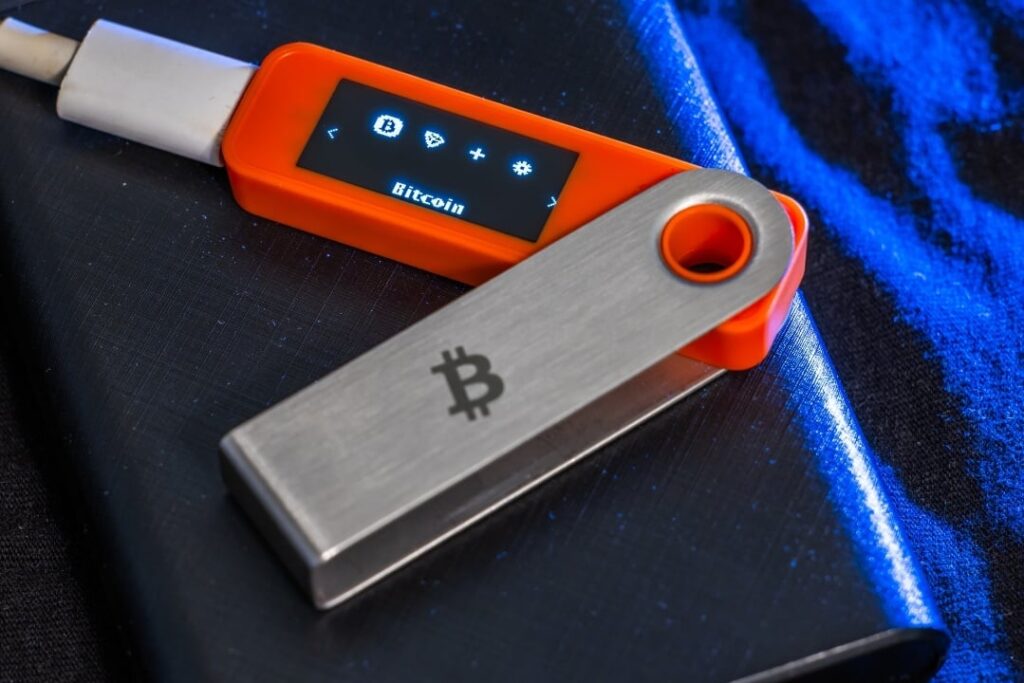
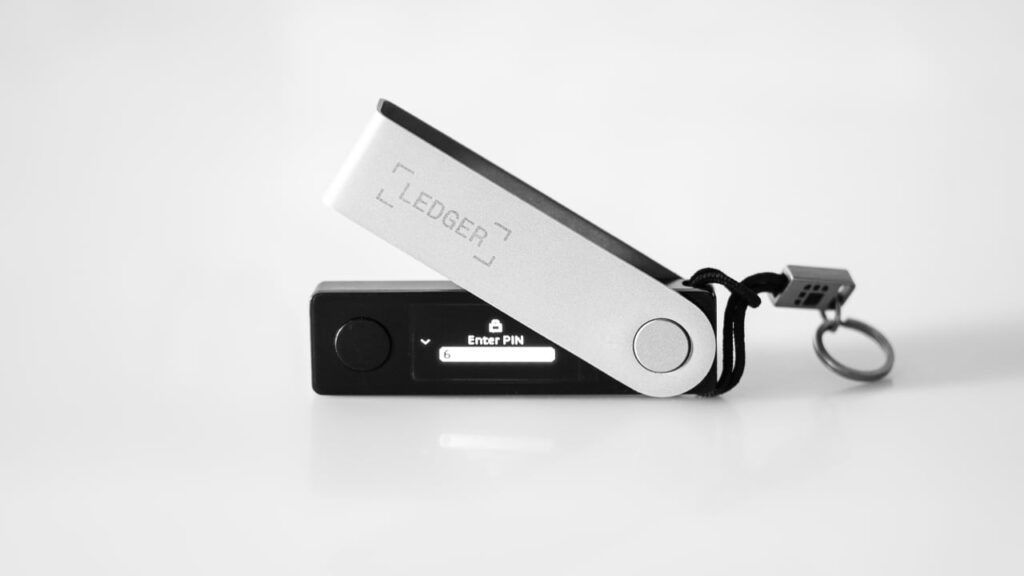
The estimate includes $50,000 for a reference implementation and $25,000 for Ledger hardware wallet and other wallet updates.
Combined, those expenses total approximately $215,000 to $255,000, excluding the cost of the 640 development hours.
Across all 24 amendments included in its 2027 roadmap, the Foundation estimates 6,240 development hours, 6,560 review hours and spending of $5.08 million to $5.74 million.
The quantum amendment currently has no assigned XLS number. Developers plan to use the first half of 2027 to study migration requirements, followed by development, review and auditing in late 2027 or 2028.