




























































































































































































































































































































































































































































































































































































































































































































































































































































































































































































































































































































































































































































































































































































































































































































































































































































































































































































































































































































































Solana Network Nearly Halts From TeraSwitch Routing Failure

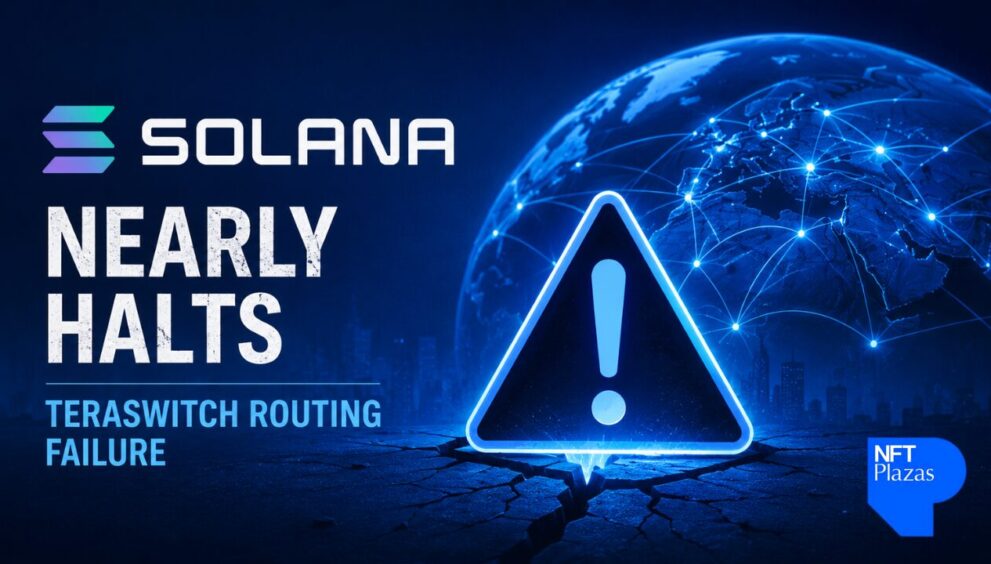
Solana narrowly avoided a network-wide finality halt on August 12 after a routing failure at infrastructure provider TeraSwitch temporarily knocked nearly 29% of the blockchain’s staked SOL offline.
The incident did not stop block production or prevent transactions from being processed, but it pushed Solana dangerously close to the threshold where transactions can no longer be finalized.
According to staking platform Marinade Finance, approximately 28.83% of Solana’s staked SOL became delinquent, putting the network within roughly 20 million SOL of the 33.34% threshold associated with a loss of finality. Around 90 validators were affected, while 597 of 699 staked validators continued voting.
The episode highlighted a critical distinction in blockchain reliability: Solana did not technically “go down,” but its ability to guarantee irreversible transactions came unusually close to being compromised.

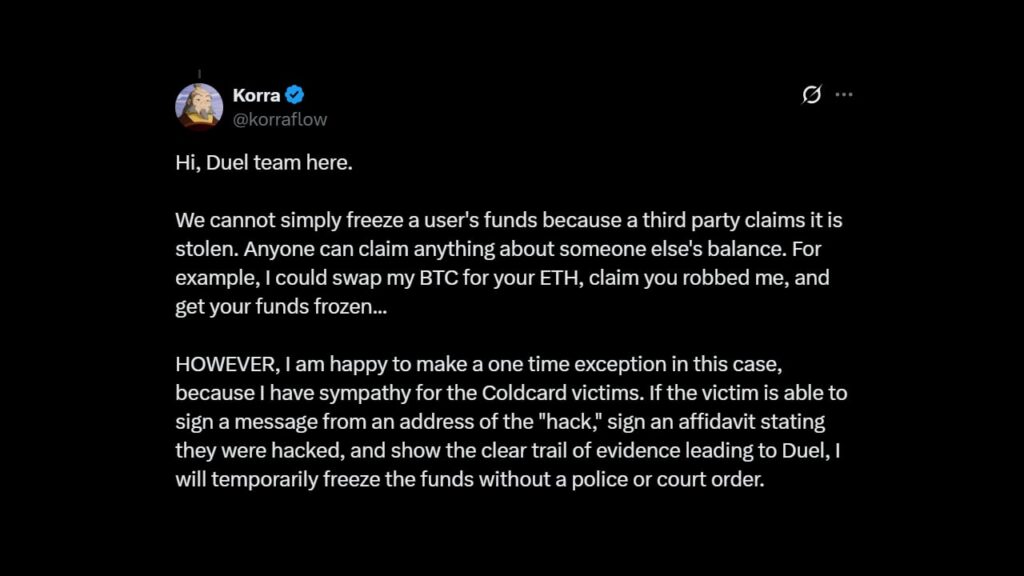
Marinade said 28.83% of staked SOL went offline, bringing Solana within 20M SOL of its 33.34% finality threshold (Source: X)
A Routing Failure Spread Across Regions
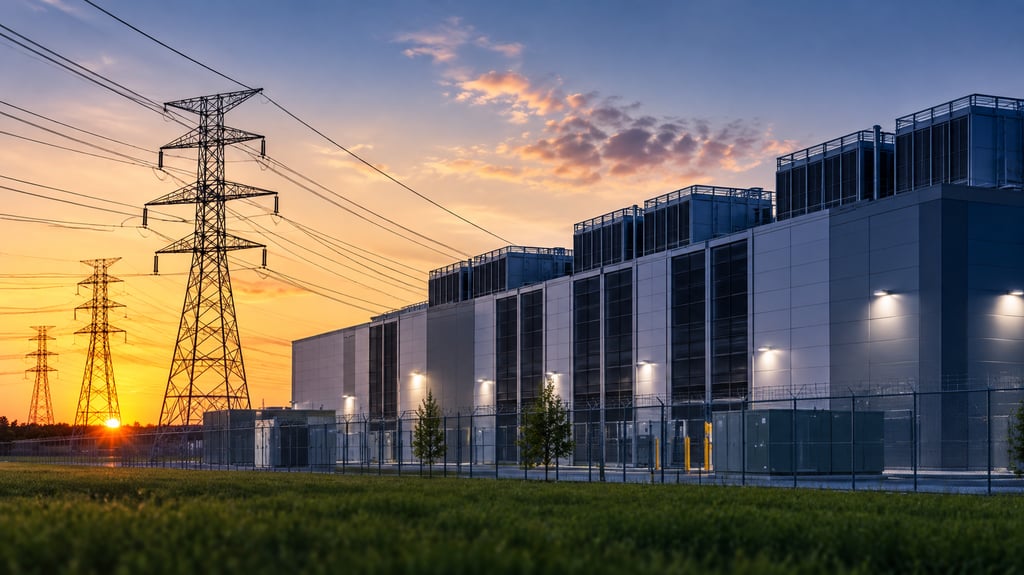
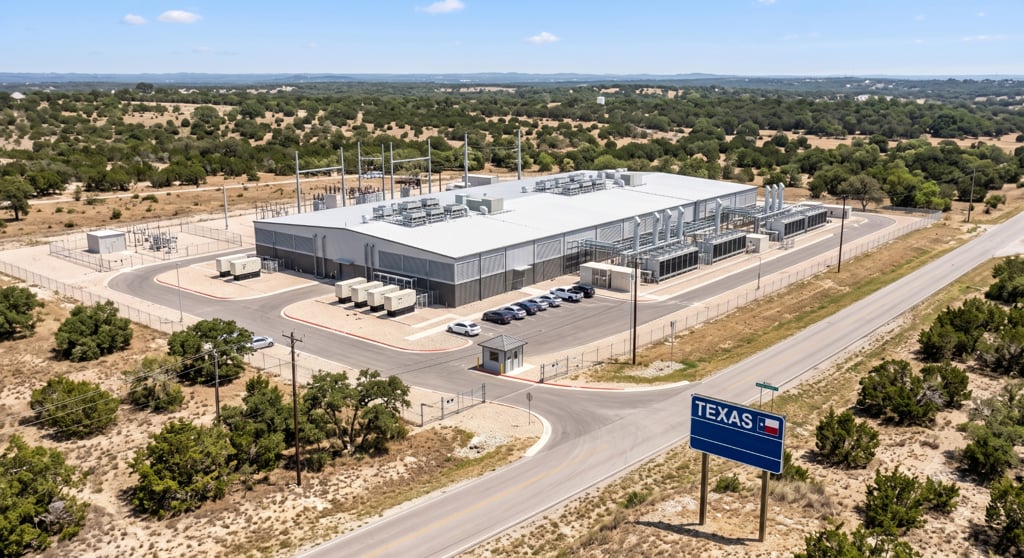
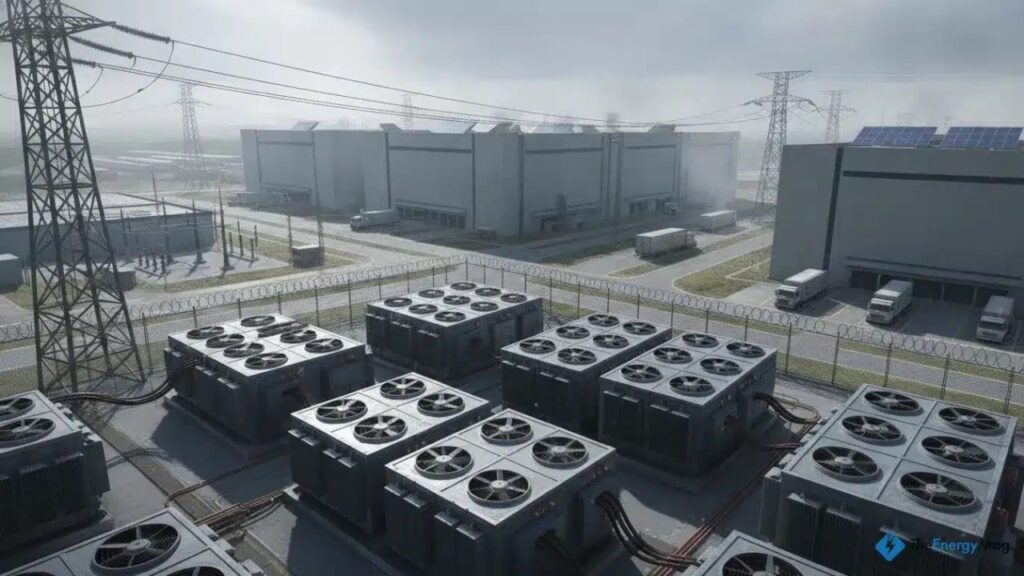
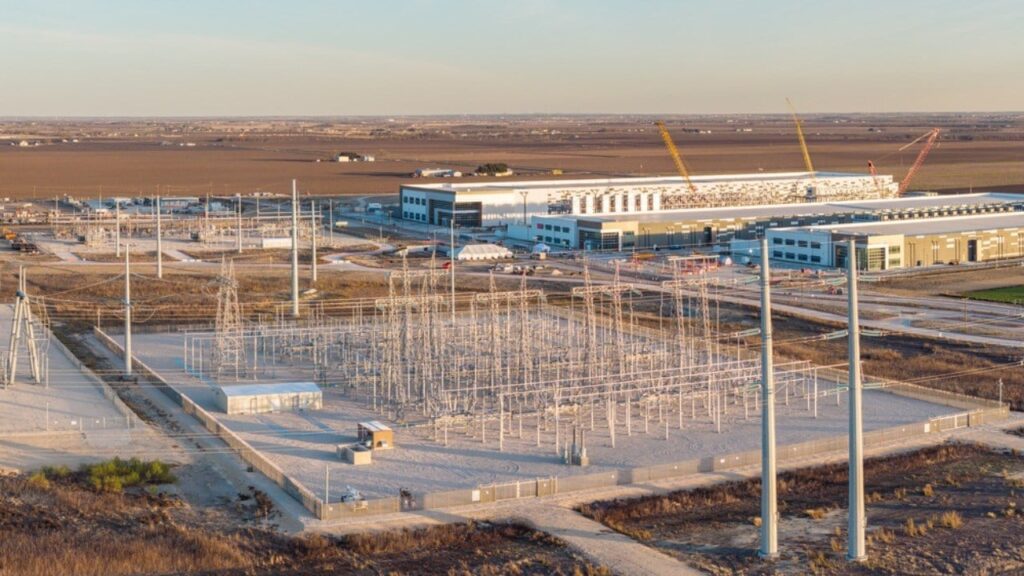
The incident originated at TeraSwitch’s Miami facility, where a faulty internet route was advertised and subsequently propagated through the provider’s network.
According to details cited by Marinade, a route reflector in Amsterdam distributed the problematic route to locations across Europe and Asia. The resulting connectivity failure affected data centers in London, Amsterdam, Dublin, Frankfurt, Singapore and Tokyo, while North American locations largely remained operational.
TeraSwitch identified the issue within approximately 10 minutes, with traffic restored at around 4:16 a.m. UTC.
The outage became significant for Solana because multiple validators depended on the affected infrastructure. Although those validators were operated by different entities, their shared dependence on TeraSwitch created a common point of failure.
Validators that lost connectivity stopped voting and were classified as delinquent. Marinade estimated that affected validators collectively missed approximately 333 SOL in staking rewards during the roughly 33-minute disruption. The relatively small financial loss is expected to be covered through validator bonds.
Why the 33% Threshold Matters
The most important number from the incident was not 29%, but 33.34%.
Solana’s consensus mechanism requires more than two-thirds of the network’s stake to participate in voting for blocks to reach finality. If validators representing more than one-third of total staked SOL simultaneously become unable to participate, the remaining voting stake cannot reach the required supermajority.
Blocks may still be produced, but the network loses its ability to confidently declare transactions irreversible.
At the height of the TeraSwitch incident, 28.83% of staked SOL was offline, leaving only about 4.5 percentage points between the network and the critical threshold.
Marinade warned that if delinquent stake had exceeded one-third, transactions across Solana would have stopped reaching finality. The platform pointed to Solana’s February 2024 halt, which took roughly five hours to restart, as an example of what a more serious consensus failure could entail.
This makes the latest event different from an ordinary validator outage. A small number of validators going offline is expected in a decentralized network. The danger arises when enough stake disappears simultaneously to prevent the remaining validators from reaching consensus.
Solana Remained Operational
Despite the near miss, Solana continued operating throughout the incident.
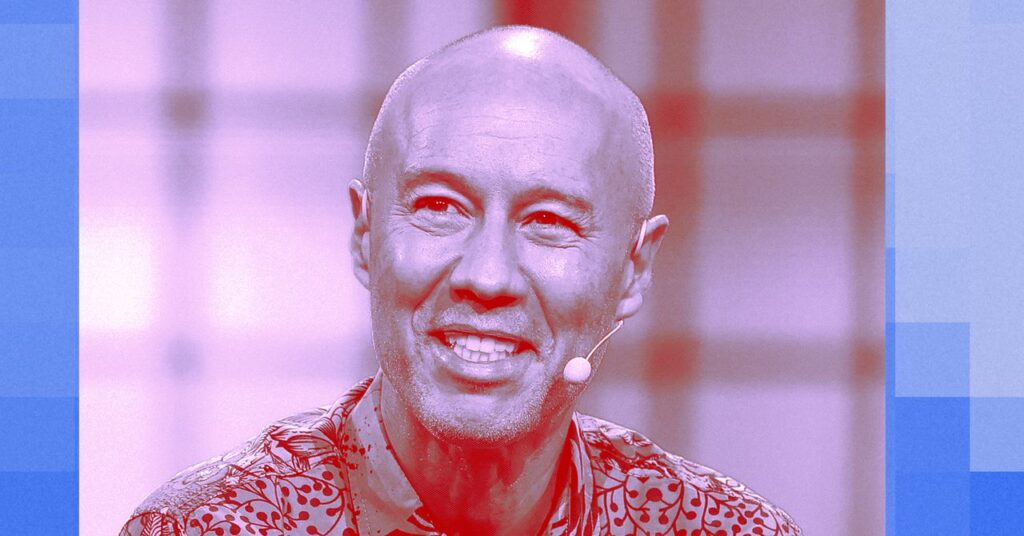
Jacob Creech, vice president of technology at the Solana Foundation, described the event as evidence that infrastructure diversity helped protect the network. He noted that blocks continued to be produced and transactions continued to land while the affected infrastructure was offline.
According to Creech, 597 of 699 staked validators continued voting, meaning roughly six out of every seven validators remained active. The affected validators recovered within approximately 40 minutes, while validators participating in the Solana Foundation Delegation Program were reportedly unaffected.
The incident therefore did not represent another full Solana blockchain outage. Instead, it demonstrated how an external infrastructure failure could push the network close to a consensus-level disruption without stopping block production itself.

Solana Remained Operational
Infrastructure Concentration Becomes the Bigger Concern
The event exposed a structural weakness that goes beyond TeraSwitch: validator decentralization does not necessarily mean infrastructure decentralization.
Marinade reported that one autonomous system, AS20326, accounted for approximately 27.34% of total staked SOL. About 94% of the stake associated with that autonomous system reportedly went offline during the incident.
Another 14.1 million SOL became delinquent across validators hosted by Latitude.sh, Limestone, Butterfly Research and Allnodes. Marinade said it could not determine whether those simultaneous outages were directly connected to the TeraSwitch incident.
The numbers show why simply counting validators can provide an incomplete picture of blockchain resilience. Hundreds of independent validators may still rely on the same cloud provider, data center, routing infrastructure or geographic region.
A single infrastructure failure can therefore affect a much larger share of network stake than the number of directly compromised validators suggests.
Marinade acknowledged the broader concentration issue, noting that a small number of autonomous systems control a significant portion of the stake allocated through its infrastructure. The incident could increase pressure on staking providers and validator operators to diversify their hosting arrangements.
A Warning, Not Another Solana Halt
For Solana, the immediate outcome was positive: finality was never interrupted, block production continued and the network recovered.
However, the incident demonstrated how quickly an infrastructure problem outside Solana’s core protocol can become a network-level concern. Nearly 29% of staked SOL went offline simultaneously, leaving only a narrow margin before the 33.34% finality threshold.
The episode also reinforces a broader lesson for proof-of-stake networks: decentralization must be measured not only by validator ownership, but also by the underlying infrastructure supporting those validators.
Solana’s architecture ultimately absorbed the shock, supporting the Foundation’s argument that geographic and infrastructure diversity can provide meaningful resilience. But the TeraSwitch failure showed that hidden concentrations can still create significant systemic risk.
With billions of dollars deployed across Solana’s DeFi ecosystem, the consequences of crossing the finality threshold would extend far beyond validators themselves. The network avoided that outcome this time. The near miss, however, offers a clear warning that infrastructure diversity will remain a critical part of Solana’s long-term security and reliability.