
































































































































































































































































































































































































































































































































































































































































































































































































































































































































































































































































































































































































































































































































































































































































































































































































































































































































































































































































































































































































































































































































































































































































Are Ethereum Validators Vitalik Buterin’s New Cash Cow?

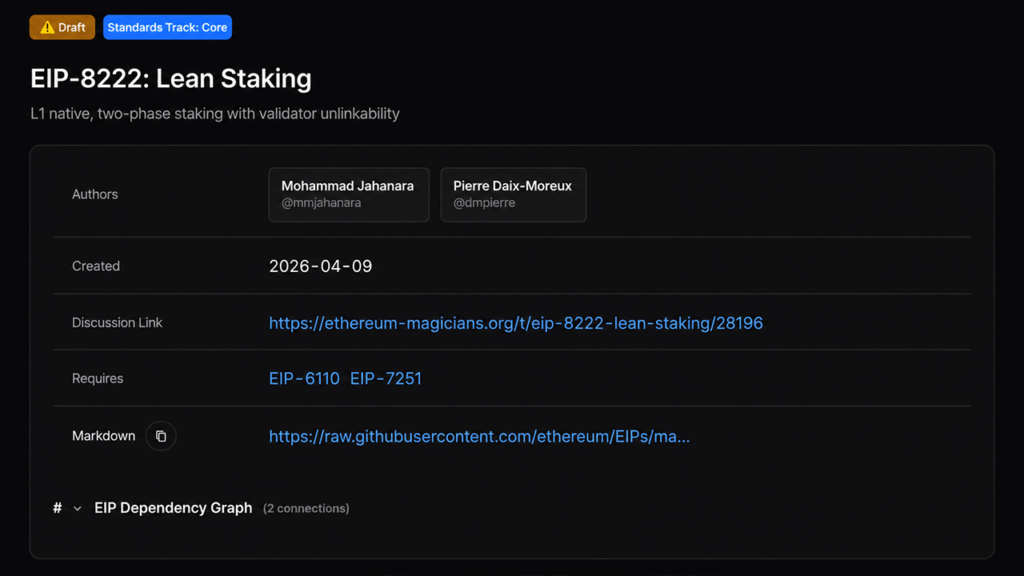
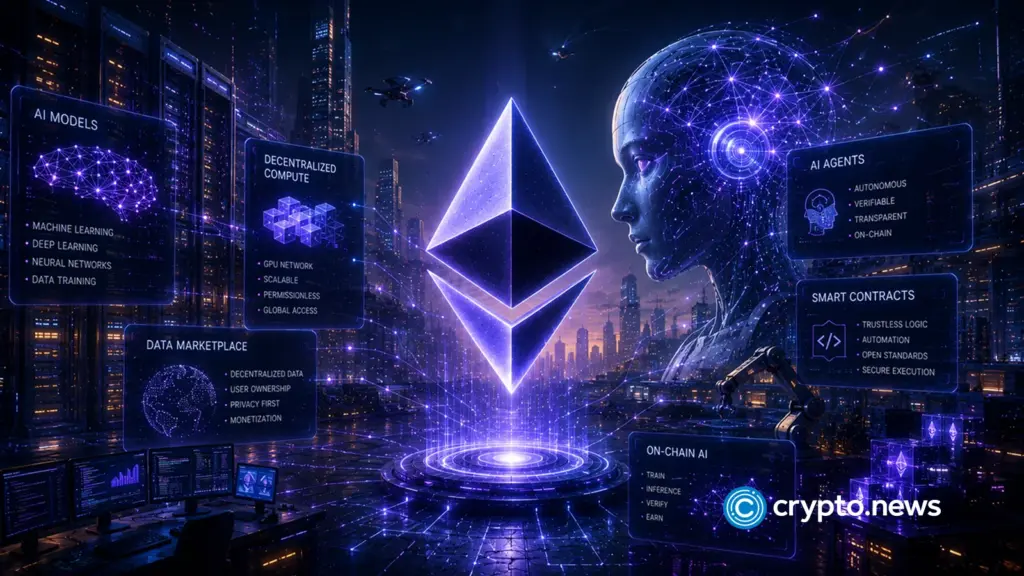
In Ethereum news today, a new governance proposal would force Ethereum validators to redirect up to 10% of their ETH staking rewards toward ecosystem funding, and if a majority of validators signal support, every validator on the network gets swept in, whether they voted for it or not.
At current staking levels, that mechanism could channel approximately $120M worth of ETH annually into public goods projects that have historically struggled to attract consistent funding.
The central tension this story unpacks is that a protocol-level tax on validator rewards may solve Ethereum’s chronic free-rider problem, but it creates new risks of cartelization, yield dilution for ordinary ETH holders, and a governance structure that critics argue looks uncomfortably close to a 51% takeover in slow motion.
Ethereum News Today: What the VRR Proposal Actually Does
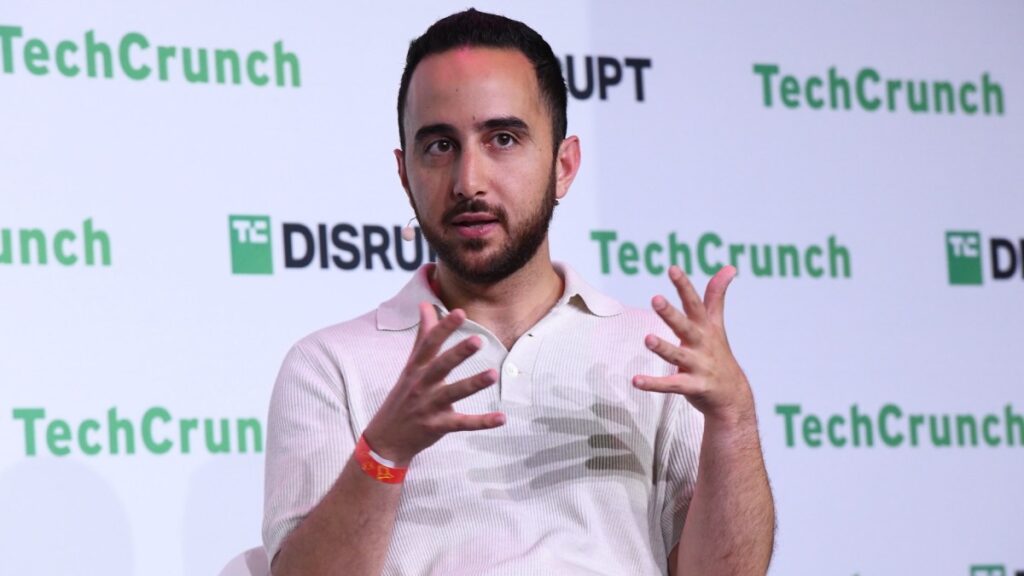
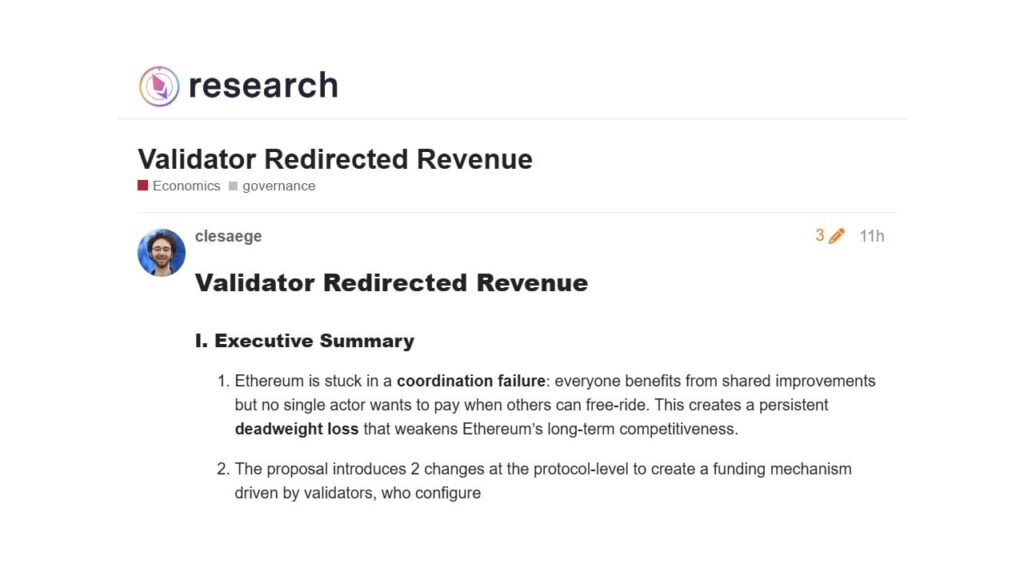
The Validator Redirected Revenue (VRR) mechanism, introduced by Devansh Mehta from the Ethereum Foundation in April 2026, addresses the free-rider problem in Ethereum.
It allows validators to set a redirect rate between 0% and 10% of their staking rewards, effectively serving as a charitable payroll deduction. If 51% or more of validators choose a non-zero rate, it becomes mandatory for all.
Redirected funds are managed by a “splitter” contract that allocates resources to recipient addresses, such as Gitcoin or security audit organizations, based on validators’ preferences. This concept builds on the existing gas-limit signaling model used by validators to support the network.
The Numbers Behind the Proposal
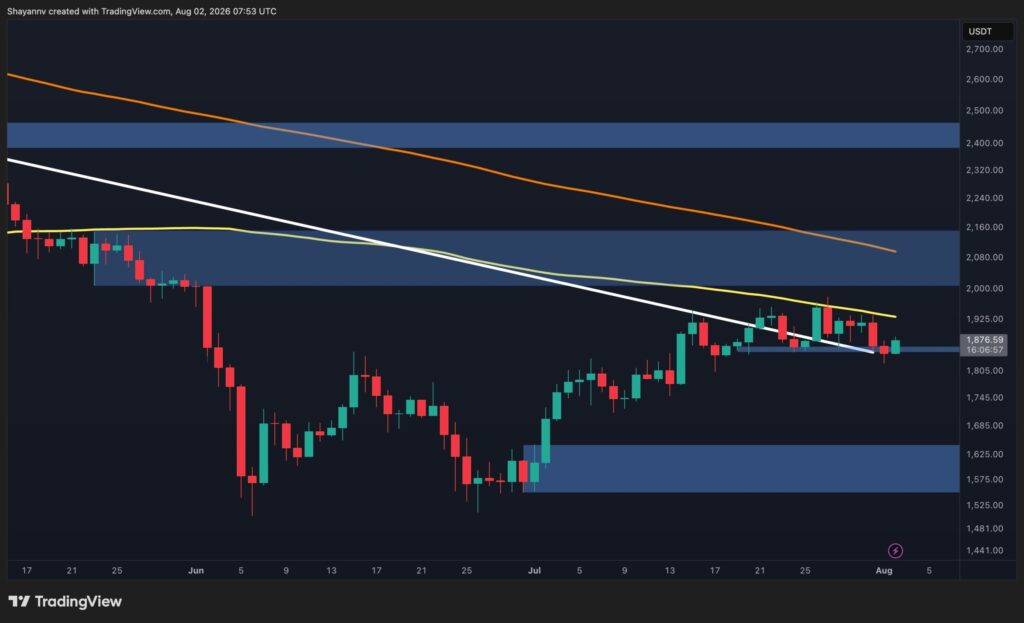
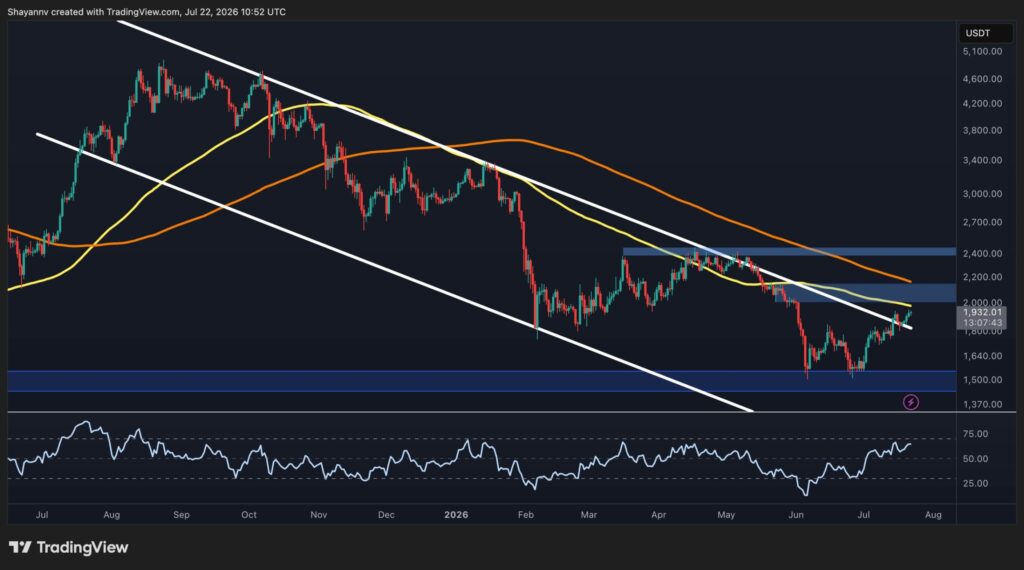
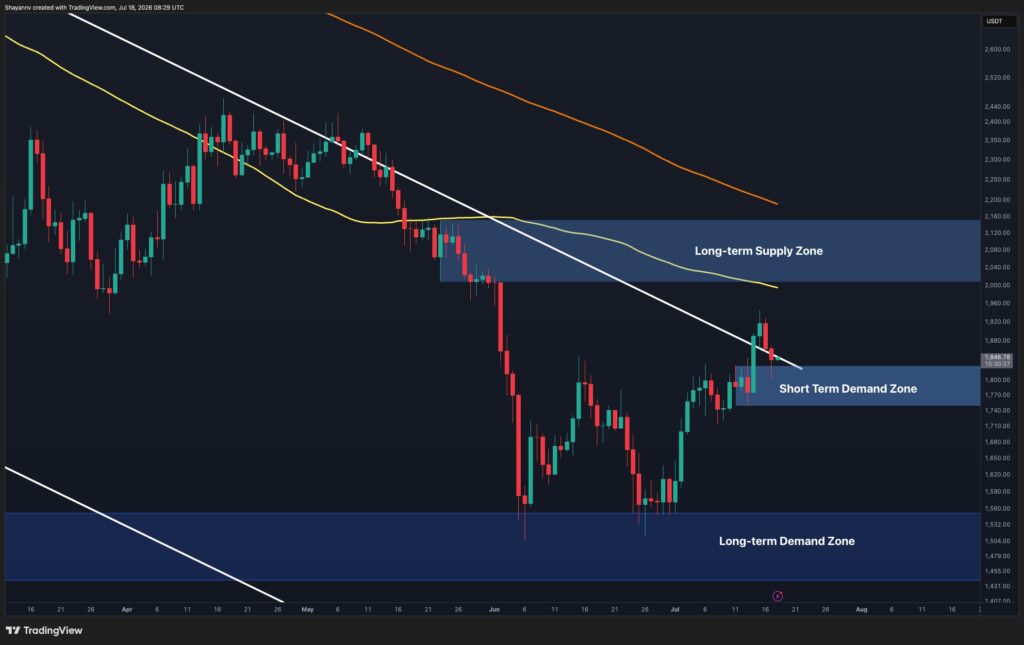
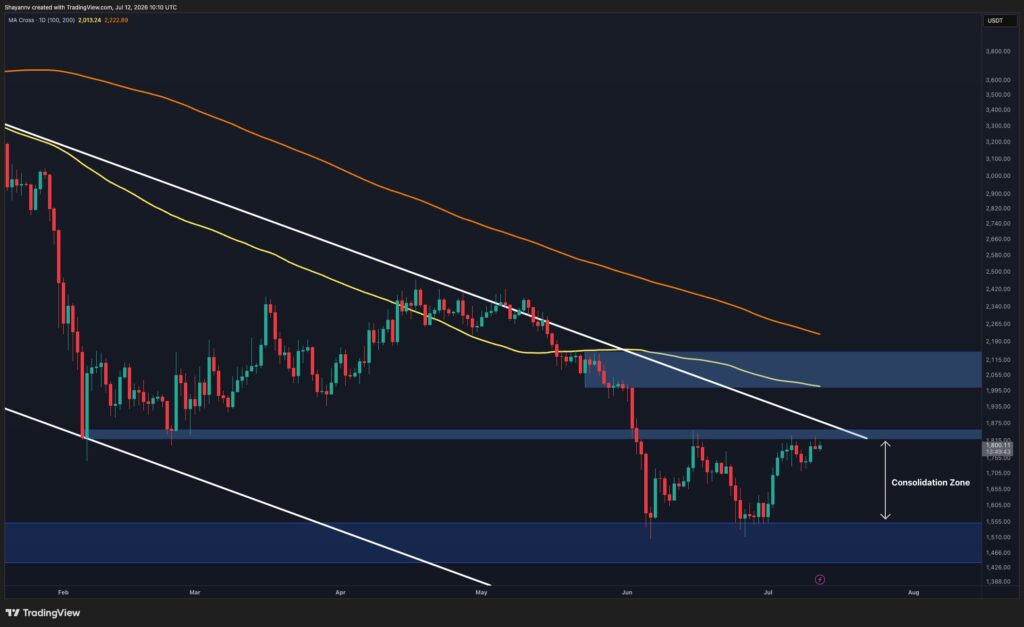
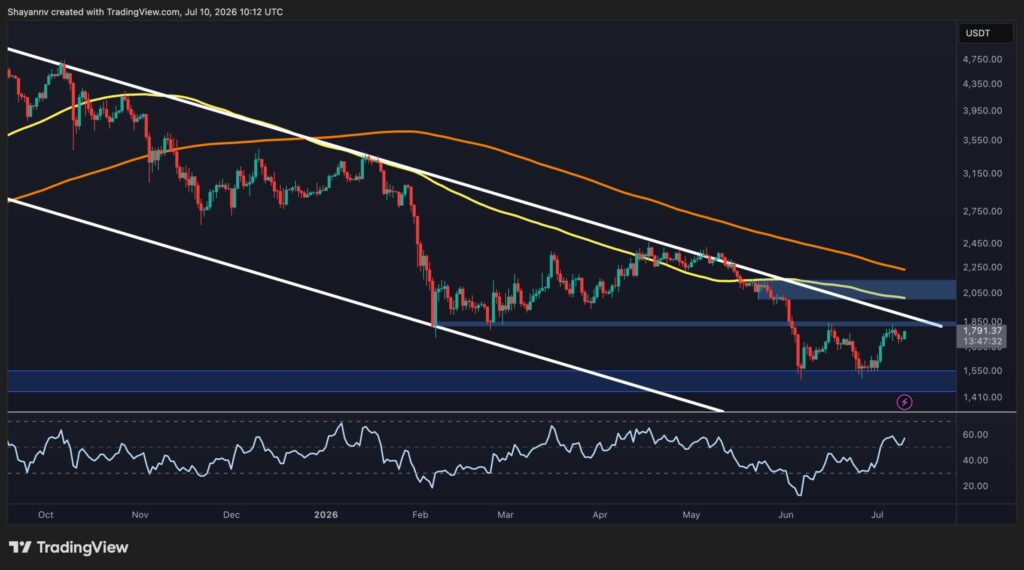
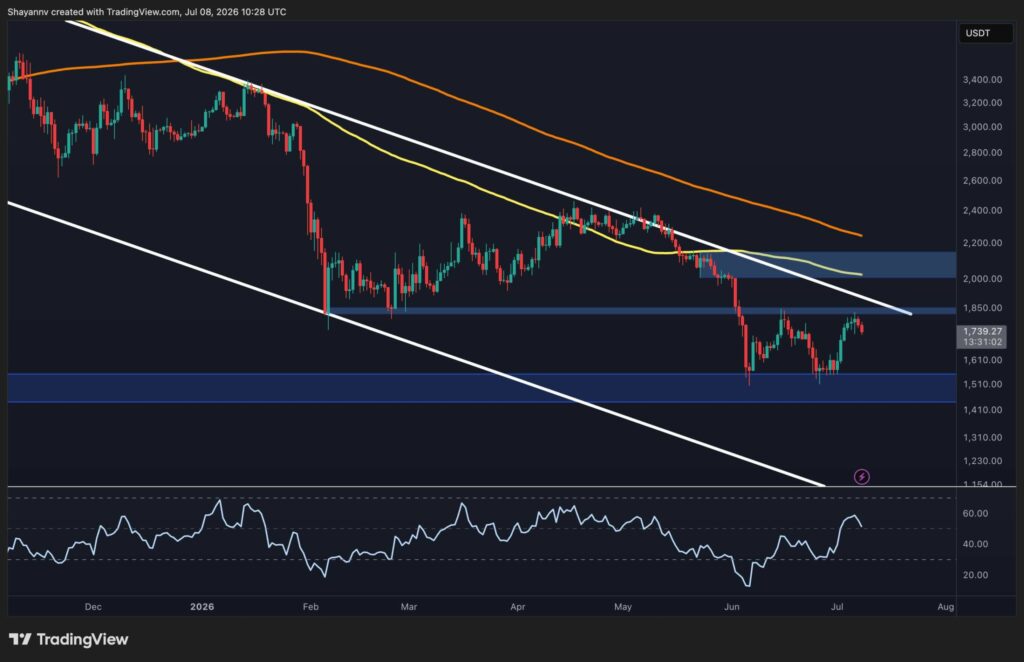
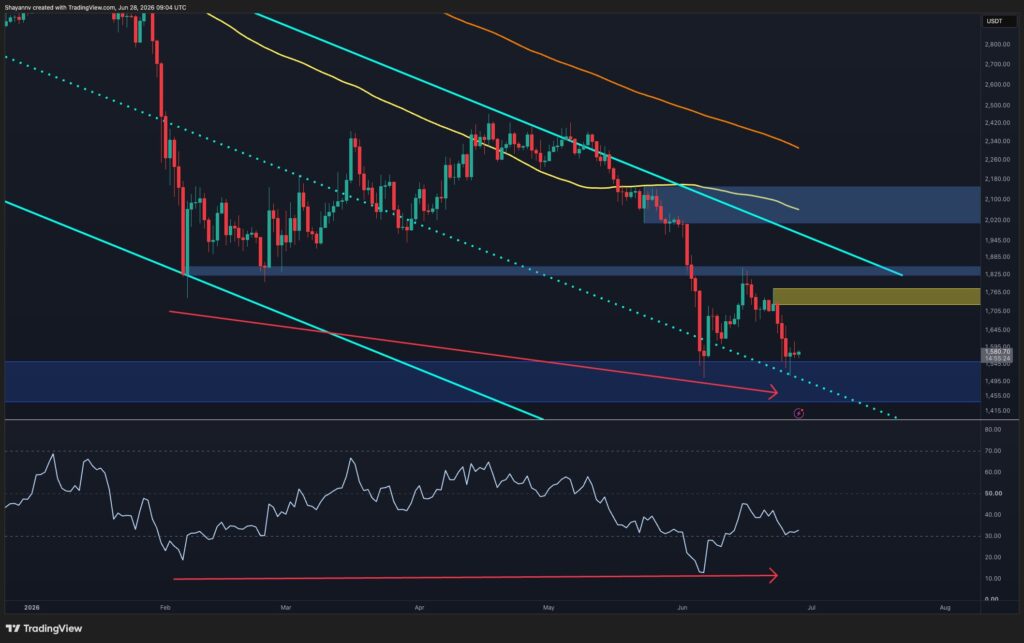
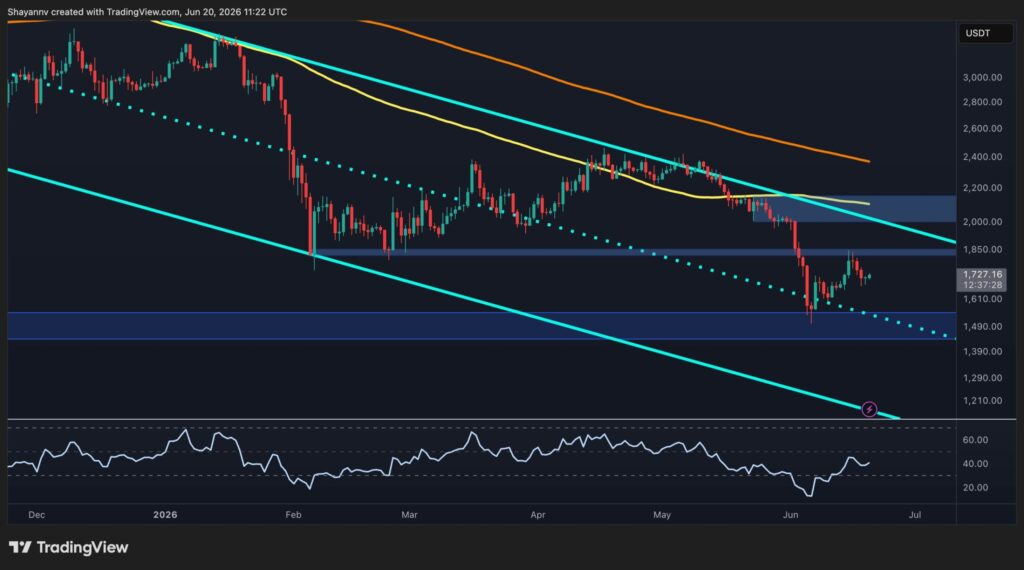
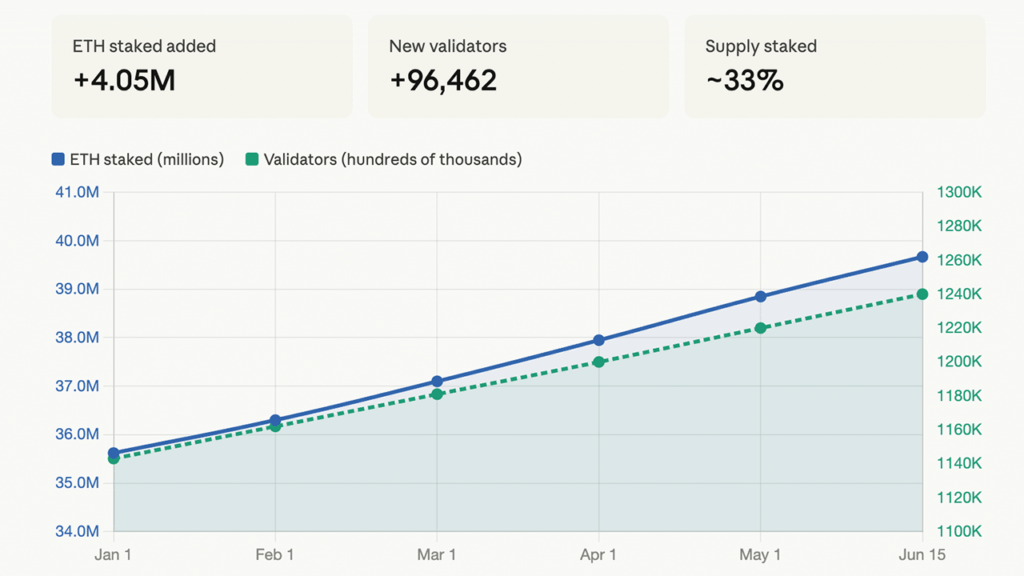
In other Ethereum news, validators currently earn roughly 700,000 ETH per year in staking rewards, according to figures cited in the VRR research post. A redirect rate of 5% to 10% would divert approximately 35,000 to 70,000 ETH annually toward ecosystem funding, worth around $85M to $120M at ETH’s current market price of $1,746.
The 10% ceiling is not an arbitrary figure. The VRR post frames it as a Schelling point, a focal number people converge on when explicit coordination is difficult, referencing the historical tithe norm as a cultural anchor for what a “reasonable” contribution looks like.
The proposal addresses a genuine funding gap. The Ethereum Foundation has historically stepped in when ecosystem projects are underfunded, in some cases selling ETH from the treasury to cover costs.
In 2026, the EF staked 70,000 ETH specifically to fund operations through validator yield rather than asset liquidations, a workaround that VRR would make structurally unnecessary if adopted.
Understanding the current dynamics of Ethereum staking and validator economics helps clarify why the Foundation has been looking for alternatives to ad hoc treasury drawdowns.
Lefteris Warns Validator Funding Plan Could Create Staking Cartel
Rotki founder and Ethereum developer @LefterisJP opposed a proposal to fund Ethereum core development through validator rewards, arguing it could create a cartel among large stakers capable of diverting up to… pic.twitter.com/uoKpj1OcZ2
— Wu Blockchain (@WuBlockchain) June 22, 2026
DISCOVER: Best Meme Coin ICOs to Invest in 2026
Ethereum News: Three Risks That Could Sink It
The proposal has drawn immediate scrutiny on three fronts. The first is validator cartelization: if a coordinated bloc of validators crosses the 51% threshold, they could push the redirect rate to its 10% ceiling and route funds to themselves or politically aligned groups, effectively turning a public-goods mechanism into a validator subsidy scheme.
The second risk sits in the gap between staking operators and the ETH holders who delegate to them. The majority of staked ETH does not sit with individuals running their own validators. It flows through liquid staking protocols such as Lido and Rocket Pool, or through centralized exchanges.
In that model, the operator sets the redirect preference, but the yield reduction comes directly out of the rewards owed to the delegating ETH holder. Institutional validator revenue structures, including those built into Ethereum staking pass-through mechanisms within ETF products, would face the same principal-agent tension at scale.
Third is the issuance argument. If validators are willing to voluntarily give up a portion of their yield, critics contend that Ethereum should simply reduce issuance rather than route that value through a new funding mechanism – a cleaner solution that avoids governance risk entirely.
EXCLUSIVE: Earn $10 USDC Via Binance Sign-Up
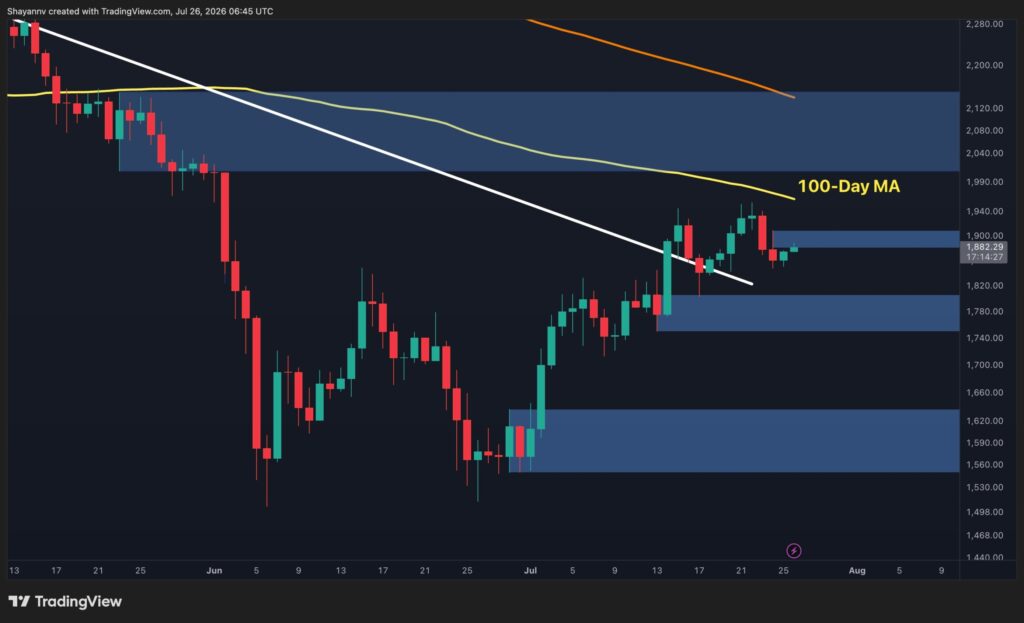
ETH Price and What Comes Next
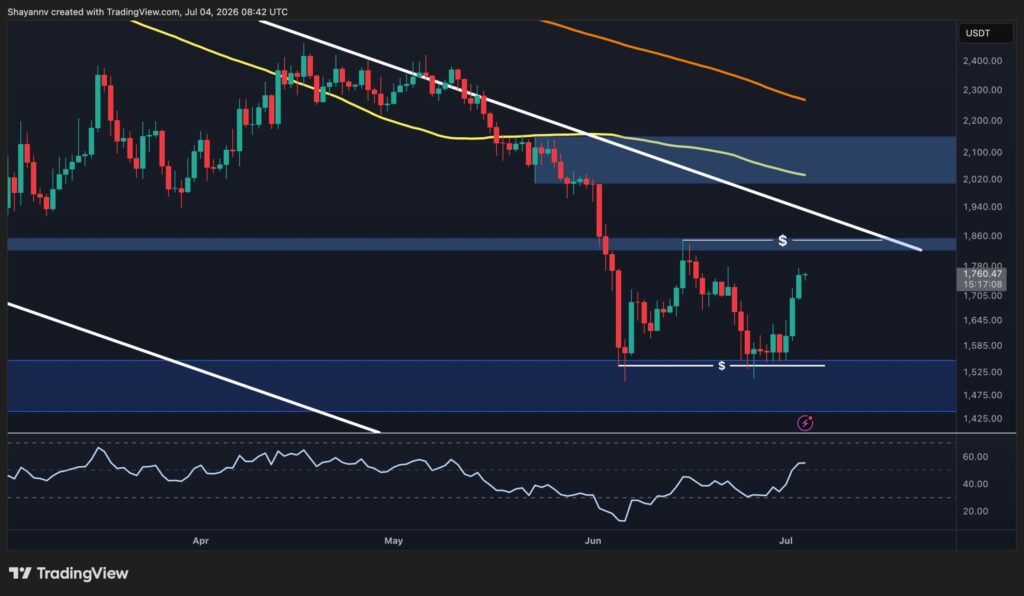
$ETH looking good here around $1700
Most people aren't looking when the asset is cheap
They rather FOMO back in when it reached the top range again. Nothing changed except more institutional adoption
Big banks are building on Ethereum the financial layer pic.twitter.com/eAOpwaECcG
— Seth (@seth_fin) June 22, 2026
VRR’s relationship to ETH price cuts both ways. A well-funded ecosystem could accelerate developer activity, increase network usage, and drive more ETH burn under EIP-1559 (Ethereum’s fee-burning mechanism, active since August 2021, which permanently removes a portion of each transaction fee from circulation).
That chain of effects supports a higher ETH valuation over time. The near-term trade-off, however, is a lower staking APY for the validator ecosystem and for the staking supply metrics that institutional and retail stakers track closely.
The proposal carries no EIP number and no scheduled hard fork; it would require a hard fork to both encode the redirect rate and specify recipient addresses, making implementation a multi-year question at minimum.
Mehta and the Ethereum Research community have framed VRR as a starting point for discussion, not a finished specification. Whether it survives the gauntlet of validator operators, client developers, and core researchers skeptical of new coordination mechanisms remains entirely open.
The most immediate question is not whether VRR gets approved. It is whether the Ethereum community can design a version that funds the ecosystem without handing a 51% validator coalition the keys to a $120M annual budget.
EXPLORE: Best Crypto Presales With Asymmetric Upside in the Current Market
Follow 99Bitcoins on X For the Latest Market Updates and Subscribe on YouTube For Daily Expert Market Analysis.
The post Are Ethereum Validators Vitalik Buterin’s New Cash Cow? appeared first on 99Bitcoins.