













































































































































































































































































































































































































































































































































































































































































































































































































































































































































































































































































































































































































































































































































































































































































































































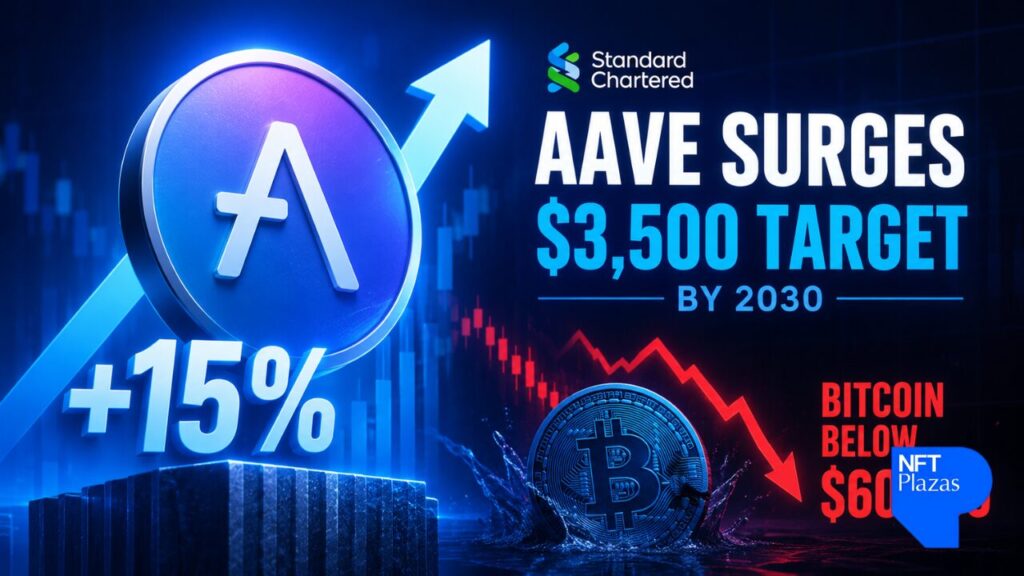
























































































































































































































































































































































































































































































































































Aave Surges 15% on Standard Chartered’s $3,500 Forecast as Bitcoin Slips Below $60,000

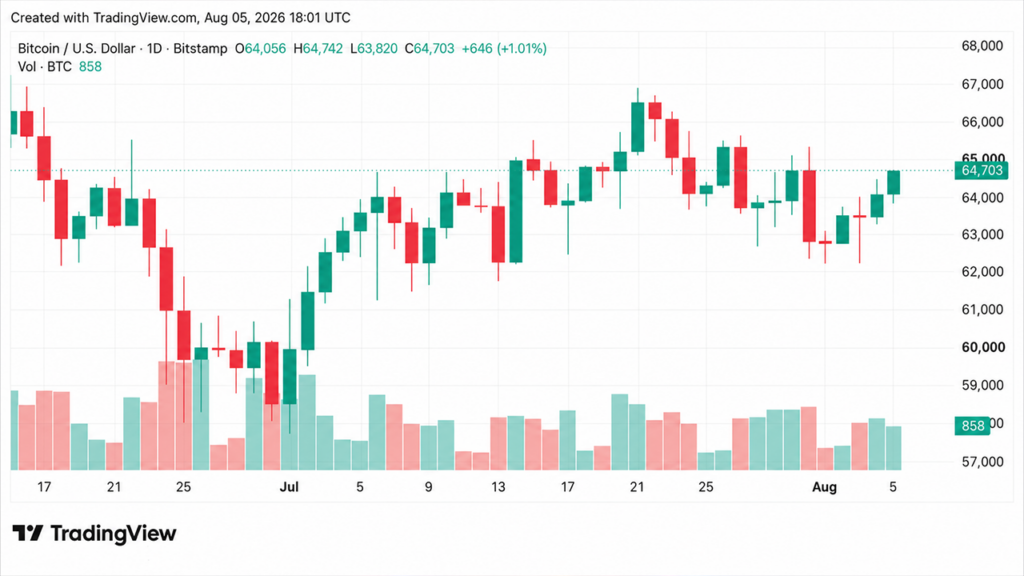
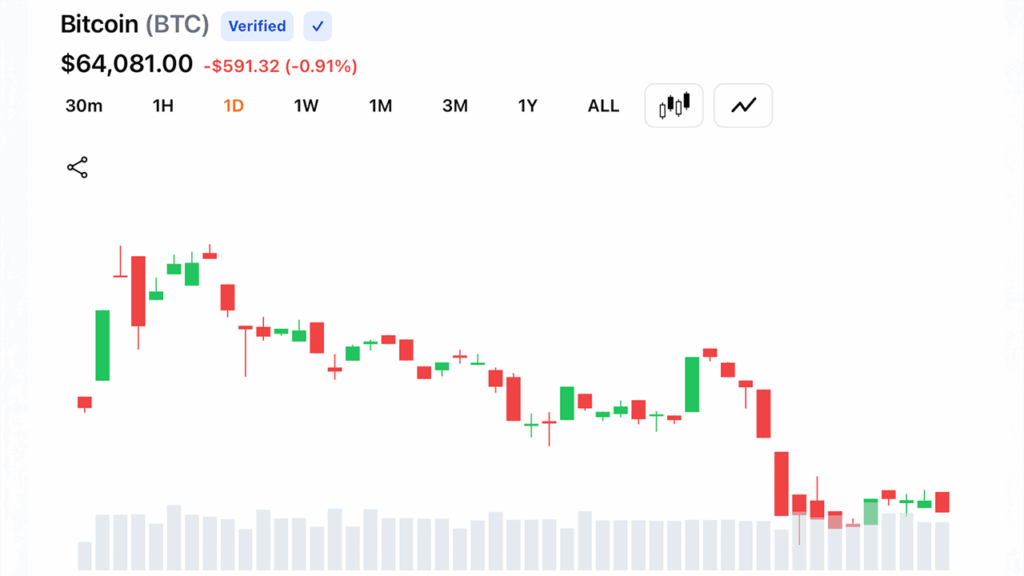
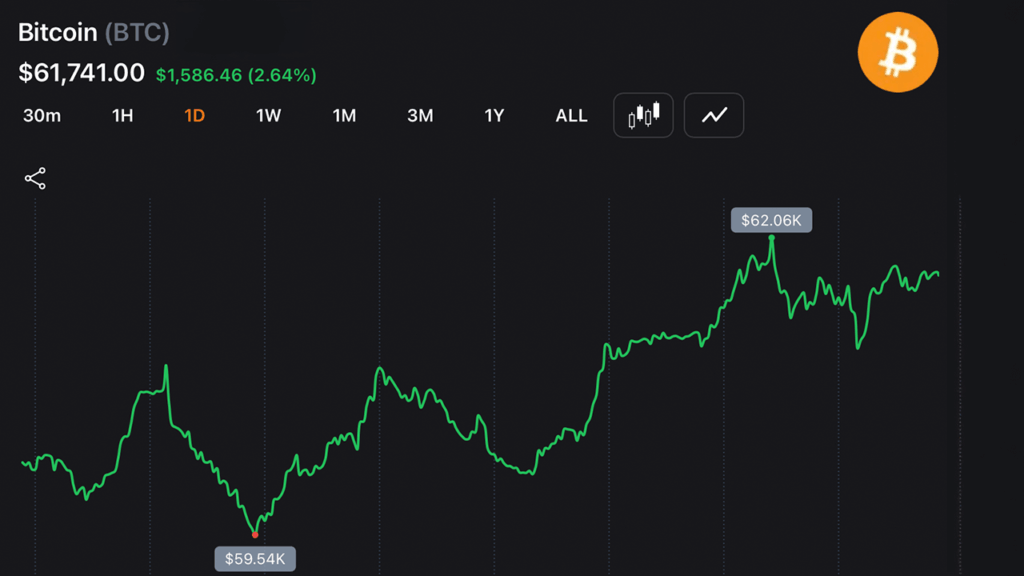
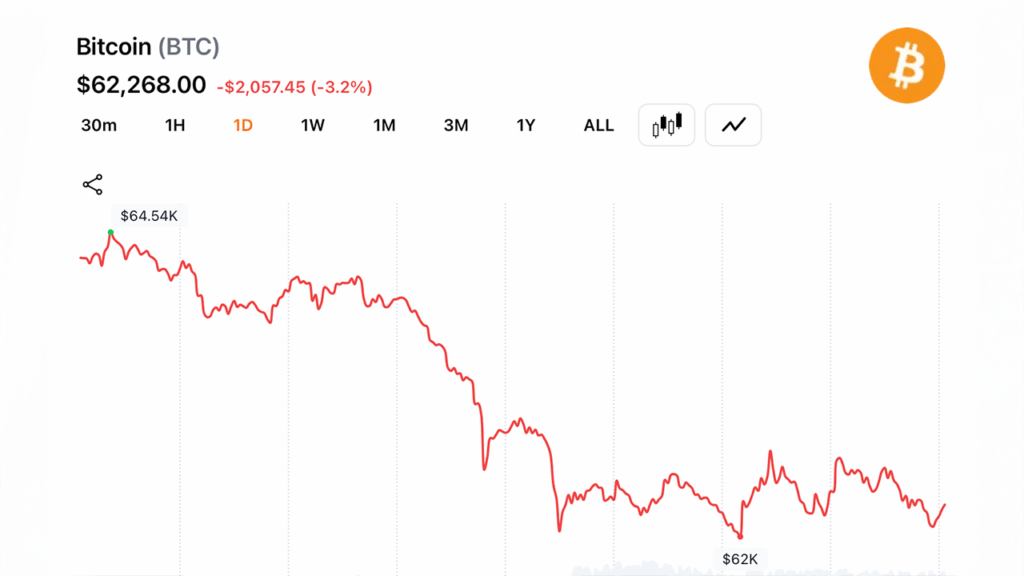
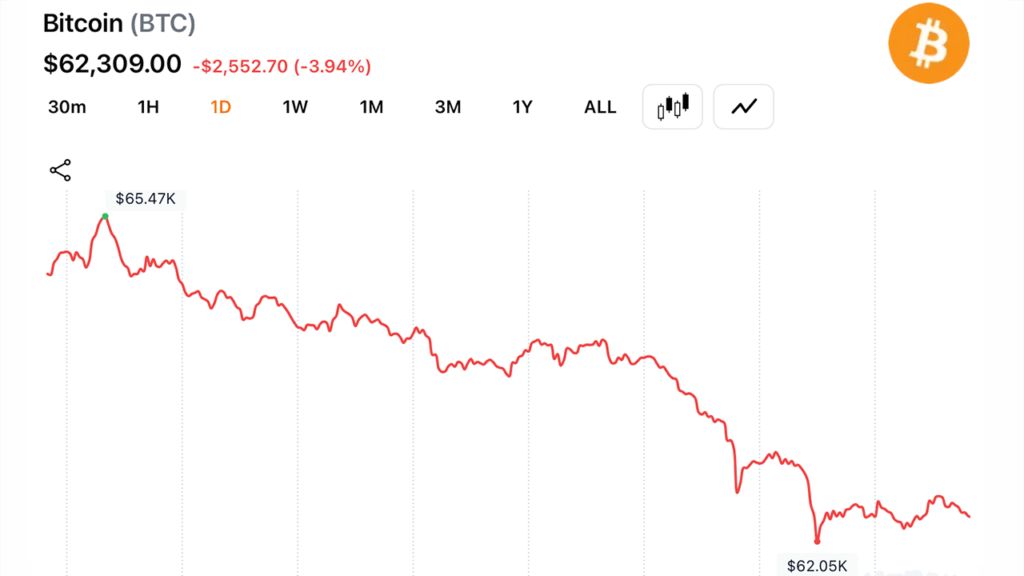
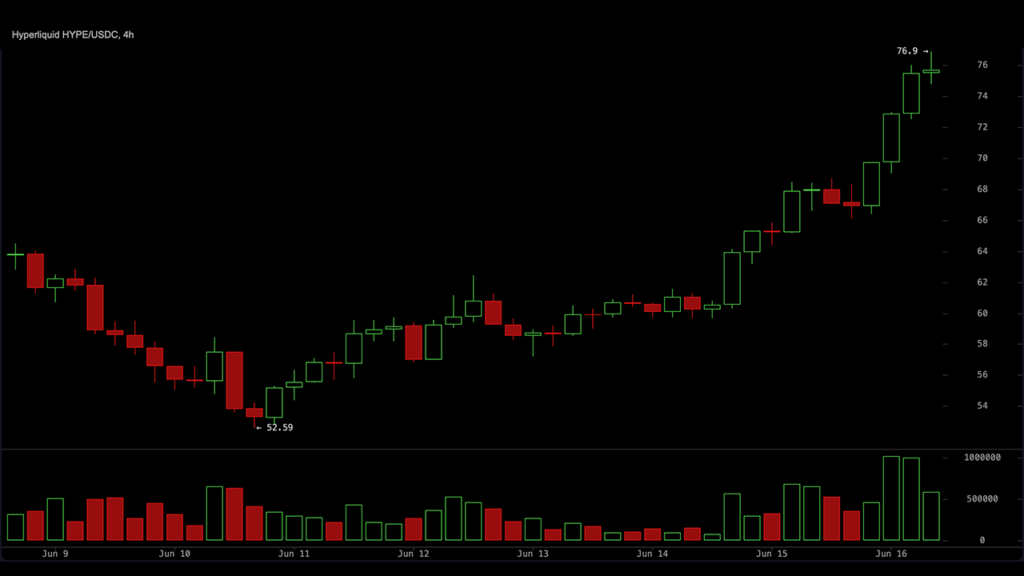
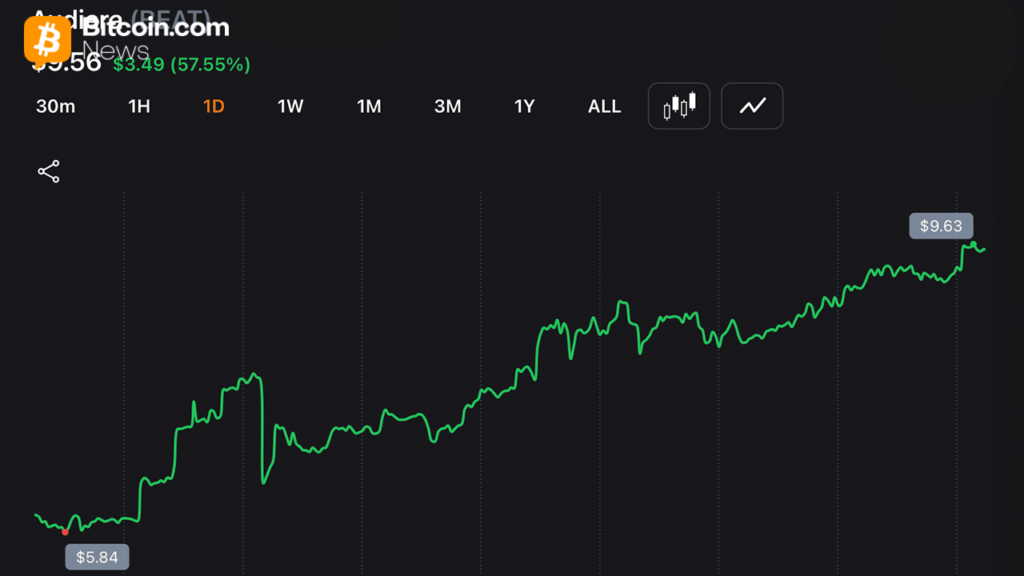
Aave (AAVE) staged one of the week’s most dramatic counter-trend moves on June 25, climbing more than 15% in 24 hours to trade around $82.77, bucking a broad crypto selloff that dragged Bitcoin (BTC) below $60,000 for the third time in June. The divergence highlighted a growing split between DeFi protocols with recovering fundamentals and a wider market weighed down by institutional selling, rate anxiety, and competition from artificial intelligence stocks.
Standard Chartered Sets a 50x Target
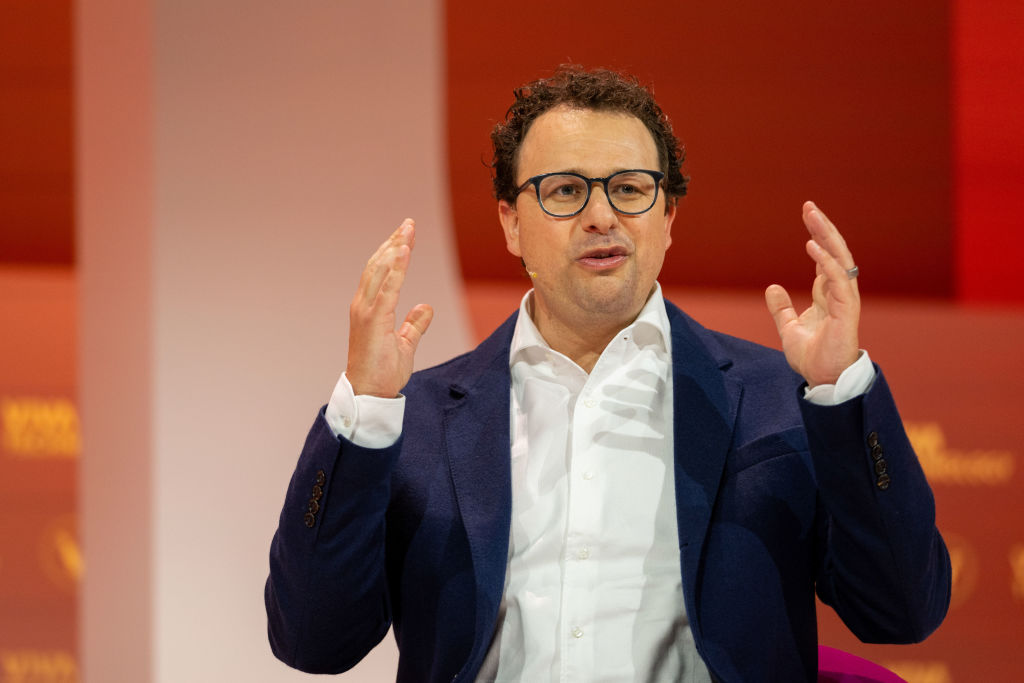
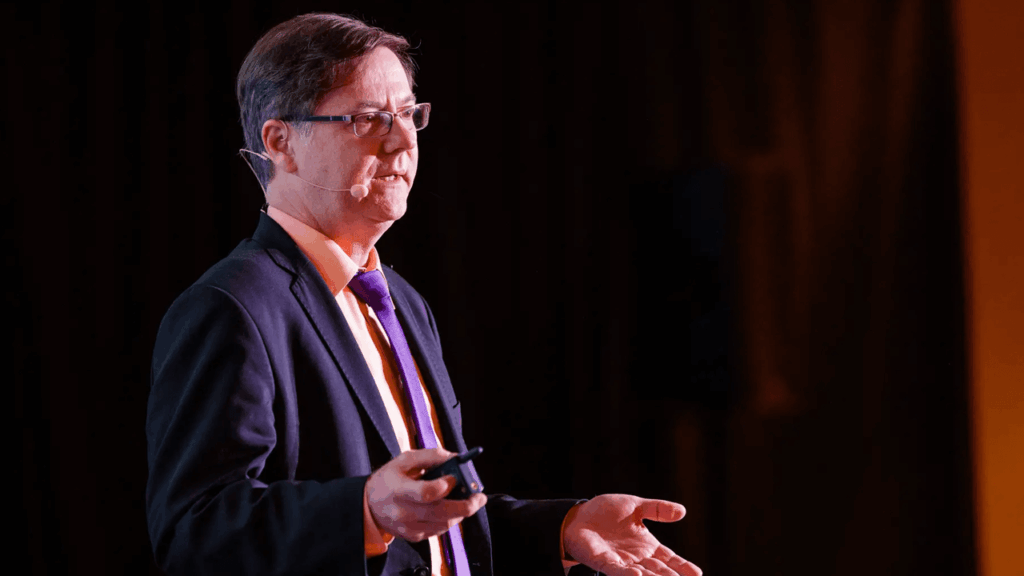
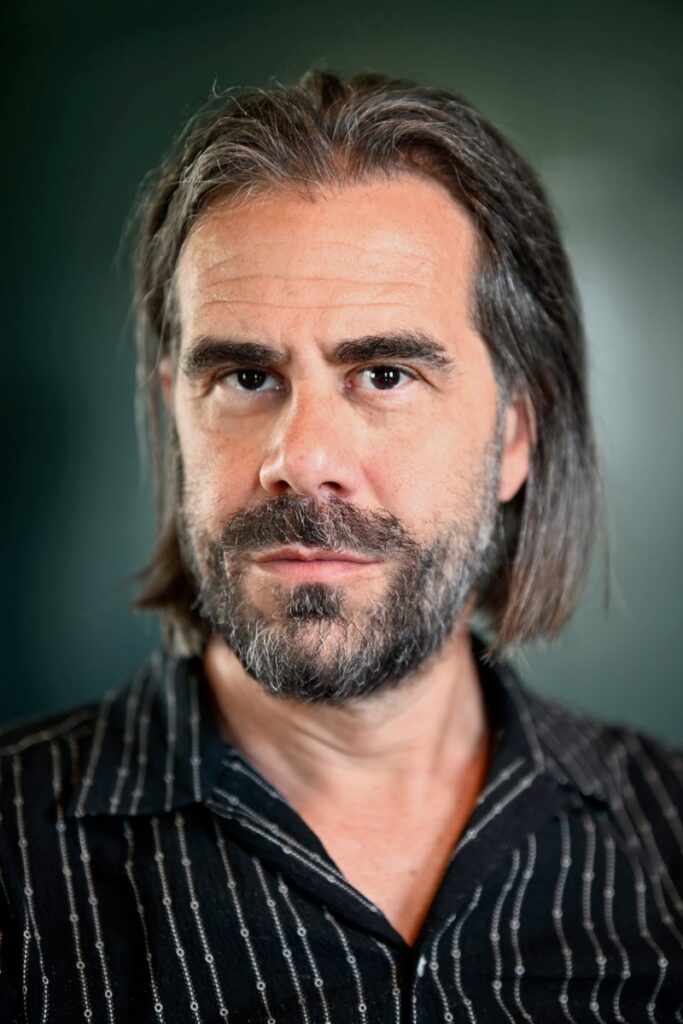
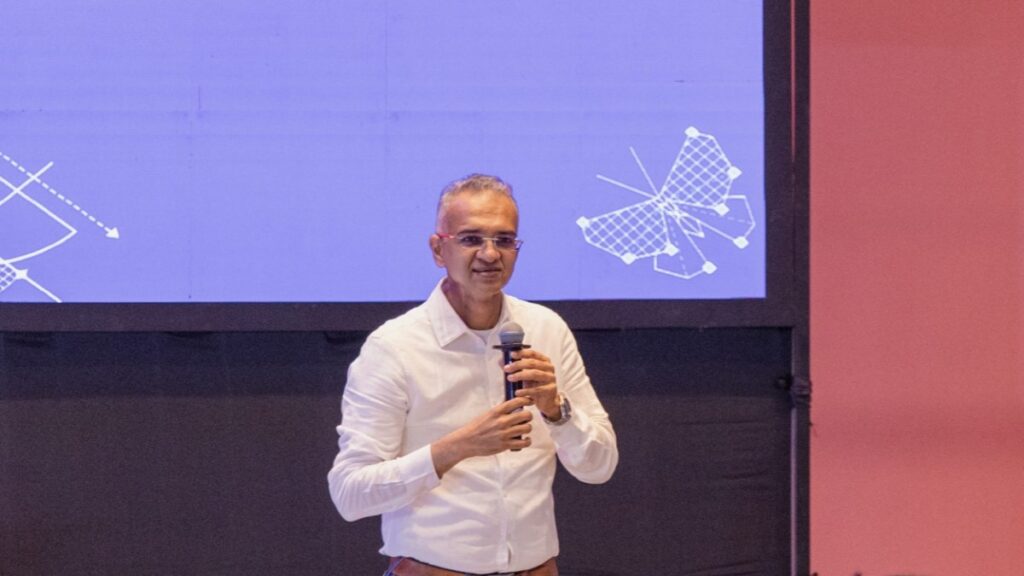
The primary catalyst was a research note published June 24 by Standard Chartered’s global head of digital assets research, Geoff Kendrick. Kendrick initiated coverage of Aave with a $3,500 price target by the end of 2030, implying a roughly 50-fold increase from AAVE’s price near $70, one that would see the token outperform both Bitcoin and Ether over the period.
The staged forecast places AAVE at $180 by the end of 2026, $600 by the end of 2027, $1,200 by the end of 2028, $2,200 by the end of 2029, and $3,500 by the end of 2030. That terminal target would sit well above AAVE’s all-time high of $661.69 set during the 2021 DeFi bull run. Kendrick described Aave as an automated, blockchain-based bank that operates without employees or discretionary decision-making.
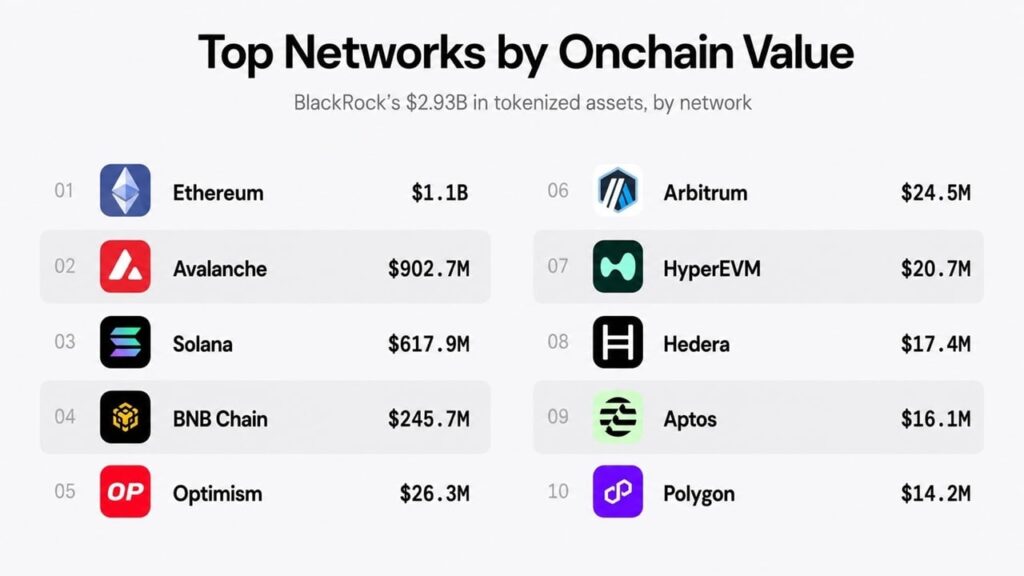
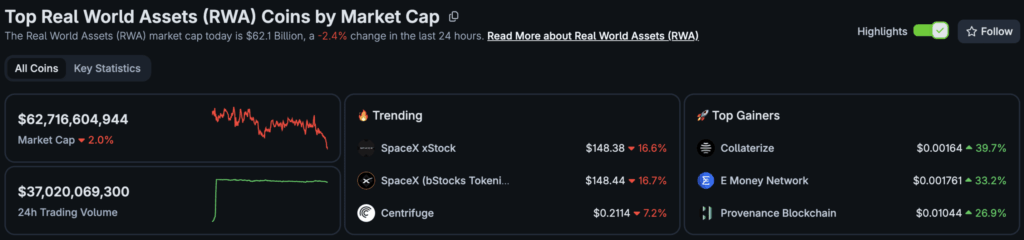
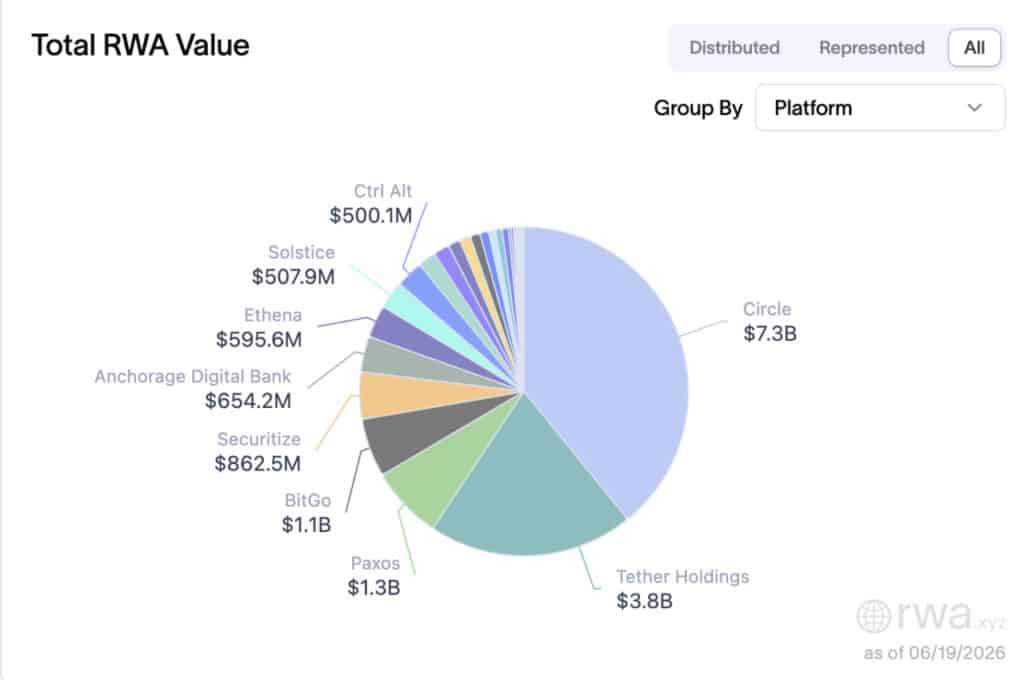
The thesis rests on a structural shift in how assets are managed on-chain. The value of tokenized assets actively used within DeFi applications is expected to increase 37-fold by the end of the decade, reaching approximately $2.7 trillion, and because Aave’s revenue model is tied closely to lending activity and deposits, the bank anticipates the protocol’s growth to translate relatively directly into gains for the AAVE token.

Aave (AAVE) Price Performance on 25/6/2026 (Source: CoinMarketCap)
On-Chain Recovery Backs the Narrative
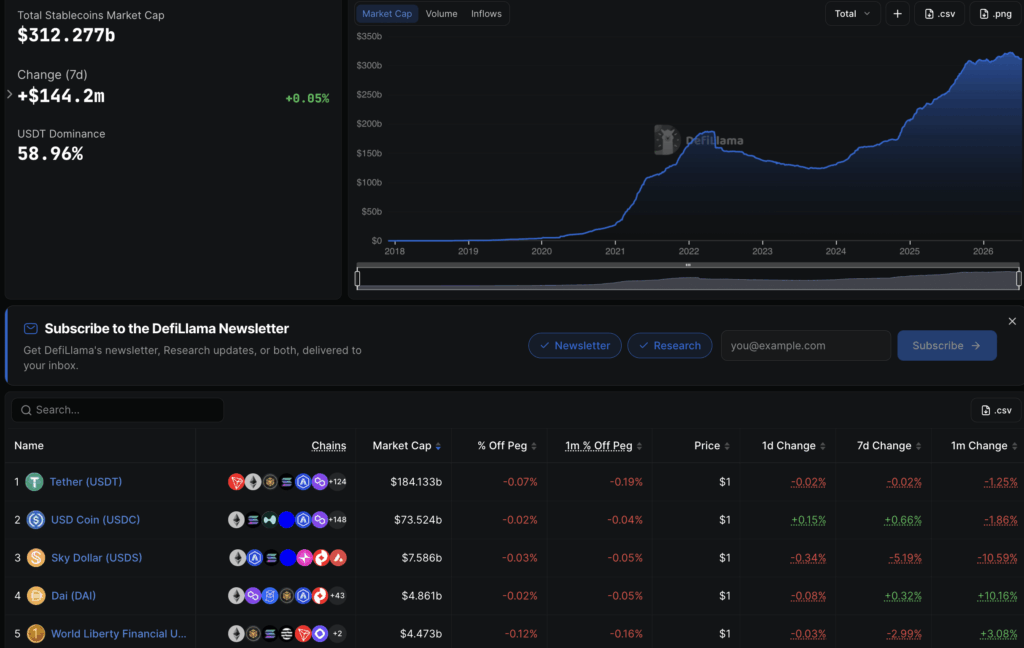
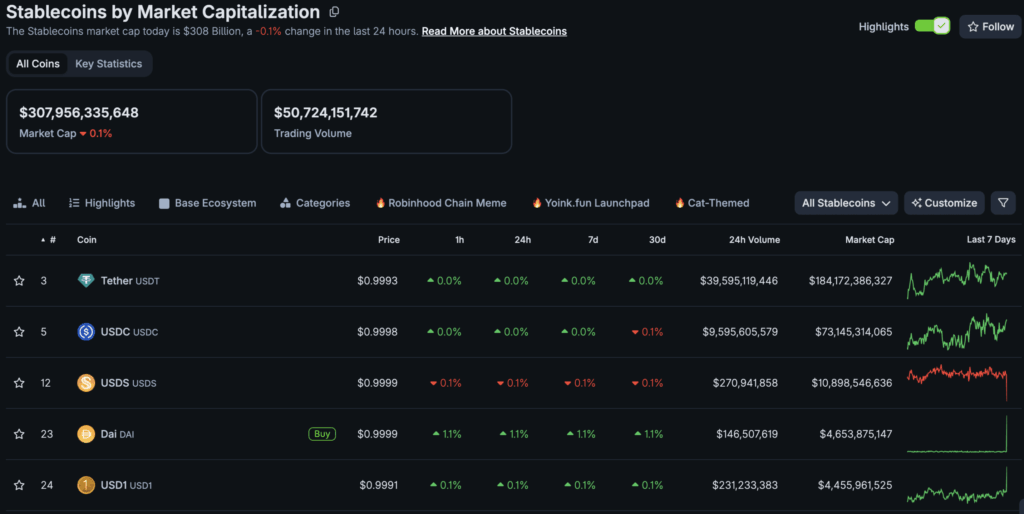
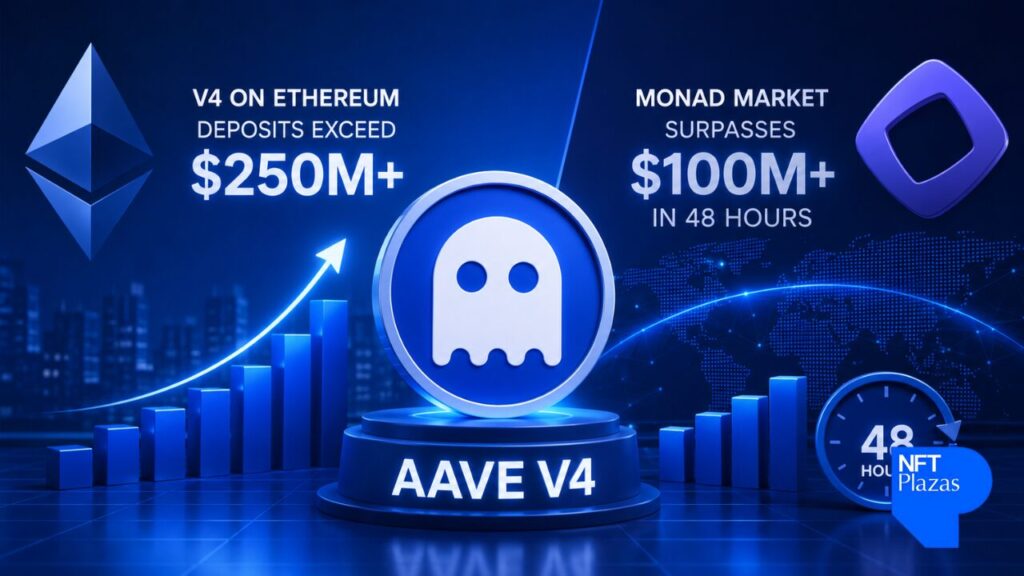
The rally was not sentiment-driven alone. On-chain data showed USDT deposits flowing back into the protocol, with Aave’s Ethereum V3 Core market approaching $3 billion in stablecoin deposits, strengthening Aave’s lending capacity and improving yield opportunities for depositors. Aave V4, the protocol’s major upgrade, surpassed $200 million in deposits as of June 24, validating its new modular lending infrastructure. The V4 architecture introduces a hub-and-spoke liquidity model designed to pool capital efficiently across markets without requiring cross-chain bridges — directly addressing the attack vector that exposed the protocol in April.

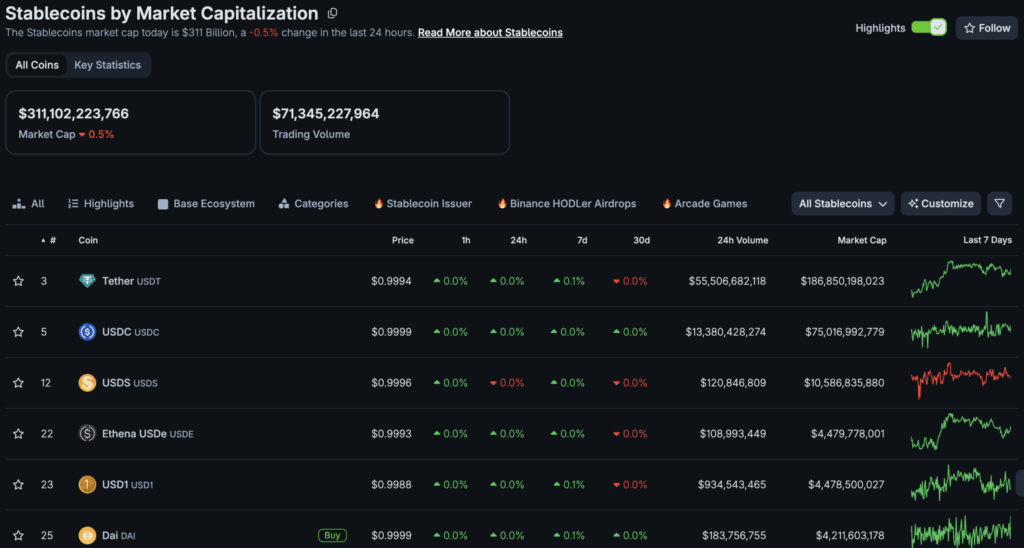
USDT Deposits Signal Returning Capital
According to DefiLlama, Aave has collected $2.204 billion in total lifetime fees drawn from the spread between depositor and borrower rates, placing its revenue firmly in line with lending activity.

Aave TVL Data on 25/6/2026 (Source: DefiLlama)
Recovering From the KelpDAO Shock
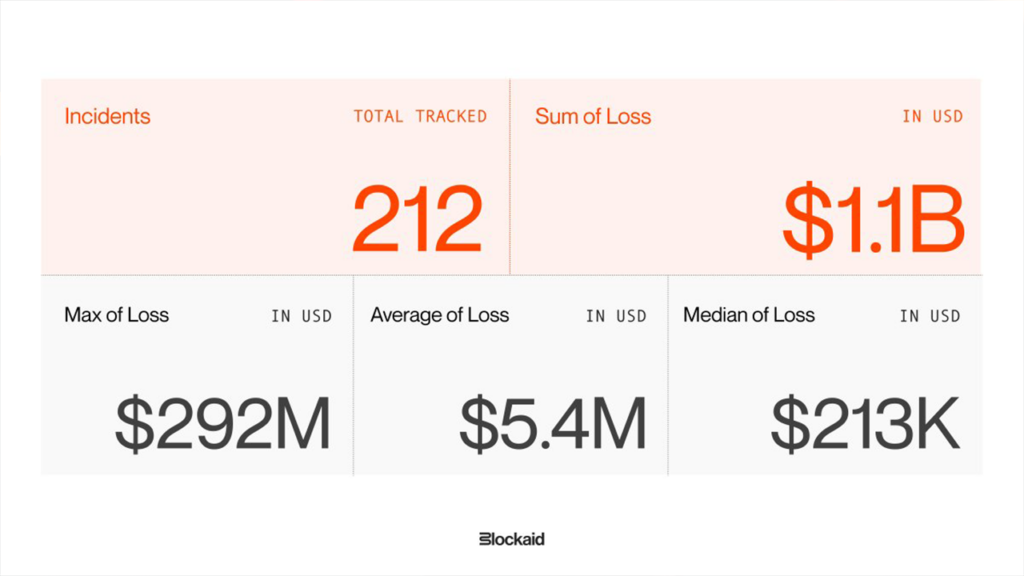
Aave’s 2026 has not been without turbulence. The April collapse of KelpDAO’s rsETH bridge sent shockwaves through DeFi after attackers used roughly $290 million in stolen tokens as collateral on Aave to borrow real assets, leaving the protocol facing potential losses of up to $230 million and sparking a rush of exits by depositors. Aave’s share of the lending market declined to 38% of deposits from an average of 59% before the incident, though deposits have increased since hitting lows in June. Standard Chartered said it views those June deposit troughs as a floor, pointing to founder Stani Kulechov’s new risk framework and gradual market-share recovery as evidence the worst has passed.
Aave Horizon, the protocol’s permissioned institutional lending market, has attracted early backers including asset managers VanEck and WisdomTree. Horizon held roughly $163 million in active loans at the end of May — modest relative to the broader $30 billion tokenized real-world asset market, but a figure Standard Chartered sees as the early innings of a much larger institutional lending opportunity. The report also flagged a potential restart of AAVE’s token buyback program, paused after the KelpDAO incident, as an additional price catalyst.
Bitcoin’s Third Sub-$60,000 Test of June
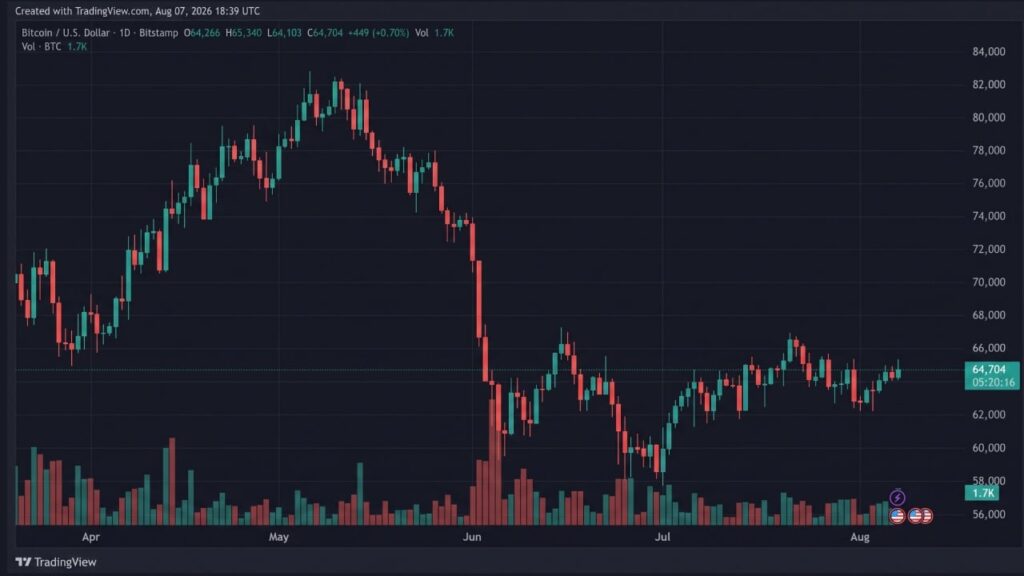
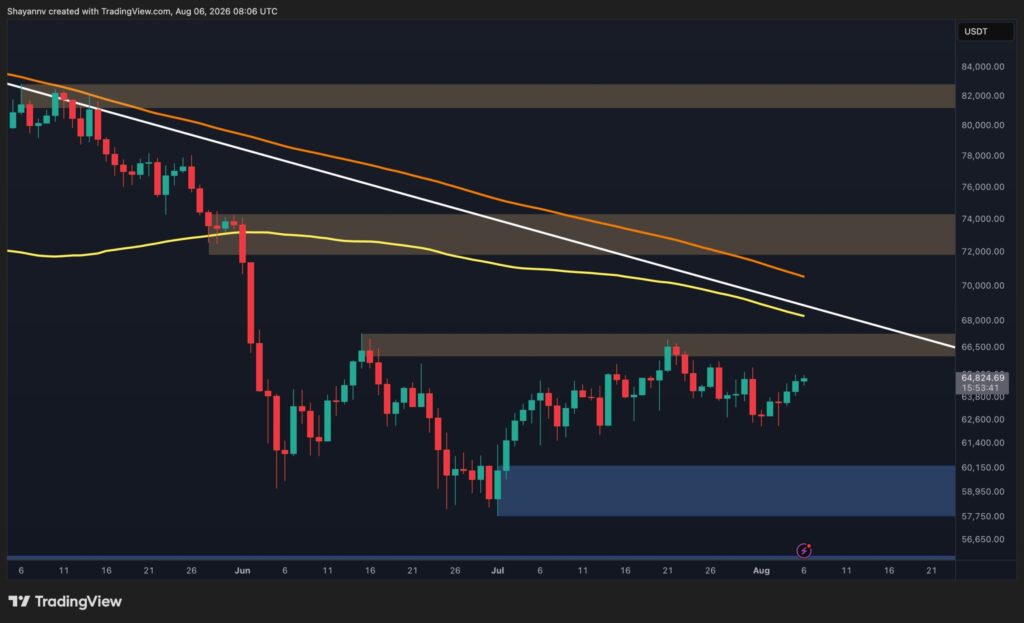
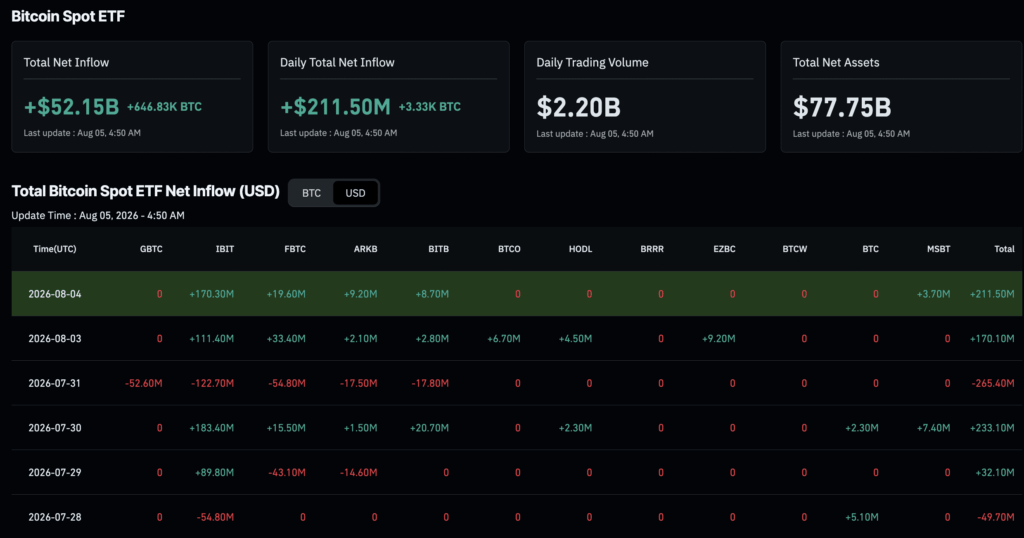
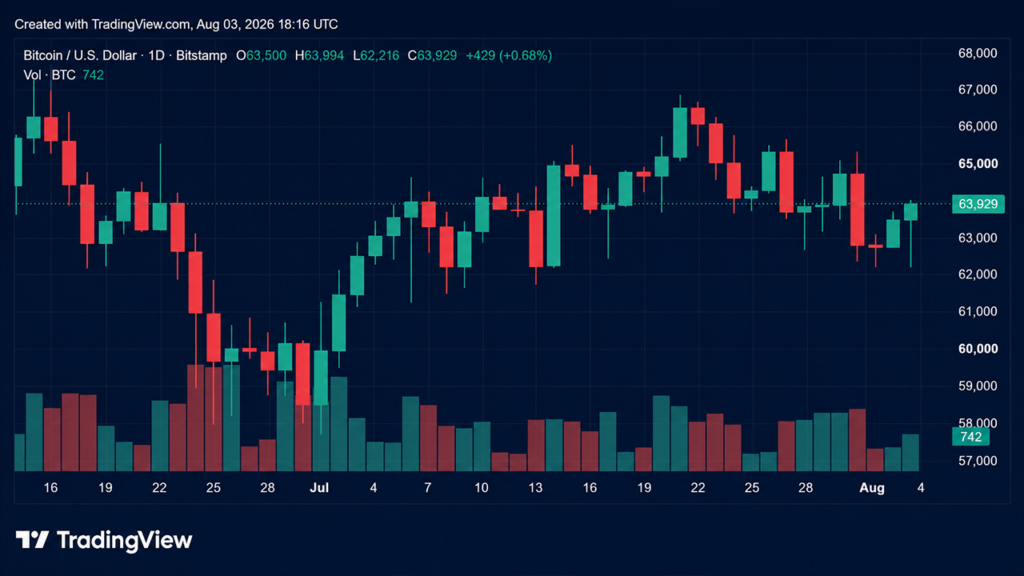
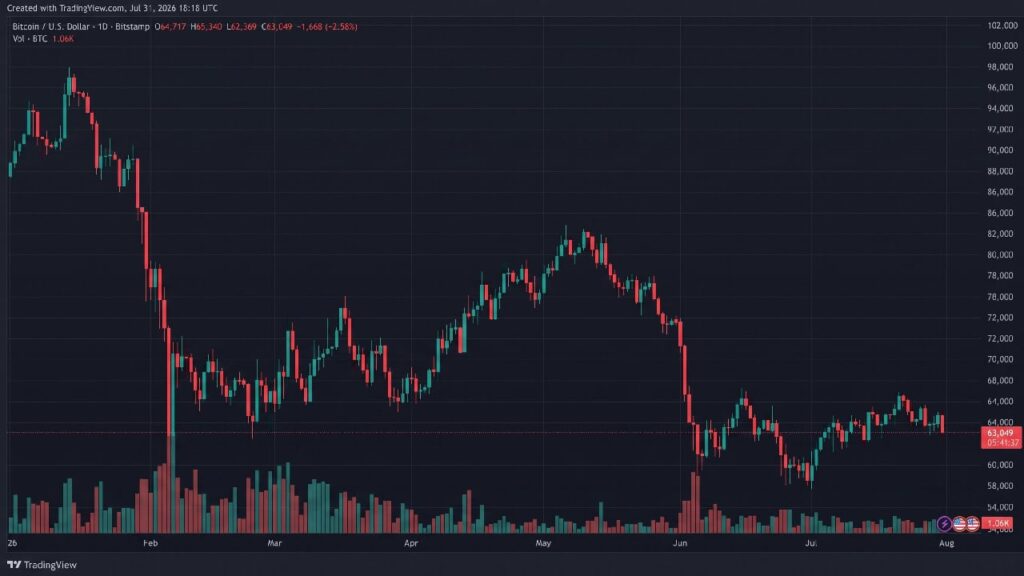
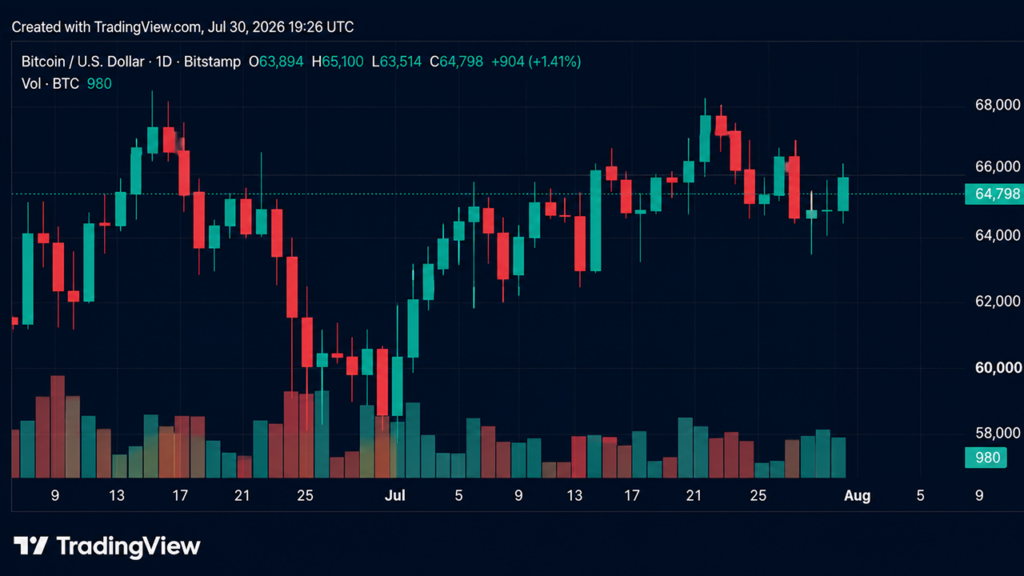
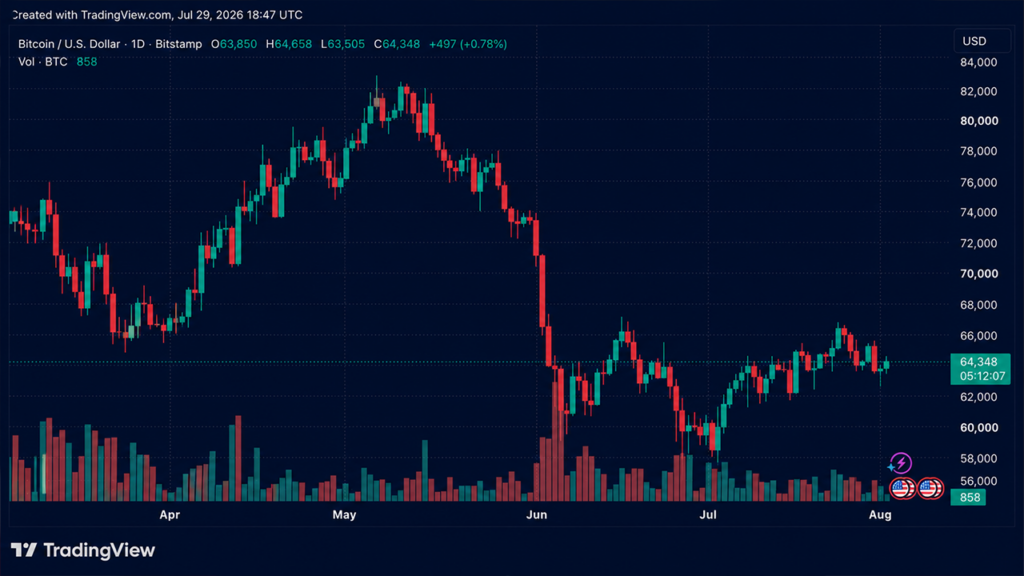
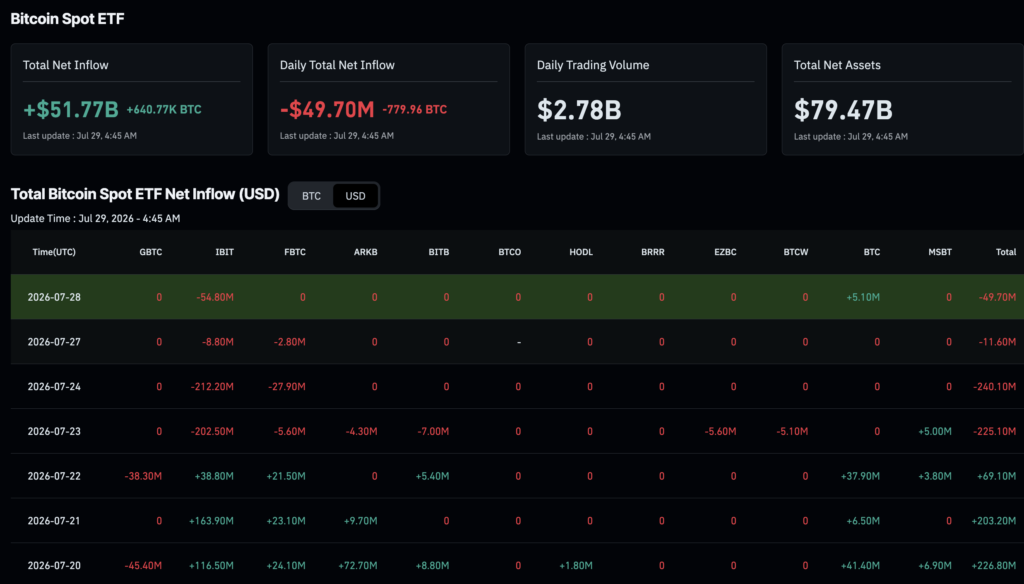
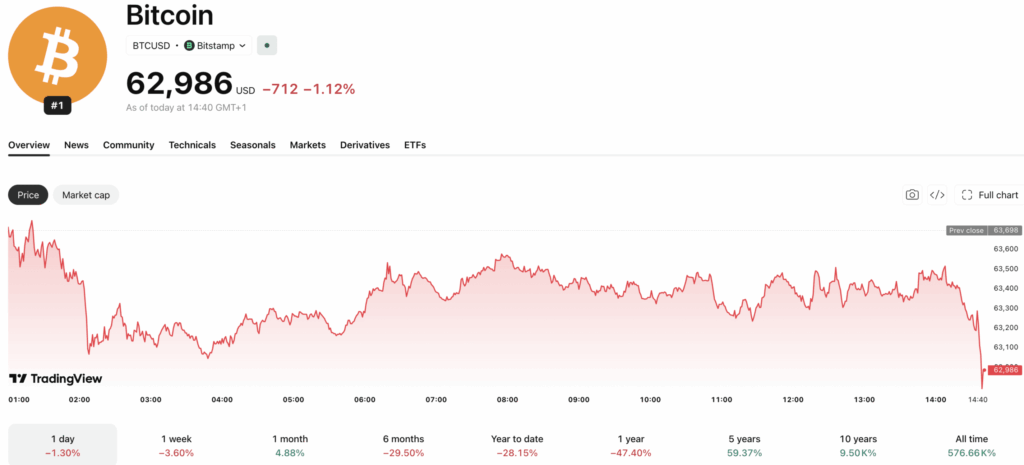
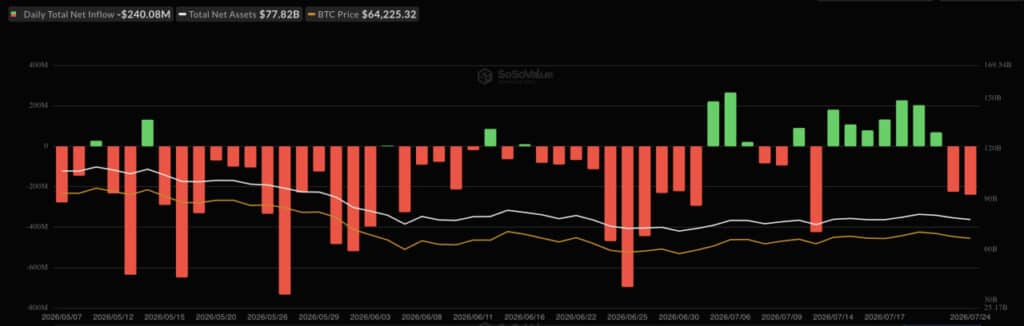
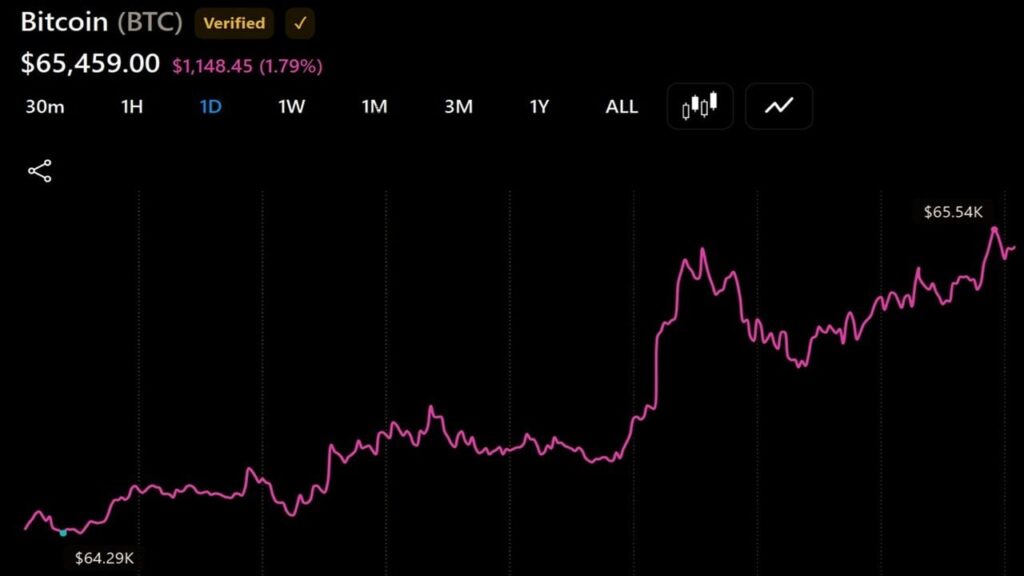
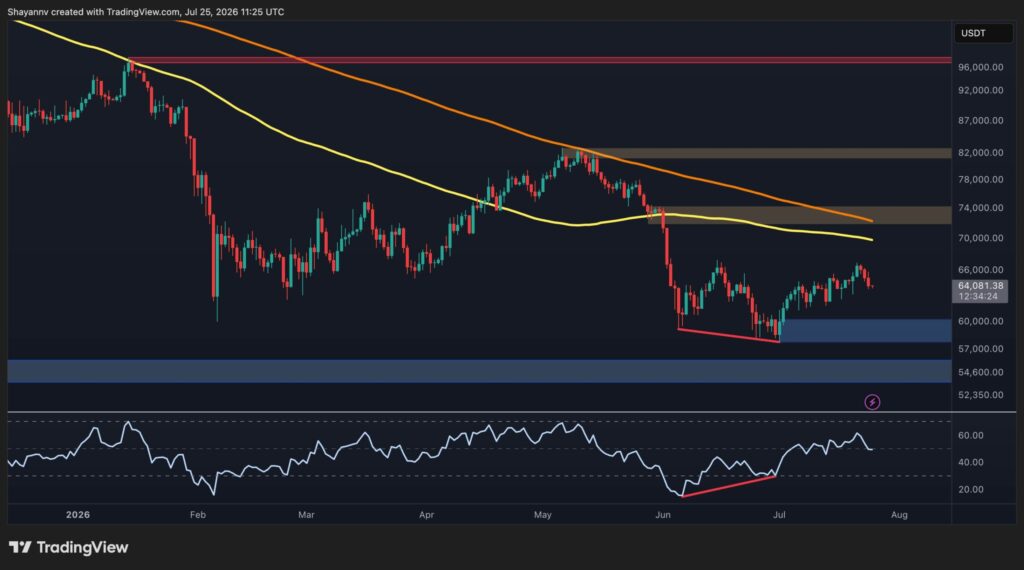
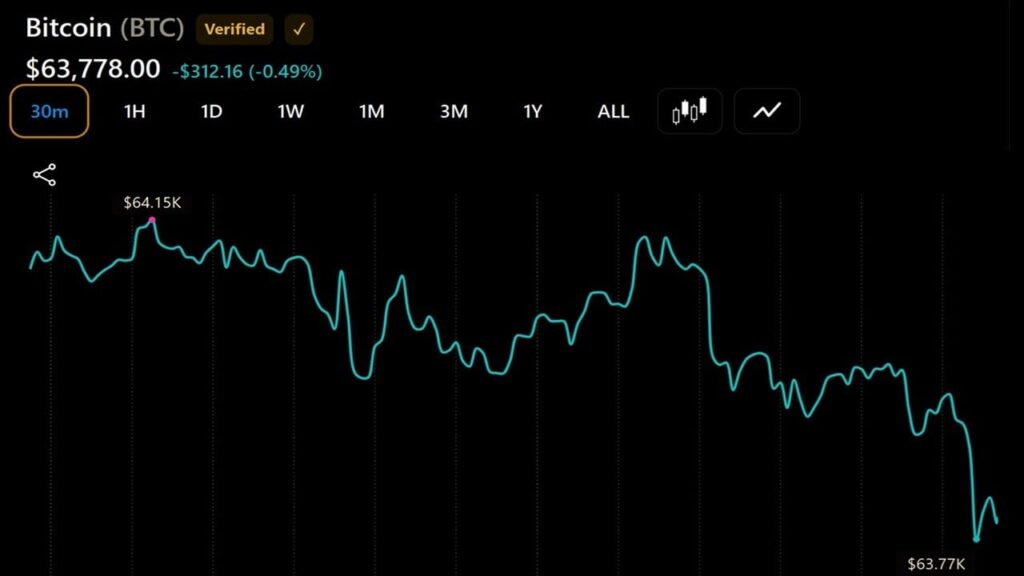
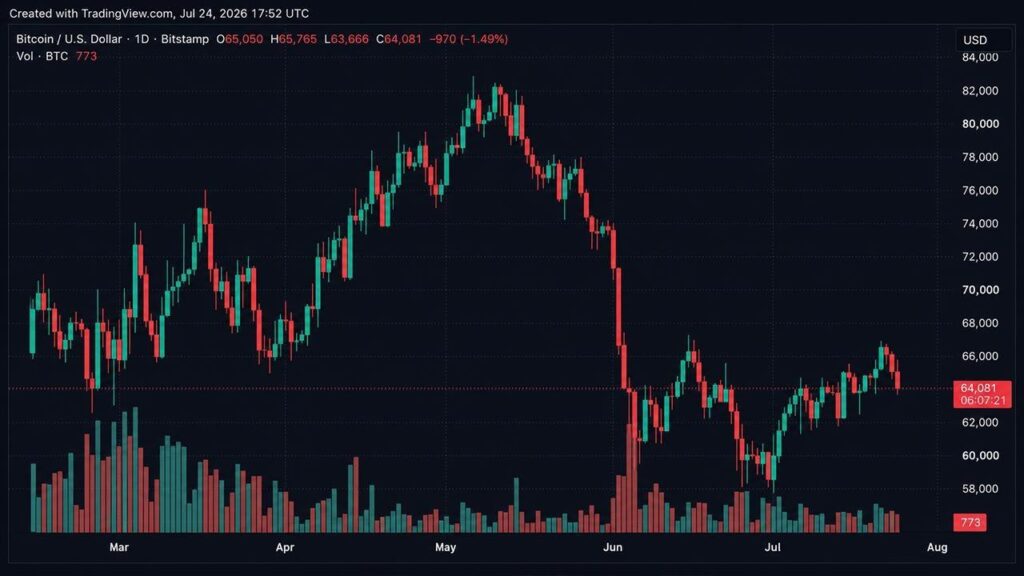
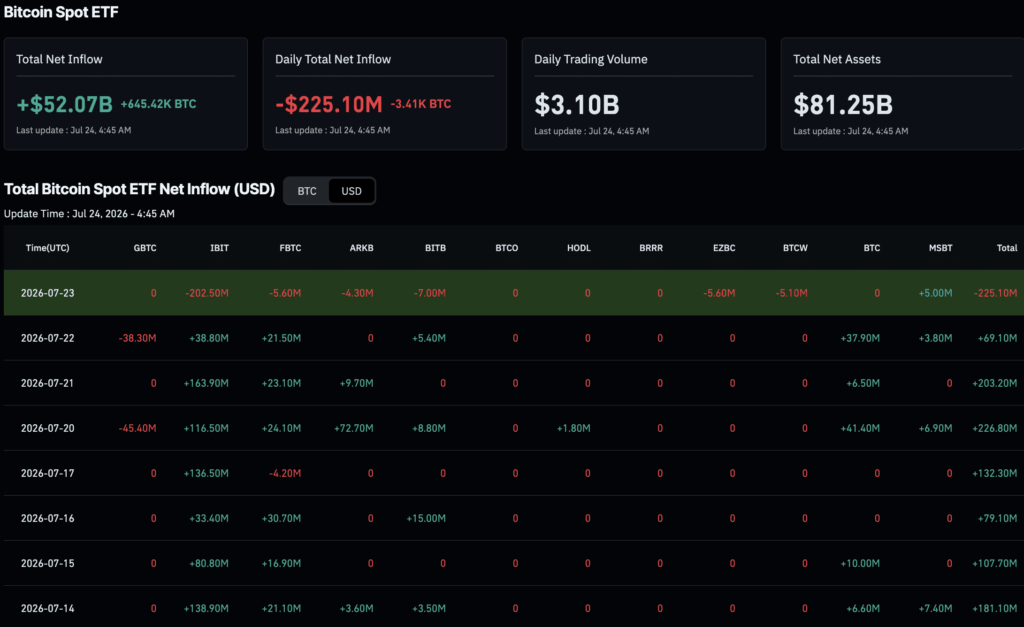
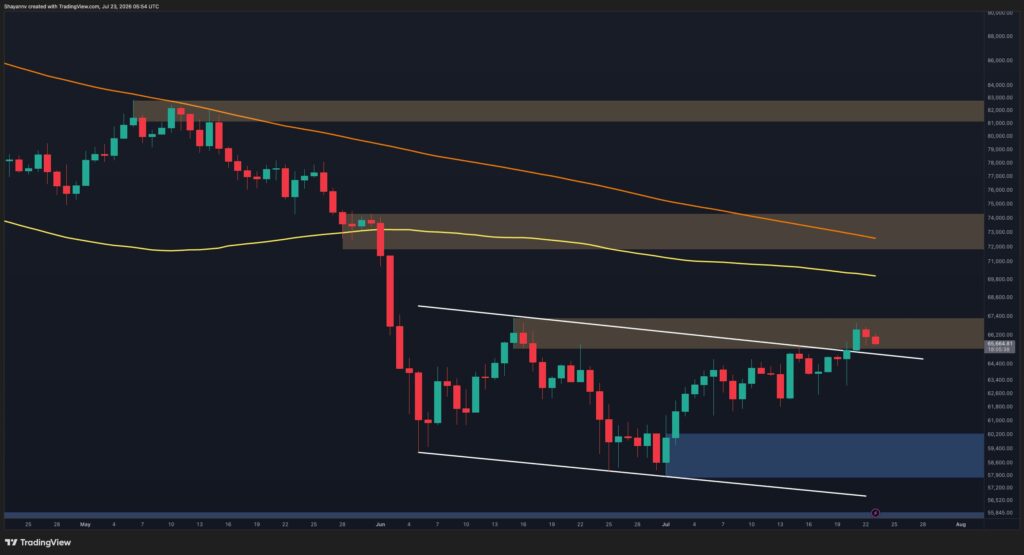
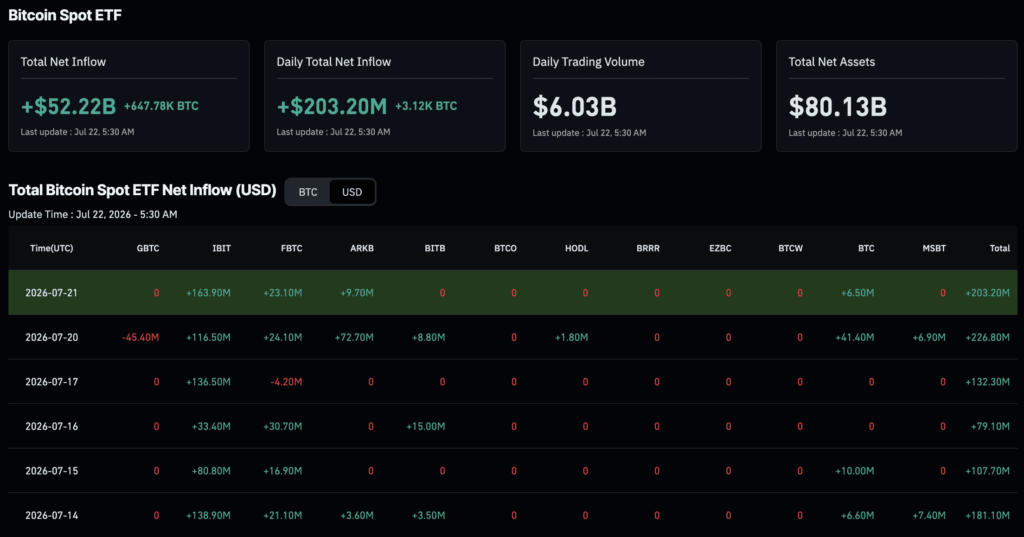
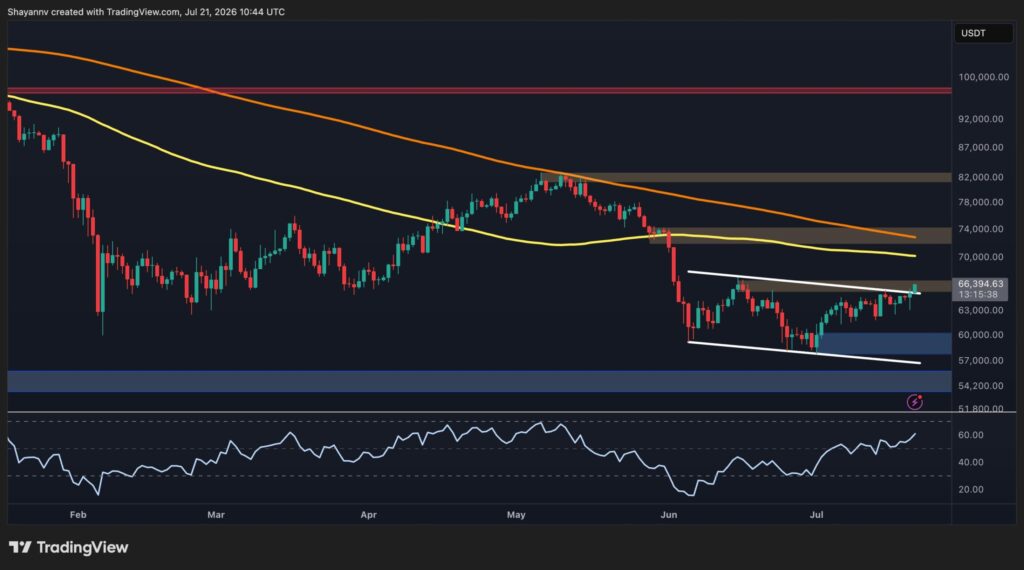
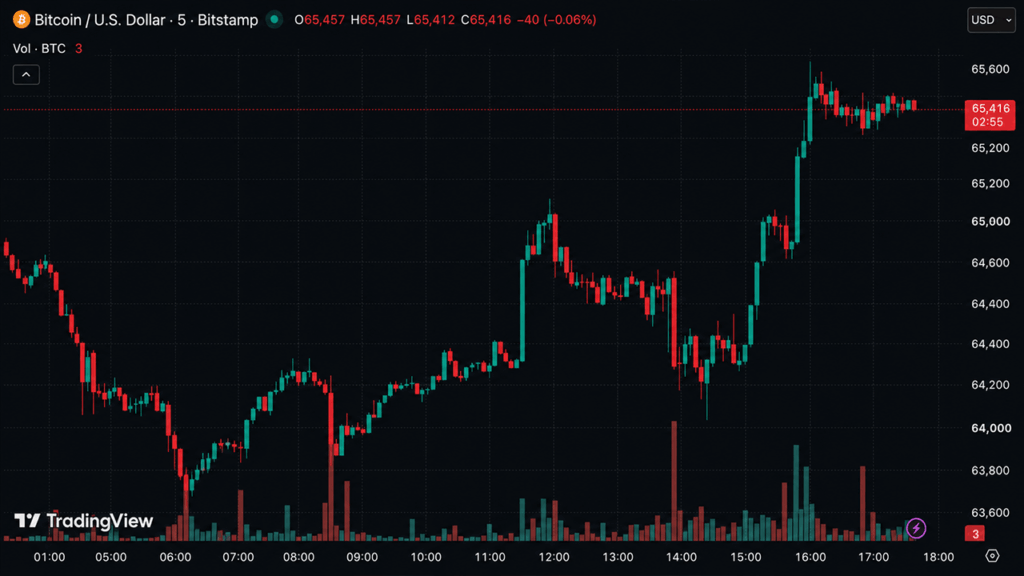
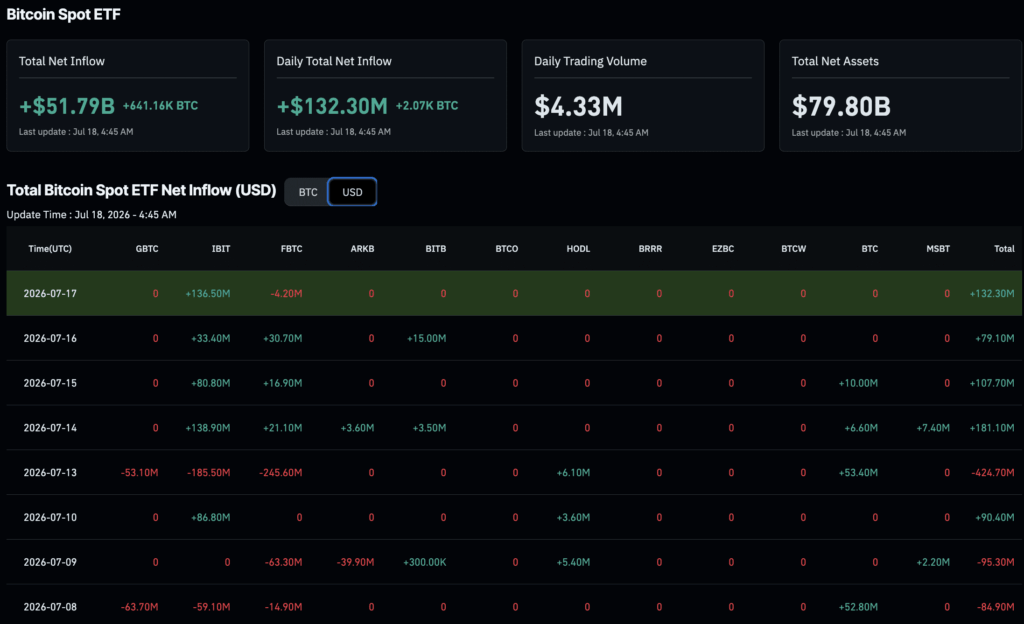
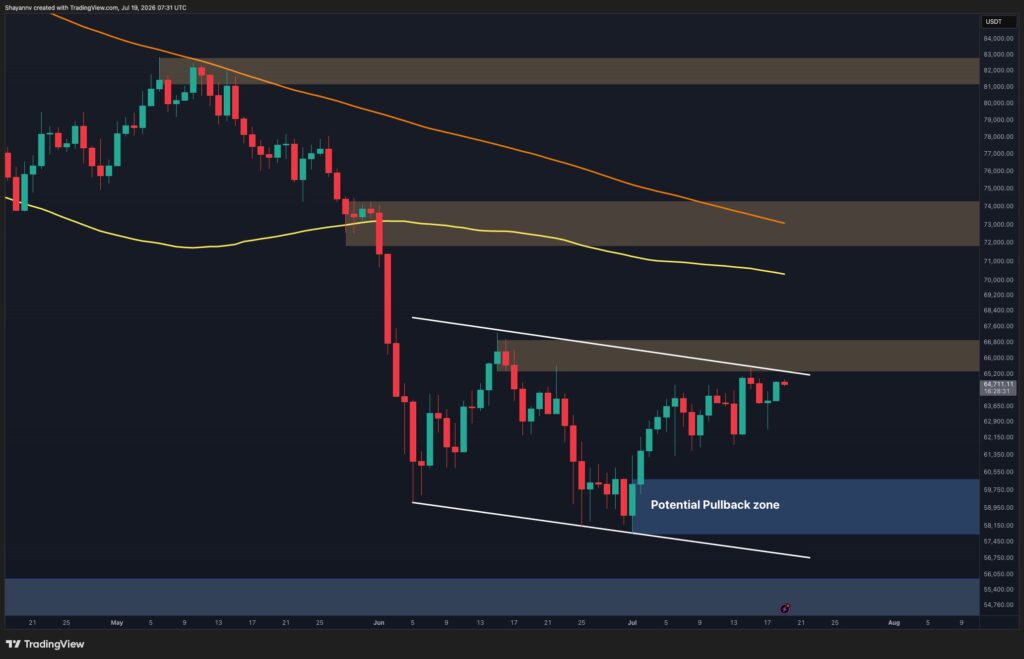
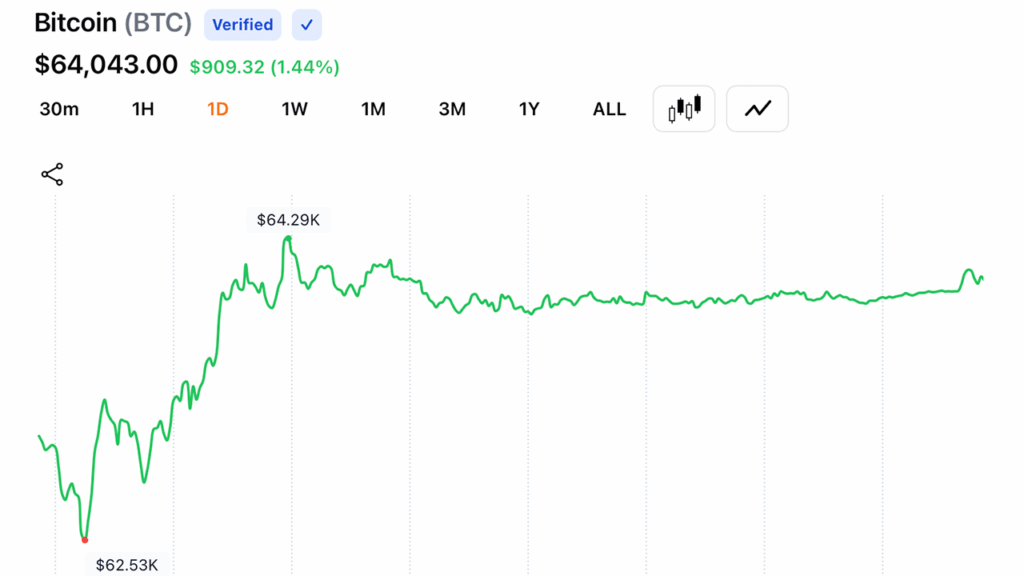
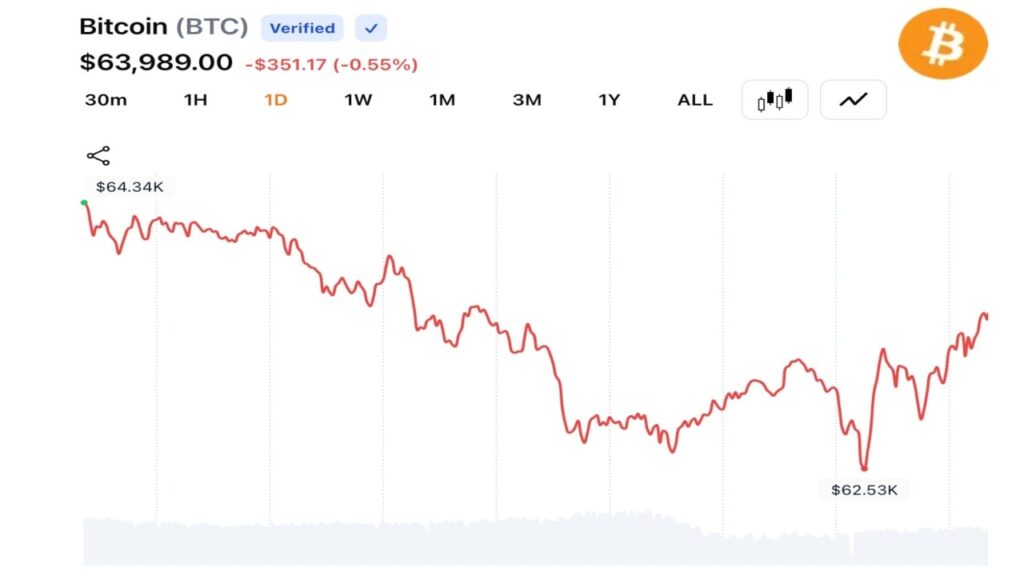
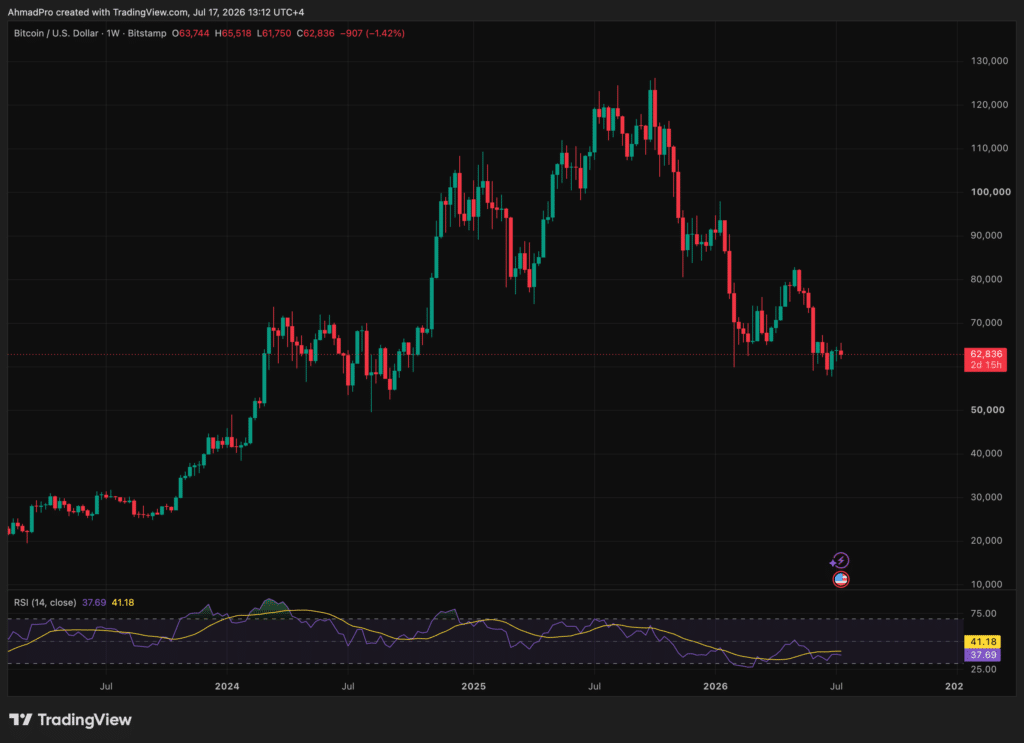
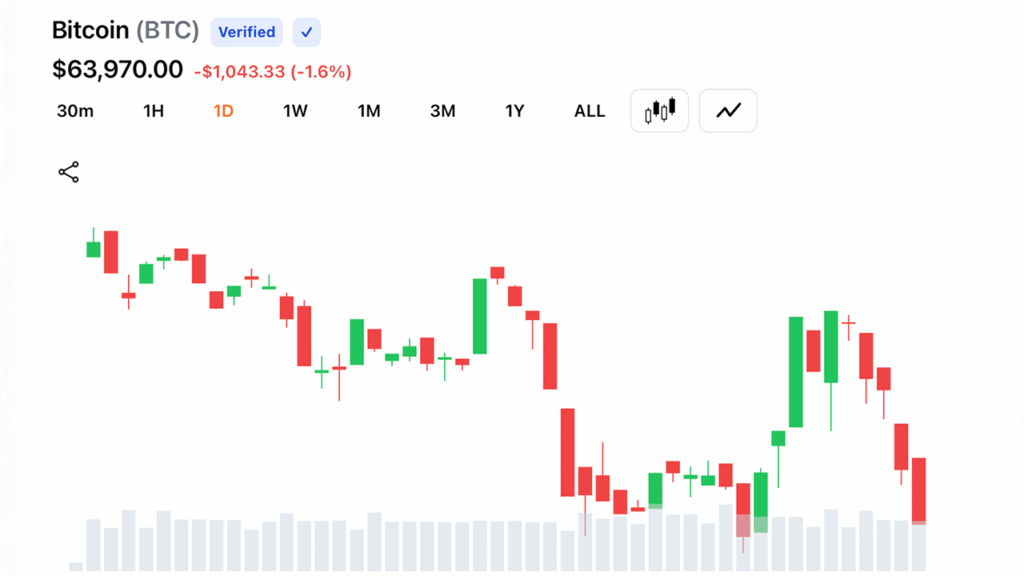
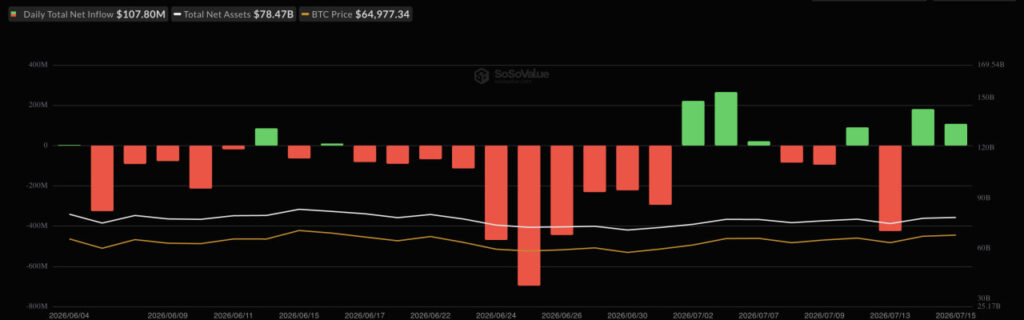
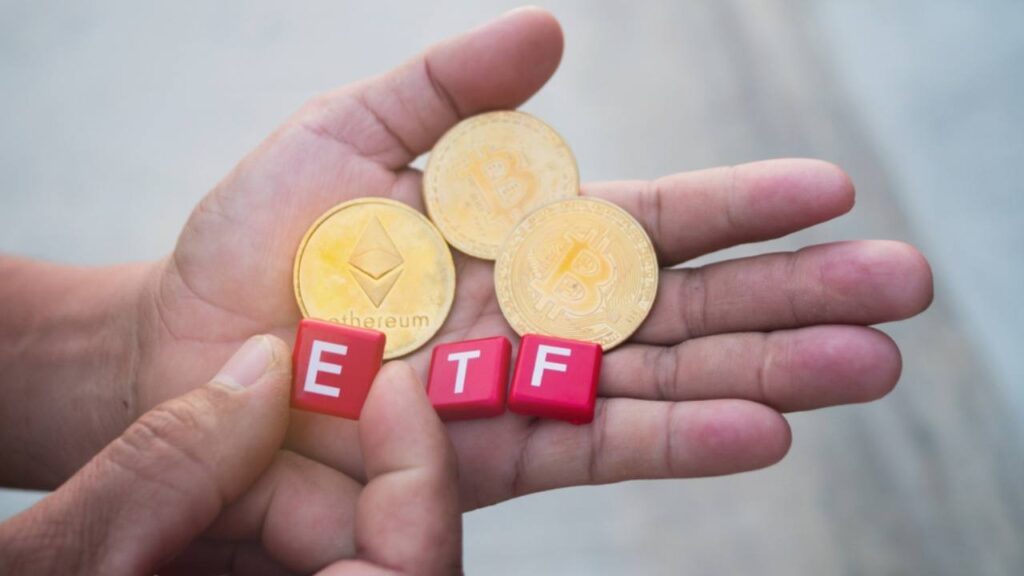
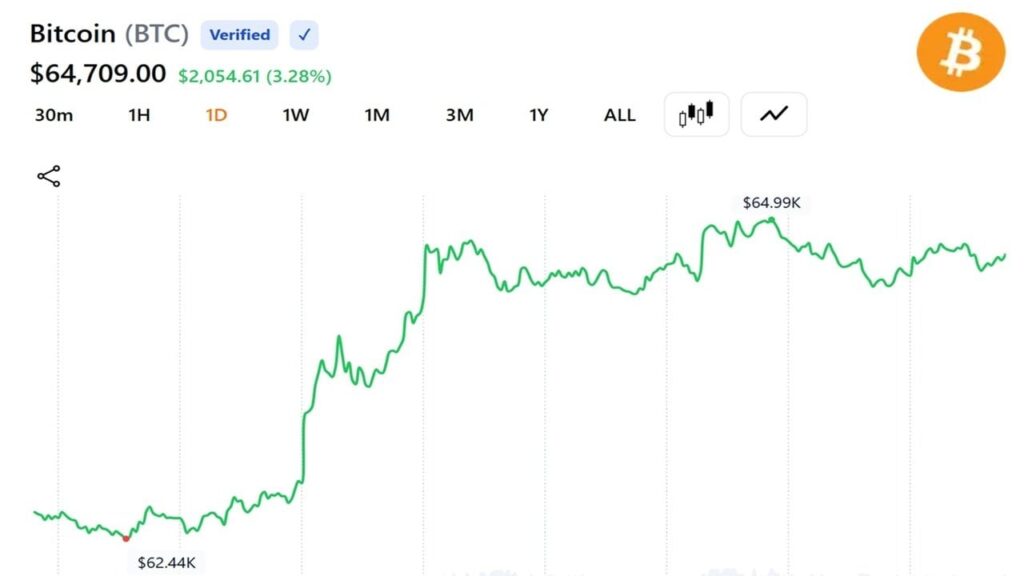
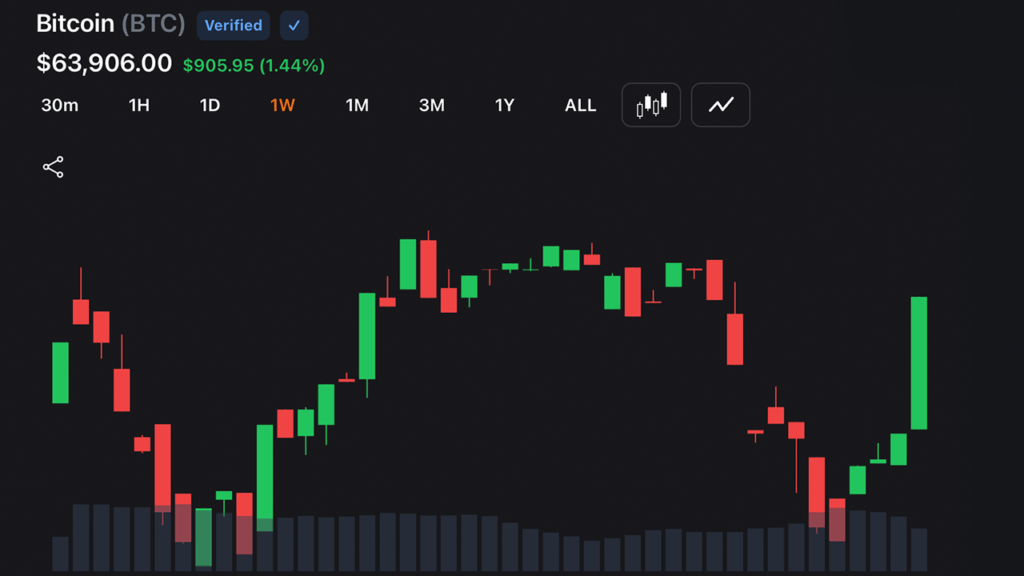
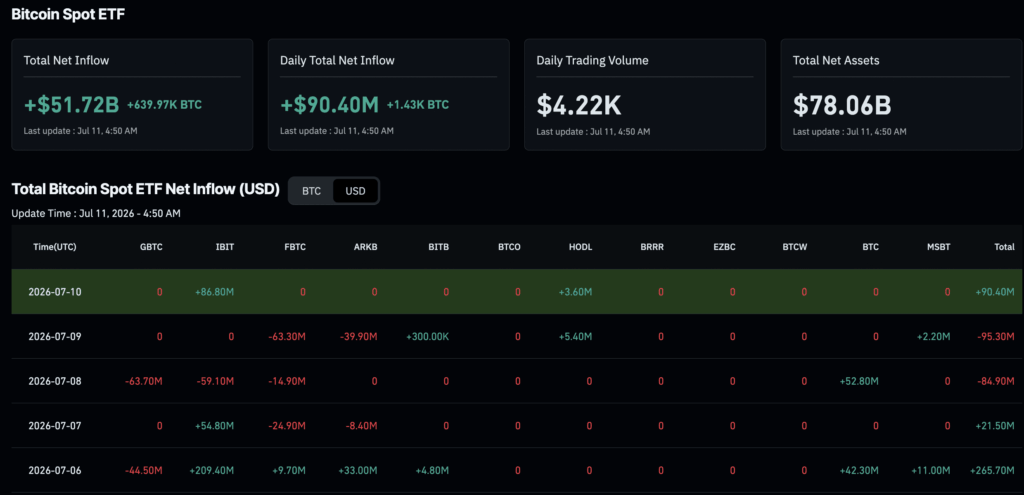
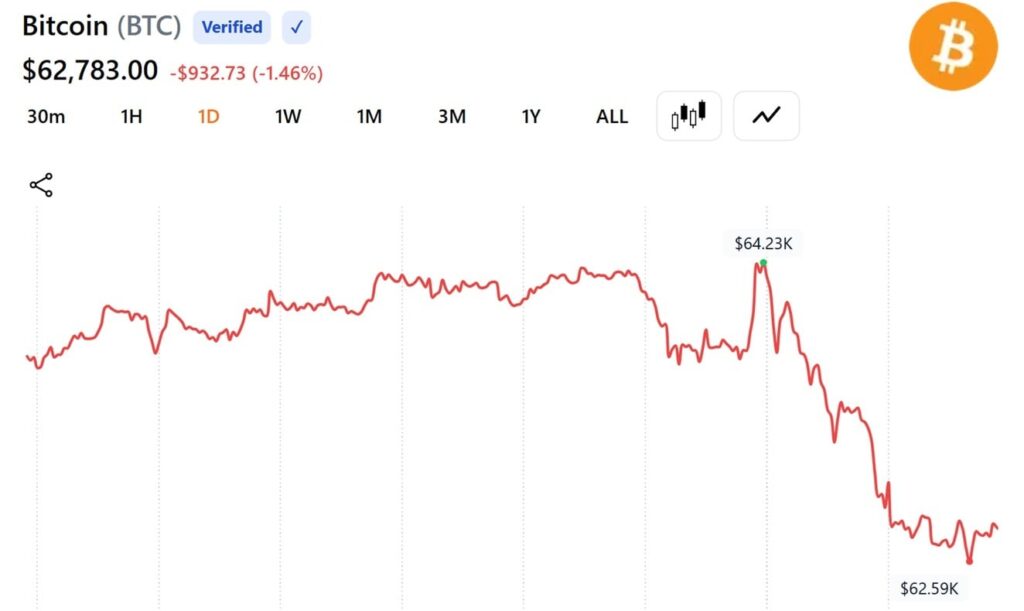
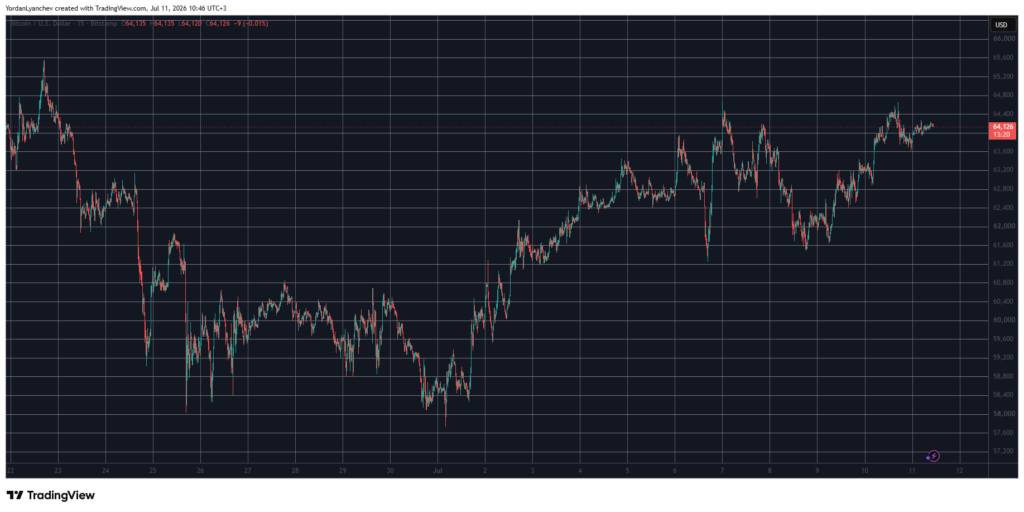
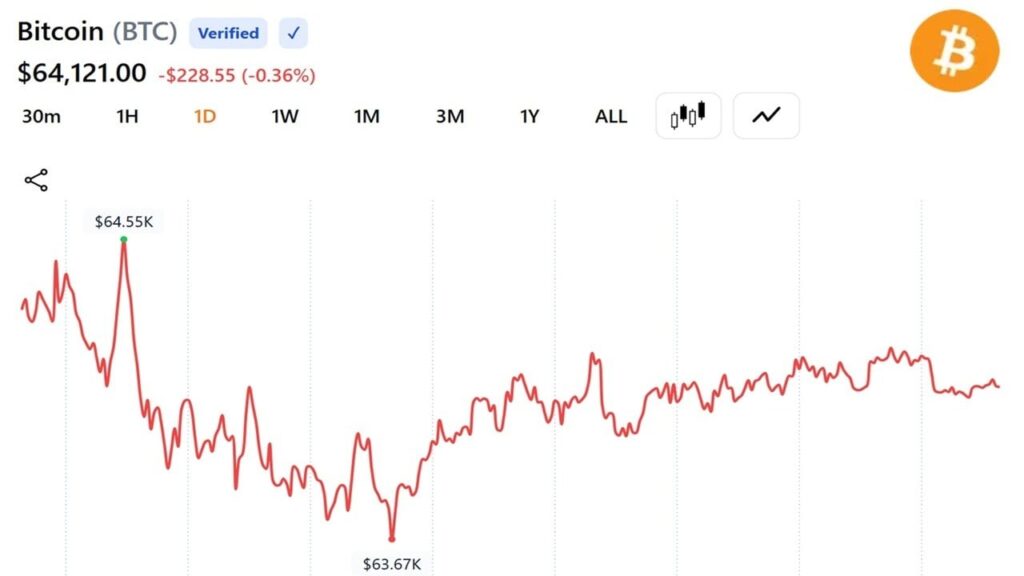
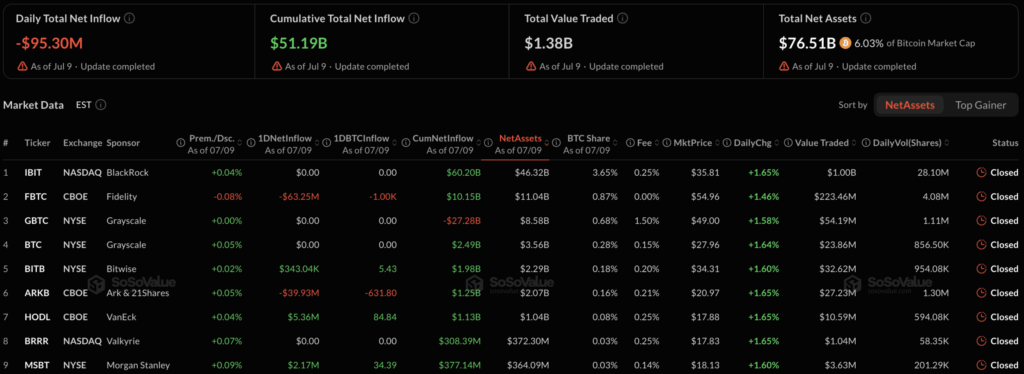
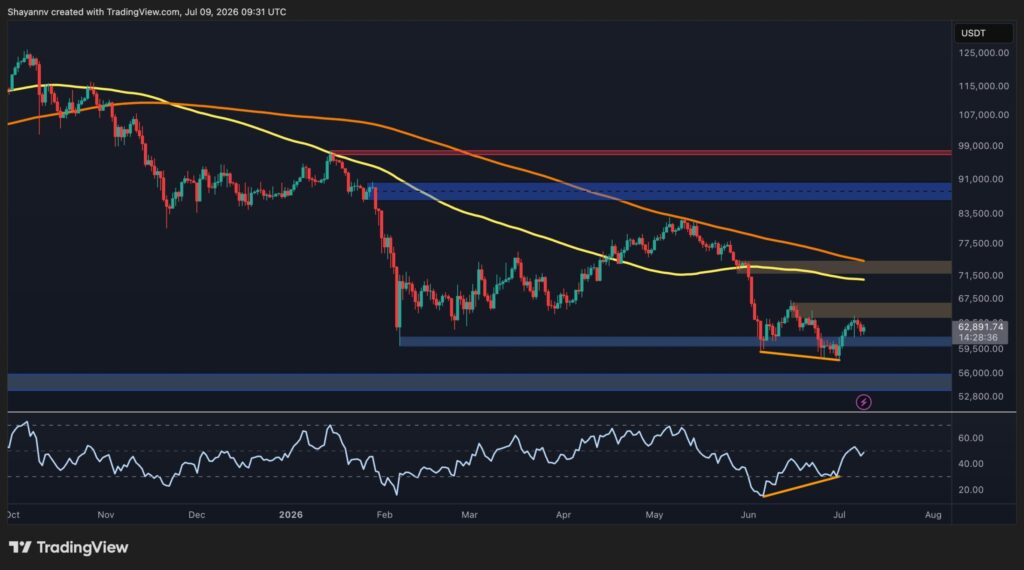
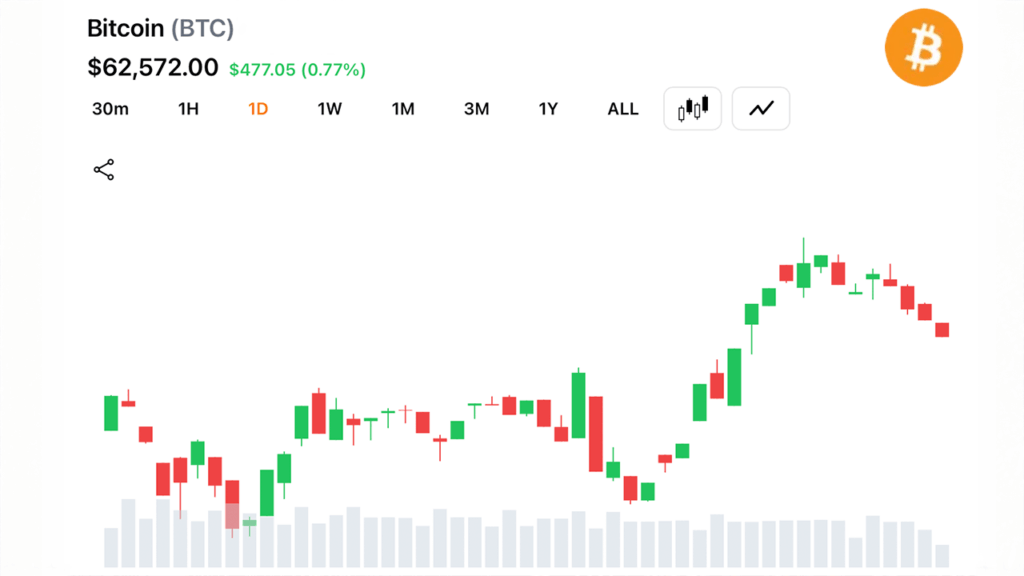
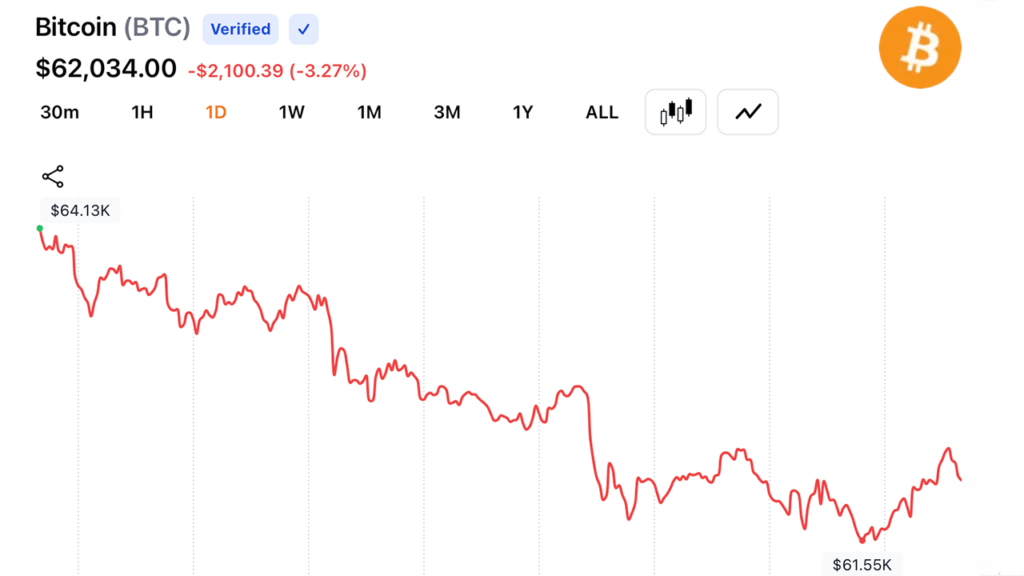
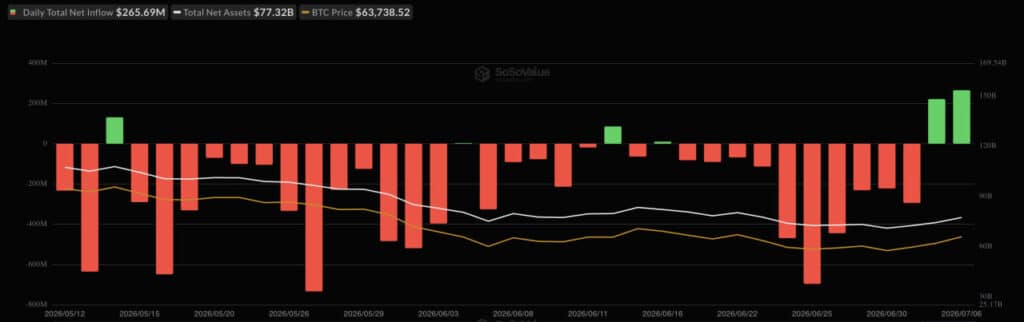
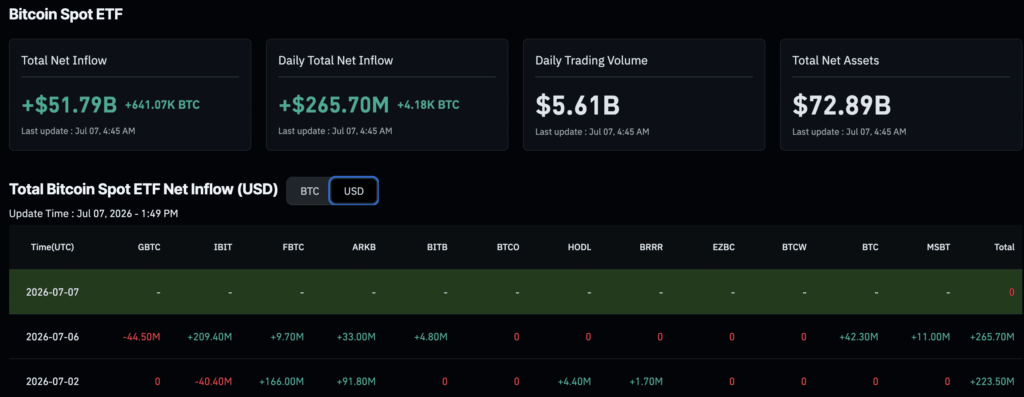
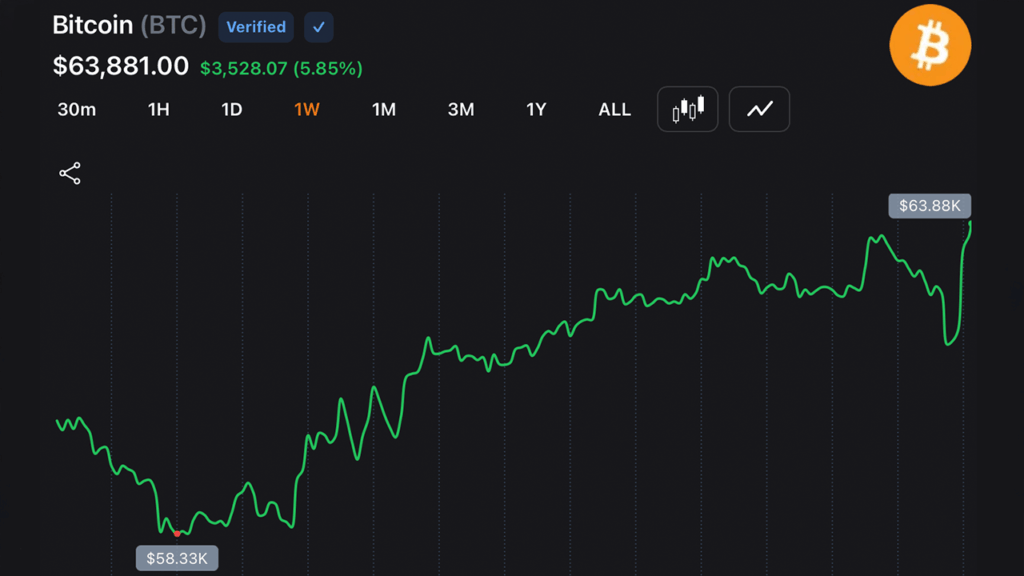
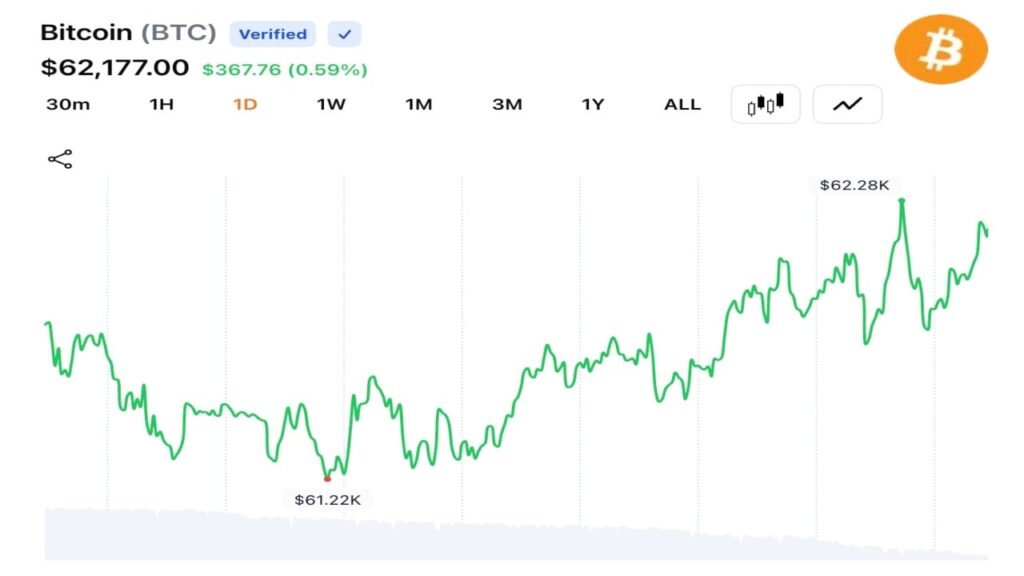
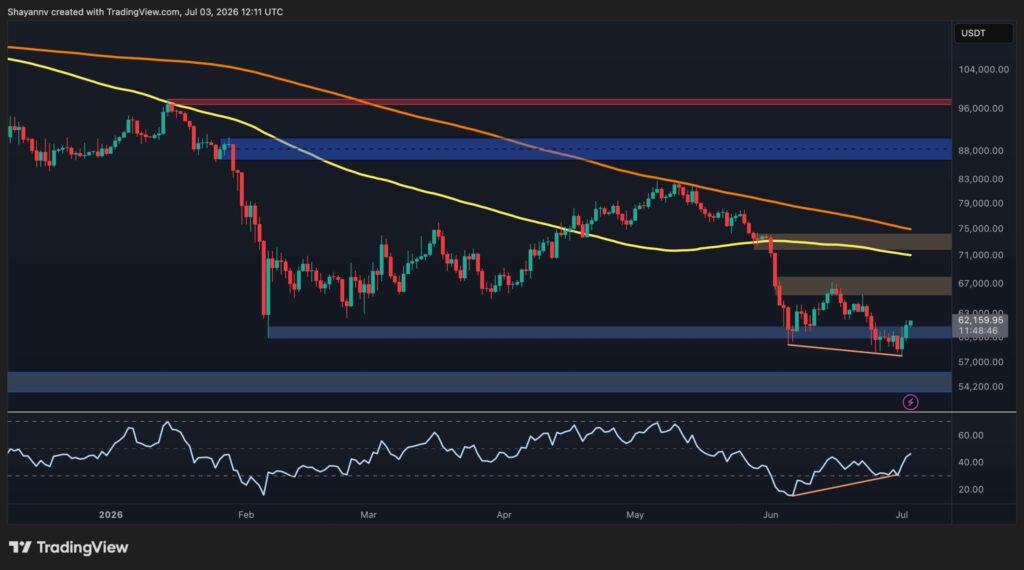
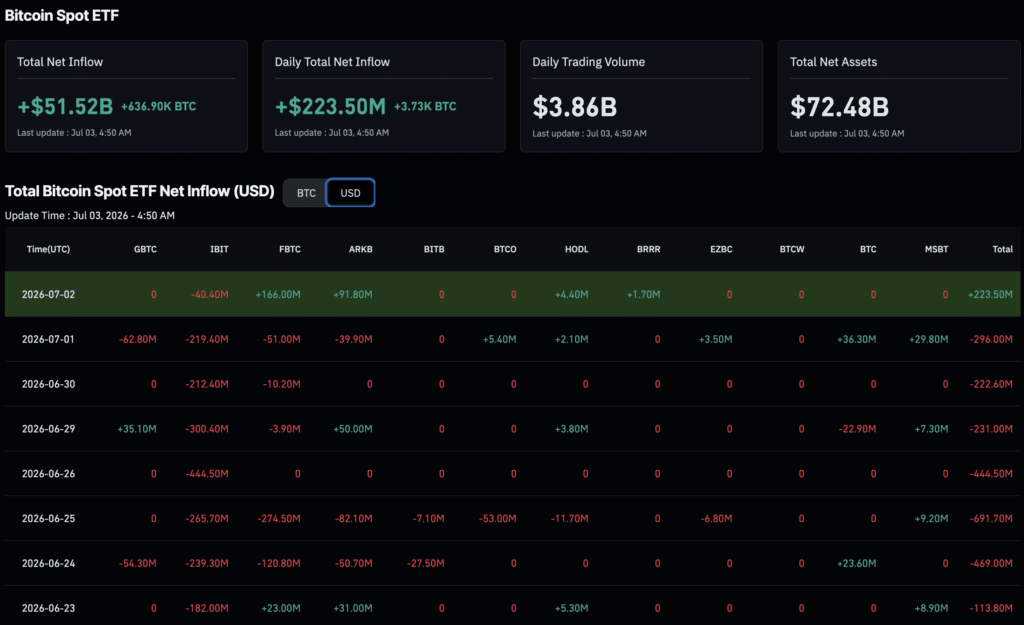
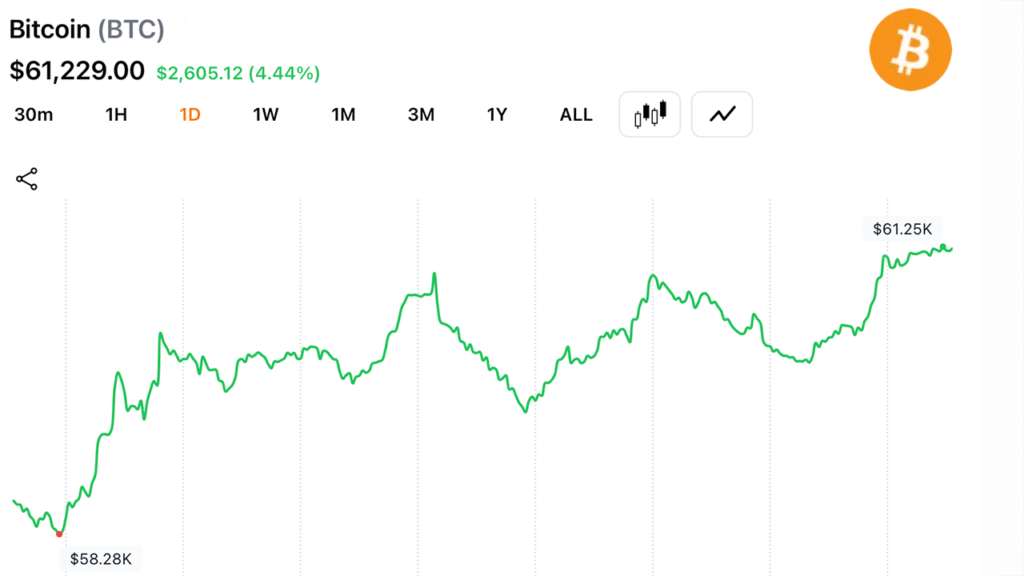
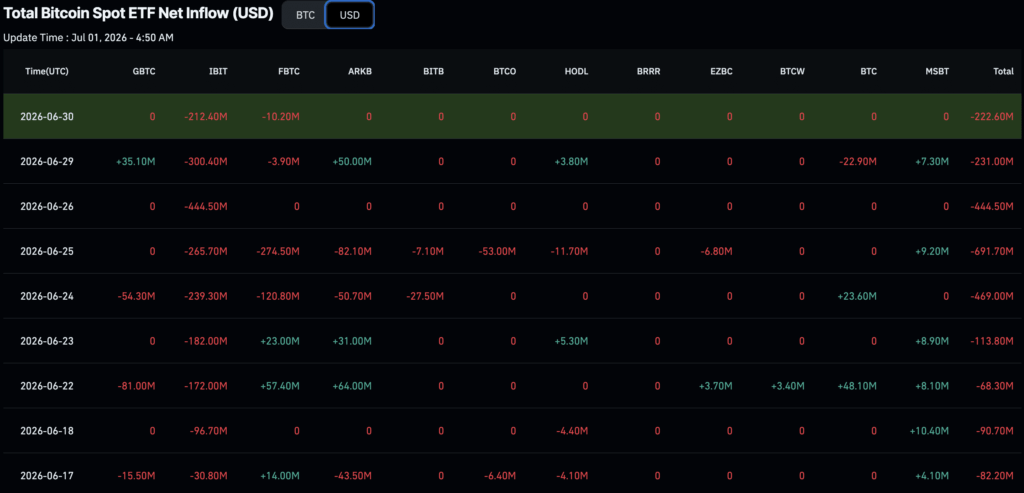
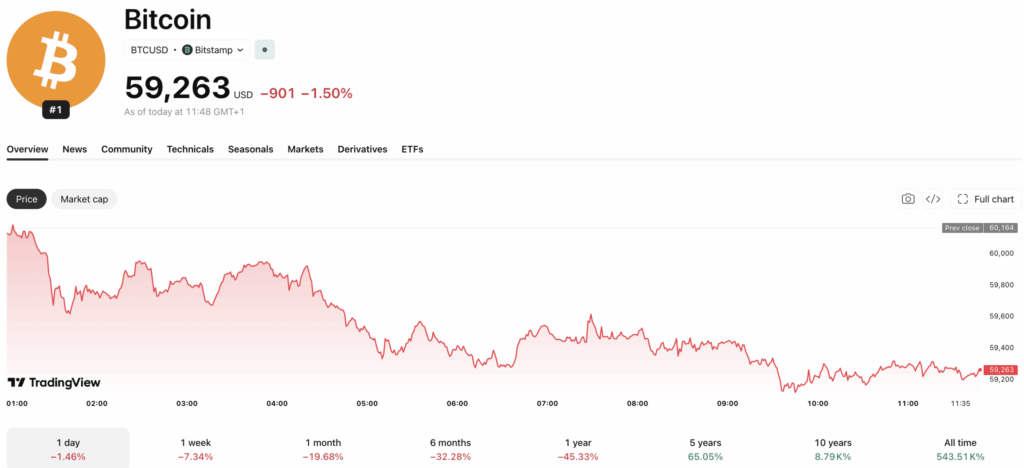
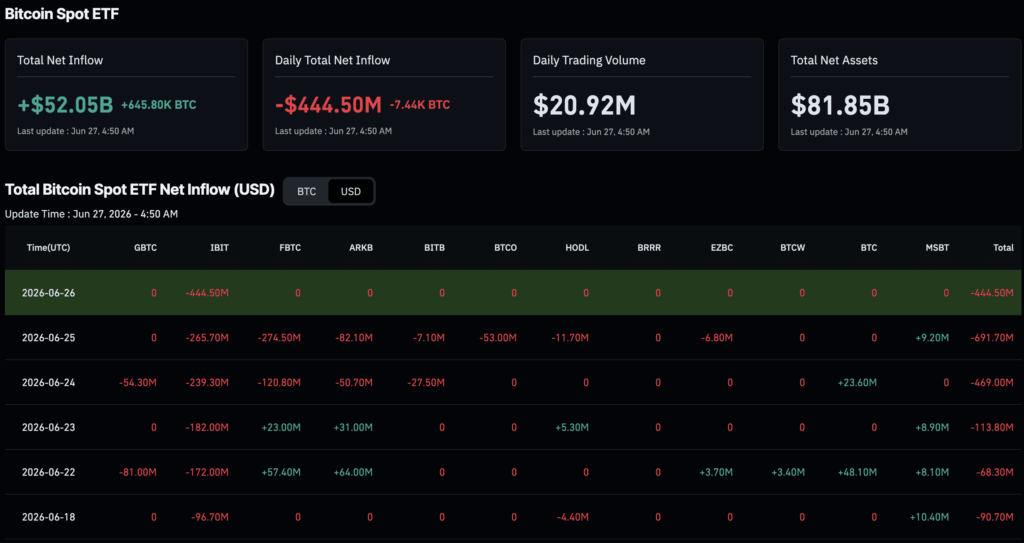
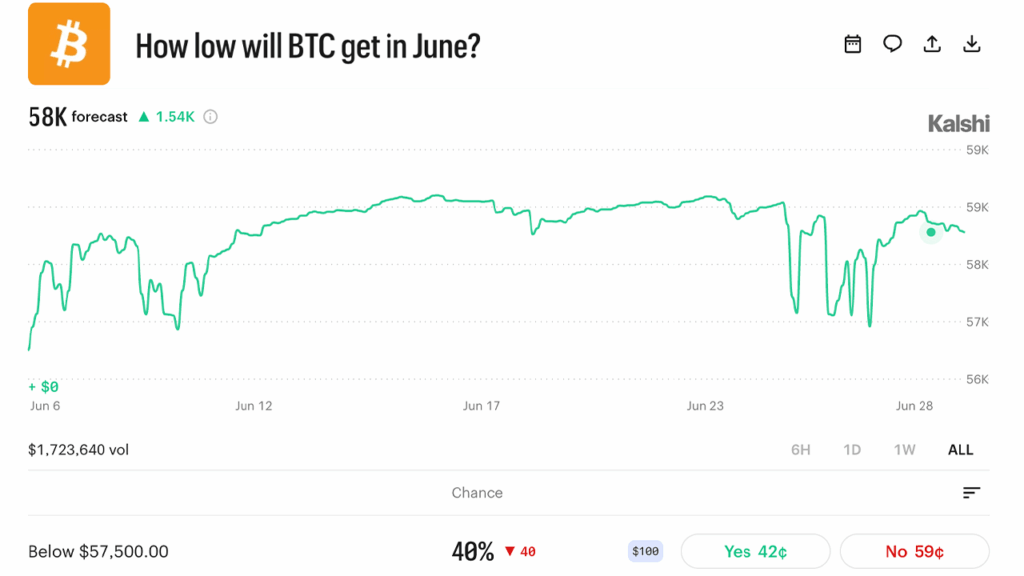
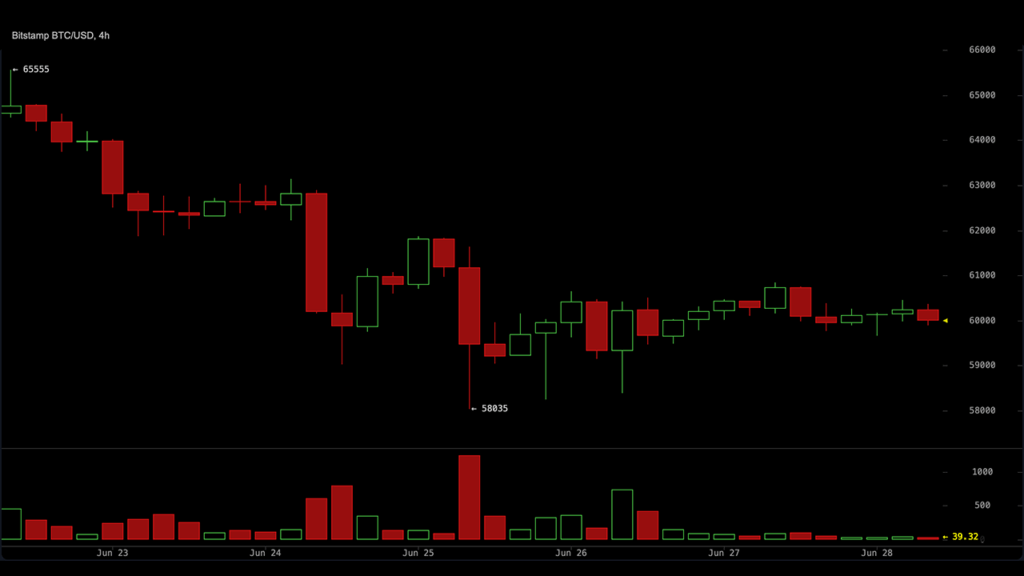
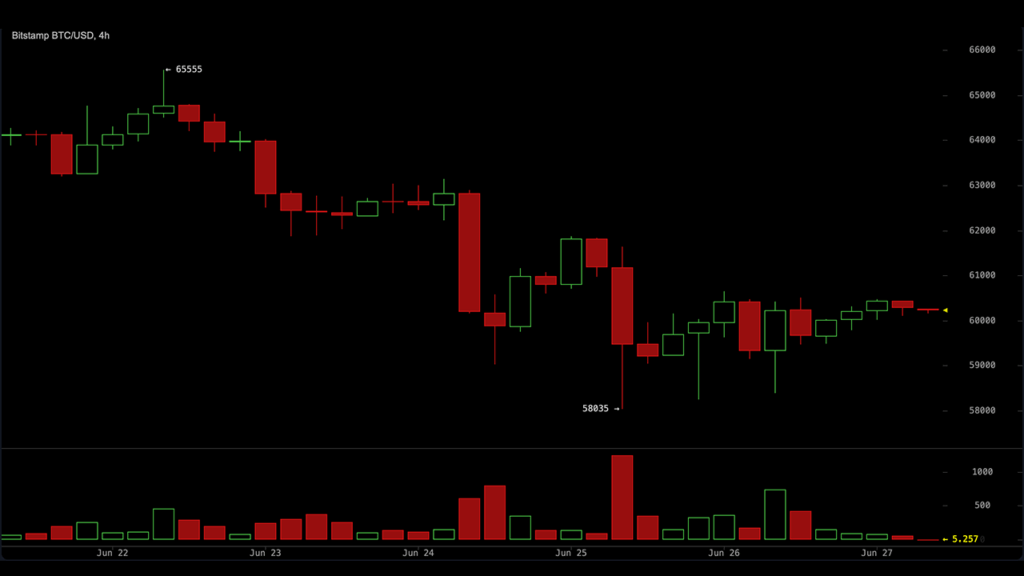
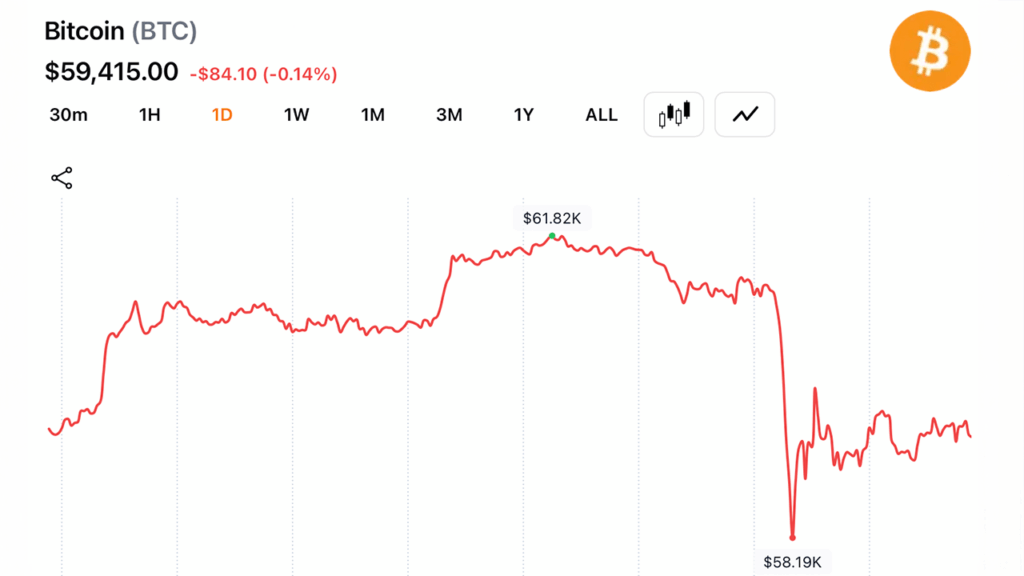
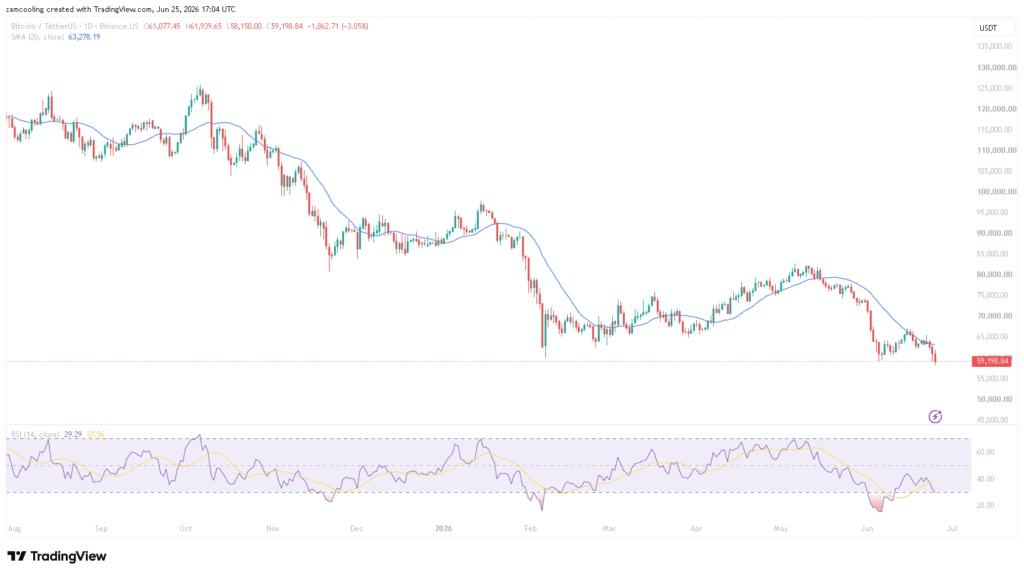
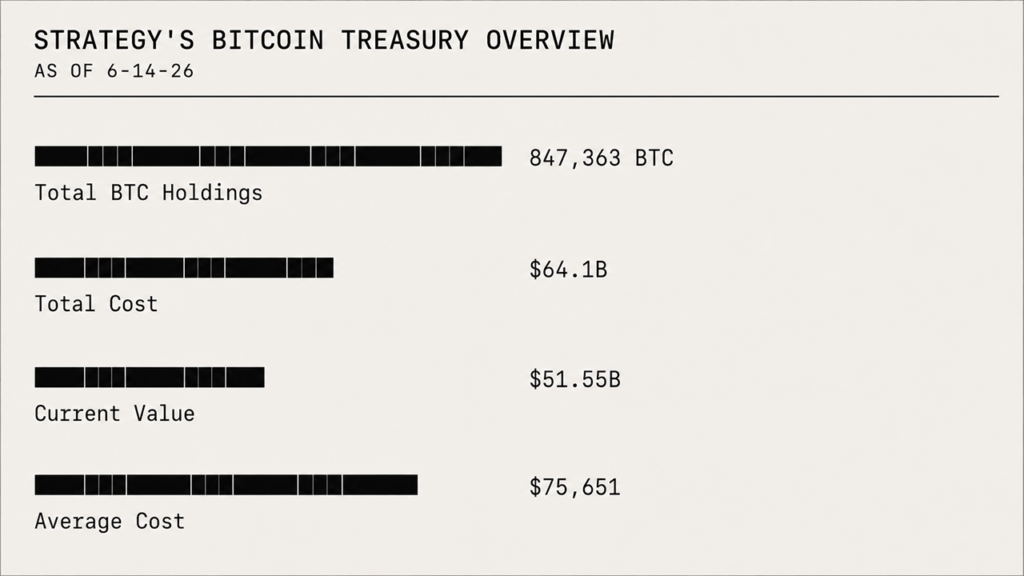
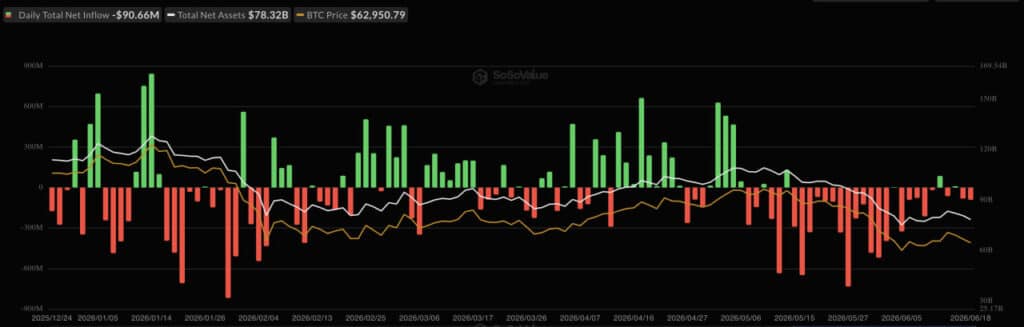
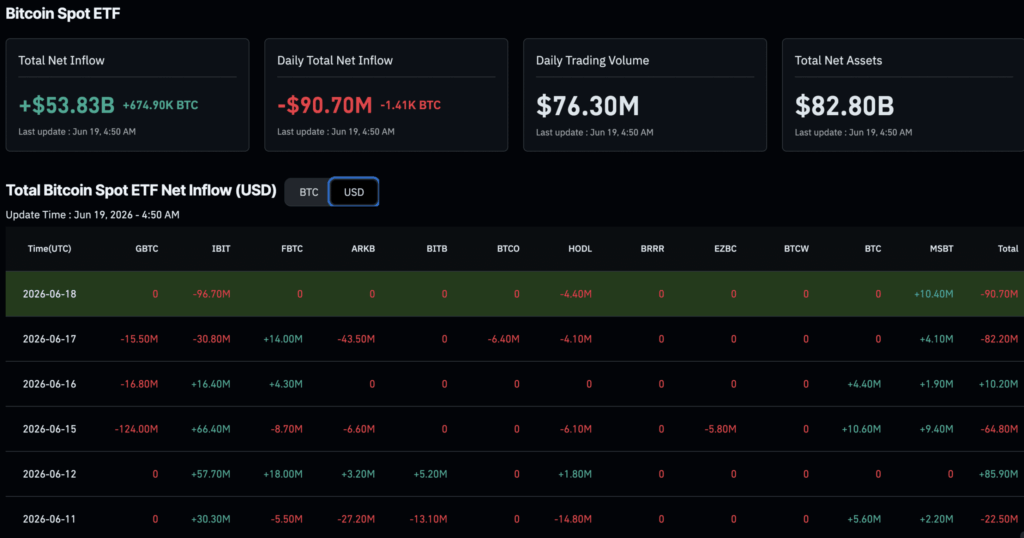
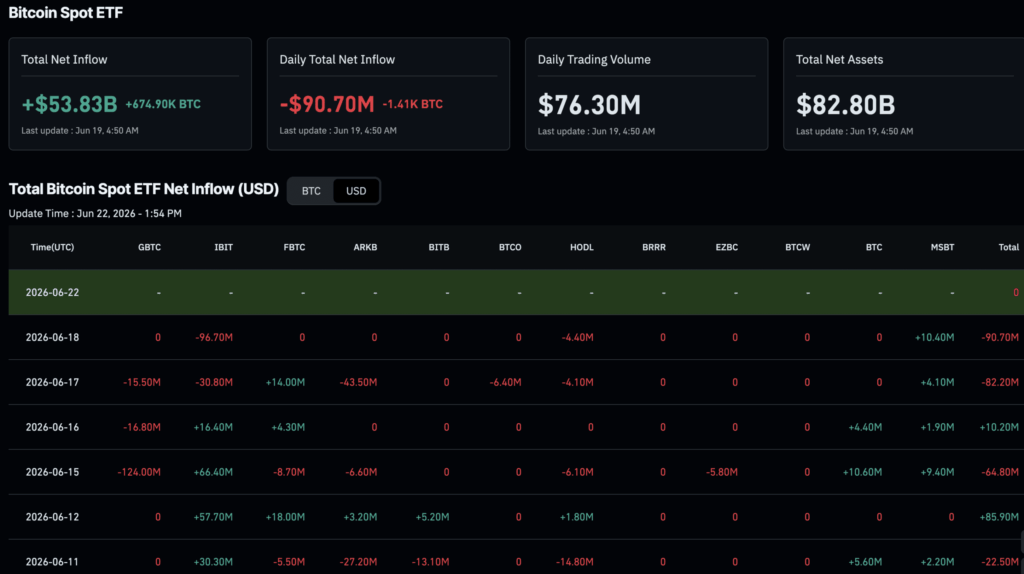
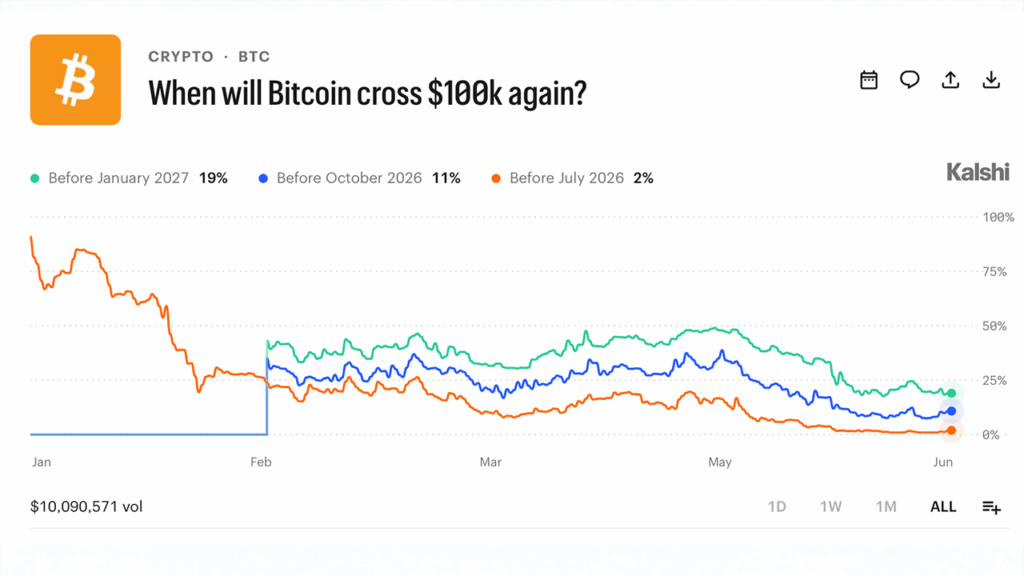
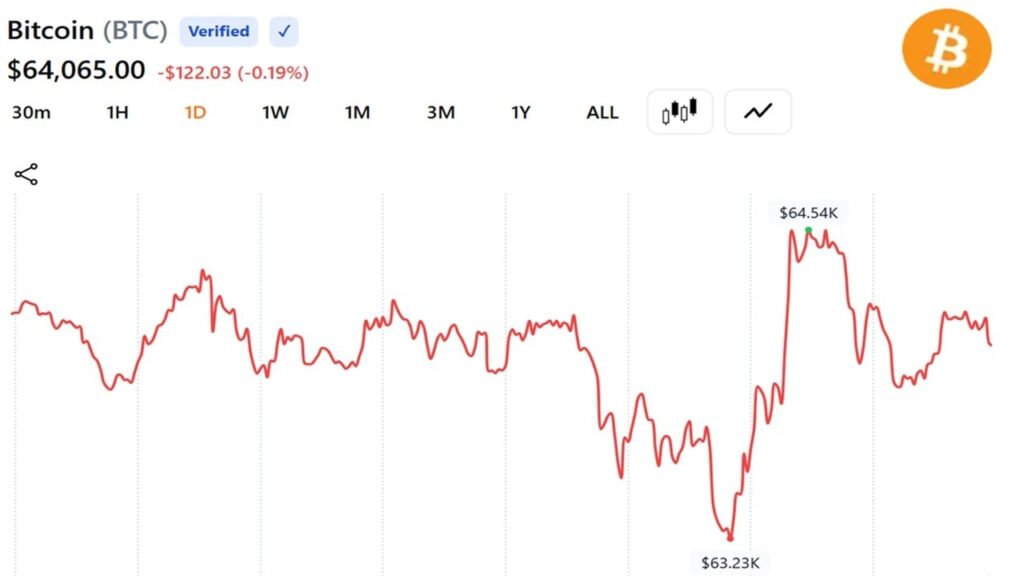
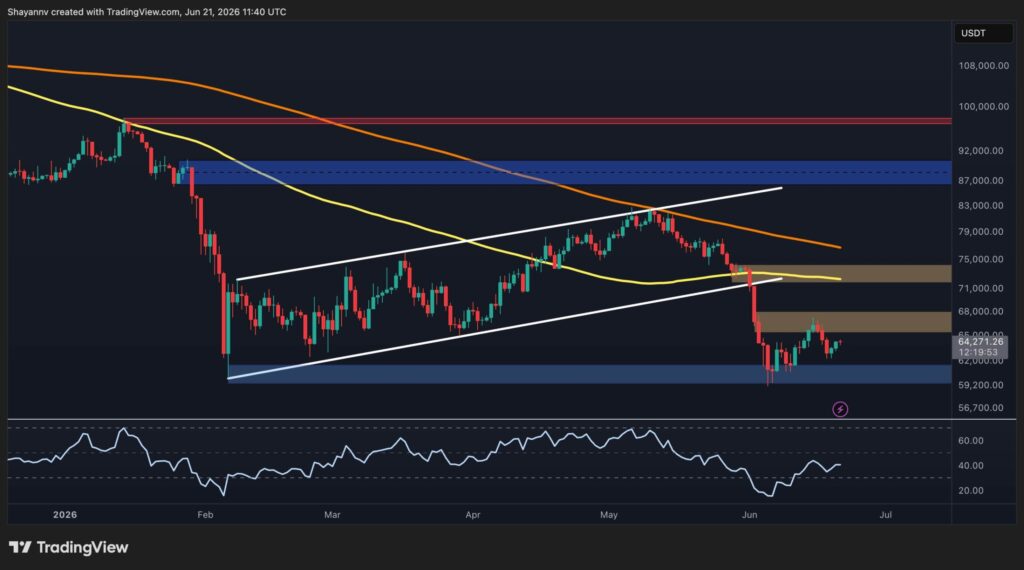
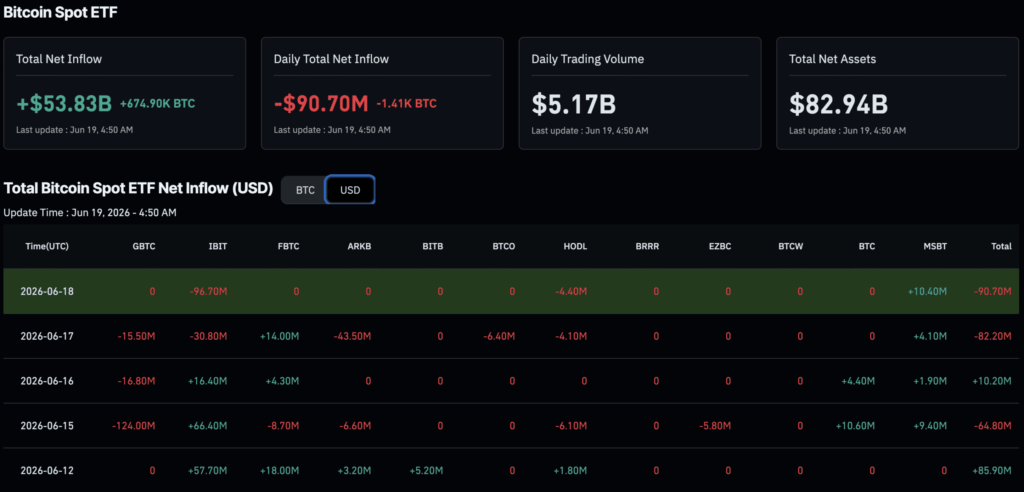
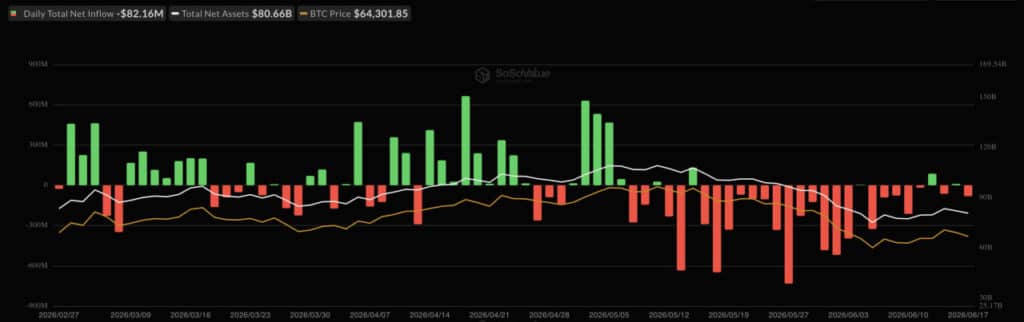
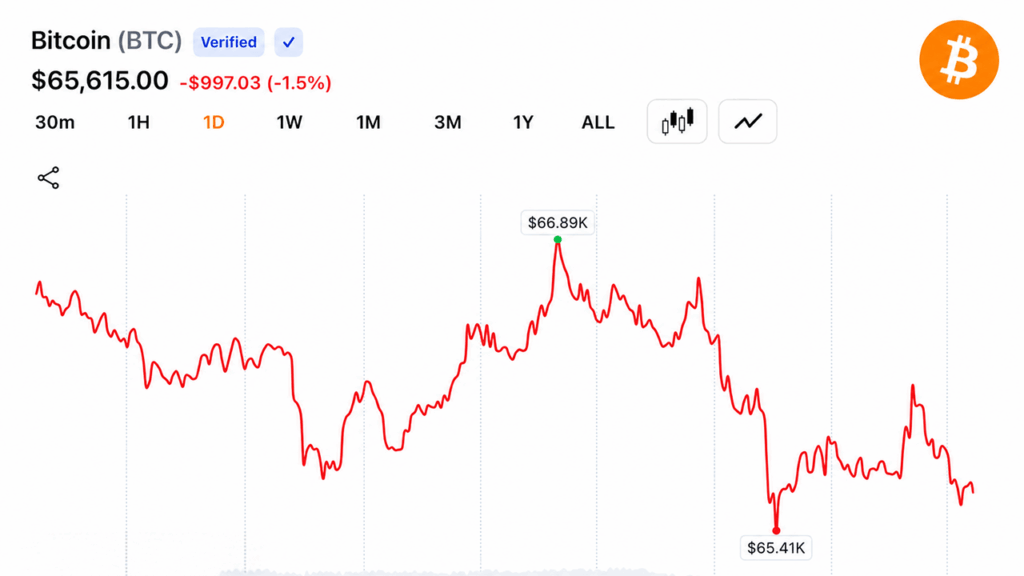
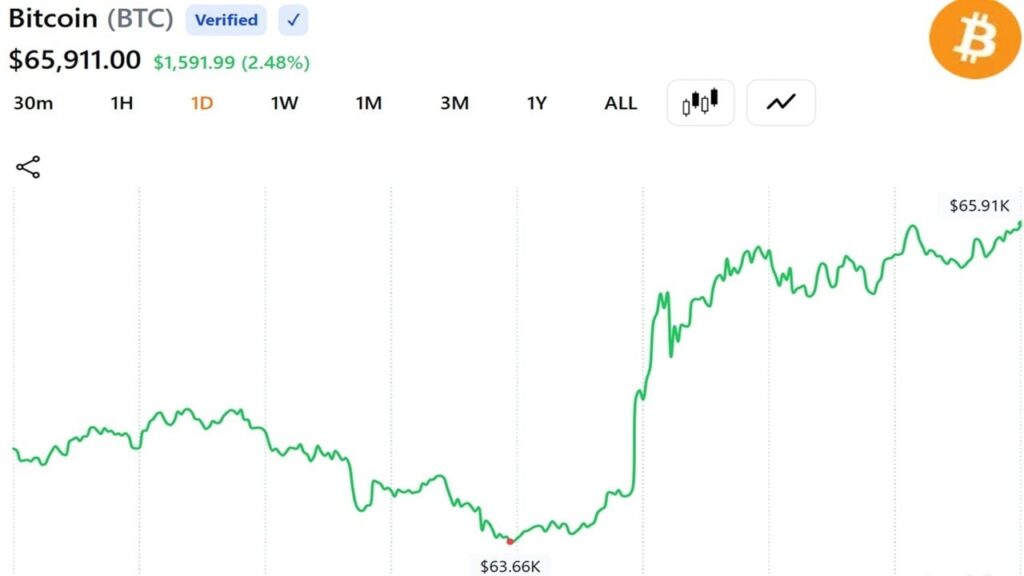
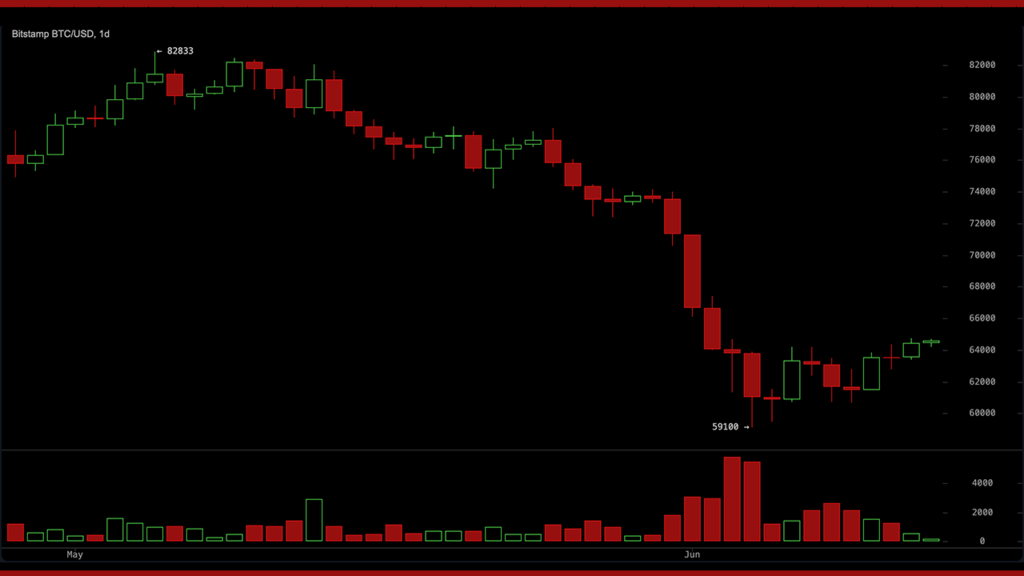
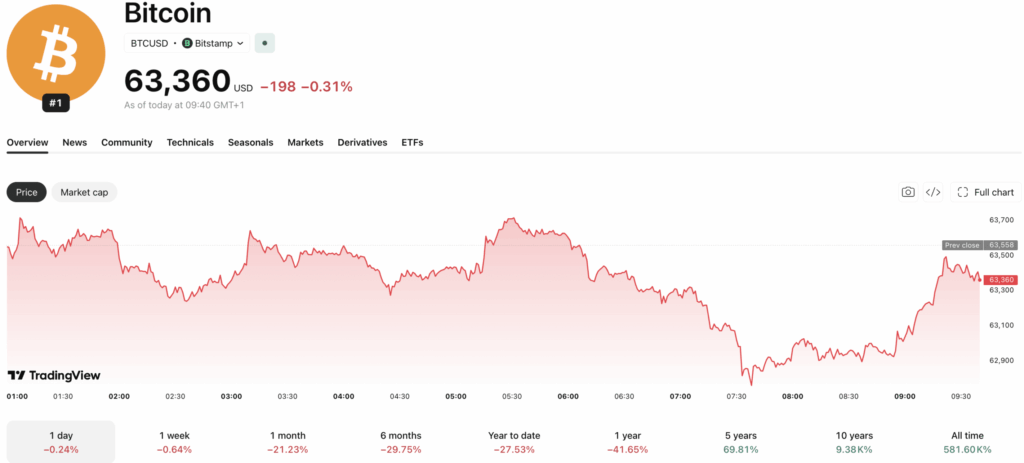
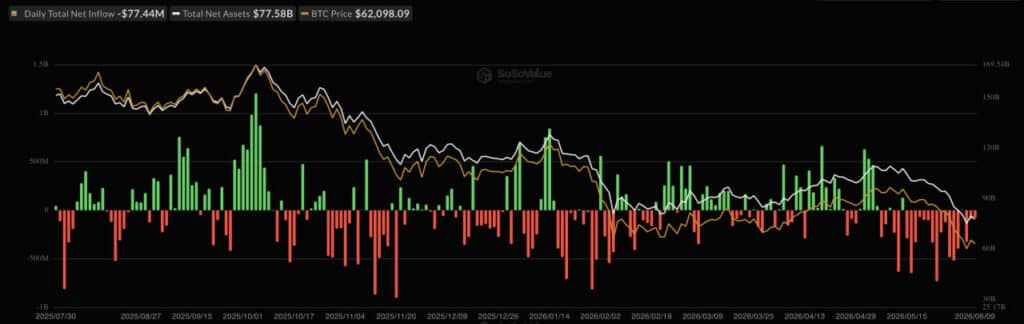
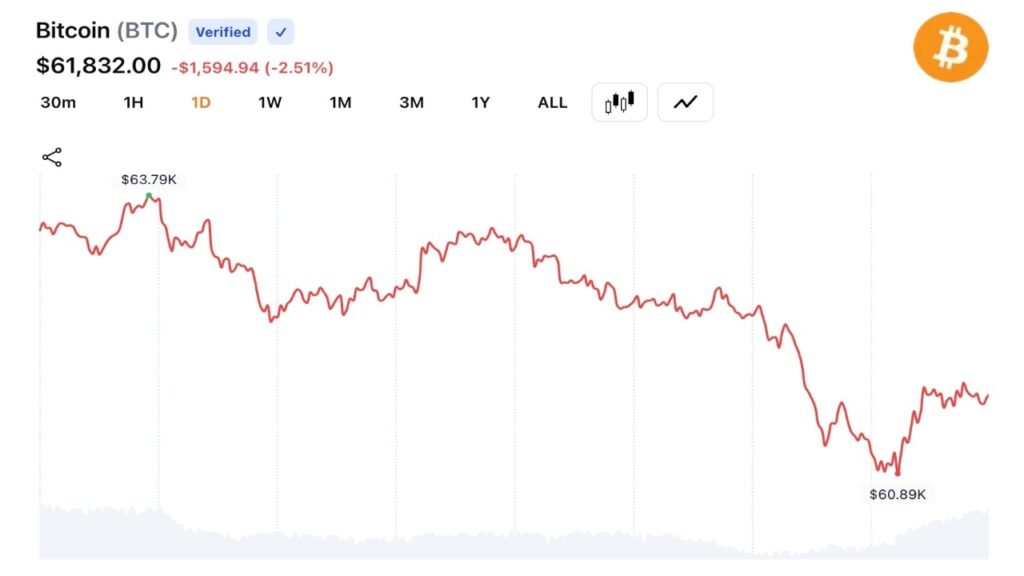
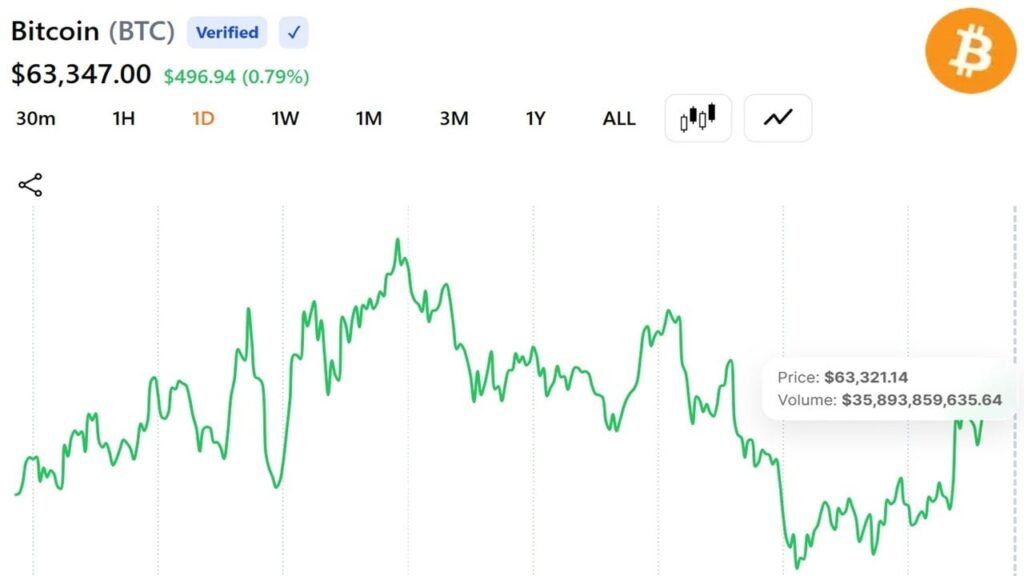
While AAVE climbed, Bitcoin was struggling to hold key support. Bitcoin dropped below $60,000 on June 24 for the third time this month, with CNBC reporting that the cryptocurrency has been in a bear market for approximately eight months. The pressures are multiple and intersecting. US spot Bitcoin ETFs have recorded six straight weeks of net outflows totaling approximately $6 billion, with higher rates raising the cost of holding non-yielding assets like Bitcoin.
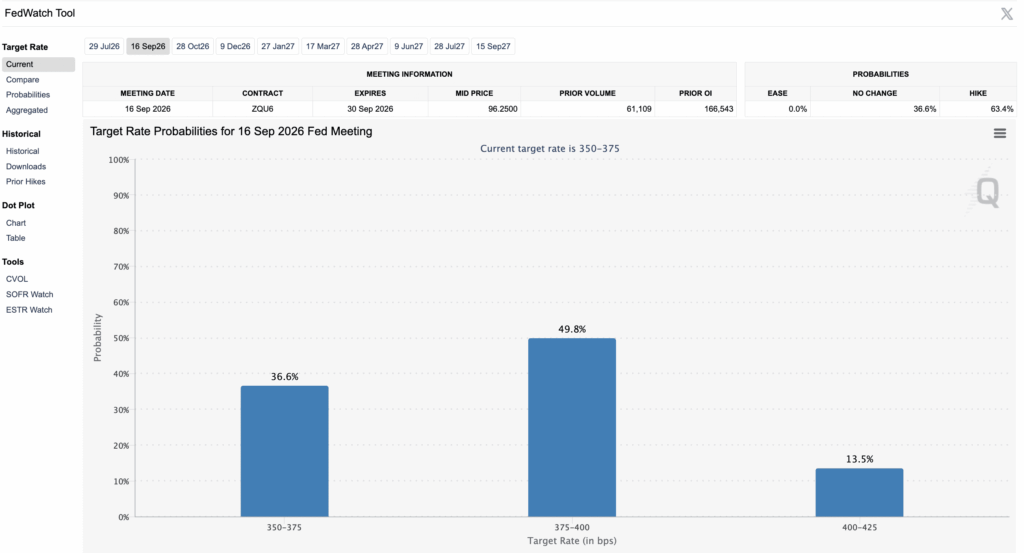
Monetary policy has shifted materially against risk assets. The Federal Reserve’s dot plot moved from an implied rate cut to an implied hike, with the 2026 median rate projection rising to 3.8%, and markets now pricing in roughly 77% odds of a December rate increase.
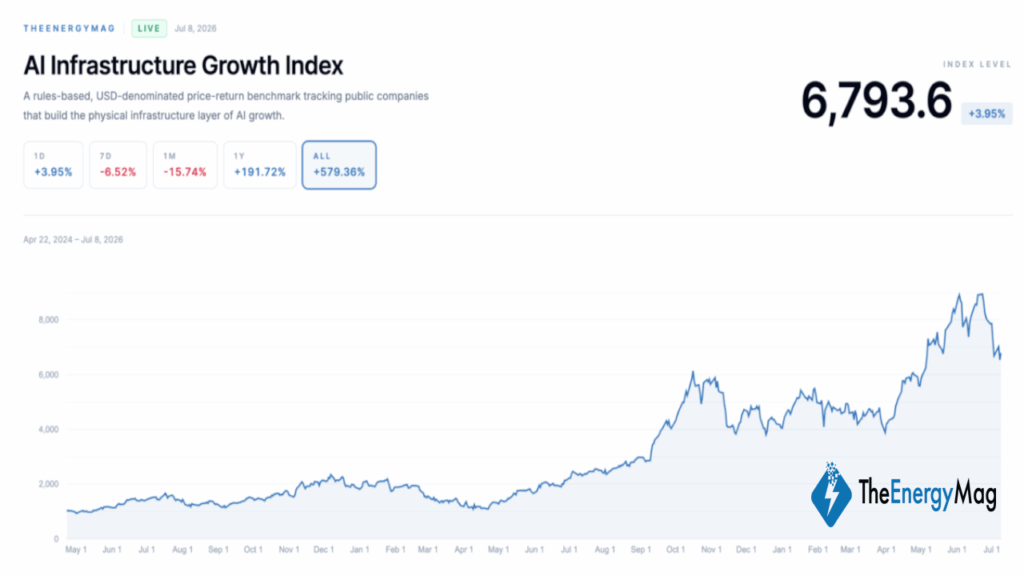
Capital rotation into AI is compounding the pressure. With US tech giants reportedly planning to spend over $700 billion on AI infrastructure in 2026, investors are increasingly viewing Bitcoin and AI-related stocks as competing destinations for speculative capital. Deutsche Bank analyst Marion Laboure noted that the typical marginal buyer of Bitcoin is no longer a retail investor but an ETF allocator or corporate treasury.
DeFi Rotation or One-Off Bounce?
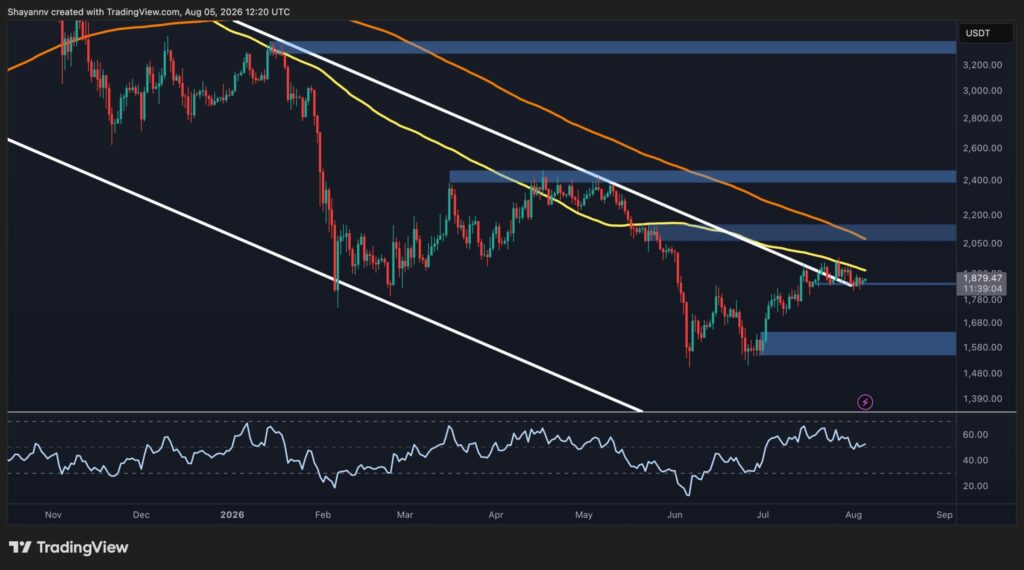
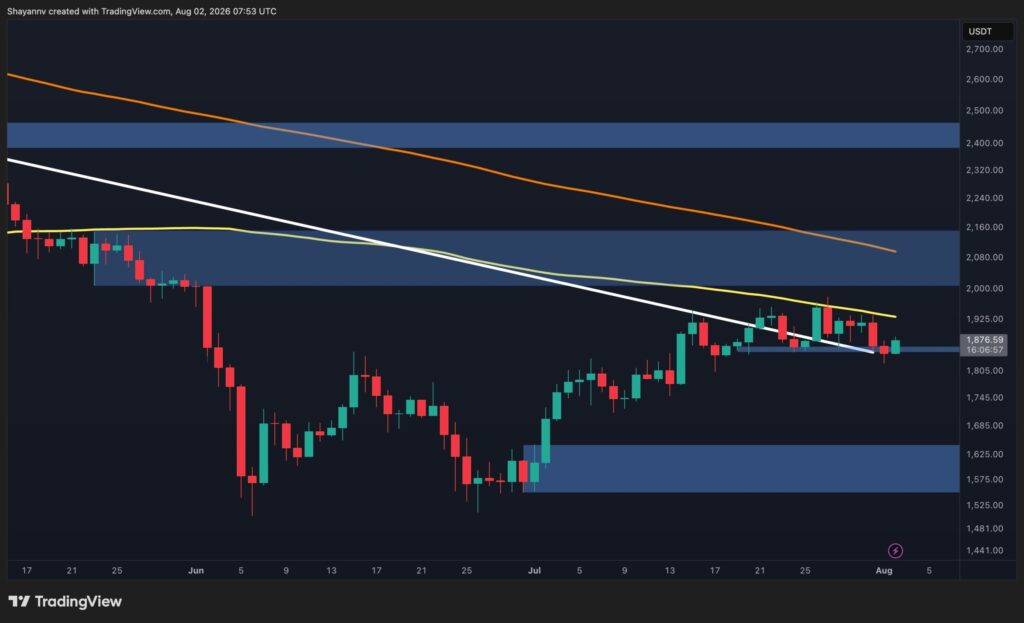
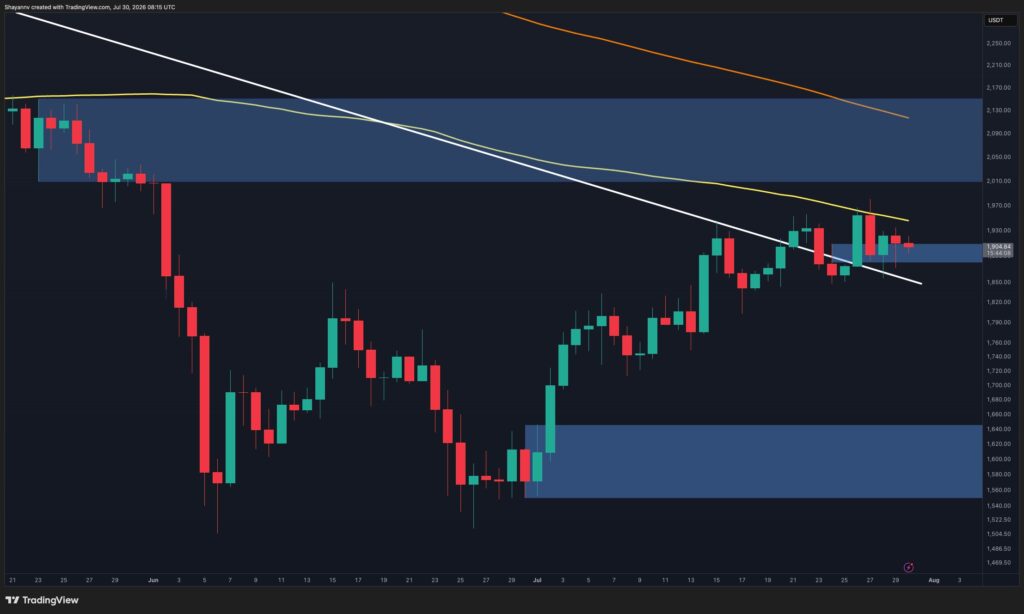
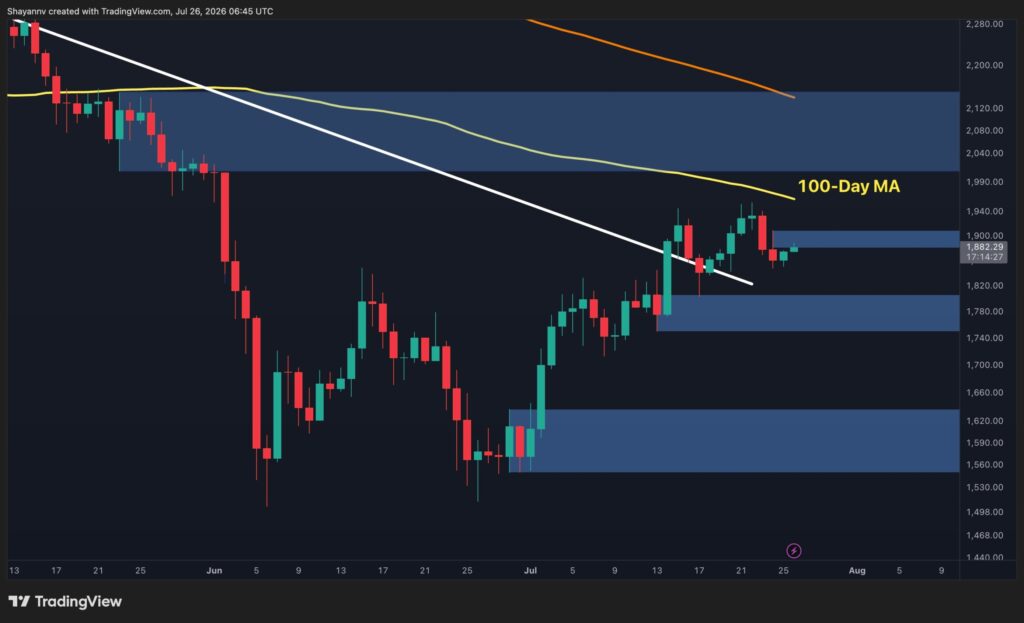
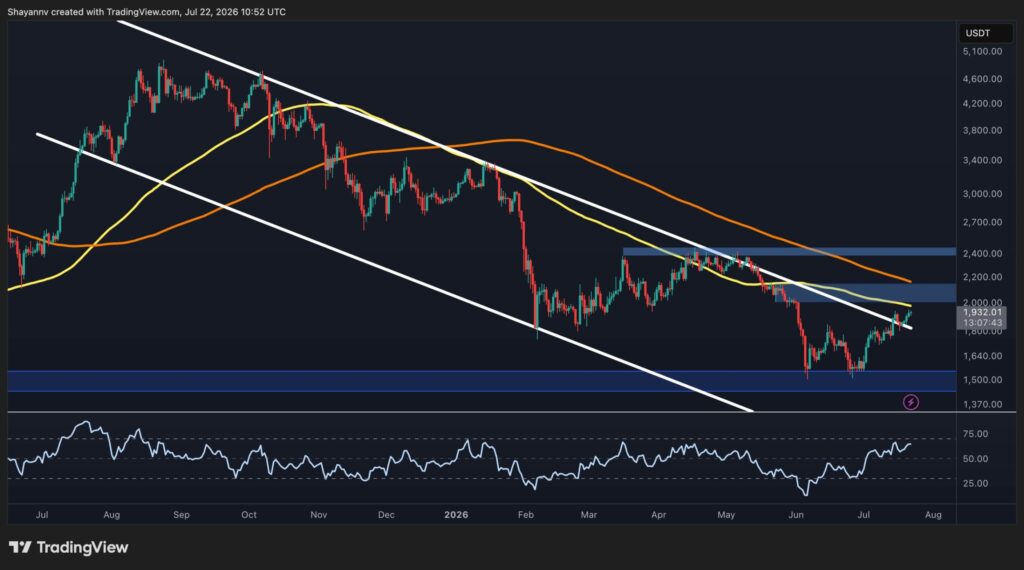
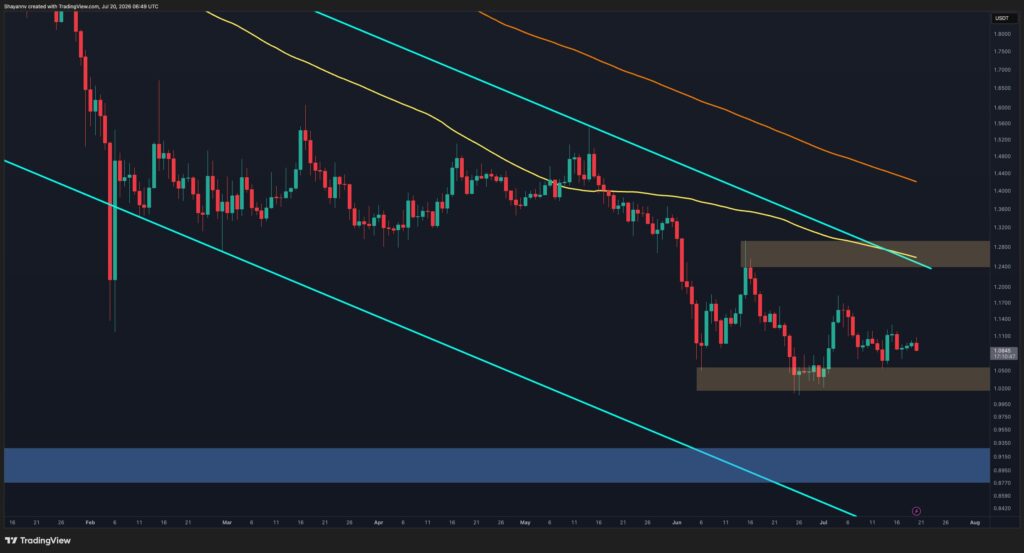
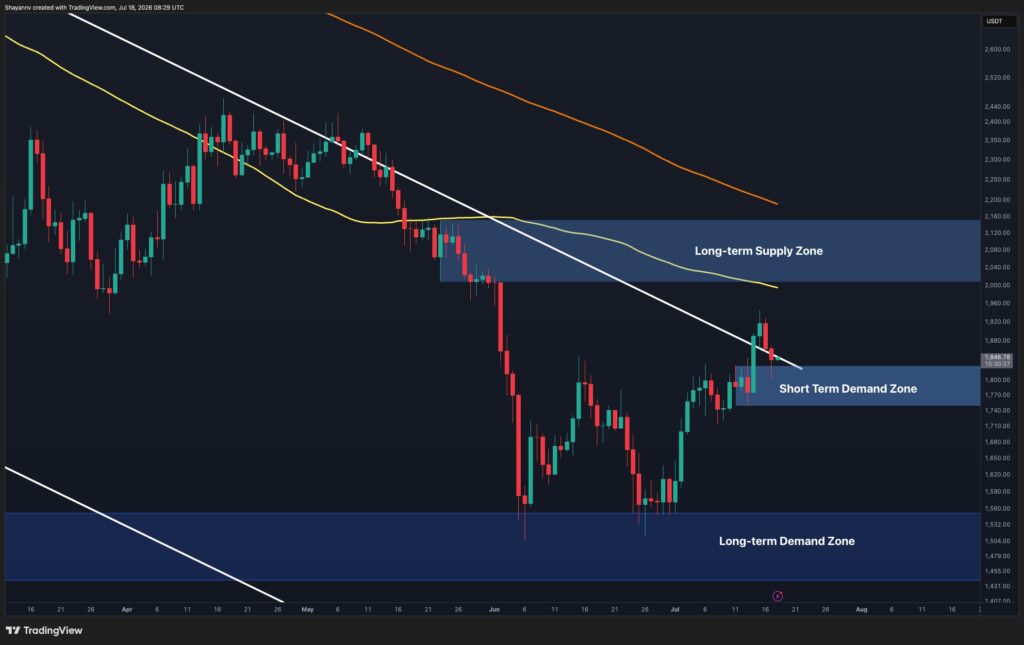
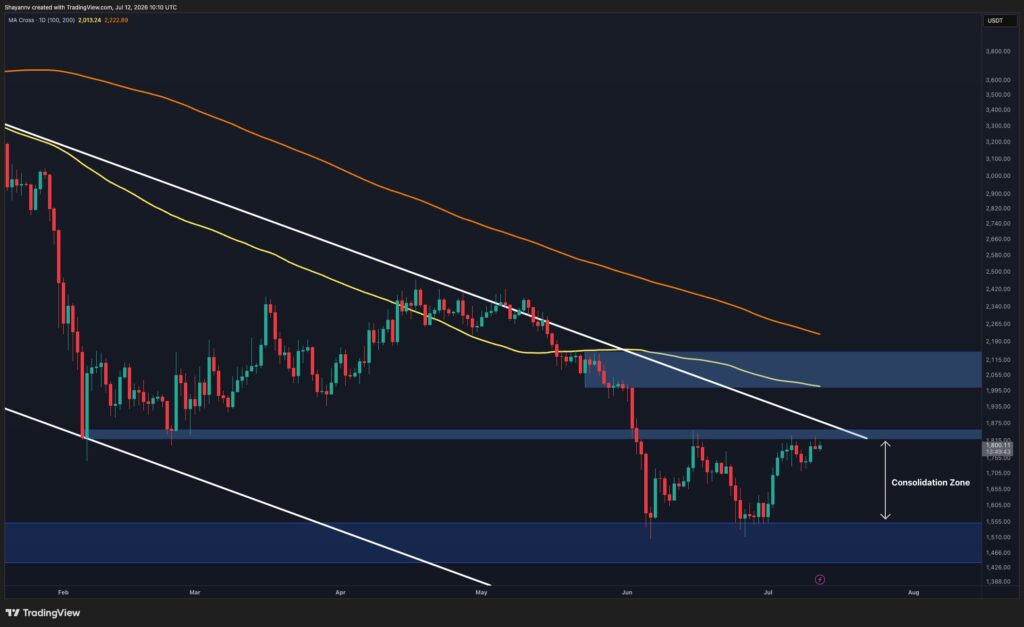
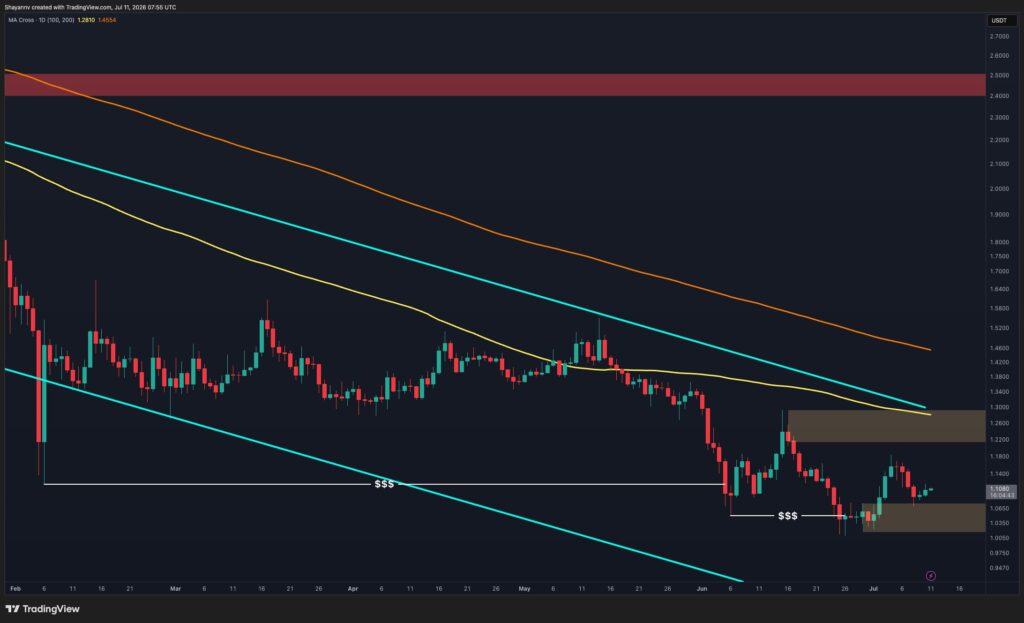
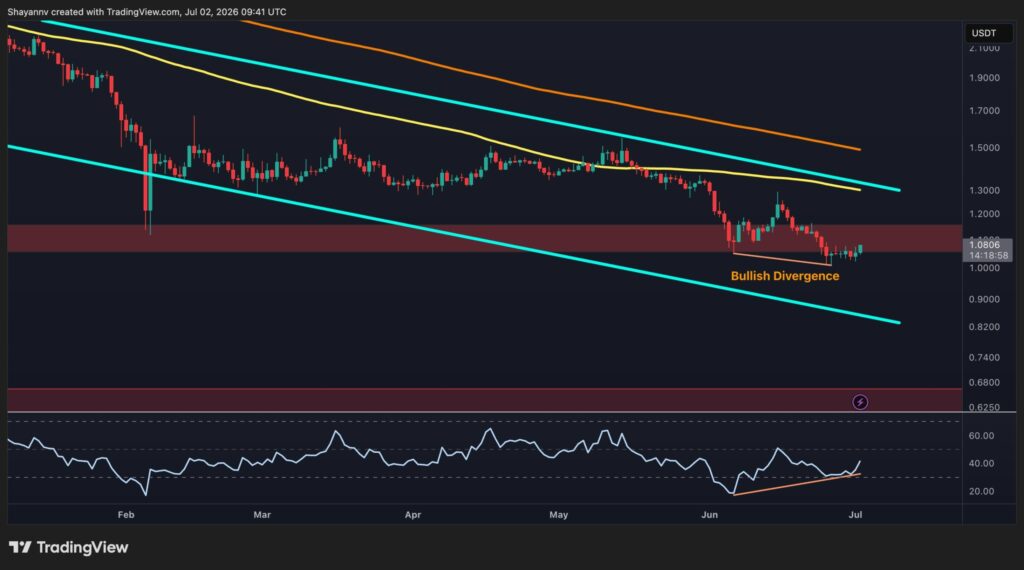
AAVE’s outperformance has revived talk of selective rotation into yield-generating DeFi infrastructure. The token broke above a multi-month descending resistance trendline that had capped price action since early 2026, reclaiming the $80 support zone, with the next major resistance sitting between $90 and $100. A successful move above that level could open the door to the 200-day moving average near $115.
Risks remain, however. Standard Chartered’s $3,500 scenario is contingent on tokenized assets arriving on-chain at a scale that has yet to materialize, and the current rebound is testing a moving-average zone rather than confirming a full trend reversal. For now, the market has delivered a clear verdict: AAVE is pricing in DeFi’s institutional comeback while Bitcoin navigates its most protracted bear phase in years. Whether that divergence holds will depend on whether tokenized finance delivers at the scale Standard Chartered is betting on.