




























































































































































































































































































































































































































































































































































































































































































































































































































































































































































































































































































































































































































































































































































Nvidia’s crisis has corporate governance experts reaching for the popcorn


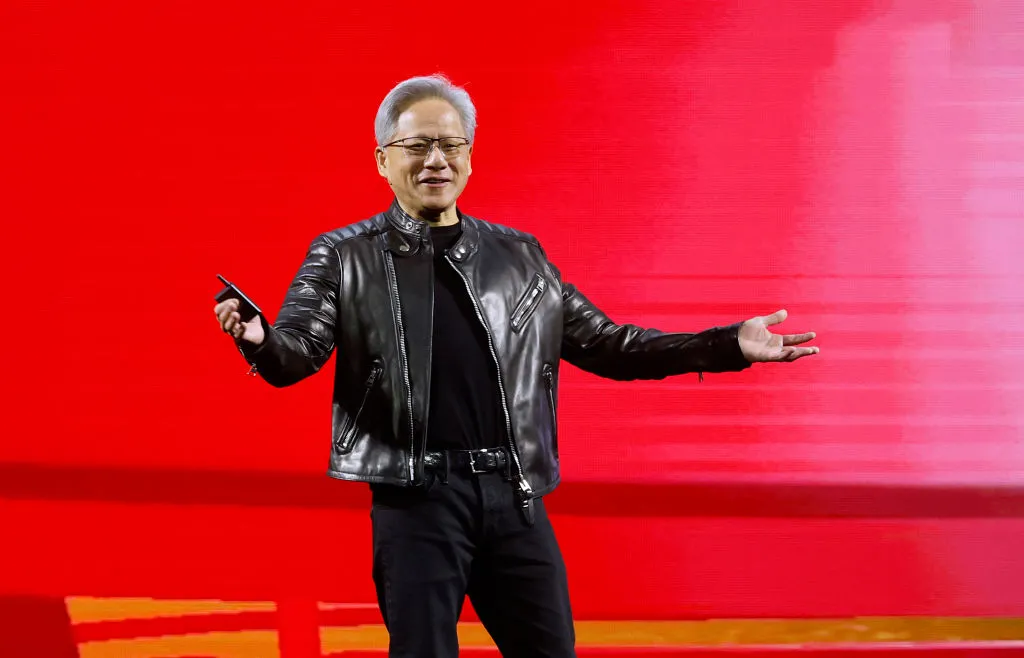
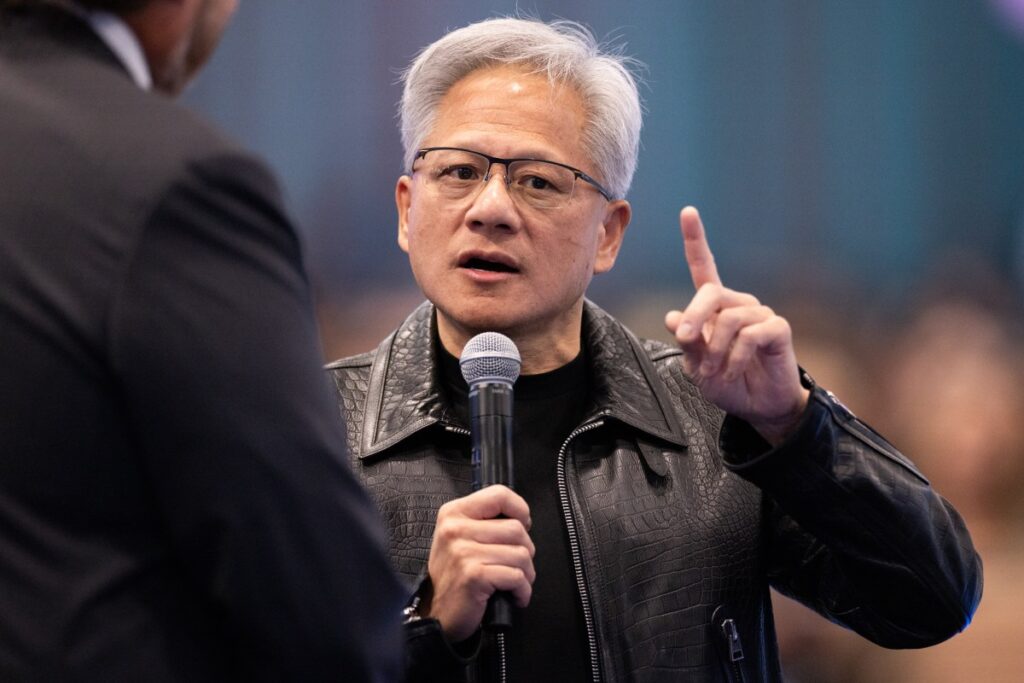
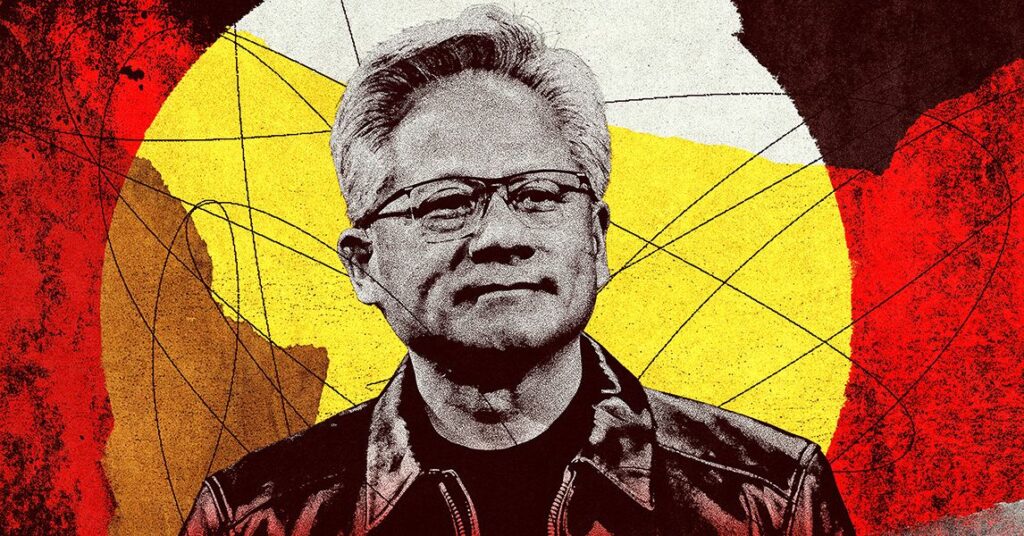
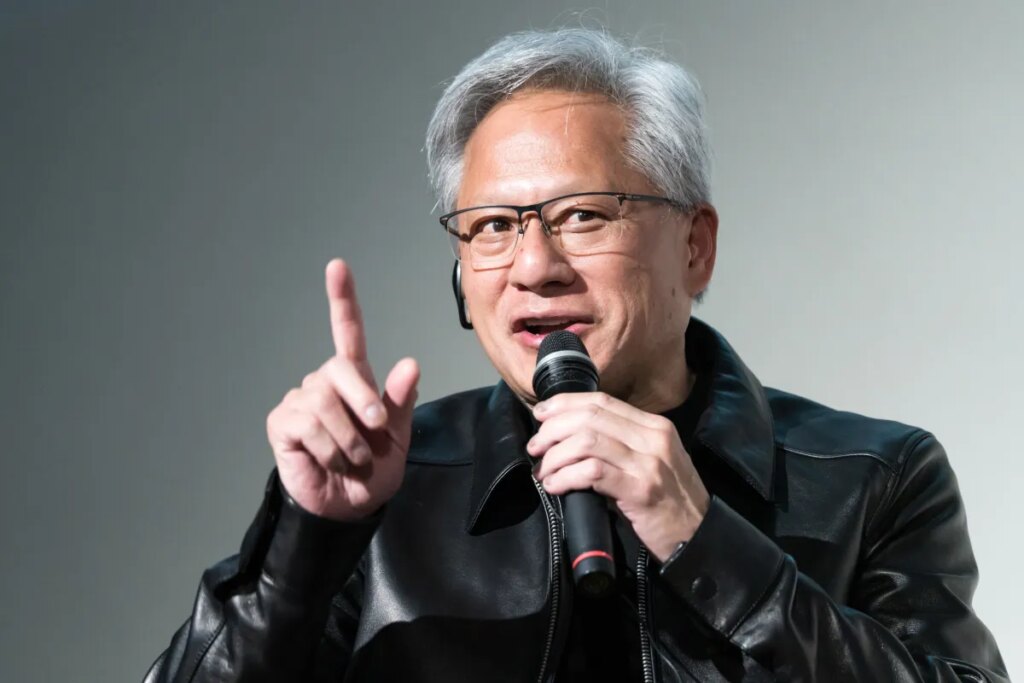
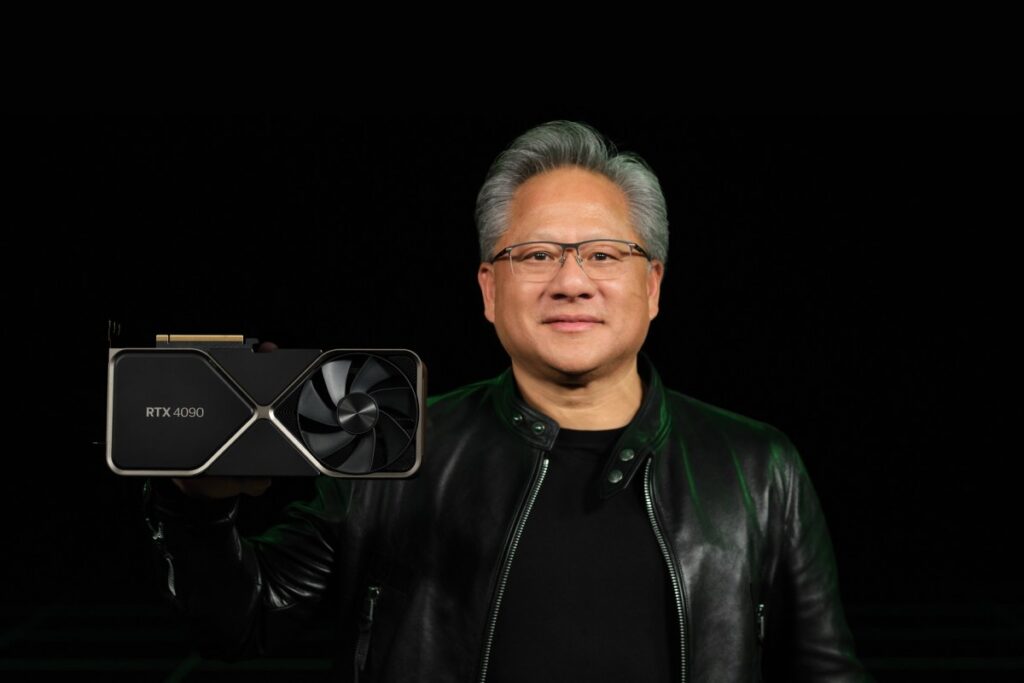
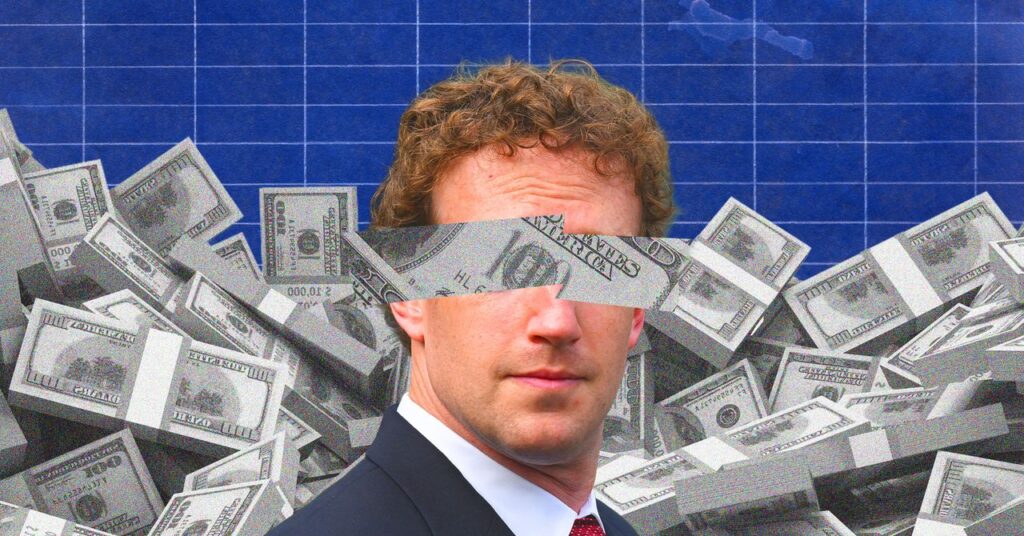
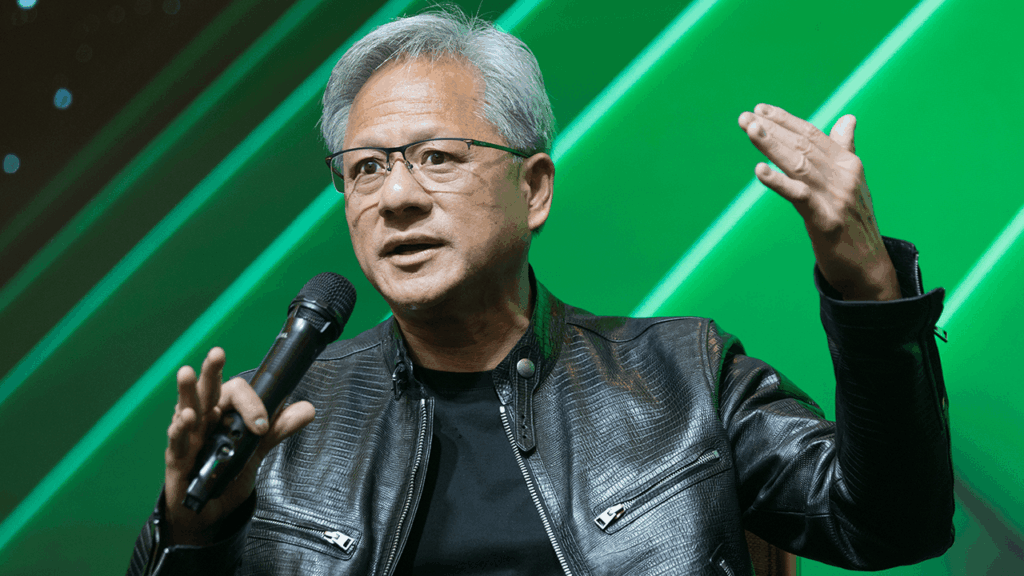
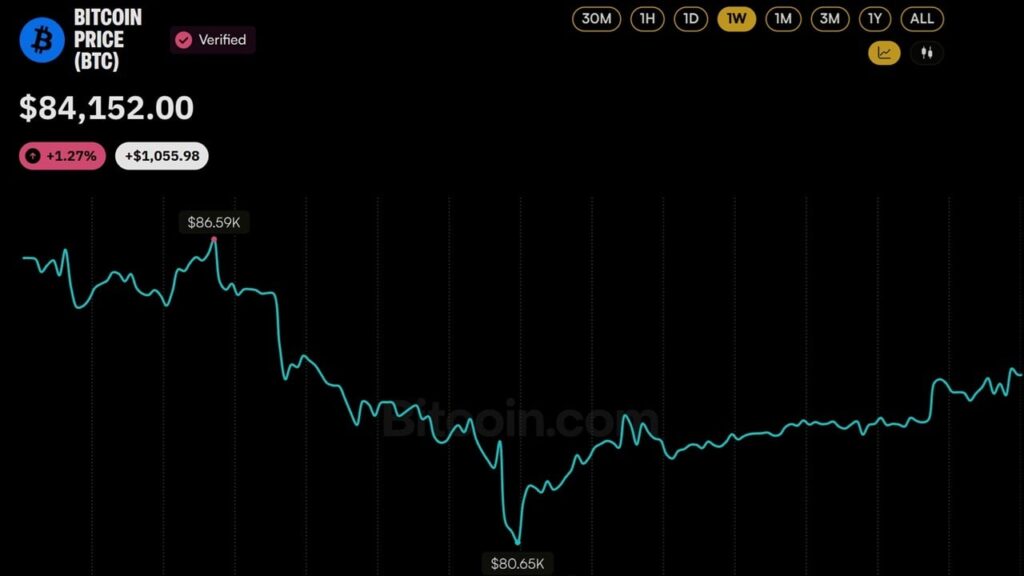
Nvidia’s stock sank 5.47% on Tuesday, following a 4% drop on Monday, a loss of about 9.5% in two days, even though there wasn’t much news out of the company. CEO Jensen Huang has reportedly been trying to conduct business as usual after admitting to an extramarital affair with Alice Huang, whom U.S. intelligence agencies believe was spying for China. The biggest development: the board hired the law firm Wachtell, Lipton, Rosen & Katz to conduct an internal investigation.
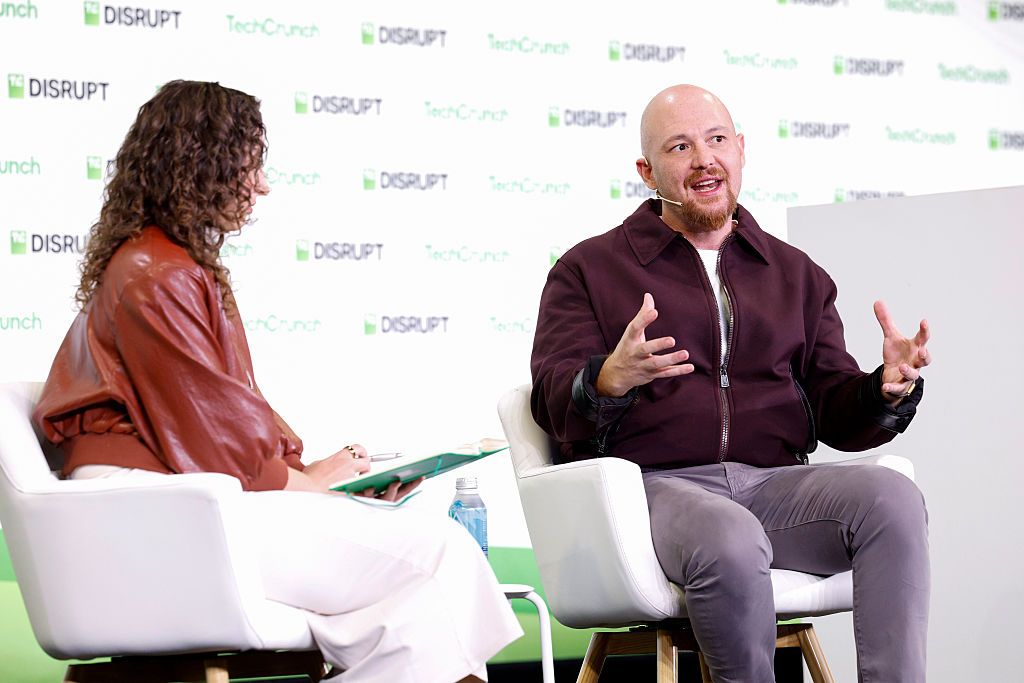
What comes next is mostly a guessing game, even for the people who study how boards are supposed to handle crises. Two corporate governance professors, Ann Lipton of the University of Colorado and Todd Henderson of the University of Chicago, say there is no real precedent for a CEO caught up in a suspected honeypot. And while they have views on what the investigation should ask, like everyone else, they’re watching to see how it plays out.
“There have actually been affair cases and sexual harassment cases,” Lipton said, but was quick to add that she doesn’t know of previous cases that also involve potential national security compromises. Henderson, whose research interests include corporations, securities regulation, and law and economics, said much depends on facts few people have yet, including, most importantly, what, if anything, Alice Huang got out of Jensen Huang. (Secrets about Nvidia’s fabs or chip designs would matter to the Justice Department. Ordinary corporate information probably would not.)
Lipton described the investigation led by Nvidia’s independent board members, with their own outside counsel, as perhaps the most “standard” aspect of the whole affair so far. She also observed that an investigation will be “exactly as thorough” as the directors running it want it to be, which is also standard. Henderson made a related point about incentives, saying that Washington law firms that conduct internal investigations “know who pays their bills.” He didn’t suggest that’s happening here.
Lipton said she sees three lines of inquiry, including whether the law was broken, whether Huang violated Nvidia’s internal policies, and whether the board was misled, including how forthcoming he was and when he was on notice. It’s notable, as Wired reported Monday, that Huang hired a PR crisis firm known for handling sex scandals a full year ago. Of course, the driver could have been about the affair alone. It’s unclear when Huang learned Alice Huang was a suspected spy. The board said in a Sunday statement about the matter that Nvidia has “has no reason to believe that either national security or NVIDIA secrets were compromised.”
Henderson similarly stressed the importance of what Huang knew and when. He described two scenarios. In one, Huang hires a PR firm because an extramarital affair is embarrassing, without knowing who the woman is. In the other, he knows she is a suspected Chinese spy. “I think that’s very different,” he said. “If I were a board member and the CEO of a company with very sensitive technology was in that situation, I would be furious if they didn’t tell me.” Not telling the board that you have cancer “or that you’ve been sleeping with a Chinese spy,” said Henderson, “seems to me to be a fireable offense.”
Either way, Lipton expects shareholder suits, and she said two kinds are possible. Securities fraud, which she said is “only about lying,” is the most obvious, and as we reported yesterday, Nvidia is already facing a proposed class action lawsuit that alleges Nvidia and Huang misled investors by concealing Huang’s relationship with Alice Huang while describing dealings with her former employer as routine. “You can have as many affairs with Chinese spies as you like,” Lipton said. “You just can’t lie about it under the federal securities laws.”
A mismanagement claim under Delaware law, where Nvidia is incorporated, is much harder. Employees do “stupid or reckless or damaging things all the time,” she said, and courts don’t let shareholders sue each time. Shareholders bringing such a claim on the company’s behalf, known as a derivative suit, must first show the board is incapable of handling the problem, usually by proving directors are implicated or so beholden to the CEO that they can’t act independently.
Nvidia’s 10-member board has a track record of loyalty and deference to Huang, as outlined by a New York Times piece Tuesday morning. Still, the investigation those “independent” directors have announced with outside counsel makes that very hard. Lipton cited, for example, a shareholder suit over alleged mismanagement at McDonald’s several years ago, after its chief people officer was accused of harassment and its CEO had a relationship with a subordinate. Ultimately, the court found no reason the board couldn’t deal with the misconduct on its own.
Even if none of this ends up threatening Huang’s job, the episode raises other governance questions that don’t look great in retrospect. Nvidia is run with a famously flat structure, with more than 60 direct reports to Huang, and the company doesn’t appear to have a succession plan, which Lipton called “a danger for any company.”
Huang’s children also work at Nvidia. His son Spencer is a director of product management, his daughter Madison is a senior director of product marketing, and his son-in-law, Nico Caprez, works in business development. Some employees believe he is grooming successors, and asked last month by Bloomberg whether Madison is in line for the job, Huang didn’t shoot down the idea, saying instead that it’s not something he’d wish on her.
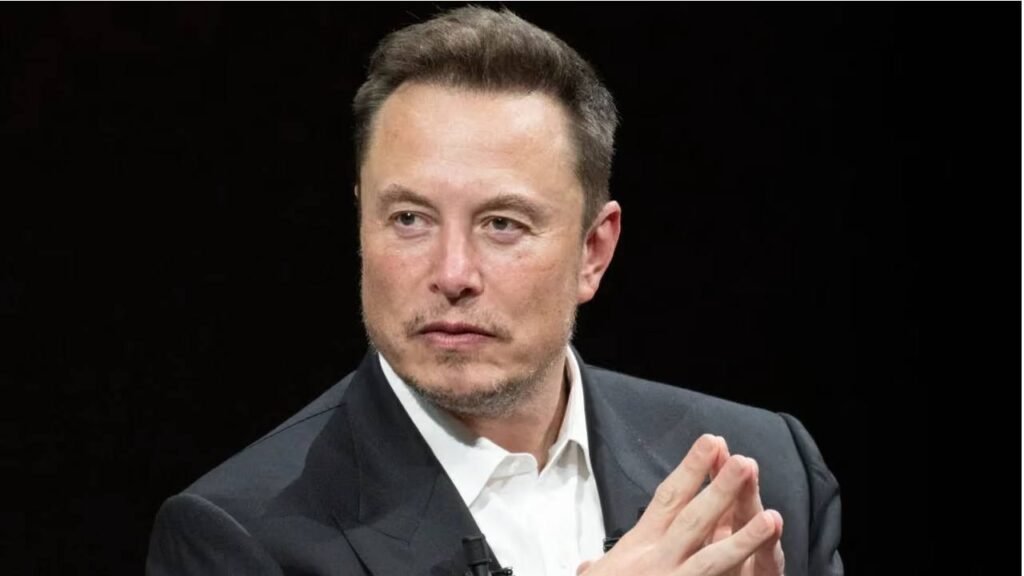
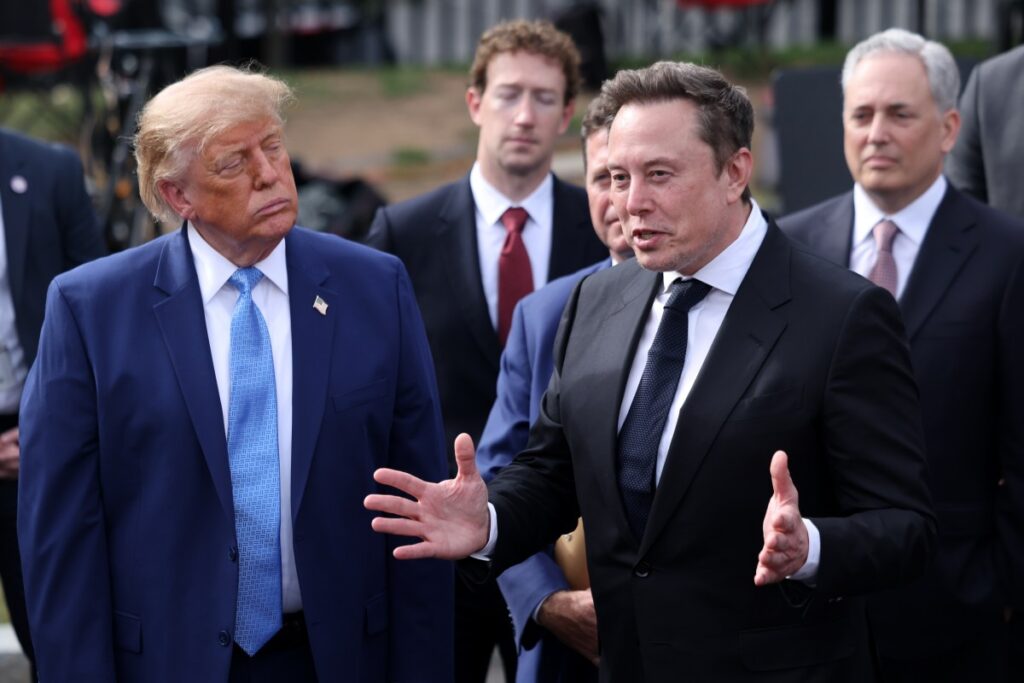
Lipton called hiring the kids poor corporate hygiene, even though founders have long done it. (Kimbal Musk is on Tesla’s board because he’s Elon Musk’s brother, she noted.) Directors are supposed to act only for stockholders, but founders get more rope as long as the company is thriving.
Henderson similarly calls himself a strong “anti-nepotism person,” sharing that when his father worked at Westinghouse’s nuclear research lab, there was an absolute ban on hiring employees’ children. “Like, fine for them to be working there,” he said of Huang’s children working at Nvidia. But “the idea that one of his kids would succeed him” at a publicly traded company the size of Nvidia “seems crazy,” he added.
What Nvidia may have gotten more right, from a governance standpoint, is what it doesn’t have, which is dual-class shares. Huang reportedly owns about 3.6%, so he doesn’t control the vote. That makes him “easier to dislodge,” Lipton said, even though he is deeply integrated into the company in other ways.
Neither professor is rooting for or against Huang, each made clear. The simple truth is that with voting control on top of Huang’s holdings, the board would have even less flexibility. Without it, the board has a few more options.
When you purchase through links in our articles, we may earn a small commission. This doesn’t affect our editorial independence.