










































































































































































































































































































































































































































































































































































































































































































































































































































































































































































































































































































































































































































































































































































































































































































































































































































































































































































































































































































































































































































































































































































Tom Lee expects Ethereum to outperform Bitcoin on AI, tokenization



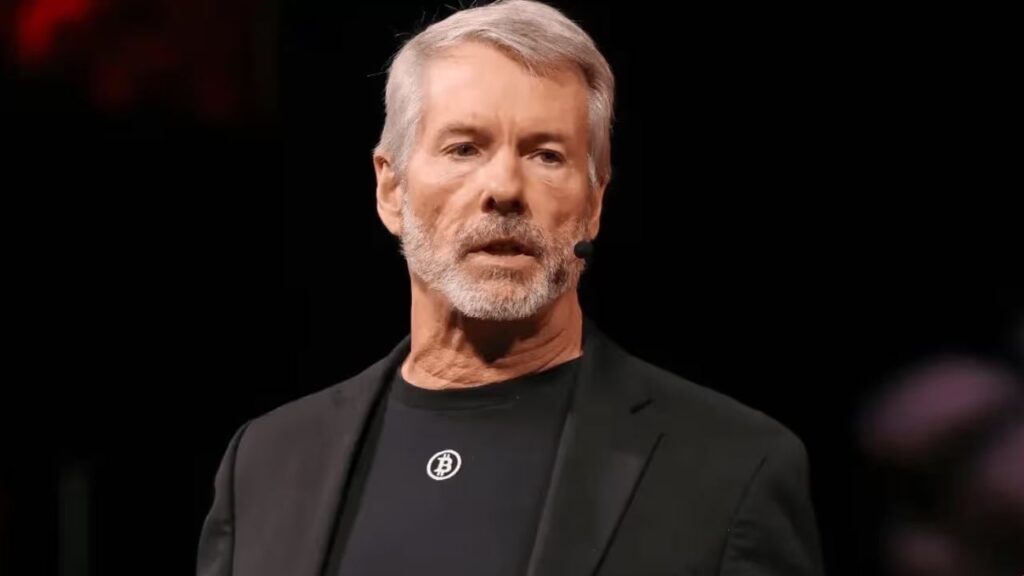
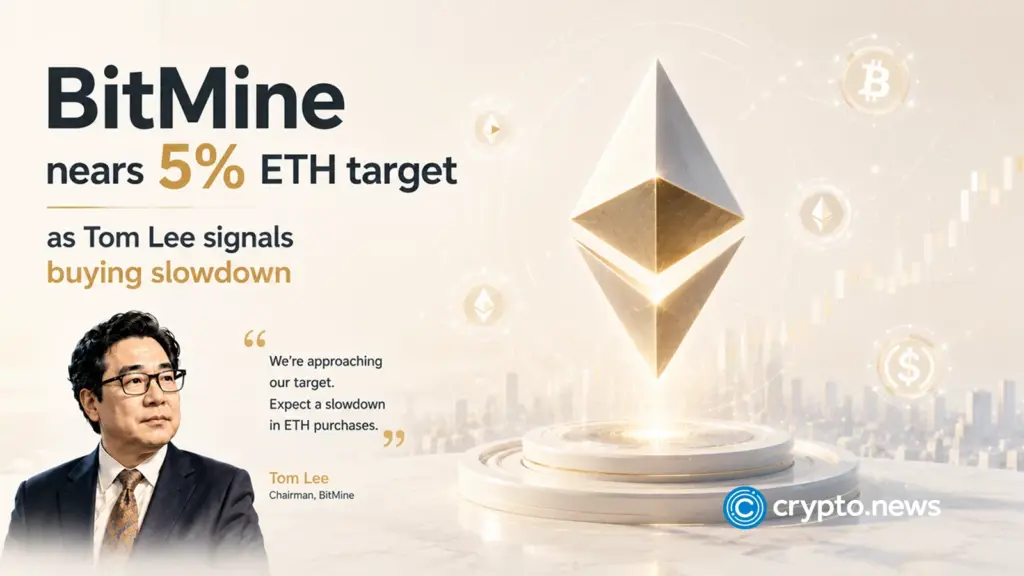
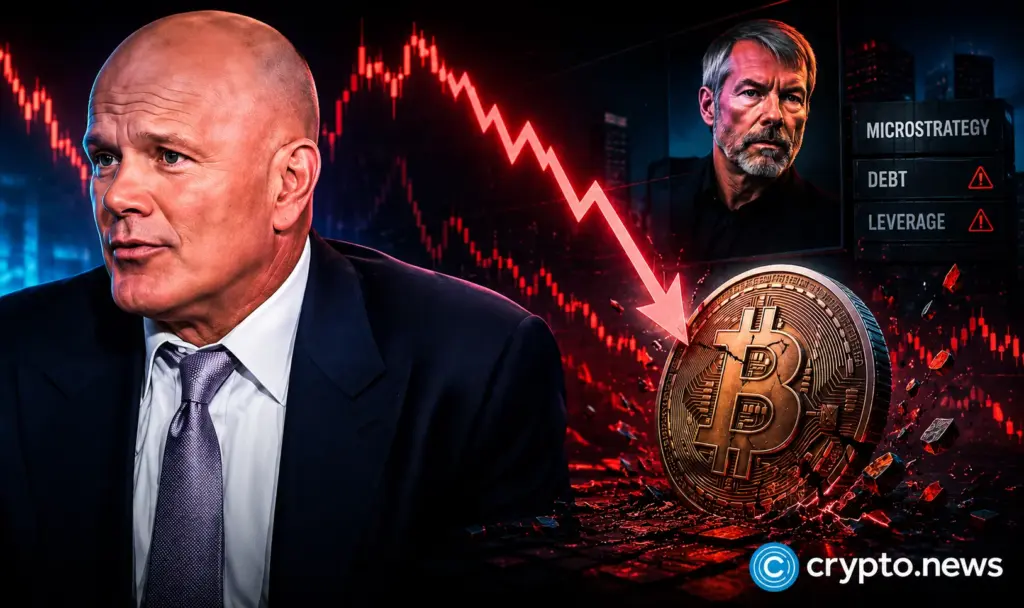
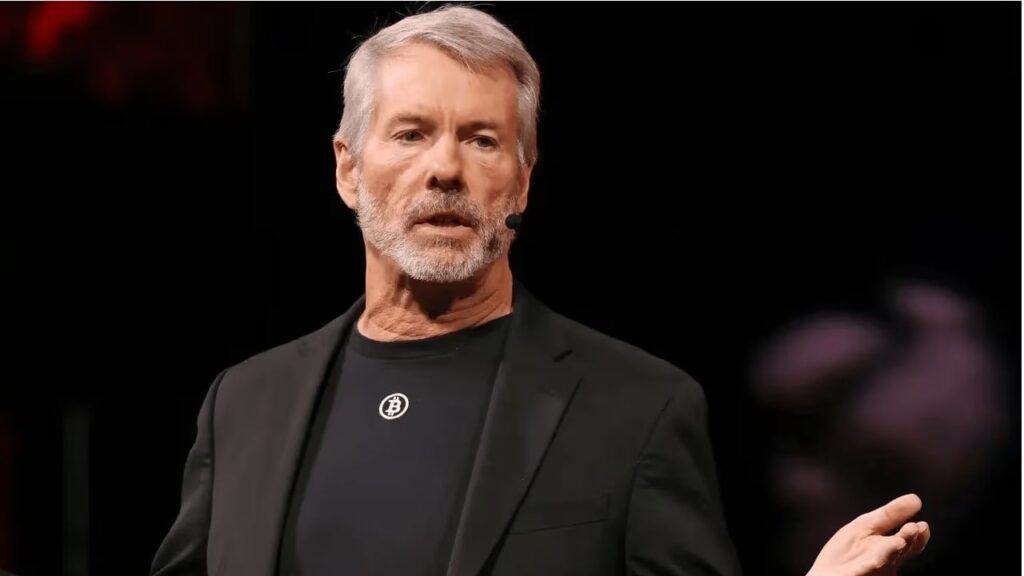
BitMine Chairman Tom Lee has identified BMNR as the US-listed stock most closely tied to Ethereum, citing an 80% correlation while predicting that ETH will outperform Bitcoin during the current cycle.
Summary
- BitMine showed an 80% correlation with ETH in Fundstrat’s comparison of 17 large-cap stocks.
- Lee expects tokenization and AI applications to support Ethereum’s performance against Bitcoin.
- BitMine held 5.82 million ETH, or 4.8% of the token’s supply, as of Aug. 16.
- US spot Ethereum ETFs attracted $365 million in July, compared with $205 million for Bitcoin funds.
Fundstrat said in a Friday post on X that its study covered 17 companies with market values above $2 billion, giving stock investors a list of publicly traded businesses that have moved closely with Bitcoin or Ethereum.
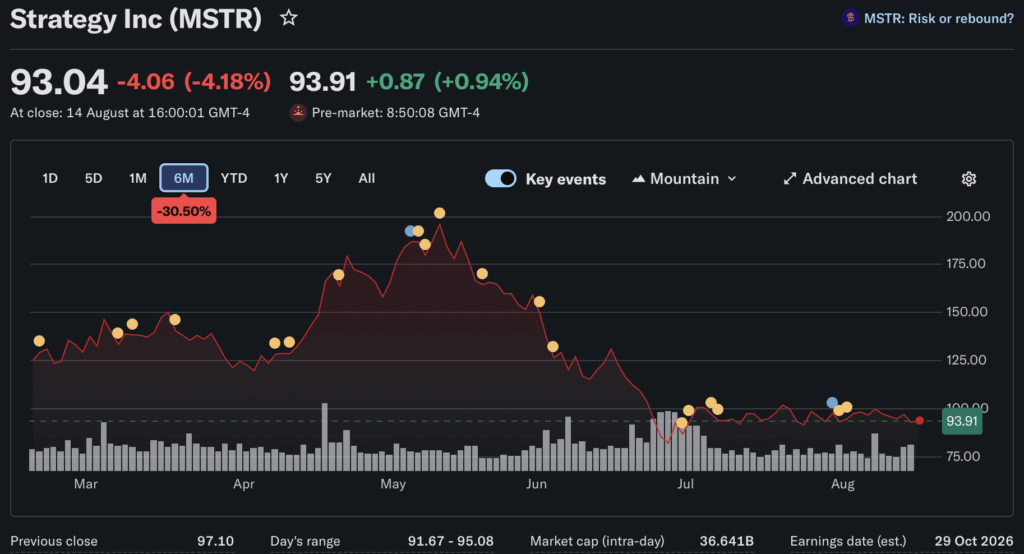
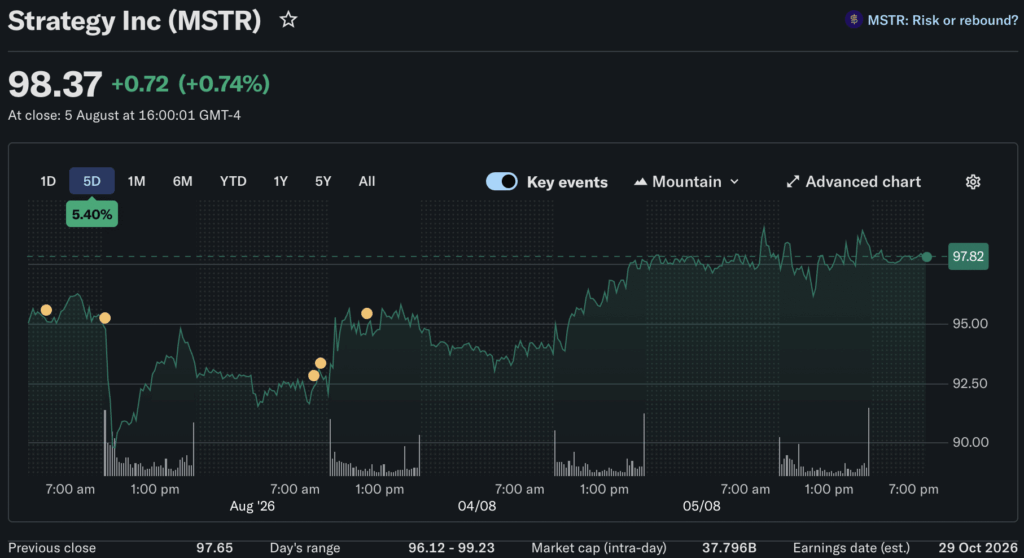
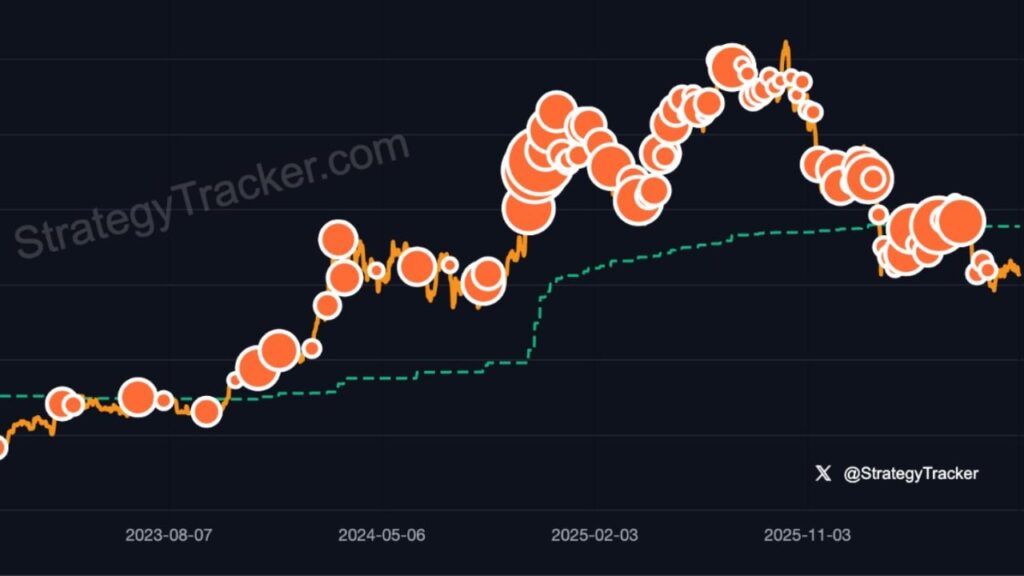
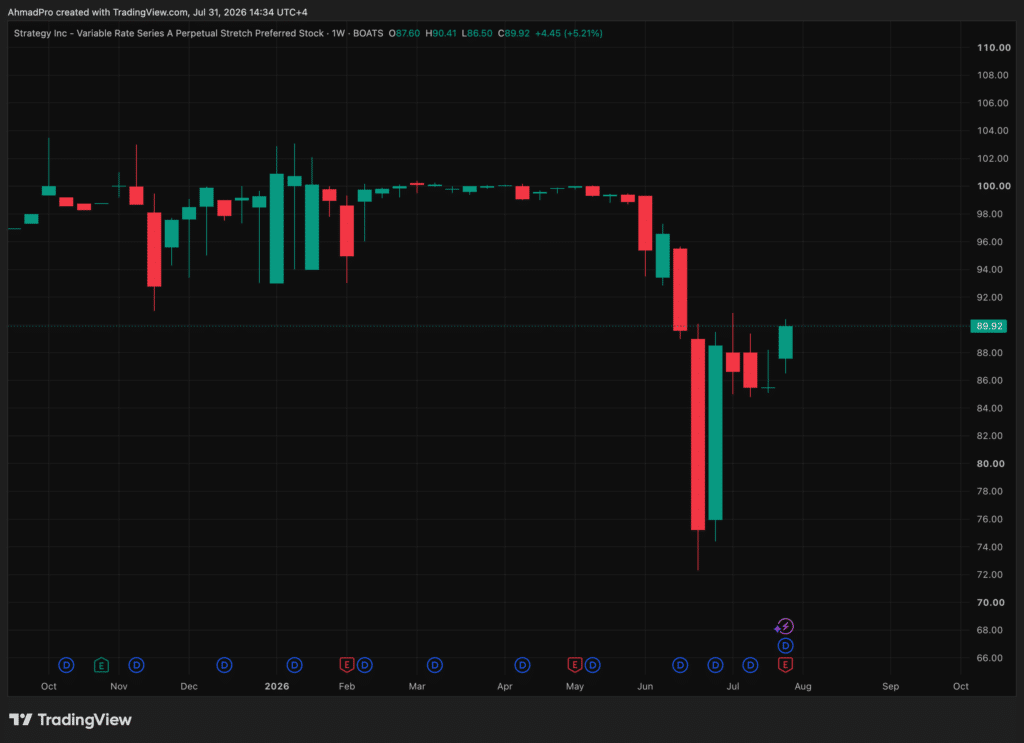
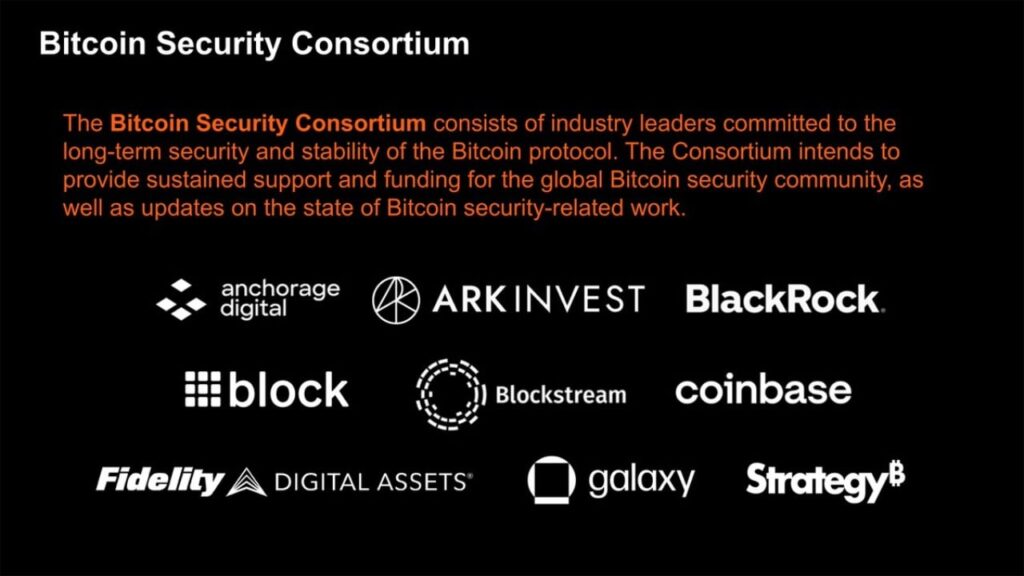
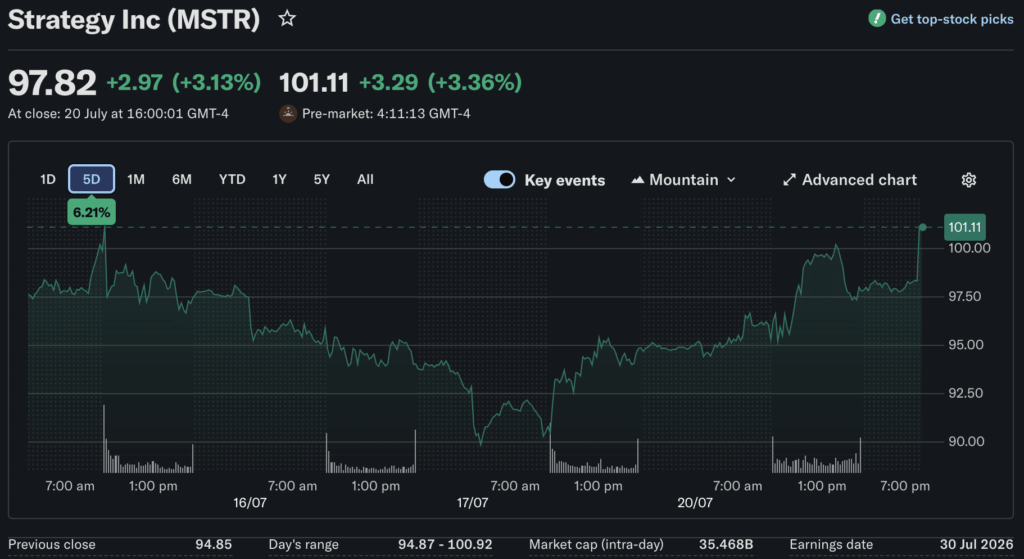
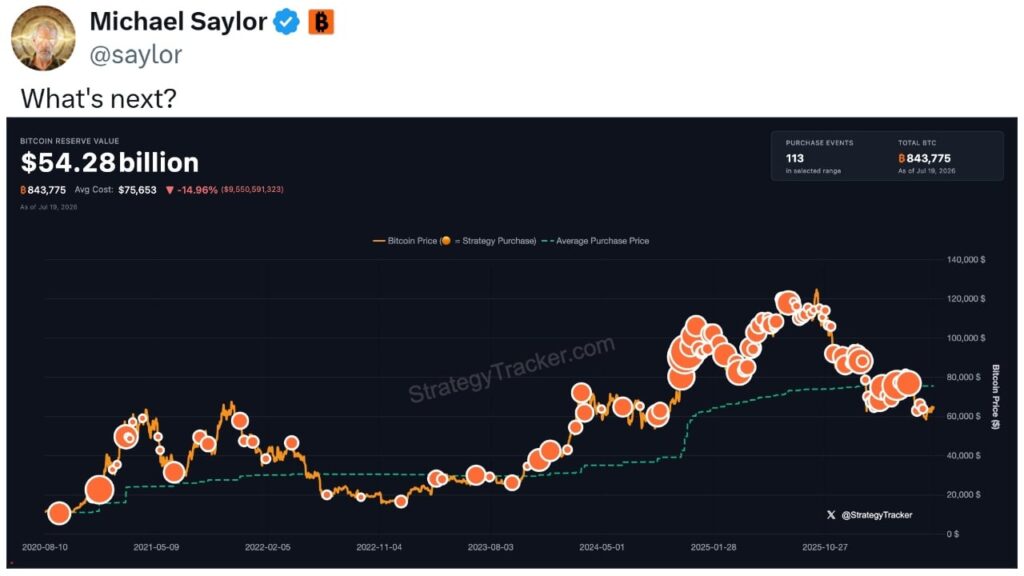
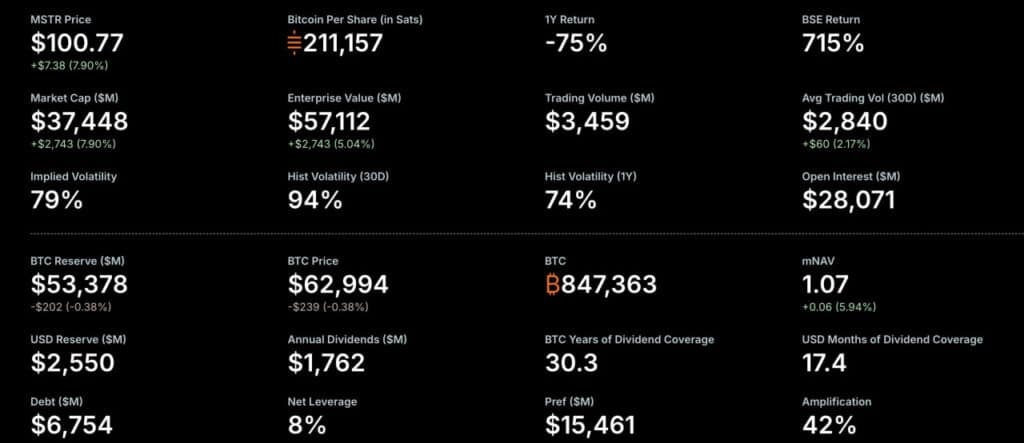
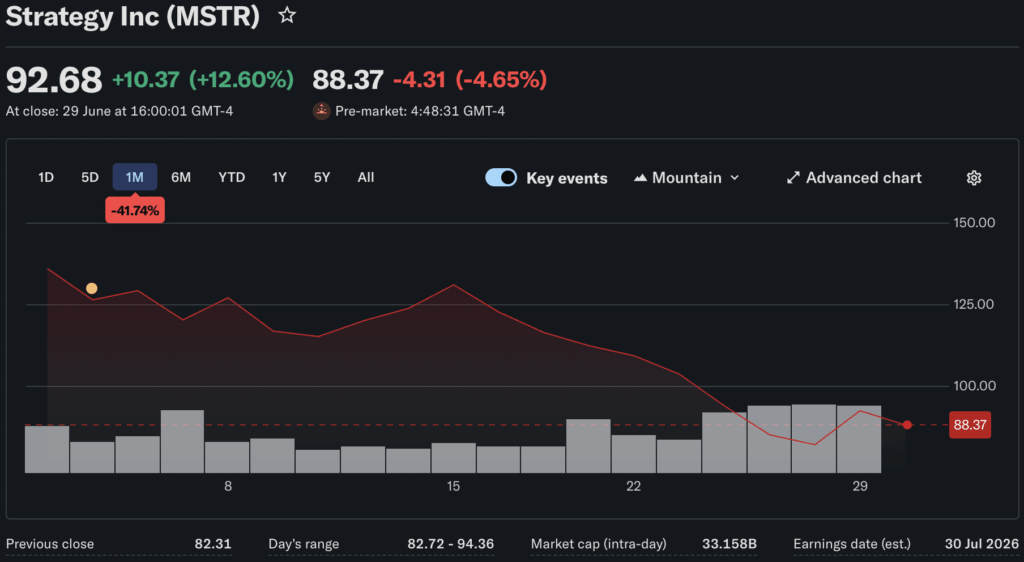
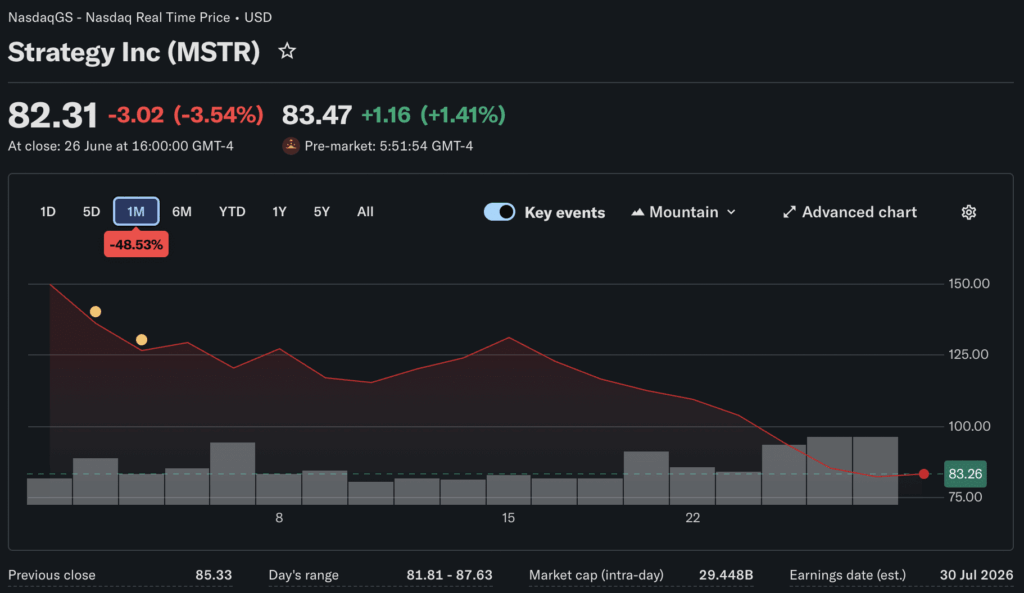
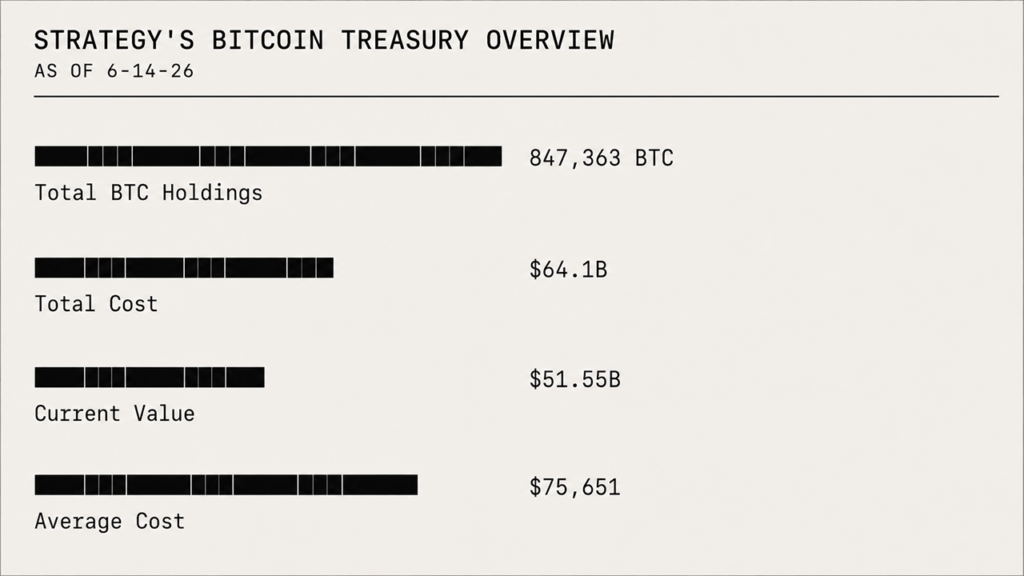
BitMine Immersion Technologies led the Ethereum group with a correlation of 80%, while Coinbase ranked second at 74%. Among stocks linked to Bitcoin, Strategy recorded the highest reading at 78%, followed by Coinbase at 74%.
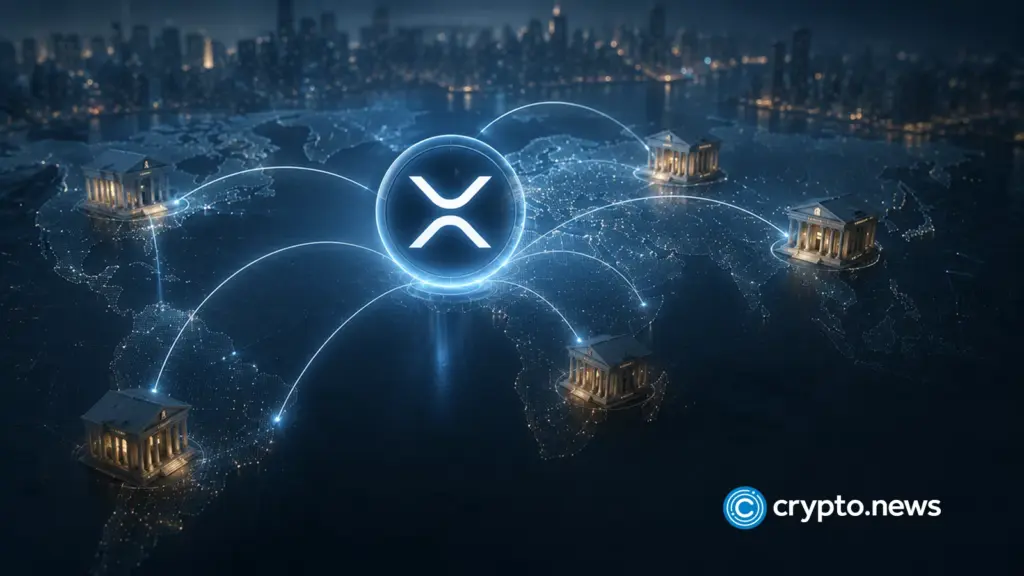
Lee said he expects Ethereum to beat Bitcoin during the present cycle because tokenization and AI applications could create demand for Ethereum’s network. In his view, the two uses matter more than the themes that supported ETH during earlier market cycles.
The post did not disclose the period used to calculate the correlations or explain whether Fundstrat measured daily, weekly, or monthly returns. Correlations also change as prices and market conditions change, meaning the figures describe the relationship found in Fundstrat’s dataset rather than a fixed link between each stock and the corresponding cryptocurrency.
BitMine stock gives investors an indirect route to Ethereum
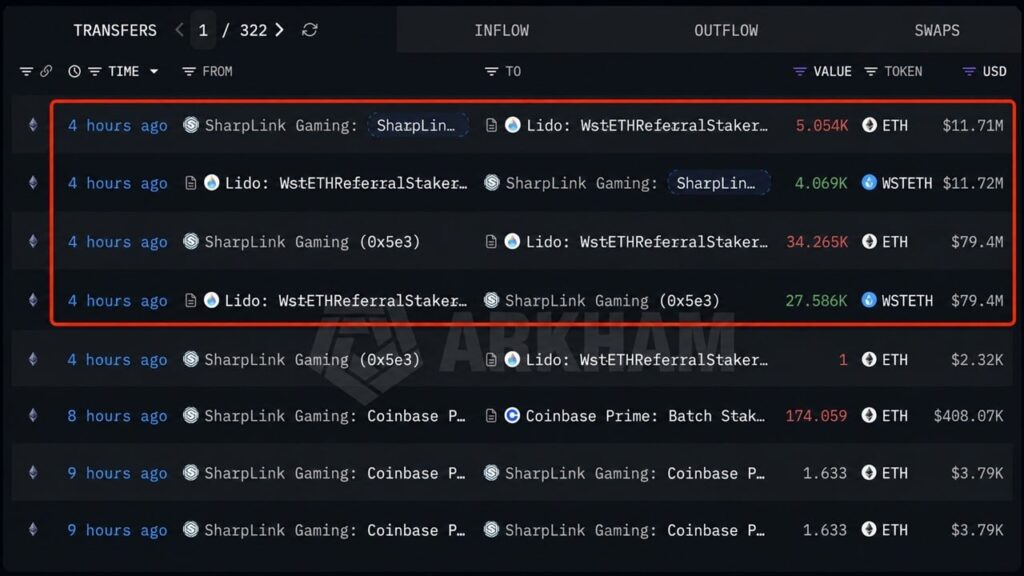
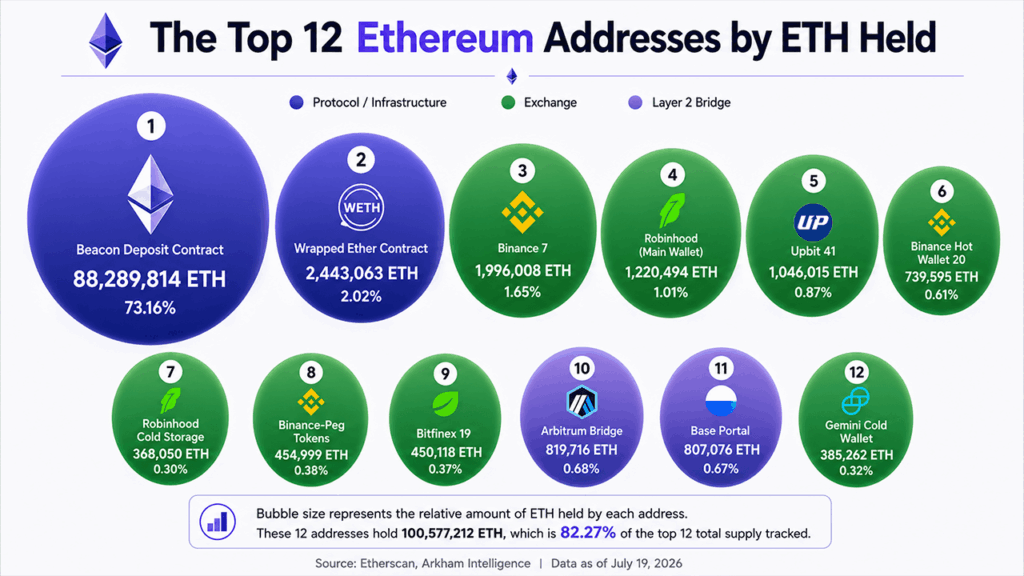
BitMine’s position at the top of the list follows its decision to build the world’s largest corporate Ethereum treasury. As of Aug. 16, the company held 5,815,164 ETH, 210 Bitcoin, $78 million in cash and marketable securities, and investments in Beast Industries and Eightco Holdings.
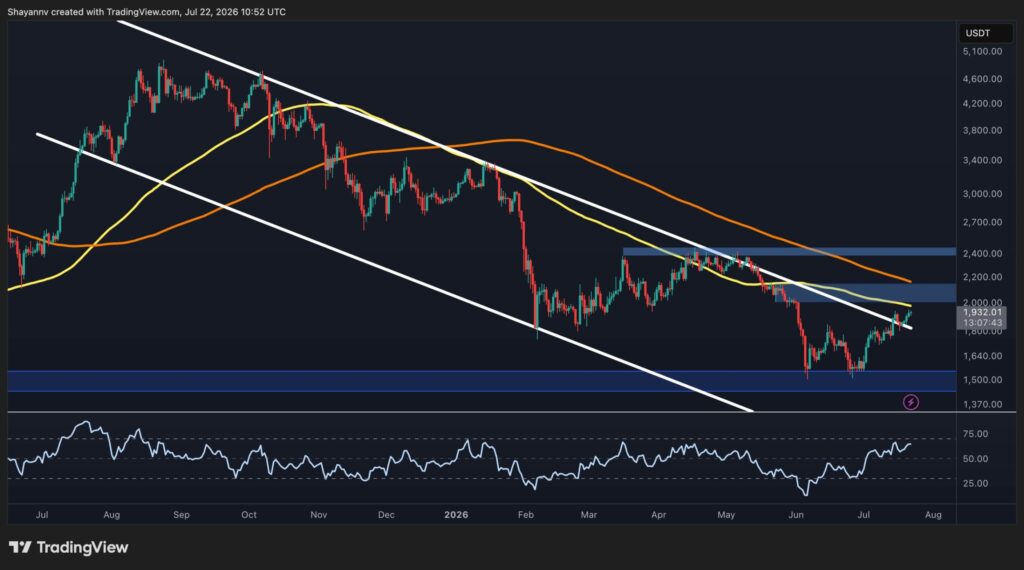
Using an ETH price of $1,893, BitMine valued its combined crypto, cash, securities and other investments at $11.4 billion. The company said its Ethereum position represented 4.8% of the token’s stated 120.7 million supply, placing it 96% of the way toward its target of owning 5%.
During the week ending Aug. 16, BitMine purchased another 9,926 ETH. The company has bought Ether every week since adopting its Ethereum treasury strategy on June 30, 2025, according to its latest update.
An Aug. 10 treasury update previously covered by crypto.news showed BitMine holding approximately 5.81 million ETH after another 7,391-token purchase. At that time, the company had also repurchased three million BMNR shares under a $4 billion authorization.
BitMine added another 1.7 million shares to its repurchases during the following week, taking the total since July to more than 20.8 million. Lee said management considered the common shares undervalued, although that assessment represents the company’s view rather than an independent valuation.
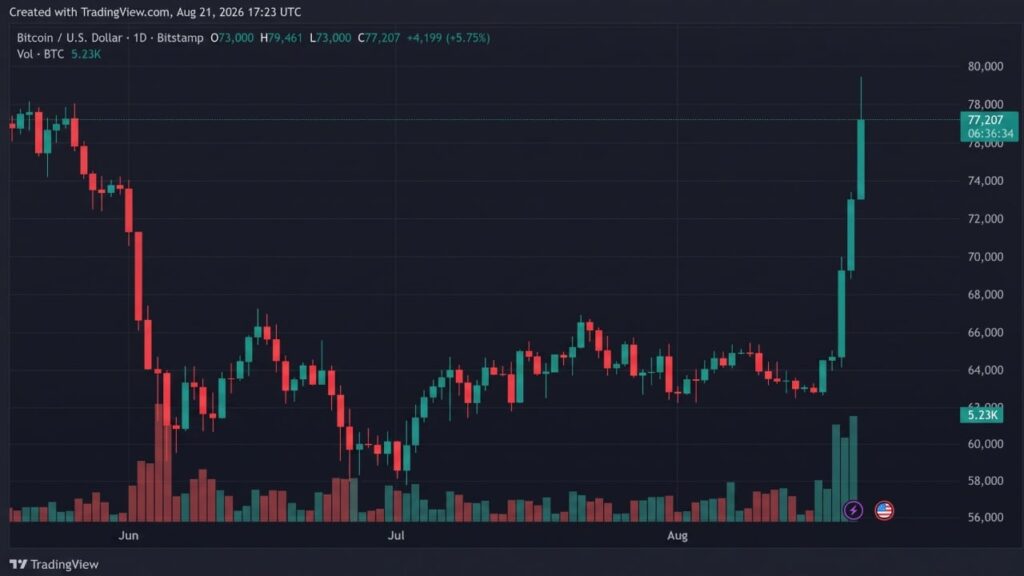
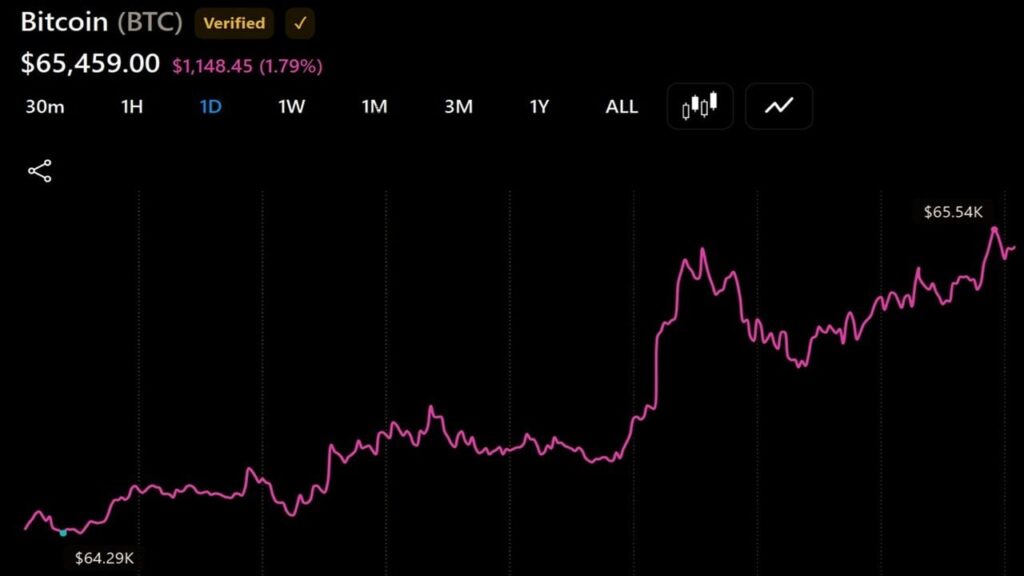
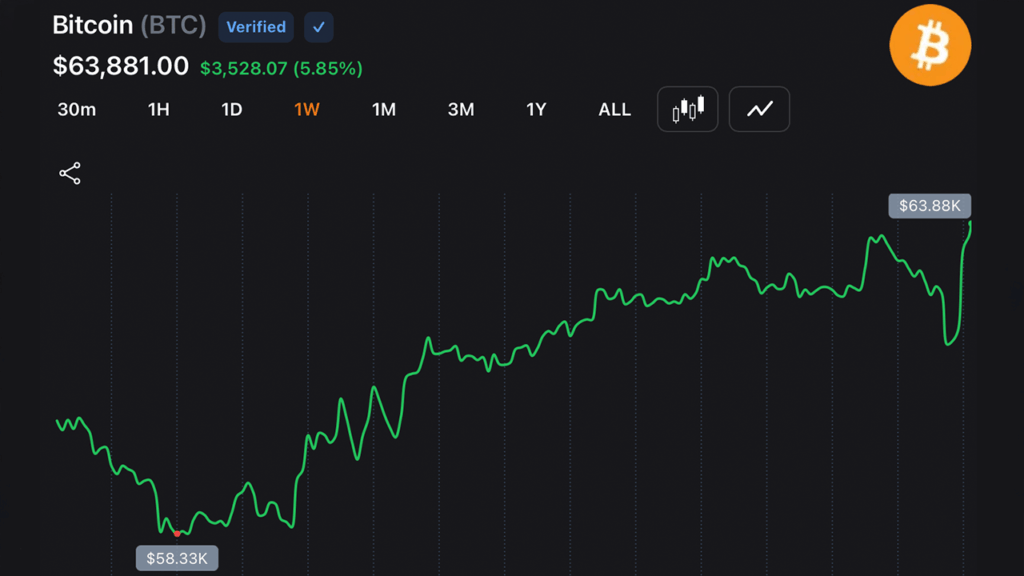
BMNR closed at about $22.72 on Aug. 21, gaining roughly 5.3% during the session. Coinbase rose around 7.5%, while Strategy added about 5.9%, as Bitcoin and several large altcoins advanced during the same trading period.
Ethereum staking has become central to BitMine’s model
Of BitMine’s 5.82 million ETH, 5,067,309 tokens were staked as of Aug. 16. The amount represented about 87% of the company’s Ethereum holdings and was valued at $9.6 billion using the price cited in its announcement.
Based on a seven-day annualized yield of 2.61%, BitMine projected around $250 million in annual staking revenue from the position. The company said potential annual rewards could reach $287 million after its remaining ETH is staked through its MAVAN platform and external partners.
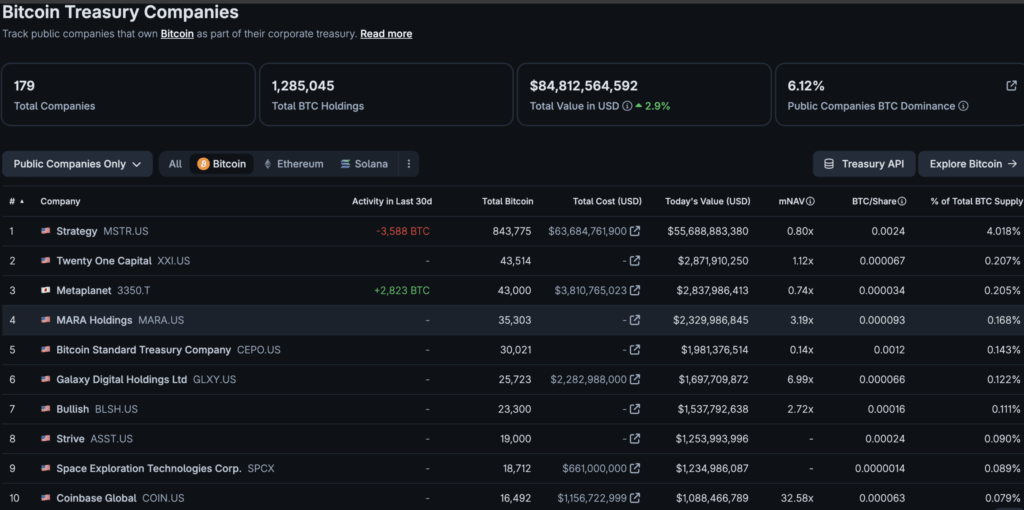
Staking gives BitMine a source of revenue that Strategy cannot generate from its Bitcoin holdings because Bitcoin does not use a proof-of-stake system. BitMine’s estimates, however, depend on Ethereum’s staking yield, ETH’s market price, validator performance and the amount of company-owned Ether placed into staking.
The company also joined the Russell 1000 large-cap index on June 26, giving US fund managers and benchmark-tracking products another route to obtain indirect Ethereum exposure. BMNR trades on the New York Stock Exchange, while its 9.5% Series A perpetual preferred stock trades under the ticker BMNP.
Compared with a spot Ethereum ETF, BMNR carries risks tied to its operating costs, capital decisions, share issuance, staking activity, and other investments. Its market value can also trade above or below the value of the ETH and other assets held on its balance sheet.
Tokenization supports Lee’s Ethereum thesis
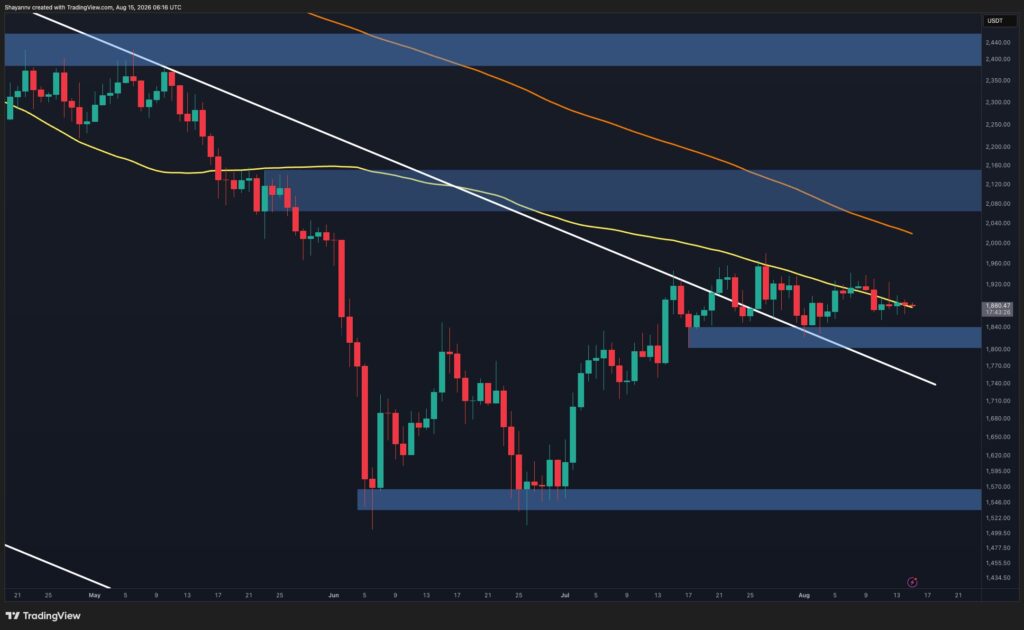
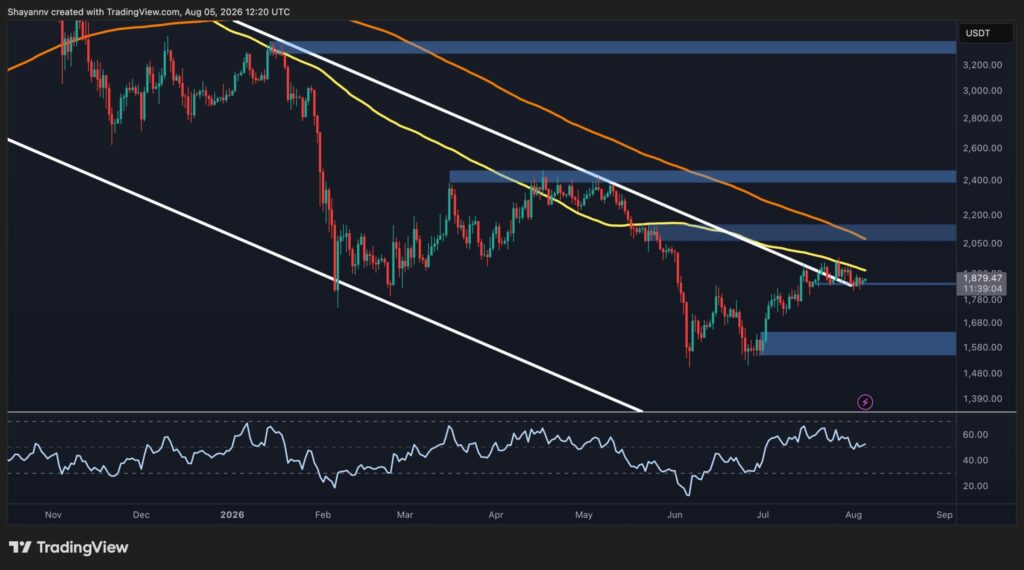
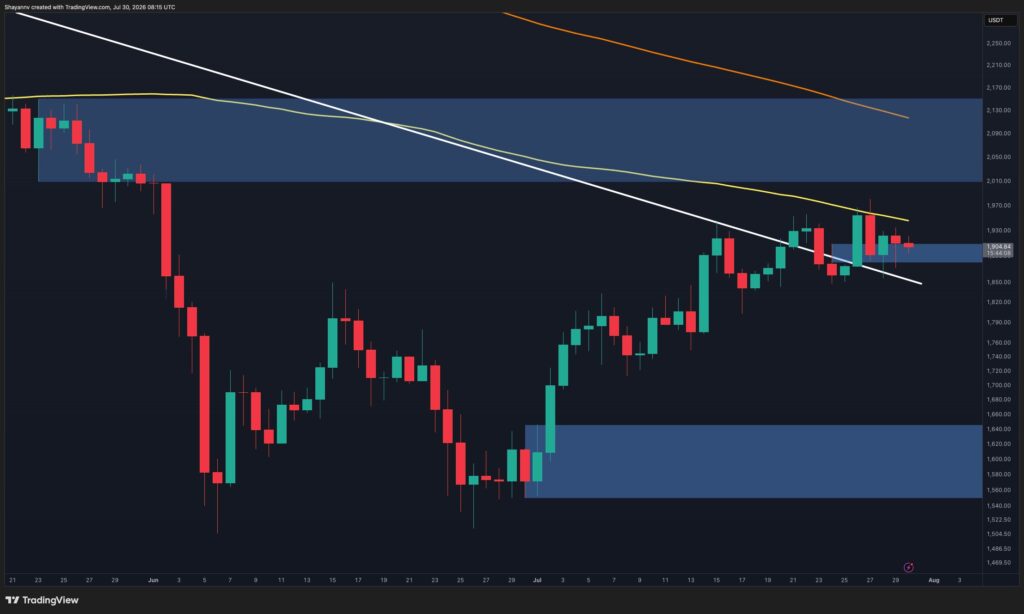
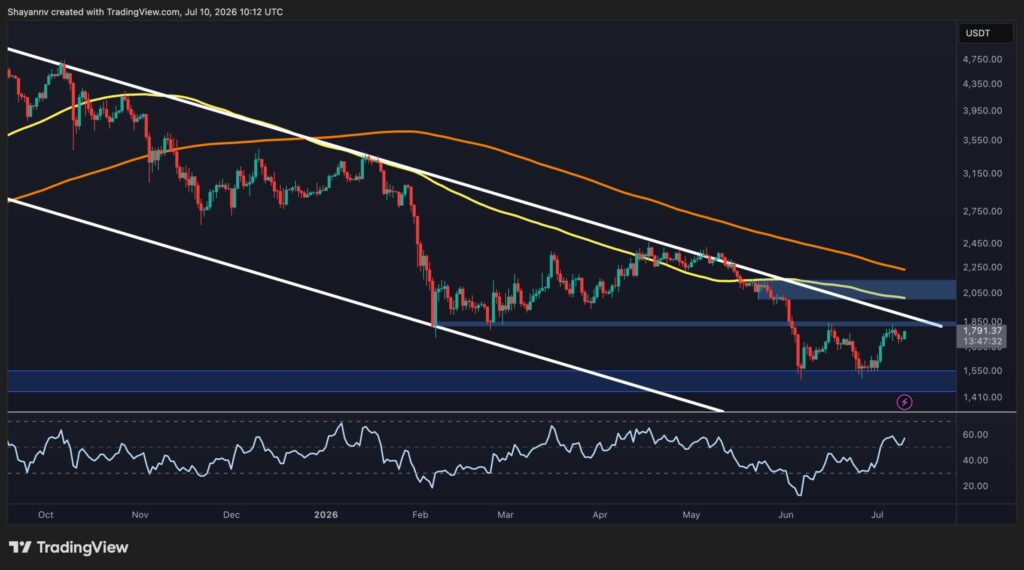
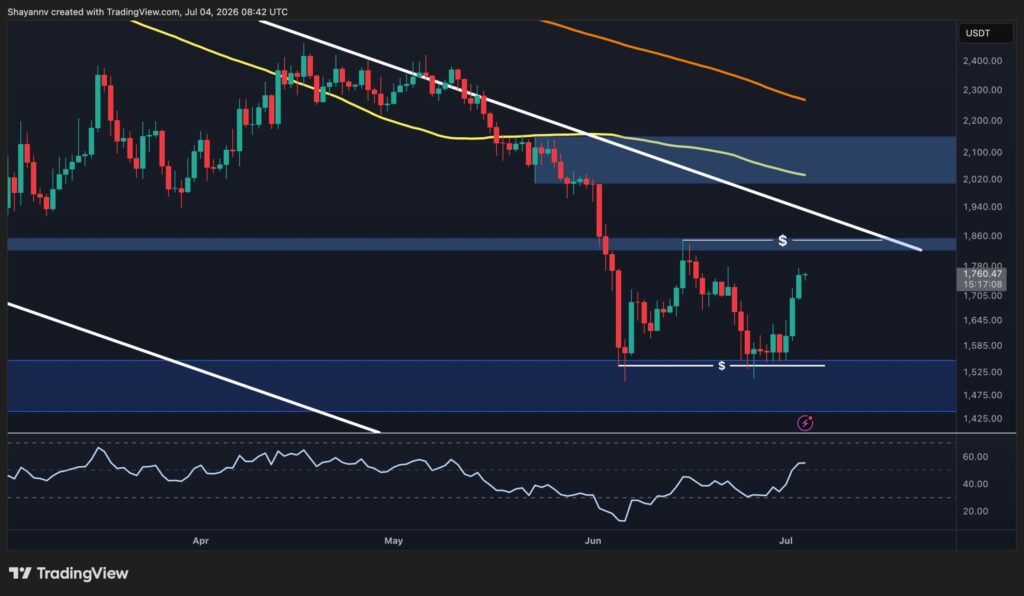
Lee has described tokenization as one of the main reasons Ethereum could gain against Bitcoin. In BitMine’s Aug. 17 update, he said the ETH/BTC ratio had risen to 0.02994 and moved above a long-running downward trend.
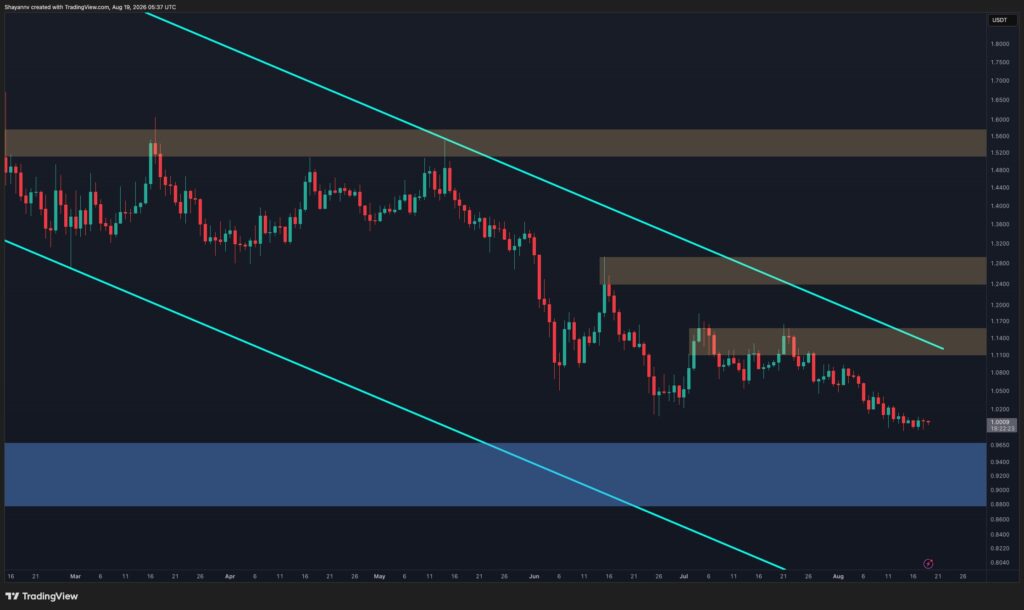
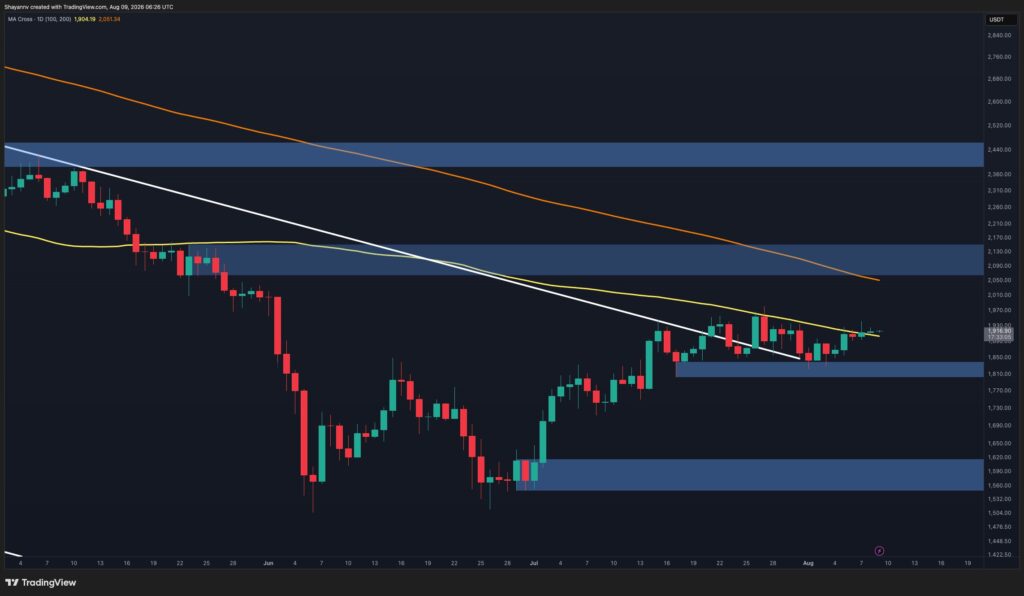
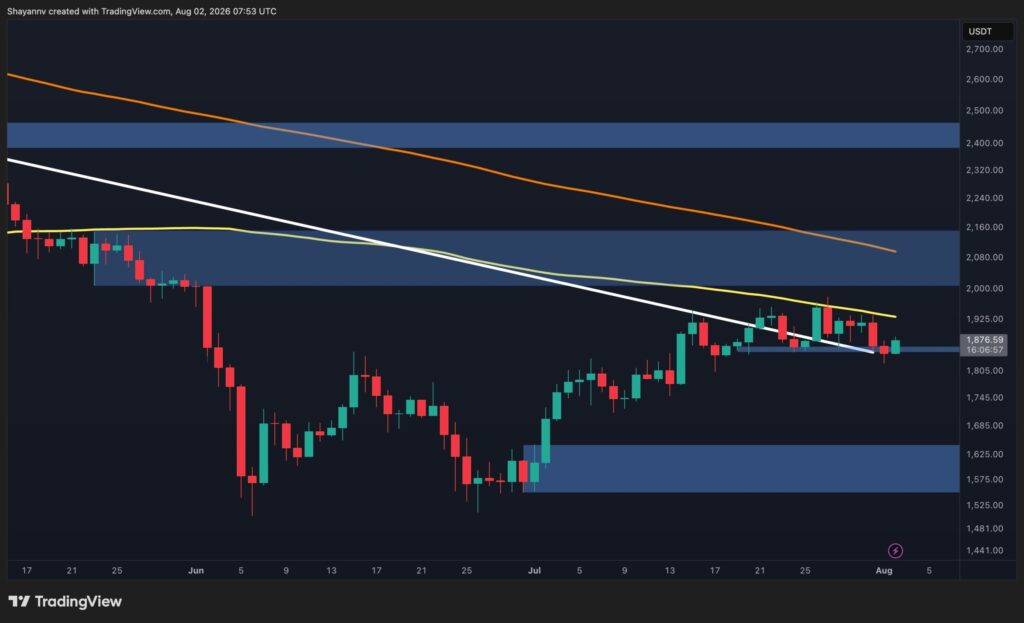
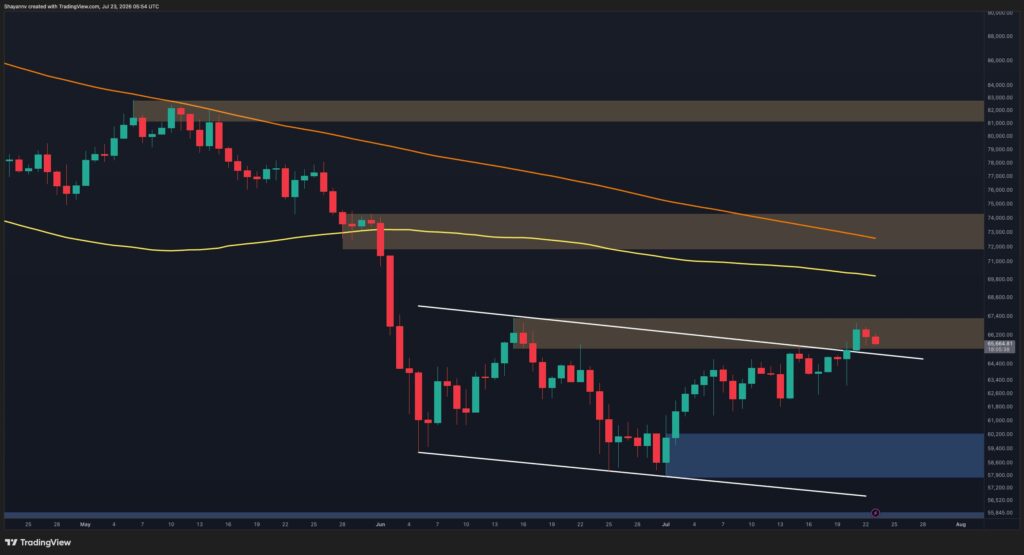
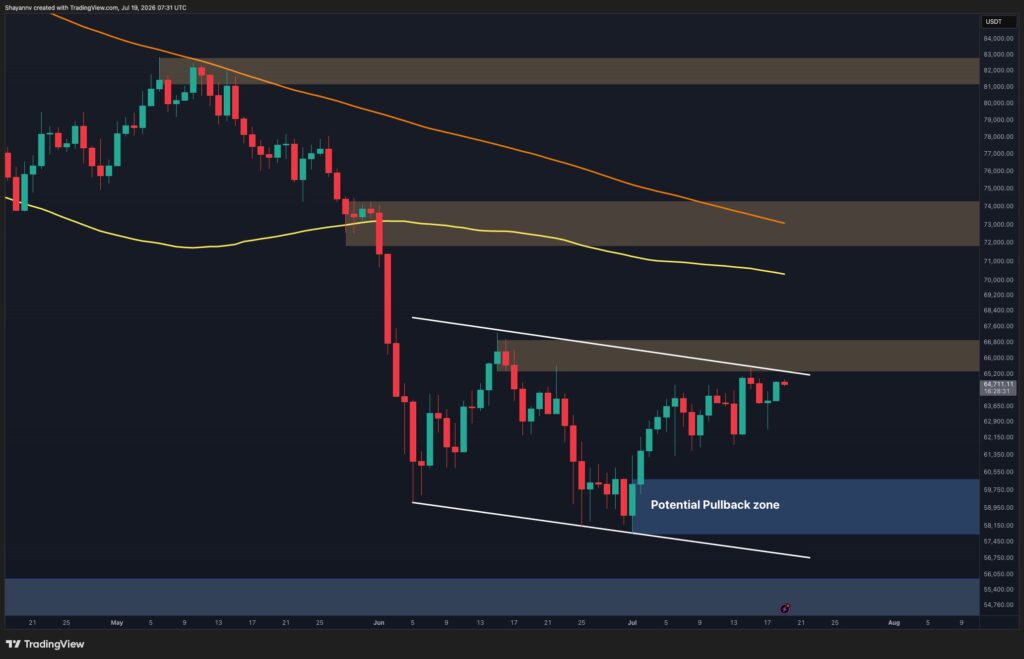
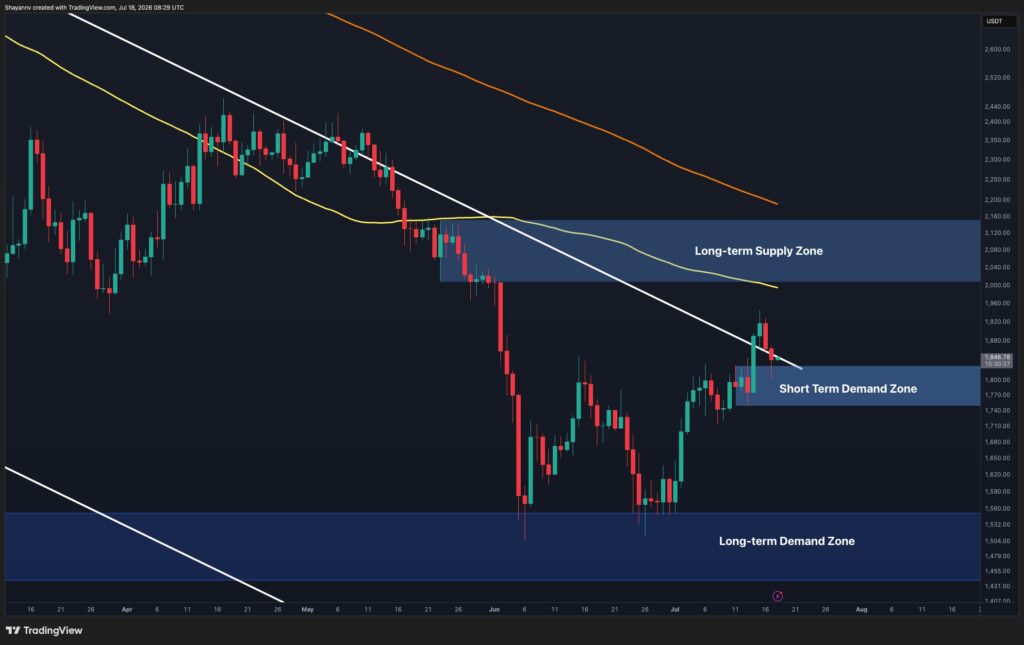
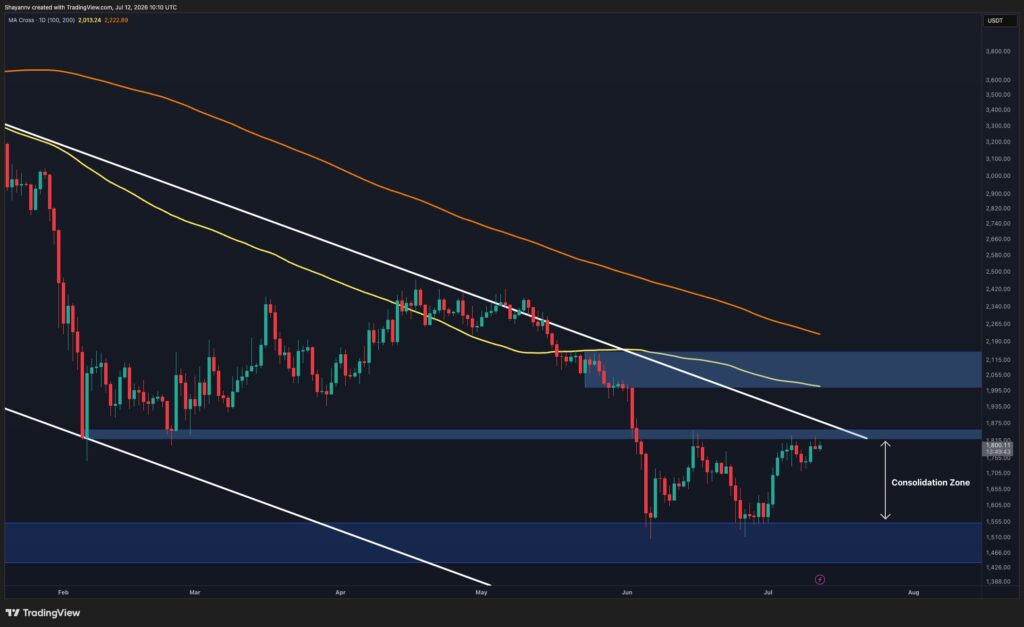
Earlier ETH/BTC analysis showed the ratio testing resistance near 0.0286 in July after recovering from an early June low around 0.026. The ratio measures how much Bitcoin one Ether can buy, so a rising reading indicates that ETH is gaining value against BTC.
According to Lee, Ethereum’s relative gains during earlier cycles were supported by initial coin offerings in 2017 and 2018, NFTs in 2020 and 2021, and stablecoin adoption in 2025. He expects Wall Street tokenization and blockchain-based AI agents to support the next period of ETH outperformance.
RWA.xyz data offered additional context for the tokenization argument. As of Aug. 21, the analytics platform tracked 2,267 real-world assets on Ethereum and $13.99 billion in RWA transfer volume over 30 days, an increase of 20.45%.
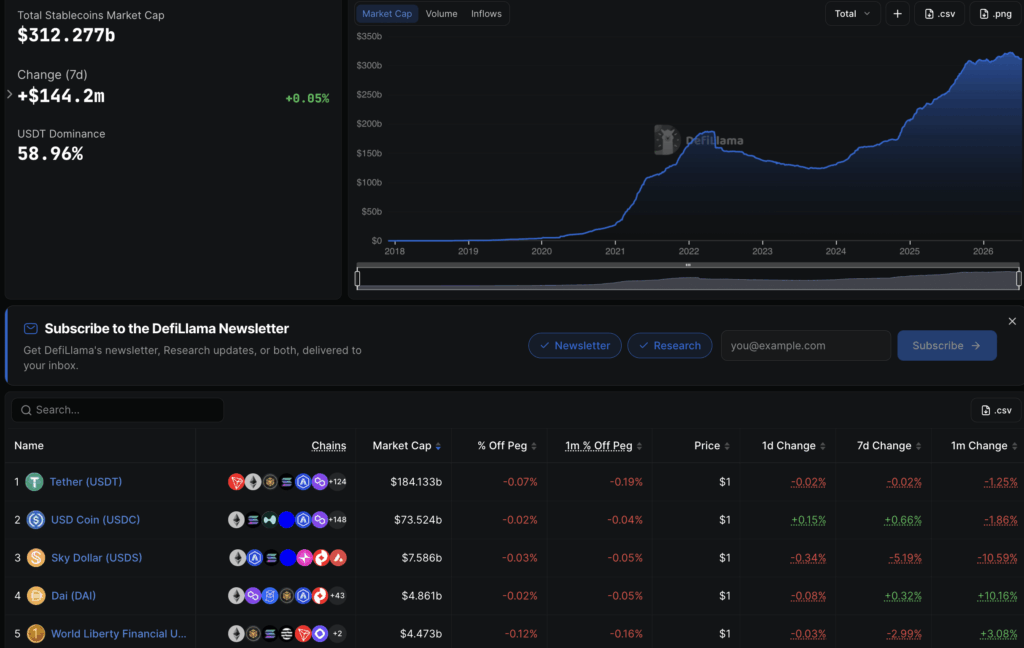
The same database placed the stablecoin market value on Ethereum at $157.11 billion, with 26.6 million holders and $1.55 trillion in 30-day transfer volume. Tokenized-asset platforms listed on the network included Ondo, Securitize, Circle, Tether, and Sky.
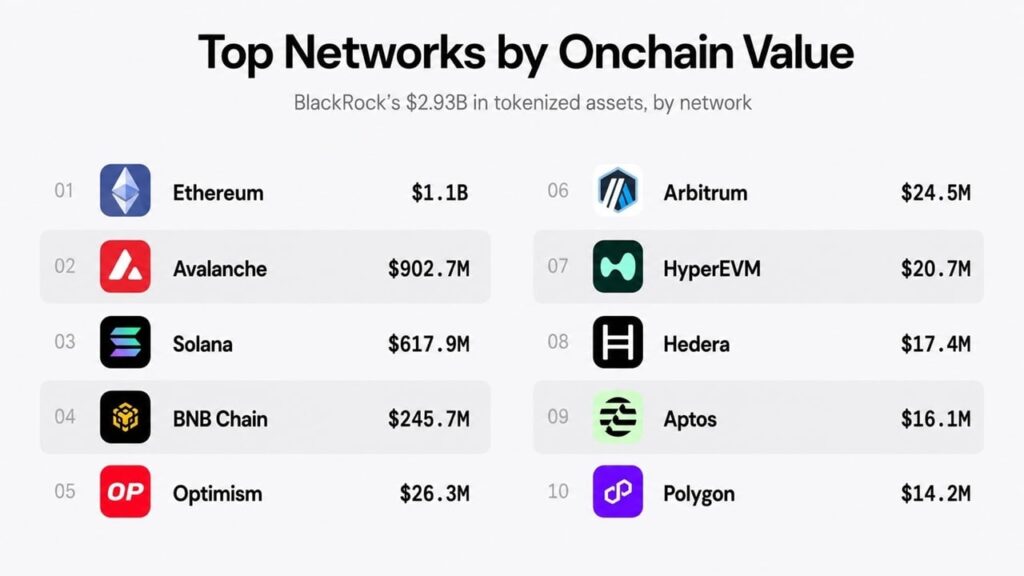
Wall Street involvement has also extended beyond companies holding ETH. BlackRock, JPMorgan, and several asset managers have developed or tested tokenized funds, collateral products, and settlement services that use Ethereum or networks compatible with its software.
US Ethereum ETFs show signs of institutional demand
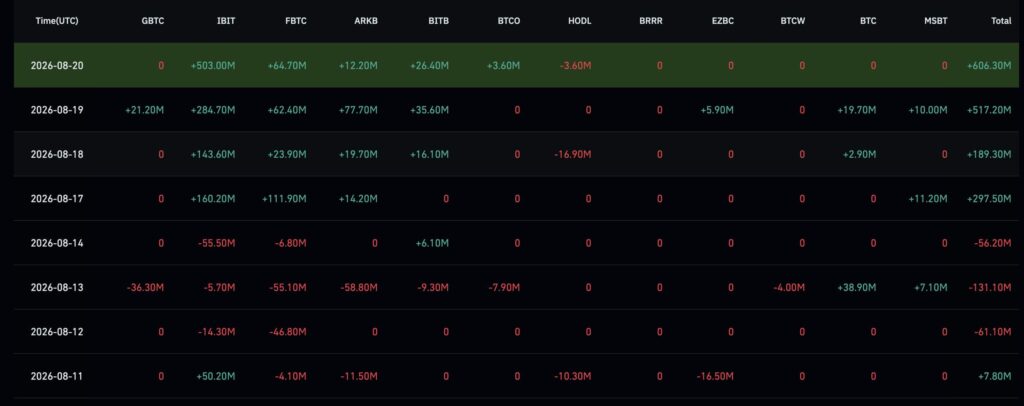
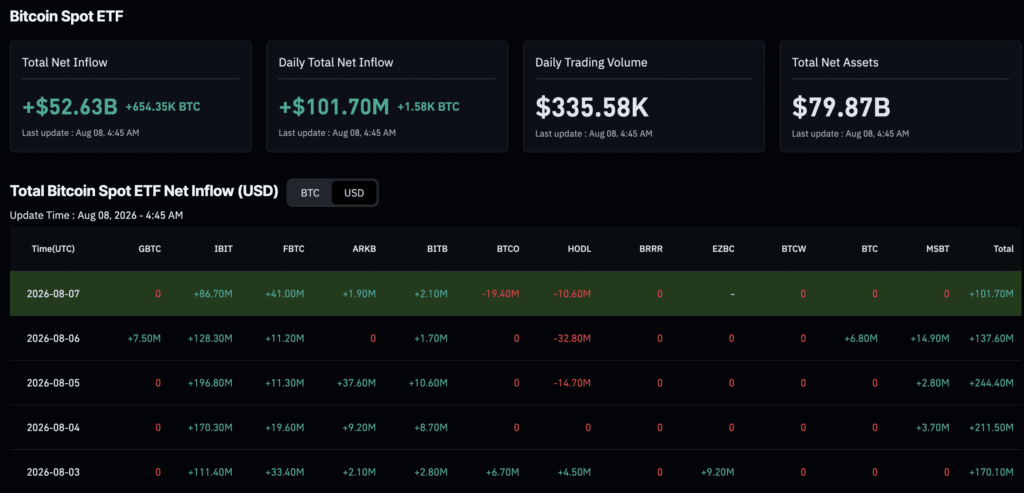
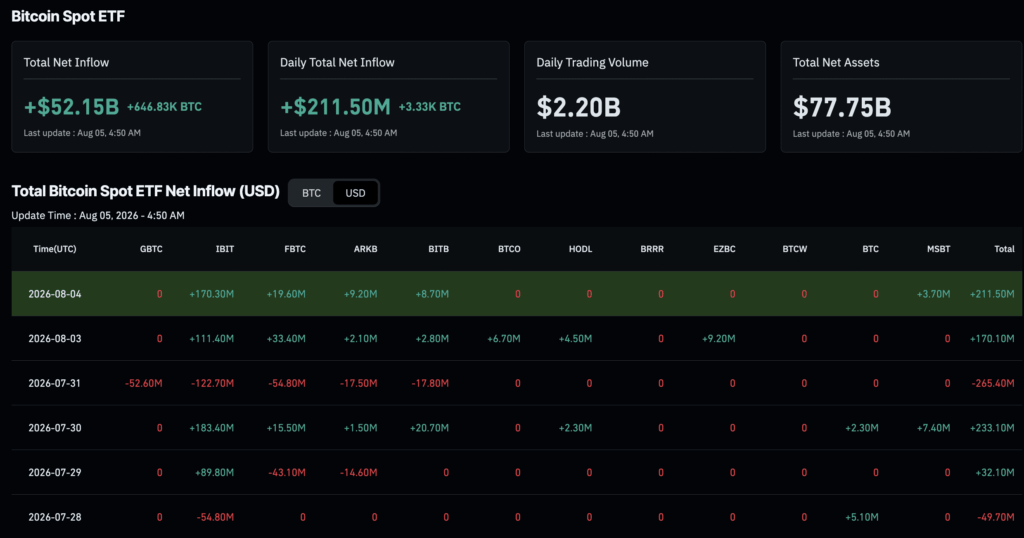
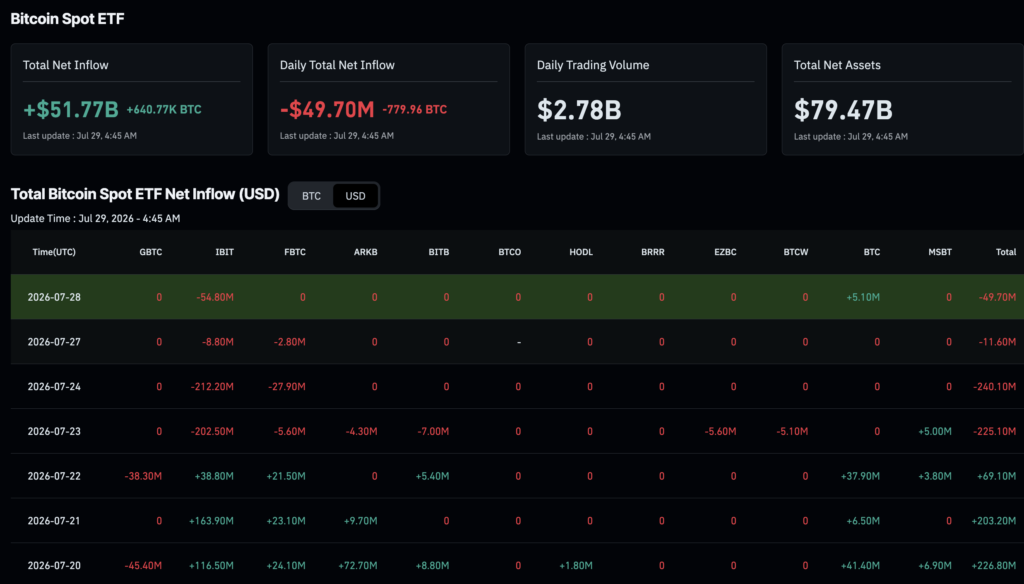
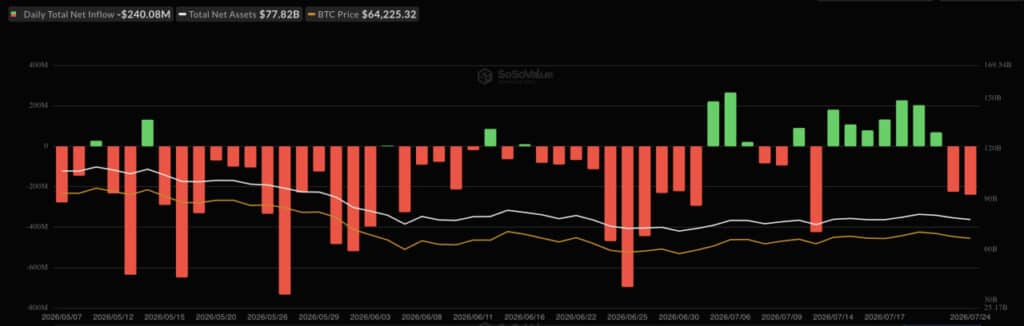
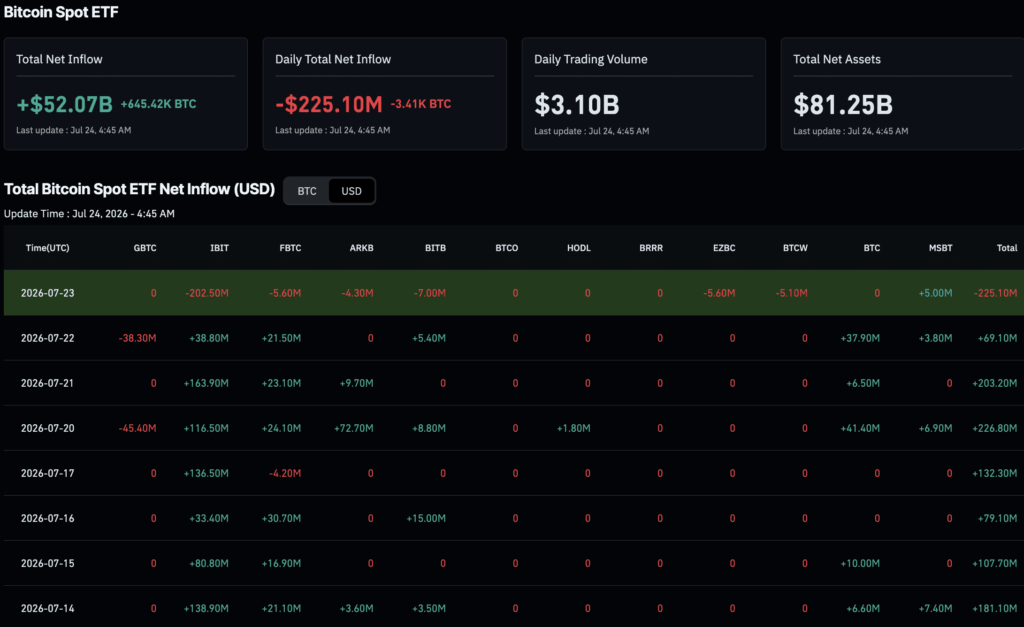
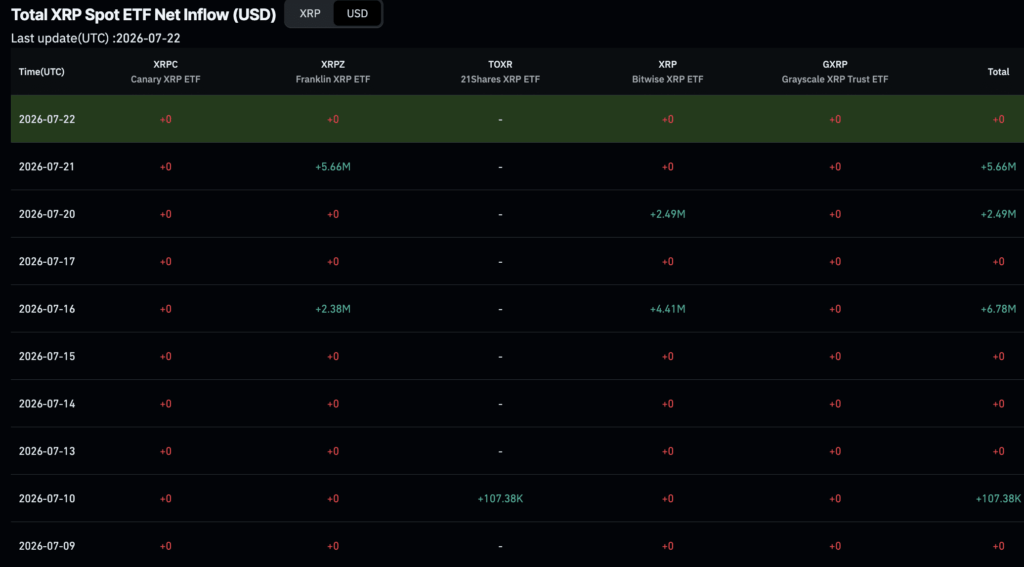
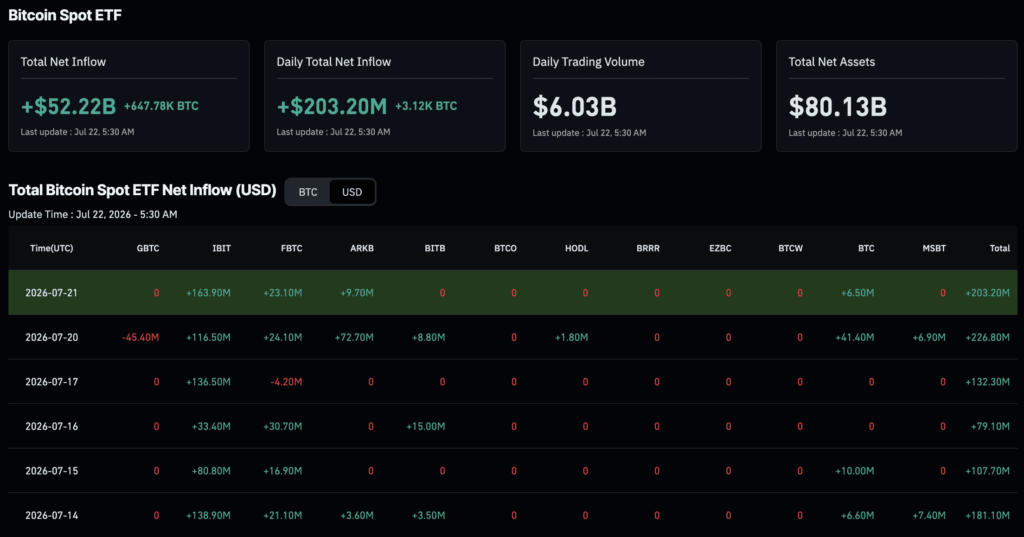
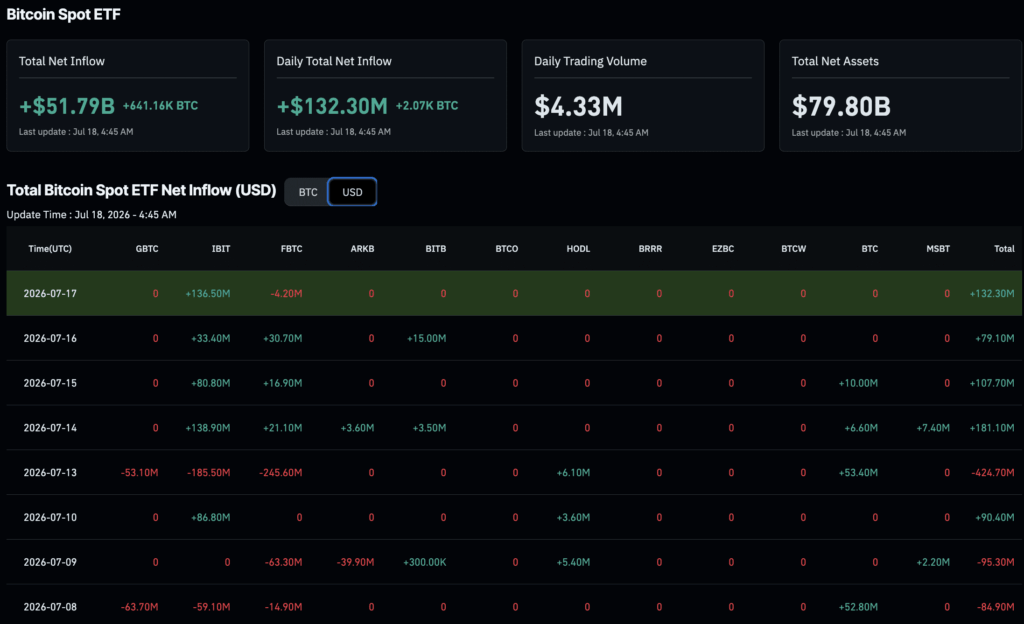
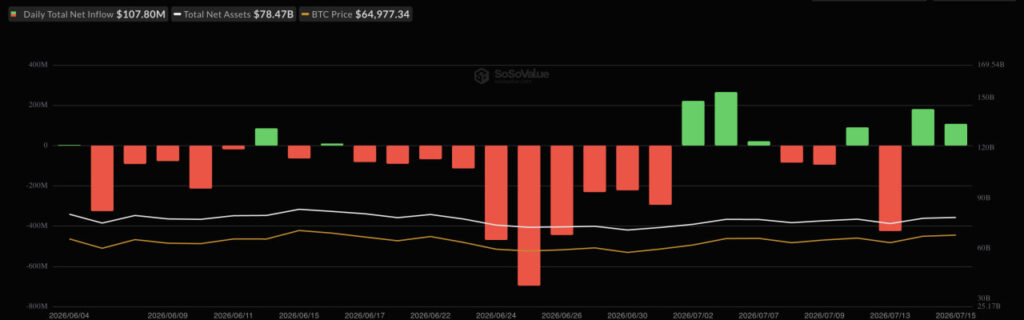
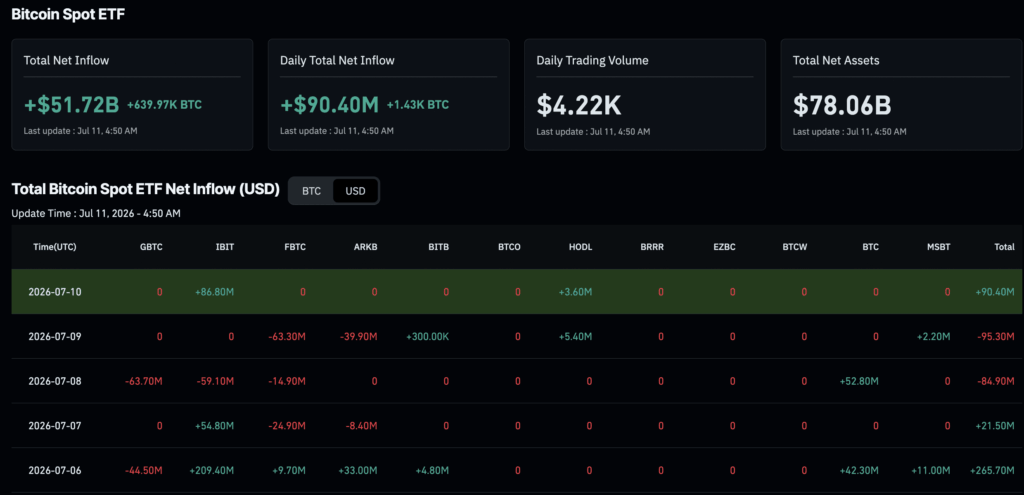
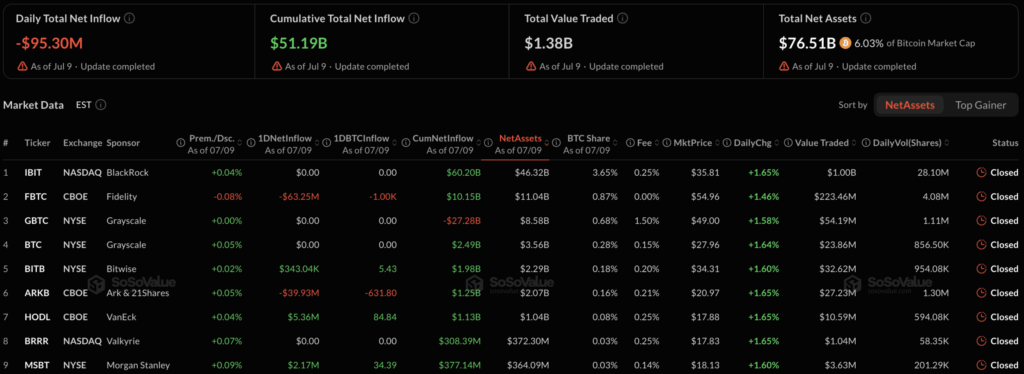
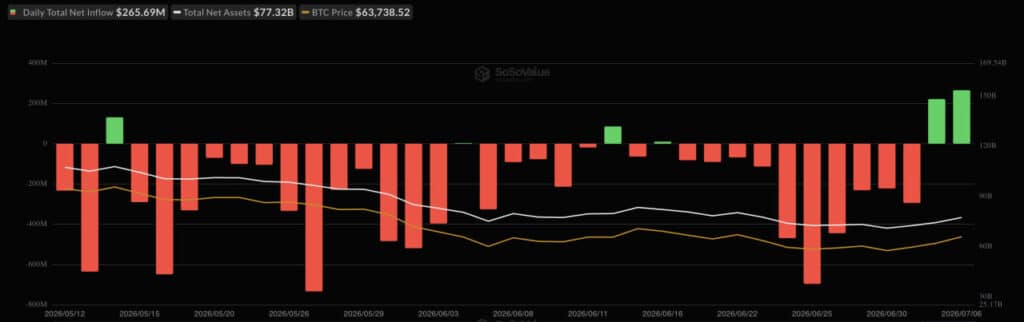
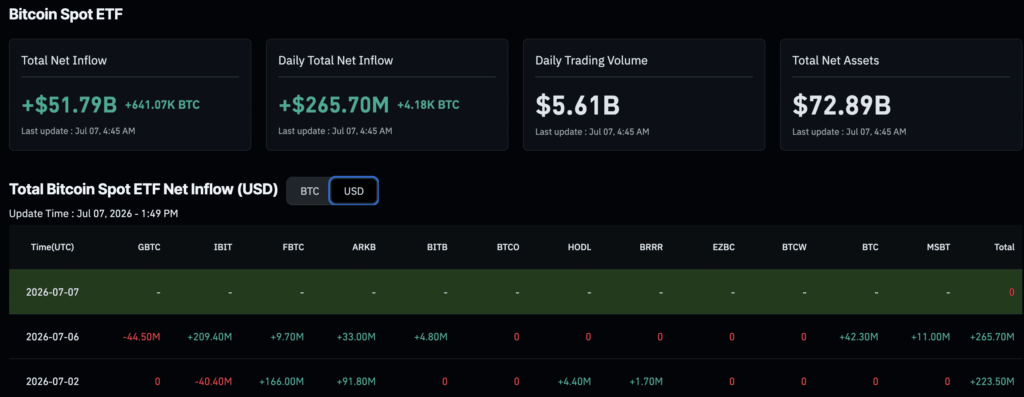
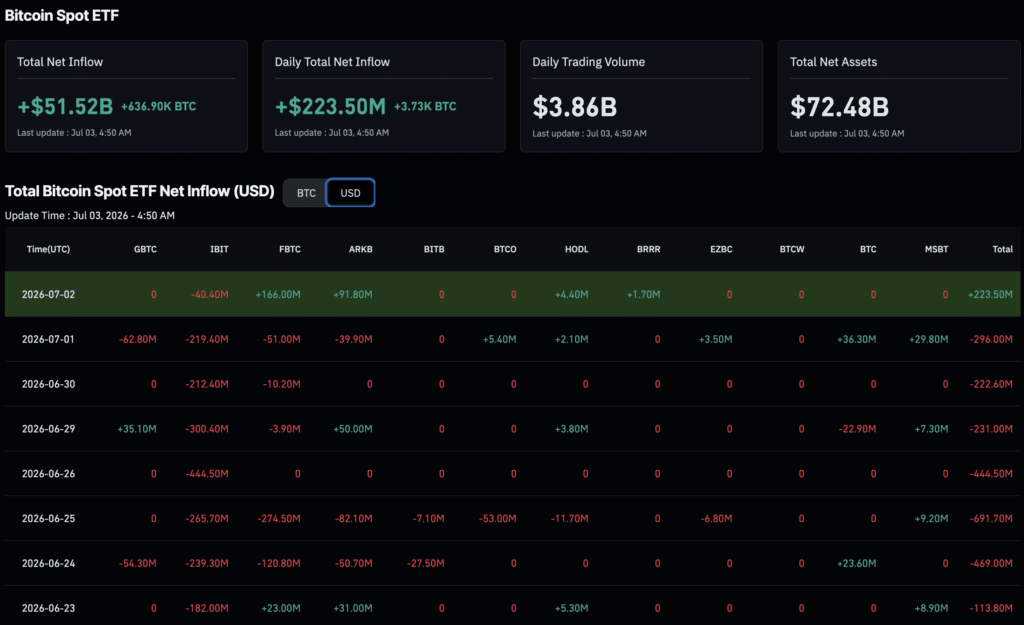
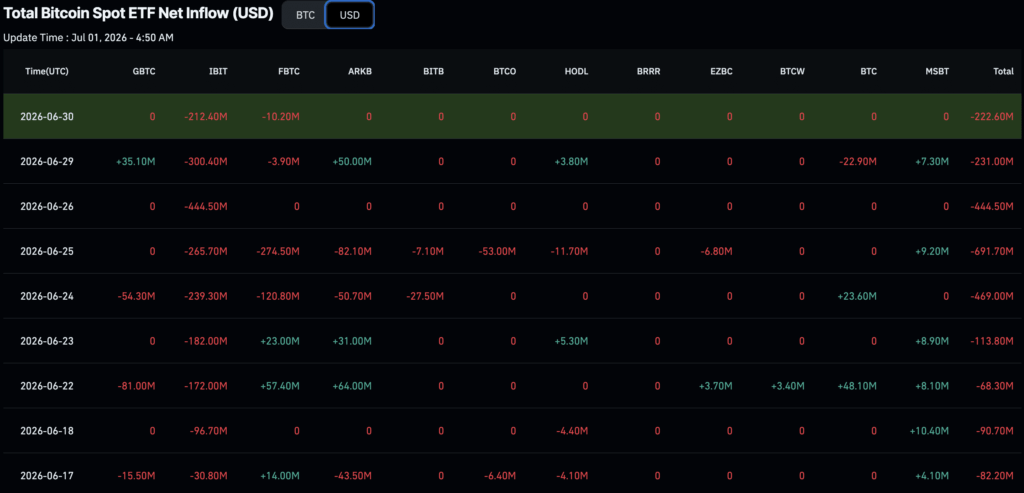
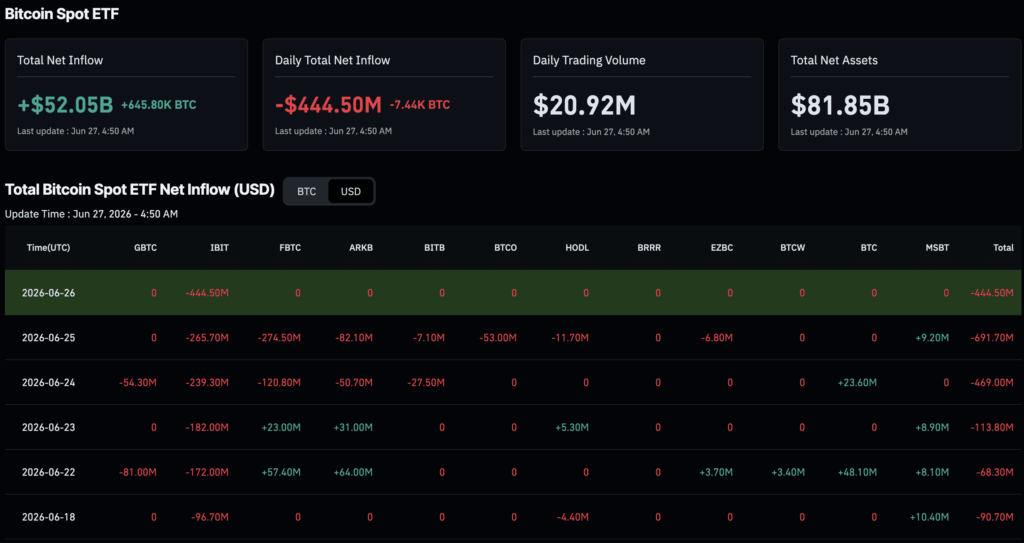
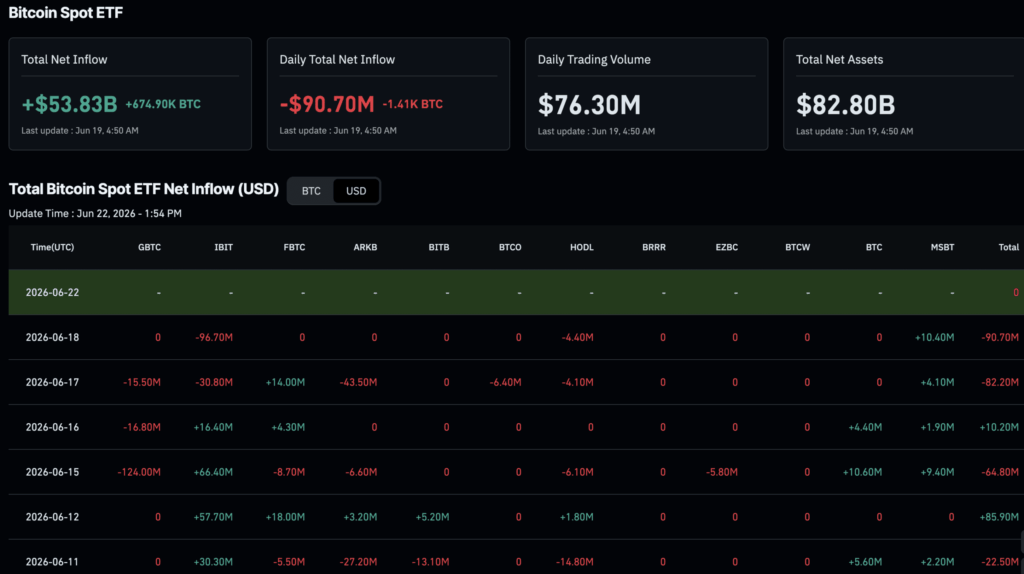
US-listed exchange-traded funds have provided another measure of demand from investors who prefer regulated brokerage products. Spot Ethereum ETFs attracted $365 million in net inflows during July, while spot Bitcoin ETFs received $205 million.
The July result was Ethereum funds’ strongest month on record and the first time their monthly inflows exceeded Bitcoin ETF inflows by more than two to one, according to a recent ETF flow review. On July 23, Ethereum products received $72.64 million, compared with $68.99 million for Bitcoin funds.
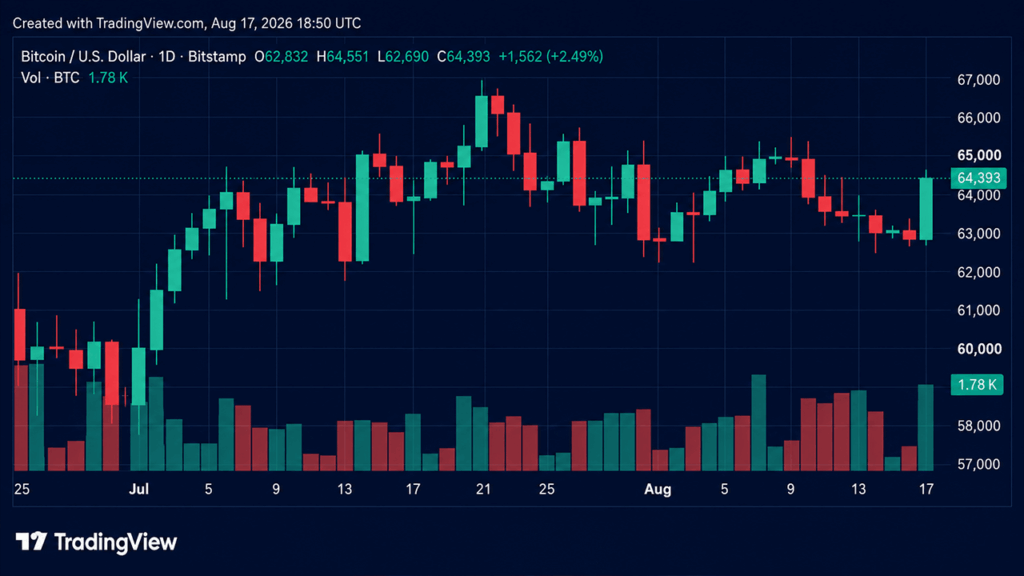
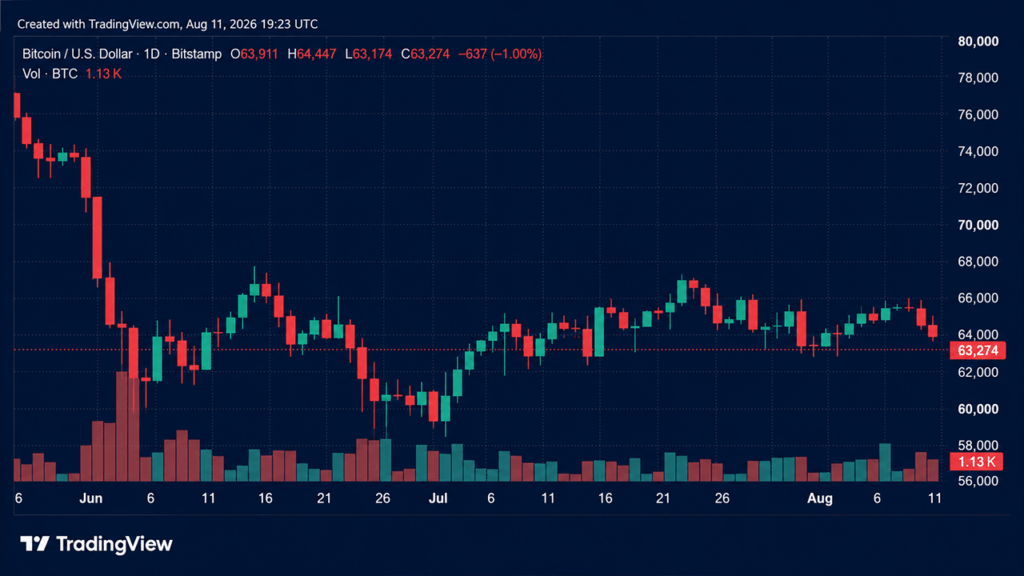
Ethereum ETFs added another $53.75 million on Aug. 4, followed by $202 million over the next three trading days. During July, the ETH/BTC ratio rose by about 11%, moving from roughly 0.027 to 0.030.
AI applications form the second part of Lee’s forecast. Ethereum.org says blockchain-based agents can control wallets, execute transactions, interact with smart contracts and use stablecoins to pay for computing resources, data and application access.
Ethereum.org also describes the technology as experimental and warns users to exercise caution. Agent activity does not guarantee demand for ETH because applications can use other blockchains, layer-2 networks, or off-chain payment systems.
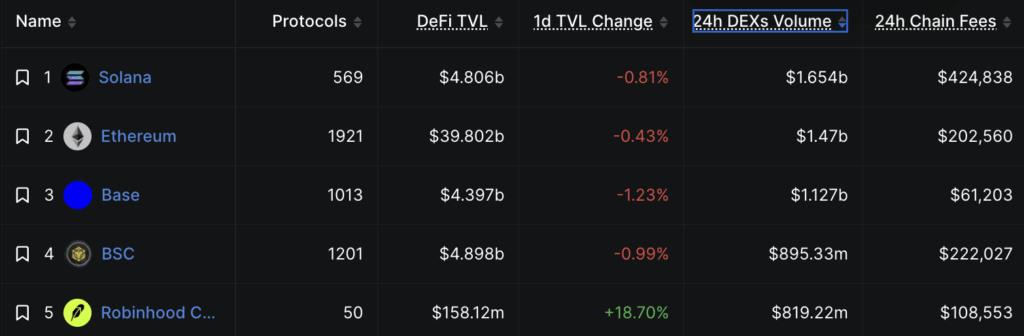
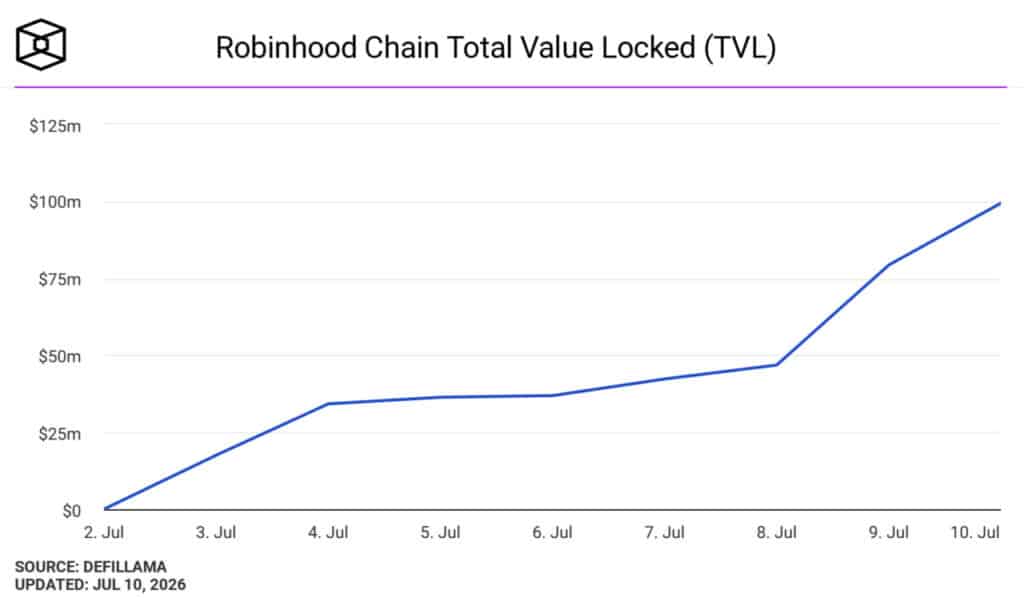
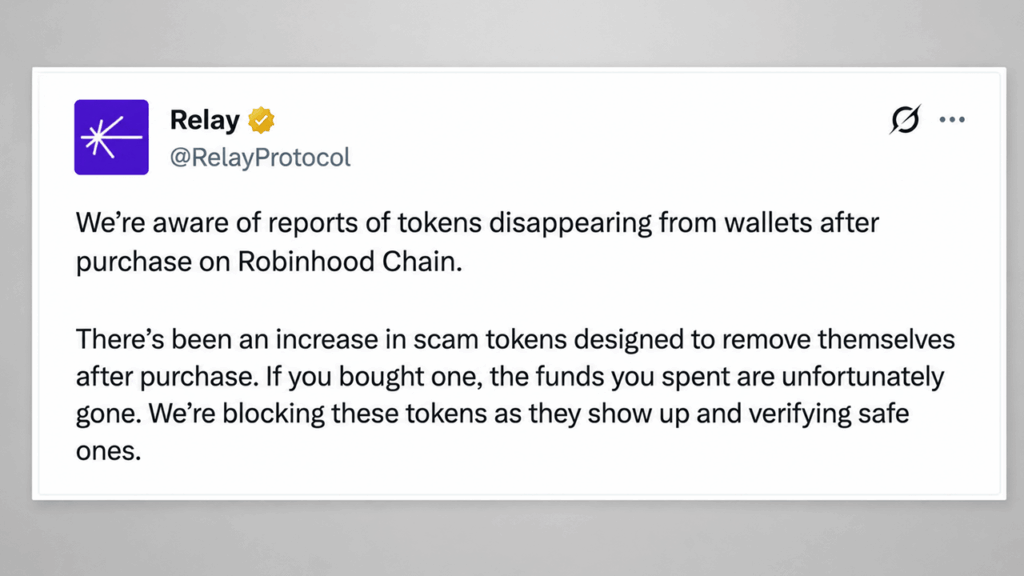
Lee has pointed to Robinhood Chain as one example of financial and blockchain services coming together. The Ethereum layer-2 network uses ETH for transaction fees and sends its final transaction records to Ethereum, while Robinhood reported 27.4 million funded customers at the end of the first quarter.
Within weeks of its July launch, the network had recorded almost $9 billion in cumulative decentralized-exchange volume, $431 million in locked assets and more than 250,000 daily active users, according to Robinhood Chain data. More than 80% of its early exchange volume came from memecoins, while temporary fee waivers reduced trading costs during the network’s first 90 days.