































































































































































































































































































































































































































































































































































































































































































































































































































































































































































































































































































































































































































































































































































































































































































































































































































































































































































































































































































































































































































































































































































































































































































































































































































































































































































































































































































































































































What Markets Can You Access Through a CFD Trading Account?


When starting out, most people envision trading on exchanges and buying stocks to hold long-term. However, the true potential of what can be achieved on one platform is much more. Forex, indices, commodities, cryptocurrencies, and government bonds are all available in a single location, and generally without having to change brokers or keep multiple accounts. That’s one of the reasons why traders like CFDs. It also means that there’s a lot of information that you have to learn before you can make sure that you’re going to do any of it.
This article will make traders familiar with the most prominent market segments offered by CFD providers, their unique characteristics and what traders should know before entering each segment.
The Structure Behind CFD Access – More Markets, One Account
It’s important to know why one CFD trading account can provide access to so many markets before diving into specific markets. In CFD trading, you never actually buy or sell the underlying asset but rather agree with an underlying contract with the broker to pay the difference in the price of the instrument when the trade takes place. Brokers can offer instruments across markets without the need for separate accounts and/or regulatory registration, or even different platforms, since there is no physical transfer of ownership.
This is also the advantage of traders being able to go long (profit from an increase in prices) or short (profit from a decrease in prices), which is less common in many asset classes with direct ownership. The downside is leverage, because CFDs are leveraged products; that means that profits (and losses) can be greater than the amount deposited. That is not just a little trick, but rather a fundamental aspect that influences the behavior of these instruments.
Forex: Volume, Liquidity and Almost Non-Stop Trading
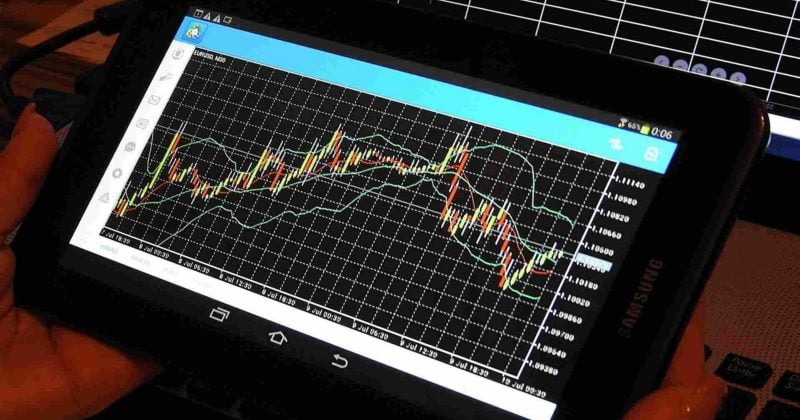
The most popular market in the CFD industry is the foreign exchange market. The 2025 Triennial Central Bank Survey by the Bank for International Settlements (BIS) found that, on average, the daily forex trading volume in the global forex market is around $9.6 trillion. This volume adds up to deep liquidity, tight spreads on the main pairs and trading five days a week.
The majority of CFD trading platforms provide three levels of currency pairs:
- Major Pairs – The most traded pairs across the world (EUR/USD, USD/JPY, GBP/USD, etc.)
- Minor pairs – which do not contain the USD, such as EUR/GBP or AUD/NZD
- Exotic pairs – pairs of currencies from emerging markets, which tend to have wider spreads and more unpredictable price movements
Forex CFDs are highly sensitive to macroeconomic data outlooks, such as central bank announcements, inflation reports, and employment figures. That responsiveness can present opportunities; it can also result in situations changing rapidly.
CFDs: Stocks Without Ownership
Equity CFDs offer the opportunity to speculate about stock price movements without taking ownership of the stocks. However, no shares are given to you and dividend treatment differs: some brokers calculate cash adjustments to open positions when a company pays a dividend, but this varies depending on the platform.
Large-Cap and Blue-Chip Stocks
Most platforms offer trading in popular stocks on major exchanges, such as the NASDAQ, NYSE, London Stock Exchange, Frankfurt, and others. These generally have smaller spreads and are easier to execute than smaller instruments.
International and Emerging Market Equities
Some brokers offer trades on stocks from Asian, Latin American and Eastern European exchanges. The range is widely diversified from provider to provider. These instruments usually have low liquidity, which is reflected in spreads.
ETF-Based CFDs
There are some that provide CFDs on exchange-traded funds, which represent a group of companies that trade around a certain theme, such as technology, clean energy or a geographic area. These are a sort of “halfway house” between single-stock exposure and index exposure.
Index CFDs: Broad Access to the Entire Market In One Single Instrument
Among all the CFD instruments traded, stock indexes are one of the most popular. Instead of trying to select a company, an index CFD will track the group of stocks in the index, typically weighted by market capitalization.
Major Global Indices
The instruments linked to the S&P 500, Dow Jones Industrial Average, NASDAQ 100, FTSE 100, DAX 40 and Nikkei 225 are almost ubiquitous on any CFD platform. These have tight spreads and regular liquidity and are usually good points to get into a larger market exposure.
Regional and Sector-Specific Indices
In addition to the big names, brokers often provide regional indexes such as the Eurostoxx 50, ASX 200, and the Hang Seng. There are other indexes that have a more intermediate level of focus, such as sector indexes that concentrate on an industry, like semiconductors, financials, and utilities.
Commodities: Energy, Metals, and Agricultural Markets
Commodity CFDs span a vast array of physical products, and the distinctions between the segments have a much wider impact in practice than they do in theory.
Commodity prices are very sensitive to the fundamentals of supply and demand, including weather, geopolitical events, seasonal trends, and policies of leading commodity producers or organizations. This is quite different from the nature of commodity markets compared to currency or equity markets.
Energy Markets
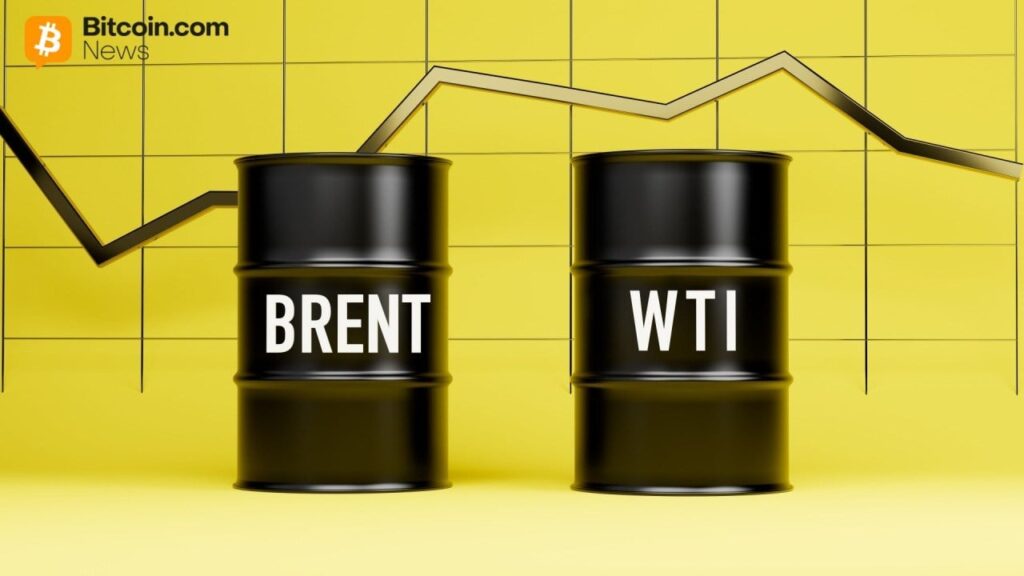
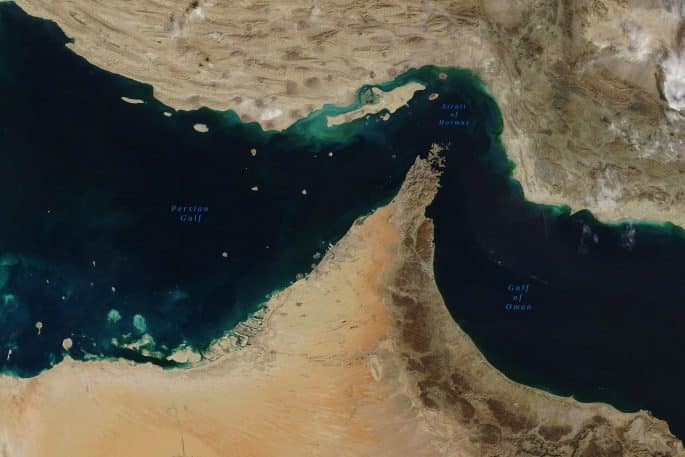
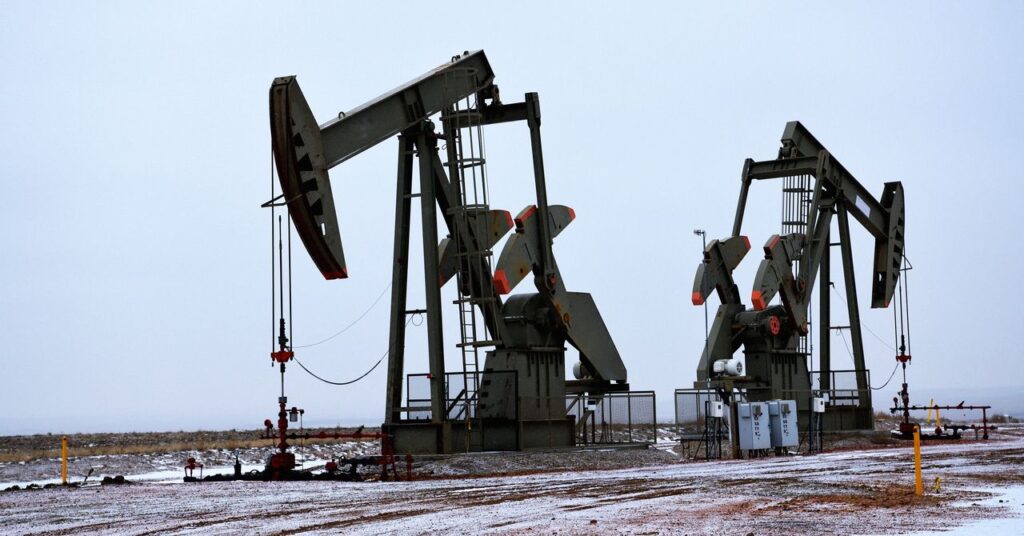
Some of the most popular commodity CFDs are those of crude oil (WTI and Brent benchmarks) and natural gas. These markets are price-sensitive to OPEC+ production changes, seasonal demand and geopolitical risks in major producing areas.
Precious Metals
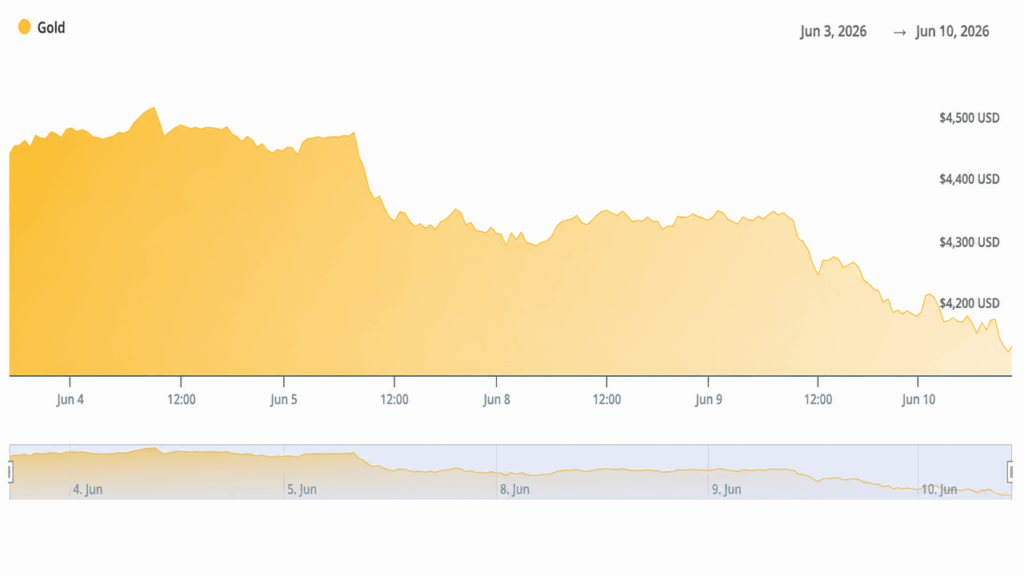
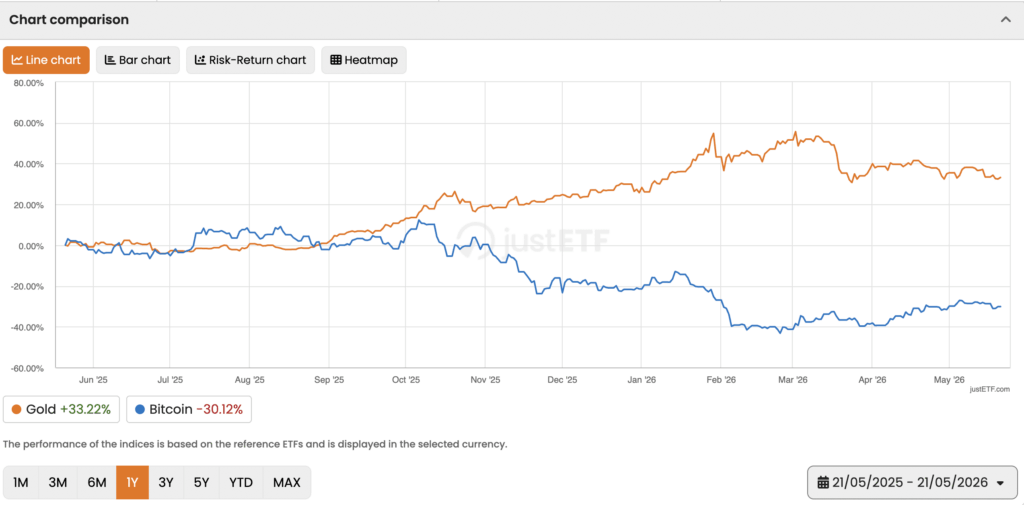
The most popular CFD trading metals are gold and silver. When people talk about a store of value during times of economic turmoil, they tend to bring up gold, but it should be noted that not only can gold’s price swing wildly, but it isn’t necessarily to increase in times of economic stress. Platinum and palladium are also available on some platforms.
Industrial Metals
Copper, Aluminium and Nickel seem to be present throughout different platforms. Copper is closely monitored as an indicator of global industrial activity, and its consumption is linked to construction, manufacturing, and the expansion of infrastructure for electric vehicles and renewable energy.
Agricultural Commodities
Wheat, corn, soybeans, and sugar are available on some brokers – availability and liquidity vary widely. These markets are influenced by weather, USDA crop reports, and trade policy. The spreads are wider, and during seasonal reports, prices can fluctuate.
Commodity ETF CFDs
Some platforms have CFDs that offer indirect exposure to commodities without the futures instrument itself, such as with commodity-focused ETFs, gold, oil or agricultural baskets. They can offer an alternative avenue for those traders who are looking to gain commodity exposure but find futures contracts too complicated.
Cryptocurrency CFDs: Digital Assets in a Regulated Environment
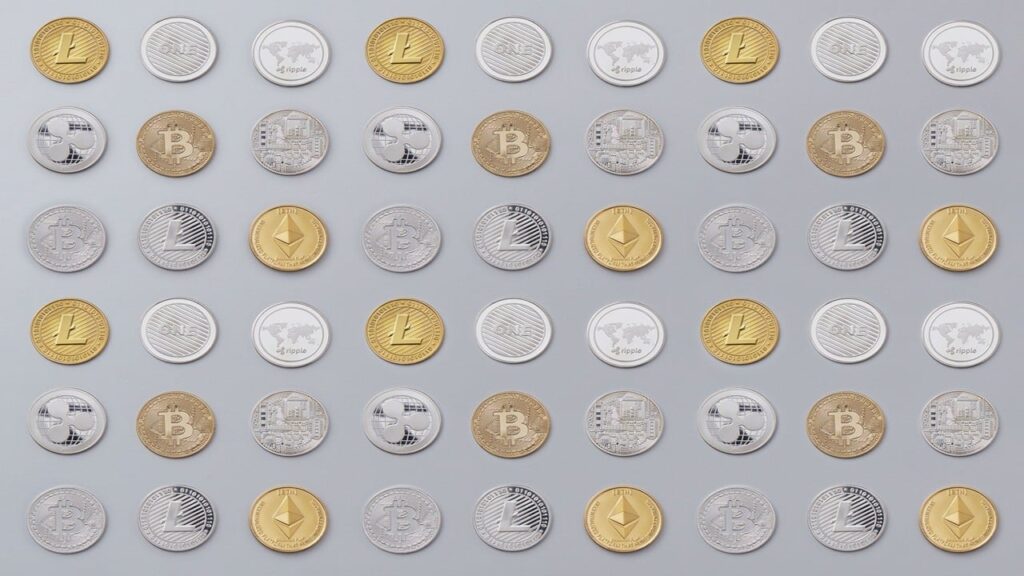
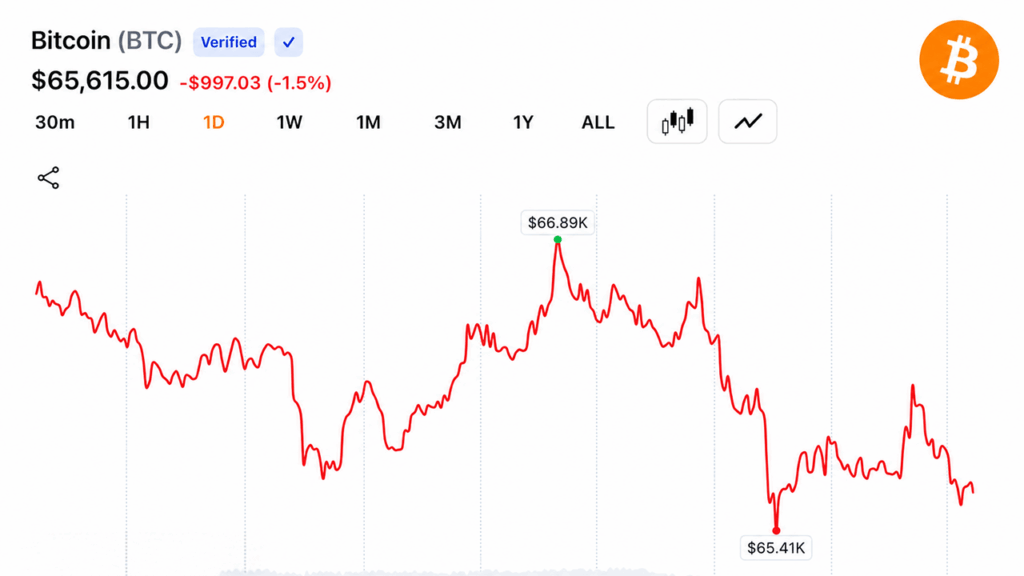
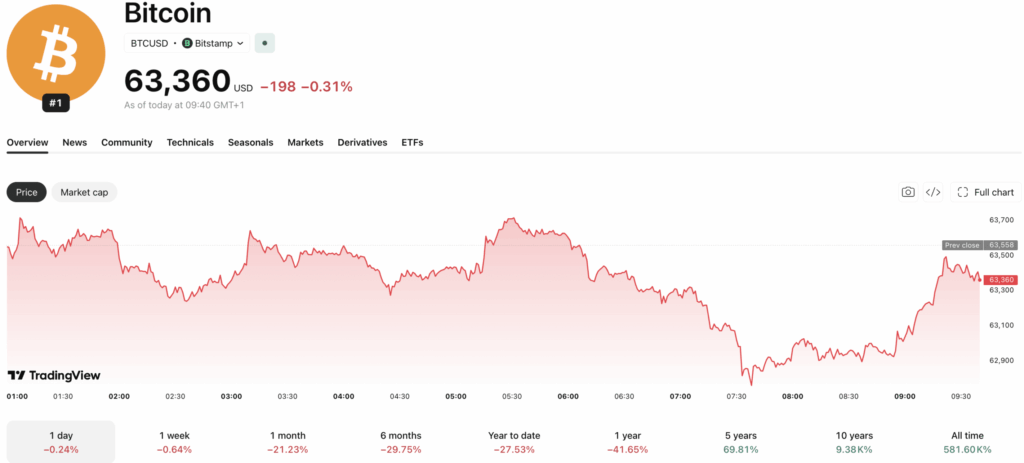
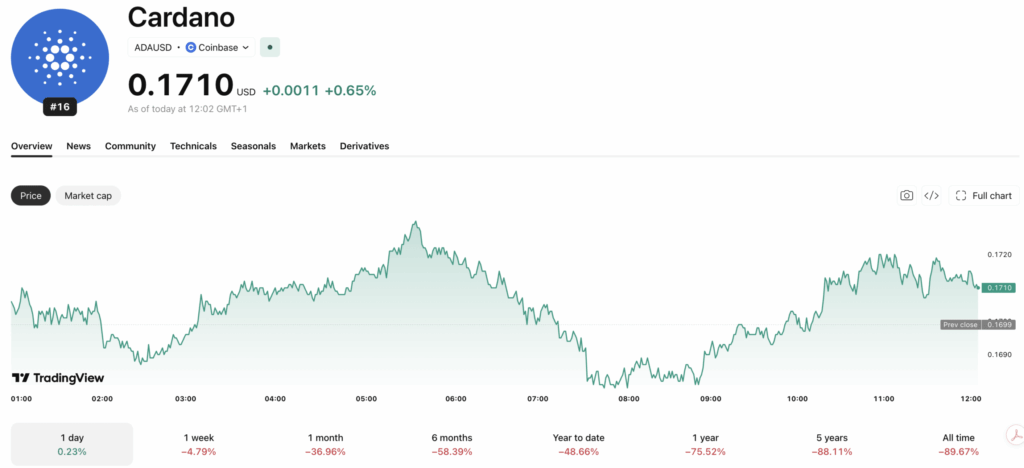
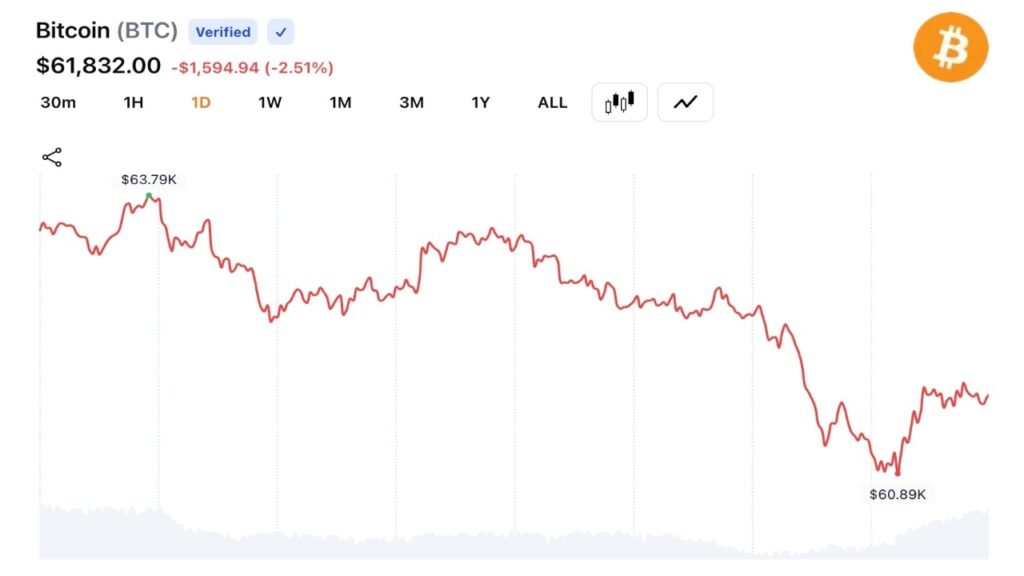
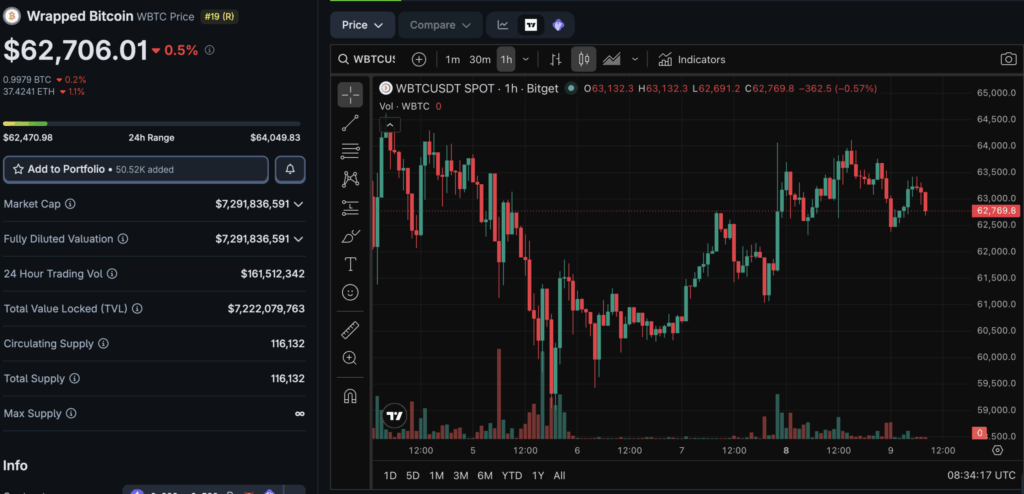
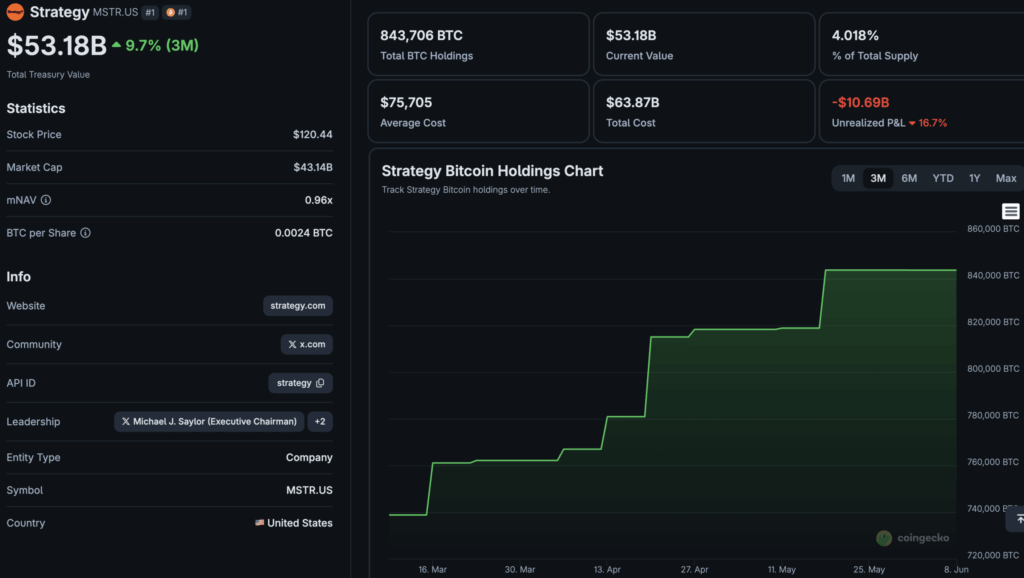
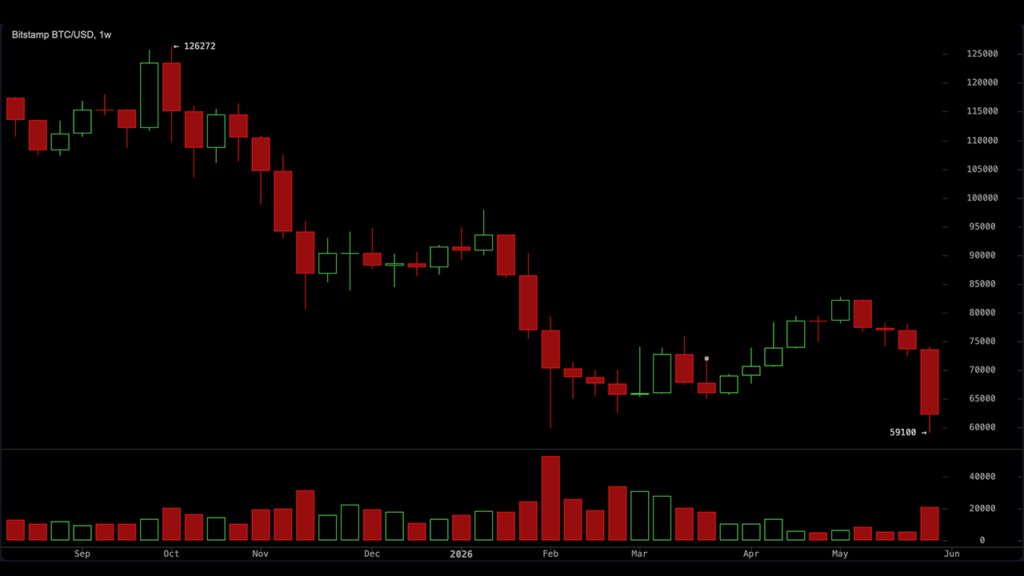
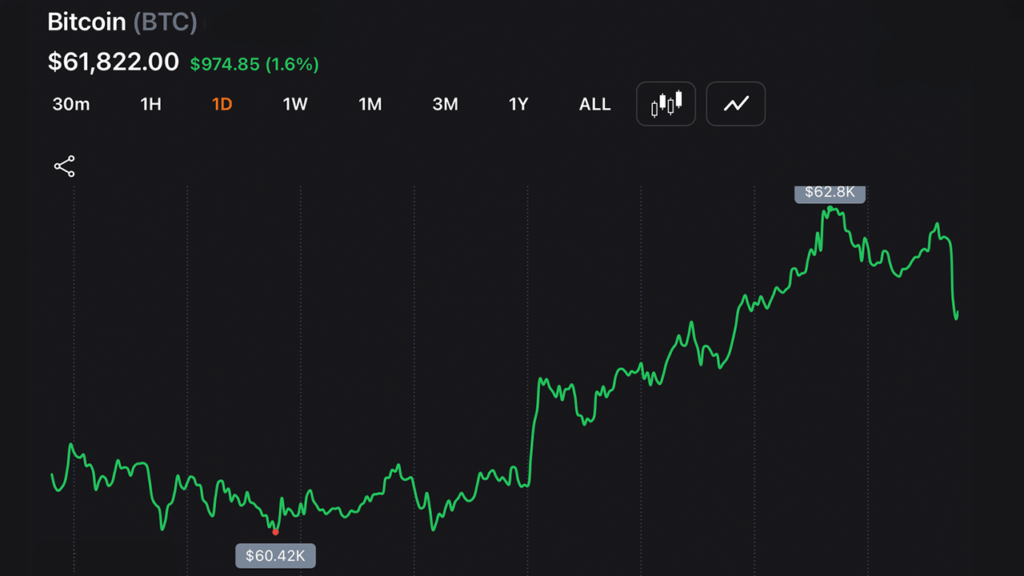
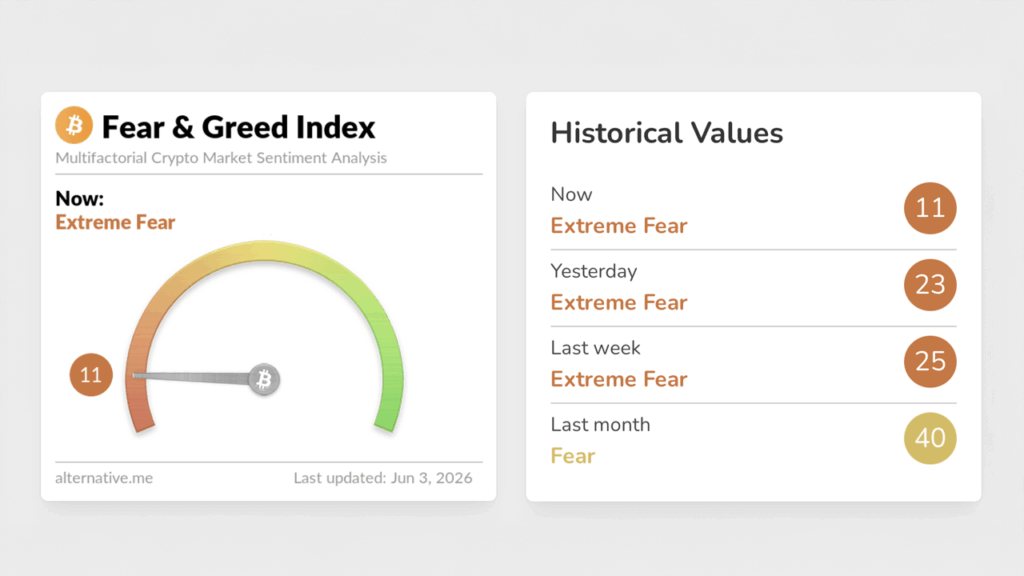
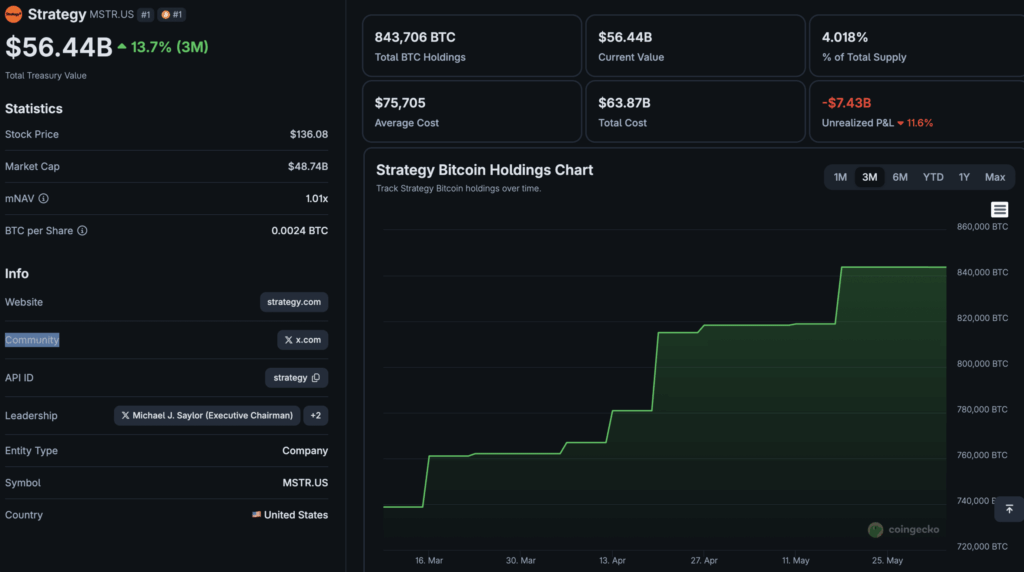
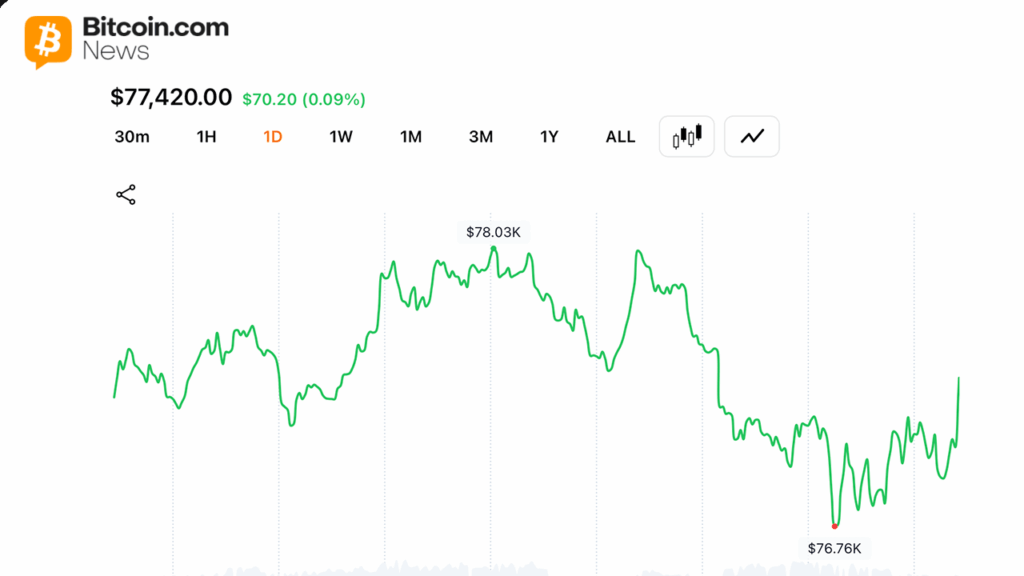
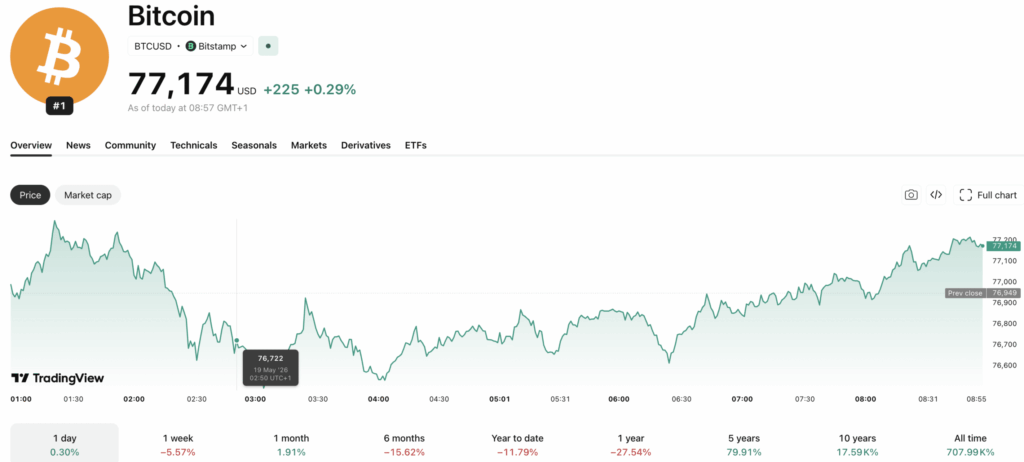
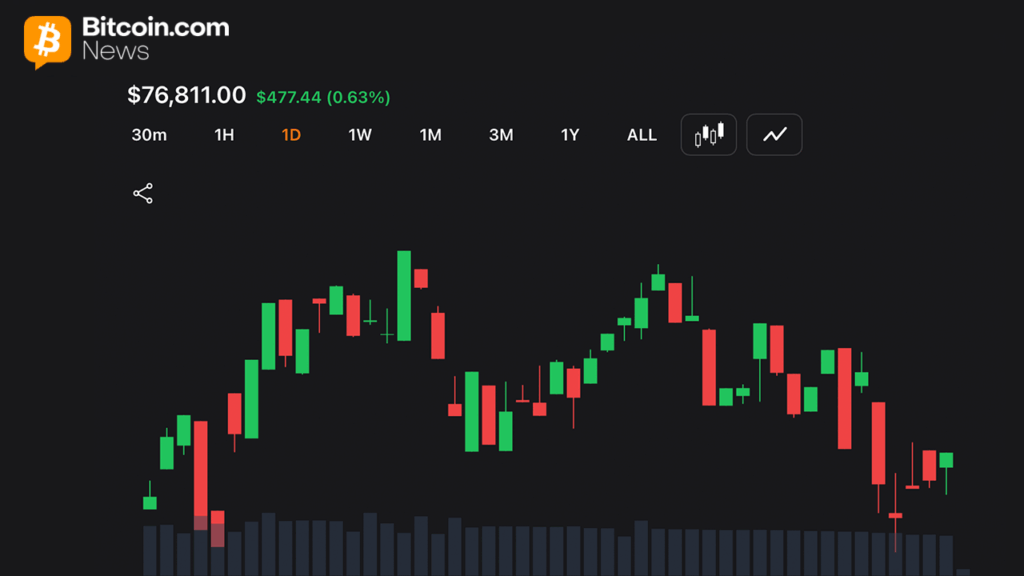
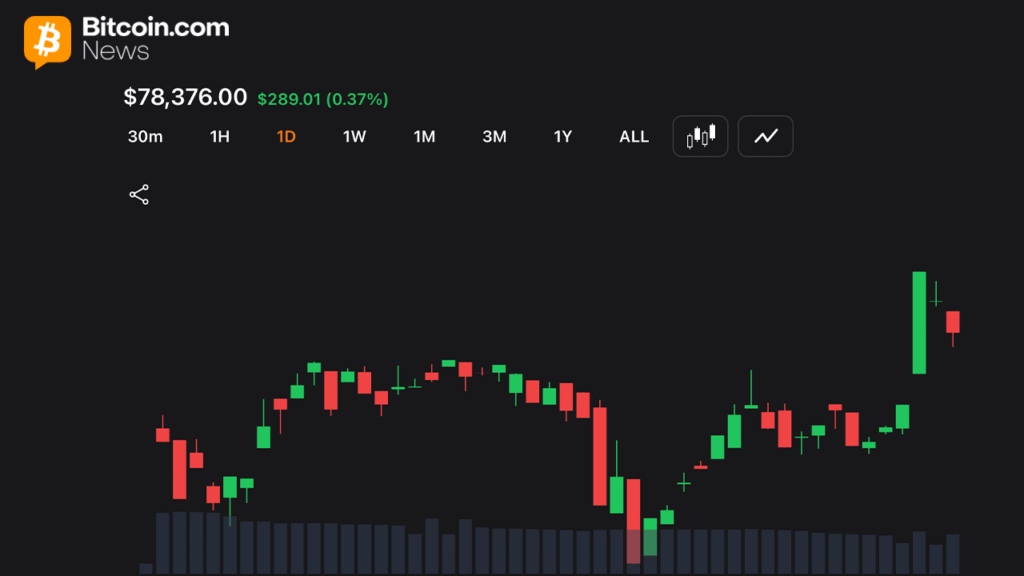
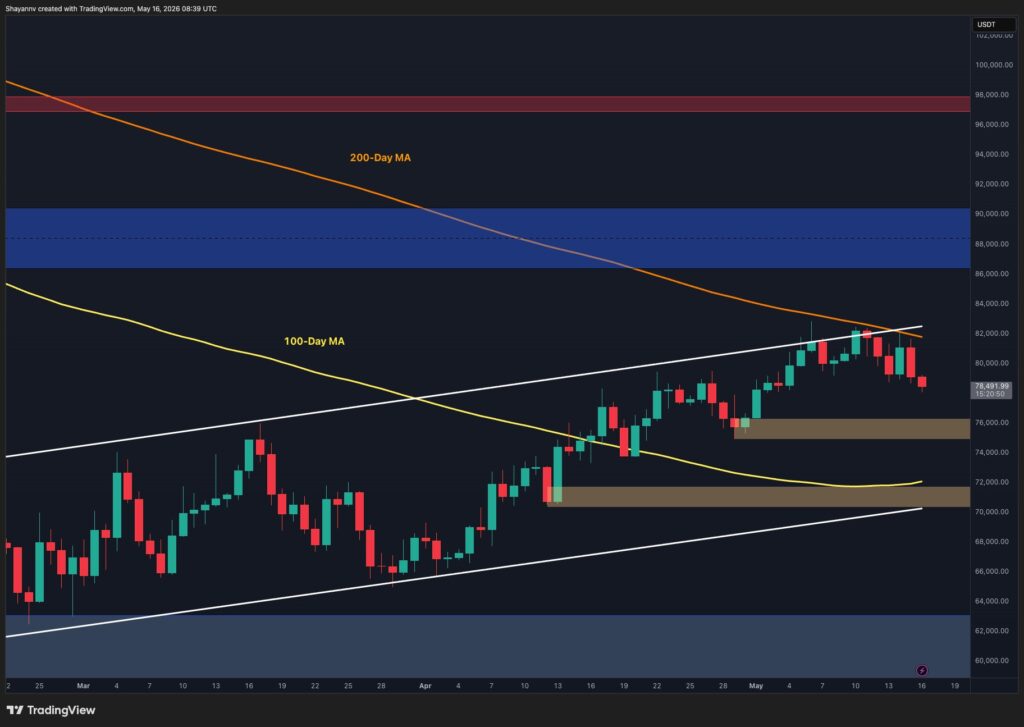
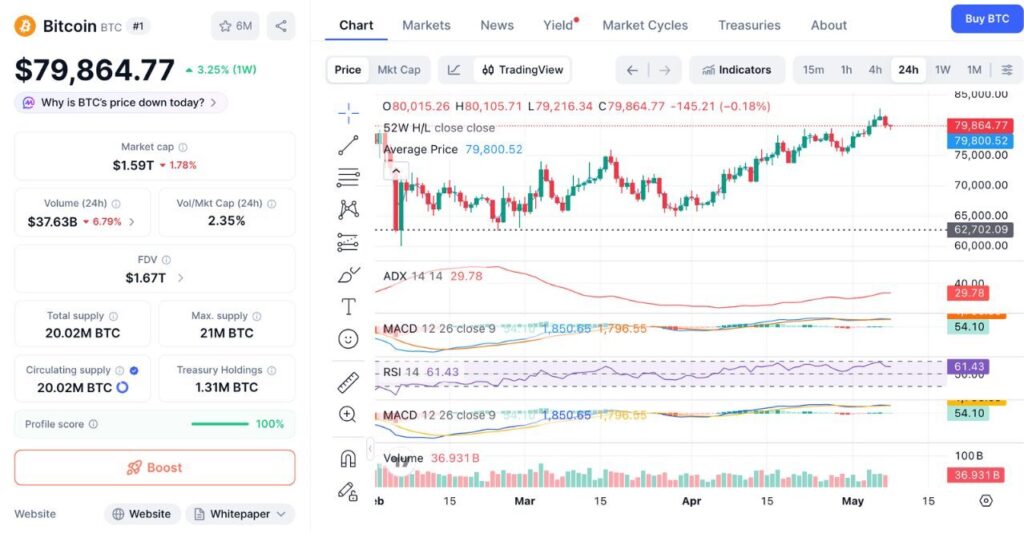
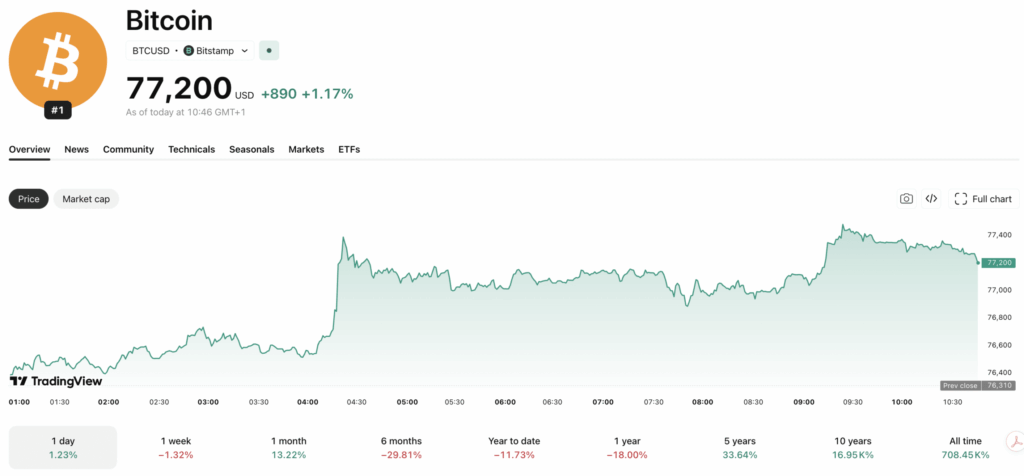
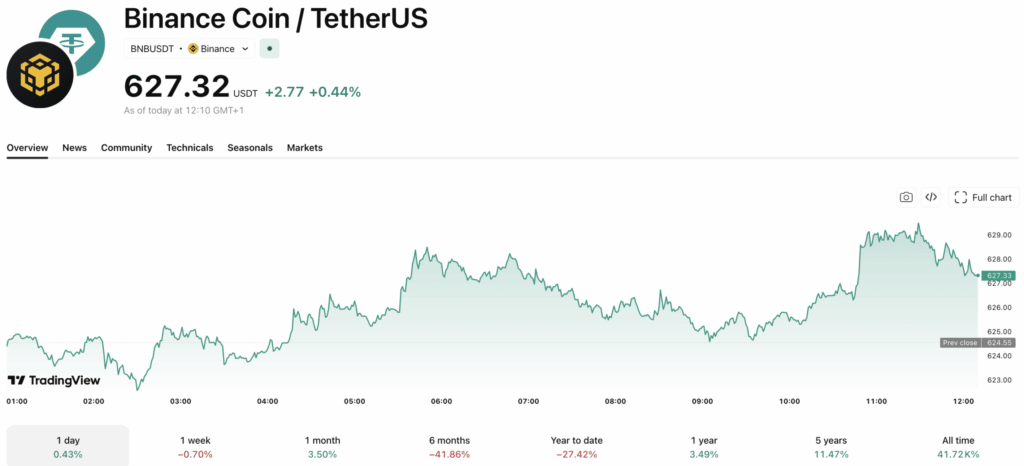
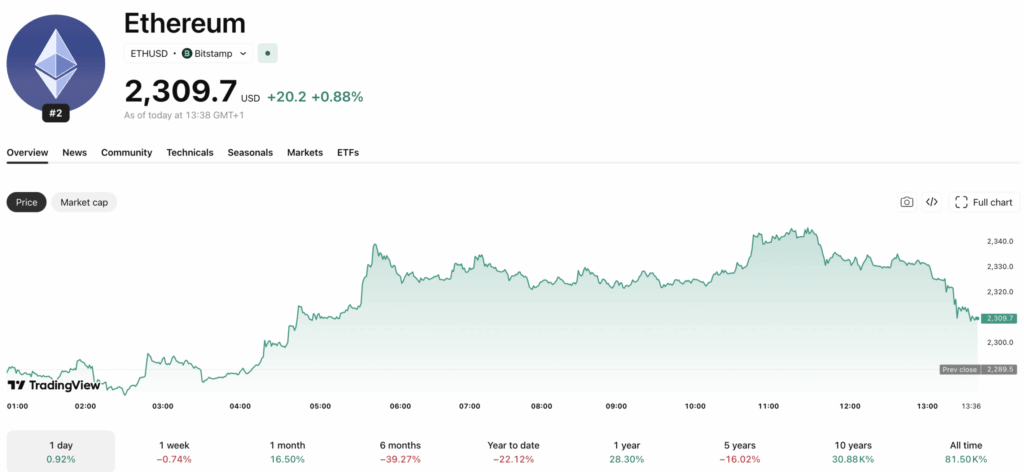
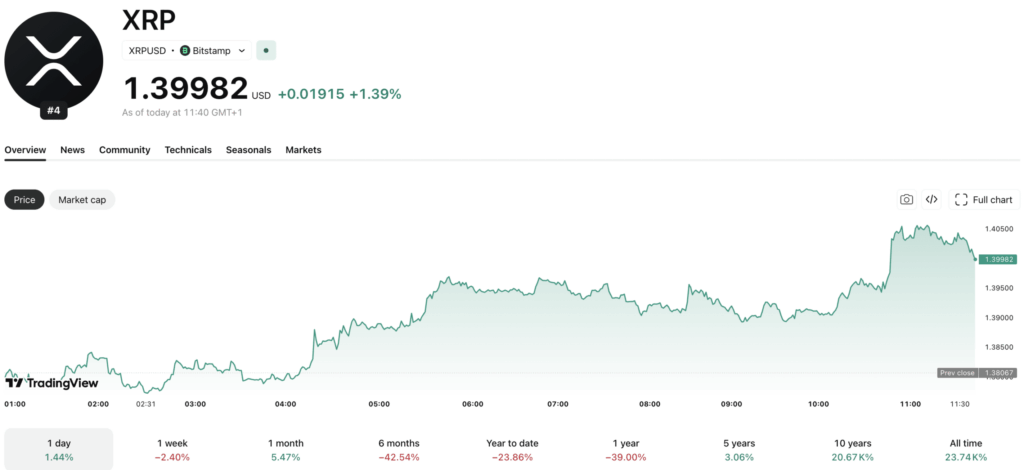
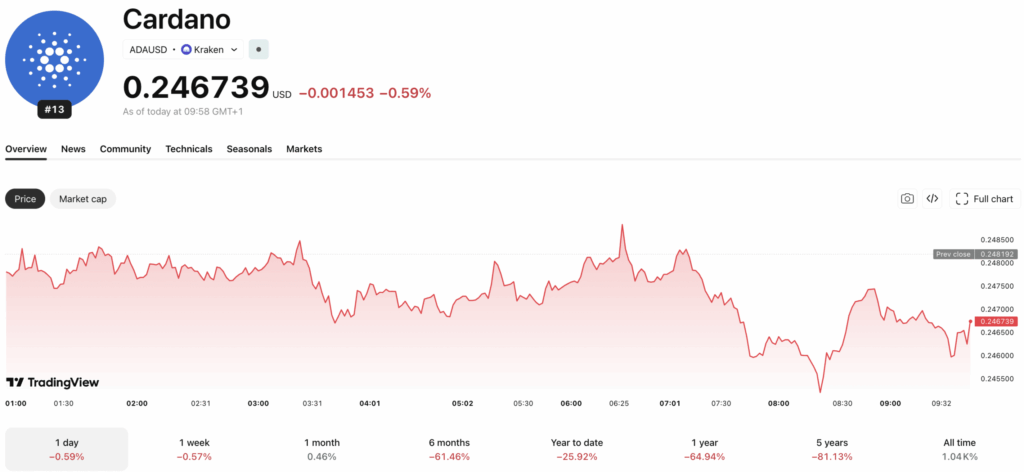
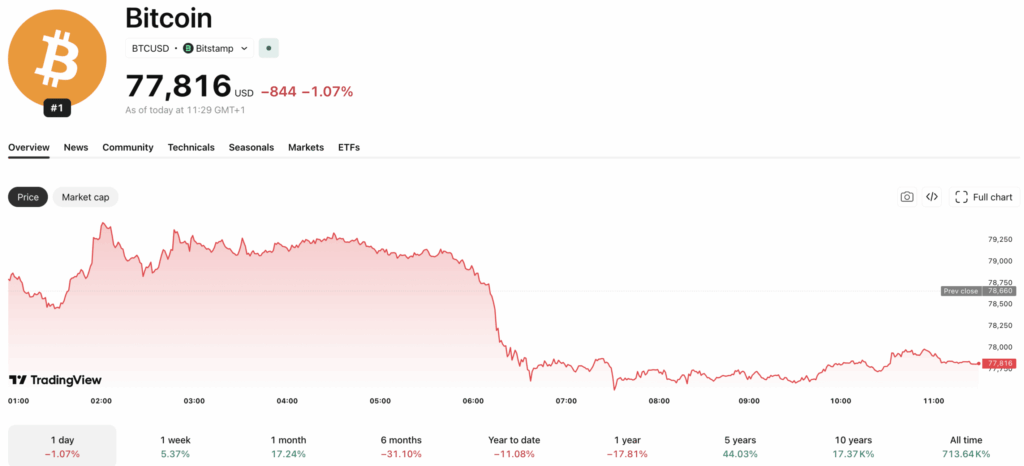
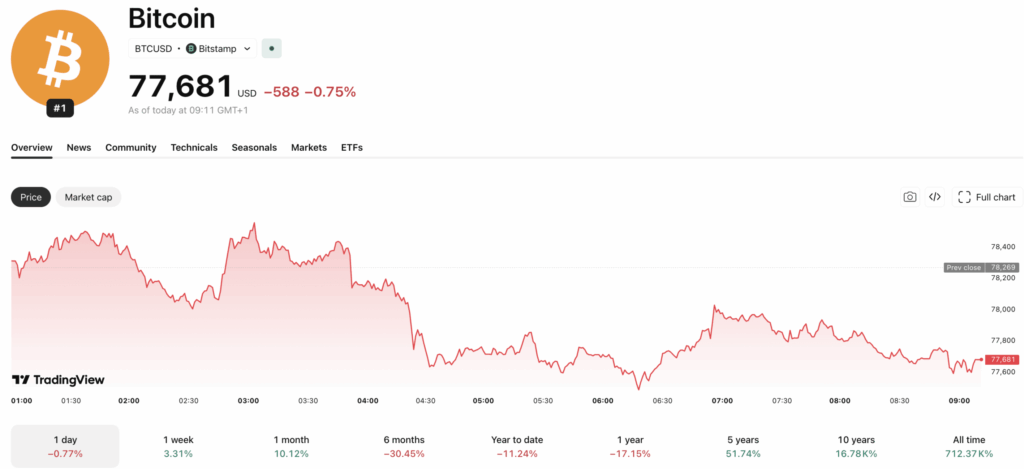
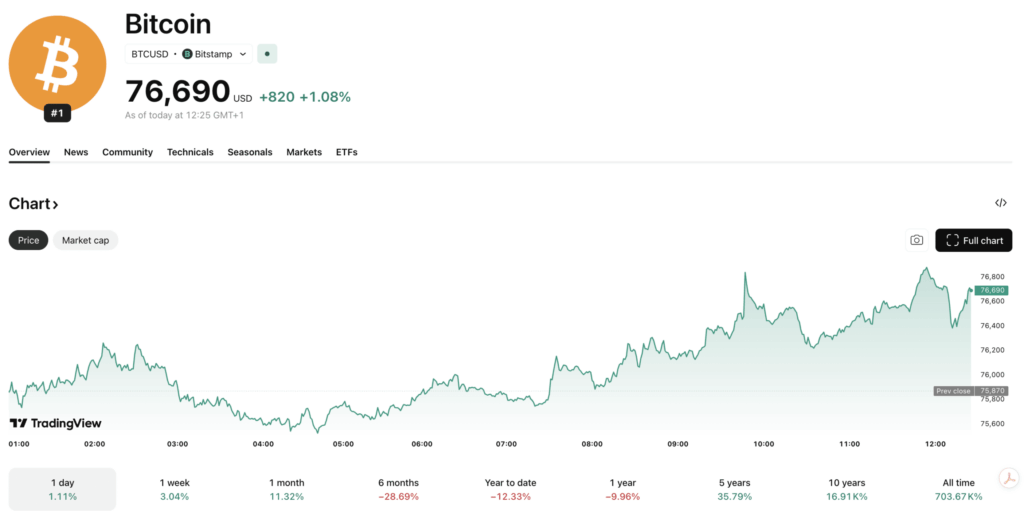
Cryptocurrency CFDs enable traders to speculate on the price trends of cryptocurrencies such as Bitcoin and Ethereum without requiring a wallet or exchange account or custody arrangements. That simplicity has endeared them to some platforms, while the regulatory landscape is far from consistent.
In 2021, the FCA prohibited the sale of crypto derivative products to retail consumers, which continued until 2026. The rules vary significantly within Europe and Asia, and in other areas as well. The European Securities and Markets Authority’s data shows that crypto-related CFD instruments have continued to be one of the most heavily regulated products in the retail derivatives market.
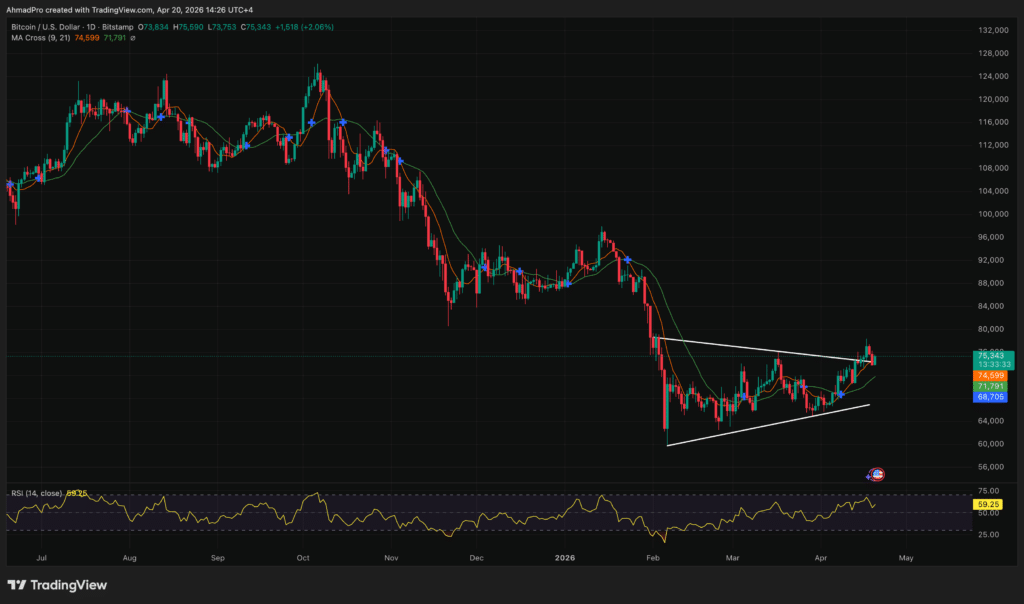
Digital asset markets are significantly more volatile than the majority of other markets available on CFDs. That doesn’t necessarily mean that’s a bad thing, but it’s a different kind of risk from trading major forex pairs or large-cap indices—it’s not just on a different level.
Government Bond CFDs
While less talked about, bond CFDs are offered by a few platforms. These instruments are tied to U.S. Treasuries, German Bunds, UK Gilts or Japanese government bonds and counter-move to interest rates. The greater the rate, the lower the price of the bond, and vice versa.
This type of category becomes a hot topic when there is central bank action. Government bond CFDs are an opportunity to trade in a market that may not be readily available at the retail level but can still be traded based on the rates of the bonds. The range of the instrument is less than that of equities or forex, and a bit of knowledge about interest rate mechanics is helpful when coming across them.
Market Range in Practice: Access ersus depth.
Equality in conditions is not necessarily the same for all markets, even though they may be quite numerous. As per the research published by ESMA in 2023, retail CFD traders are more focused on a limited number of instruments, despite the availability of a large number of nominal instruments in which they may trade. That’s a telling trend and is probably a reflection of how liquid, well-understood markets are truly easier to navigate.
A standard CFD platform could provide entry to:
- There are dozens of currency pairs both major, minor and exotic.
- Thousands of individual global exchange stock CFDs.
- The main and regional stock indexes
- Energy and metals instruments, agricultural commodities.
- Selected cryptocurrency pairs
- Bonds issued by several sovereign governments
However, the hands-on experience of trading EUR/USD and trading a soft commodity CFD can vary significantly. Spreads, liquidity depth, execution speed and the type of information a trader requires to follow each market are all quite different.
Conclusion
CFD platforms have added value for retail traders by opening up a variety of markets. Forex, stocks, indices, commodities, bonds and cryptocurrencies are all within one account, with each having its own unique price action, risk profile and learning curve. It helps to have an awareness of what is available as a starting point. Range of access and readiness to operate across it, however, are two different things, and it’s important before any position is filled.
Risk Disclaimer
The information and education provided in this article are for general purposes only. It is not a recommendation for or against the trade of any particular financial instrument or product and should not be relied upon as financial, investment, or trade advice. CFDs are complex instruments and, due to their leverage, can lead to a rapid loss of funds. The majority of retail investor accounts lose money when trading CFDs. CFD products are not available to all customers and their use is restricted to customers in specific jurisdictions. The availability of CFD products may change. Previous performances do not guarantee future performance. Readers are advised to always seek independent financial or legal advice before taking any action relating to trading or investment.