





















































































































































































































































































































































































































































































































































































































































































































































































































































































































































































































































































































































































































































































































































































































































































































































































































































































































































































































































































































































































































































































































































































































































































































































Opendoor’s India exit is fueling a bigger conversation about AI and outsourcing

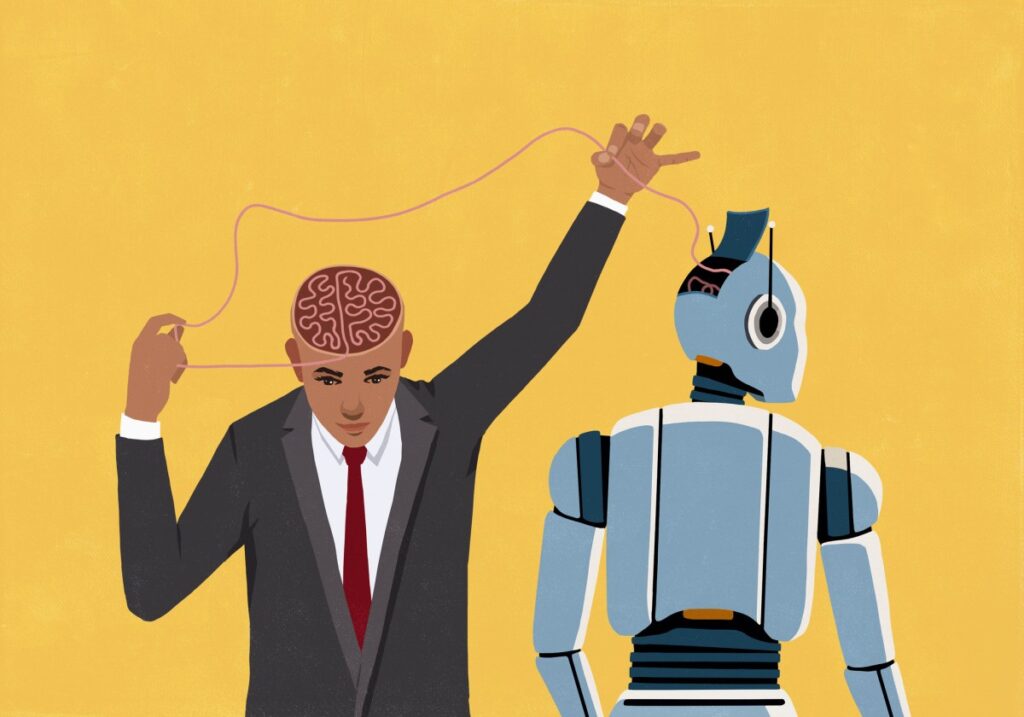
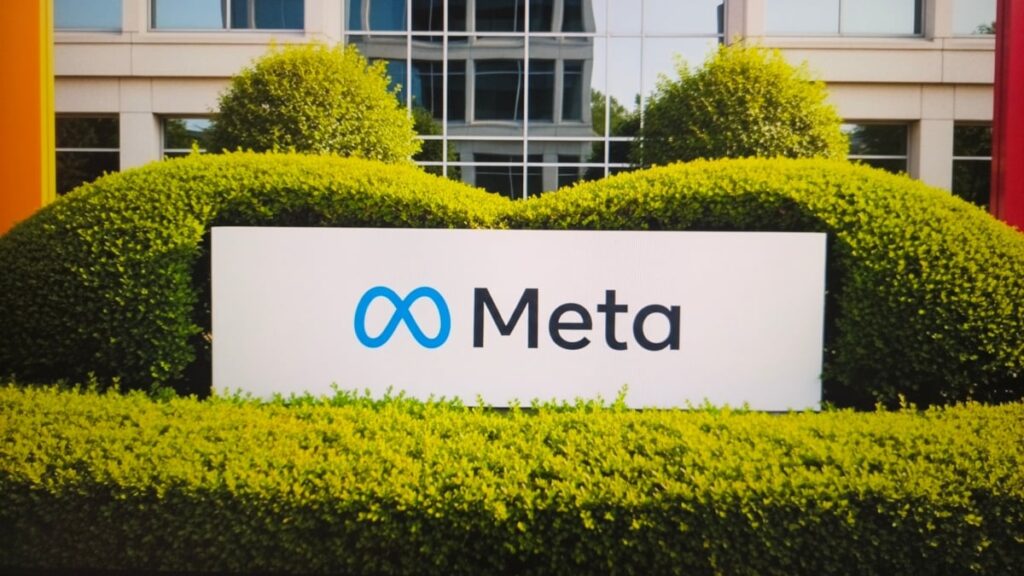
Opendoor, the San Francisco-based online home-buying platform, is shutting down its India operations less than two years after expanding its presence in the country. The decision has become a flashpoint in the debate over whether AI is starting to alter the economics of offshore work.
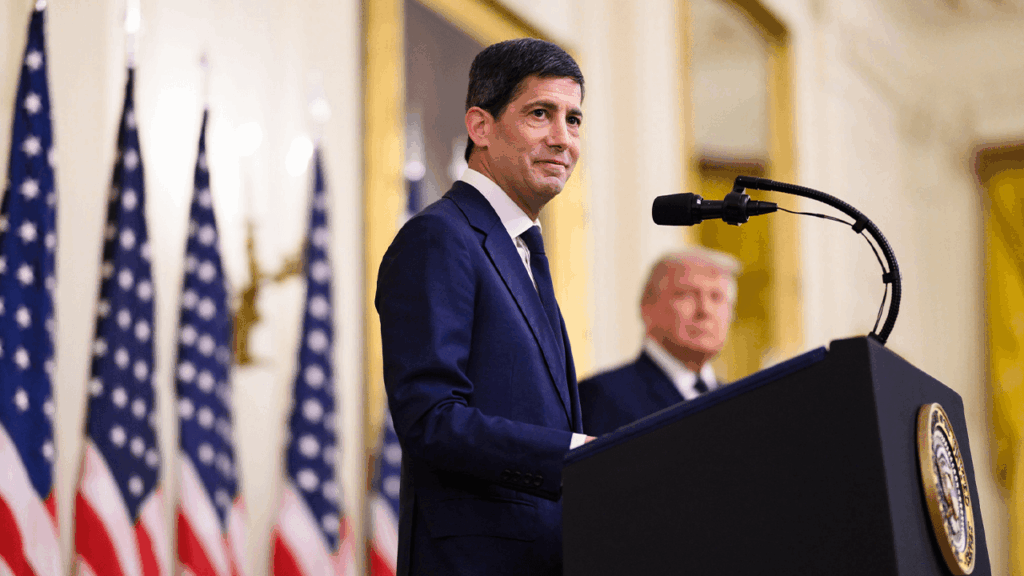
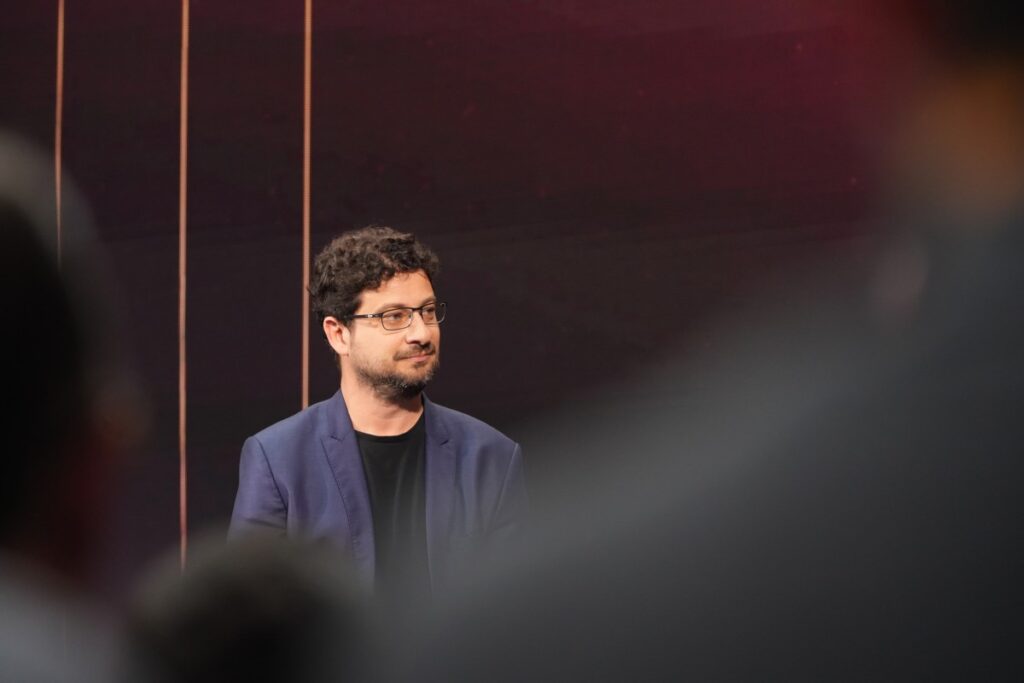
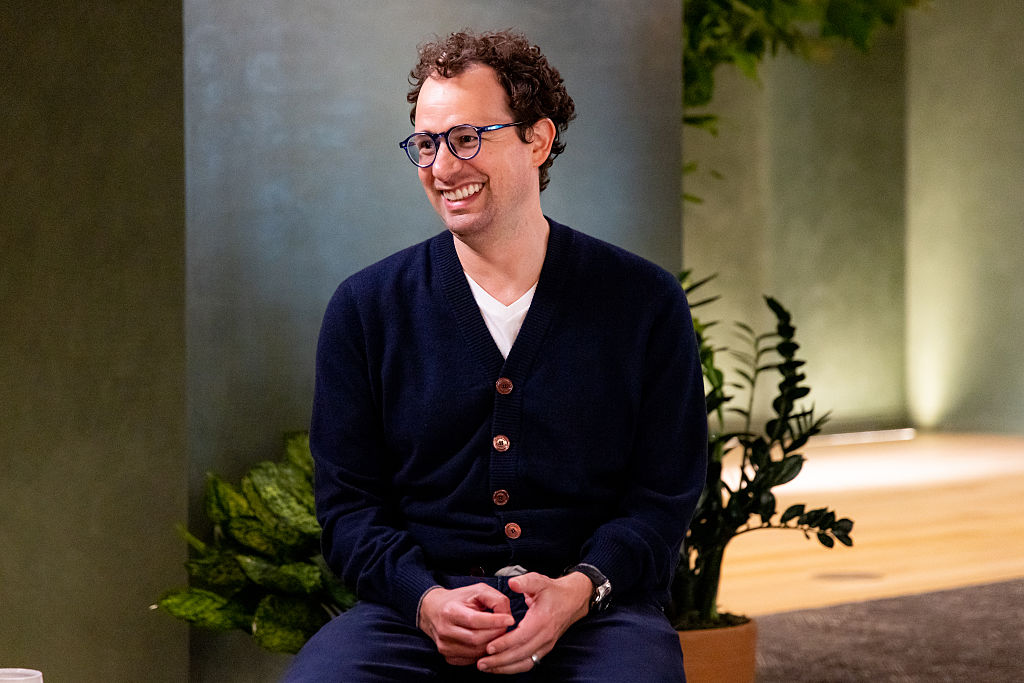
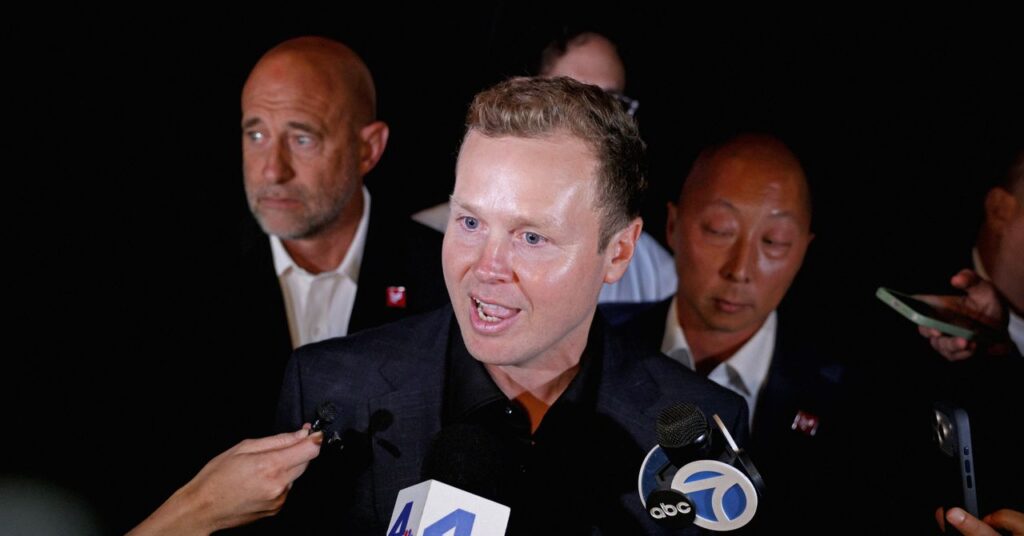
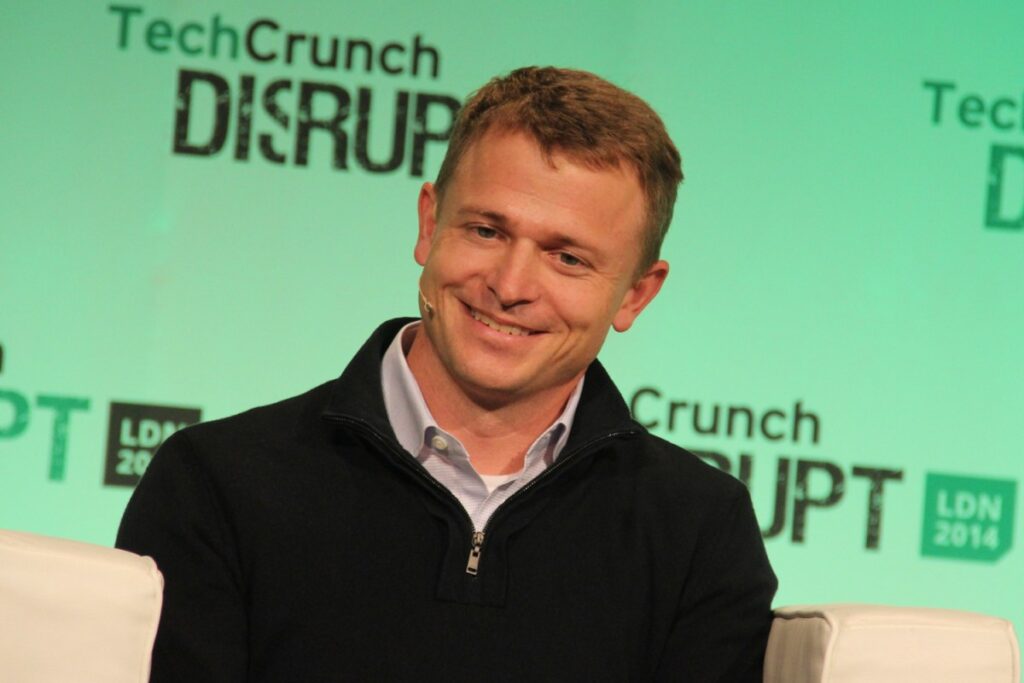
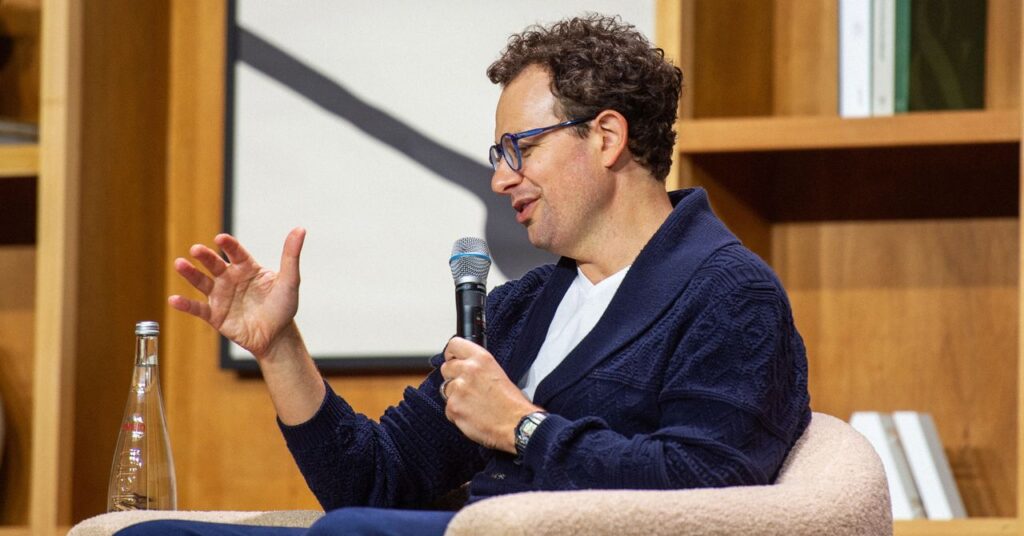
In announcing the decision on Wednesday, CEO Kaz Nejatian cited a push to bring operational work back to the U.S., where Opendoor’s customers are, and a shift toward smaller AI-native teams. The company did not respond to requests for comment on how many employees were affected or how much of the decision was driven by AI efficiency. But the announcement quickly gained traction across Silicon Valley, where founders, investors, and outsourcing experts see it as an early example of how AI is reshaping the economics that made India a global hub for back-office operations.
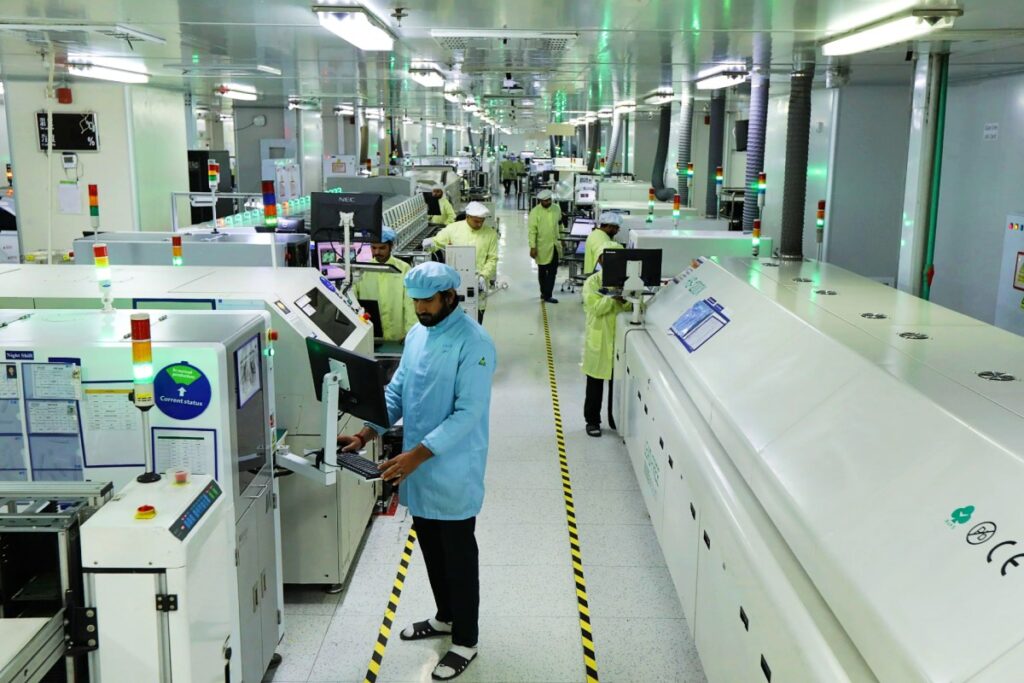
To understand why they care, it helps to know what’s at stake for India. It has evolved far beyond its roots as a destination for outsourced back-office work. The country is now the world’s largest Global Capability Center market — a term for dedicated offshore units multinationals set up to handle everything from IT and finance to R&D — with more than 2,100 centers employing about 2.36 million people and generating nearly $100 billion in annual revenue.
Opendoor itself had built a large team in India to handle manual workflows across fragmented systems, Nejatian said. The company had nearly 250 employees in India when it opened offices in Chennai and Bengaluru in 2024. But the entire company has been scaling back in recent years. Securities filings show Opendoor employed 1,042 people globally at the end of last year, compared with 1,470 a year earlier. Similarly, its non-U.S. workforce declined to 184 employees at the end of last year, compared with 342 employees at the end of 2024.
Those broader workforce reductions make it difficult to view the India closure solely through the lens of outsourcing. Opendoor has been cutting costs across the business after a difficult period for the U.S. housing market that hit online home-buying companies especially hard. Still, the language Nejatian used to explain the move resonated with investors and outsourcing analysts who see AI reshaping how companies organize operational work.
Some investors viewed the decision as a sign of what AI could mean for India’s vast outsourcing workforce. “As manual work gets replaced by AI, a lot of jobs will be lost in India,” wrote Sheel Mohnot, co-founder of Better Tomorrow Ventures.
Others viewed Opendoor as evidence of a larger shift in how companies are organized. Keshav Lohia, a venture capitalist at Emergent Ventures, described the decision as a “watershed moment” for AI-driven operations, arguing that advances in AI are beginning to challenge the cost-arbitrage model that made India a popular offshoring destination.
Phil Fersht, chief executive of HFS Research, an advisory firm that tracks the global outsourcing and business services industry, told TechCrunch that the development should not be viewed simply as jobs moving from India to the U.S. The more important shift, he said, is that AI is reducing the amount of operational labor companies require in the first place, allowing firms to run leaner organizations regardless of location.
“This is not an isolated restructuring,” Fersht said. “It is part of a much broader pattern we are starting to see as companies redesign operations around AI, automation, and much leaner workflows.”
Fersht argued that the winners would be companies that combine AI, software and human expertise to deliver outcomes without continually adding headcount, a model he described as “Services-as-Software.” While Opendoor may be one of the first high-profile examples, he said it is unlikely to be the last.
Some investors are already extrapolating beyond individual companies. Varun Rekhi, a venture capitalist at Speedinvest, argued that if AI reduces demand for labor-intensive services, it could eventually pressure one of India’s most important export industries, which is built around supplying talent and expertise to global corporations.
For now, Opendoor remains a complicated case study — a company that has been cutting headcount broadly for years, and whose India exit may say as much about its own struggles as it does about the future of AI and offshore work.
When you purchase through links in our articles, we may earn a small commission. This doesn’t affect our editorial independence.