











































































































































































































































































































































































































































































































































































































































































































































































































































































































































































































































































































































































































































































































































































































































































































































































































































































































































































































































































































































































































































































































































































































































































































































































































Suunto Spark Review: The Perfect Pair for Runs and Rides

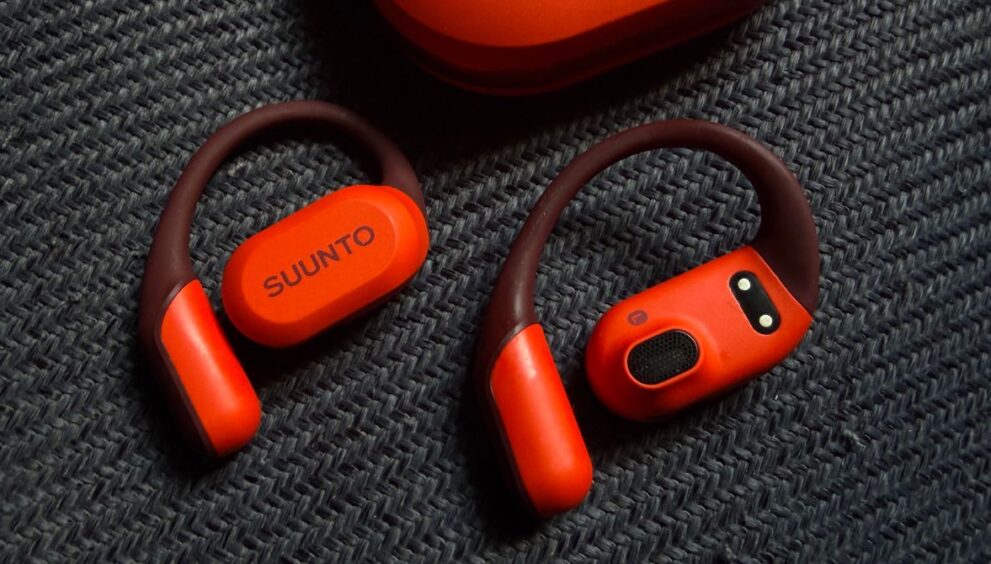
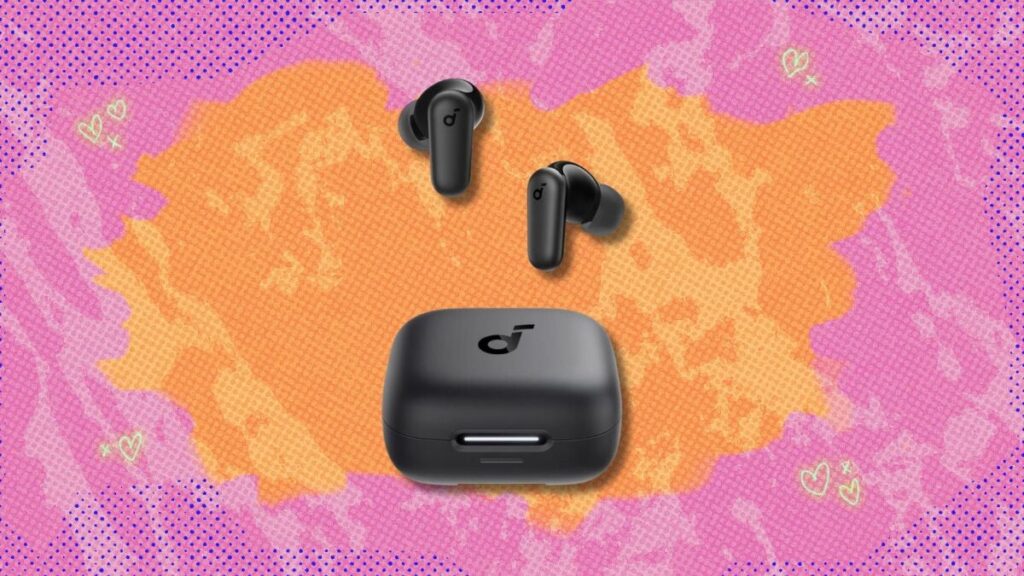
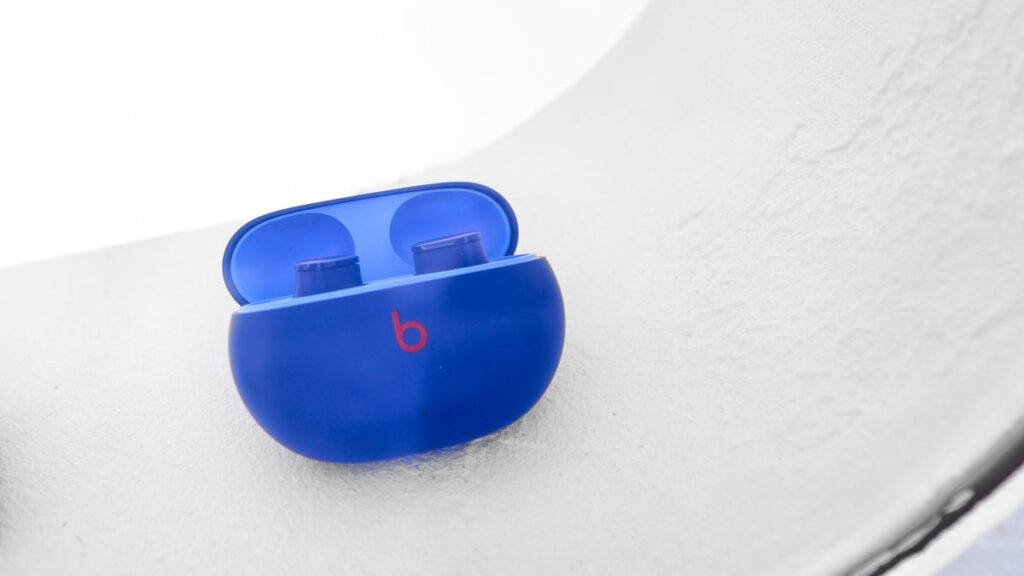
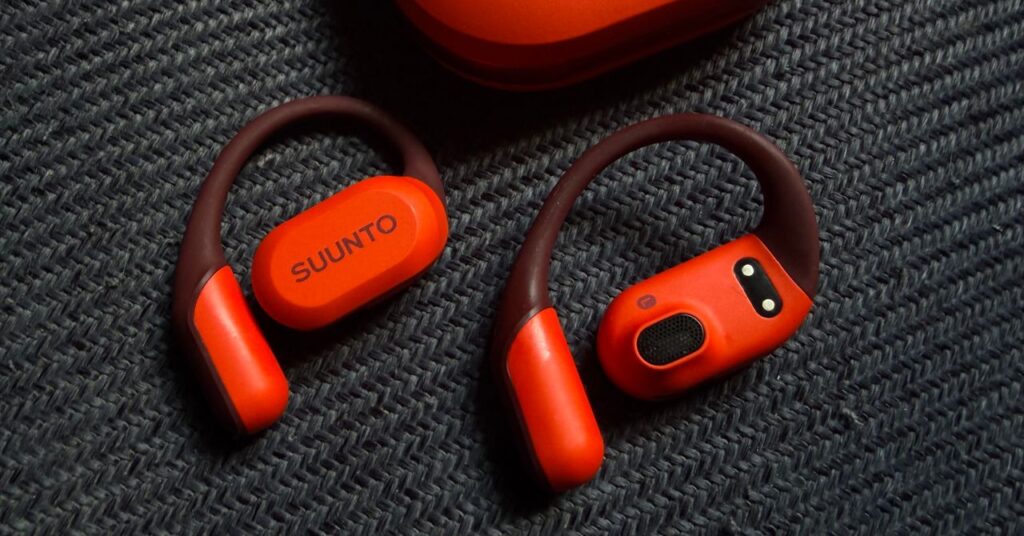
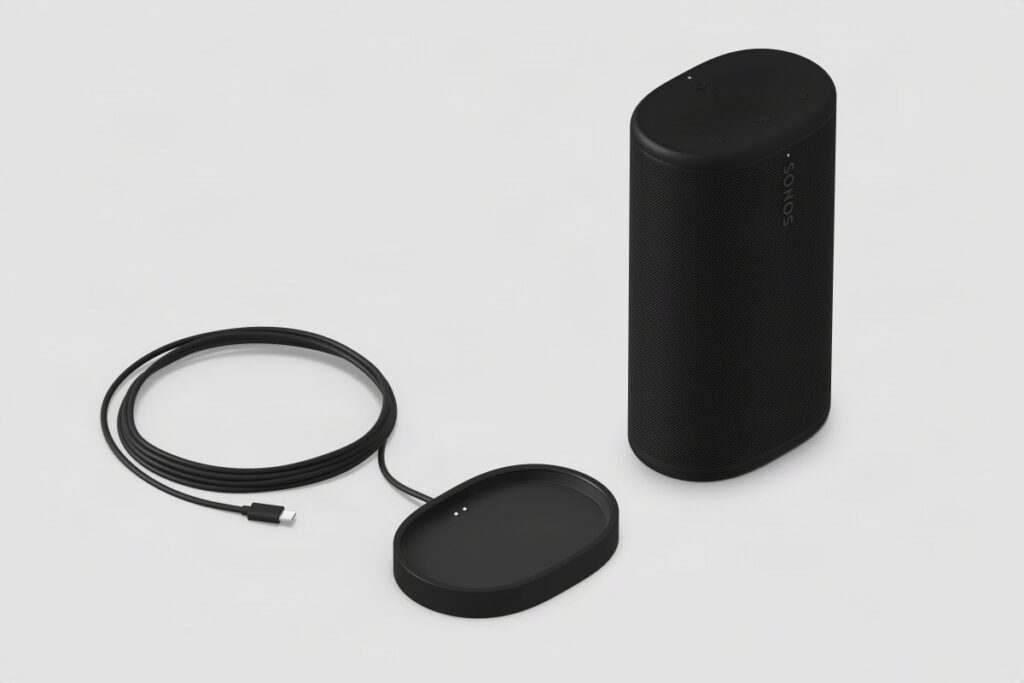
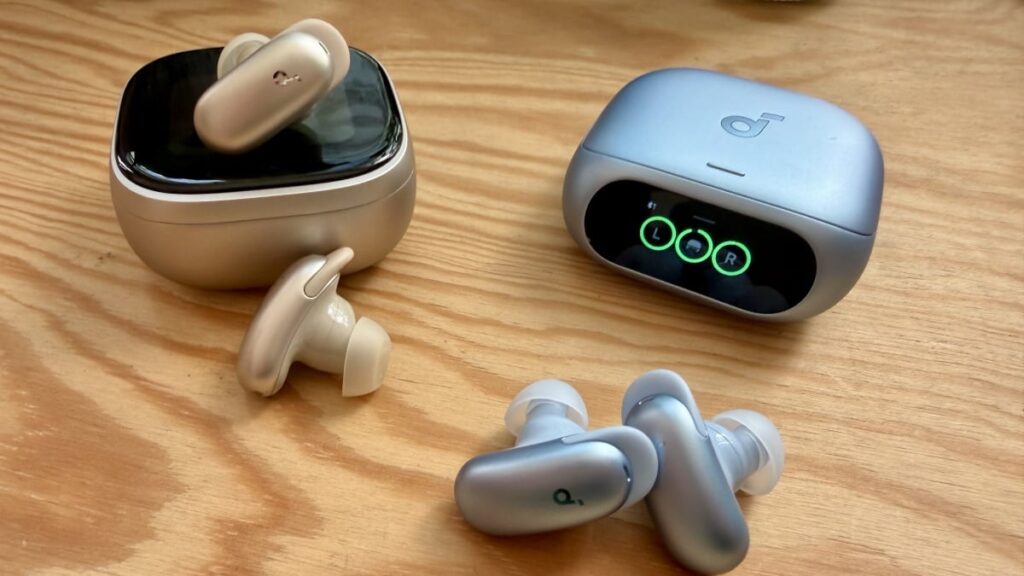
I’m not surprised to discover that Suunto has given the Spark some protection against sweat and rain. The IP55 rating doesn’t extend to the charging case, which is reasonably compact and slim enough to slip into a pocket or running belt if you need to carry it with you.

Screenshot
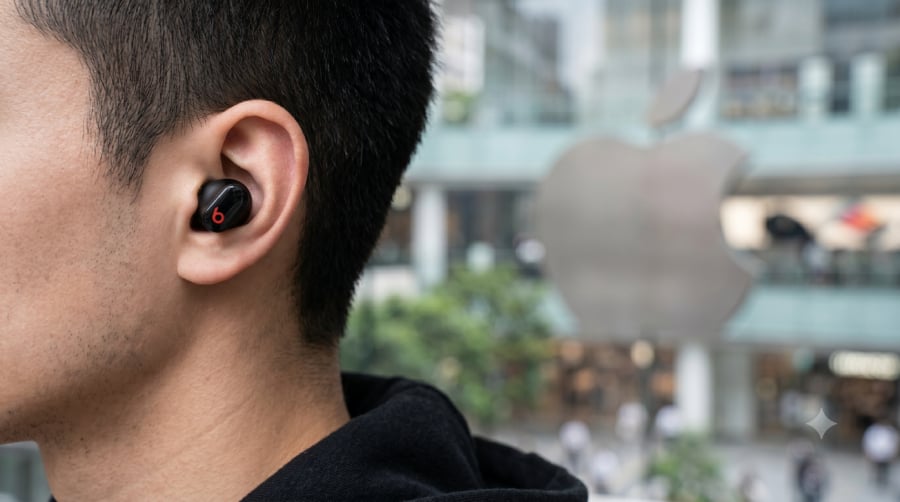
Suunto provides two control methods, but neither are the type I like to see on earbuds built for exercise. There are touch panels placed on the outside of both buds, which I usually find to be fiddly to use when running or with sweaty hands. Even Suunto states that single-tap controls can be easily triggered by accident. Fortunately, the controls are well spread across the speaker units, and accidental triggers were rare. These touch controls can be tapped or held to skip back and forward a track. They can also adjust volume or play and pause audio. You can additionally use them to turn on metronome and workout tracking modes. That’s all great, but I would have liked them to also switch between EQ modes.
The head gesture controls aren’t as successful. This uses some pretty standard motion sensors found inside most smartwatches to register head nods or shakes to answer or reject a call or skip a track. I’ve used these on Suunto headphones previously, and my experience hasn’t been great. If you’re walking or sitting on a bike, they’re absolutely fine. When you run, your head naturally moves around a lot, and that does lead to accidentally setting off the controls. It quickly gets annoying.
Stellar Open-Ear Sound

Photograph: Michael Sawh
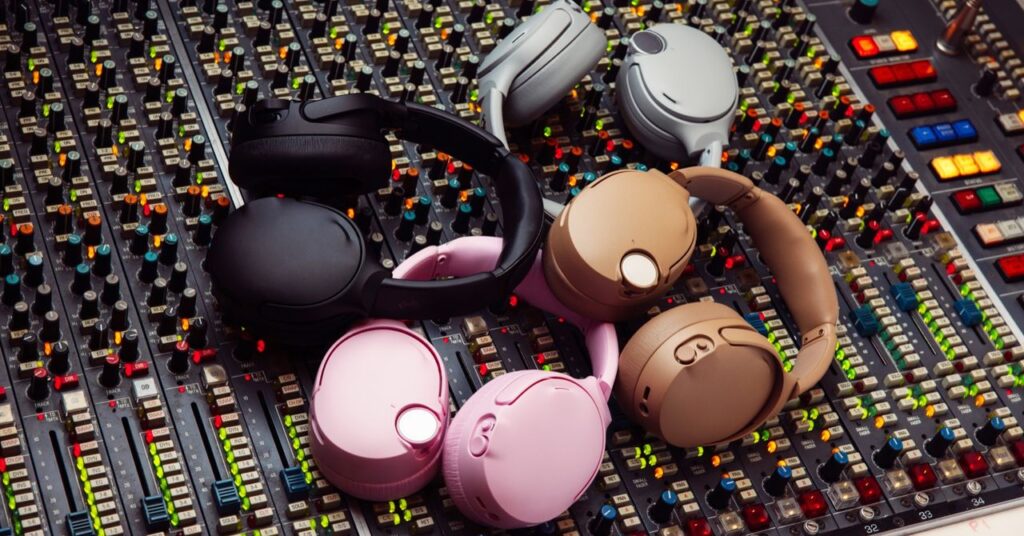
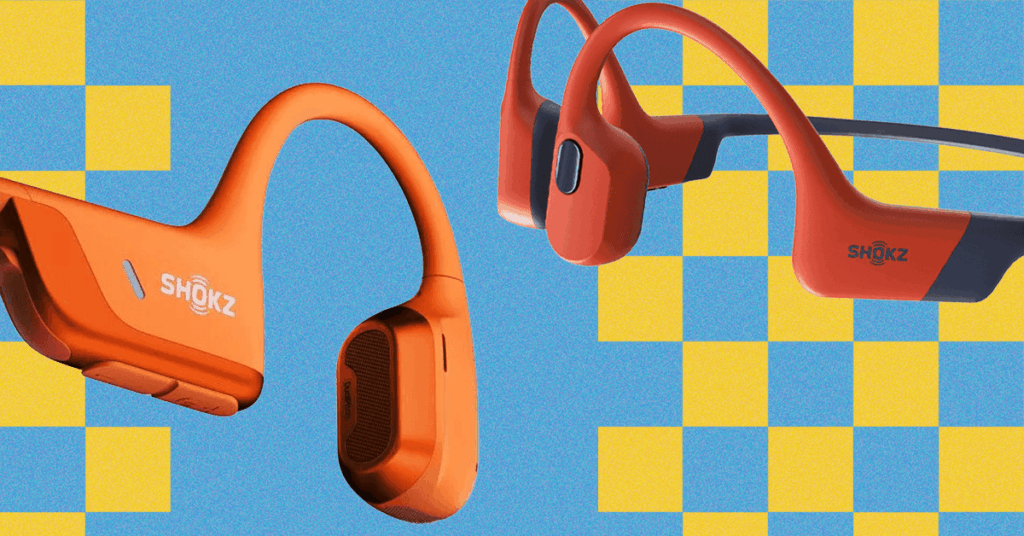
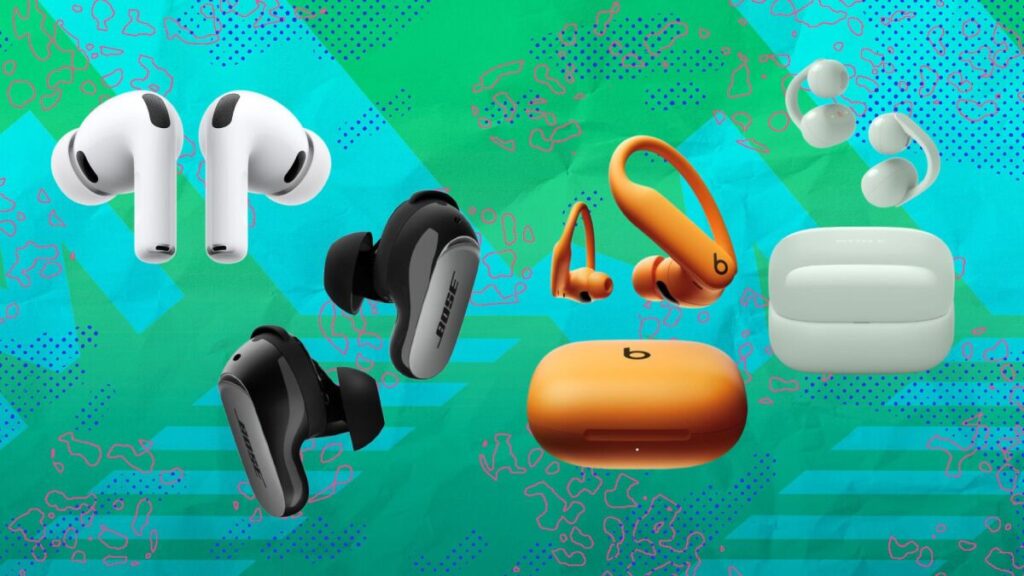
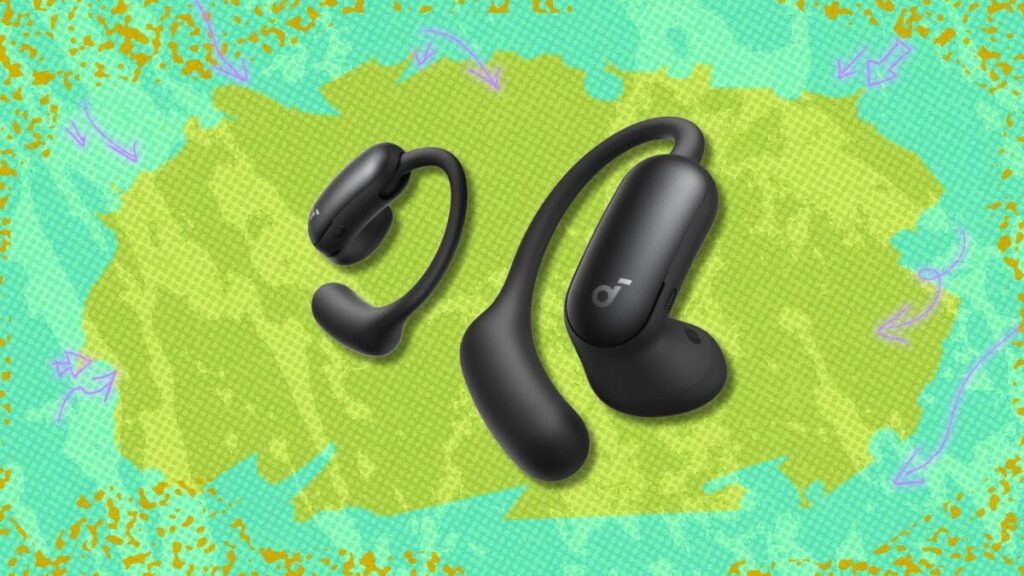
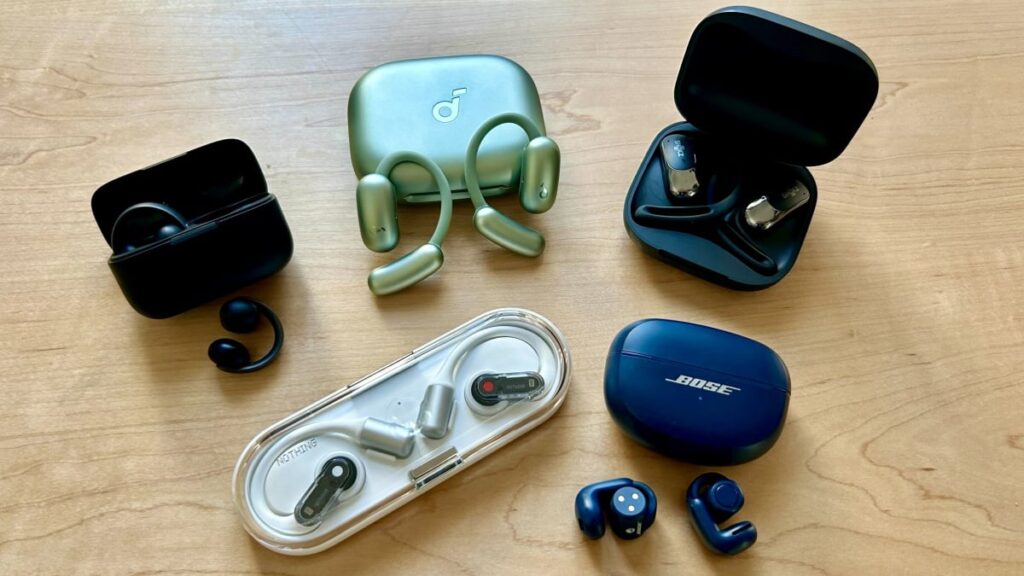
Bottom line, the Suunto Spark sound great. I’ve tested a lot of open-ear earbuds and headphones, and I’d put the Spark alongside the very best, including Shokz, Anker, and Bose.
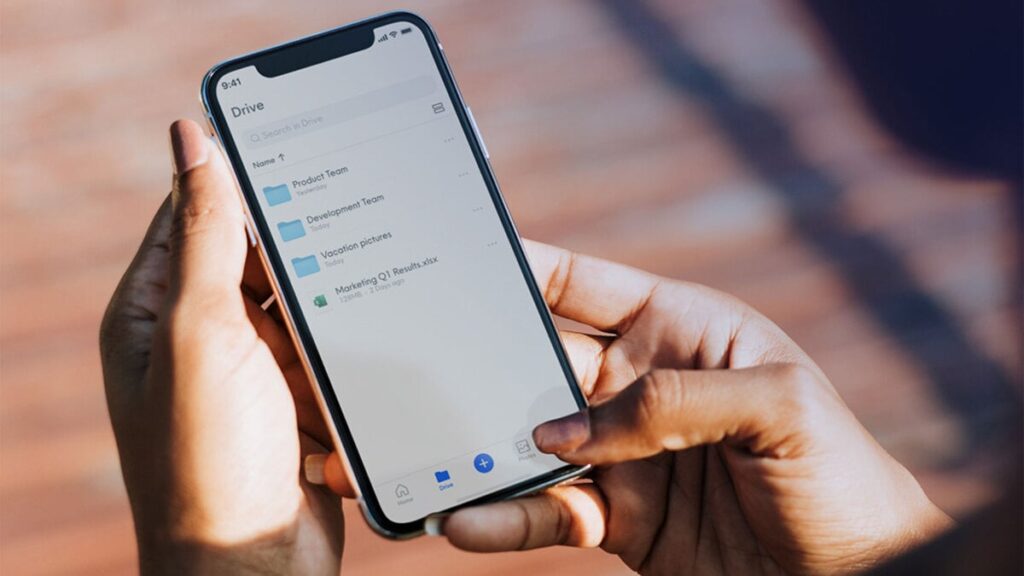
Whether it’s the overall depth of the sound or versatility of the fit, I was impressed. They’re even great at not letting the wind cut through and drown out podcasts or calls. A big part of that strong performance lies with the available EQ modes, which (as mentioned) have to be enabled from the Suunto phone app. This is the same app used to set up Suunto’s watches. It’s not the prettiest, but the headphone section is pretty straightforward to get around.
There’s four EQ presets with an additional custom option, giving you greater control over the sound profile compared to other Suunto headphones. The switch to air conduction is what makes this possible. Air conduction works by placing speakers close to your ears and behaves a lot more like traditional earbuds. One of the chief benefits over bone conduction is the ability to offer much greater sound customization.