



















































































































































































































































































































































































































































































































































































































































































































































































































































































































































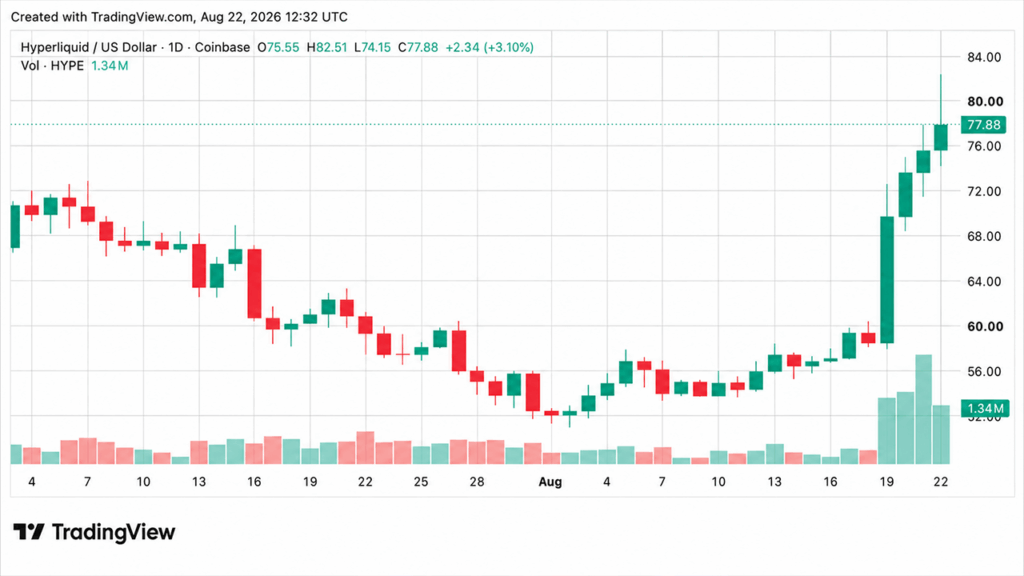


































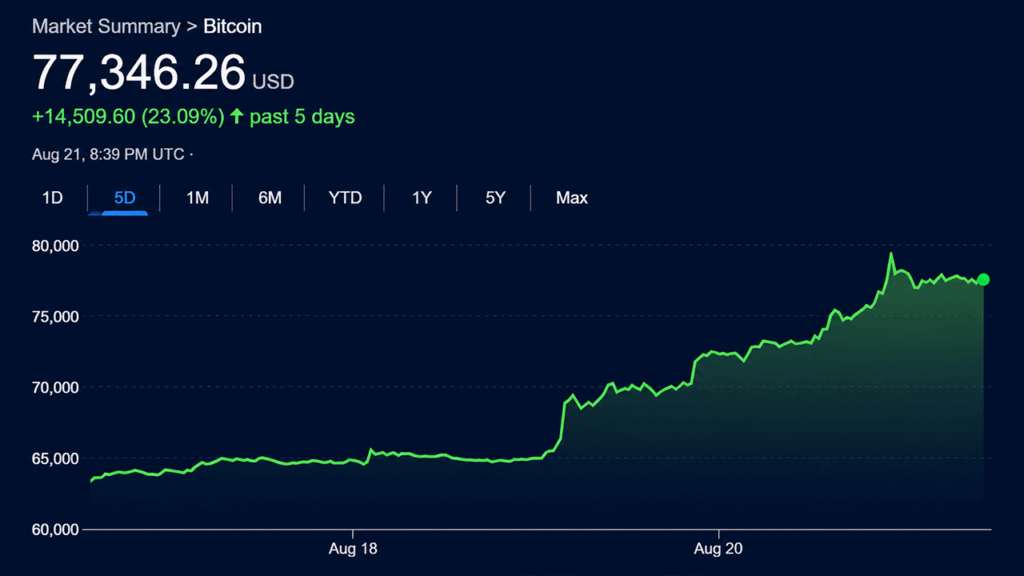












































































































































































































































































































































































































































































































































































































































































































































































































































































































































































































































































































































































Hyperliquid gets first HIP-4 outcome DEX with OUT



Hyperliquid has received its first reported builder-deployed HIP-4 outcome exchange after OUT completed deployment through the network’s permissionless market framework.
Summary
- OUT has become the first reported outcome DEX deployed through Hyperliquid’s HIP-4 framework.
- Deployers can create YES/NO markets using templates approved by Hyperliquid validators.
- HIP-4 contracts are fully collateralized and operate without leverage, funding payments or liquidations.
- Hyperliquid’s current developer documentation lists permissionless deployer actions as available on the testnet.
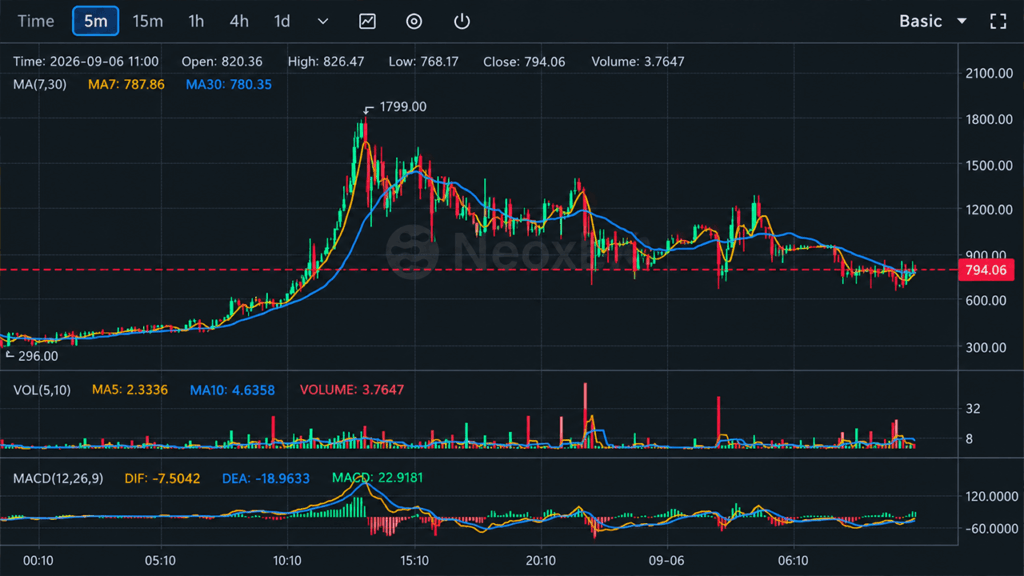
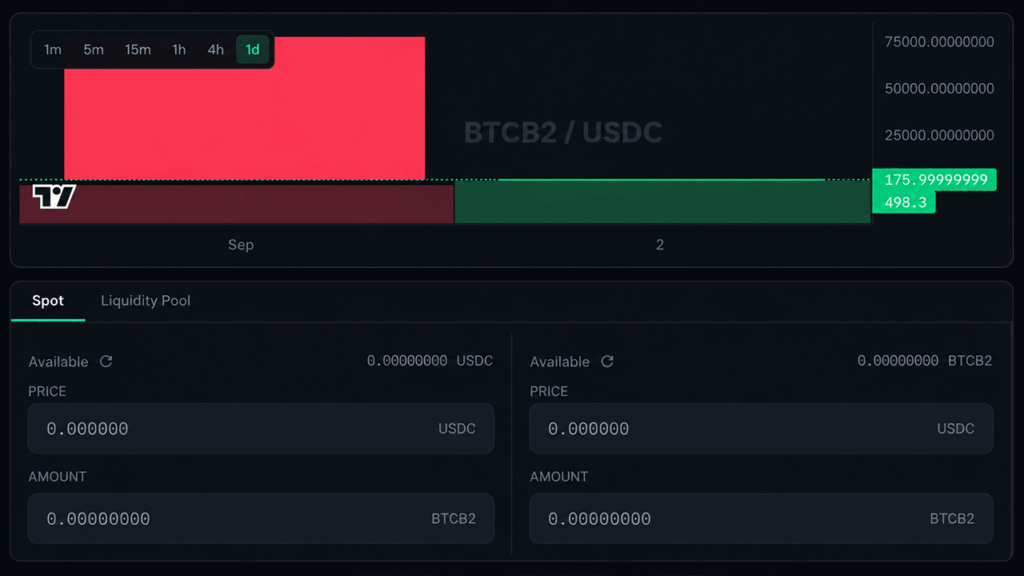
Hyperliquid’s block explorer shows that a successful on-chain transaction registered the Outcome DEX under the name OUT through the HIP-4 deployment framework.
The transaction confirms OUT’s deployment but does not show whether its markets have opened for live trading. No separate announcement or verifiable website detailing its markets, liquidity, or trading activity was available at the time of writing.
Hyperliquid’s HIP-4 framework lets builders create markets
According to Hyperliquid’s developer documentation, HIP-4 lets approved deployers create outcome markets without seeking validator approval for every individual contract. Each market must still follow a template that the validator set has previously approved.
Templates define the basic form of a contract, its available results, and how it settles. Once validators approve one, a deployer can use the same structure to create separate markets that meet its conditions.
A YES/NO template allows traders to choose between two possible results. Multi-result templates can cover questions with several possible answers, although Hyperliquid’s main HIP-4 documentation says multi-outcome support was not included in the initial mainnet release and would arrive in stages.
Hyperliquid’s deployer page, updated on Aug. 13, lists functions for activating a DEX, selecting templates, setting a deployer fee scale, and creating markets. The documentation currently labels its HIP-4 deployer actions as testnet-only, meaning OUT’s deployment should not yet be described as a confirmed permissionless mainnet launch without additional evidence.
As crypto.news previously reported in July, Hyperliquid’s permissionless deployment plan was scheduled to begin on testnet before reaching mainnet. The proposal required market operators to stake 500,000 HYPE and allowed validators to slash deployers for incorrect or delayed settlement, according to the July report.
Separate stakes are required for HIP-3 and HIP-4 operations because one HYPE allocation cannot support both deployments at the same time, according to Hyperliquid’s framework. At current prices, the requirement can create a high entry cost for independent teams seeking to operate both perpetual and outcome exchanges.
HIP-4 outcome contracts remove leverage and liquidations
Hyperliquid introduced HIP-4 on testnet in February before activating its first outcome contracts on mainnet on May 2. A July HIP-4 framework explainer described the products as fully collateralized contracts that settle within a fixed range at expiration.
Unlike perpetual futures, an outcome position does not rely on borrowed funds or recurring payments between long and short traders. HIP-4 has no funding rate, while fully funded positions remove the liquidation process used to close leveraged trades when collateral falls below maintenance requirements.
For a binary market, a YES token settles at 1 if the stated event occurs and at 0 if it does not. The NO side receives the opposite result. A trader buying YES at 0.60 can earn 0.40 per contract if the event happens, while the purchase price represents the maximum possible loss.
Hyperliquid’s documentation describes HIP-4 as a general-purpose tool rather than a system limited to conventional prediction questions. Its fixed-range structure can also support bounded options-style products whose maximum payout and loss are known when the position opens.
Trading takes place through HyperCore, the network’s on-chain order-book engine. HyperCore also runs Hyperliquid’s spot, perpetual, and HIP-3 builder-deployed markets, allowing HIP-4 products to use the same matching infrastructure and order types.
Fees are not charged when an outcome position opens, according to the protocol documentation. Charges can apply when a trader closes, burns, or settles a position, although Hyperliquid waived outcome-market fees during its initial testing period.
Bitcoin and CPI contracts tested HIP-4 settlement
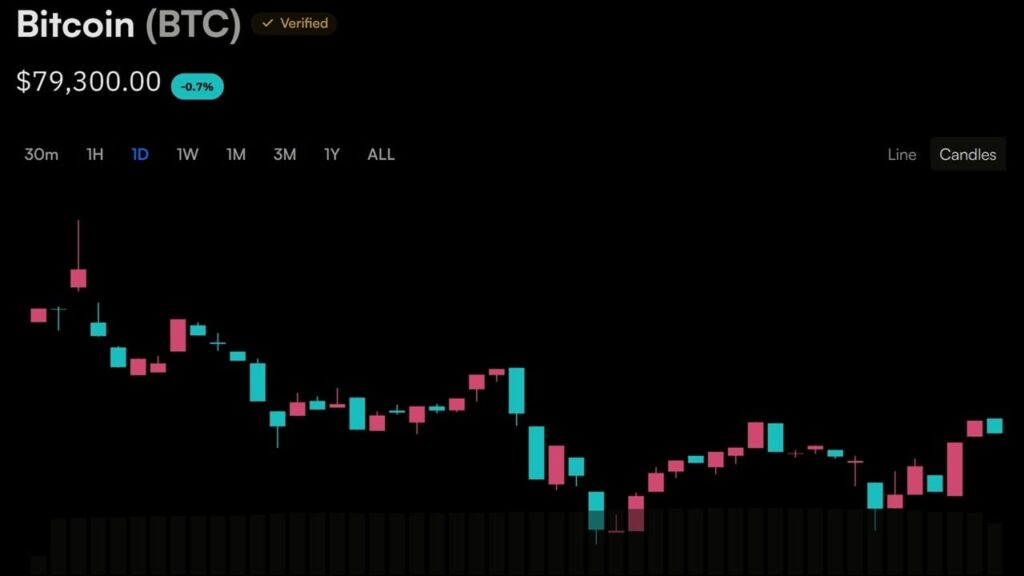
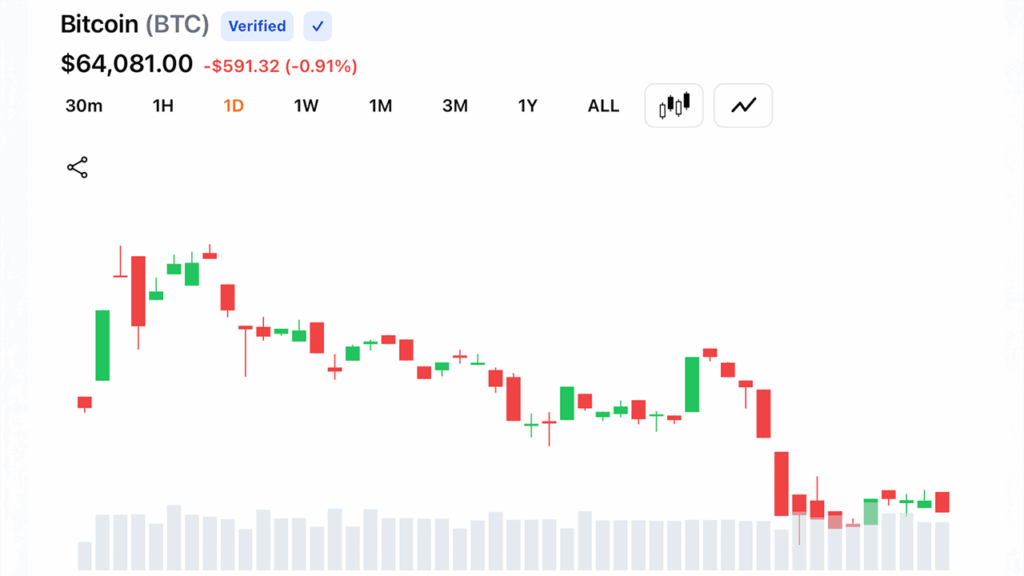
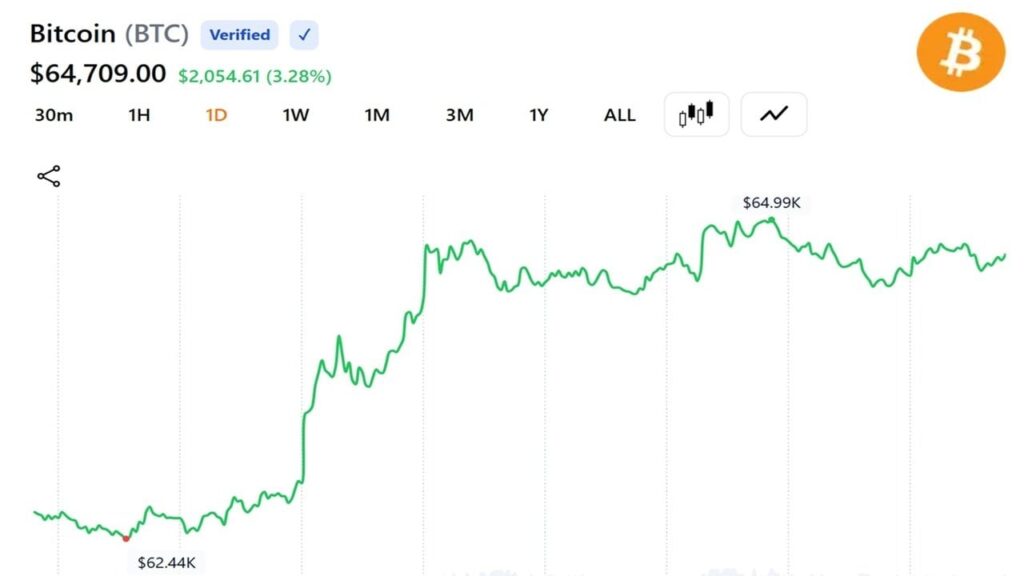
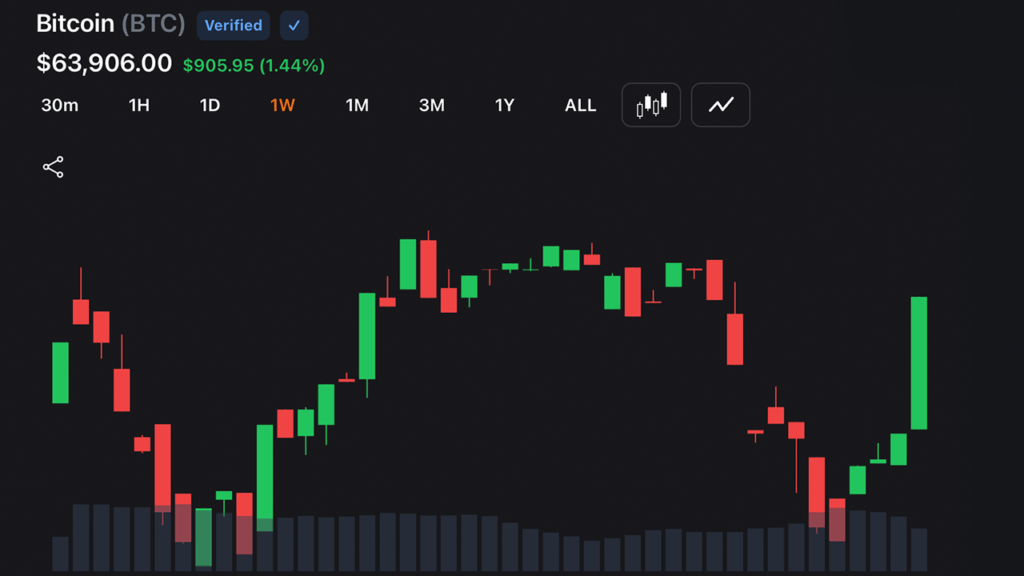
Hyperliquid’s first mainnet HIP-4 product was a recurring Bitcoin binary contract. The market settled each day at 06:00 UTC against the BTC mark price published through HyperCore, providing an objective data point for deciding whether YES or NO tokens received the payout.
The network later expanded the product beyond crypto prices. In May, a U.S. CPI contract allowed traders to take positions on the annual inflation rate reported by the Bureau of Labor Statistics.
The CPI market offered three possible results: below 4.3%, exactly 4.3%, or above 4.3%. It used USDC as collateral and was scheduled to settle from the official BLS release, while early activity stood at about $3,000 in volume and $5,000 in open interest.
Validator-settled markets subsequently covered Federal Reserve decisions and sporting events, according to Galaxy Research. The research firm said validators could publish approved off-chain results through regular network operations, reducing reliance on a separate oracle provider.
Galaxy reported that HIP-4 recorded $2.38 million in 24-hour Bitcoin outcome volume by its 25th day. The total represented about 20% of the combined BTC prediction-market volume measured between Hyperliquid and Polymarket during that period, according to the firm’s June report.
Activity later declined after an early increase tied to World Cup markets. Blockworks data cited in a July market report placed HIP-4 open interest at about $182,000 and cumulative notional activity at approximately $881,000 at the time, though the figures covered a later snapshot and used a different measurement period.
U.S. access depends on event-contract regulation
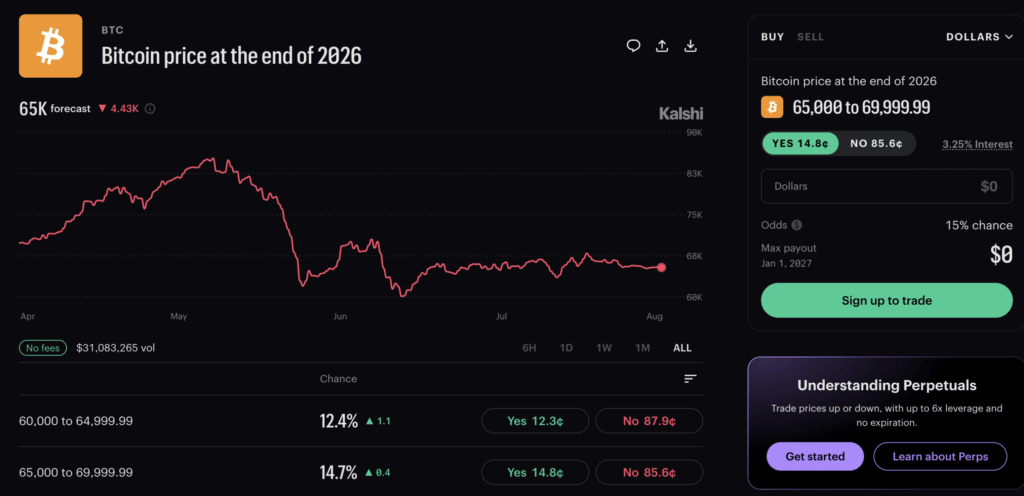
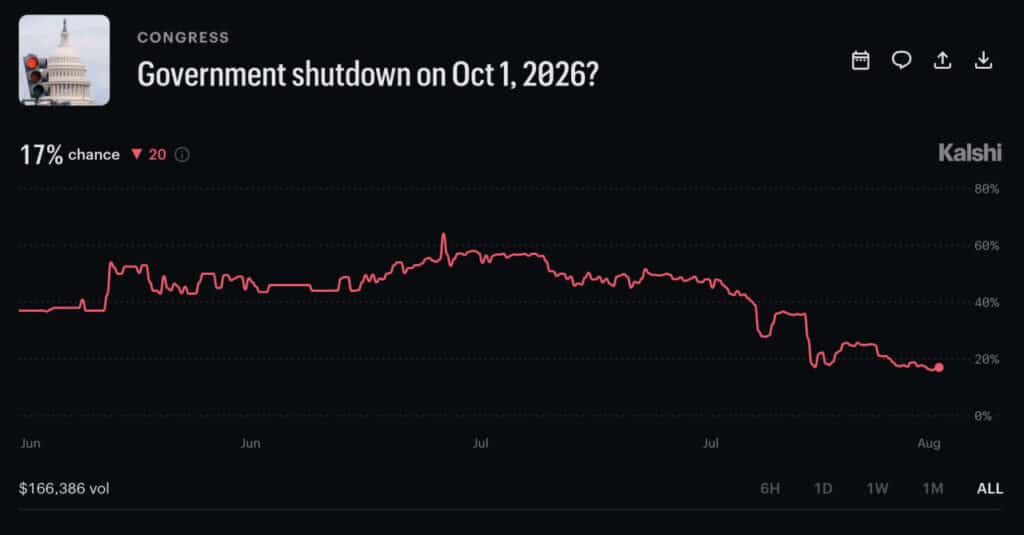
For American traders, OUT does not carry the same regulatory status as Kalshi, which operates event contracts through a Commodity Futures Trading Commission-registered designated contract market. Hyperliquid has not announced that OUT is registered with the CFTC or available to U.S. users.
Hyperliquid Policy Center and Multicoin Capital addressed the regulatory divide in a July prediction-market rules filing. The groups asked the CFTC to publish clear federal standards for reviewing event contracts and explain publicly why specific contracts are approved or rejected.
Their submission said settlement terms should determine whether a contract falls into restricted categories involving gaming, war, assassination, or unlawful activity. The filing represented an industry policy request and did not give HIP-4 exchanges permission to serve U.S. traders.
State and federal regulators have also disputed whether some sports event contracts qualify as federally regulated derivatives or state-regulated wagers. Kalshi, Crypto.com and Robinhood have faced state challenges over sports-related products even when the contracts were offered through federally regulated market structures.
Hyperliquid users in the United States remain unable to access the protocol, according to an August filing cited by Hyperliquid Strategies. The company said it was unaware of a pending CFTC approval process for the network and warned that a route into the regulated U.S. market could not be assured.