












































































































































































































































































































































































































































































































































































































































































































































































































































































































































































































































































































































































































































































































































































































































































































































































































































































































































































































































































































































































































































Ether.fi upgrades neobank with stocks and 4% loans



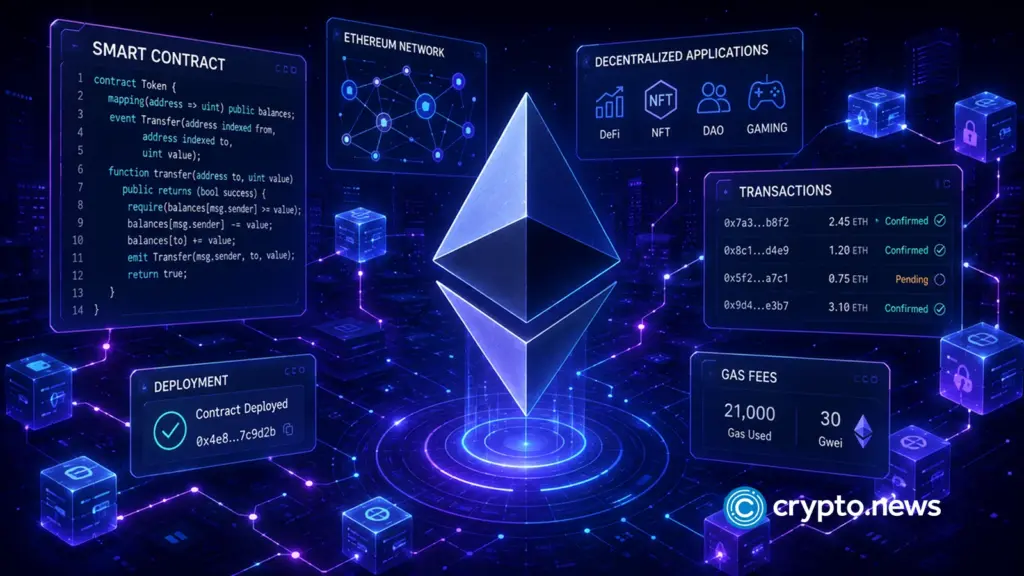
Ether.fi has upgraded its non-custodial neobank with tokenized stocks and metals, portfolio-backed loans near 4%, payments in over 30 currencies, and programmatic ETHFI buybacks.
Summary
- Ether.fi users can trade tokenized assets and hold them inside self-custodial vaults.
- An Aave market on Optimism supports loans against portfolios at rates currently near 4%.
- Cash card users receive 3% cashback, while higher membership tiers remove certain foreign-exchange fees.
- Tokenized stock trading remains unavailable in the United States and some other markets.
Ether.fi neobank combines trading, loans, and payments
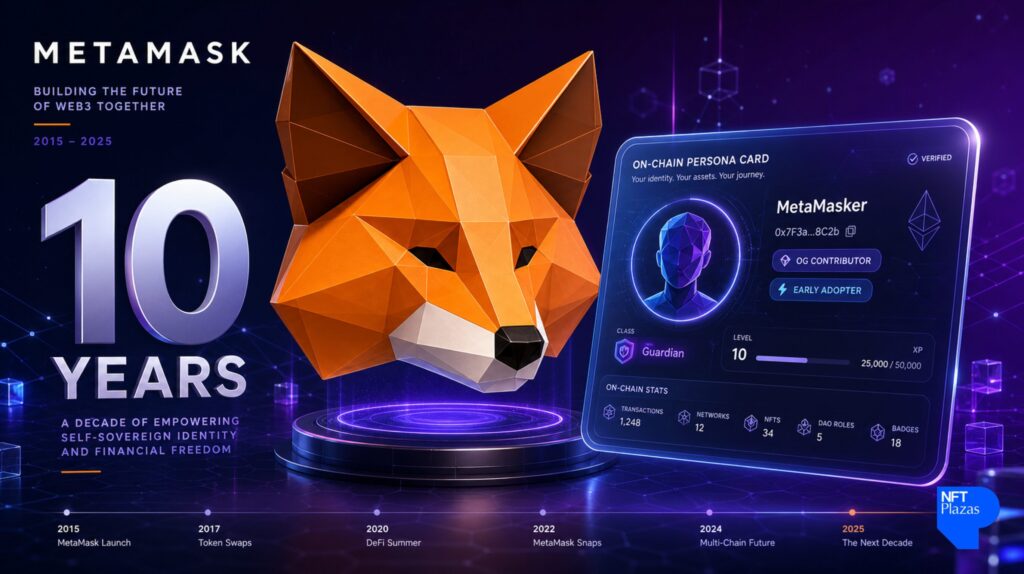
According to Ether.fi’s Thursday announcement, the “Summer” release places crypto trading, tokenized real-world assets, portfolio borrowing, and global payments inside one app designed as an alternative to a traditional bank account.
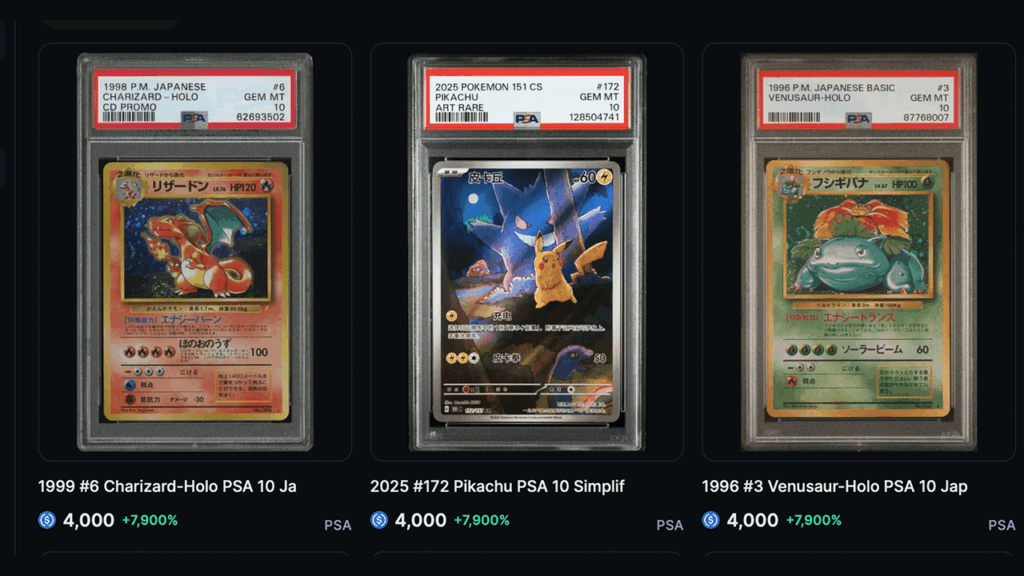
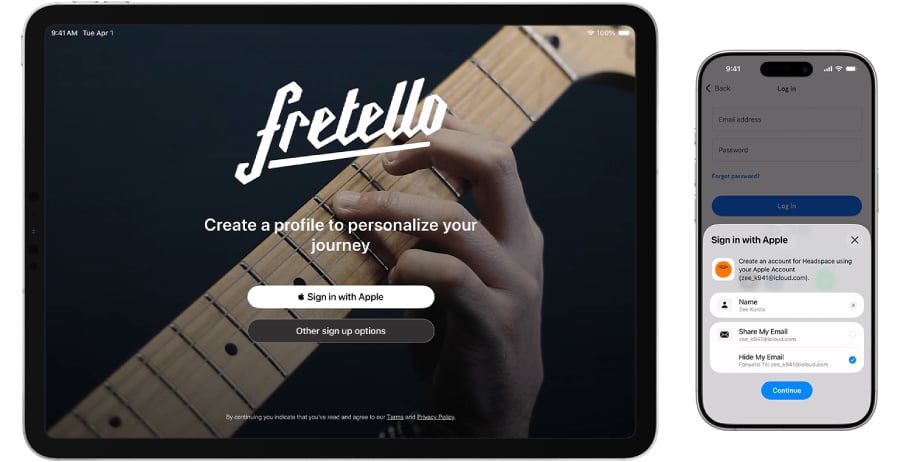
Through an integration with xStocks, eligible users can buy tokenized equities and commodities alongside their crypto holdings. The assets remain in self-custodial vaults rather than accounts controlled by a centralized exchange, while a social recovery feature gives users a way to restore access if they lose their usual credentials.
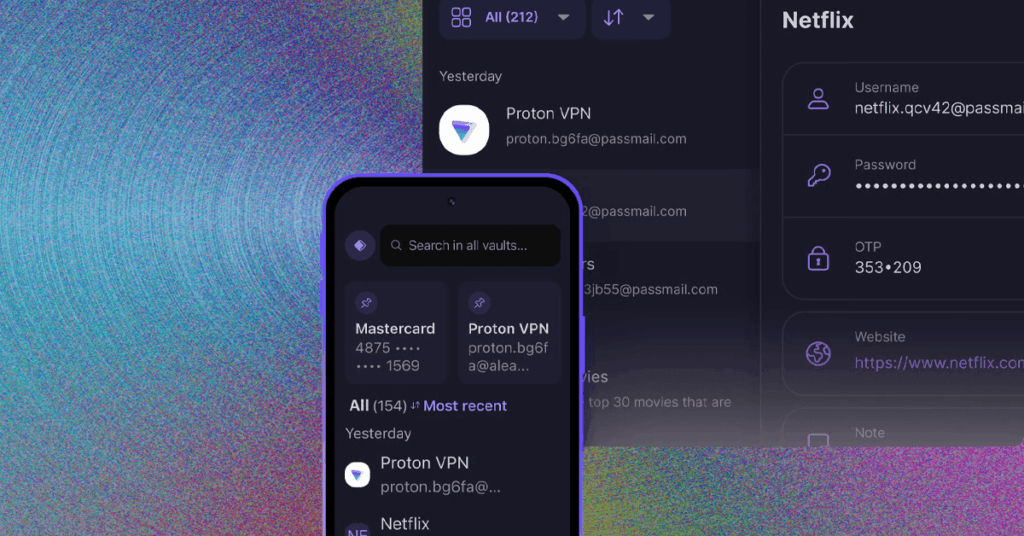
Ether.fi said the updated interface uses less crypto-focused language as the project seeks users who may want blockchain-based financial services without navigating several decentralized applications. Instead of moving assets between a wallet, lending protocol, trading platform, and payment provider, customers can access the functions through one app.
Borrowing is handled through a new Aave market running on Optimism. Users can provide assets from their portfolios as collateral and obtain loans at standard decentralized finance rates, which Ether.fi said were around 4% at the time of the announcement.
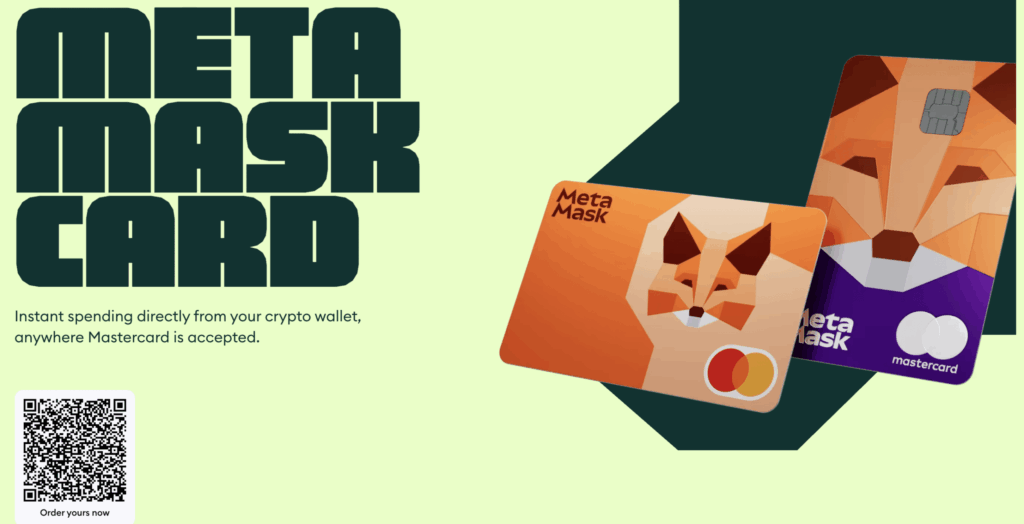
Borrowed funds can be transferred or spent through the Ether.fi Cash card, allowing customers to access money without first selling the assets held in their portfolios. Users can also spend supported assets directly or continue holding yield-bearing positions as collateral.
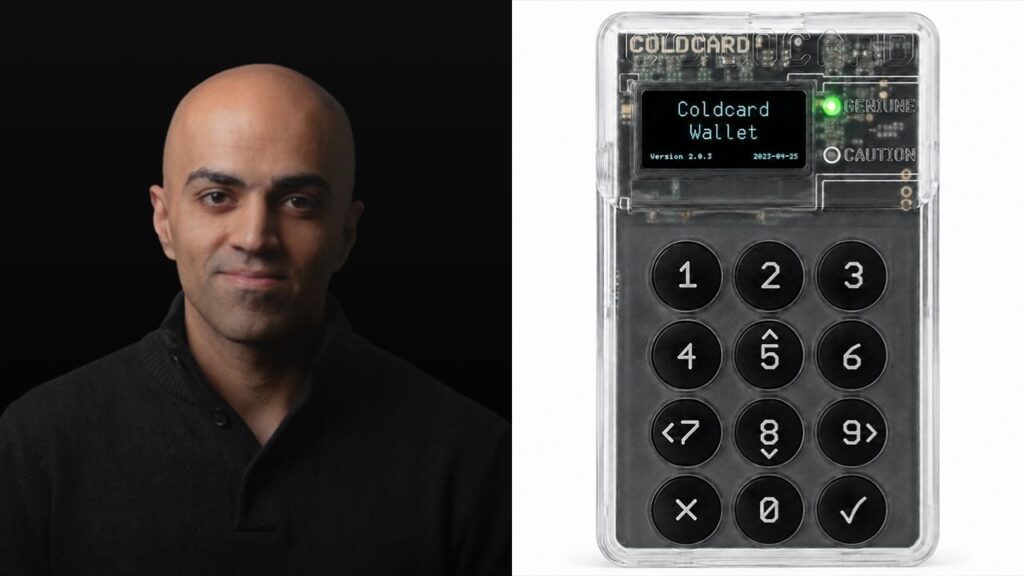
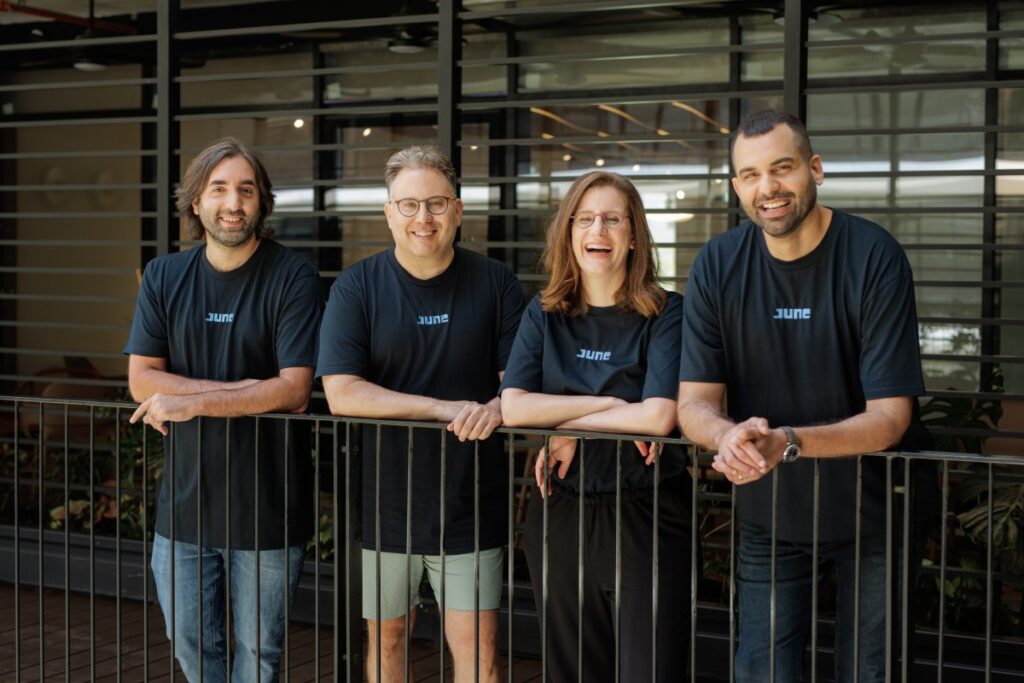
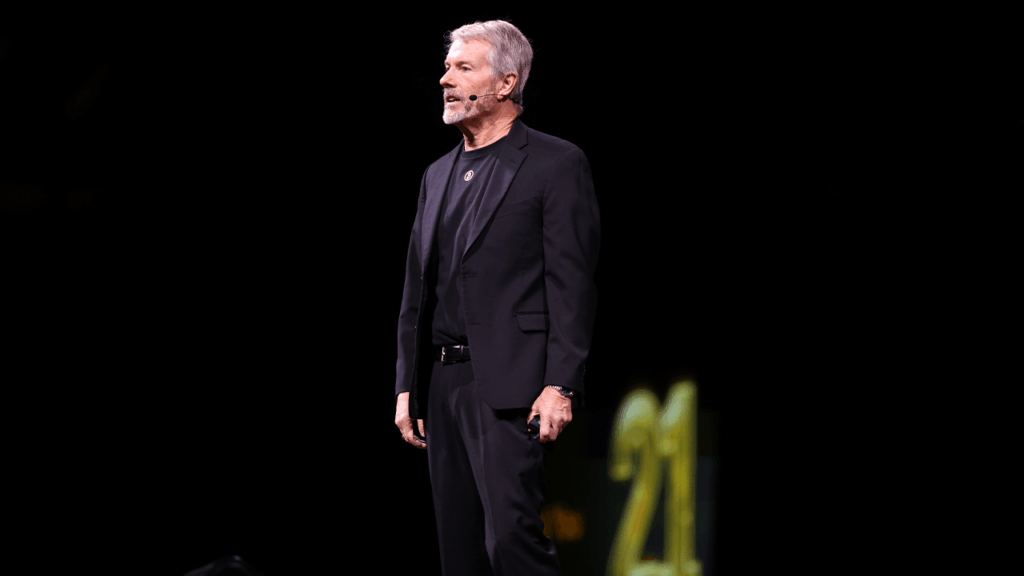
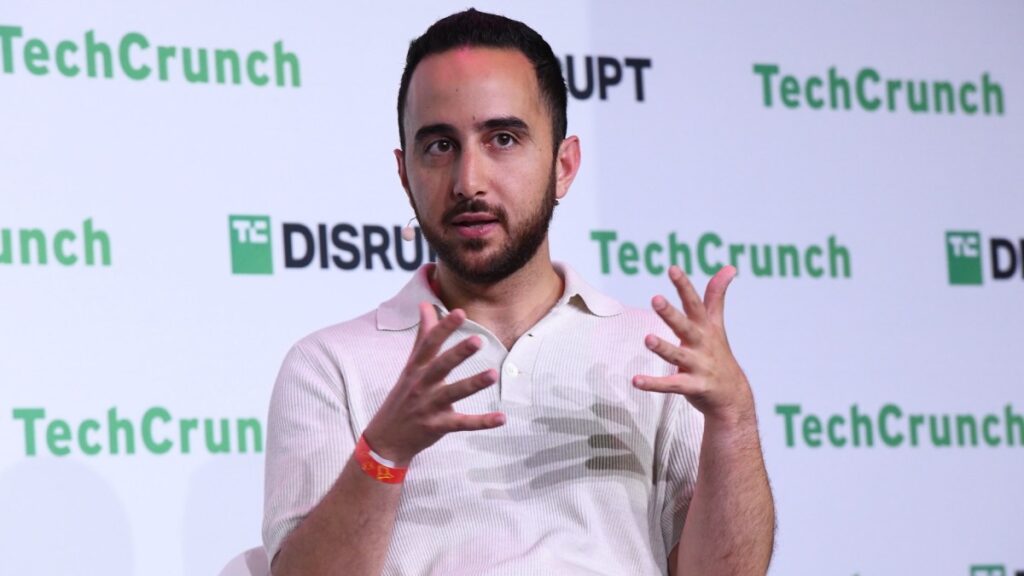
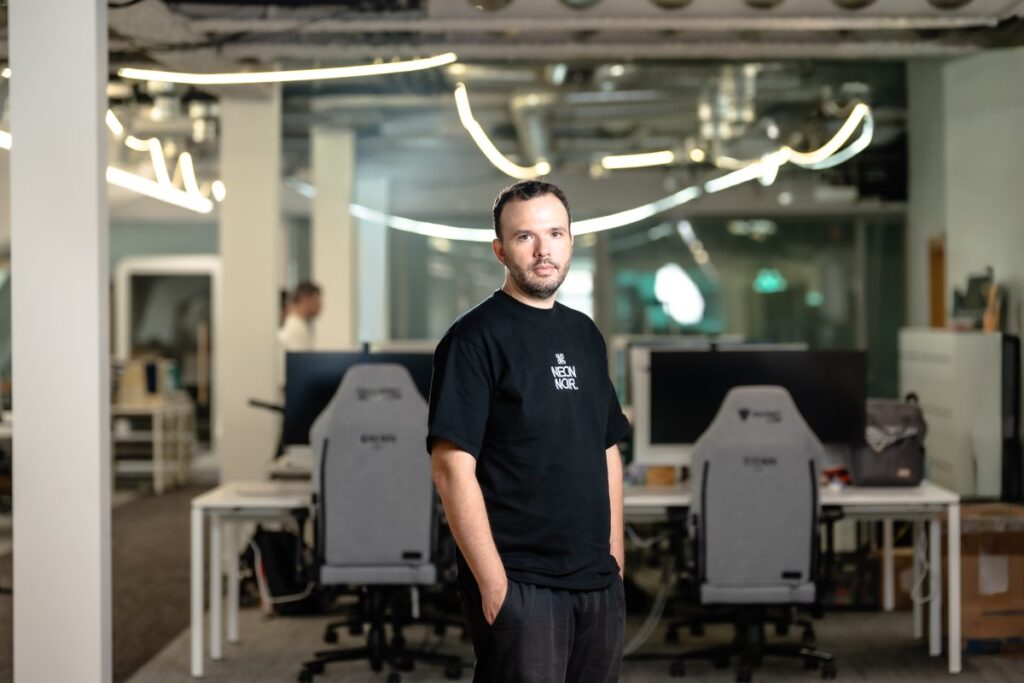
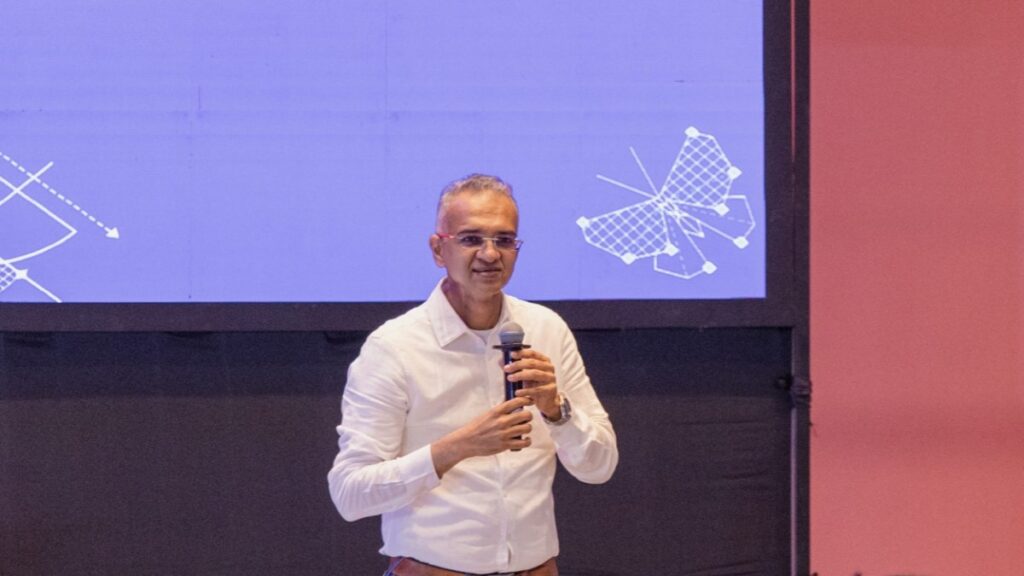
“With ether.fi, we’re bridging the gap between decentralized finance and everyday financial needs,” Ether.fi CEO Mike Silagadze said.
Silagadze added that the project wants to replace a conventional bank for many users by offering financial tools that have often been limited to institutions and wealthy clients. According to the chief executive, self-custody and decentralized finance make it possible to provide such services without requiring customers to hand over direct control of their assets to the platform.
Card benefits extend across more than 30 currencies
Under the upgraded service, Ether.fi Cash cardholders will receive 3% cashback on purchases. The company has also removed top-up charges, while customers at higher membership levels can make payments without the foreign-exchange fees normally charged by the platform.
Ether.fi said the new deposit and withdrawal connections support more than 30 currencies and payment methods. Apple Pay and Cash App are included among the supported options, giving eligible customers additional ways to move between fiat money and assets held through the app.
Card availability still depends on a user’s country. Silagadze told The Block that people in places where Ether.fi cannot issue its payment card can use the platform’s staking products or fiat deposit and withdrawal connections instead.
The app builds on a card business that already serves about 500,000 users and has issued roughly 150,000 cards, according to figures Silagadze gave to the publication. Ether.fi previously moved the card from Scroll to Optimism, placing the payment product on the same Ethereum scaling network that now hosts its Aave lending market.
Alongside the customer-facing services, the Summer release introduces programmatic purchases of ETHFI, Ether.fi’s governance token. The announcement said the buybacks will be integrated into the app’s financial model, although it did not provide the purchase schedule, funding formula, or volume expected under the program.
Tokenized stocks remain restricted for U.S. users
American customers will not have access to the tokenized stock trading feature at launch. Ether.fi said the service will also remain unavailable in certain other jurisdictions, while access to cards, fiat connections, and other products will depend on local rules.
The restriction is relevant because xStocks products track shares of publicly traded companies but do not necessarily give holders the same legal position as investors who buy stock through a regulated broker. The exact ownership rights, dividend treatment, collateral structure, and redemption terms depend on how each token is issued.
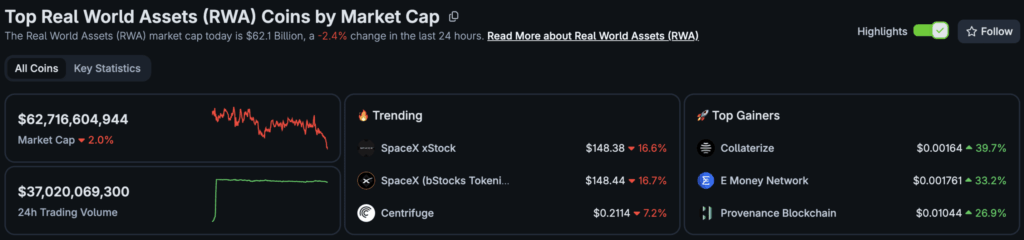
In July, crypto.news previously reported that tokenized equity ownership across five large platforms had climbed 92% in 30 days to 752,000 holders. Robinhood accounted for 328,000 holders, while xStocks ranked second by asset value at $487 million at the time.
Newer data shows competition in the sector has continued to rise. Binance’s bStocks reached $610.6 million and moved ahead of xStocks less than two months after launching, while Token Terminal data placed the tokenized stock market at approximately $2.7 billion.
U.S. access remains tied to an unresolved regulatory debate. In June, the Securities and Exchange Commission was reportedly considering an exemption that could permit some blockchain platforms to offer tokenized public shares in the country.
SEC Commissioner Hester Peirce later indicated that any such framework would probably cover digital versions of existing equities that preserve the rights attached to conventional shares. Synthetic products that only follow a company’s stock price without providing shareholder rights were not expected to qualify under the approach she described.
For American investors, Ether.fi’s geographic restriction means the new app does not yet create a direct route to tokenized equities. U.S. users must rely on whichever staking, payment, borrowing, or fiat services Ether.fi is legally able to offer in their location.
Ether.fi expands beyond its restaking roots
Once centered mainly on Ethereum restaking, Ether.fi has spent 2026 adding payment products and other sources of on-chain income. The protocol lets users stake ETH and receive liquid assets such as eETH and weETH, which can then be used in decentralized finance without requiring holders to withdraw the underlying stake first.
Earlier in August, Ether.fi began removing its weETH restaking exposure from EigenLayer and moving toward Symbiotic infrastructure. Symbiotic permits a range of ERC-20 assets to serve as collateral and separates functions such as operator management, reward distribution, and penalty conditions into modules that individual services can configure.
Real-world assets have become another part of Ether.fi’s product set. In June, the protocol allocated $100 million to a Plume vault containing income strategies linked to institutional assets.
Plume said the vault included overcollateralized credit pools, highly rated collateralized loan obligations, and bond exchange-traded funds. Ether.fi ecosystem head Charles Mountain said the capital included managed funds from the protocol’s liquid ETH, liquid USD, and liquid BTC vaults, which held about $300 million in combined value at the time.
In a separate three-year agreement, Ether.fi committed $3 billion in ETH as validator liquidity to ETHGas, an Ethereum platform that operates markets linked to future blockspace. The protocol’s latest product update allows users to keep staked and yield-bearing assets as collateral while accessing loans, transfers, or card spending from the same portfolio.