














































































































































































































































































































































































































































































































































































































































































































































































































































































































































































































































































































































































































































































































































































































































































































































































Are Smart Car Seats Worth It? I Tested Two to Find Out (2026)

Car seats had some pretty humble beginnings. Even I, an early-’90s baby, slightly recoil every time I see a picture of myself strapped into a flimsy plastic bucket with a loud geometric-print cover that once held my life in its clutches. Car seat design and safety standards have come a long way, and today’s models are quite souped up, with cup holders, rotating bases, and enough bells and whistles to rival an Escalade. And now, they’re getting smart.
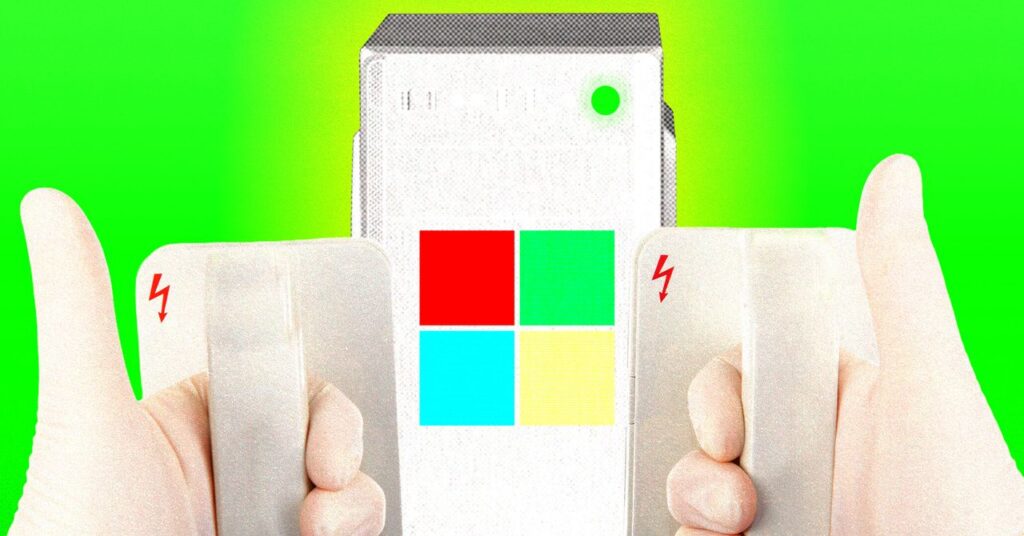
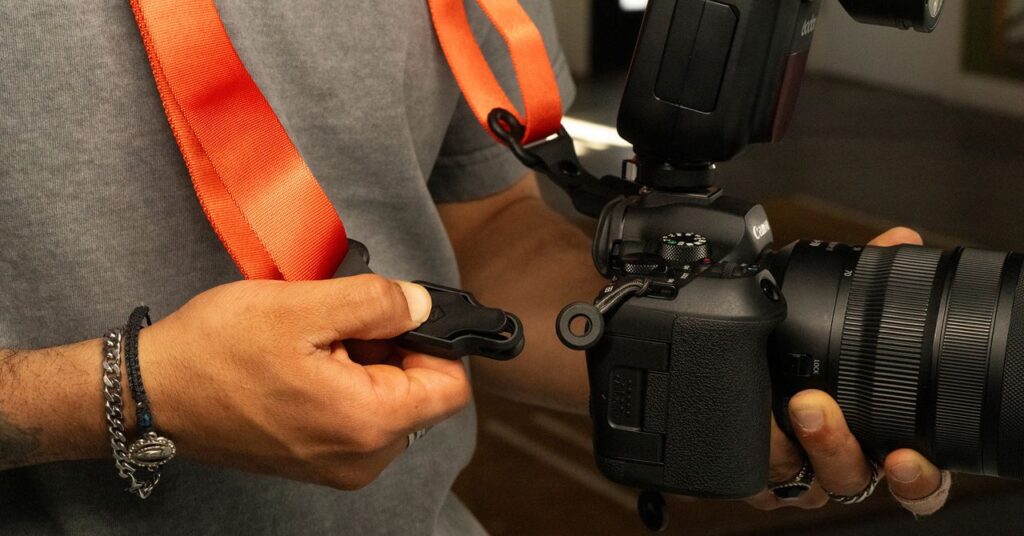
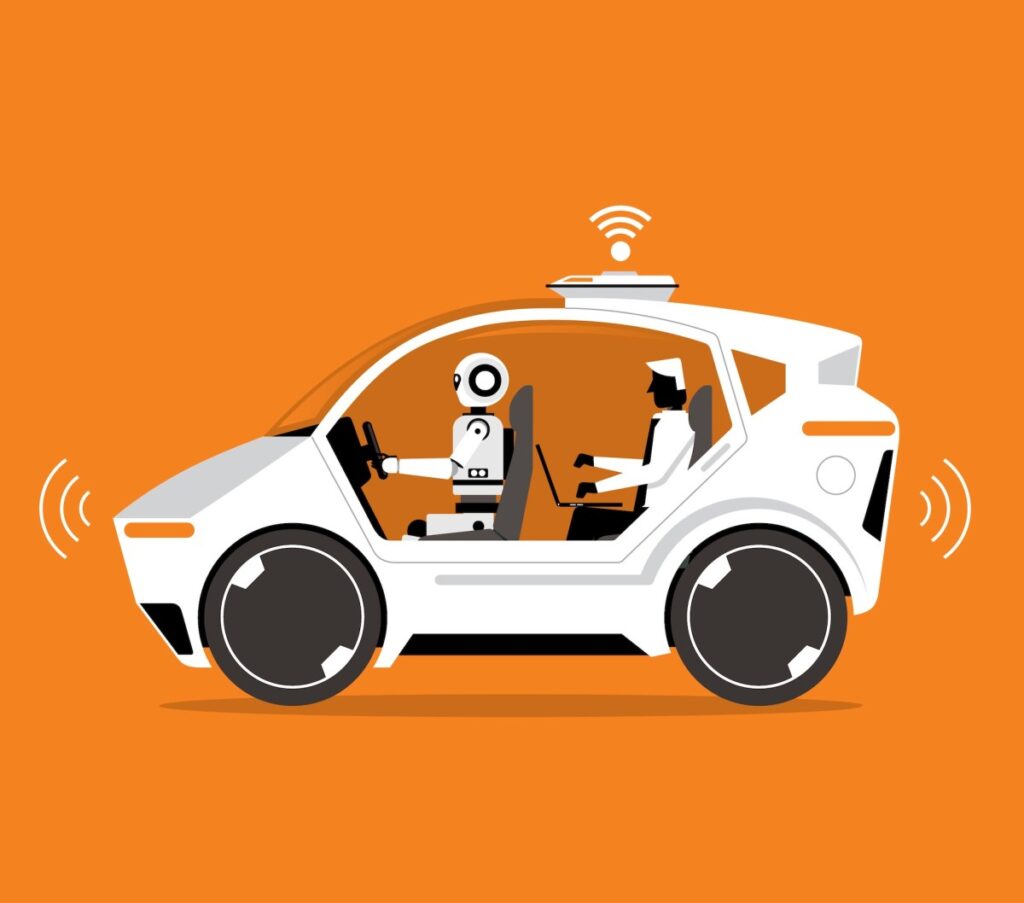
Many car seat manufacturers are adding technology to, for lack of a better term, give parents a second set of eyes. Think Bluetooth-connected chest clips, sensors, apps, and real-time alerts that ping your phone if something goes awry, whether that’s an installation issue or if a chest clip comes unbuckled while the car’s moving.
It sounds appealing, right? Especially for parents who already have plenty to worry about and are often juggling a million things just to get out the door in the morning. But it’s worth asking: Do these features actually make car seats safer? Or are parents paying for peace of mind?
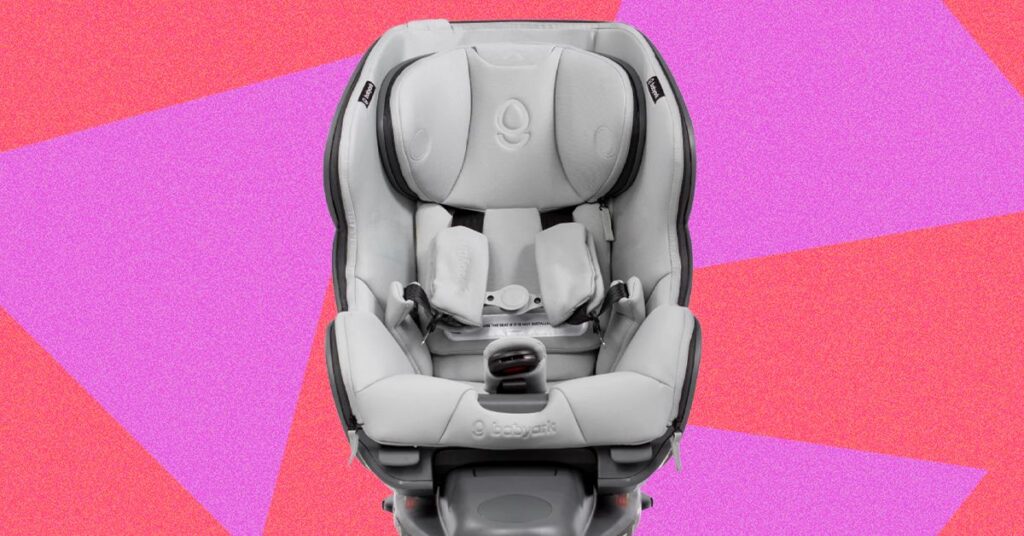
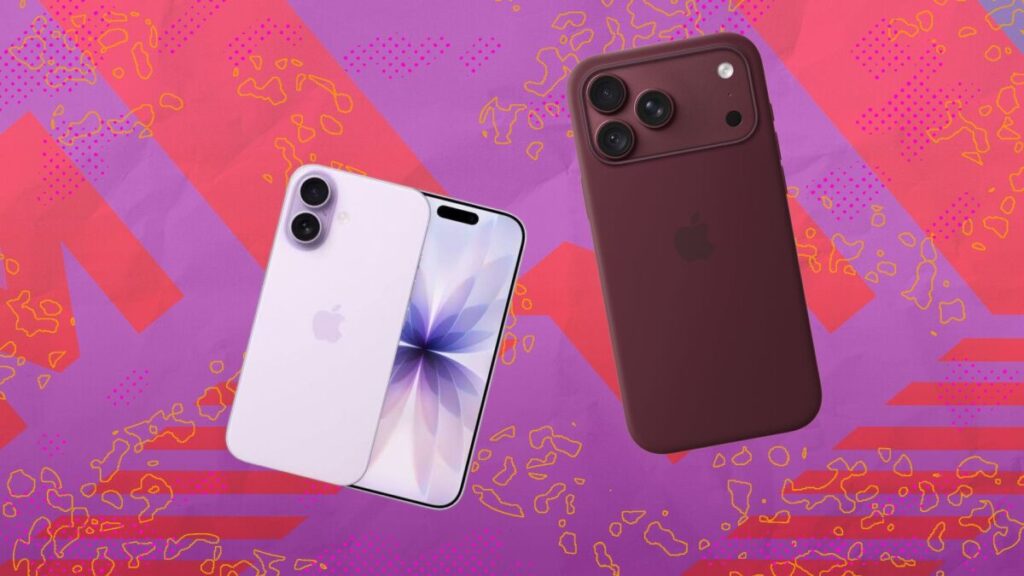
I tested two smart car seats, the Babyark Classic ($799) and the Cybex Cloud G Pro ($550), to see if this technology lives up to the hype and whether a smart seat is worth adding to your registry. Because while an app-connected car seat might seem cool and offer some reassurance, no amount of technology can replace proper installation and use. Keep in mind that they’re not exactly apples-to-apples comparisons; the Babyark is a convertible car seat designed to grow with your little one, while the Cybex is an infant carrier. I tested the Babyark with my toddler daughter and the Cybex with my infant son, giving me a chance to see how each one worked at different stages of parenthood. But both offer a glimpse into how companies are integrating technology into car seats, and I wanted to see how they perform in everyday life.
The Smarts Behind the Seats
Many smart car seats revolve around sensors. Some come equipped with sensors that help caregivers determine if the seat is installed correctly. Others use Bluetooth-enabled chest clips to send notifications to your phone if the chest clip breaks free mid-ride or if you walk away from your car while your child is still buckled in. A few models even have crash detection, which can send notifications to designated emergency contacts if a collision is detected.
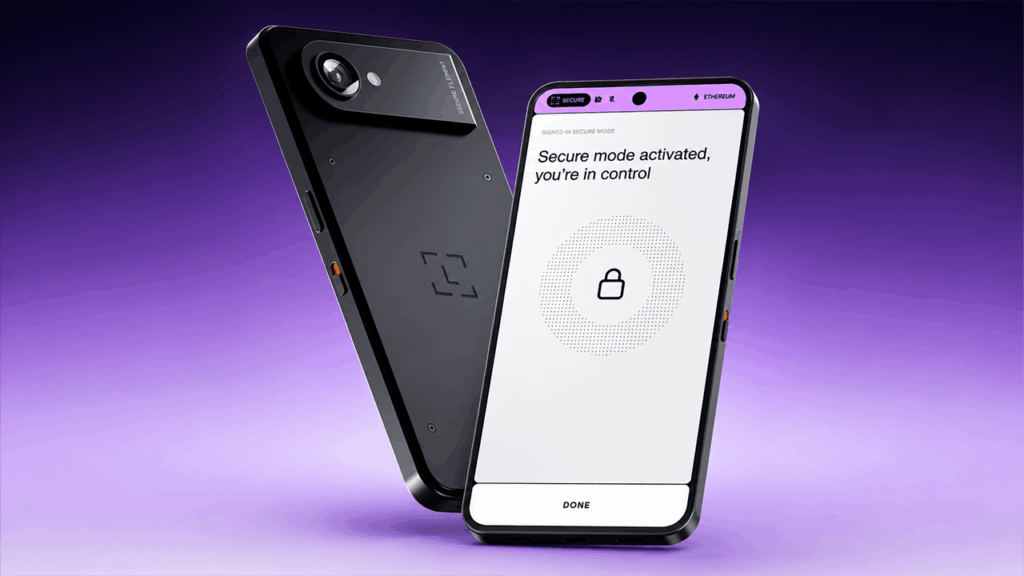
The biggest difference comes down to how the technology is integrated. Some models, like the Cybex I tested, rely on a Bluetooth chest clip that connects to an app. Babyark takes a slightly different approach, with mechanical indicators on its Classic model and a swankier electronic sensor system built into the base of its higher-end Smart and Premium models.
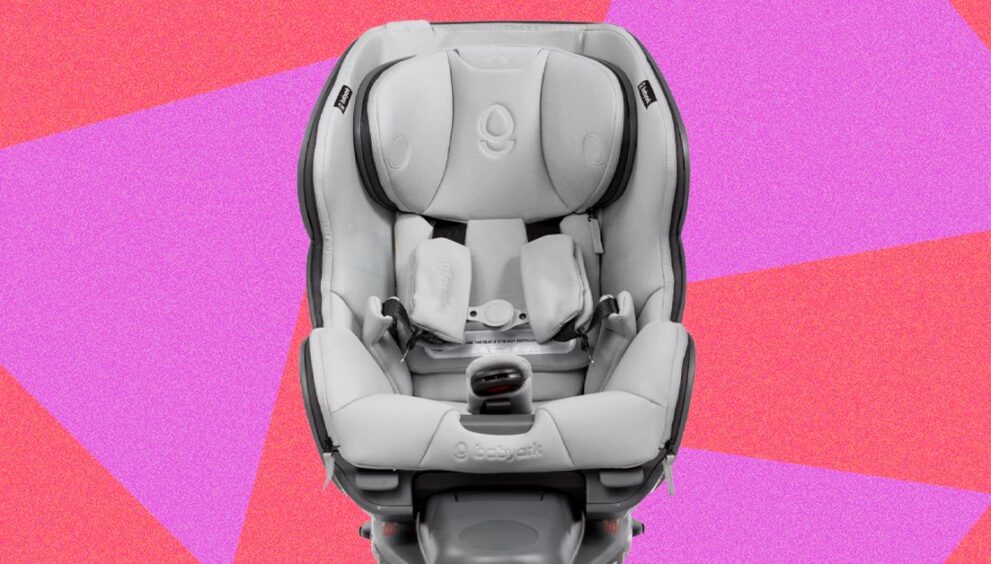
Babyark Classic: A Sturdy Seat With a Techy Setup

Photograph: Nicole Kinning
Babyark
Classic Convertible Car Seat
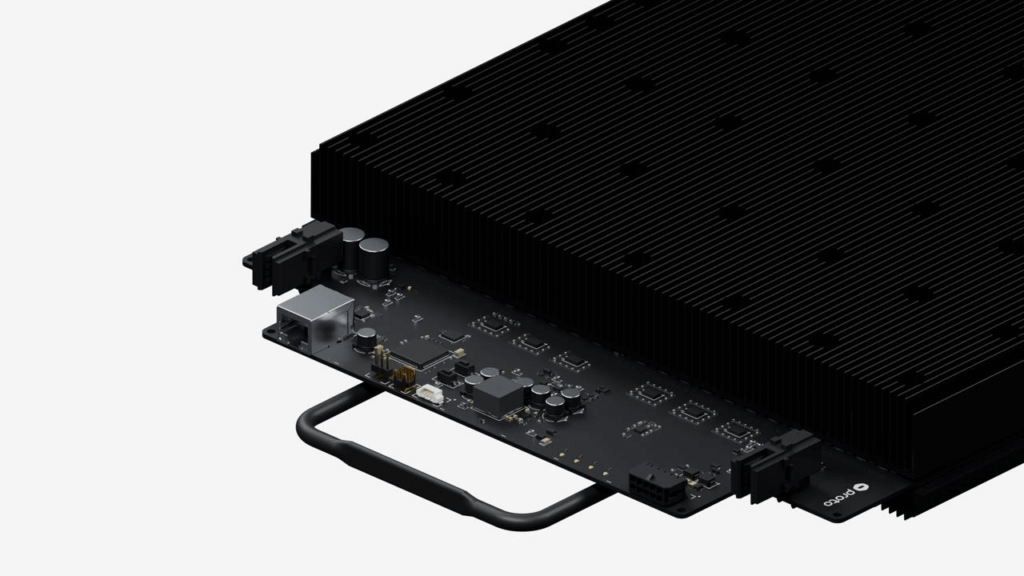
The first thing I noticed about the Babyark out of the box was its base setup, which was different from any other car seats I’ve used. The base is a spaceship-looking device with a fold-out support leg and anti-rebound bar. The seat itself is pretty bulky, but I didn’t mind too much, since by the time I started using it, my daughter was old enough that I didn’t need to haul her around in an infant seat anymore.