

























































































































































































































































































































































































































































































































































































































































































































































































































































































































































































































































































































































































































































































































































































































































































































































































































































































































































































































































































































































































































































































































































































































































































































































































































































































































































































































































































































Bitcoin Drops to Near $67,000 as Strategy, Other Crypto Stocks Fall. Is Crypto Winter Back?


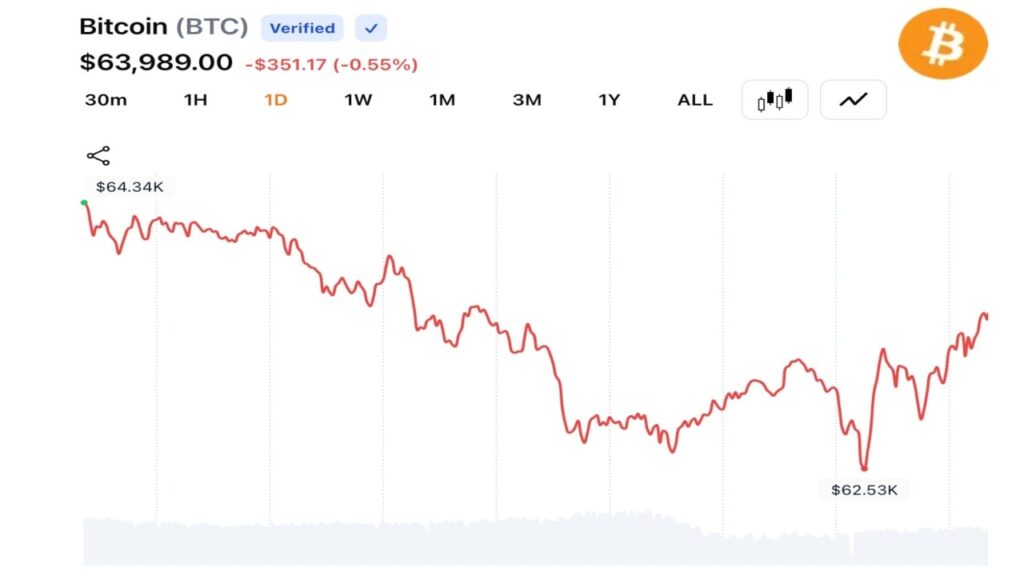
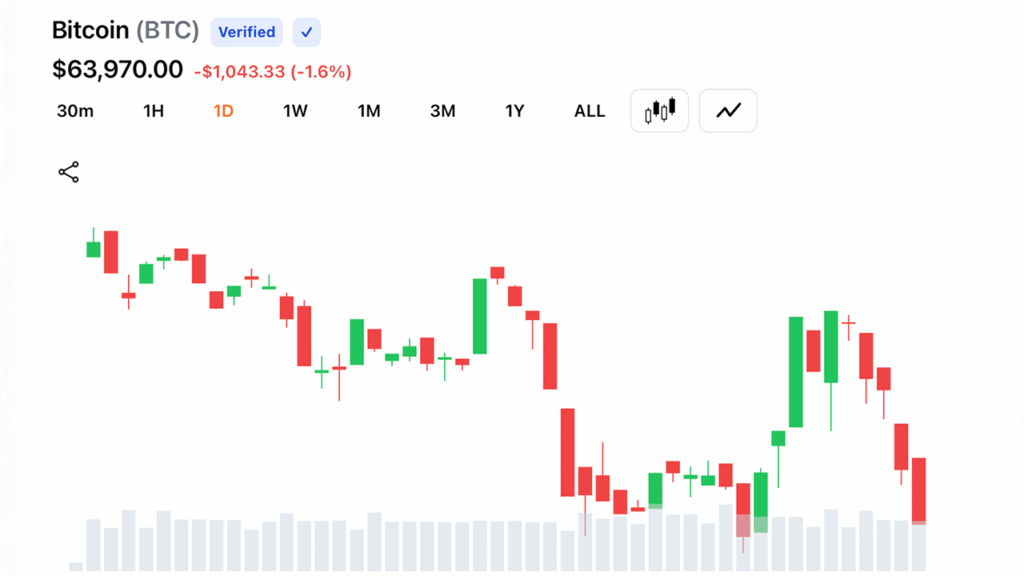
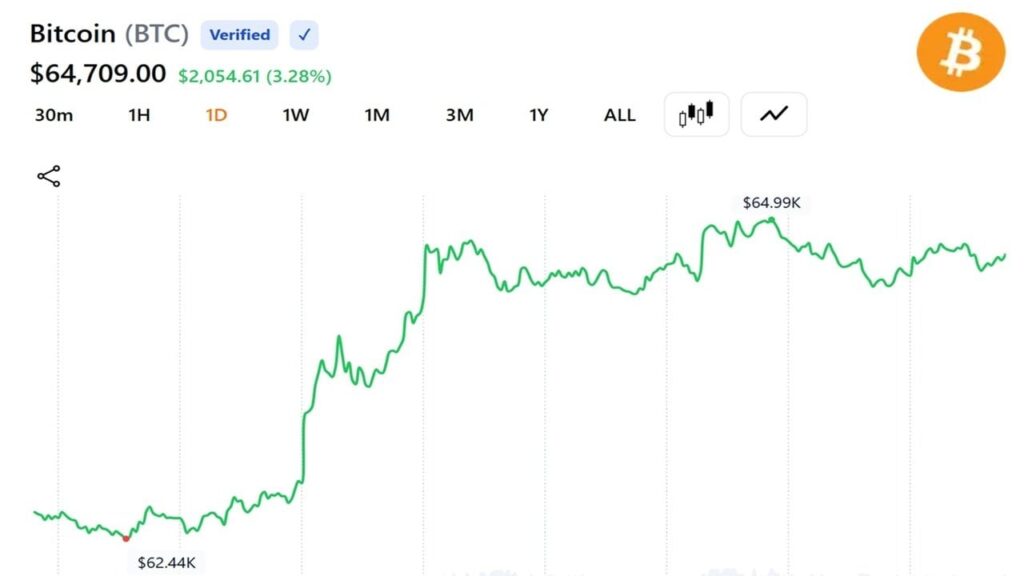
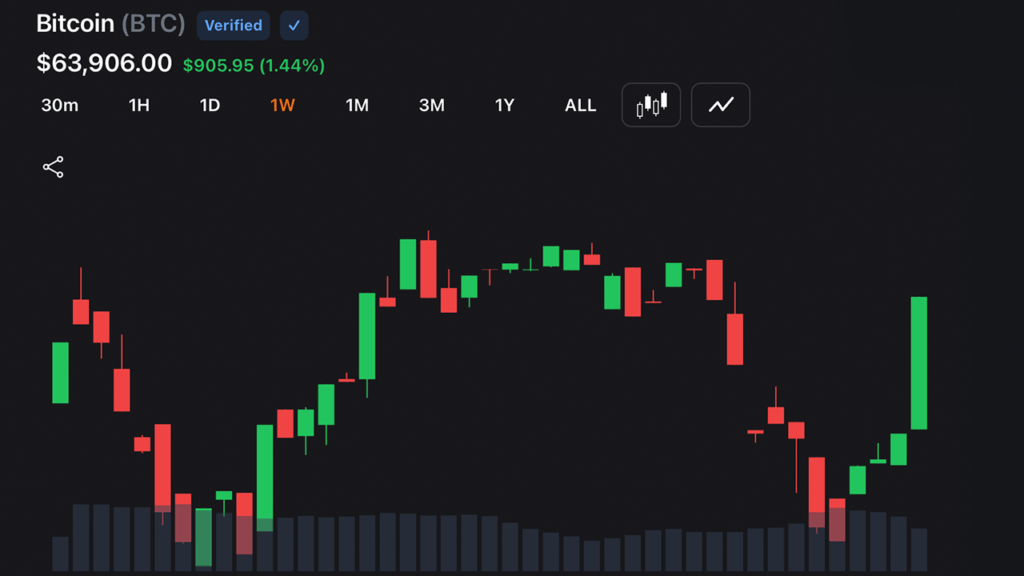
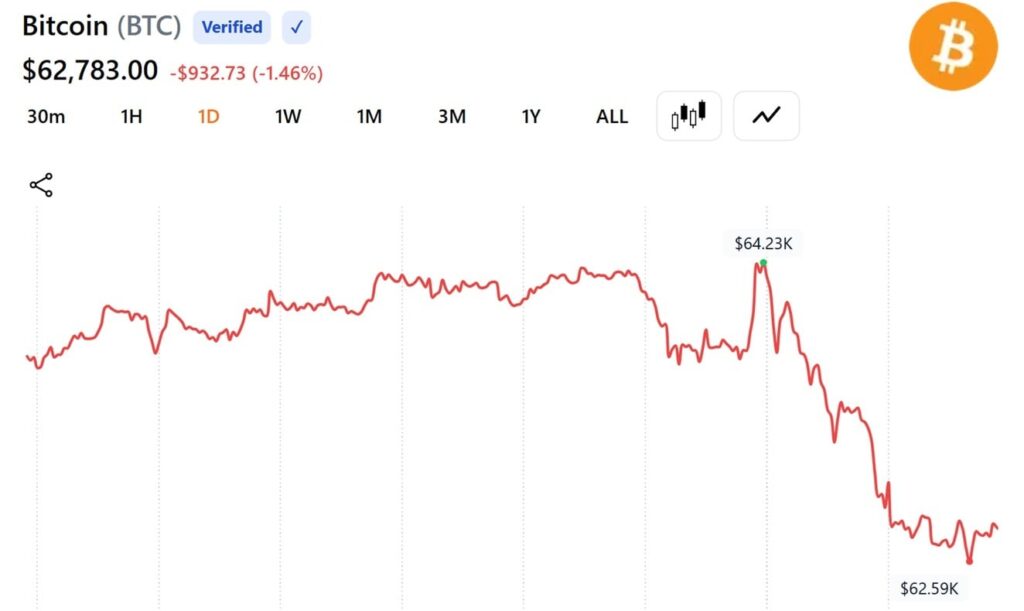
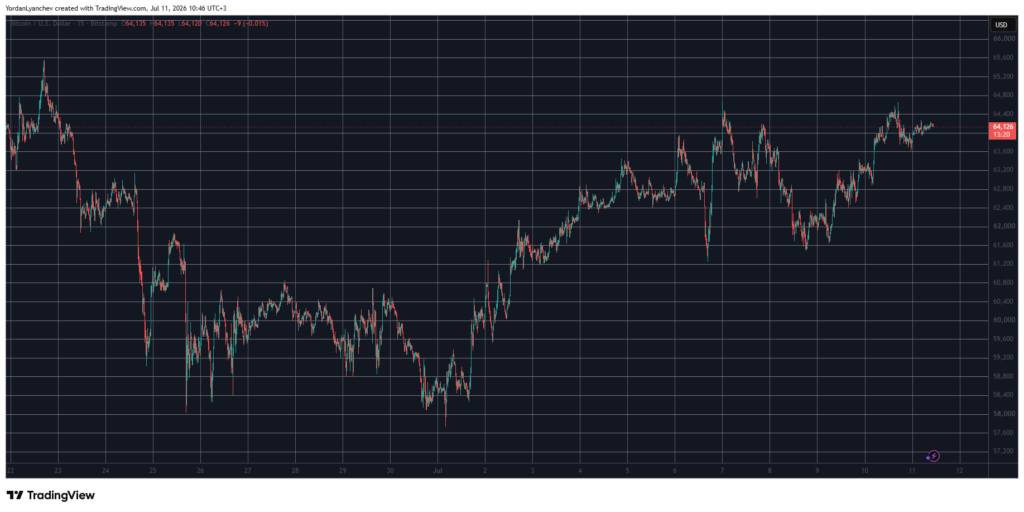
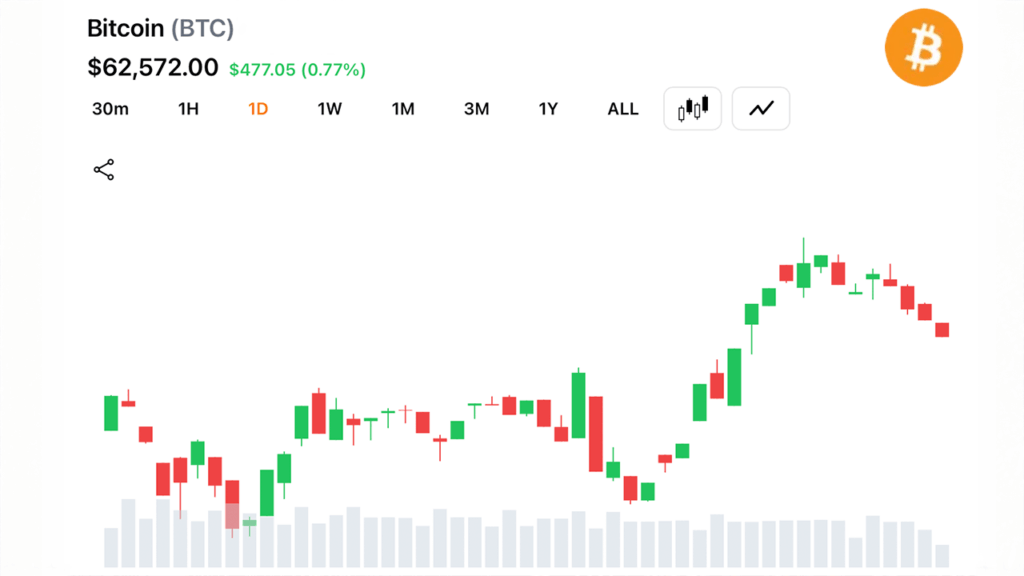
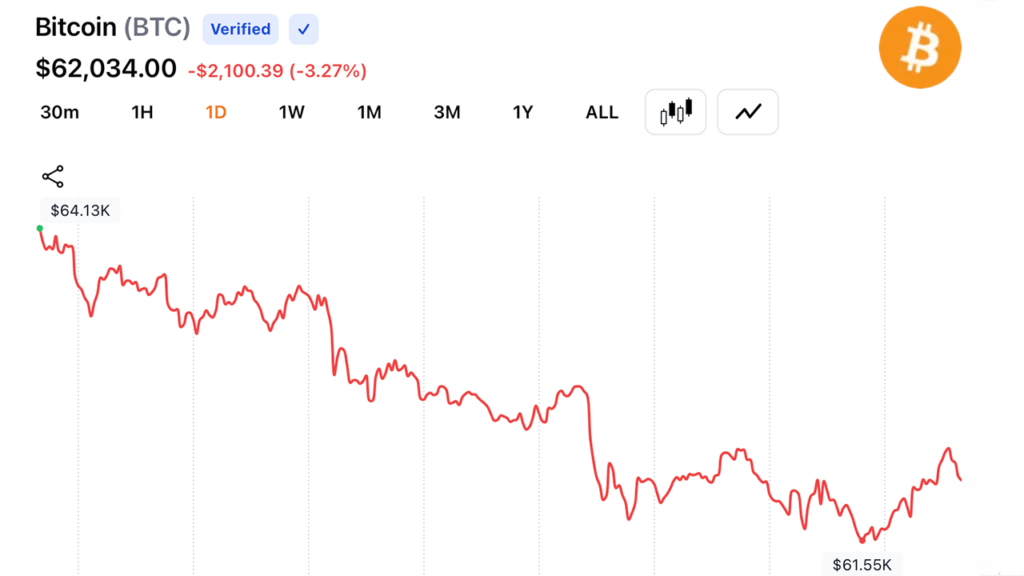
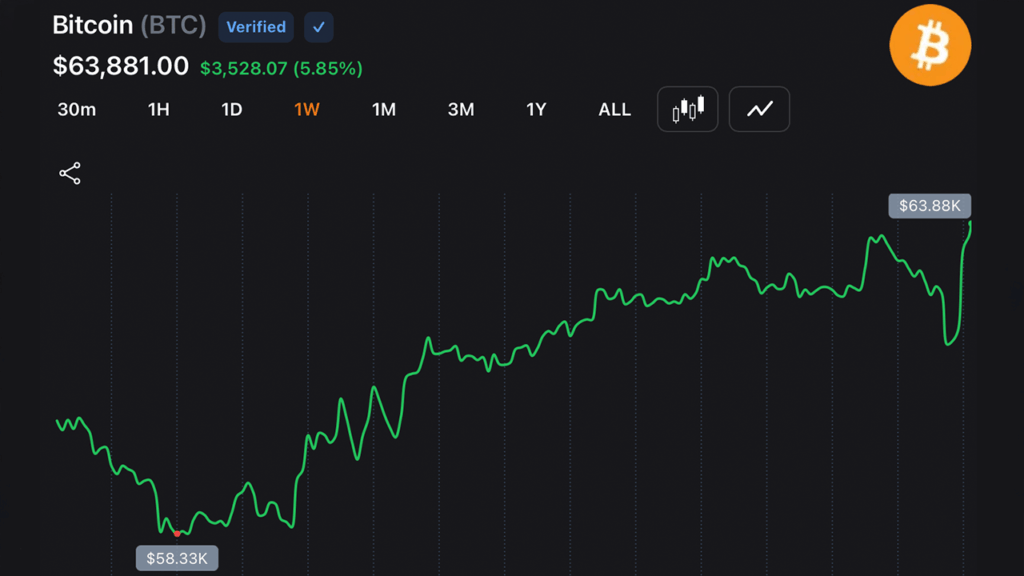
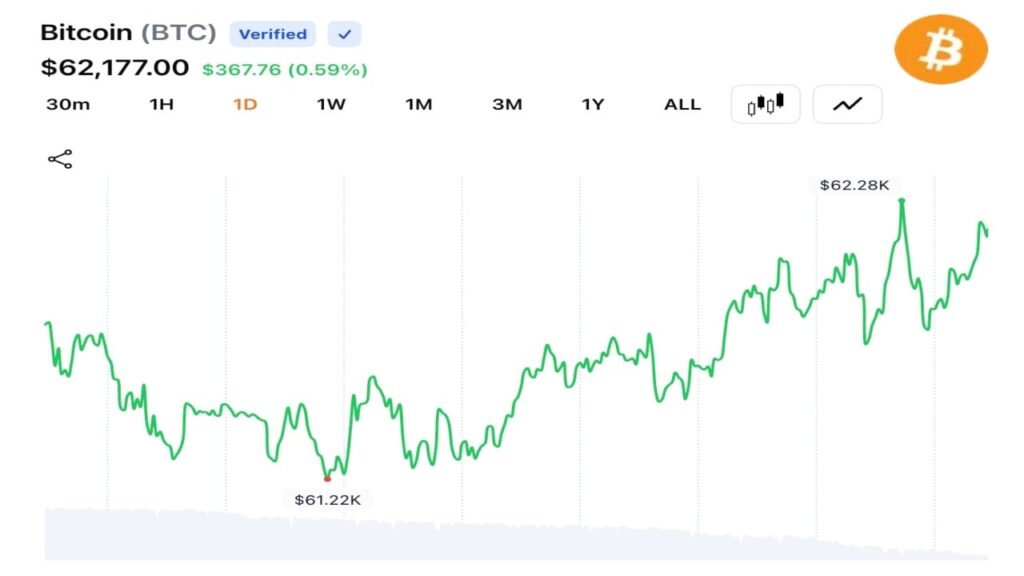
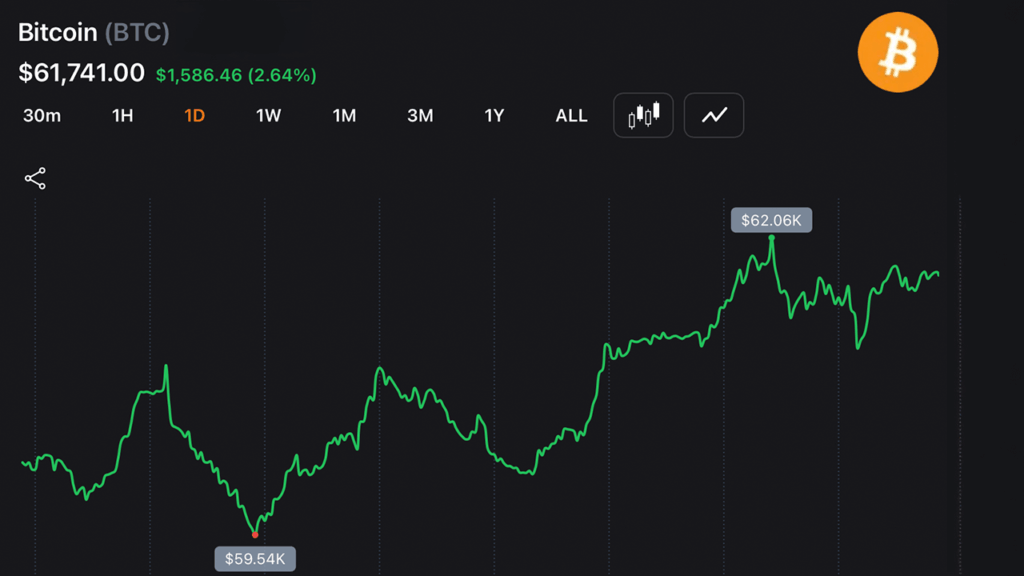
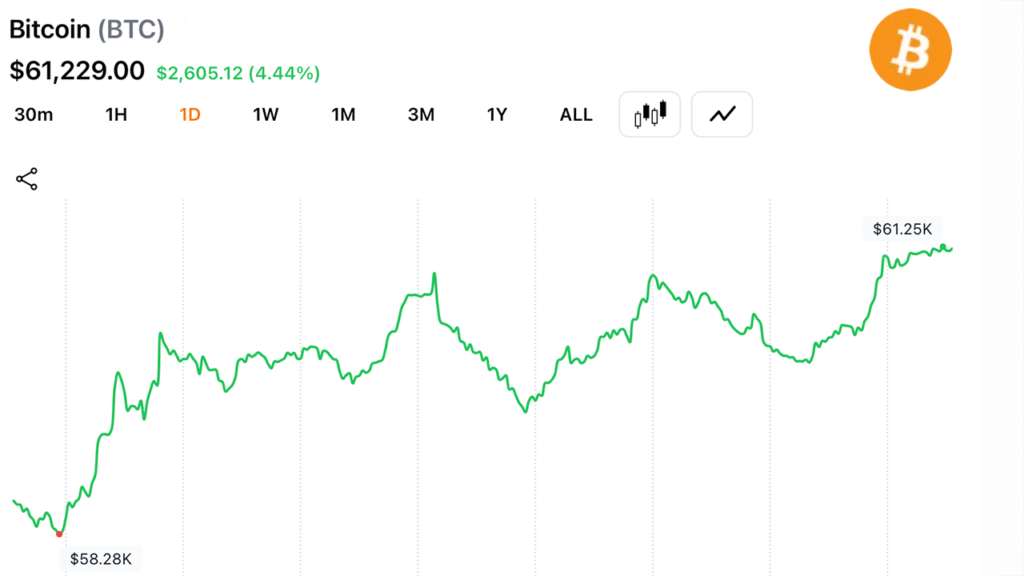
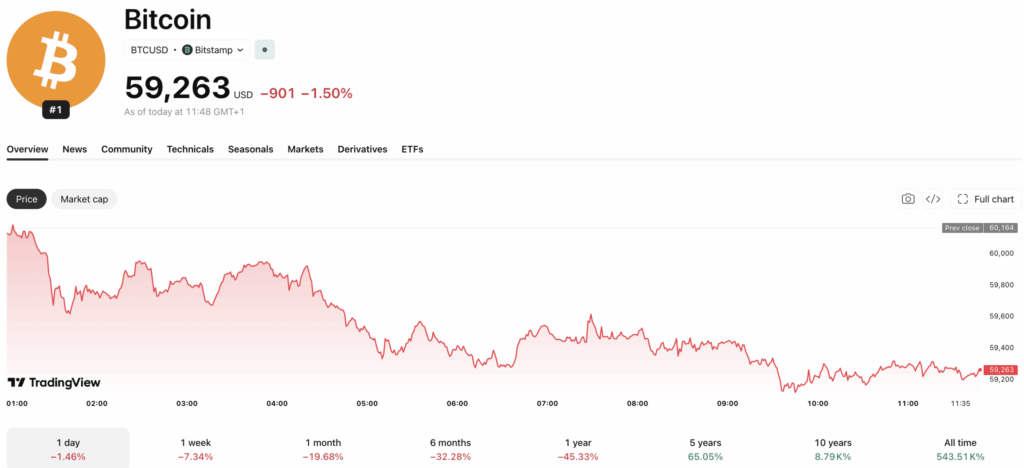
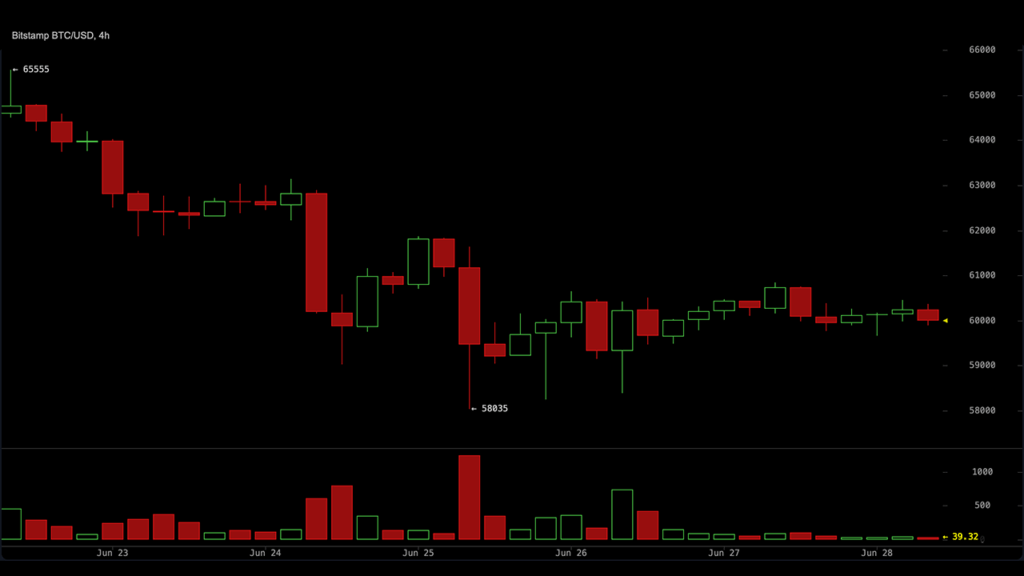
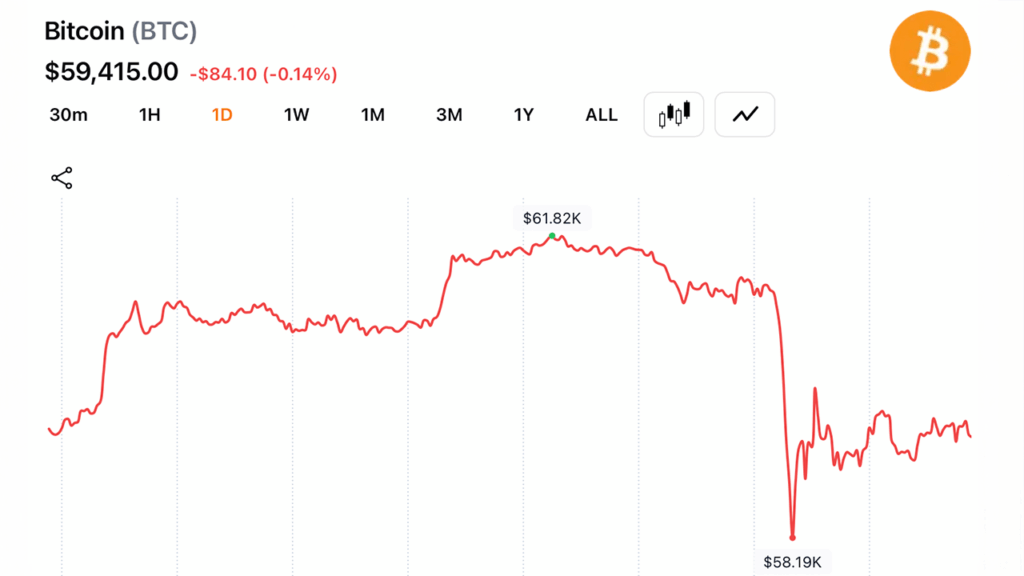
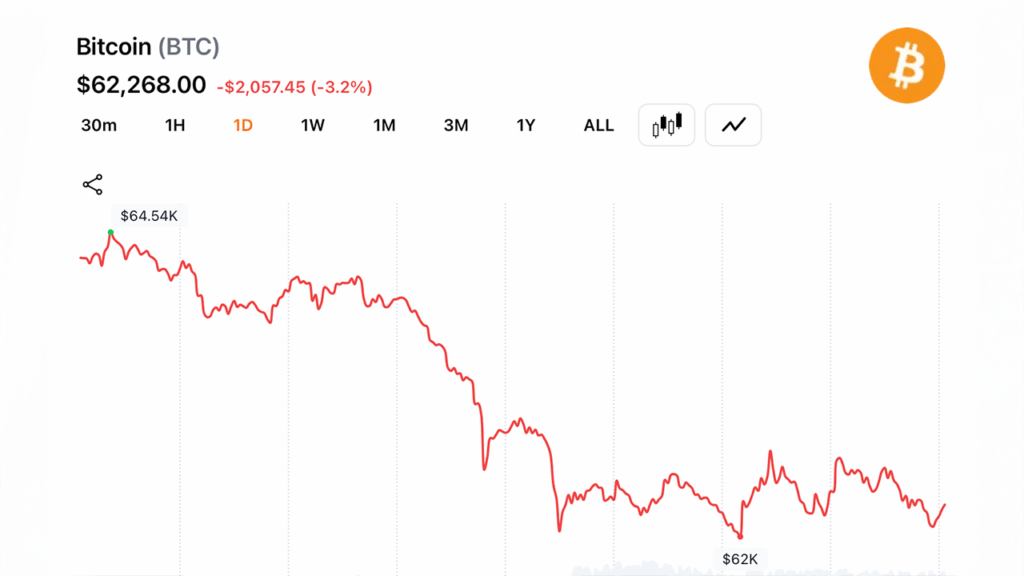
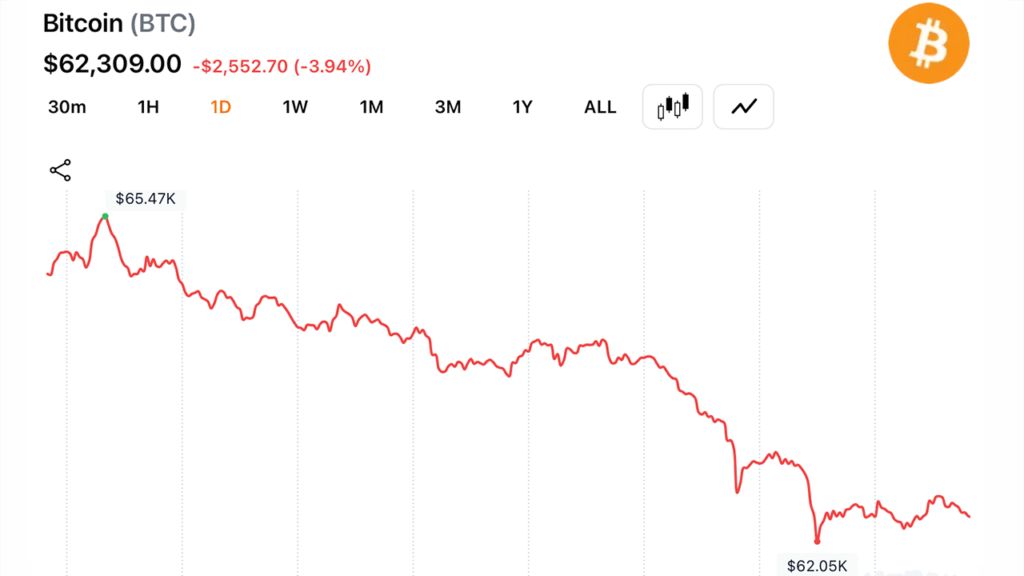
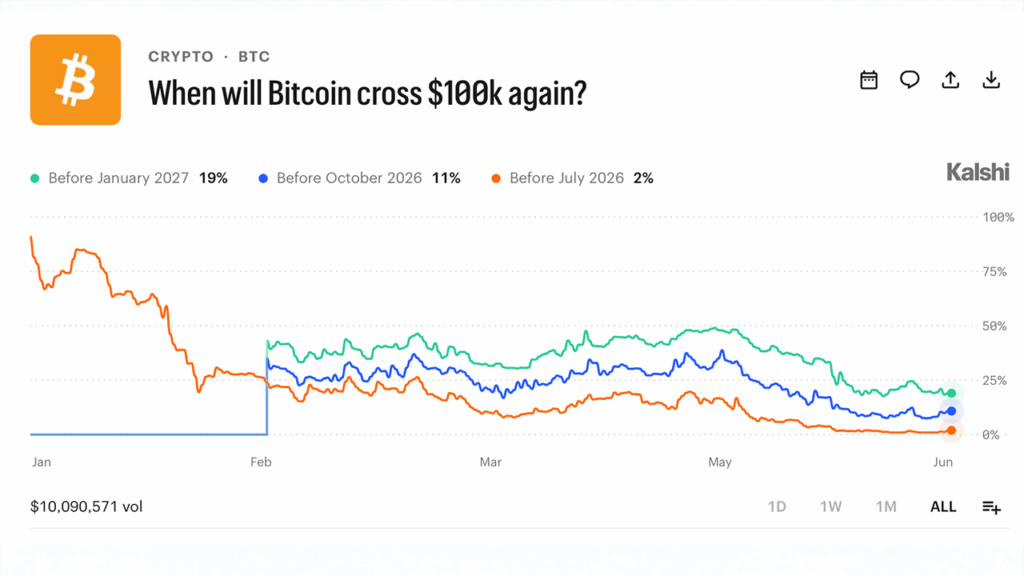
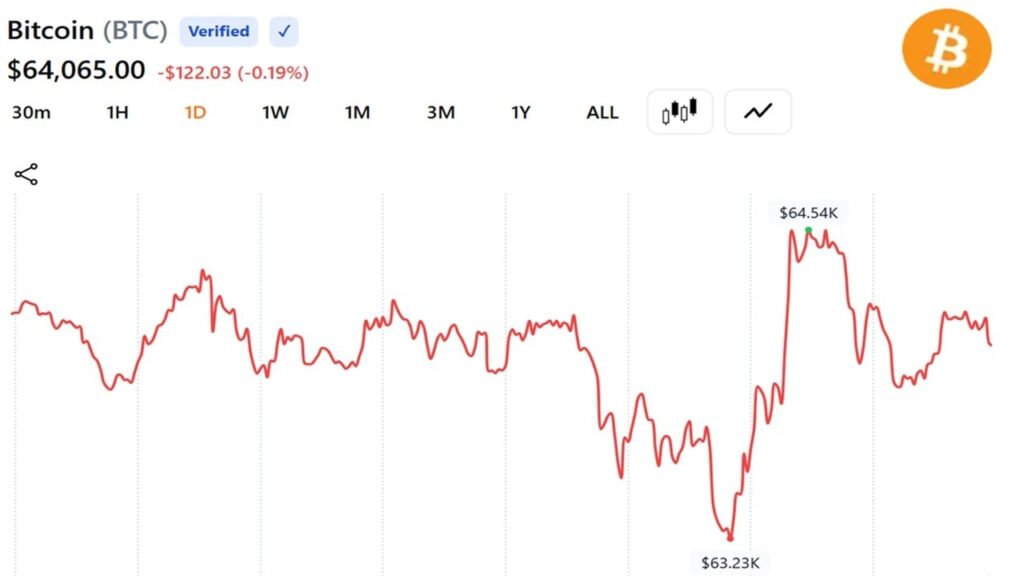
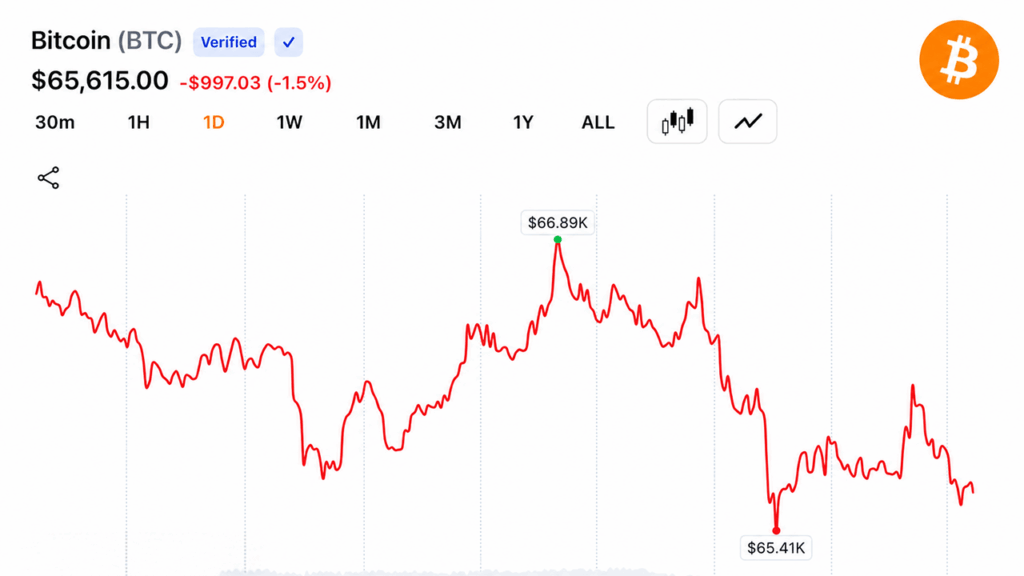
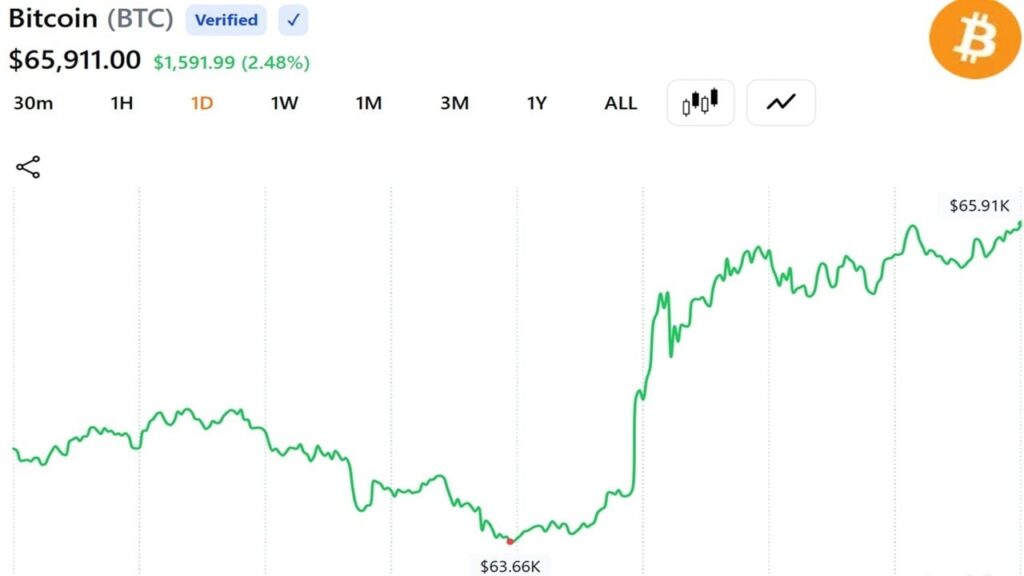
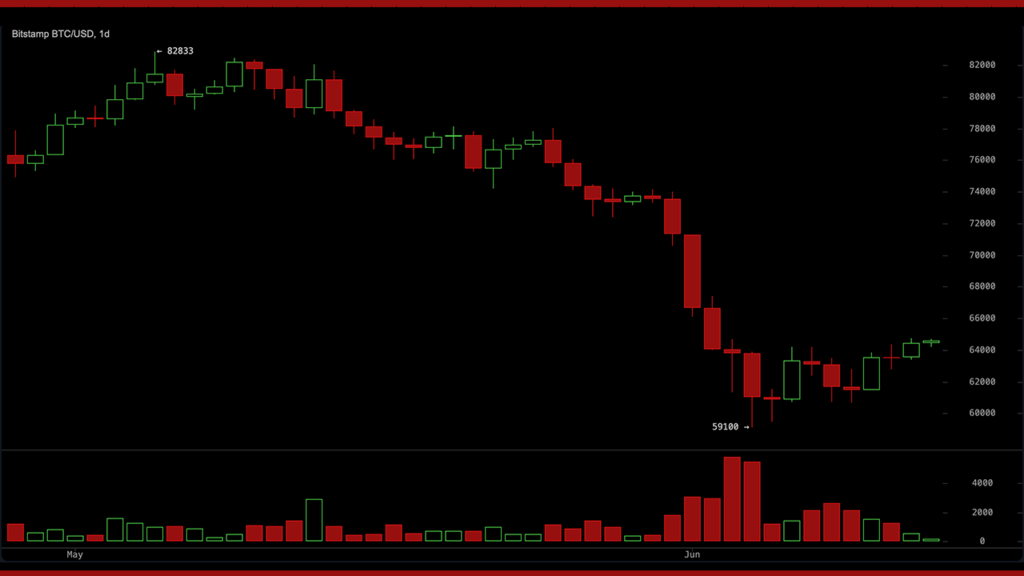
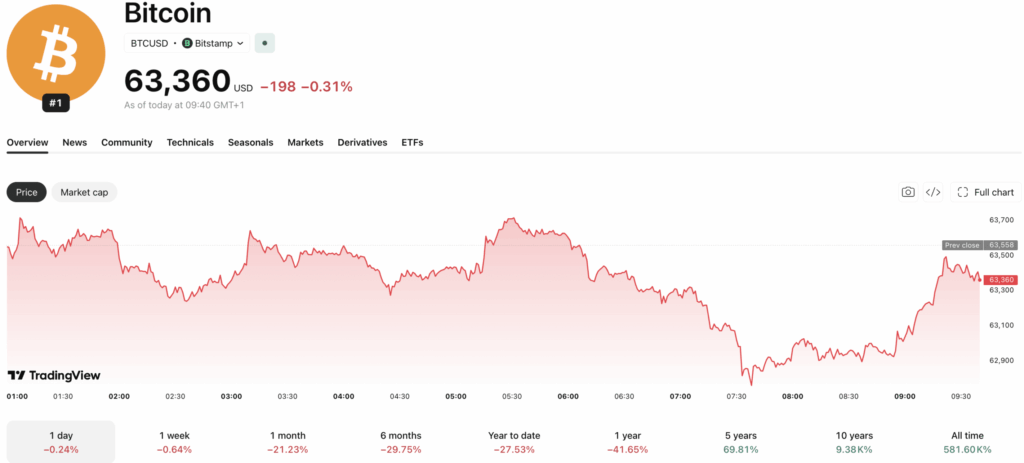
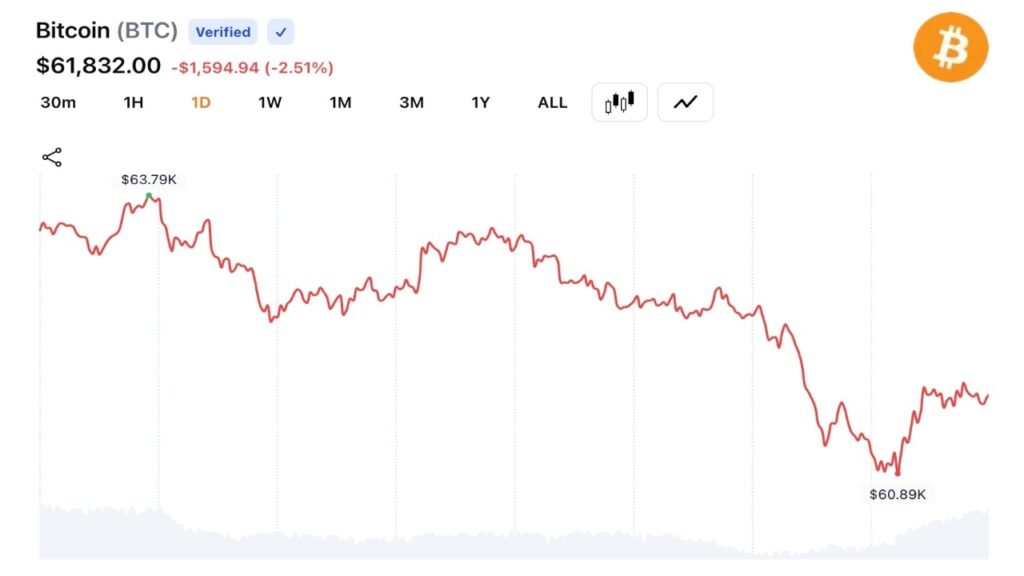
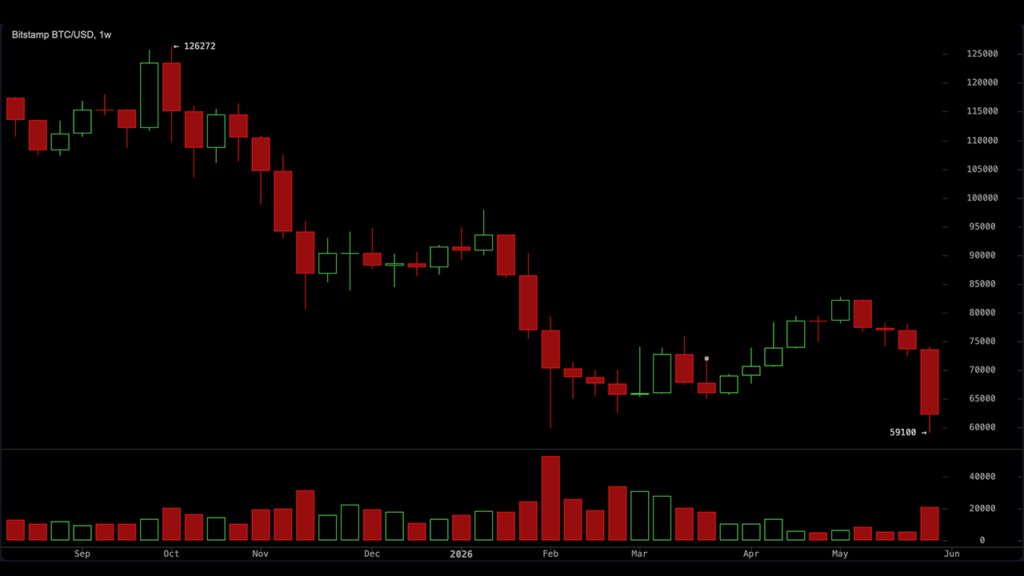
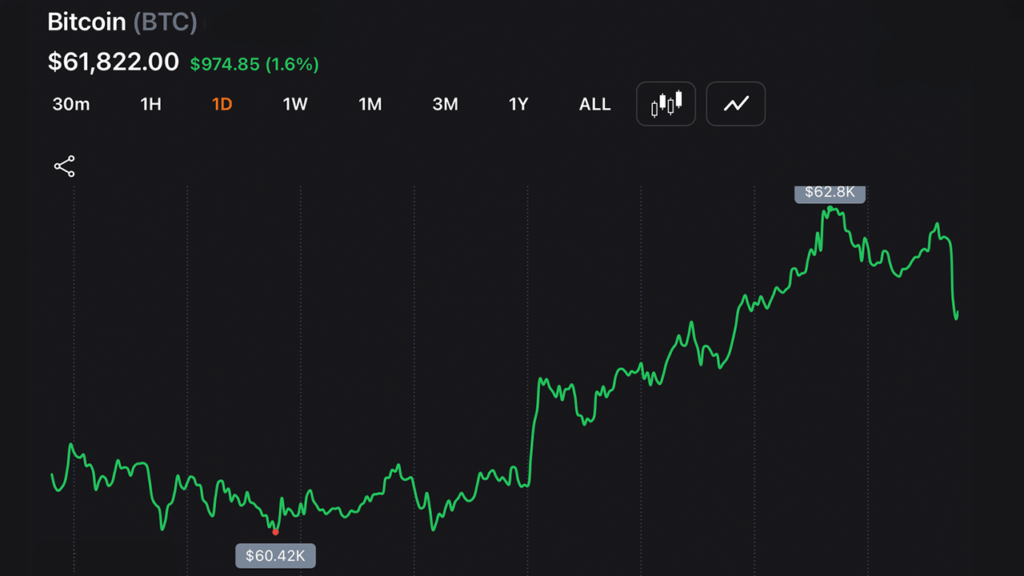
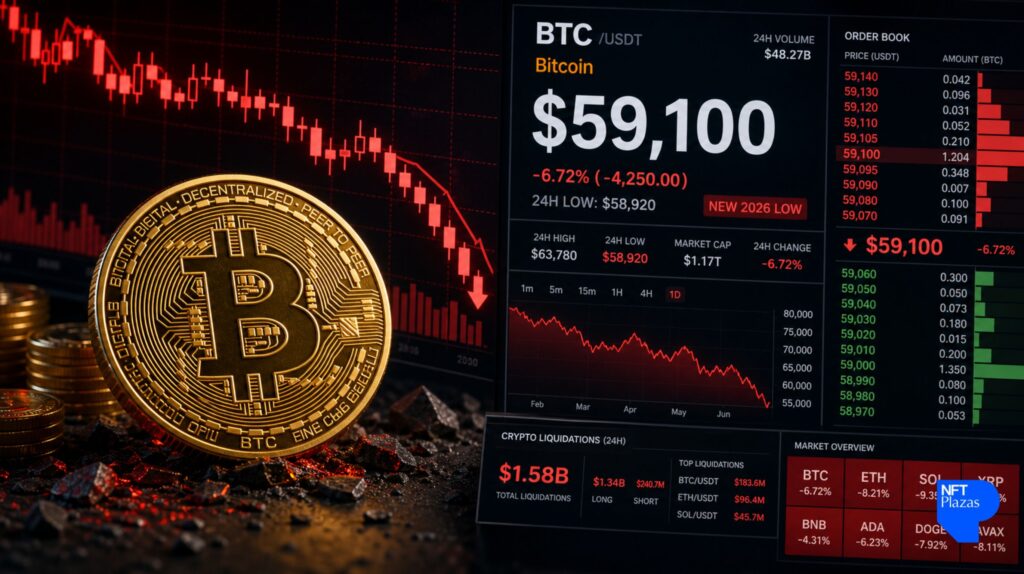
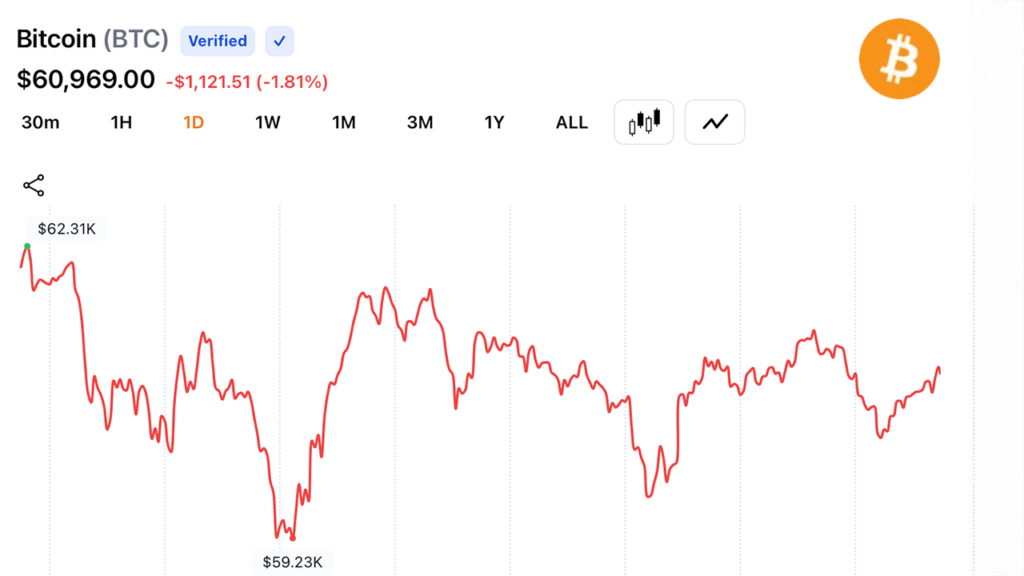
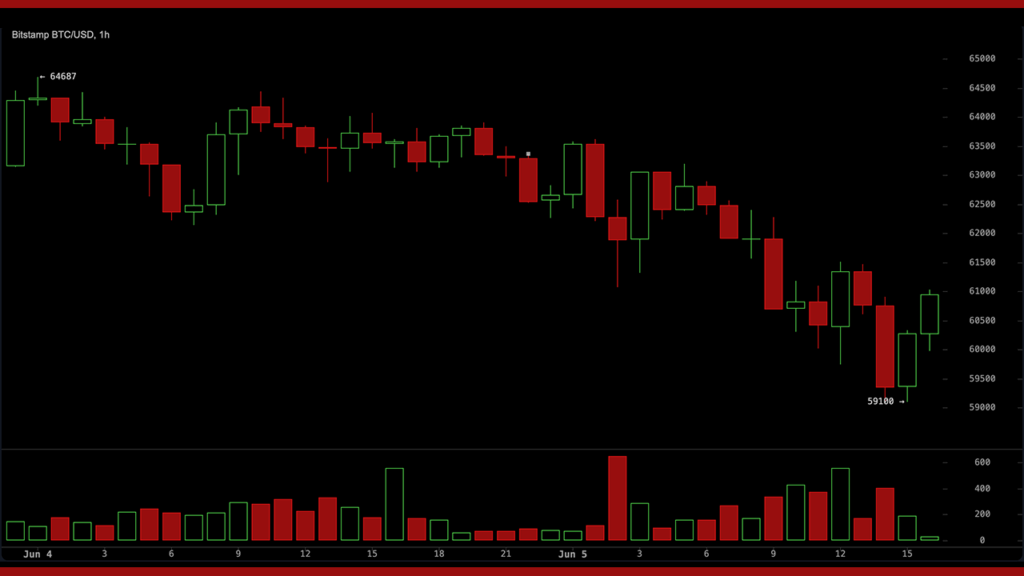
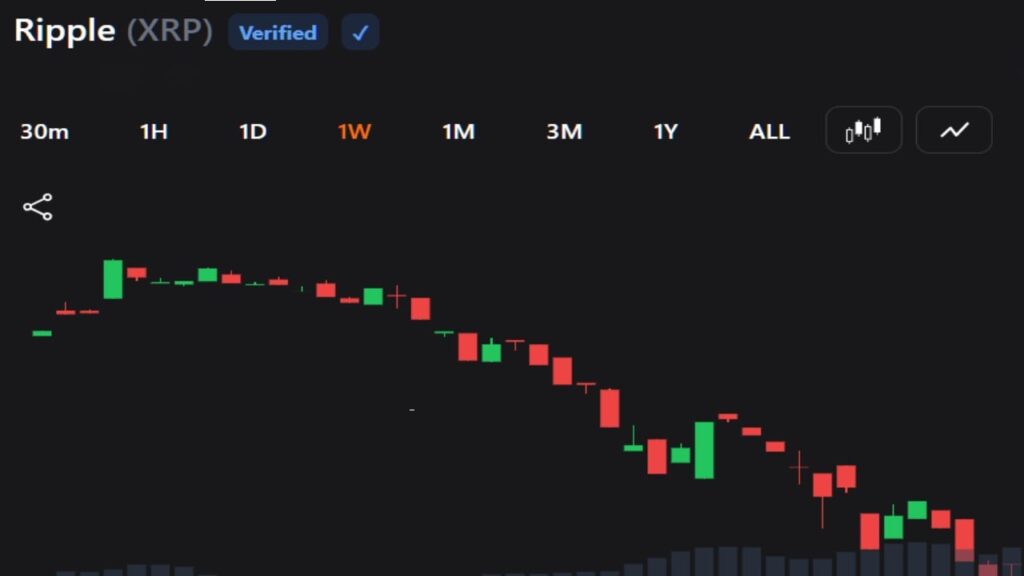
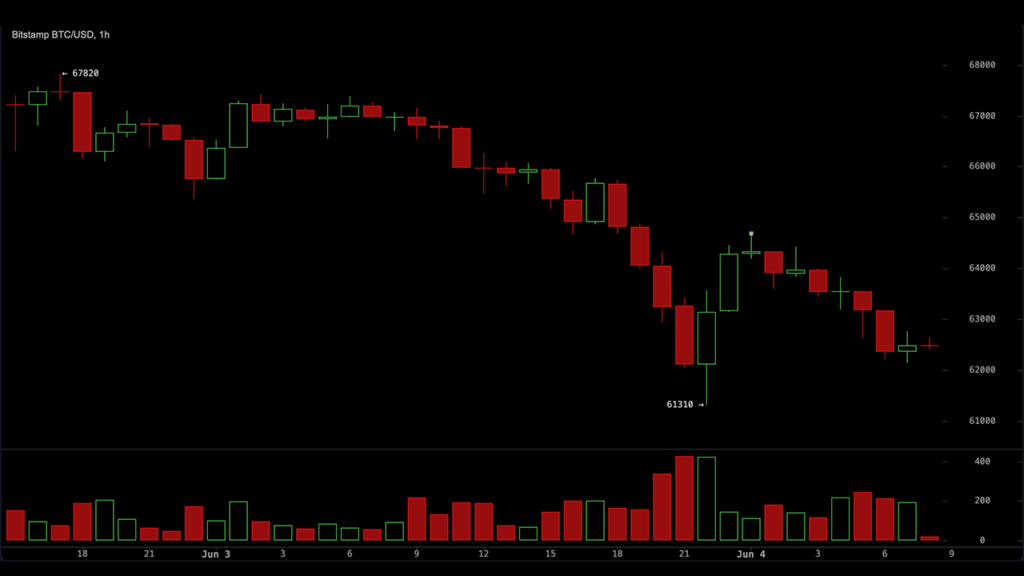
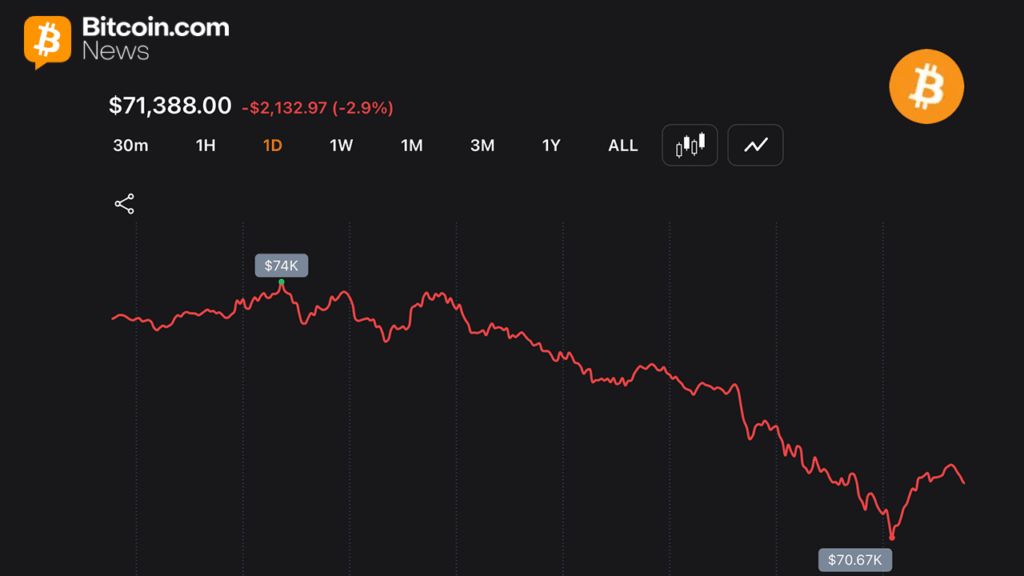
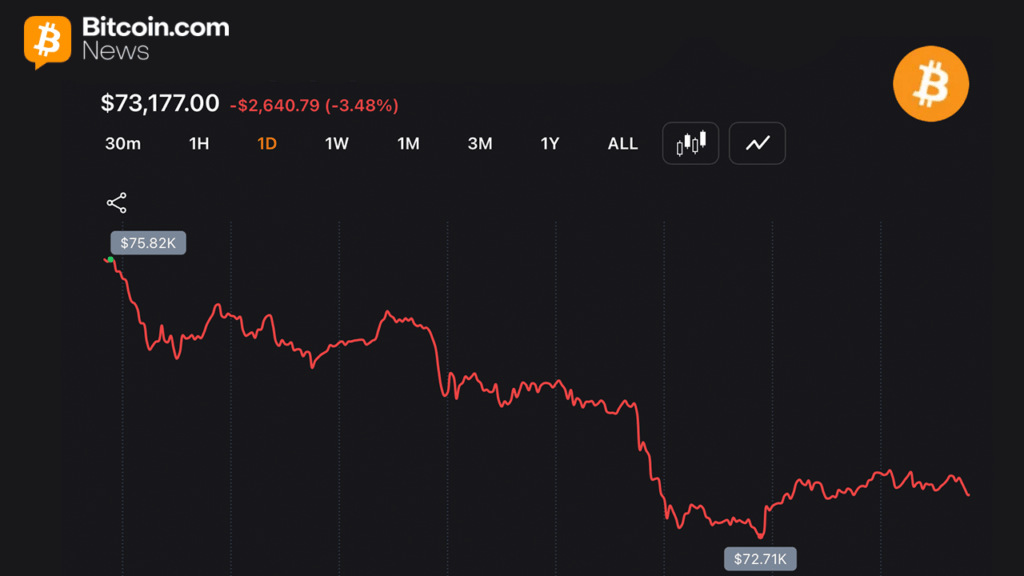
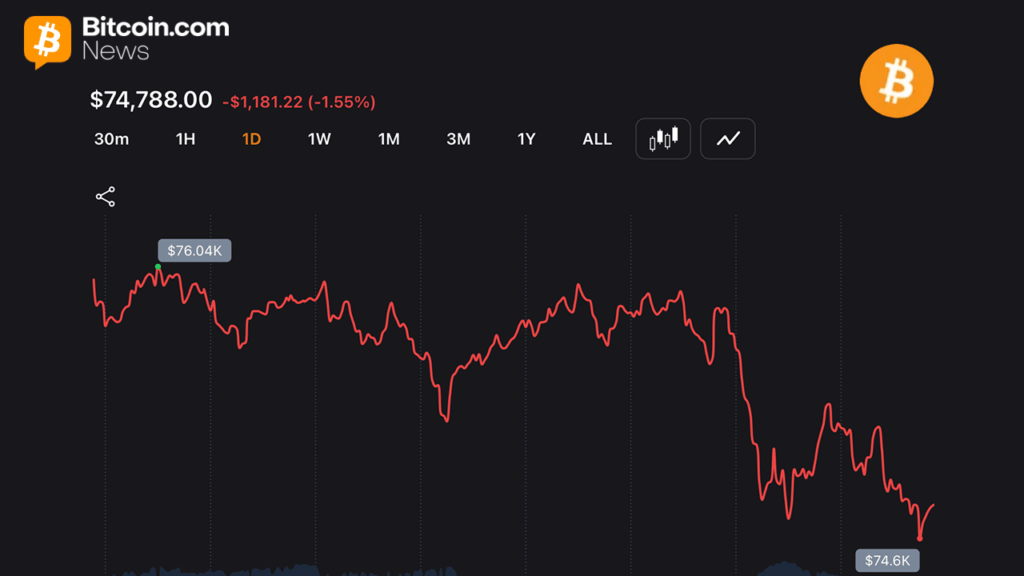
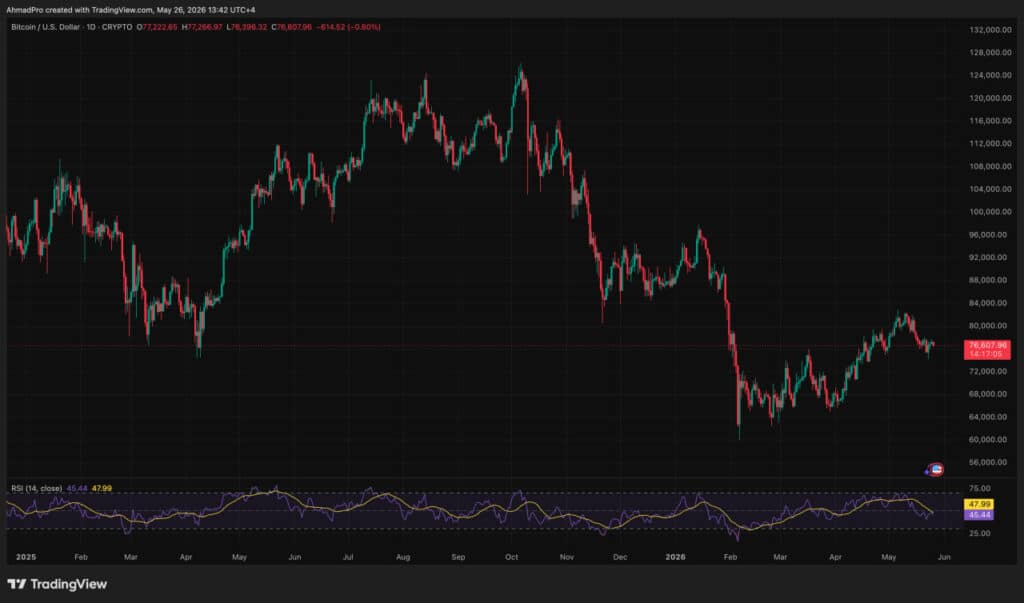
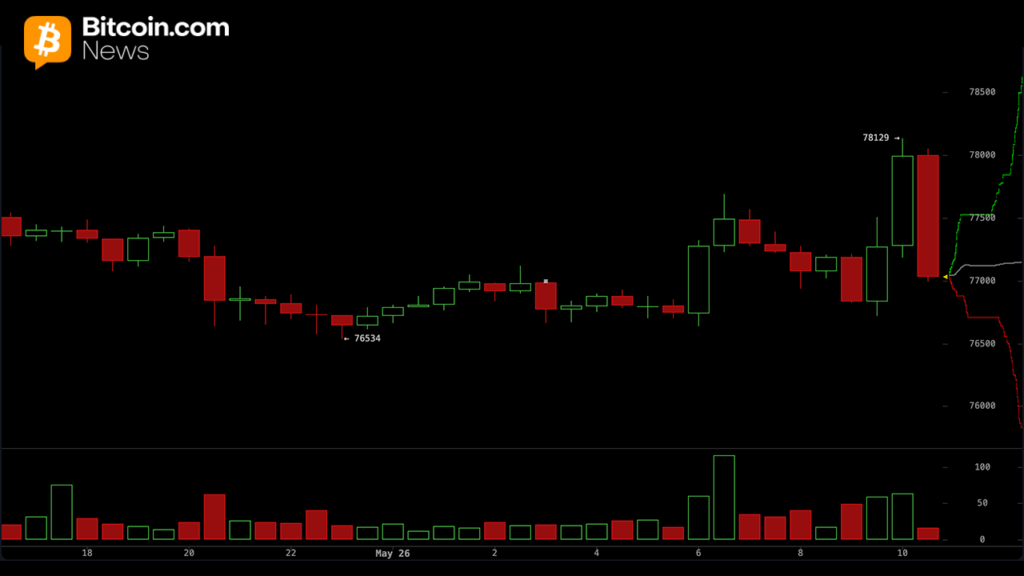
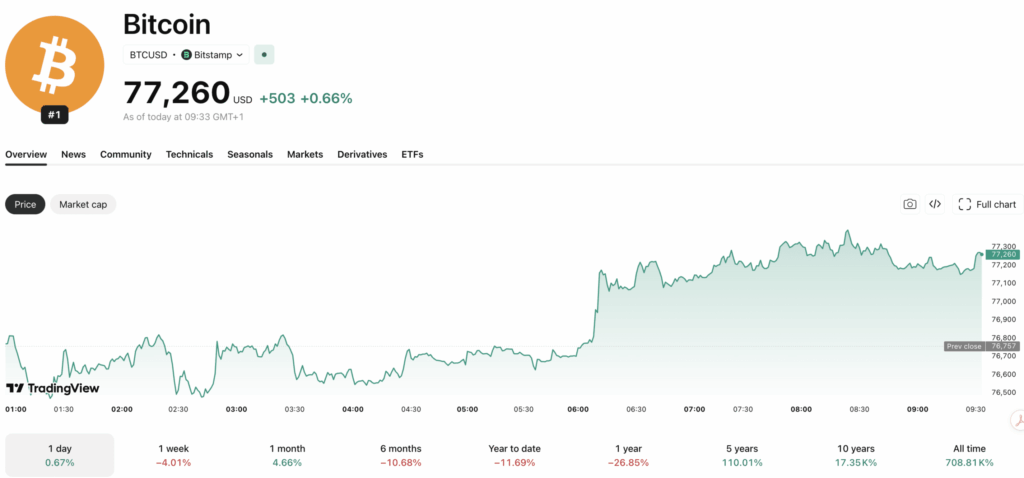
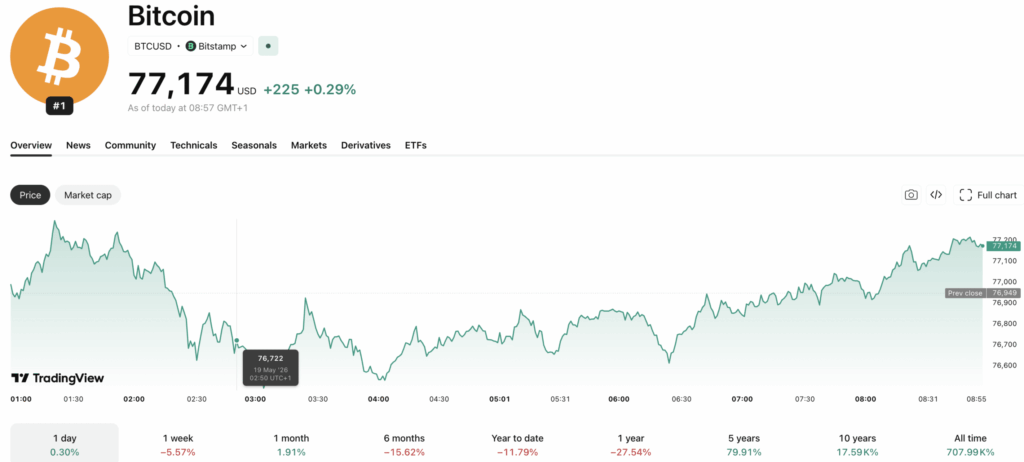
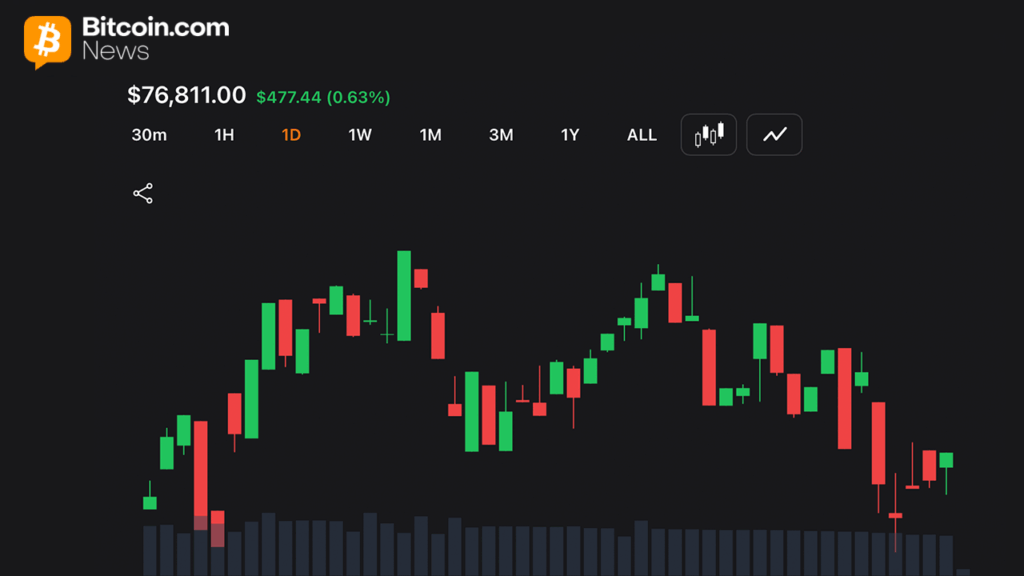
The cryptocurrency market is facing one of its sharpest downturns of 2026. On June 3, Bitcoin plunged to a 24-hour low near $65,372 before recovering slightly above $67,000, marking a drop of more than 6% in a single day and over 12% for the week. The decline has pushed Bitcoin nearly 47% below its October 2025 all-time high of $128,198, raising fresh concerns about whether the market is entering another prolonged crypto winter.
Several factors are driving the sell-off, including a symbolic Bitcoin sale by Strategy, massive ETF outflows, renewed fears surrounding Mt. Gox repayments, and a wave of liquidations that has wiped out billions of dollars from leveraged traders.
Strategy’s Bitcoin Sale Shakes Market Confidence
One of the most closely watched developments came from Strategy, the company formerly known as MicroStrategy and the largest corporate holder of Bitcoin.
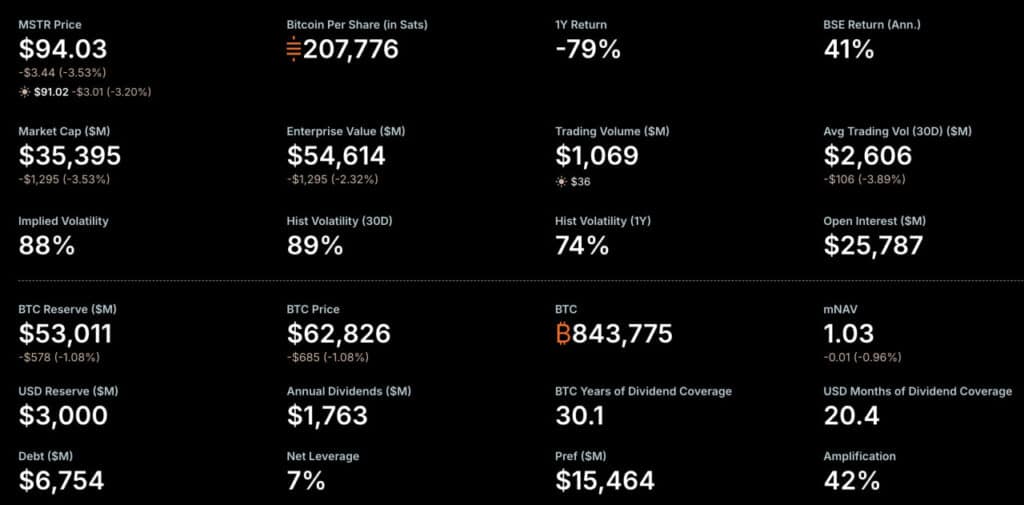
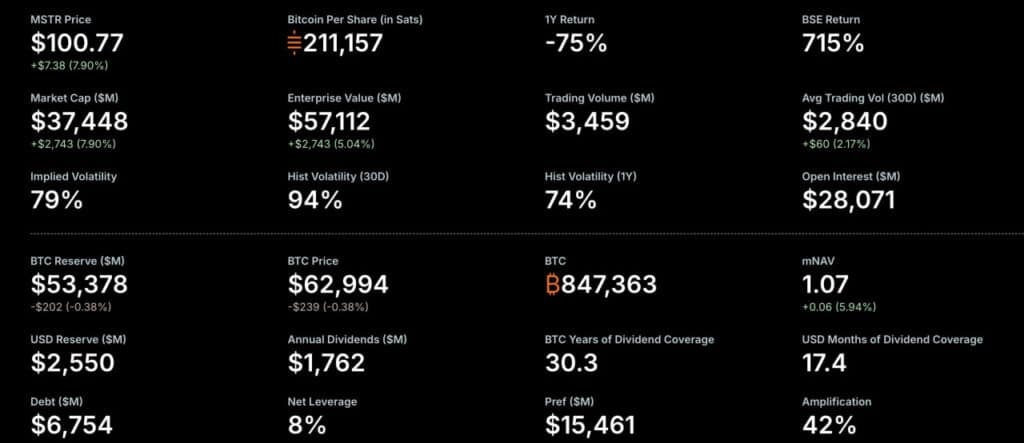
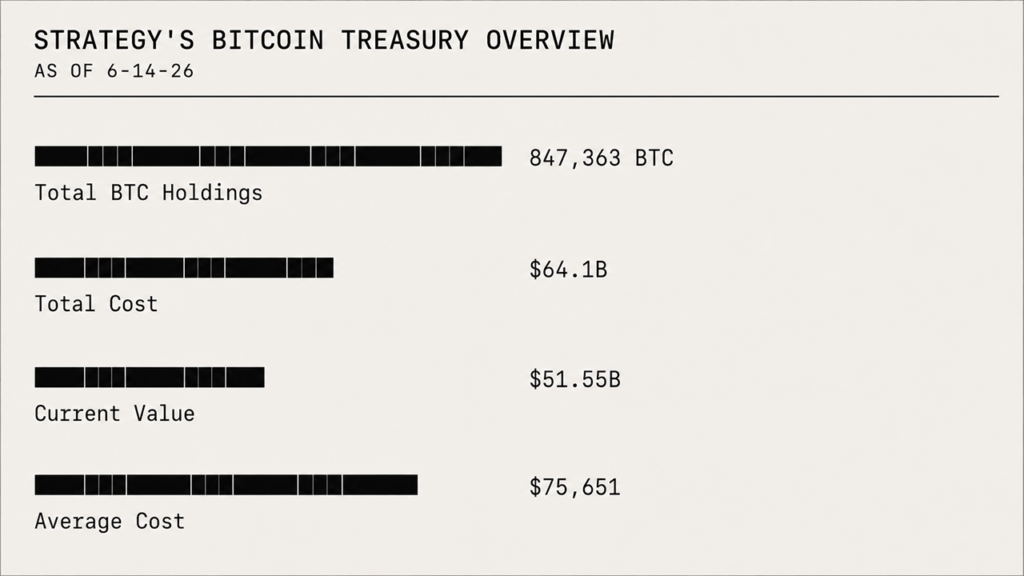
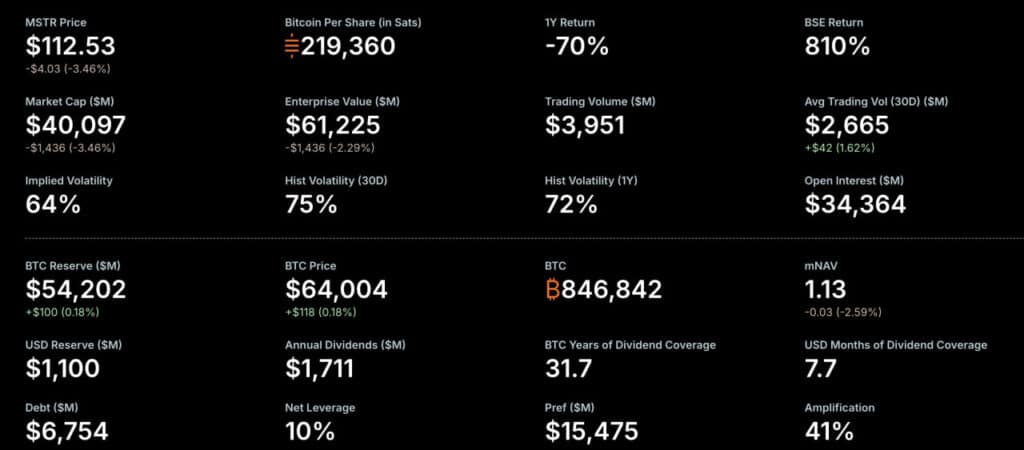
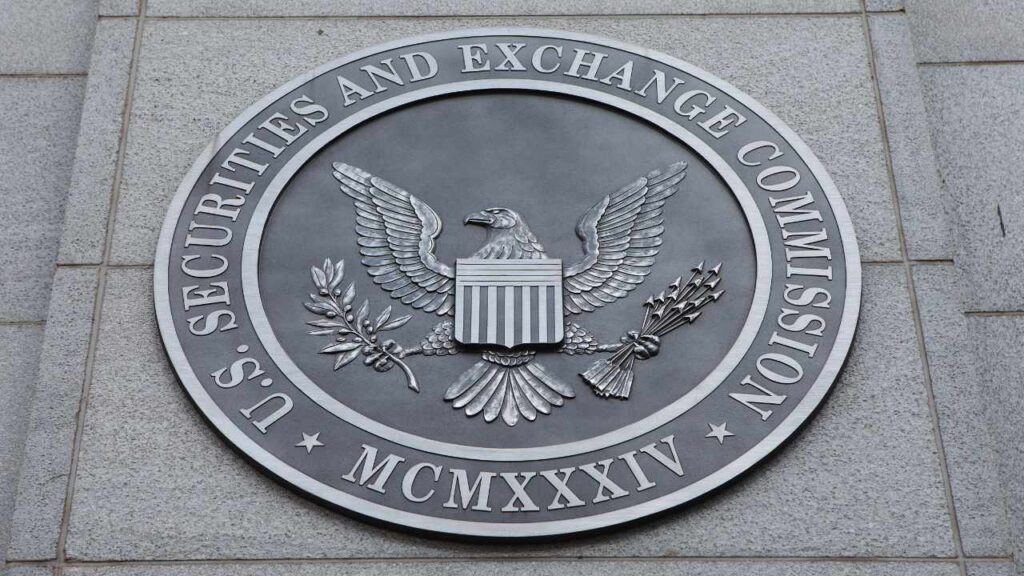
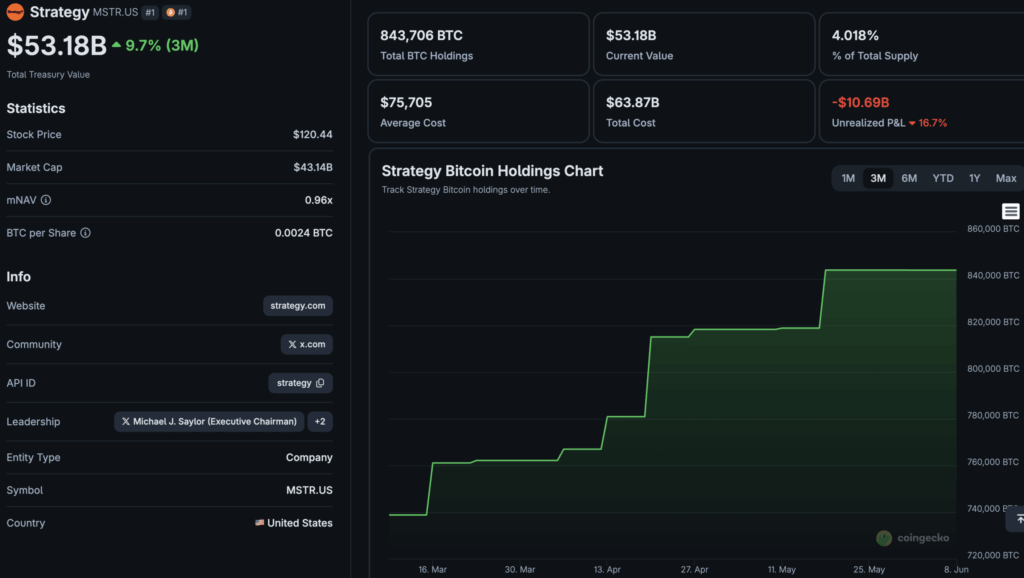
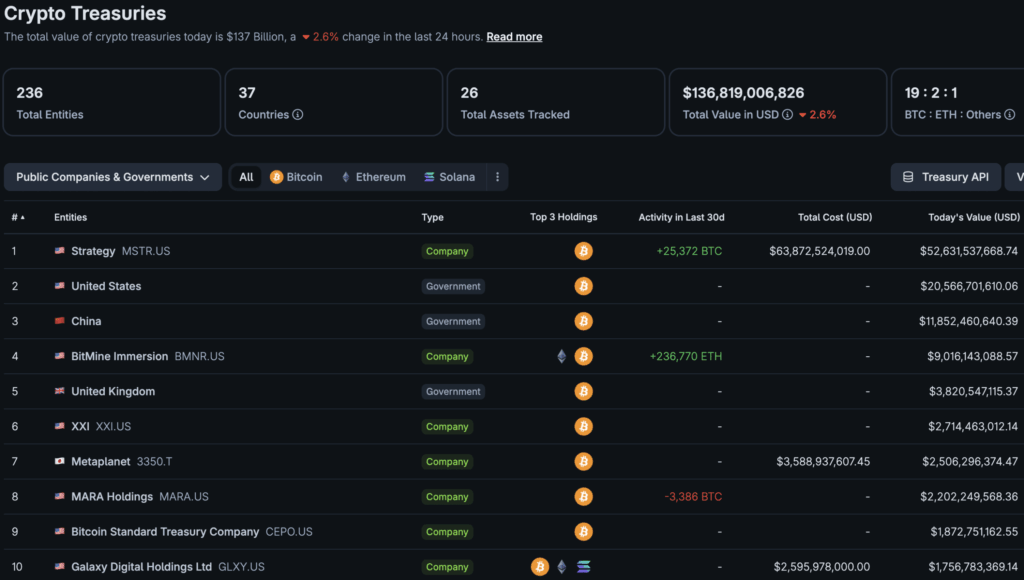
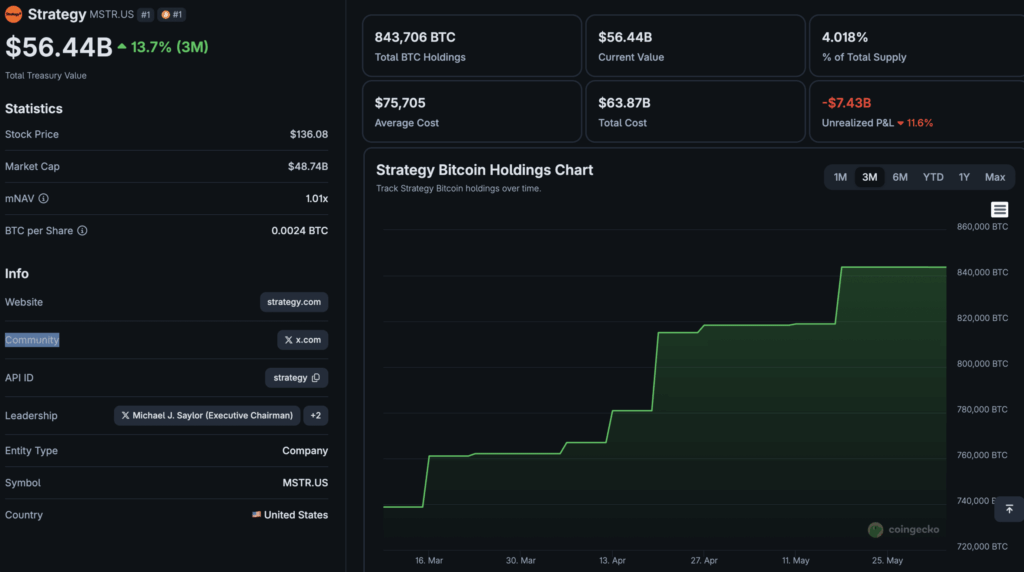
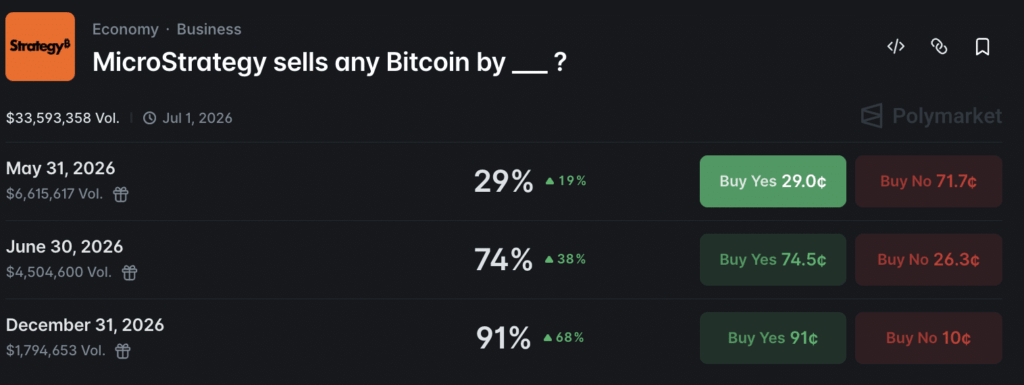
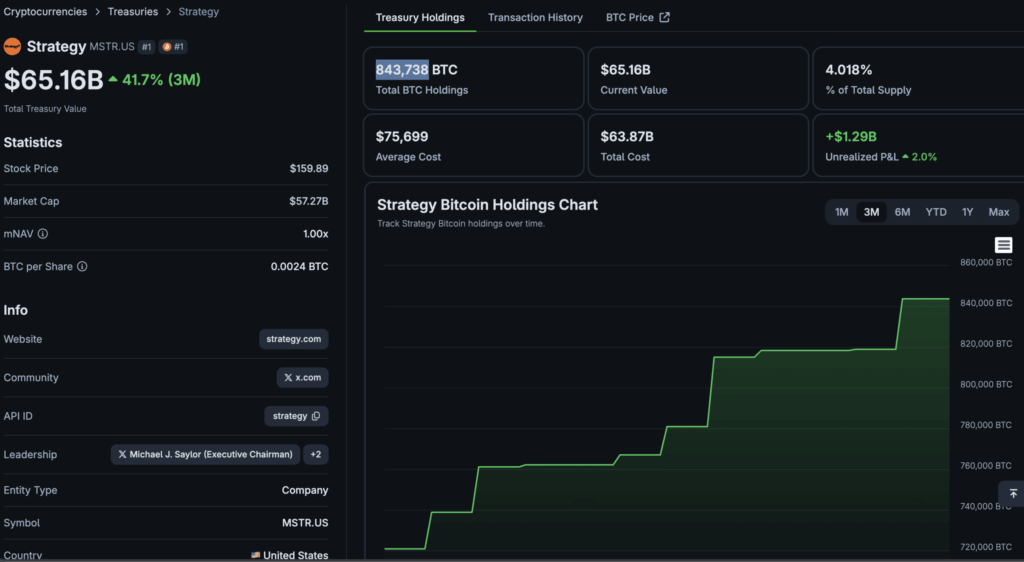
According to a recent SEC filing, Strategy sold 32 BTC between May 26 and May 31 for approximately $2.5 million. While the sale represents only about 0.004% of the company’s massive 843,706 BTC treasury, it carried outsized psychological significance.
For years, Executive Chairman Michael Saylor built Strategy’s reputation around a firm “never sell Bitcoin” philosophy. The latest transaction marks the first standalone disclosure of a net Bitcoin reduction since late 2022, leading many investors to question whether that commitment has changed.
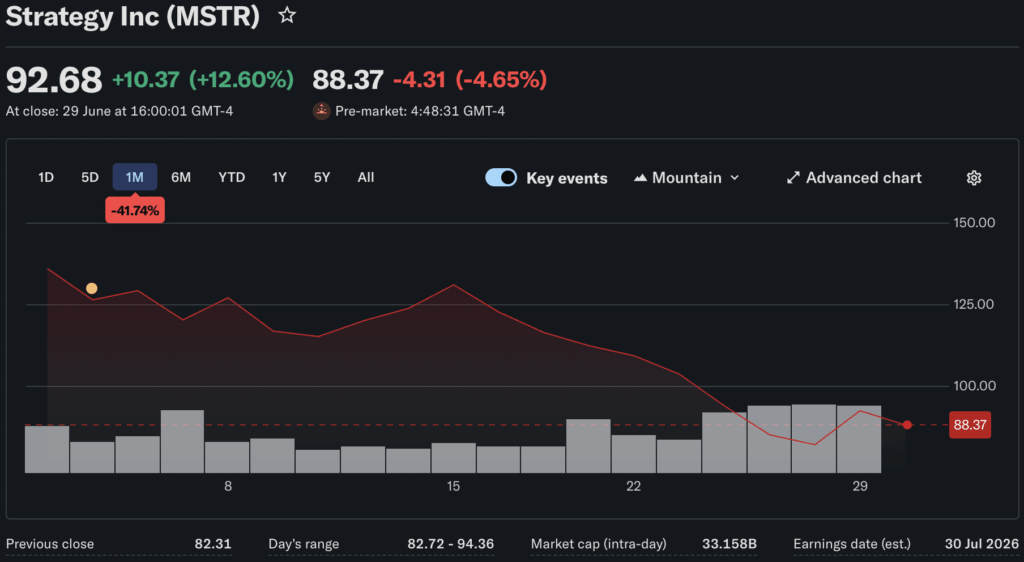
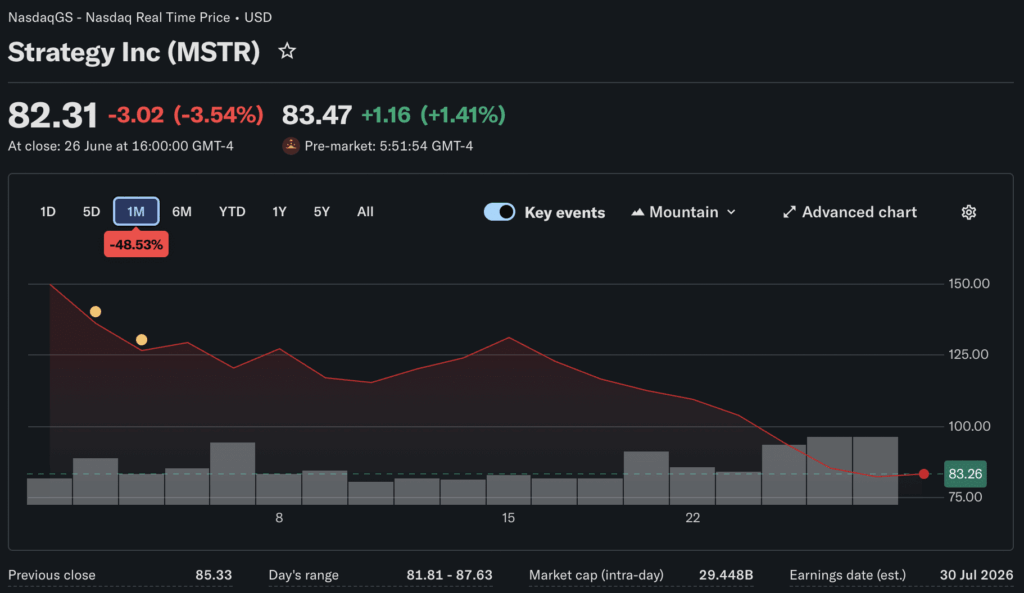
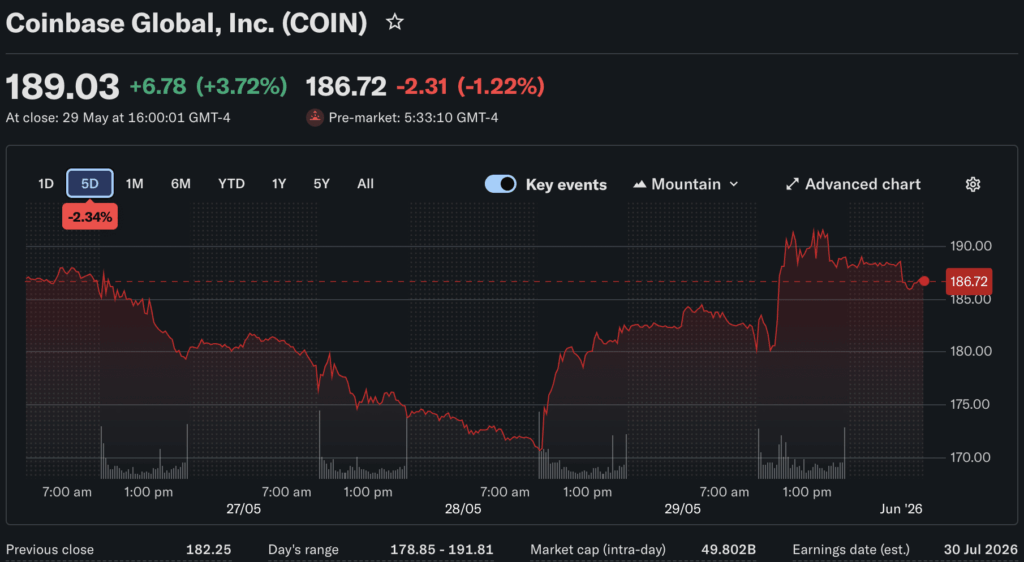
The market reaction was swift. Strategy shares (MSTR) dropped roughly 10% during Tuesday trading, while crypto-related stocks such as Coinbase also declined. Although some analysts argued the move was largely symbolic and financially insignificant, the sale undermined one of the strongest narratives supporting institutional Bitcoin adoption.

Strategy Sells Bitcoin for First Time Since 2022
Bitcoin ETFs Continue Bleeding Capital
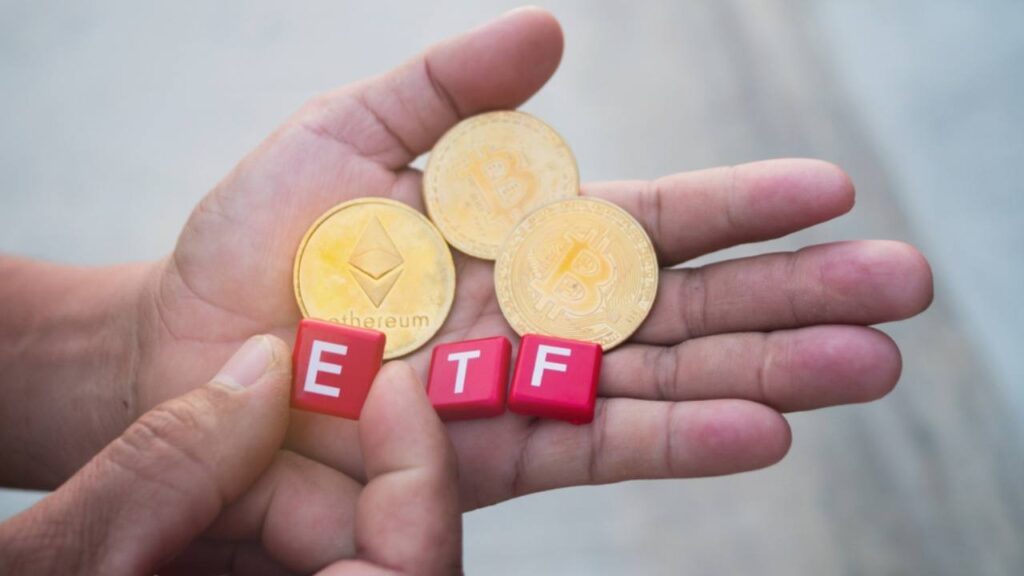
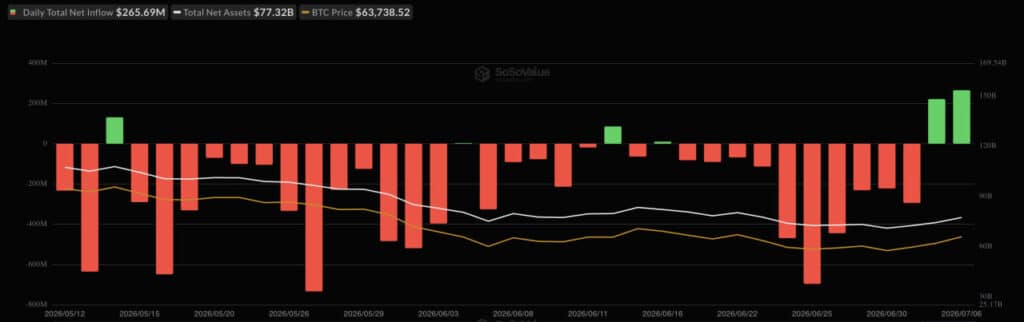
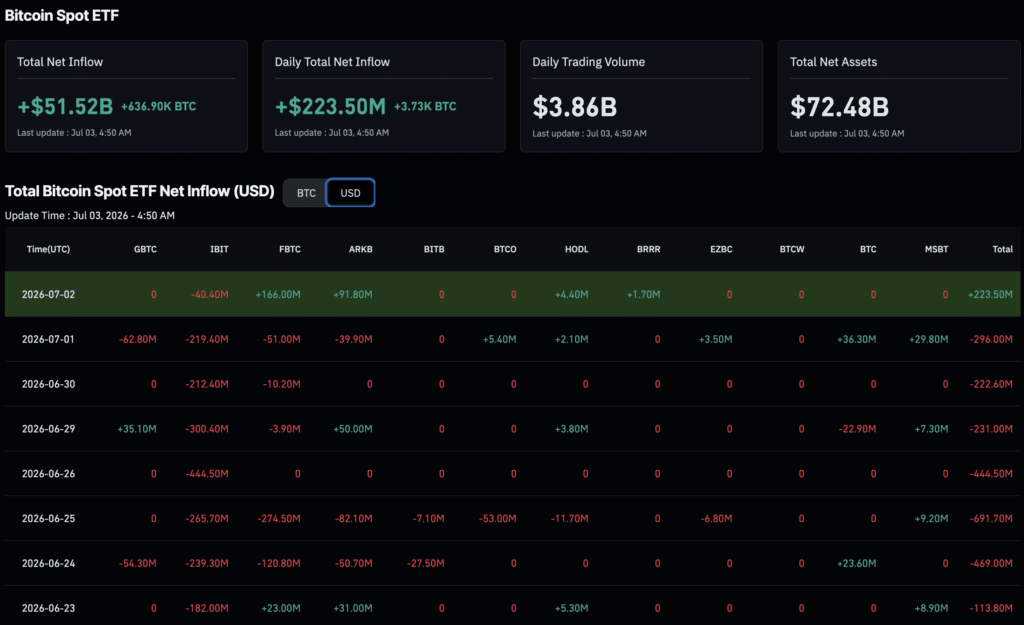
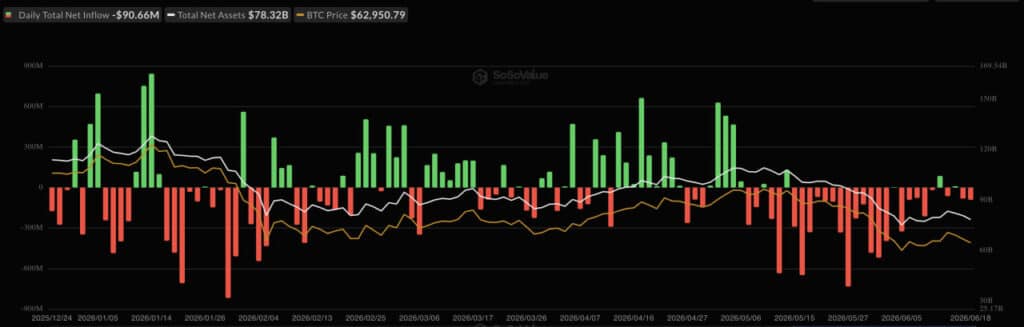
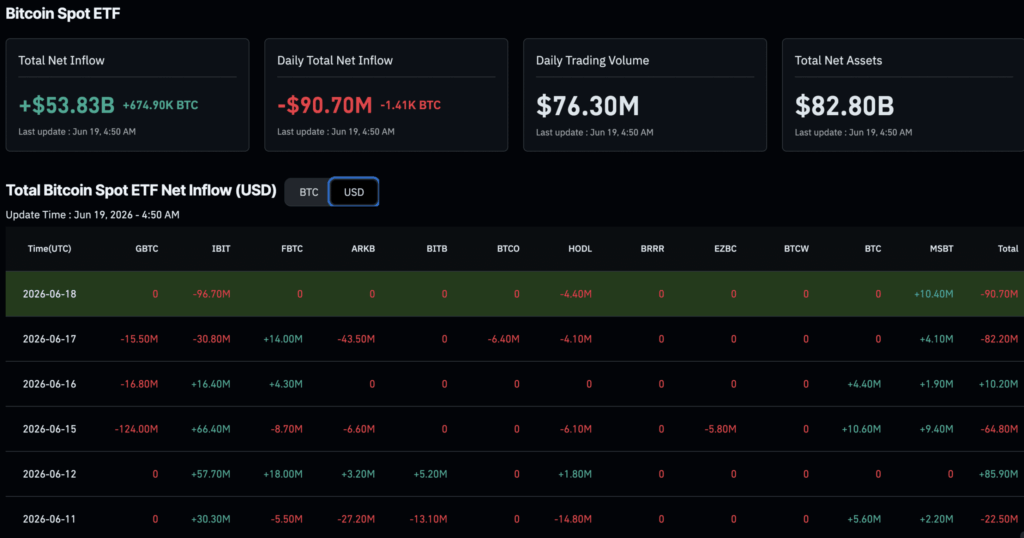
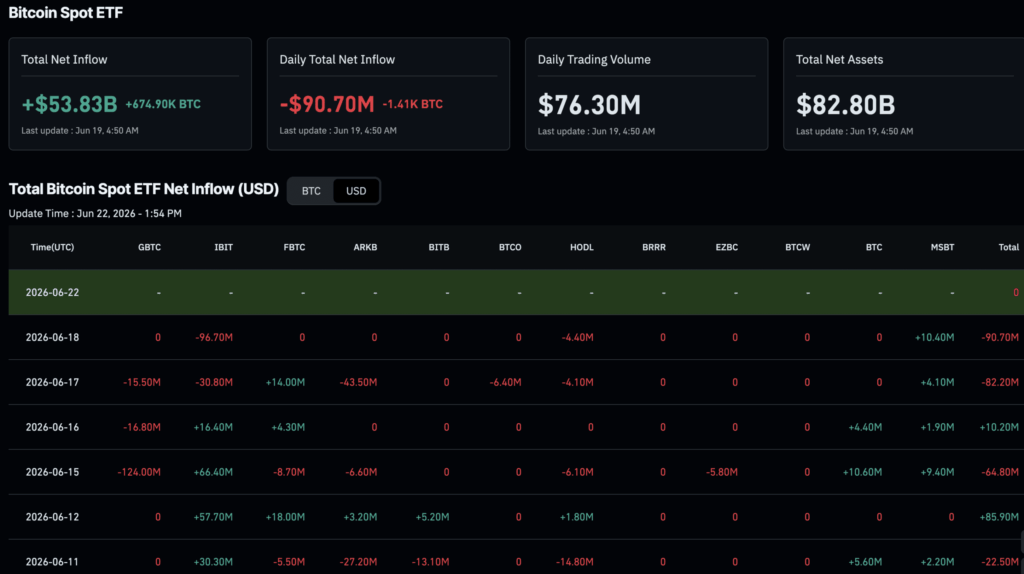
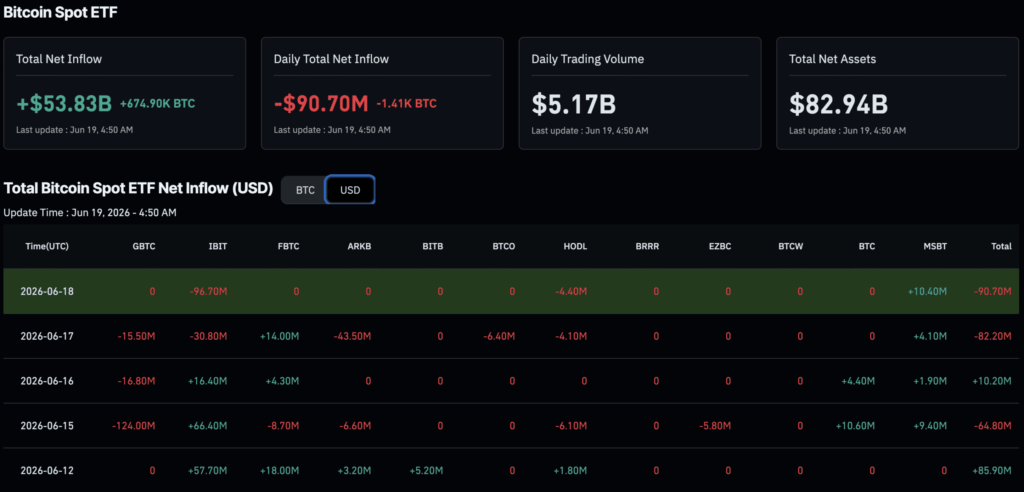
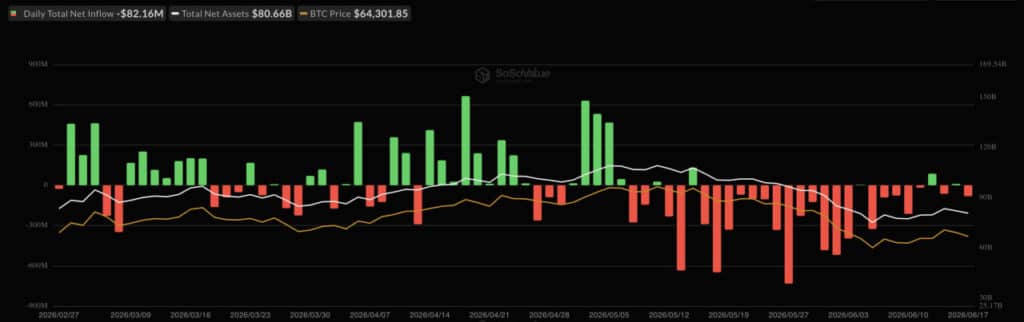
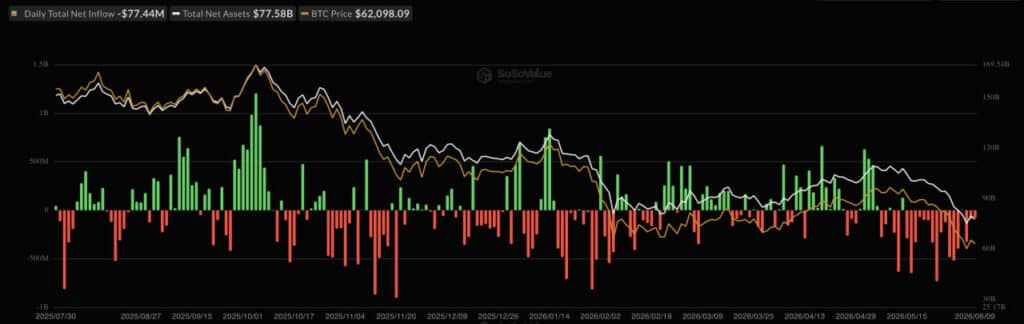
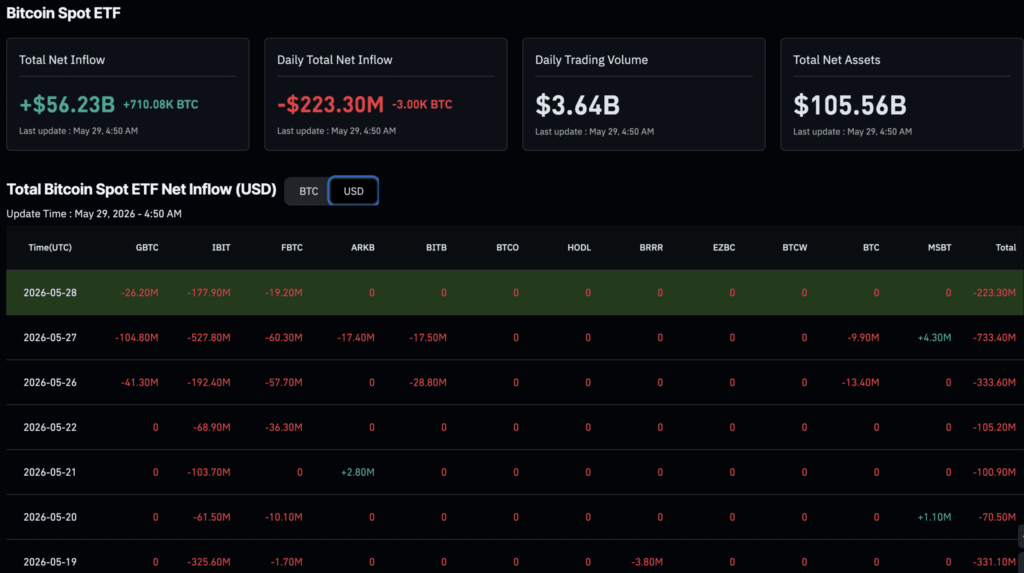
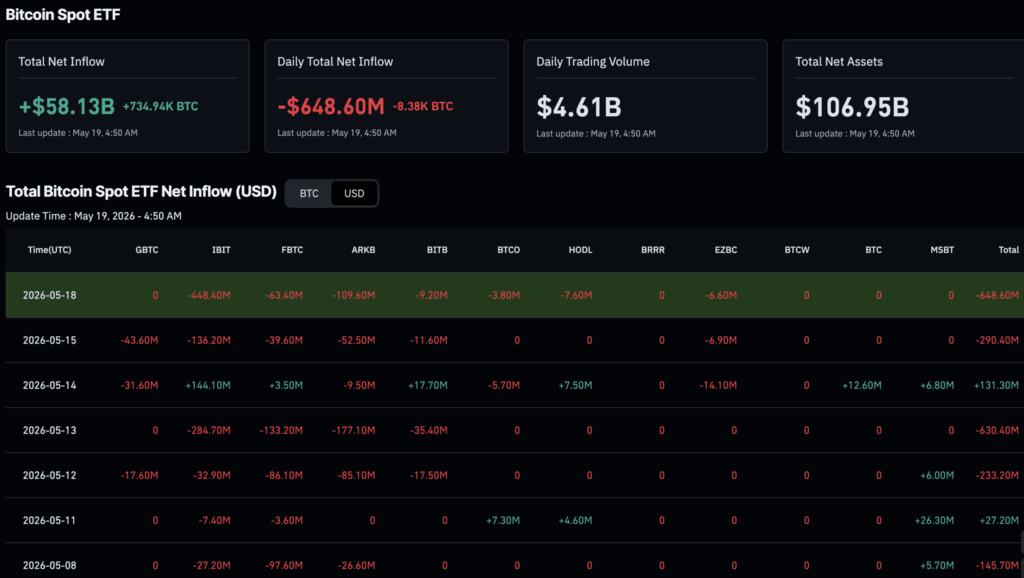
The pressure on Bitcoin has been amplified by persistent outflows from U.S. spot Bitcoin ETFs.
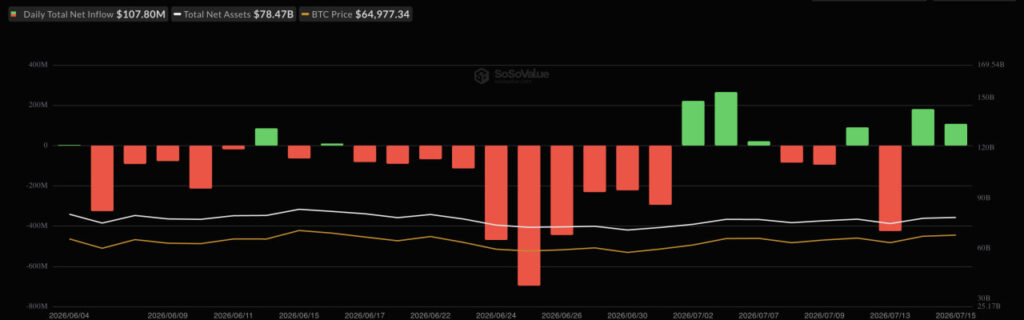
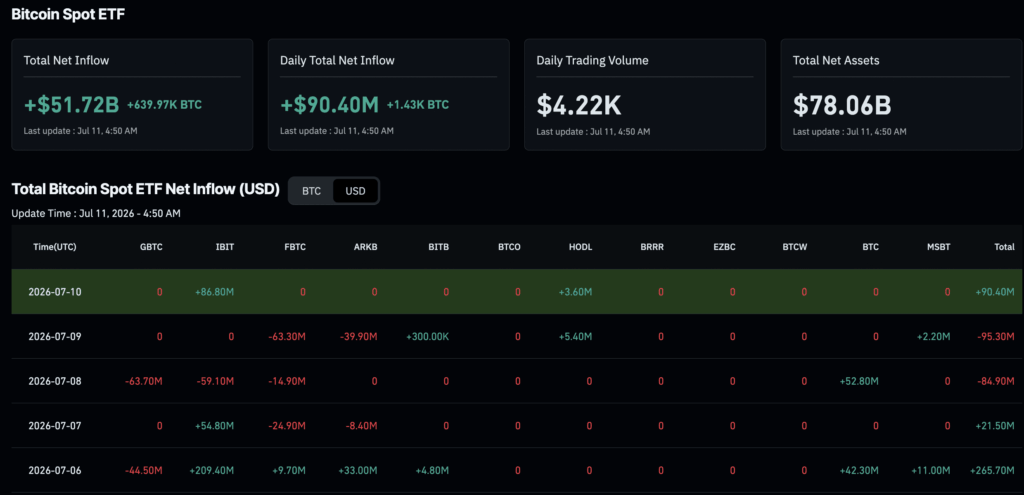
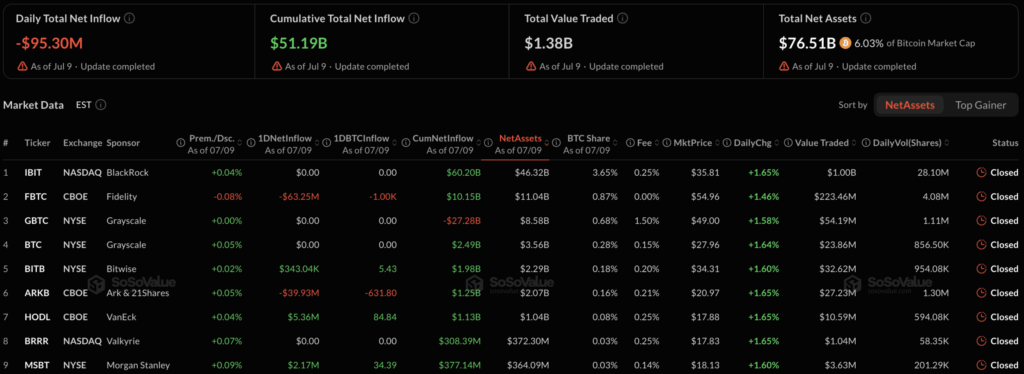
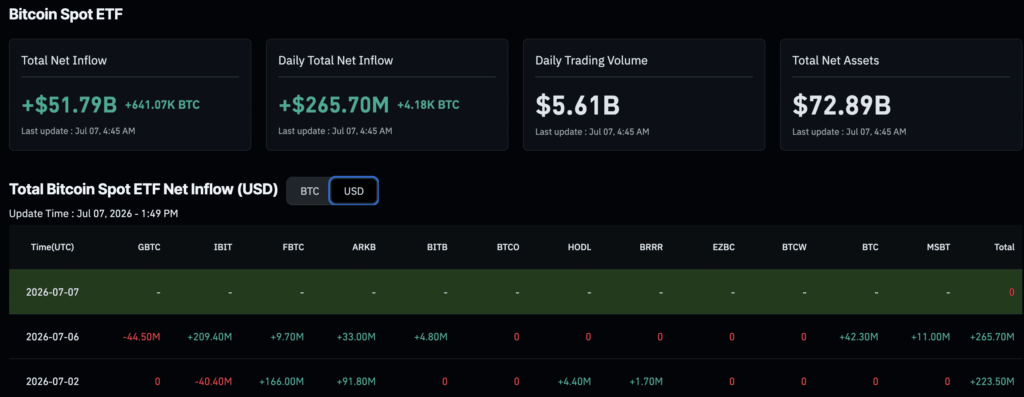
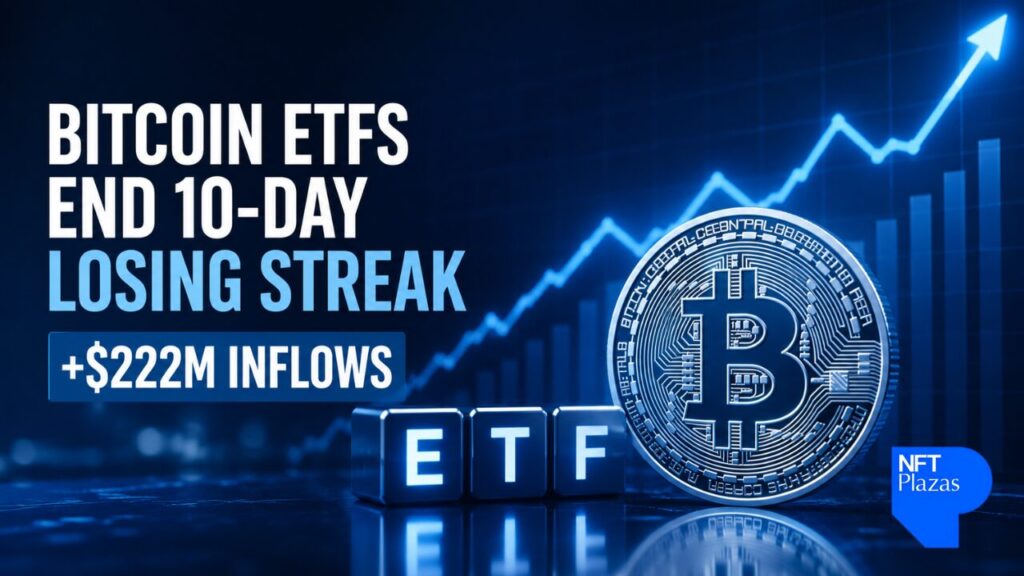
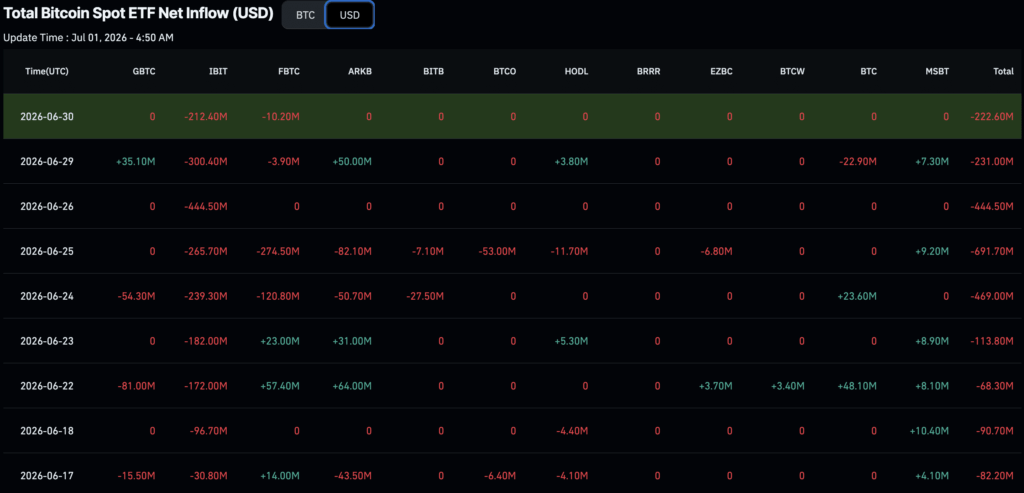
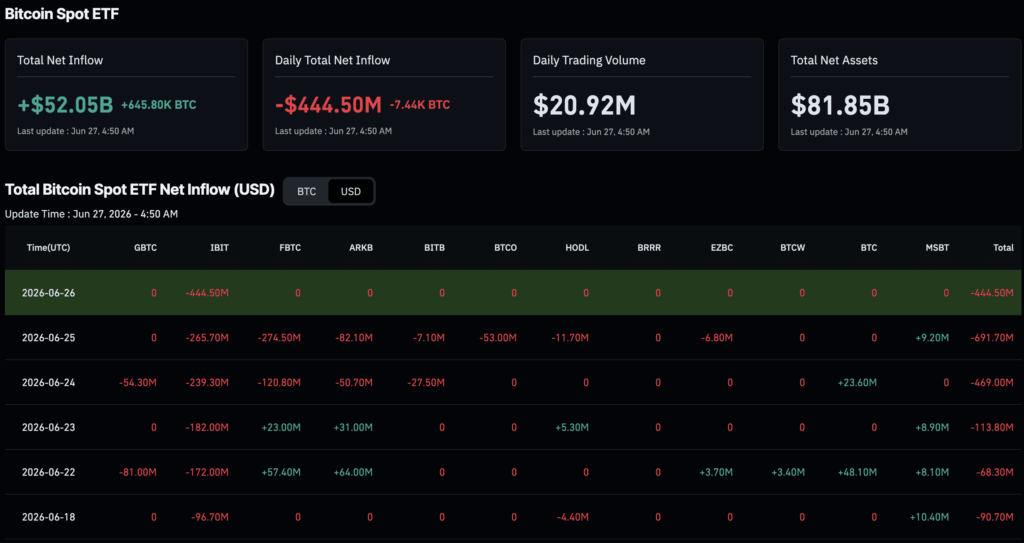
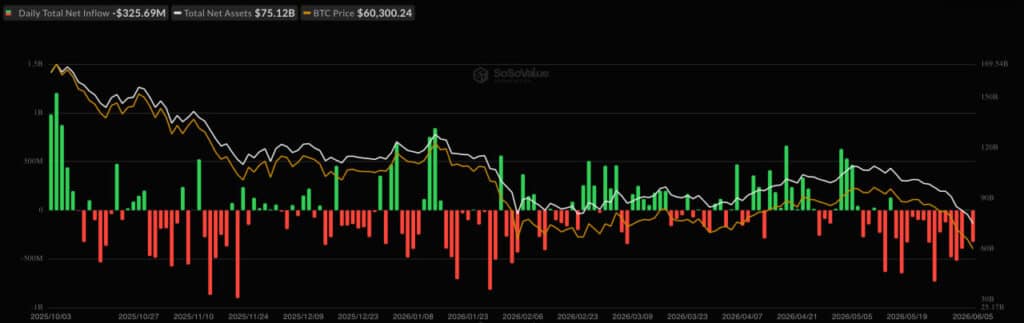
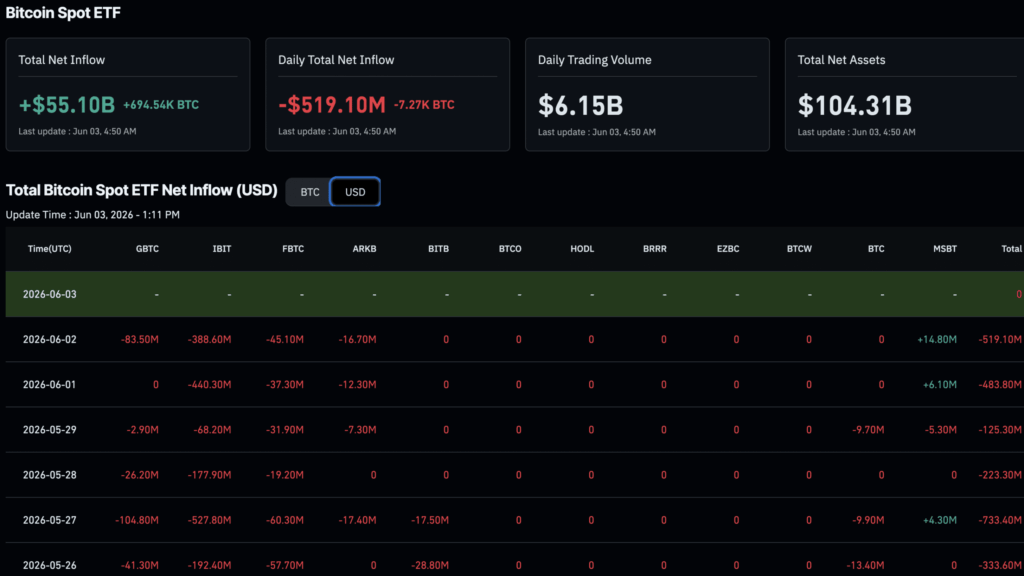
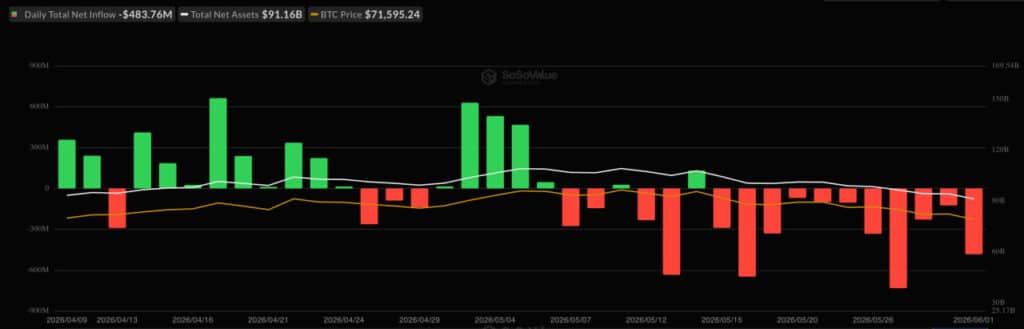
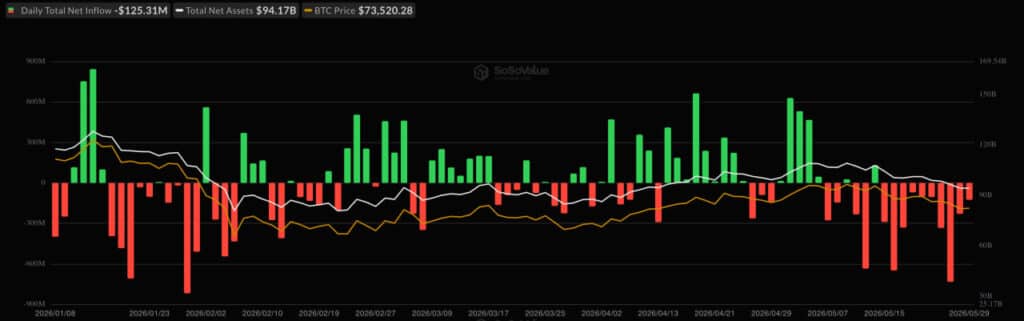
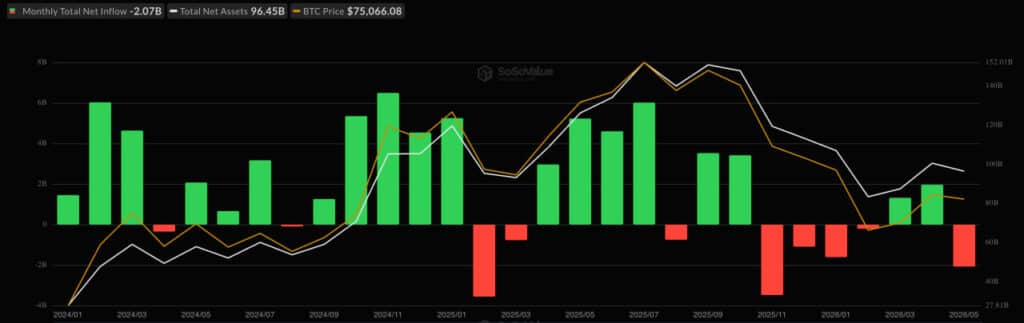
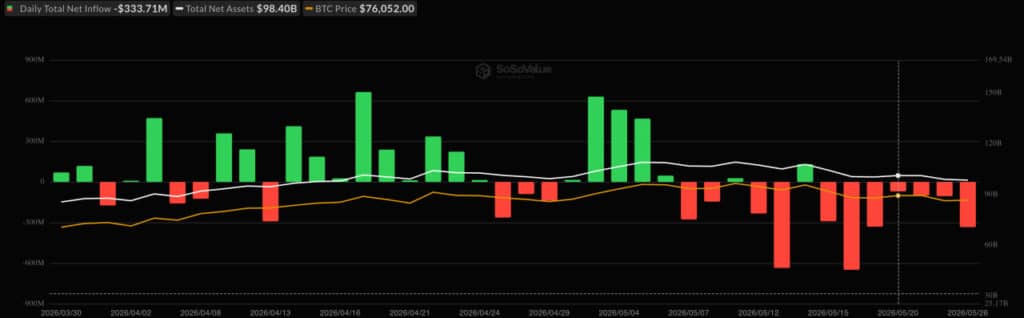
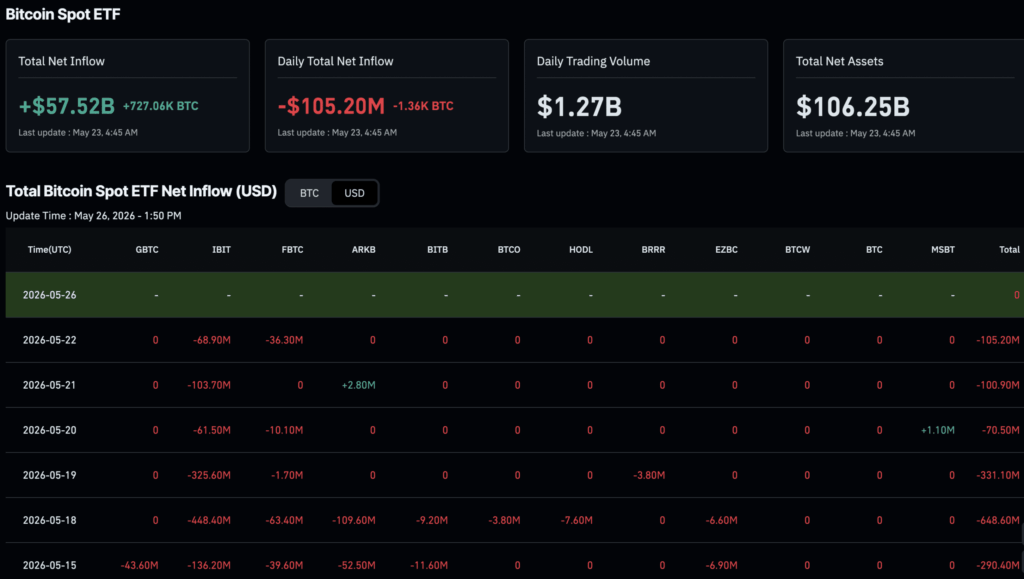
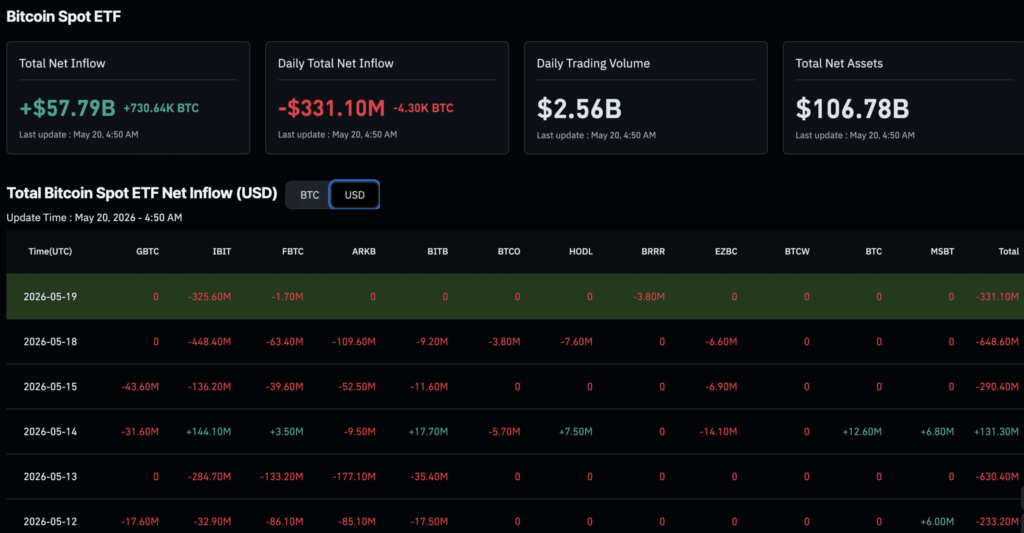
On June 1 alone, Bitcoin ETFs recorded nearly $484 million in net outflows, extending a streak of 11 consecutive trading days of withdrawals. The largest redemption came from BlackRock’s iShares Bitcoin Trust (IBIT), which saw more than $440 million leave the fund. Fidelity’s FBTC and Ark Invest’s ARKB also experienced notable outflows.
The trend reflects a broader shift in institutional sentiment. Spot Bitcoin ETFs ended May with roughly $2.3 billion in net withdrawals, making it the worst month of 2026 so far.
Adding to concerns, on-chain data suggests that several large Bitcoin holders have reduced their positions in recent weeks. The combination of ETF redemptions and whale selling has weakened one of the key pillars that fueled Bitcoin’s rally throughout 2024 and 2025.

Bitcoin ETF Flow (Source: Fairside Investors)
Mt. Gox Returns to Haunt the Market
Another major source of anxiety is the ongoing repayment process tied to Mt. Gox, the infamous cryptocurrency exchange that collapsed in 2014.
The Mt. Gox bankruptcy estate recently transferred 10,306 BTC, worth approximately $731 million, reviving fears that a significant amount of Bitcoin could soon enter the market. While transfers do not automatically mean immediate selling, investors remain cautious because many creditors have been waiting more than a decade to recover their assets.
The repayment deadline has been extended to October 31, 2026, but every large wallet movement associated with Mt. Gox tends to trigger concerns about additional supply entering an already fragile market.
With trading volumes typically lower during the summer months, even the possibility of large-scale creditor selling has become another bearish factor weighing on sentiment.
$1.86 Billion Liquidated Across Crypto Markets
The decline in Bitcoin has triggered a brutal liquidation event across digital asset markets.
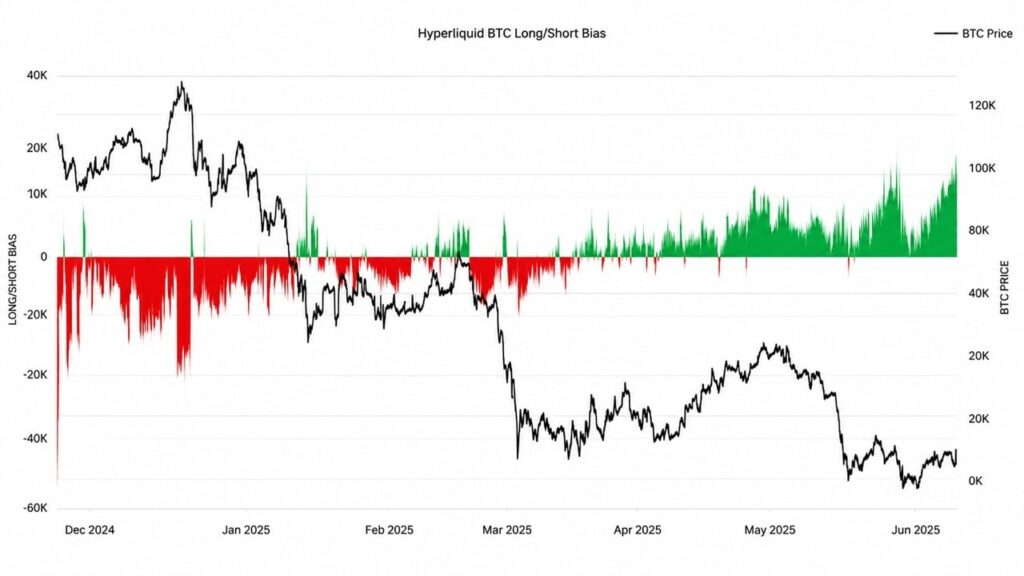
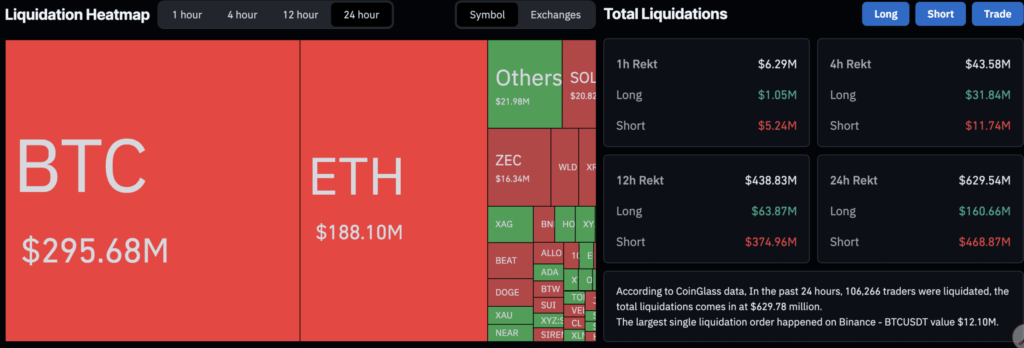
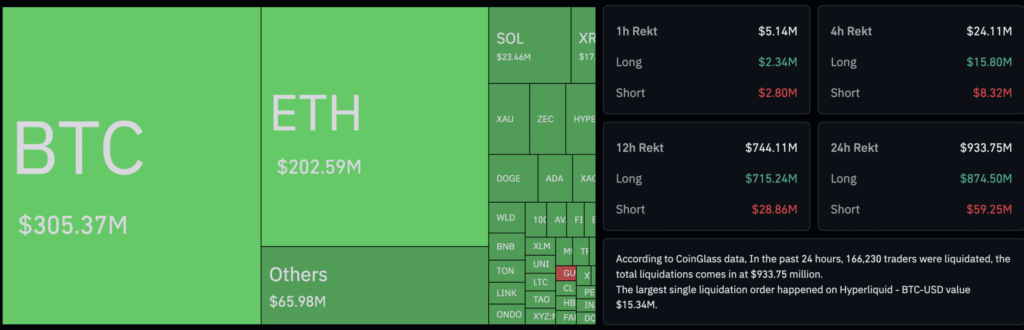
Data shows approximately $1.86 billion in crypto positions were liquidated within 24 hours, with Bitcoin accounting for nearly $900 million of those losses. Most liquidations came from traders betting on higher prices.
This type of cascading liquidation often accelerates market declines. As prices fall, leveraged positions are automatically closed, creating additional selling pressure that drives prices even lower.
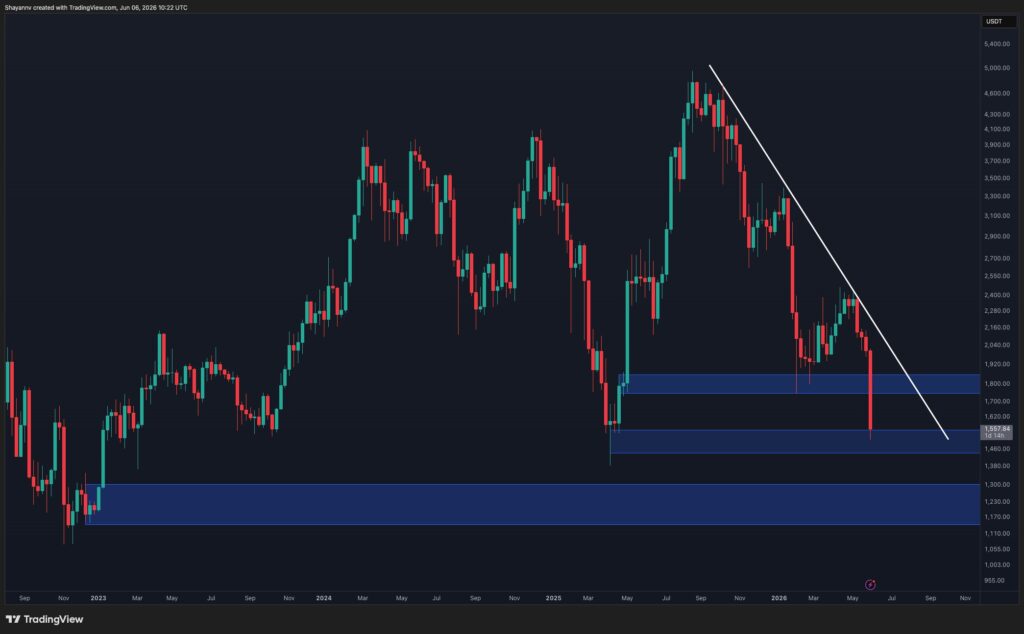
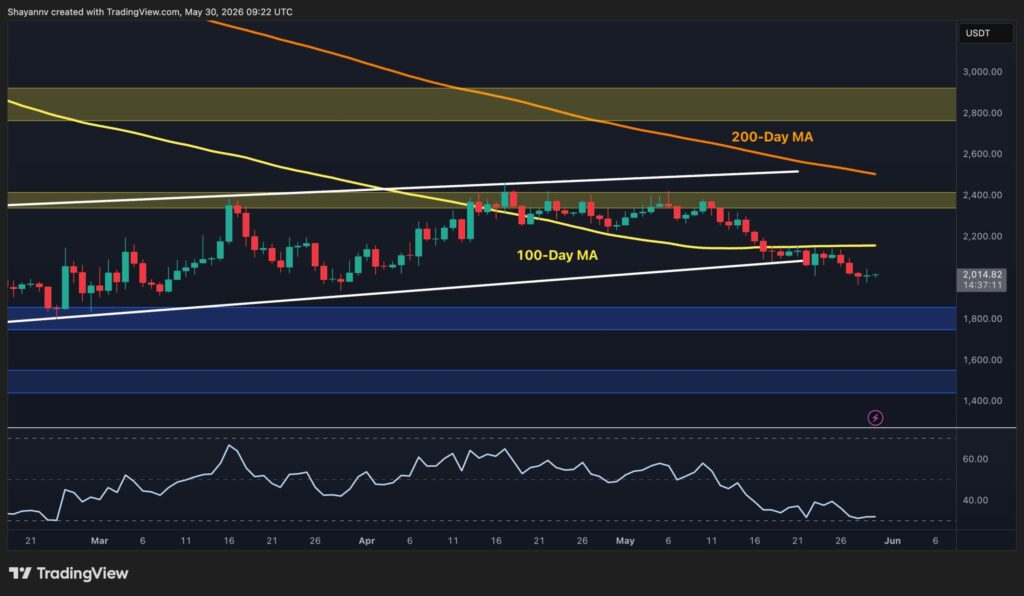
Ethereum also suffered losses, dropping nearly 6% during the same period. The broad-based weakness highlights how quickly risk appetite can disappear when Bitcoin breaks key technical support levels.

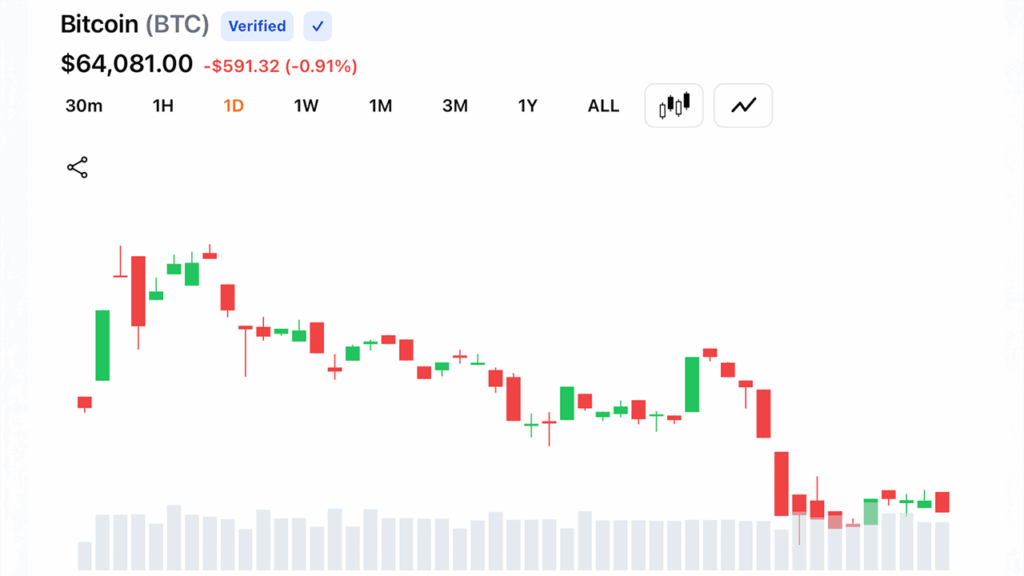
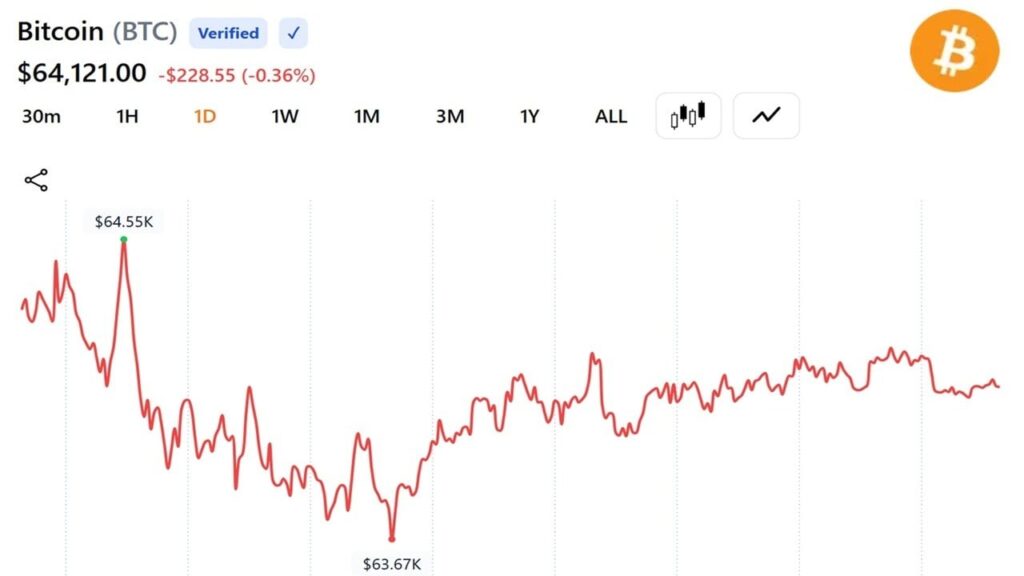
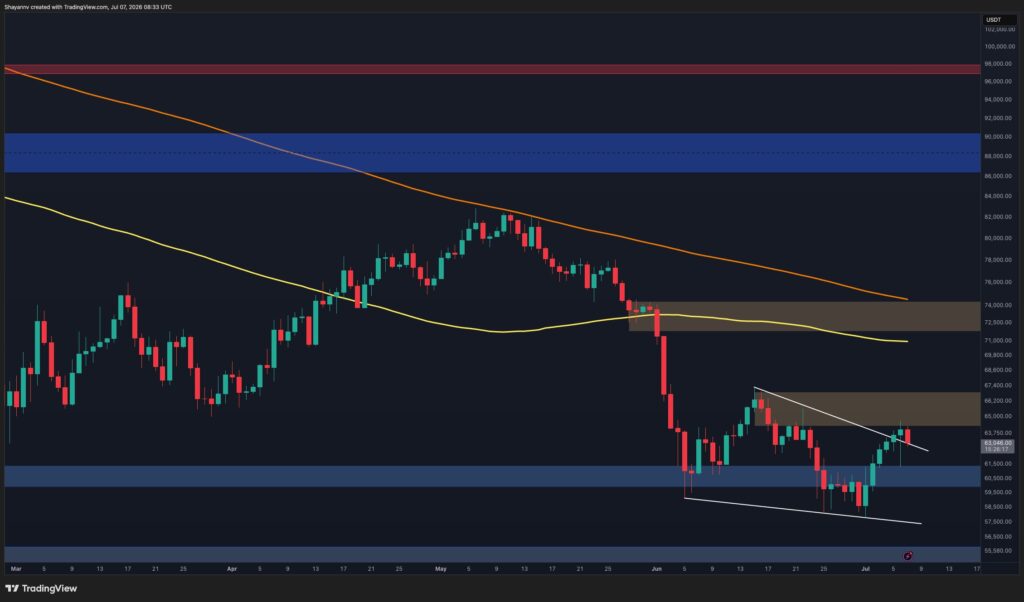
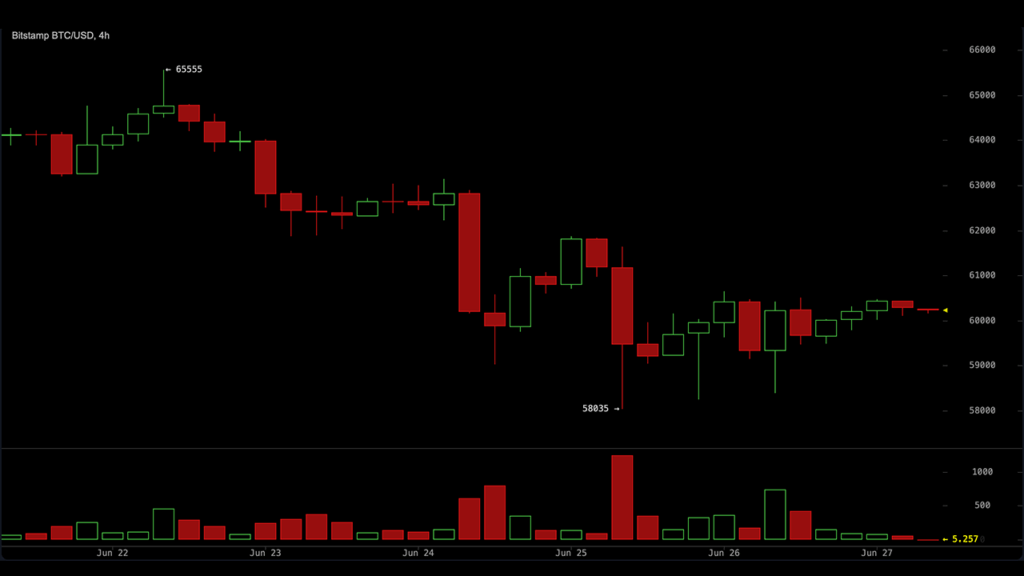
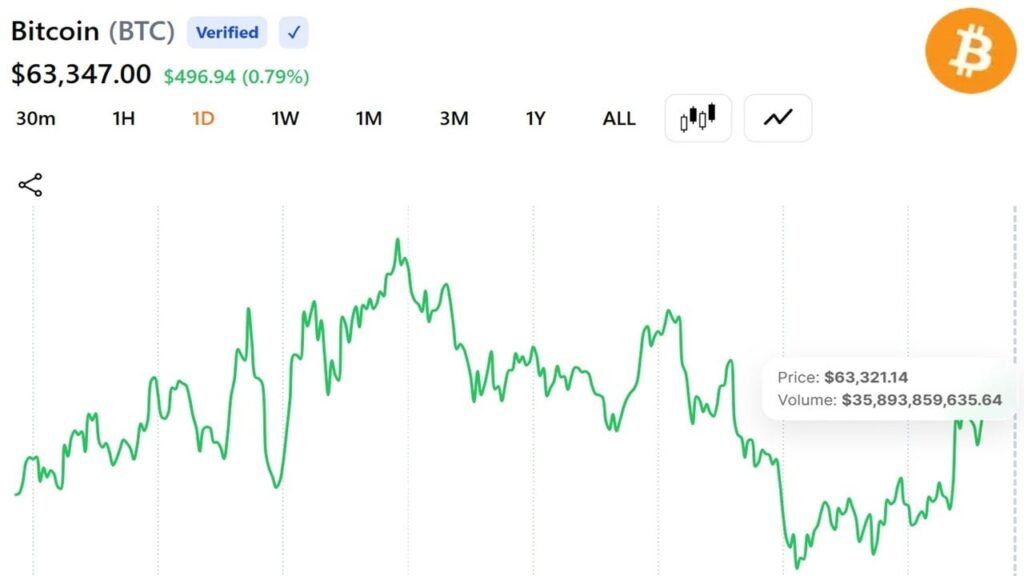
Bitcoin (BTC) 4H Price Chart On 03/6/2026 (Source: CoinMarketCap)
Macro Headwinds Are Adding Pressure
Crypto-specific issues are not the only problem.
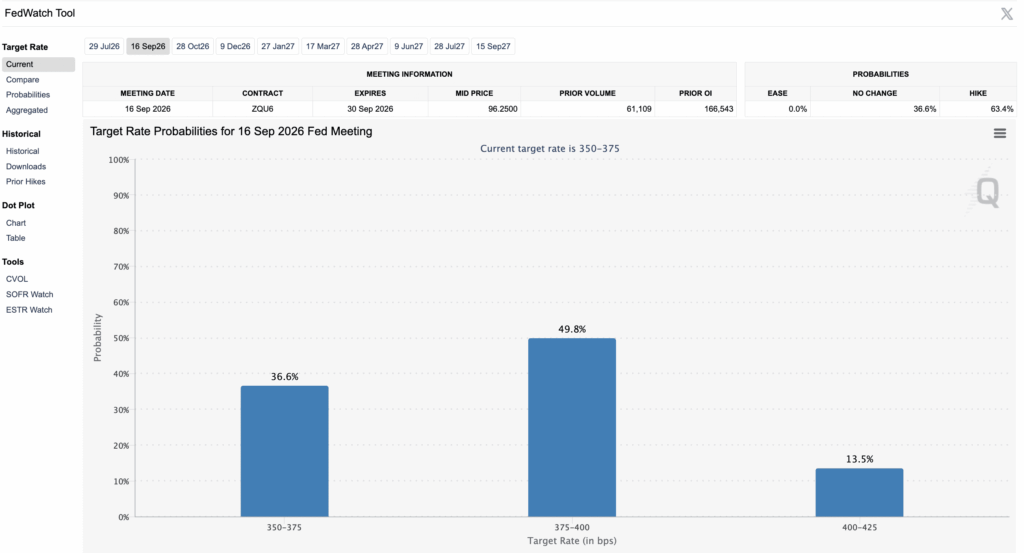
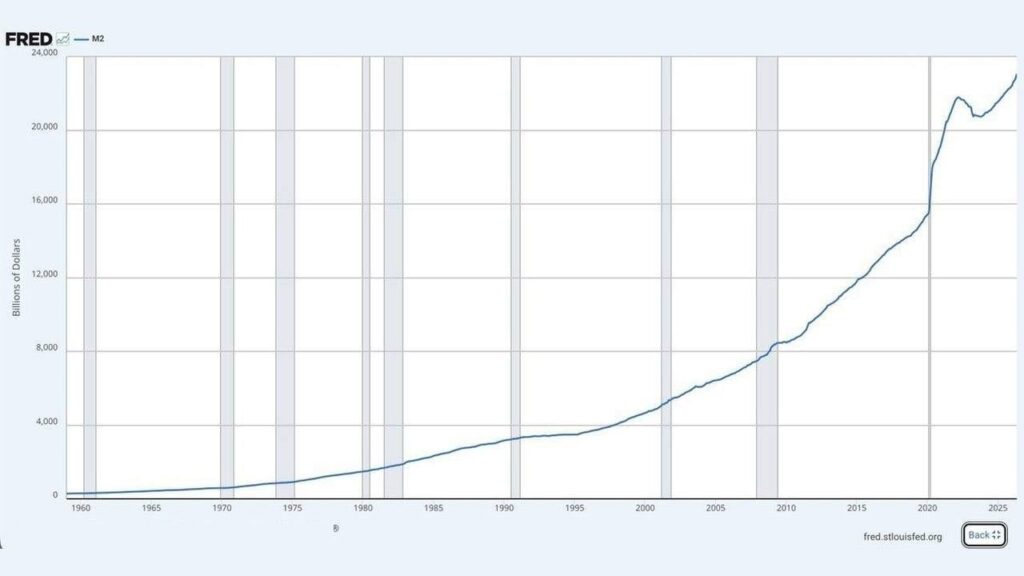
Investors are also navigating a challenging macroeconomic environment marked by persistent inflation concerns, uncertainty surrounding Federal Reserve interest-rate cuts, and a stronger U.S. dollar.
Higher interest rates generally reduce demand for speculative assets because investors can earn attractive returns from safer alternatives such as bonds and cash. At the same time, geopolitical tensions and renewed concerns about global economic growth have encouraged a more cautious approach toward risk assets.
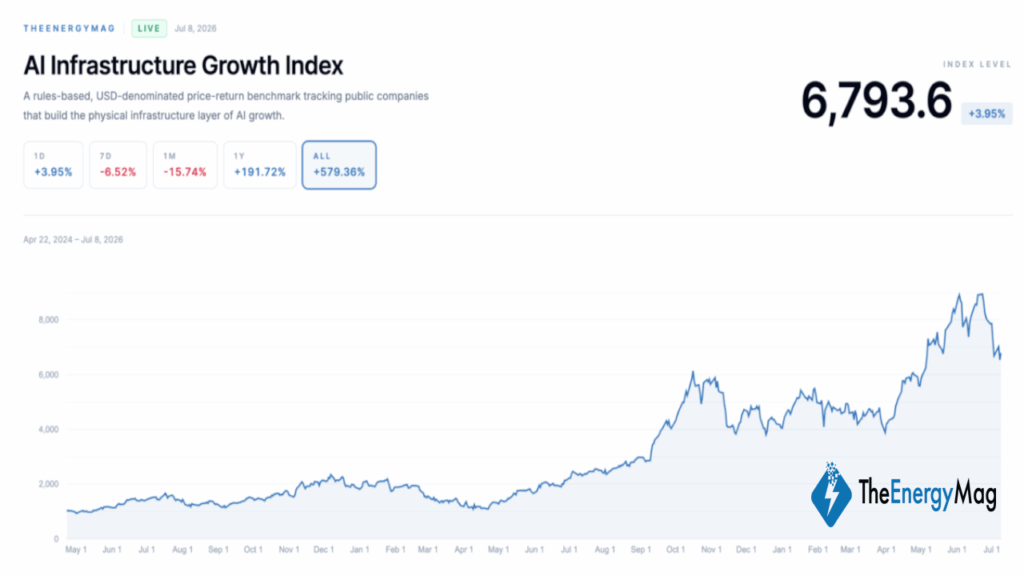
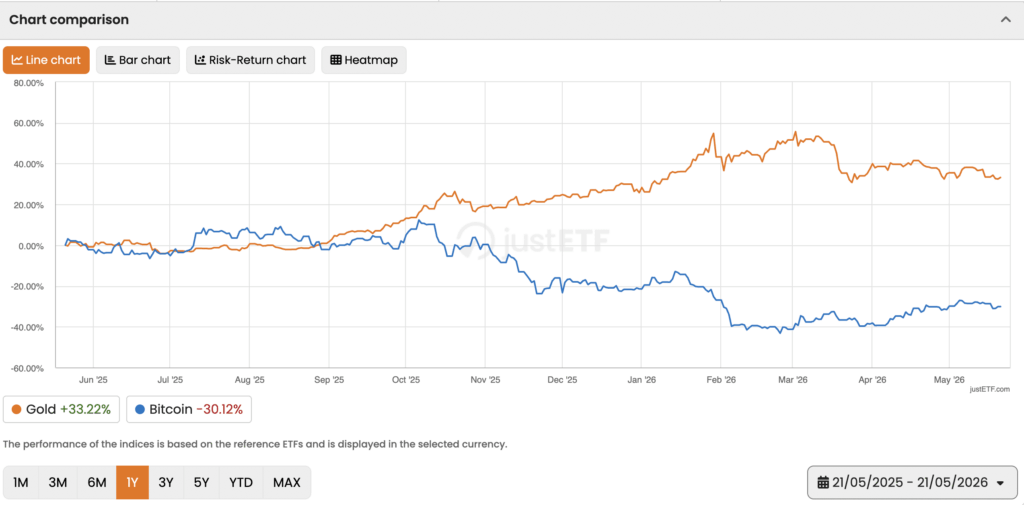
Some market observers argue that Bitcoin’s weakness is particularly notable because U.S. stock indices remain near record highs. While AI-related technology stocks continue attracting investor capital, cryptocurrencies have struggled to maintain momentum.
This divergence has fueled debate about whether institutional investors are rotating capital away from digital assets and into other high-growth sectors.
Is Crypto Winter Returning?
The question now dominating market discussions is whether this downturn represents a temporary correction or the beginning of a new crypto winter.
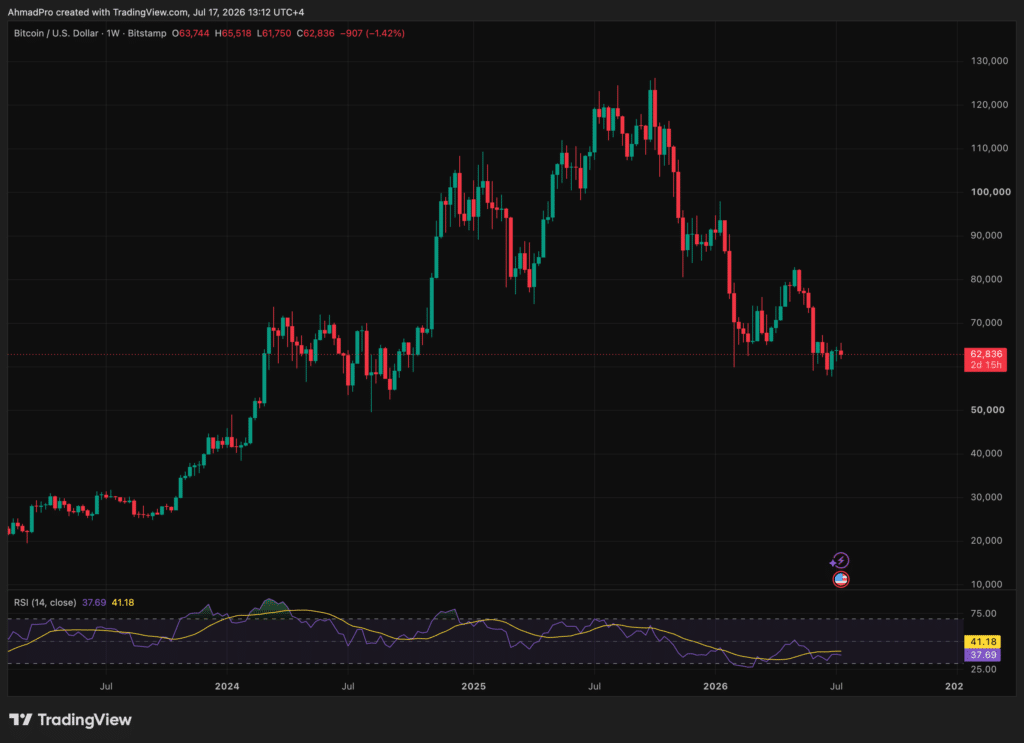
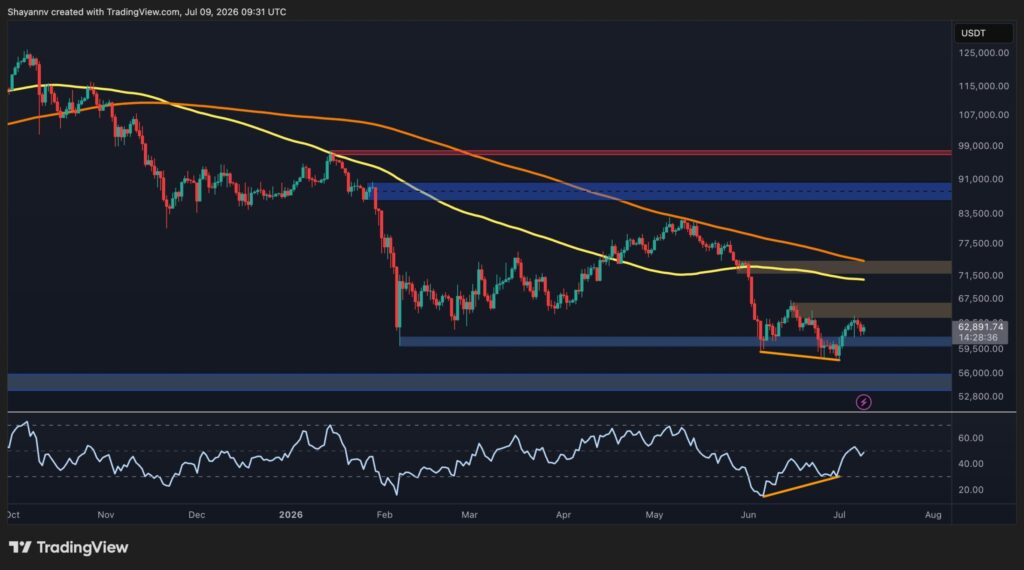
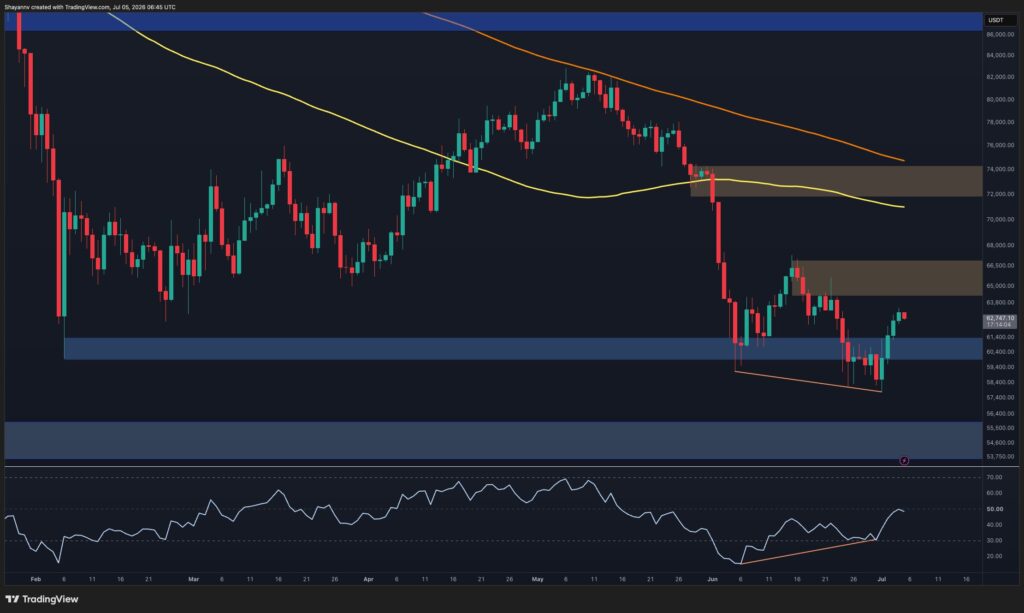
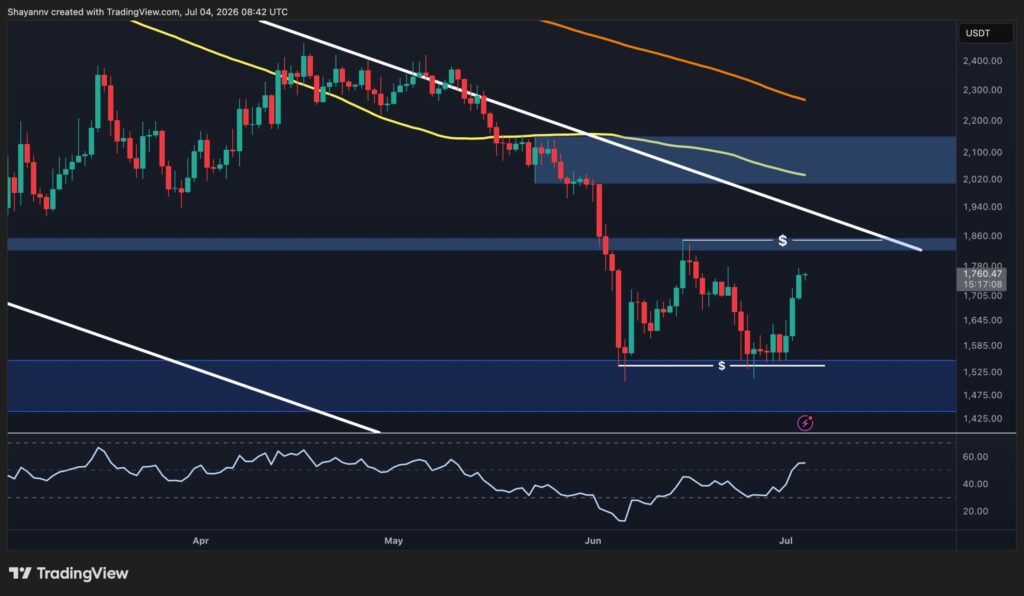
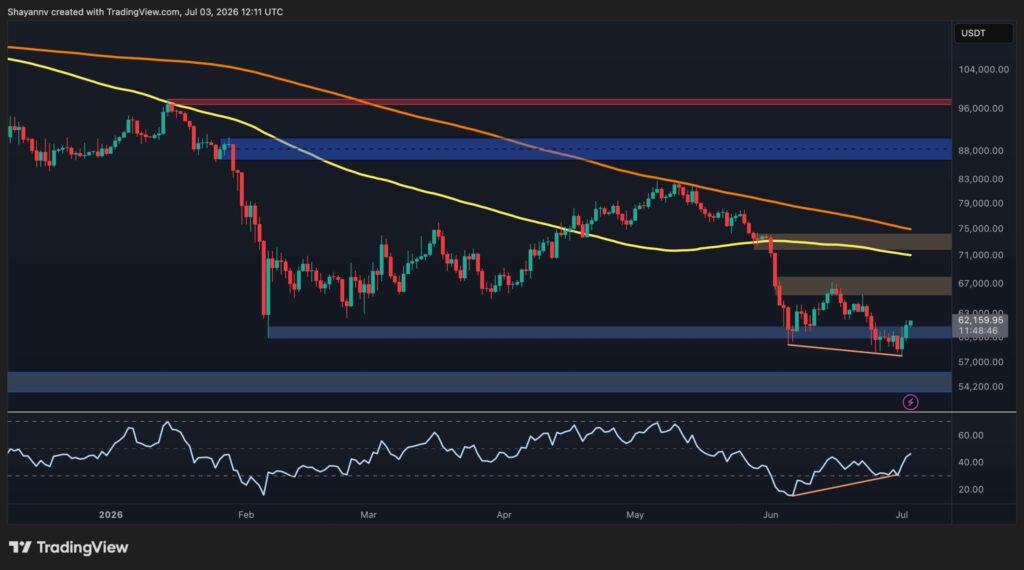
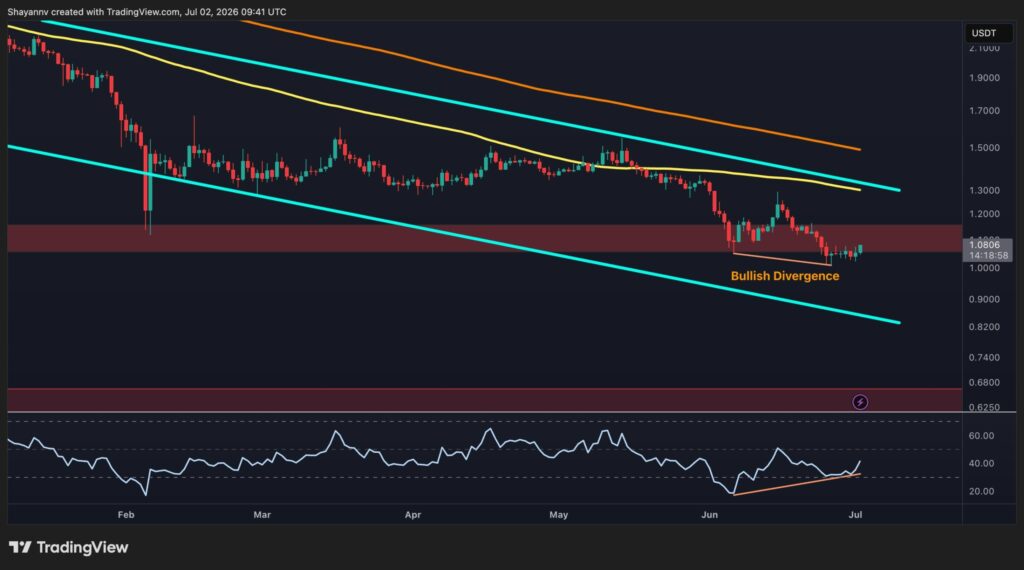
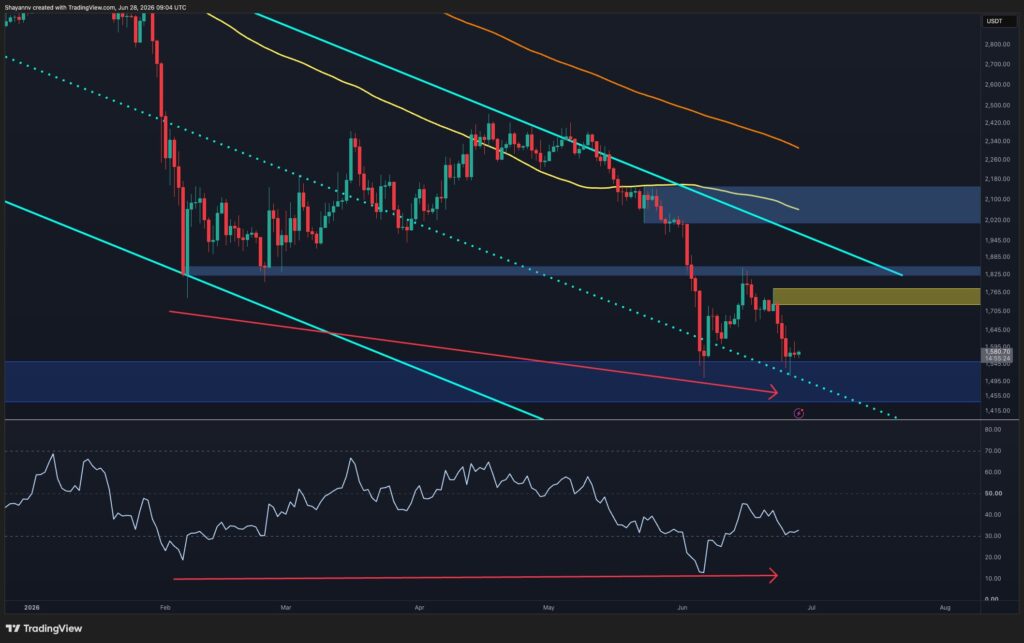
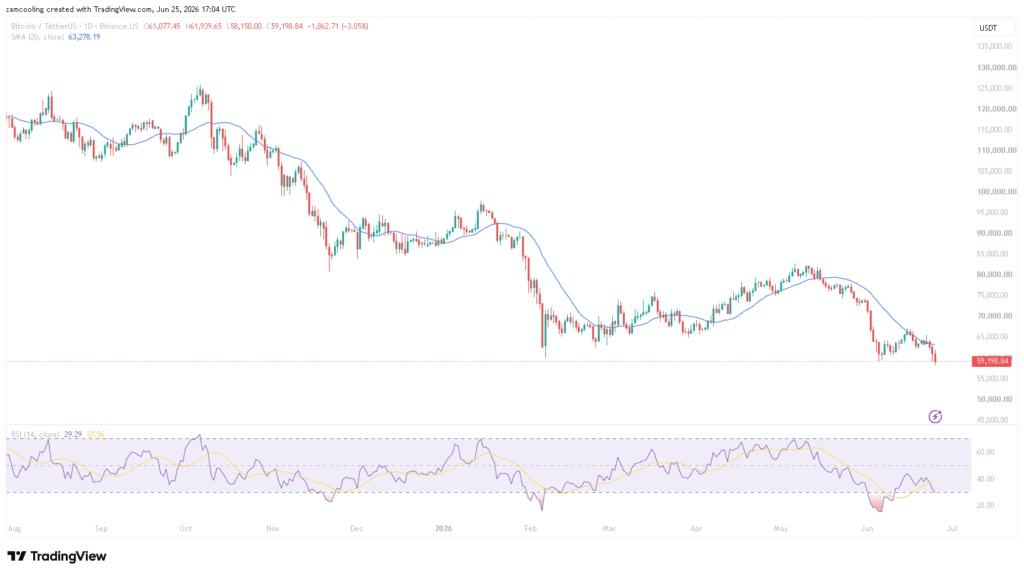
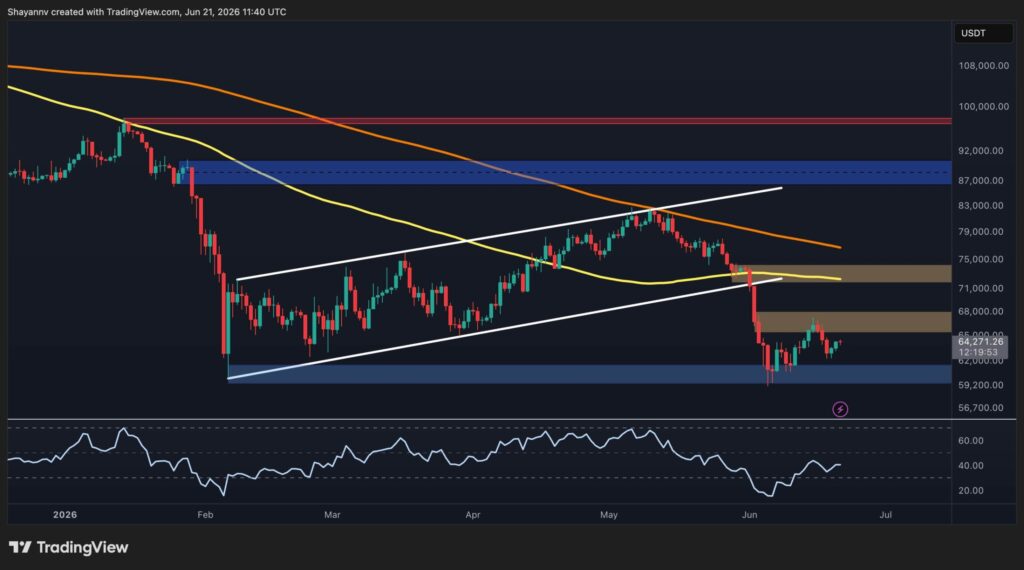
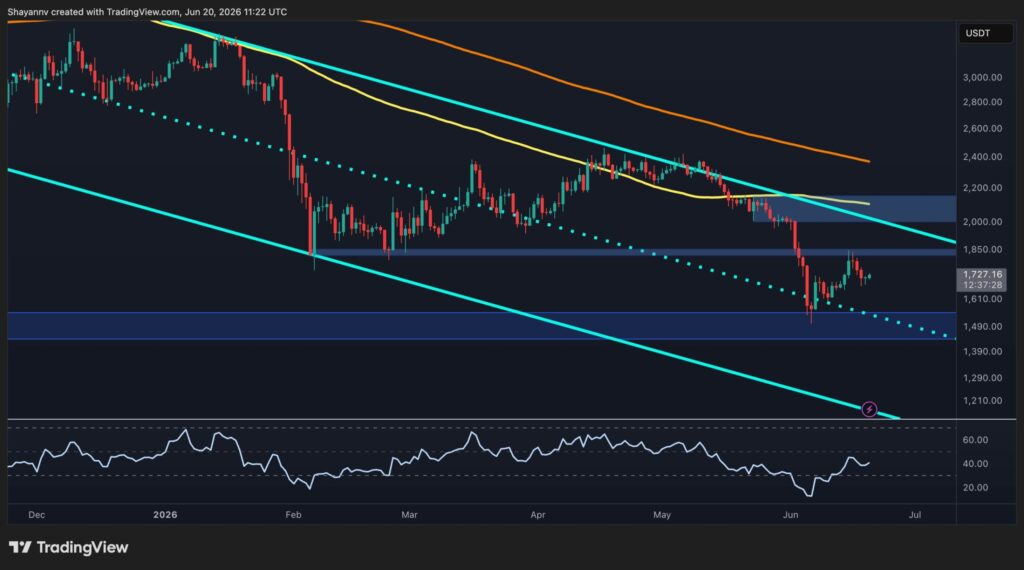
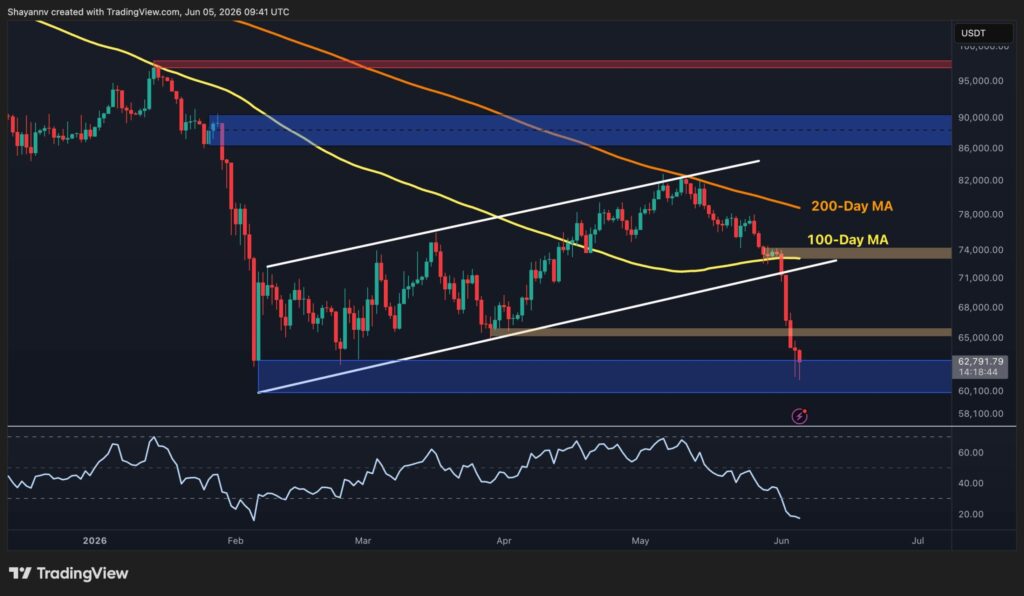
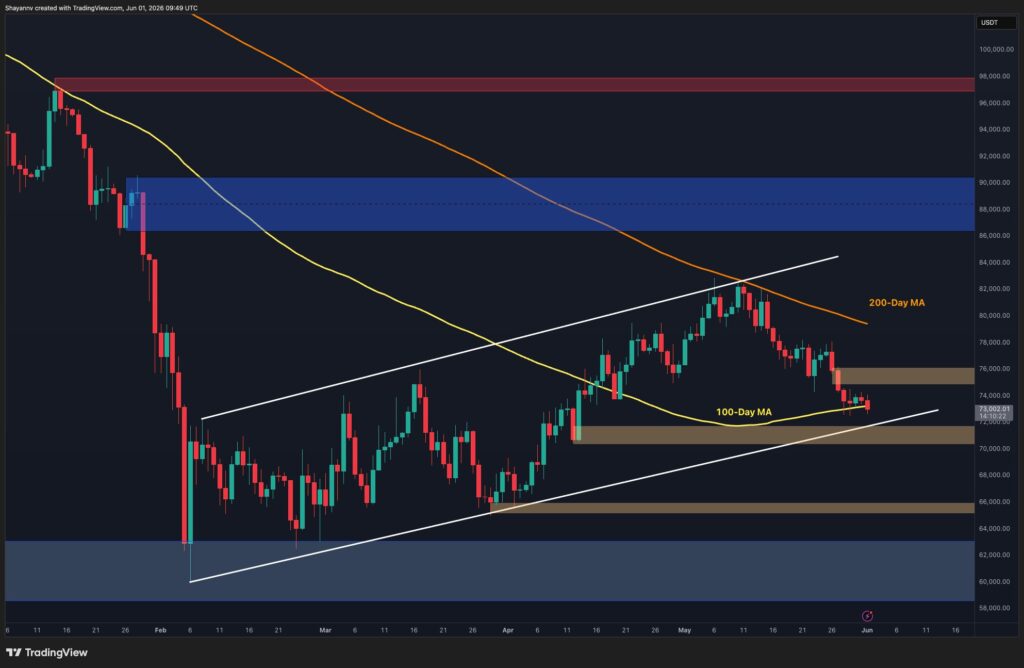
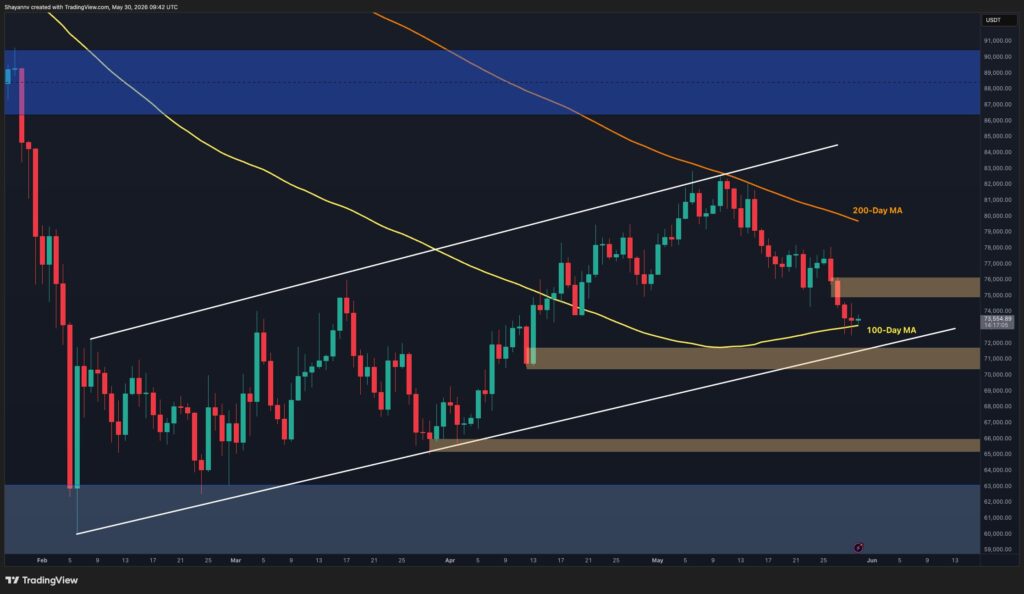
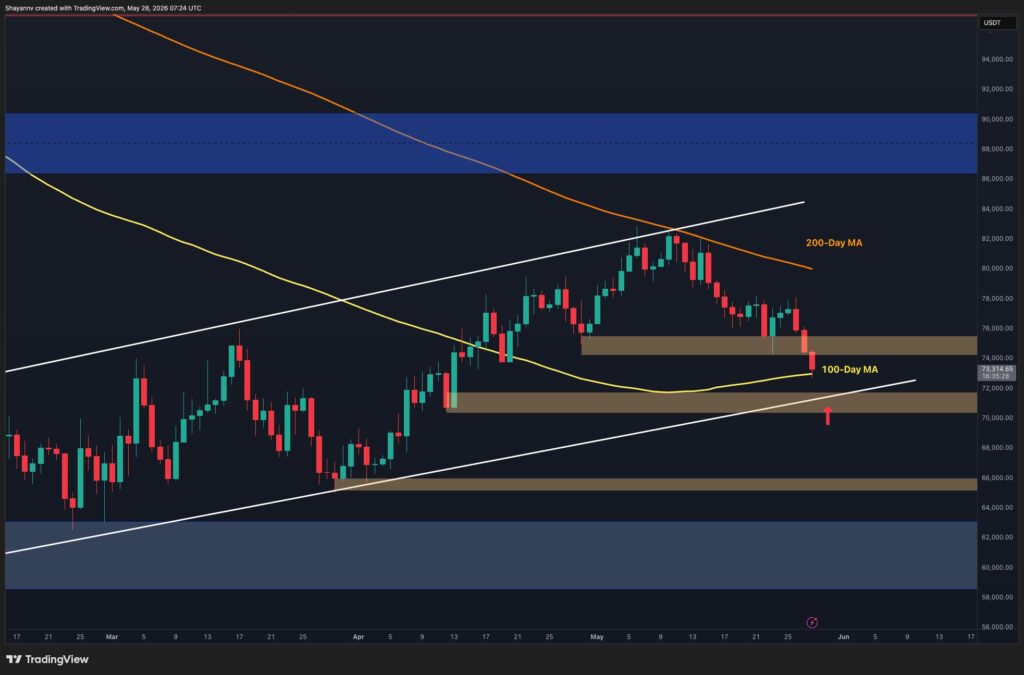
From a technical perspective, Bitcoin remains under pressure. The cryptocurrency is trading below several important moving averages, signaling continued bearish momentum. At the same time, indicators such as the Relative Strength Index (RSI) have entered oversold territory, suggesting that selling may be becoming exhausted.
Some analysts believe the current decline resembles previous mid-cycle corrections rather than the start of a prolonged bear market. Others point to ETF outflows, institutional selling, and weakening market sentiment as warning signs that the downturn could continue.
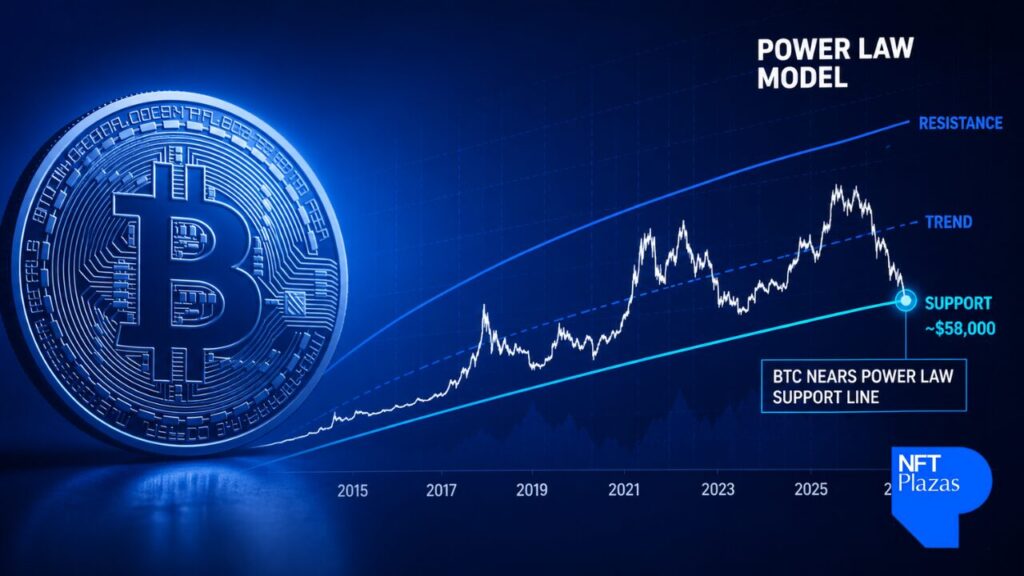
One critical level to watch is the $65,000 region. A sustained break below that support could trigger additional selling and further liquidations. Conversely, holding above that area may help stabilize sentiment and attract bargain hunters.
For now, investors are focused on upcoming macroeconomic events, particularly the June 10 U.S. inflation report and the Federal Reserve’s June 16-17 policy meeting. These events could provide important clues about interest-rate expectations and broader risk appetite.
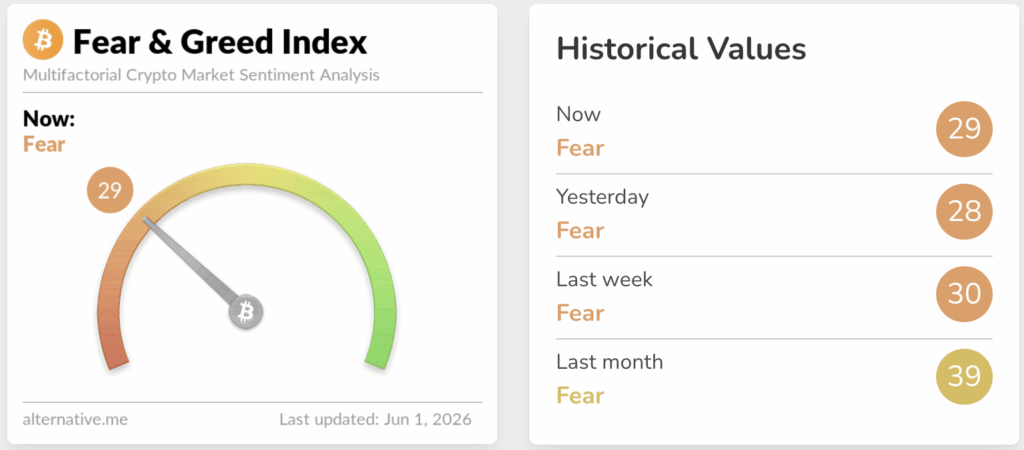
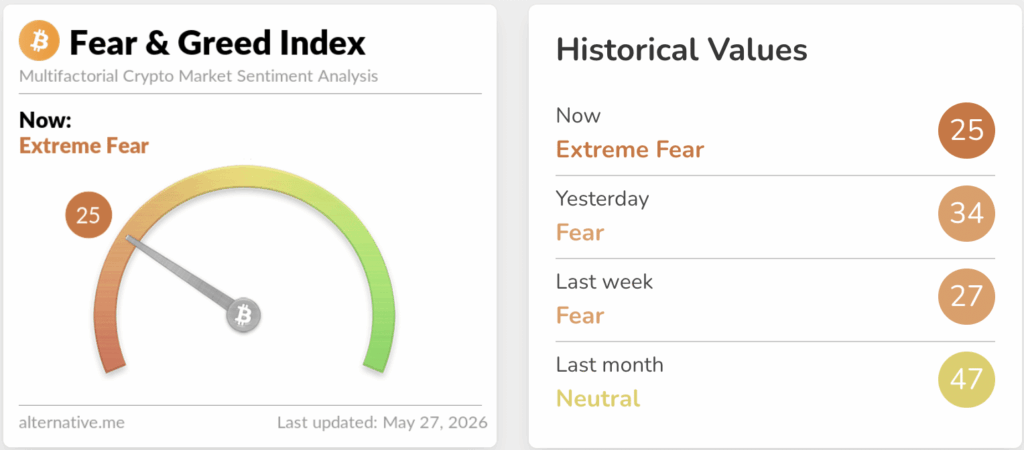
Until then, the evidence remains mixed. Bitcoin’s sharp decline, ETF withdrawals, Mt. Gox concerns, and liquidation wave all point to growing market stress. Whether this develops into a full-scale crypto winter or proves to be another painful correction will likely depend on how institutional investors respond in the weeks ahead.