




























































































































































































































































































































































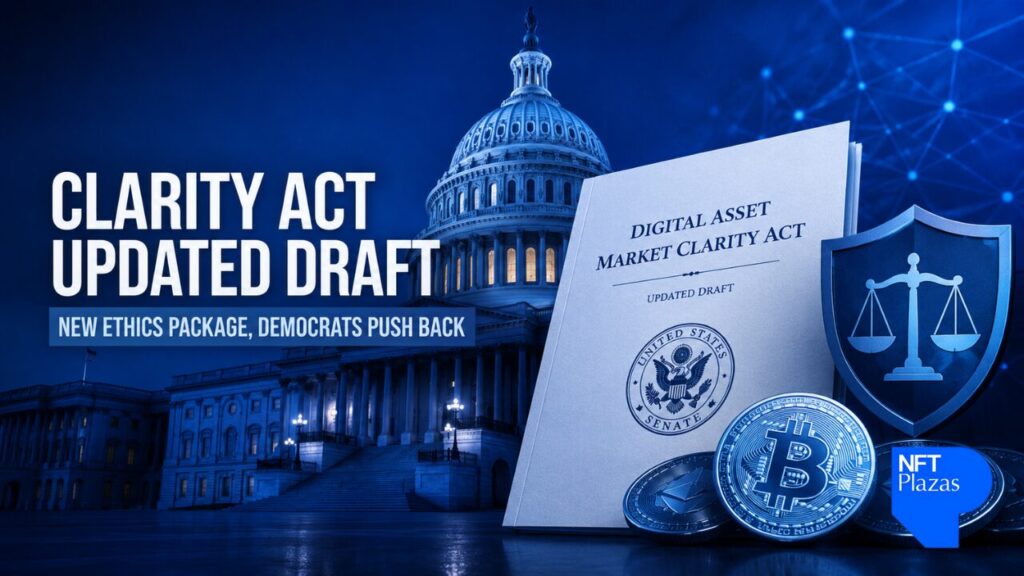































































































































































































































































































































































































































































































































































































































































































































































































































































































































































































































































































































































































































































































































































































































































































































































































































































































































































































































































































































































































































































































































CLARITY Act Push Hits 1 Million With 7 Days Before Senate Recess

Key Takeaways
- Stand With Crypto reports one million contacts supporting the bill.
- Officials warn the proposal could weaken safeguards and oversight.
- The widening dispute threatens action before the August recess.
Million-Contact Campaign Intensifies Senate Pressure
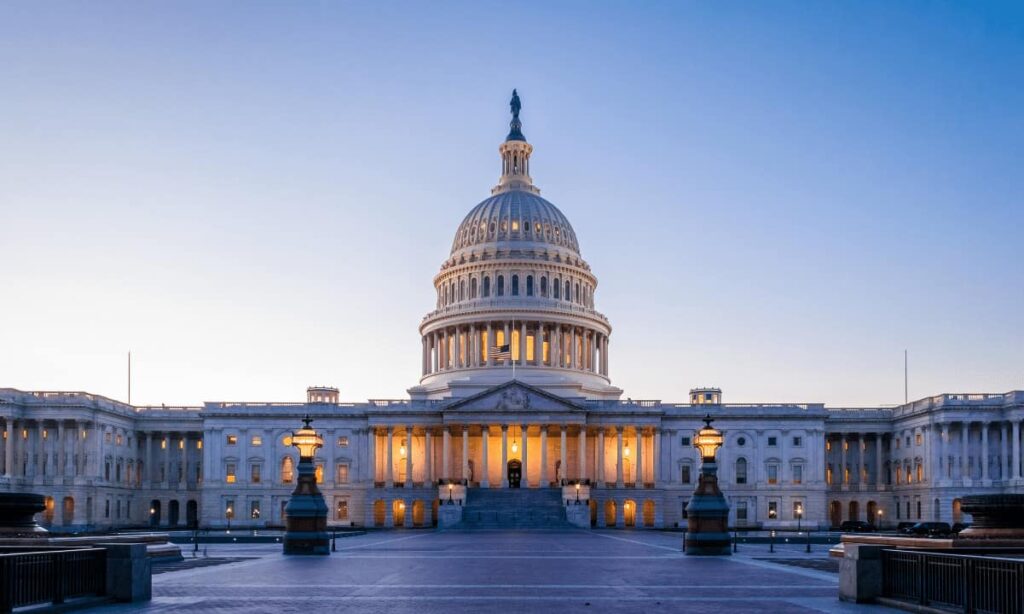
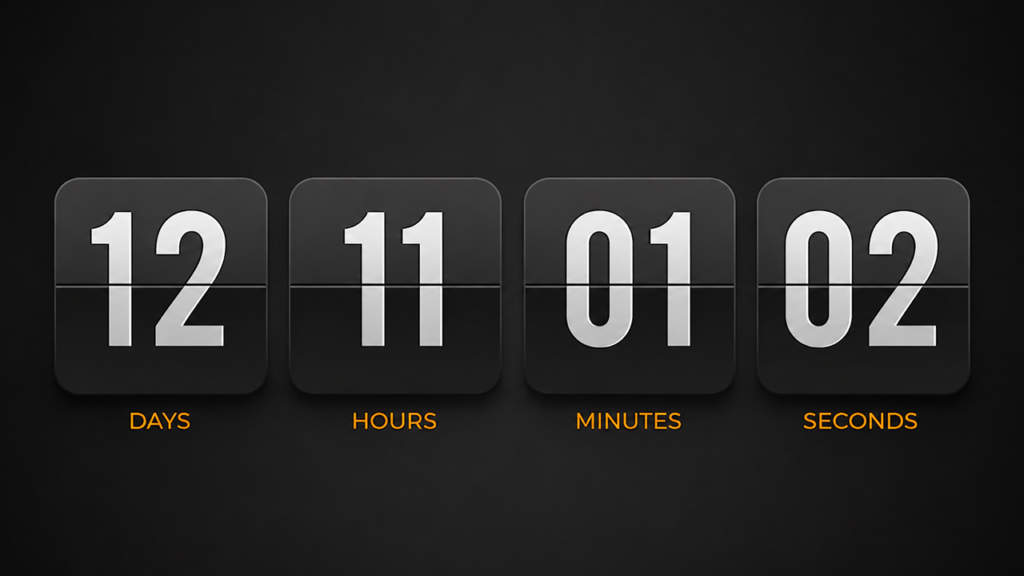
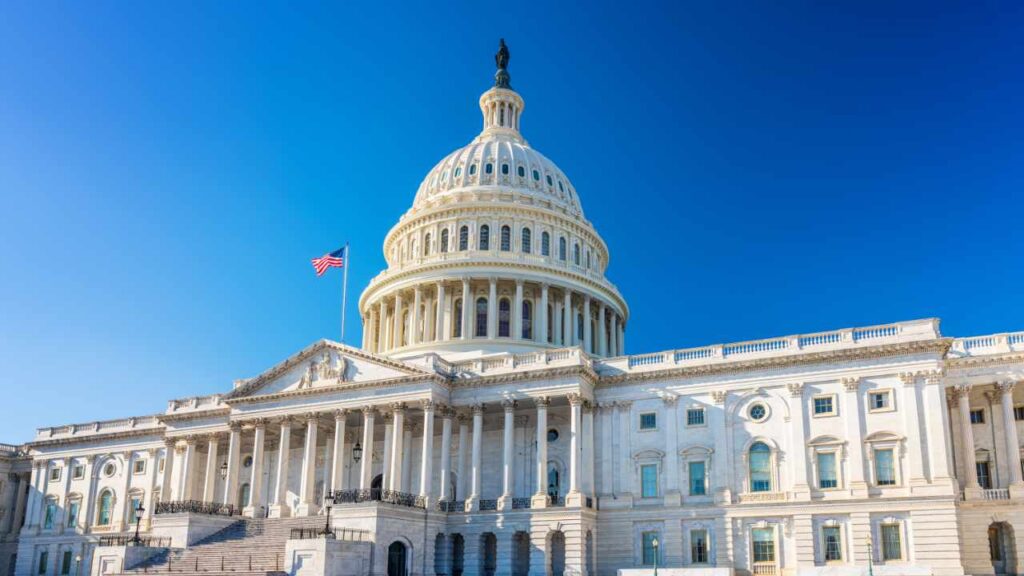
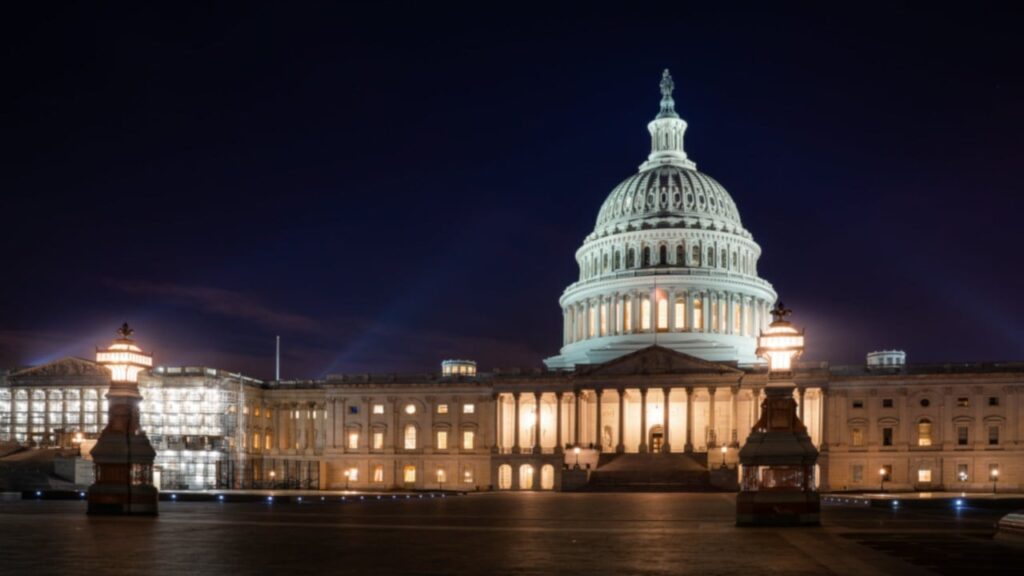
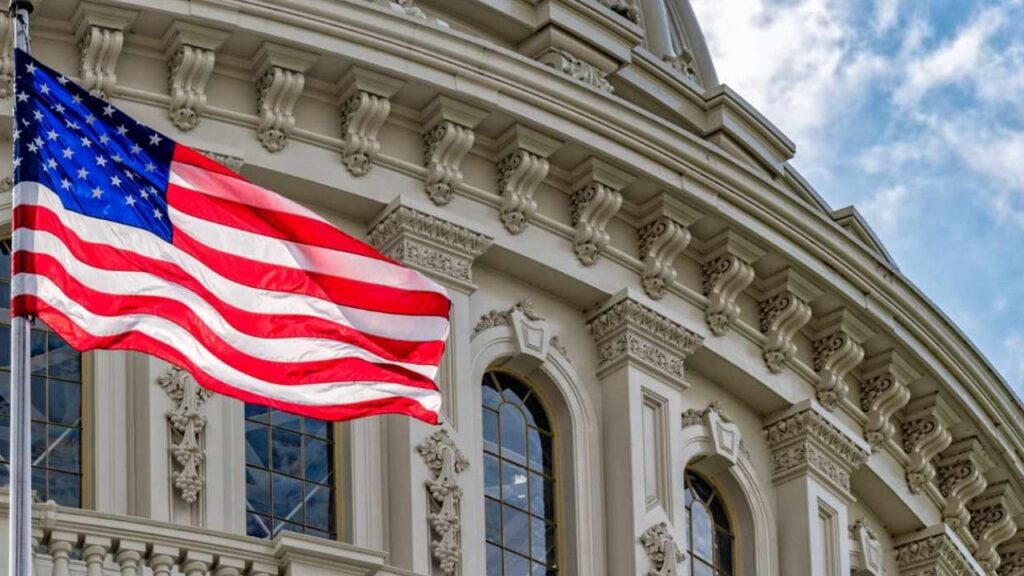
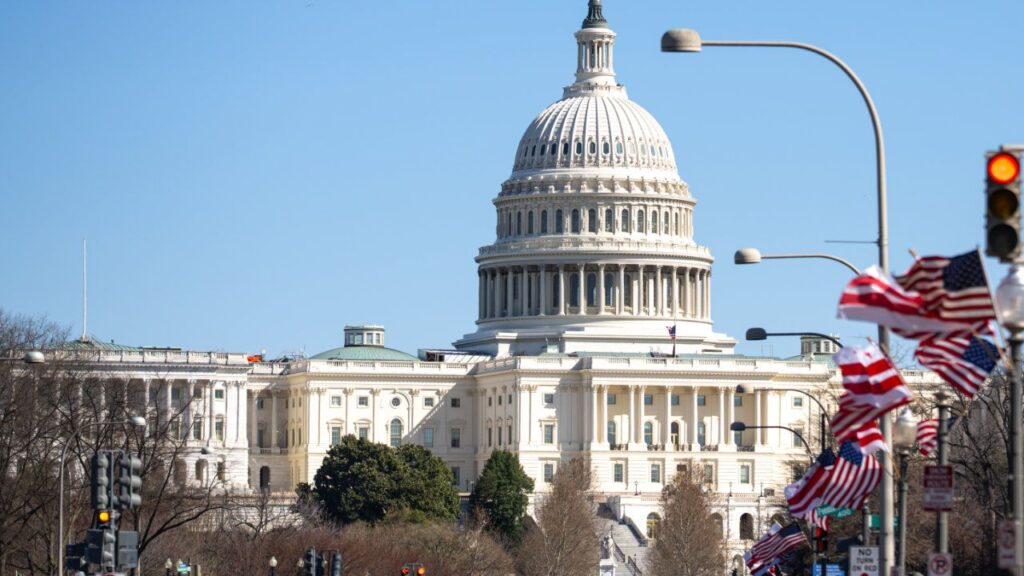
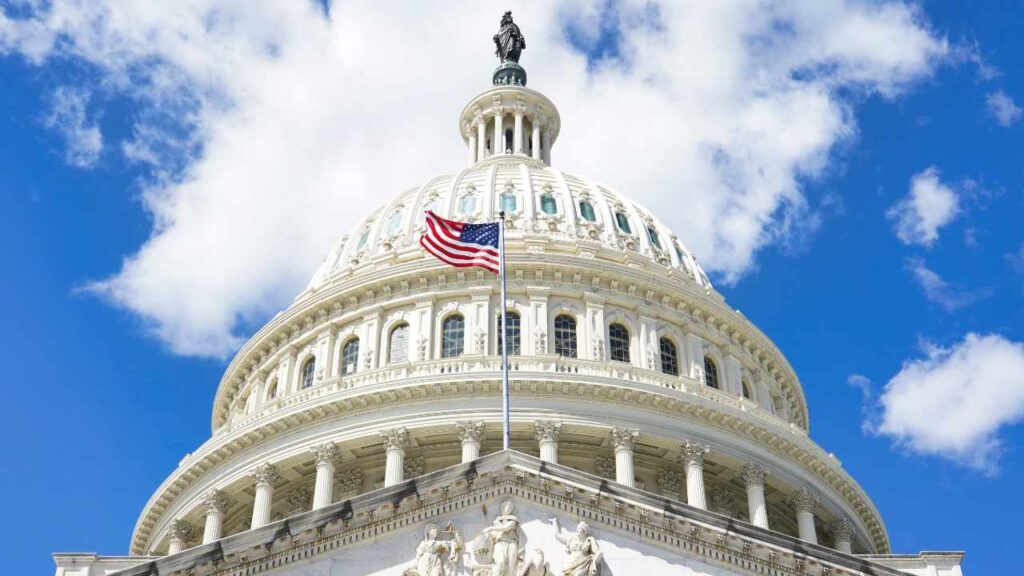
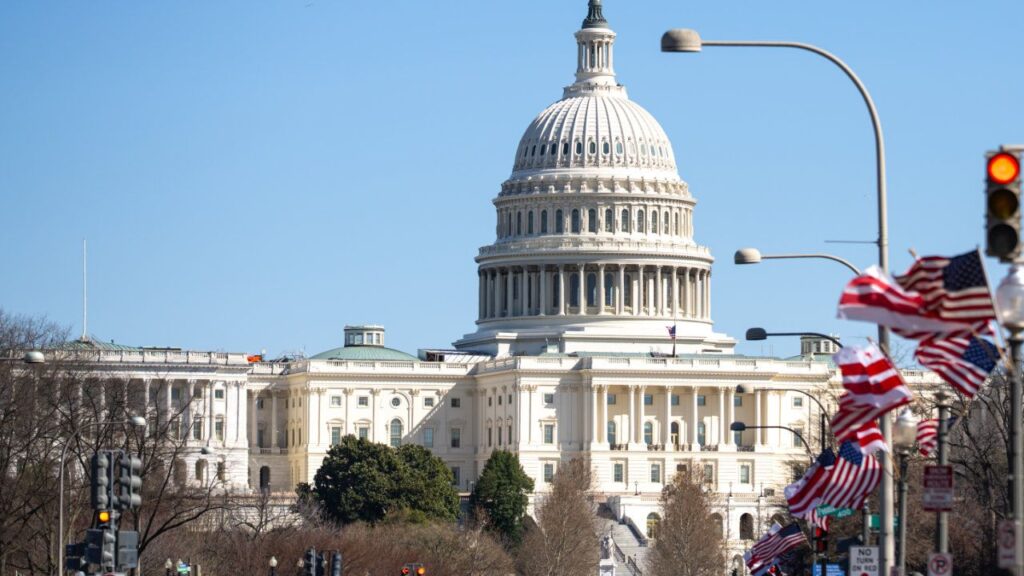
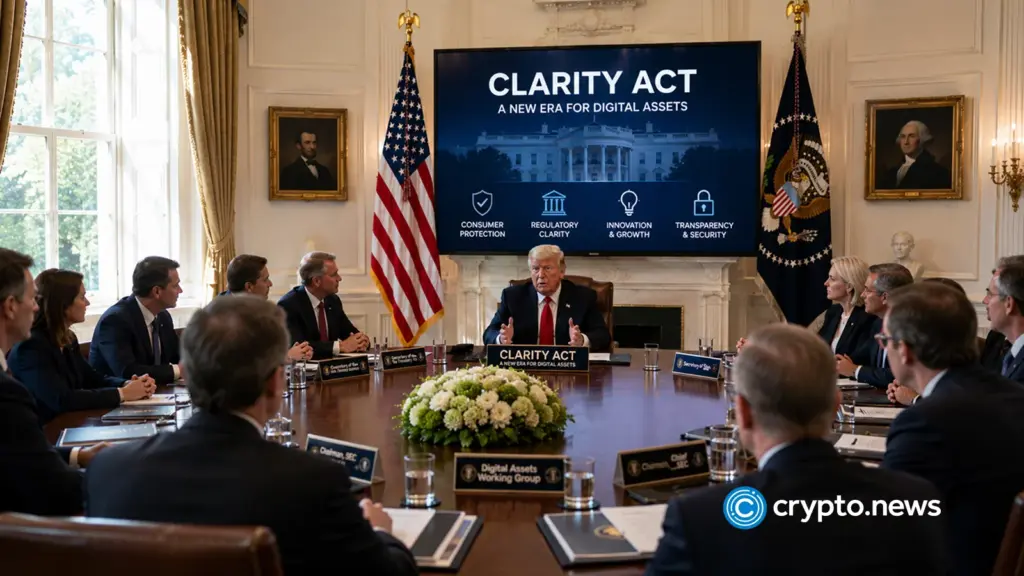
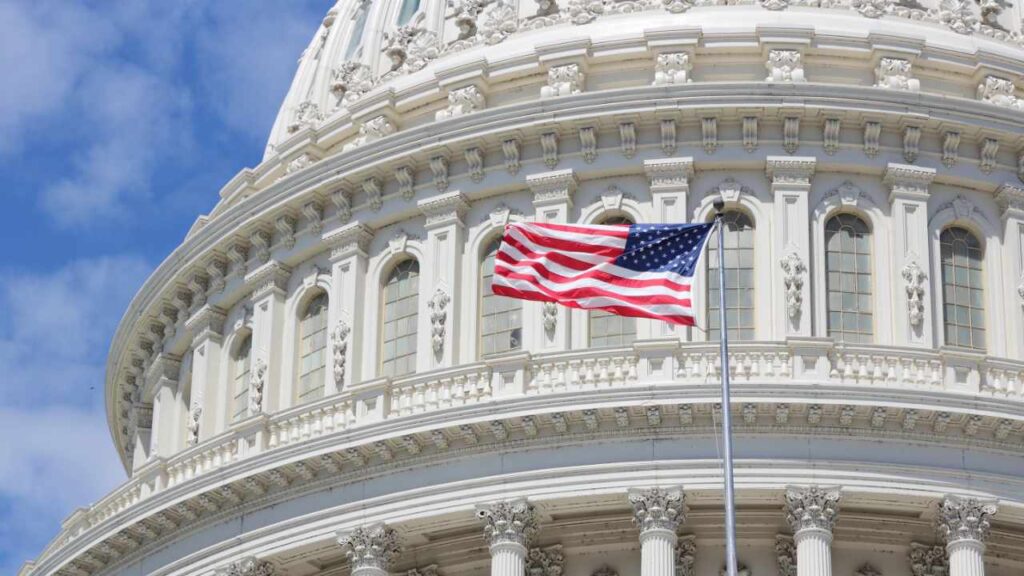
Stand With Crypto, a nonprofit crypto advocacy organization that mobilizes digital asset owners around legislation and elections, announced July 31 that supporters had contacted lawmakers one million times urging Senate passage of the CLARITY Act before lawmakers leave for the Aug. 7 recess. The organization later renewed its appeal with a seven-day countdown encouraging advocates to contact their senators while Congress remains in session.
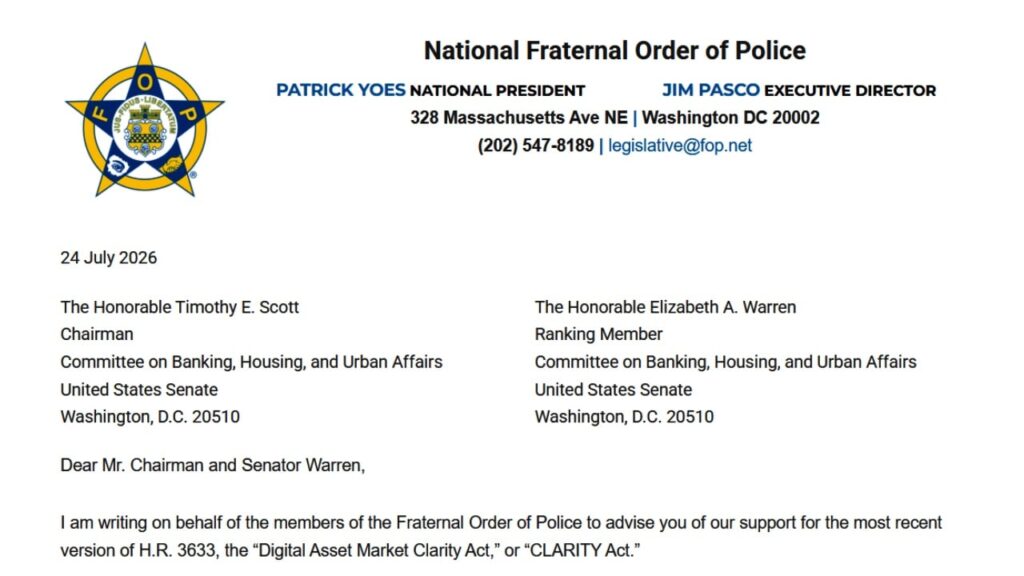
The campaign’s milestone arrives while senators face disagreements involving enforcement powers, financial conflicts, anti-money laundering controls, decentralized finance, custody, and stablecoin provisions. Supporters present the legislation as a framework dividing regulatory authority between federal agencies, while critics contend its current language could restrict state investigations and leave important ethics concerns unresolved.
Stand With Crypto wrote:
“SWC advocates have contacted lawmakers 1,000,000 times for the CLARITY Act. That’s a million contacts telling their Senators: pass clear rules for digital assets.”
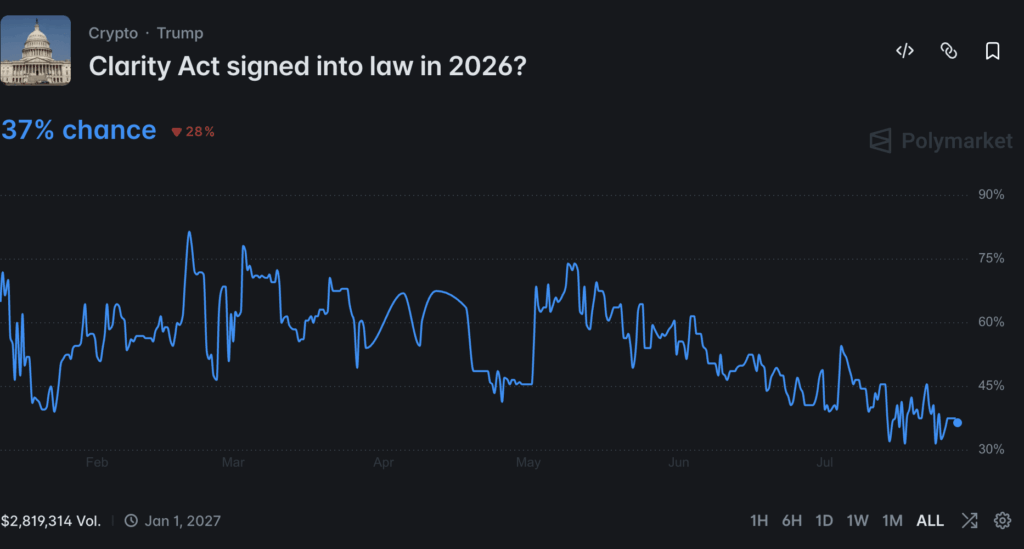
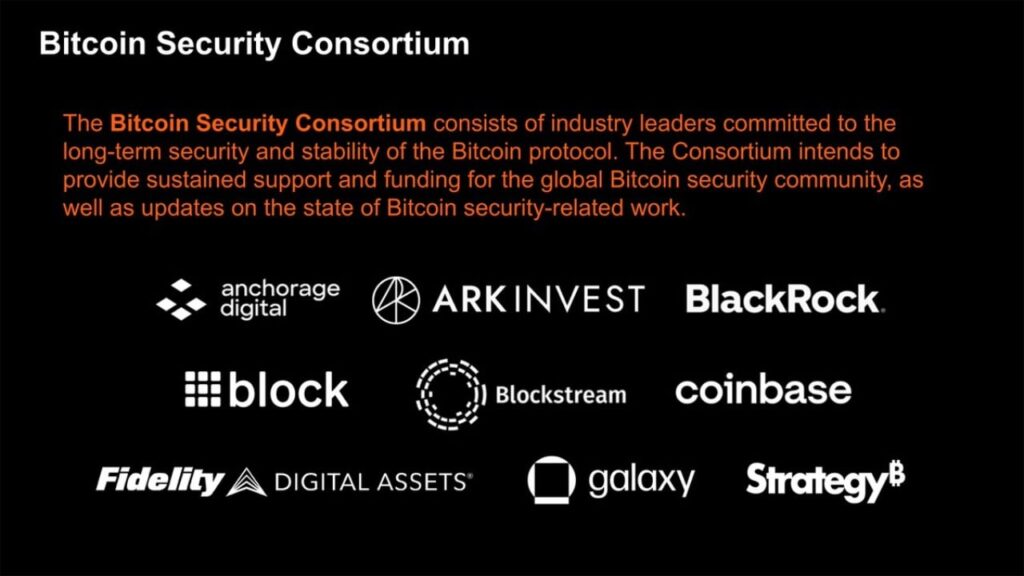
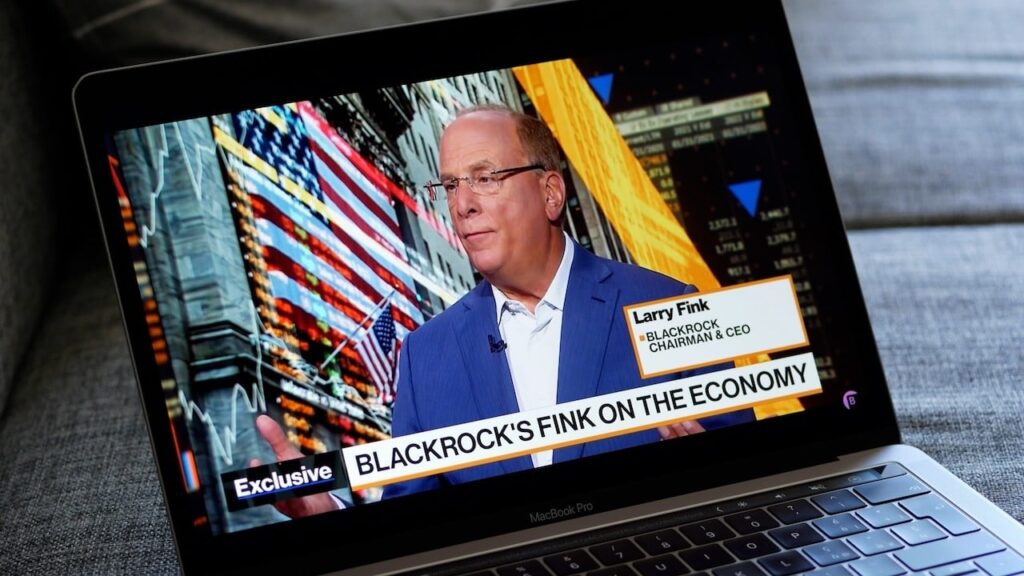
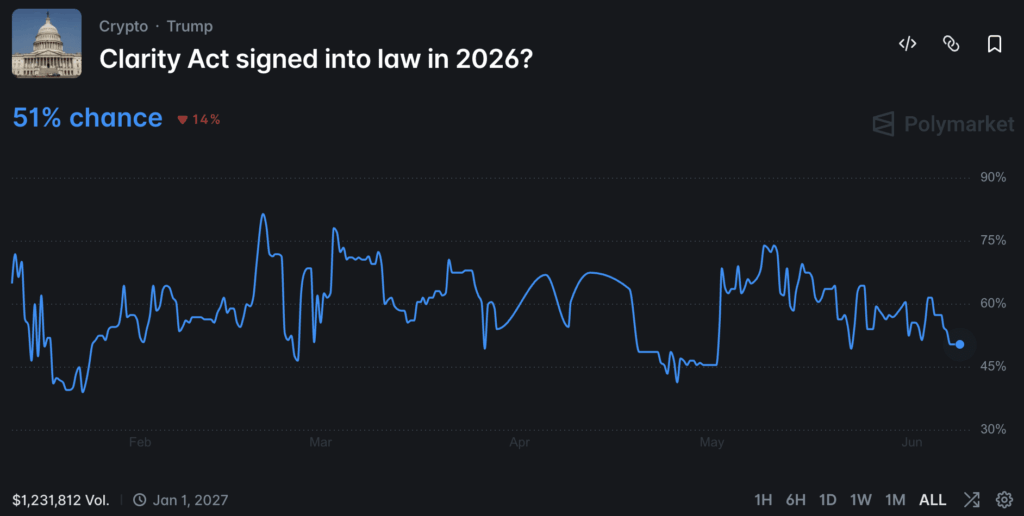
Institutional support has also expanded as Blackrock, Fidelity, Goldman Sachs, and Franklin Templeton backed the CLARITY Act as a framework intended to balance digital asset innovation with transparency, resilience, and investor protection. Galaxy Research nevertheless reduced its estimated probability of enactment during 2026 from 50% to 30%, citing unresolved disputes, Senate vote requirements, and a tightening legislative calendar.
Officials Clash Over Fraud, Enforcement, and Ethics
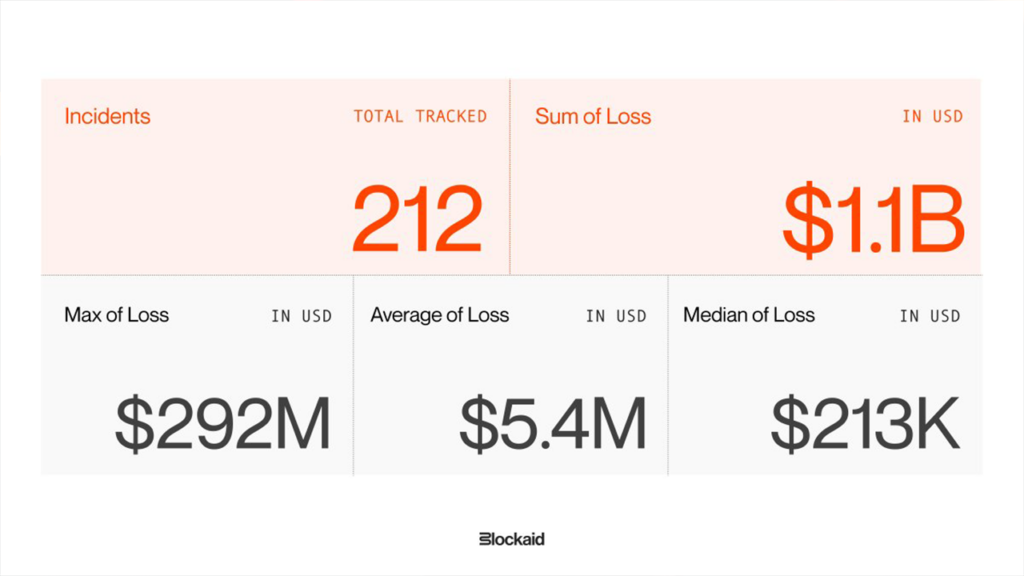
New York Attorney General Letitia James urged Congress on July 27 to require stronger cryptocurrency oversight, including anti-money laundering compliance, customer identification, cybersecurity protocols, transaction surveillance, and platform liability. Her office reported nearly $500 million in cryptocurrency scam losses during five years and argued the CLARITY Act could restrict state and local enforcement against fraudulent platforms.
Senate Banking Committee Republicans maintain that the proposal preserves federal anti-fraud authority, applies Bank Secrecy Act rules to digital asset intermediaries, and expands suspicious-transaction controls. Their May 12 summary of the CLARITY Act’s anti-fraud and anti-money laundering provisions also describes kiosk registration, customer warnings, holding periods, withdrawal limits, sanctions compliance, and new Treasury authority targeting foreign digital asset activity linked to money laundering.
Trump Crypto Income Sharpens the Legislative Divide
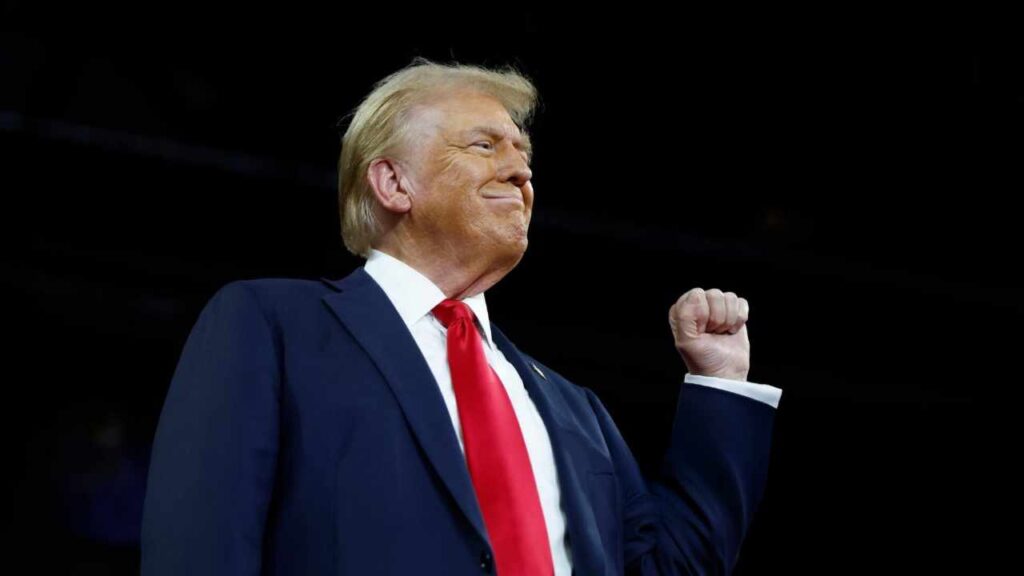
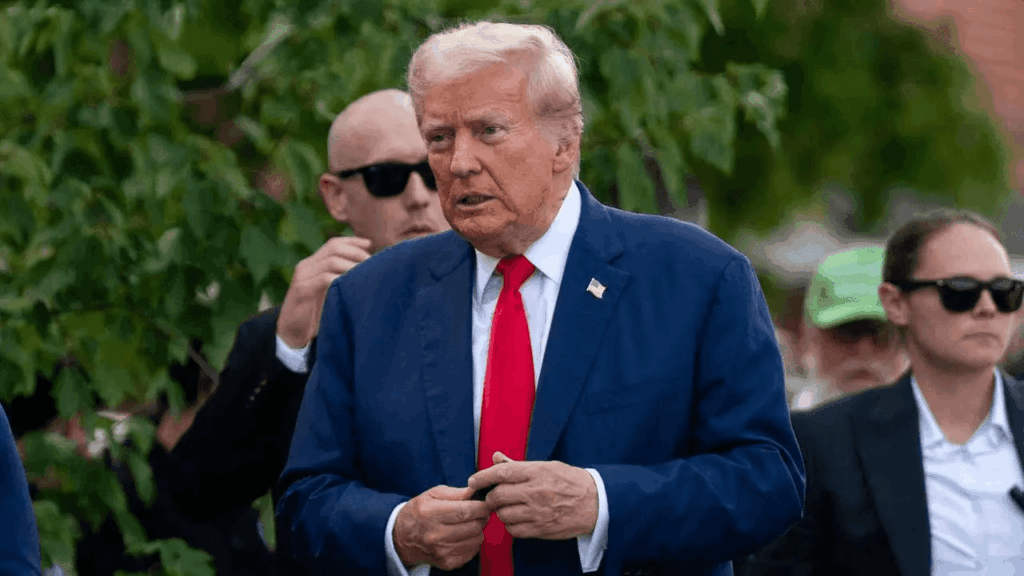
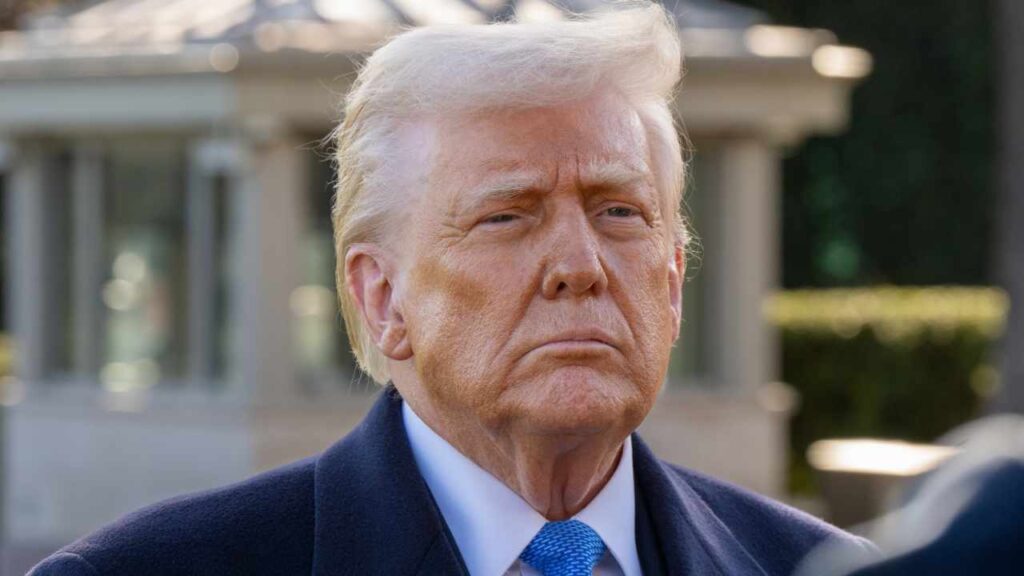
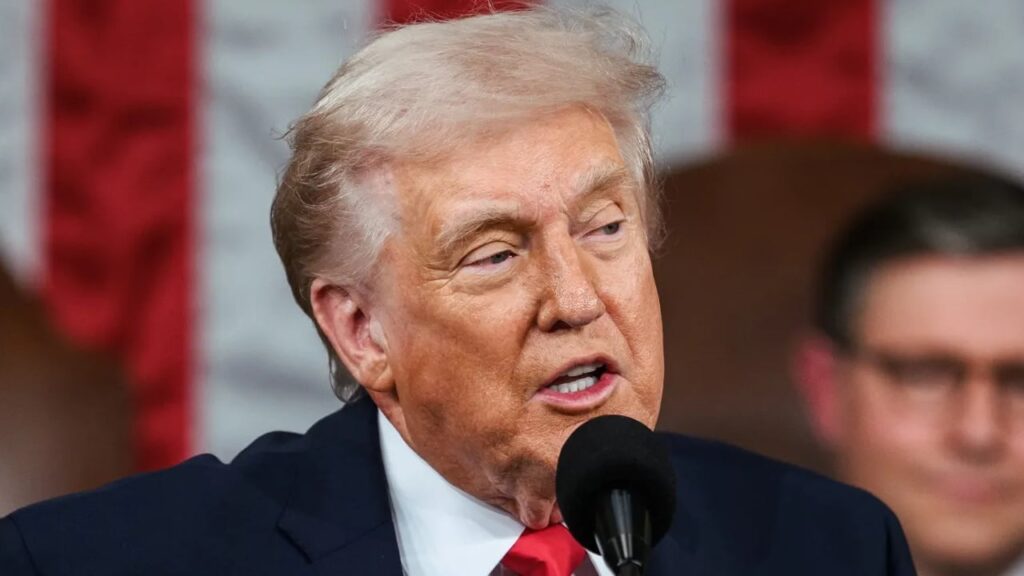
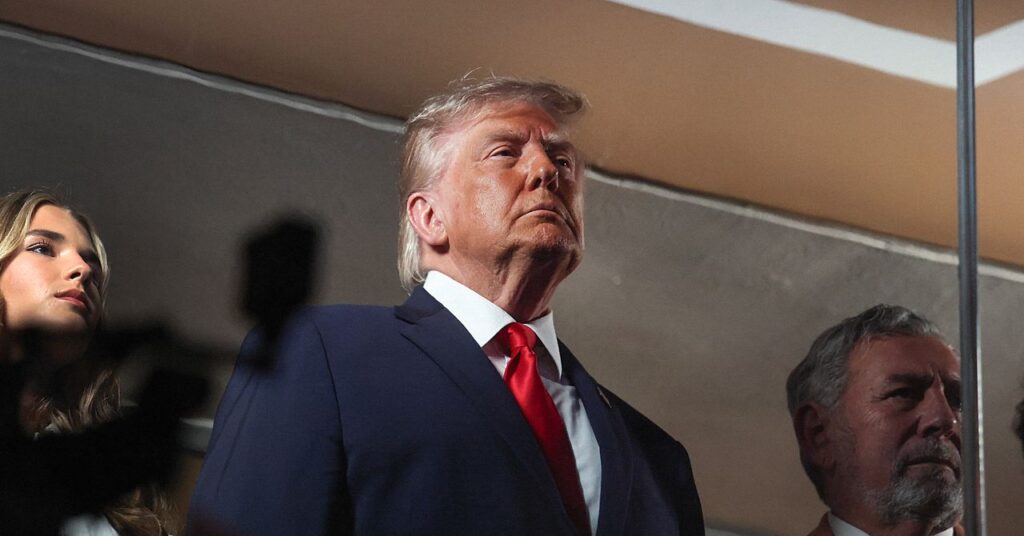
Senate Banking Committee minority staff released a July 30 analysis of the CLARITY Act’s cryptocurrency ethics provisions, concluding that the revised language would leave President Donald Trump’s existing cryptocurrency ventures unaffected. The analysis contends that future ventures could also be structured outside proposed restrictions, intensifying Democratic demands for broader safeguards governing elected officials, senior appointees, spouses, and family-linked businesses.
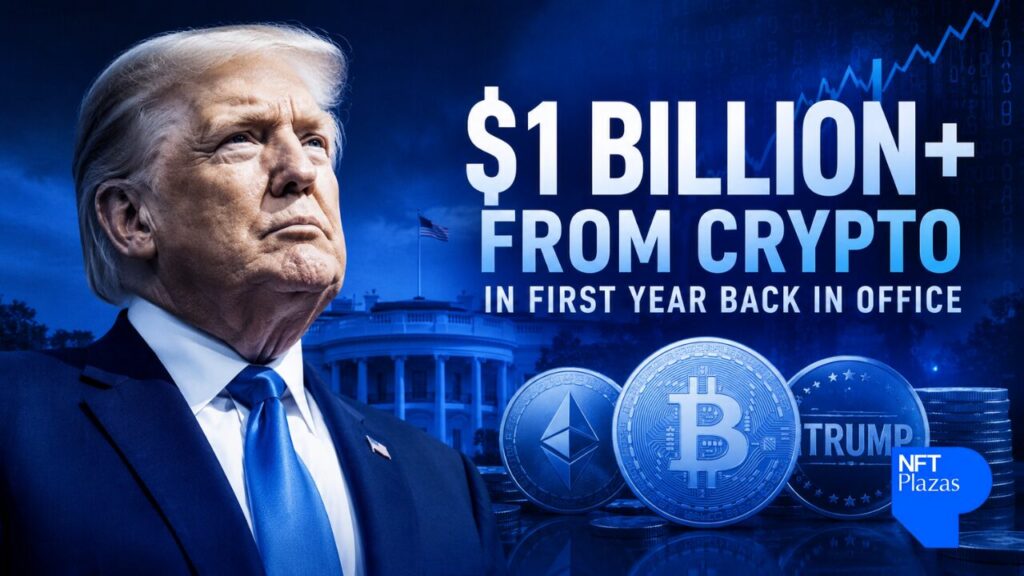
Earlier scrutiny centered on Trump’s reported $1.4 billion in cryptocurrency-related income disclosed for 2025 and significant interests connected to World Liberty Financial. U.S. Senator Elizabeth Warren (D-MA) requested updated information through July 15, arguing senators require current figures while evaluating legislation that could affect Trump-linked digital asset holdings.
Stand With Crypto added:
“We have 7 days left before the Senate leaves for August Recess. This is a critical moment for the CLARITY Act.”
The competing positions leave senators balancing grassroots pressure and institutional backing against demands for stronger state authority, consumer remedies, and federal ethics restrictions. With most major legislation requiring 60 votes to overcome procedural barriers, the bill’s next test is whether negotiators can preserve bipartisan support before lawmakers leave for the Aug. 7 recess.