





































































































































































































































































































































































































































































































































































































































































































































































































































































































































































































































































































































































































































































































































































































































































































































































































































































































































Can Saylor’s Strategy Survive a Record Discount?


Key Takeaways
- JPMorgan said Strategy’s 0.88 ratio on Nov. 25 fell below the previous record low set in late June.
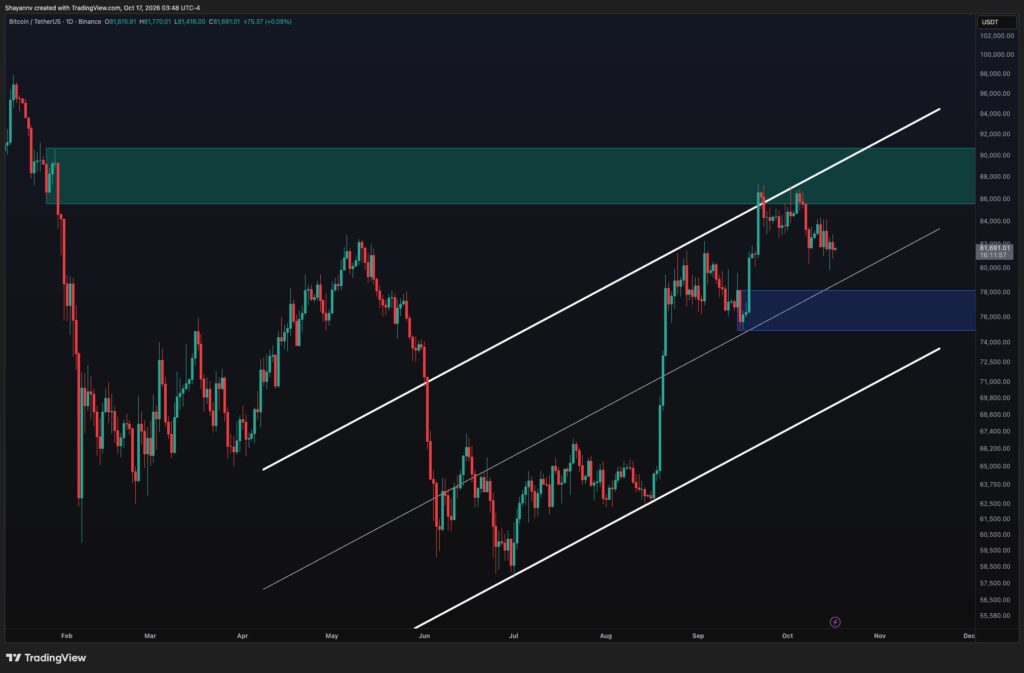
- Strategy’s 851,305 BTC cost about $64.2 billion and are worth roughly $52.3 billion at $61,400.
- TD Cowen’s Lance Vitanza says Strategy can survive a 10-year bear market even with bitcoin at $20,000.
JPMorgan Reads the Discount as Capitulation
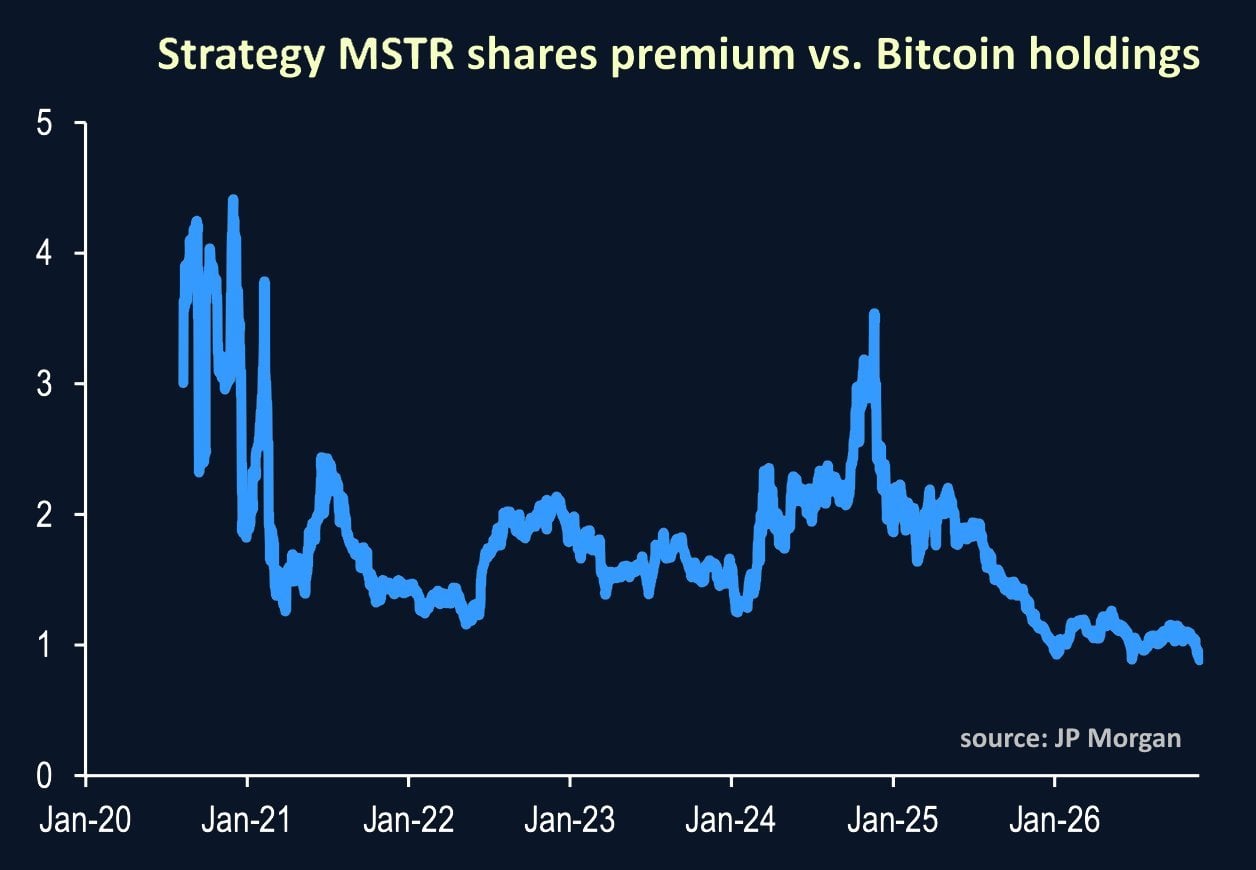
A JPMorgan team led by Nikolaos Panigirtzoglou flagged the ratio in a Wednesday research note. Strategy Inc. (Nasdaq: MSTR) was valued at about 88% of the bitcoin it holds, a 12% discount and a record low that broke the previous floor set in late June. The multiple later recovered to about 0.94.
The analysts wrote:
The premium to NAV collapses to a new record low of 0.88 for MicroStrategy’s stock, signaling capitulation in bitcoin.
A multiple below 1 means the market values Strategy’s whole business at less than its bitcoin, net asset value (NAV), being the value of those holdings. Strategy built its treasury by selling new shares at a premium and buying more bitcoin. A discount removes that engine, because every new share sold buys less bitcoin than it represents.
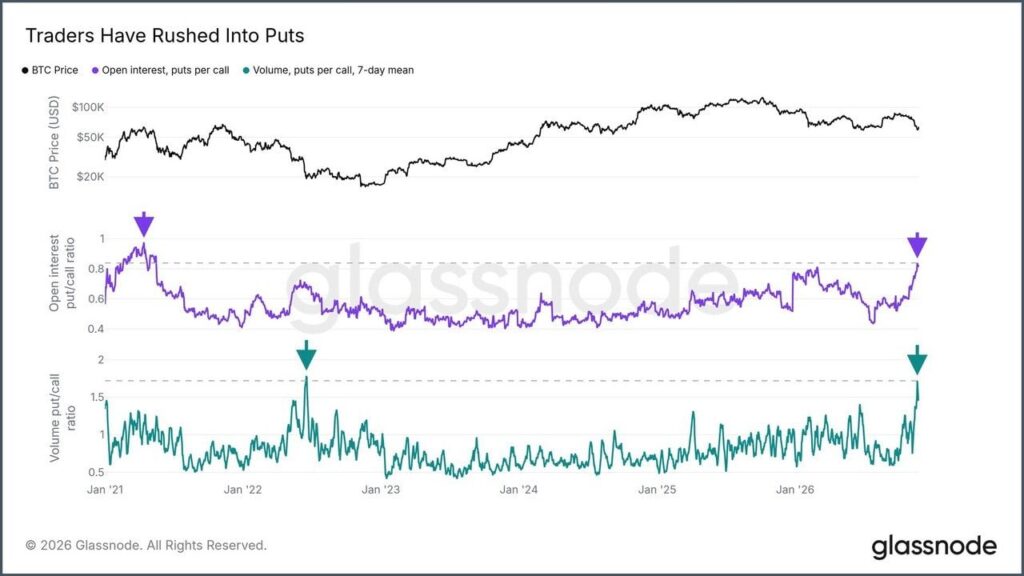
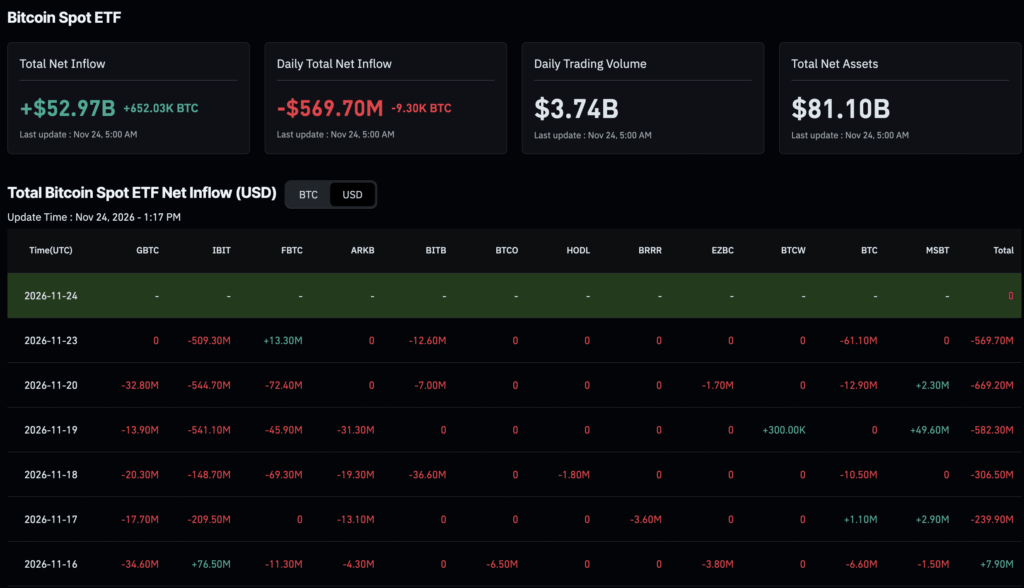
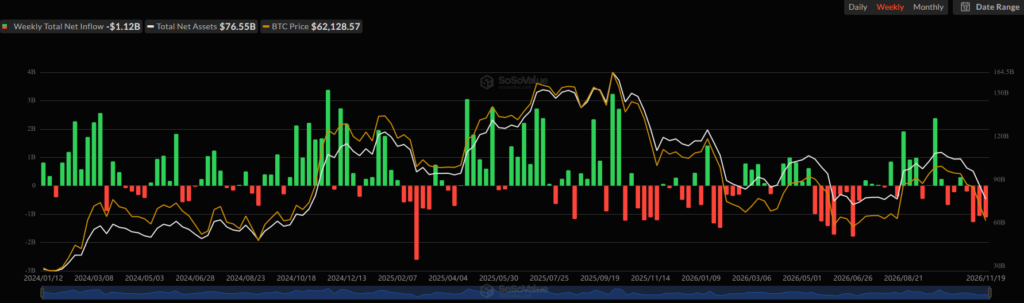
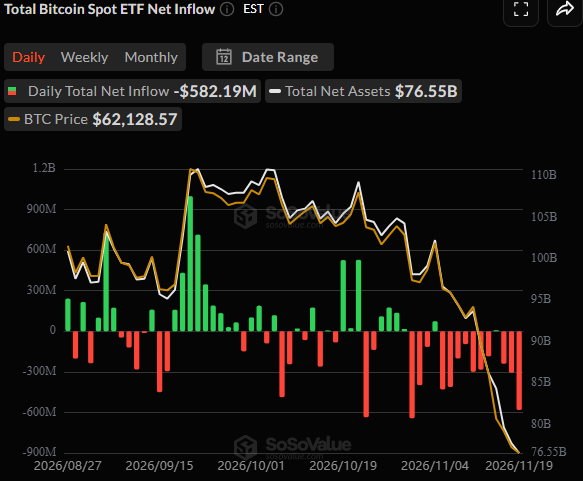
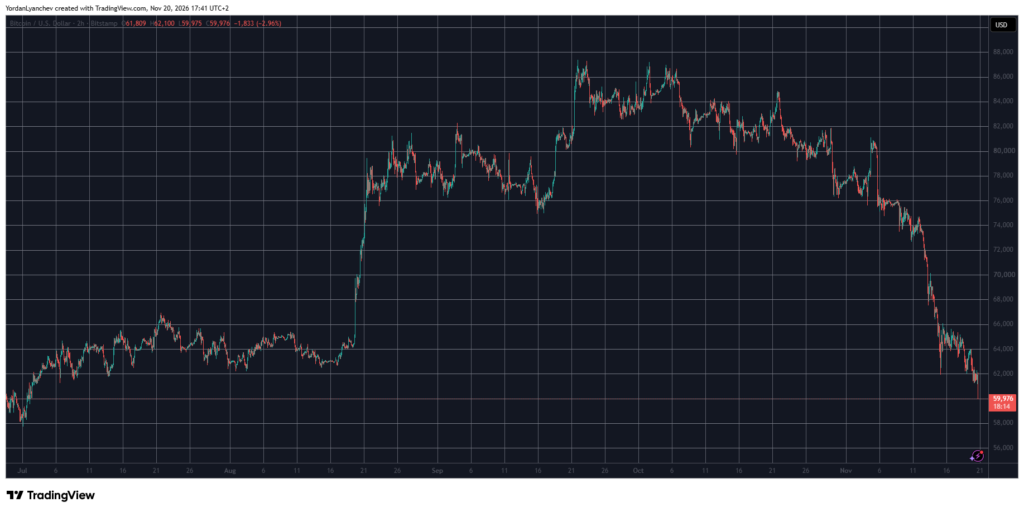
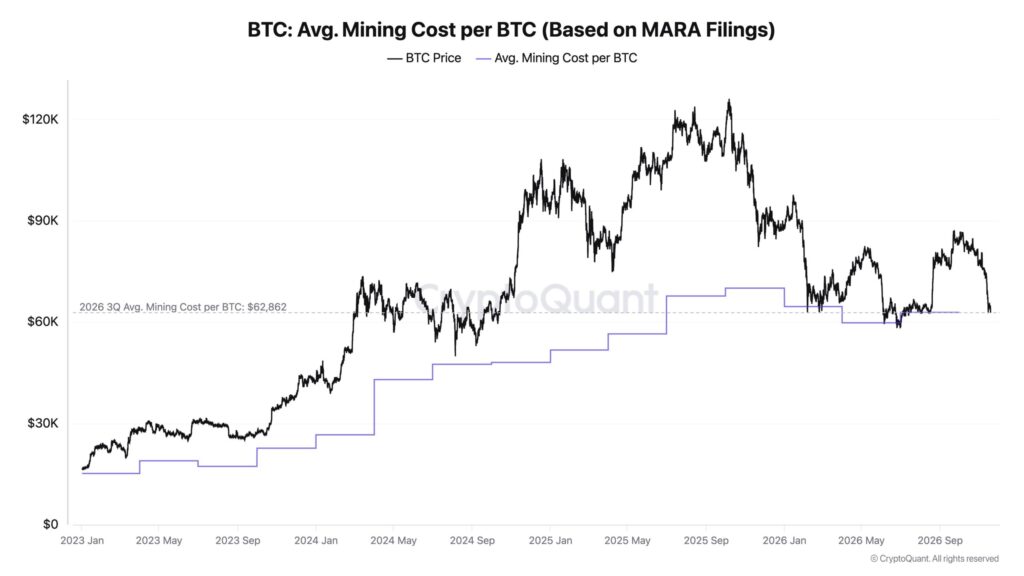
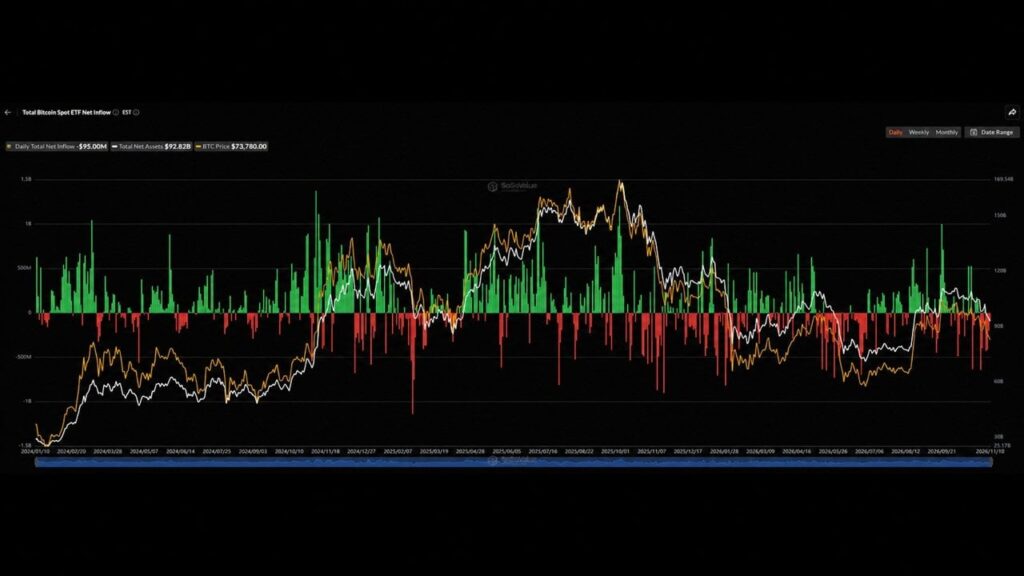
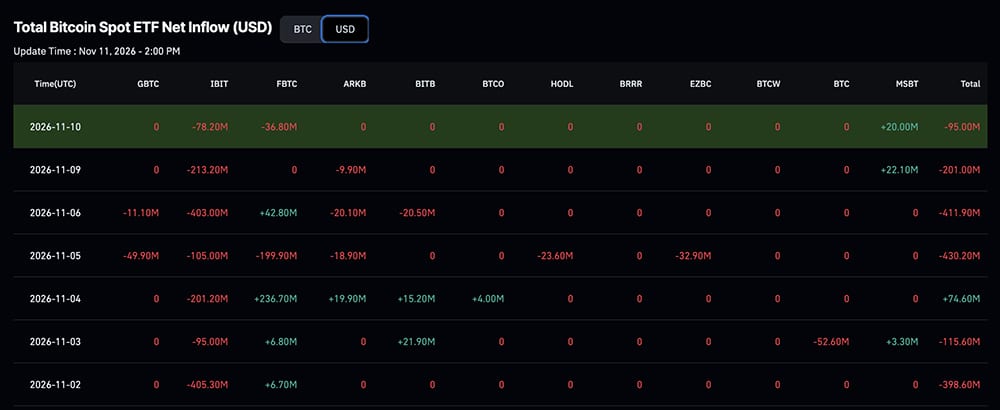
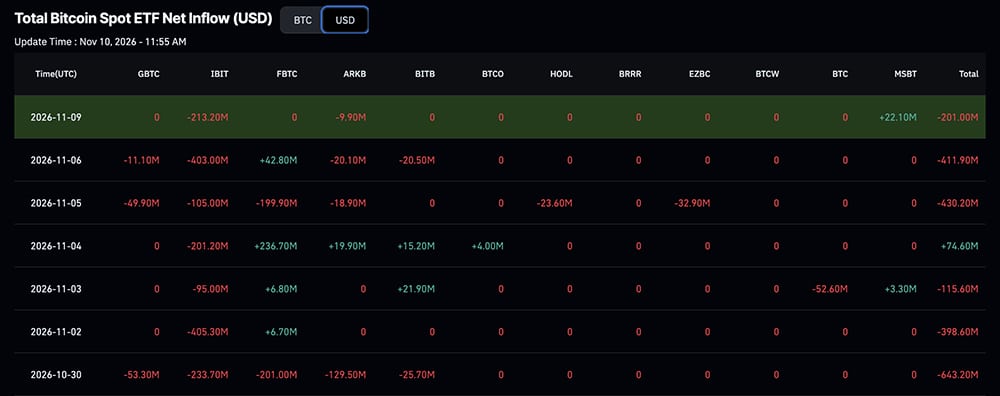
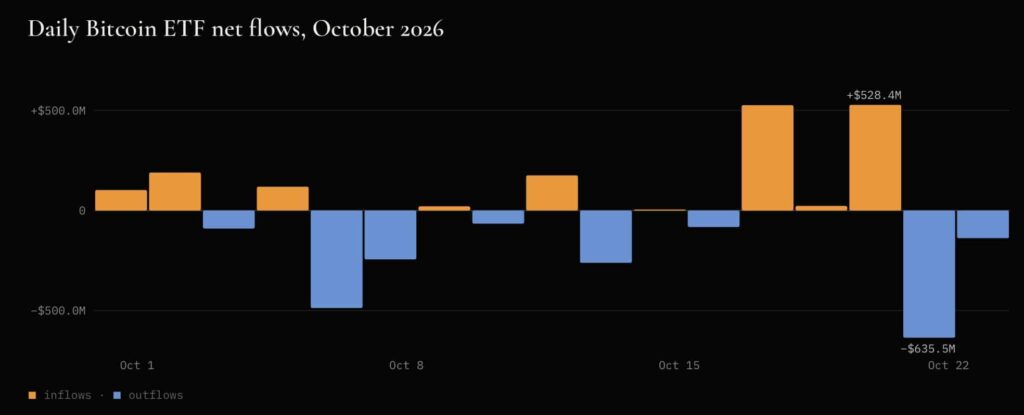
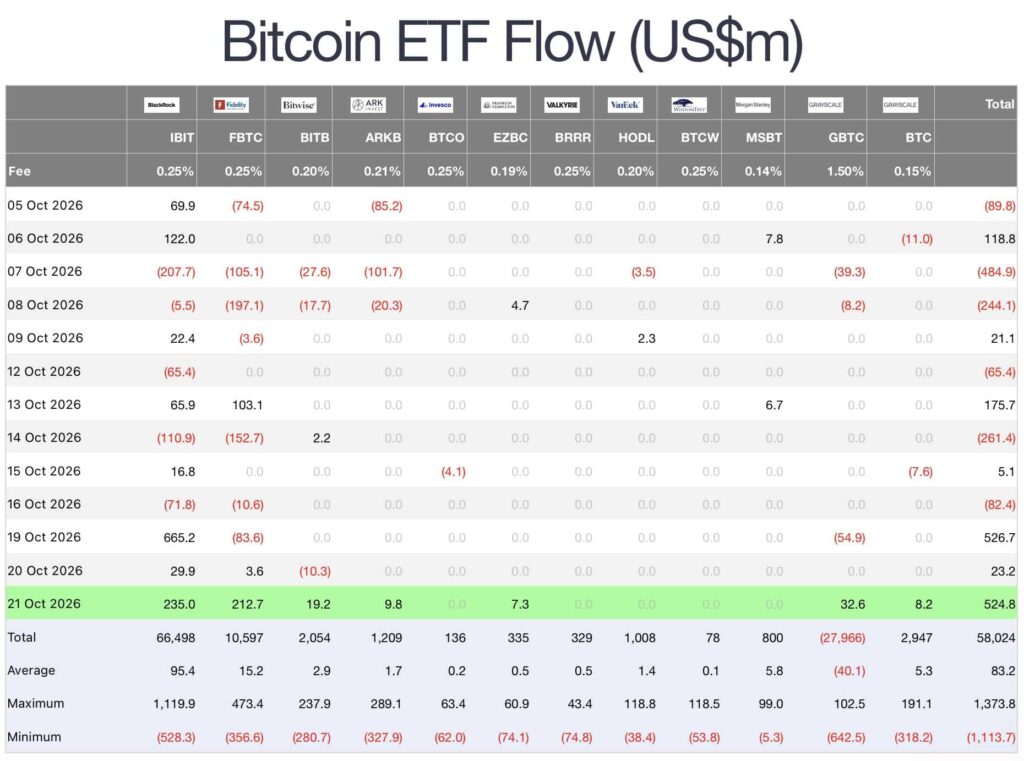
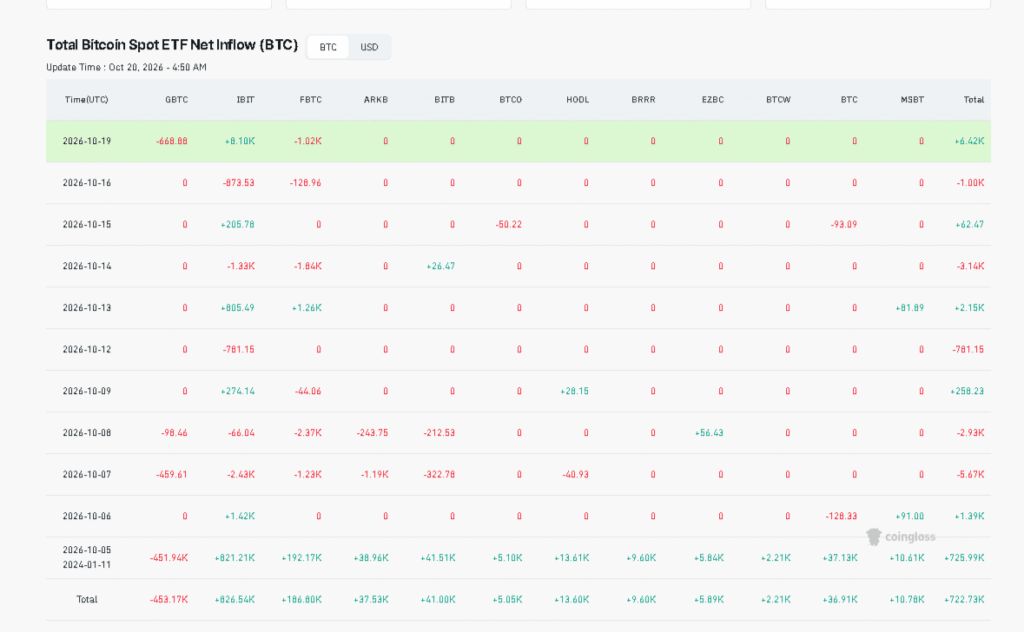
JPMorgan also tied the reading to wider stress, saying outflows from Blackrock’s iShares Bitcoin Trust have been, “if anything, more intense” than the selling between early May and late June. It also put bitcoin’s production cost near $86,000, well above the market price, which could push higher-cost miners to sell reserves.
$12 Billion Underwater on Paper
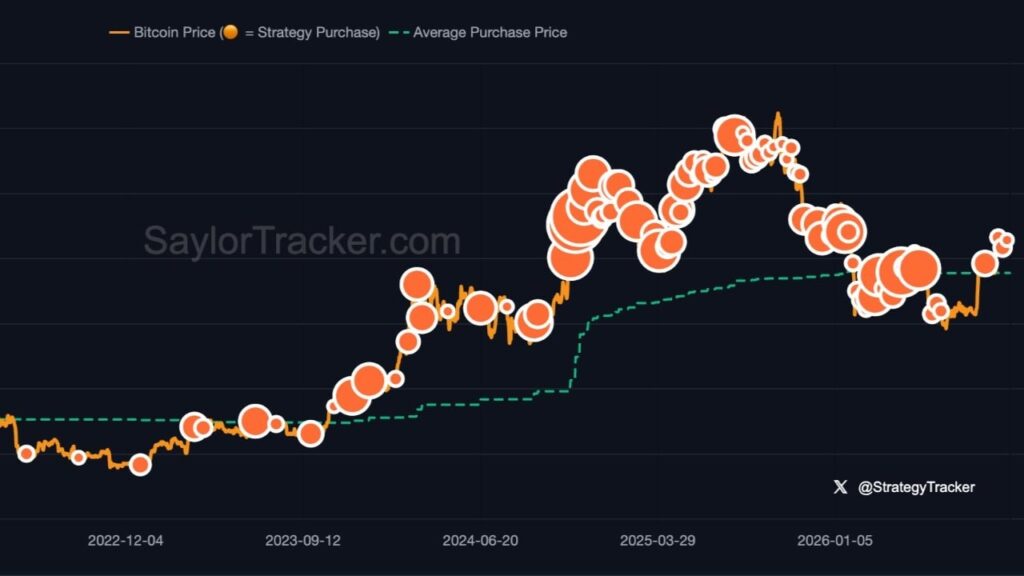
Strategy held 851,305 BTC after its latest purchase, disclosed Nov. 23, at an average cost of about $75,450 per coin. Bitcoin.com News reported that week that Strategy bought 457 bitcoin while spending $212 million to repurchase its STRC preferred stock.
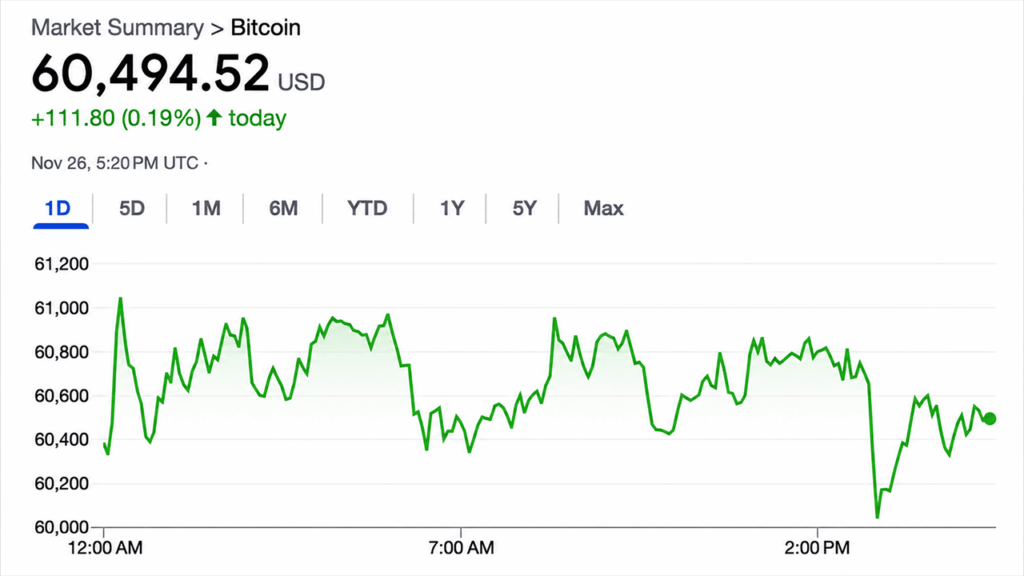
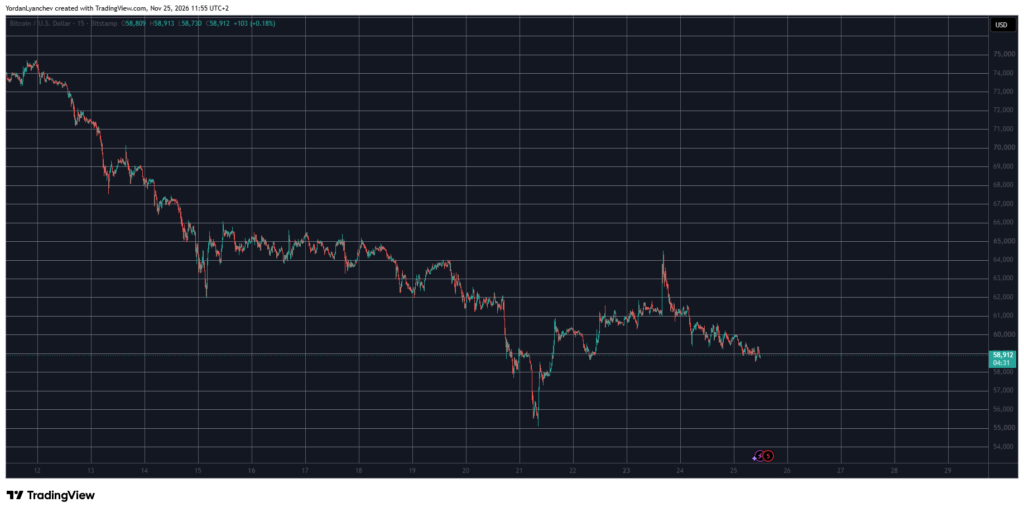
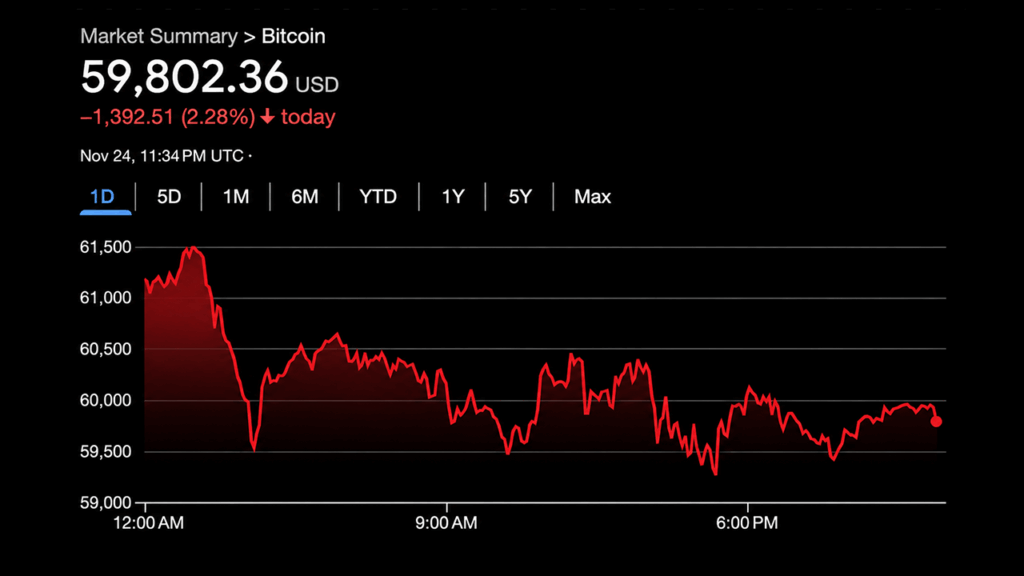
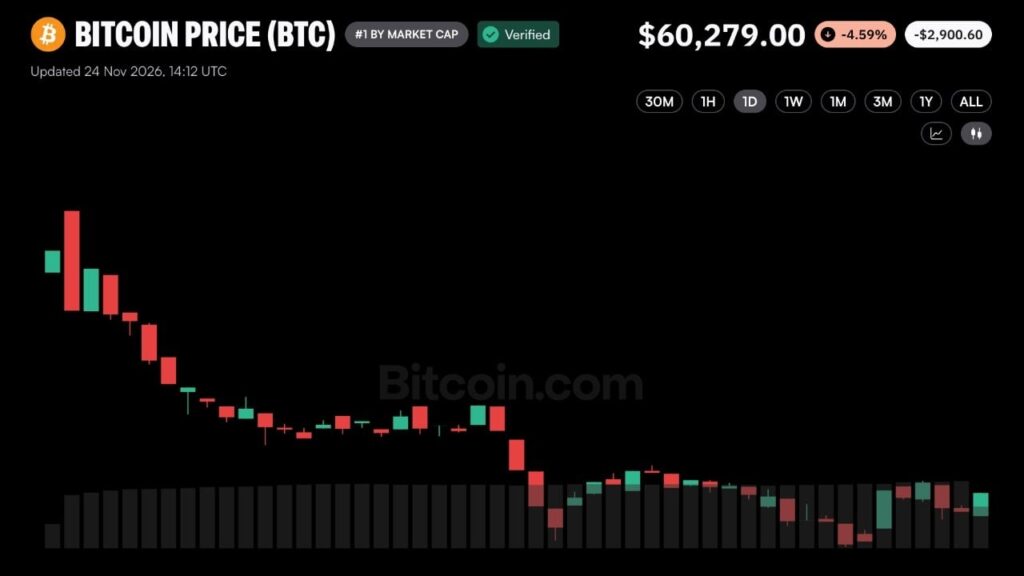
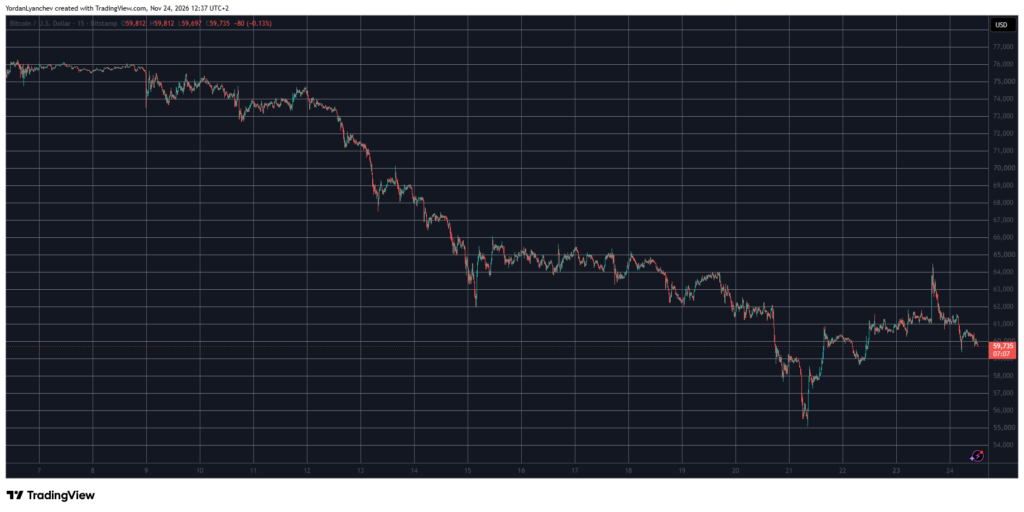
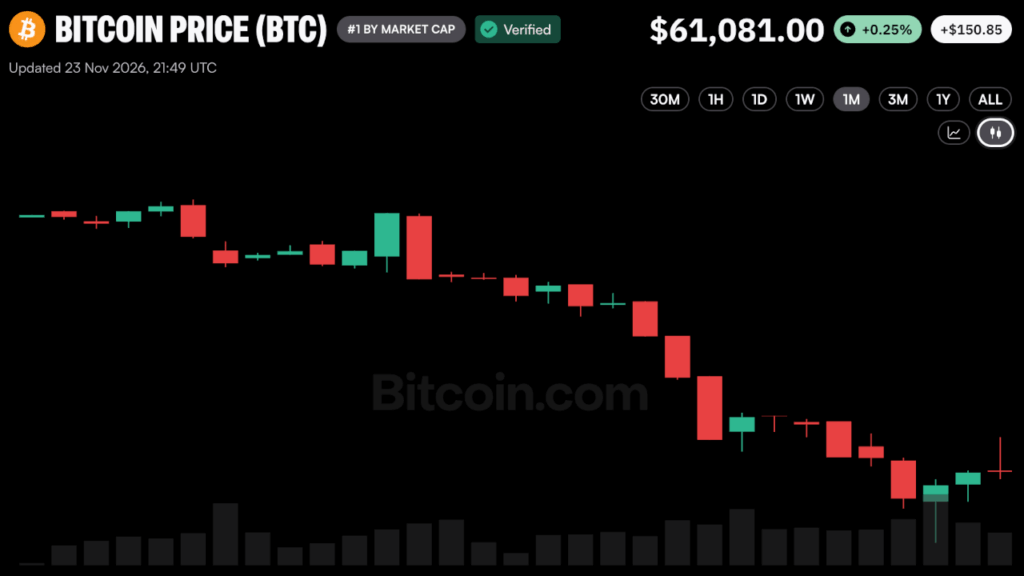
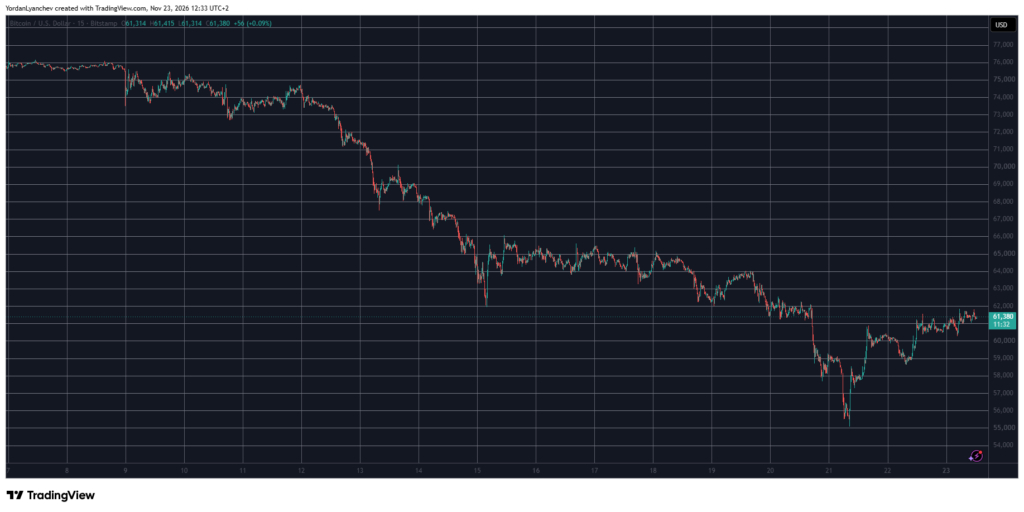
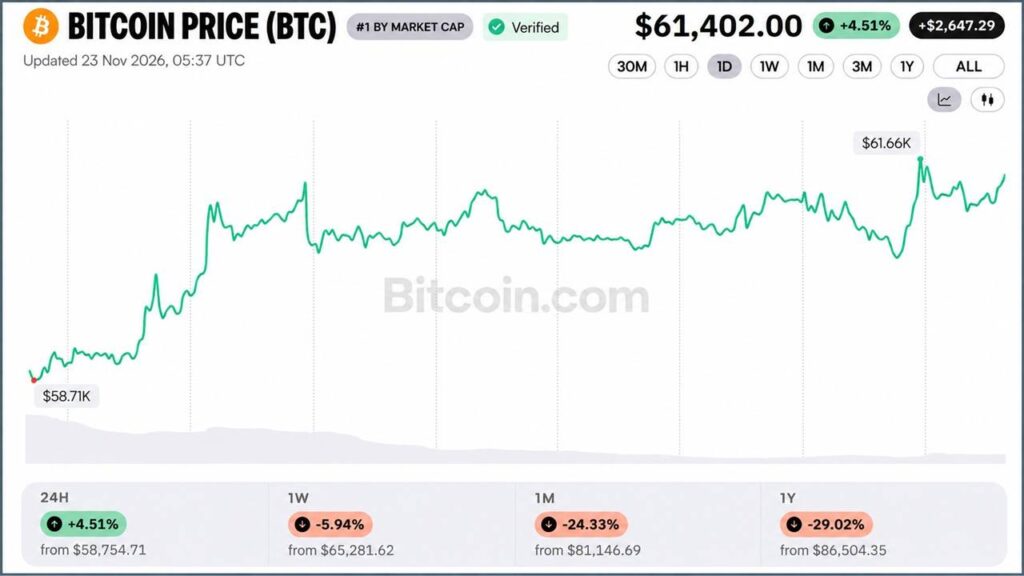
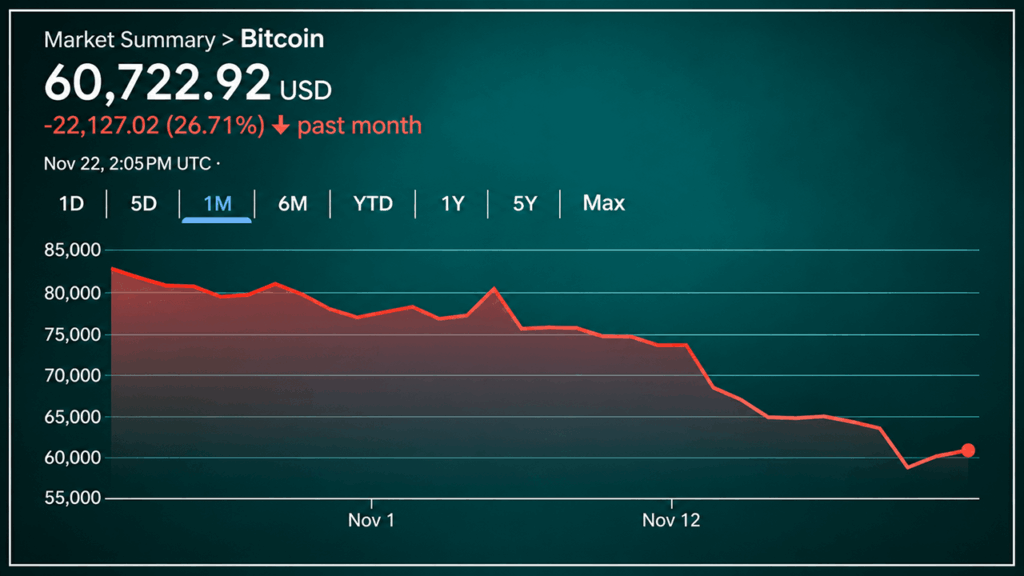
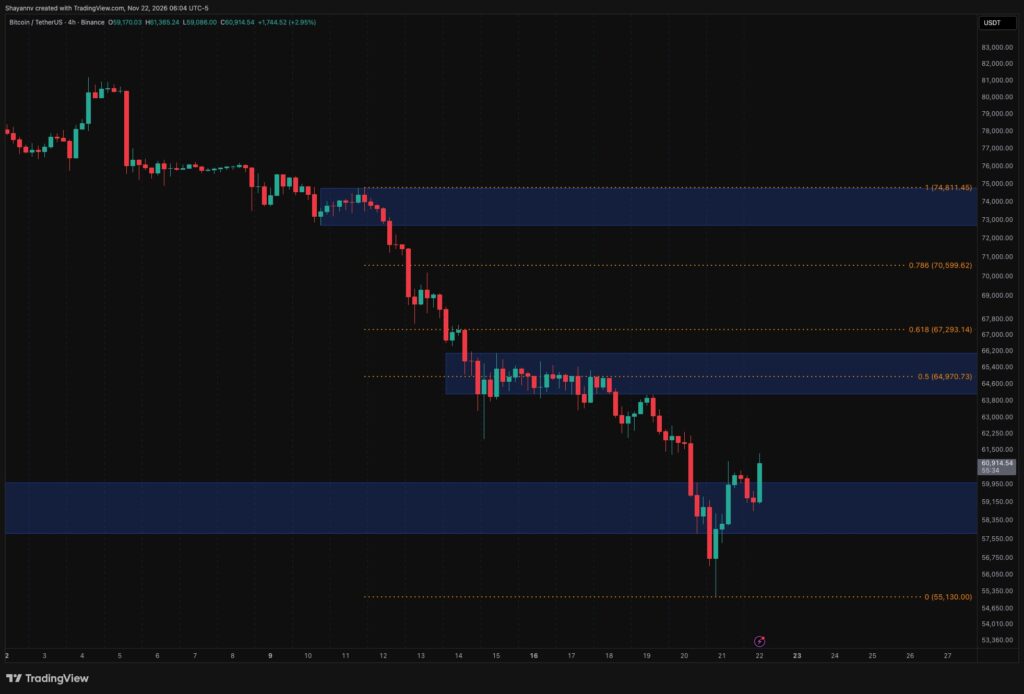
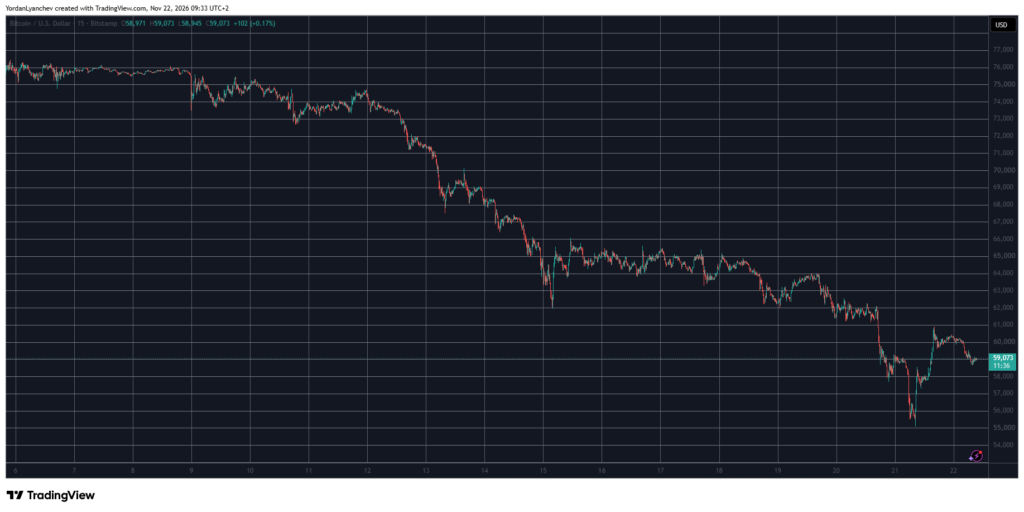
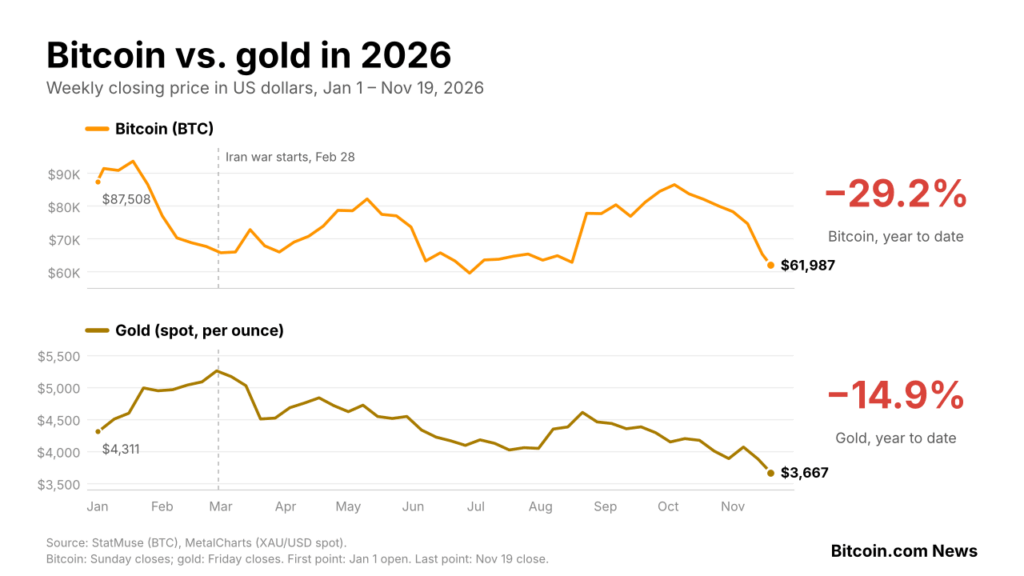
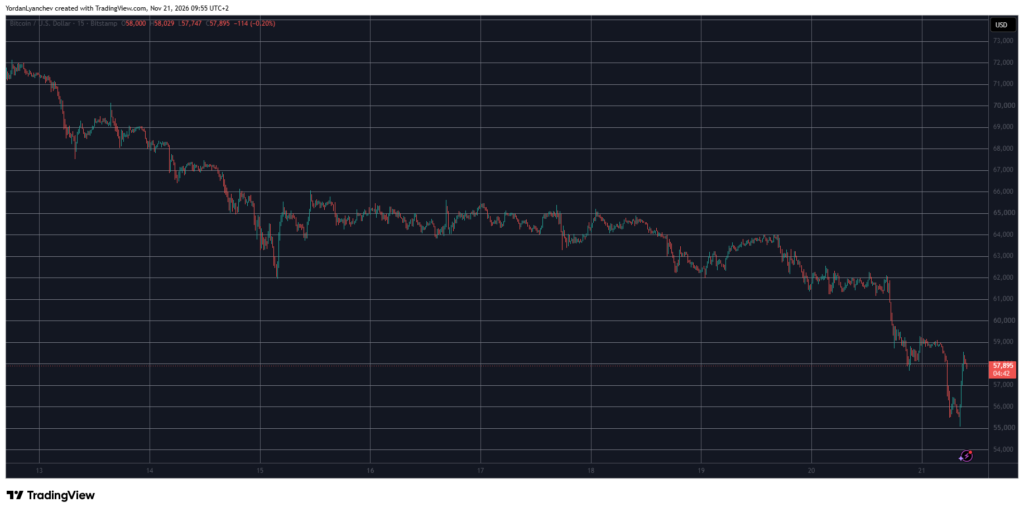
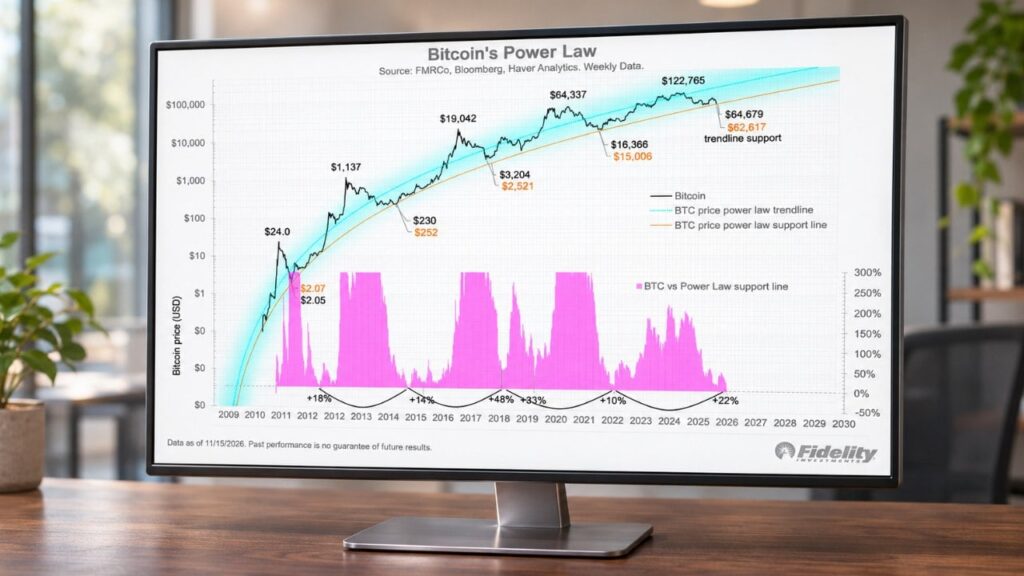
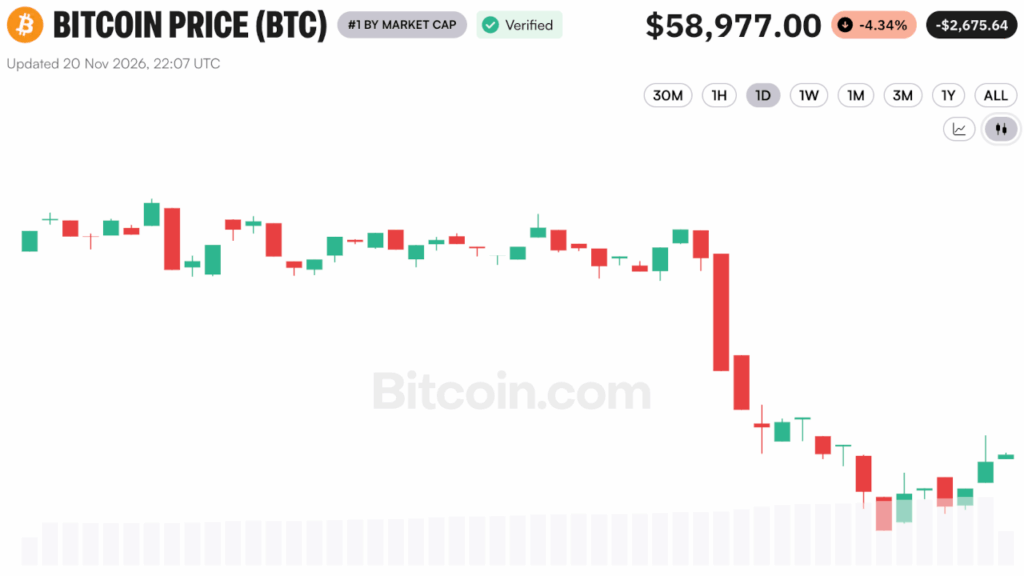
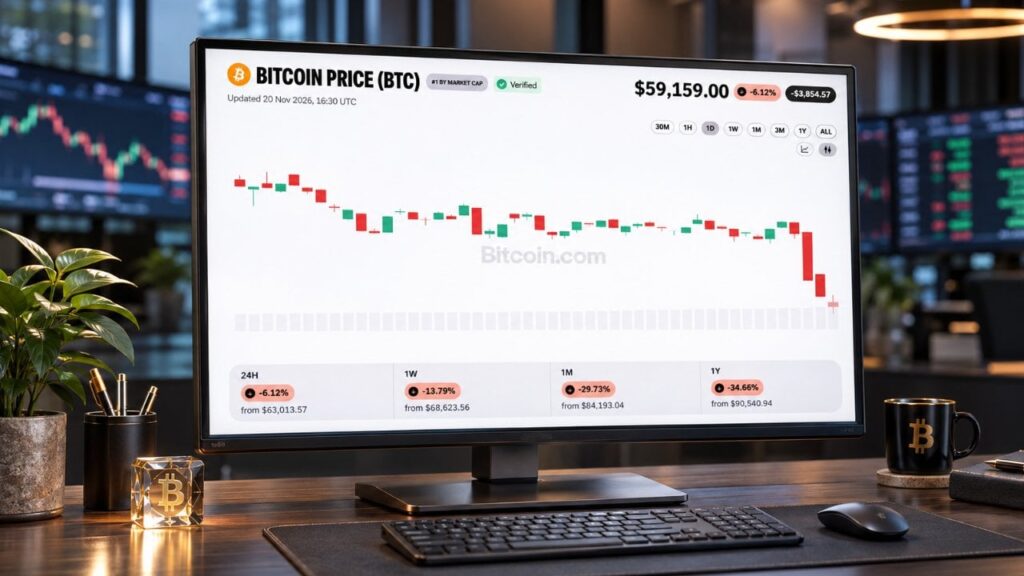
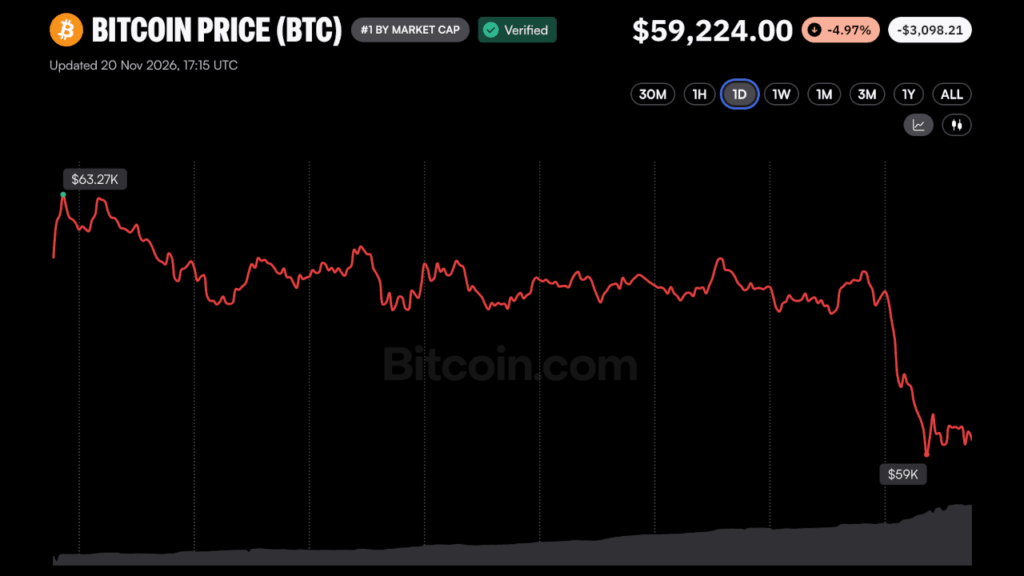
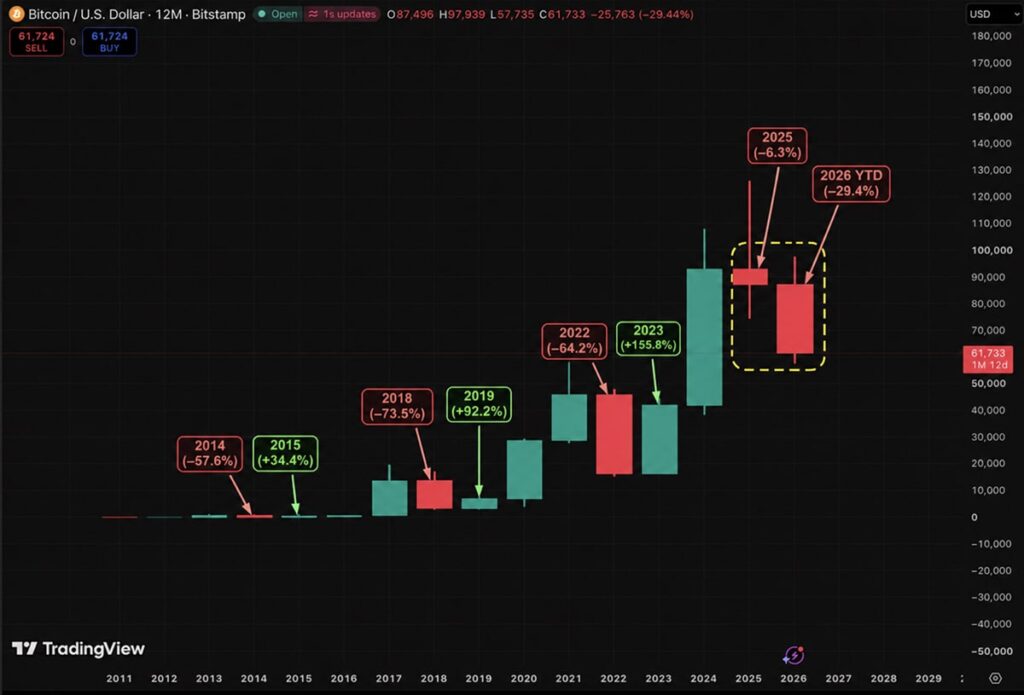
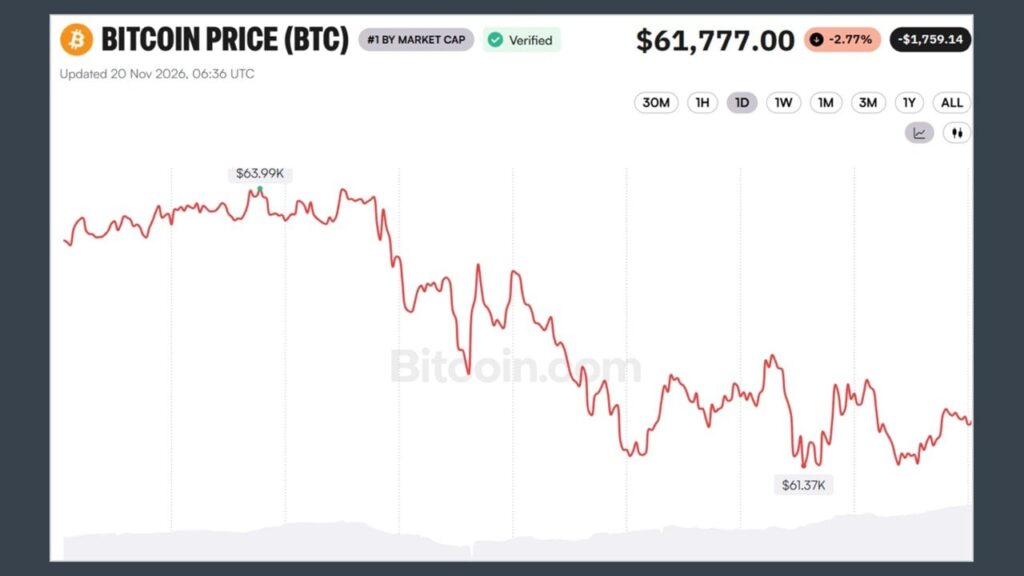
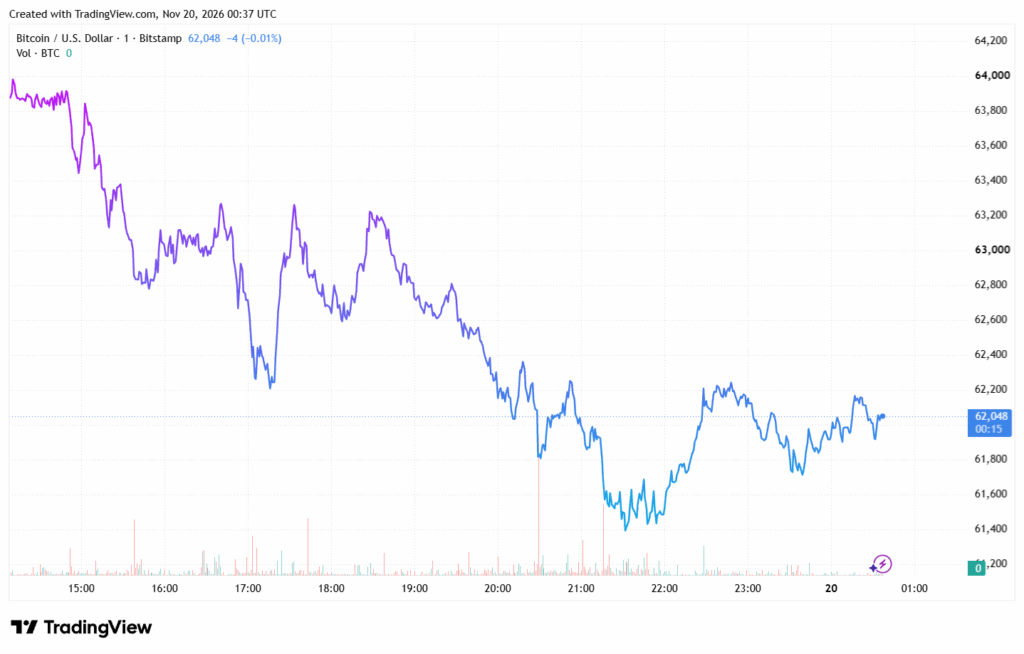
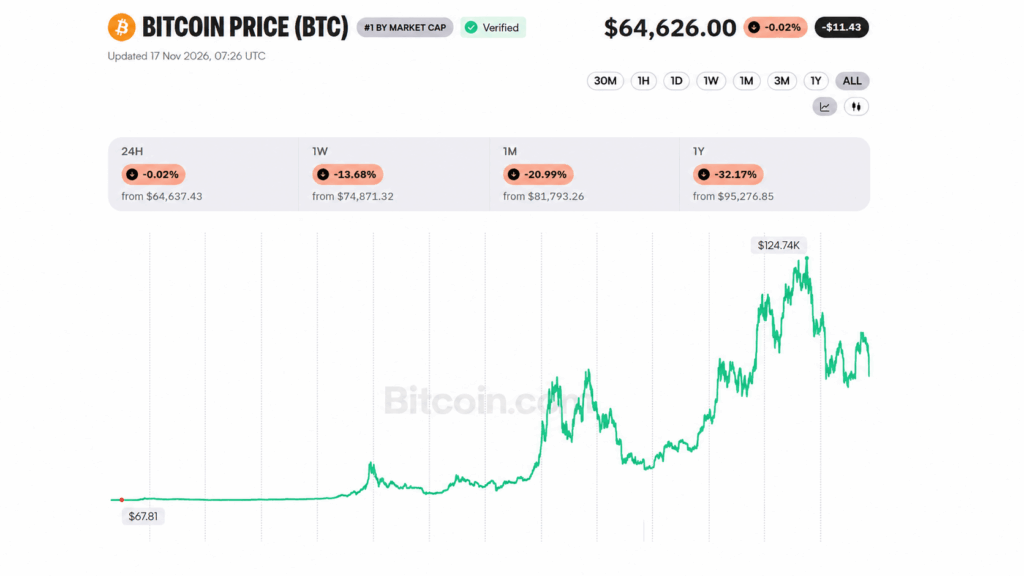
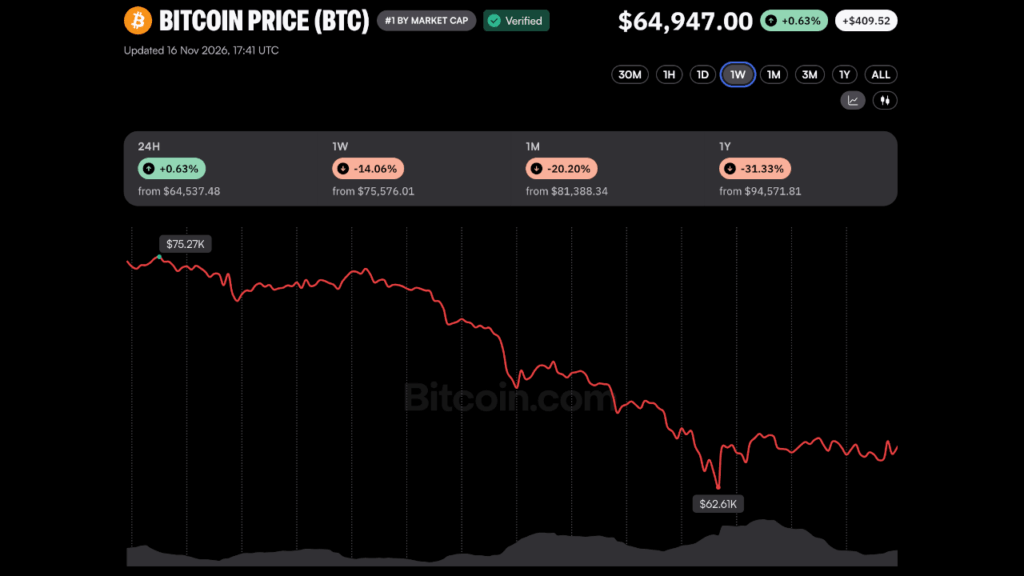
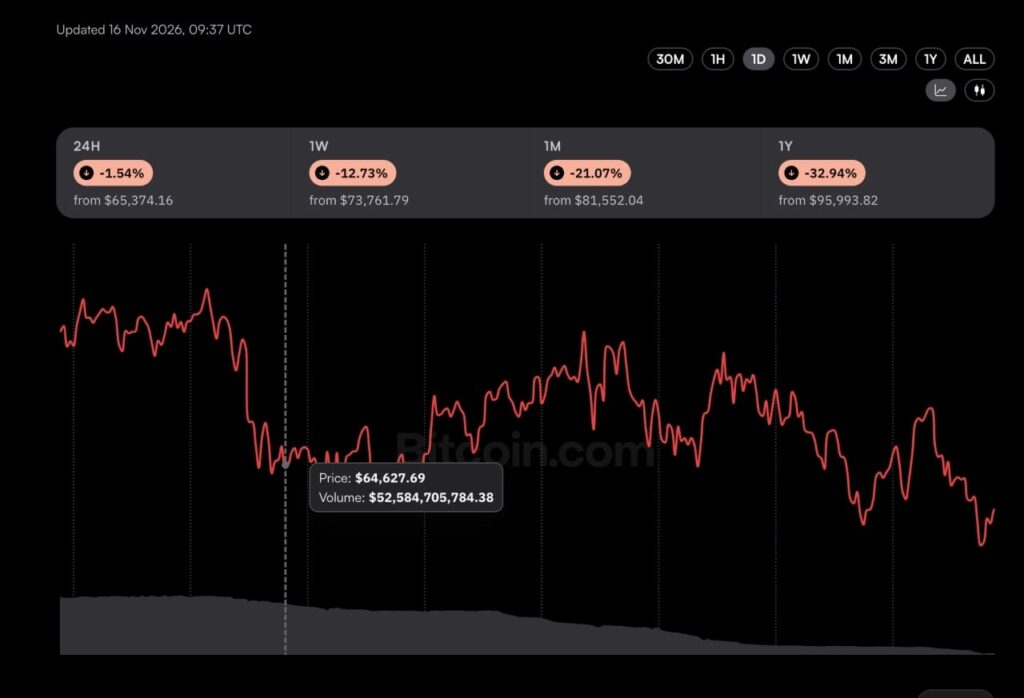
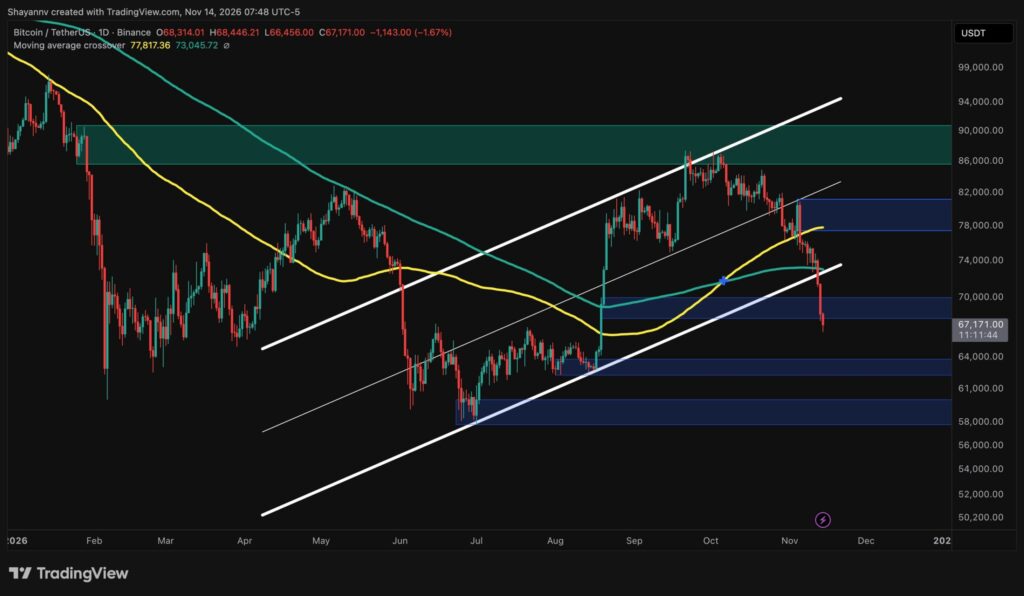
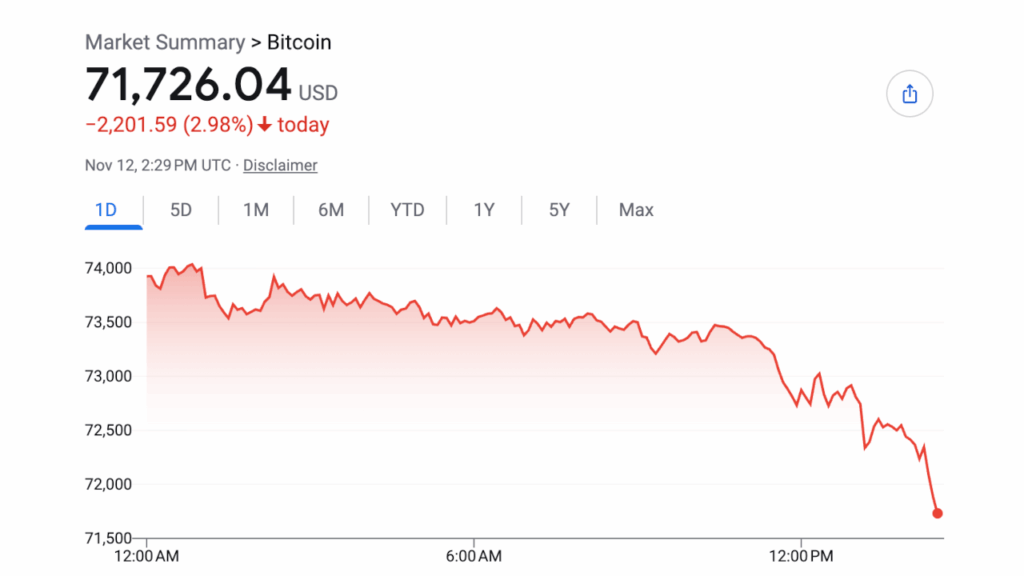
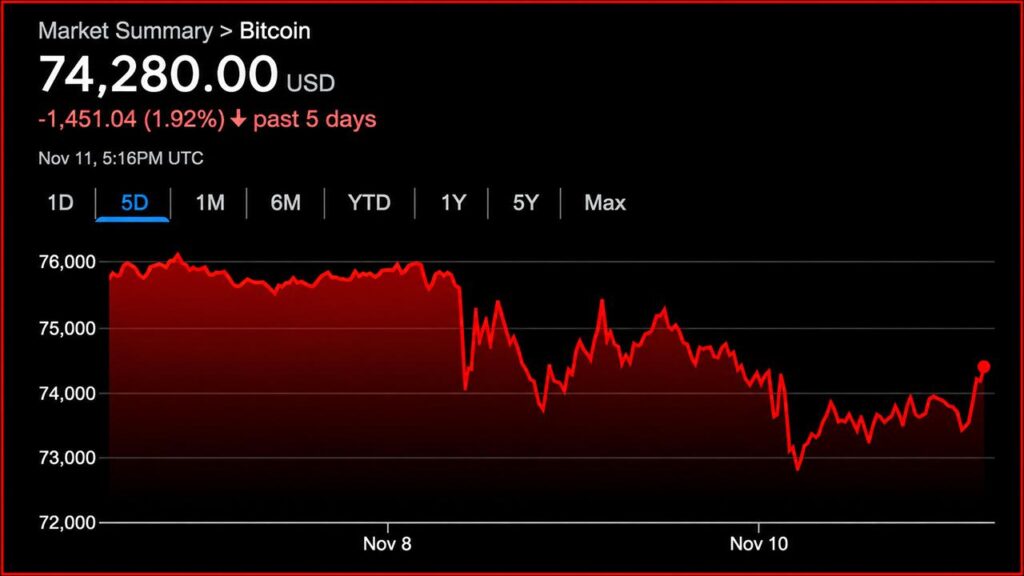
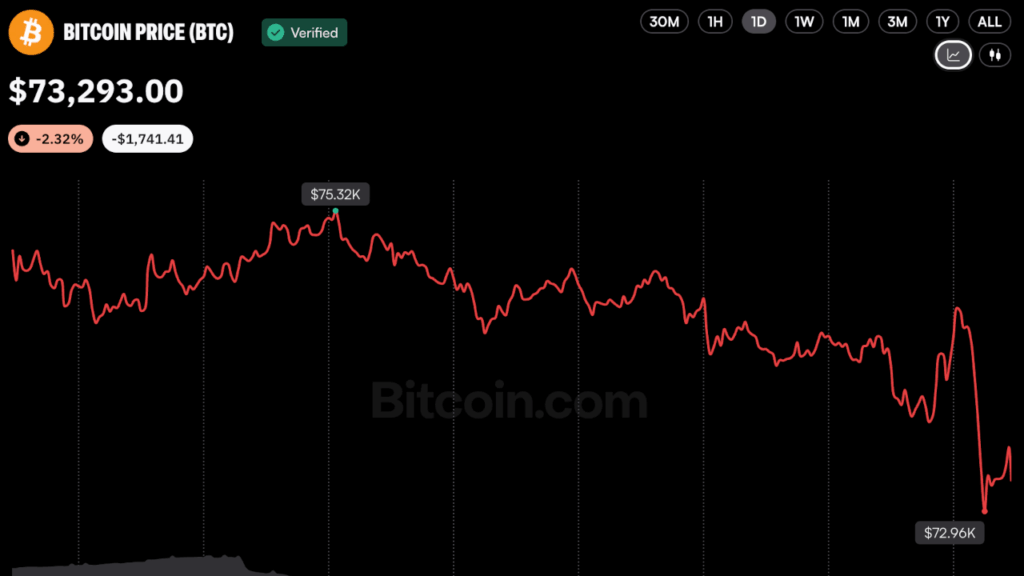
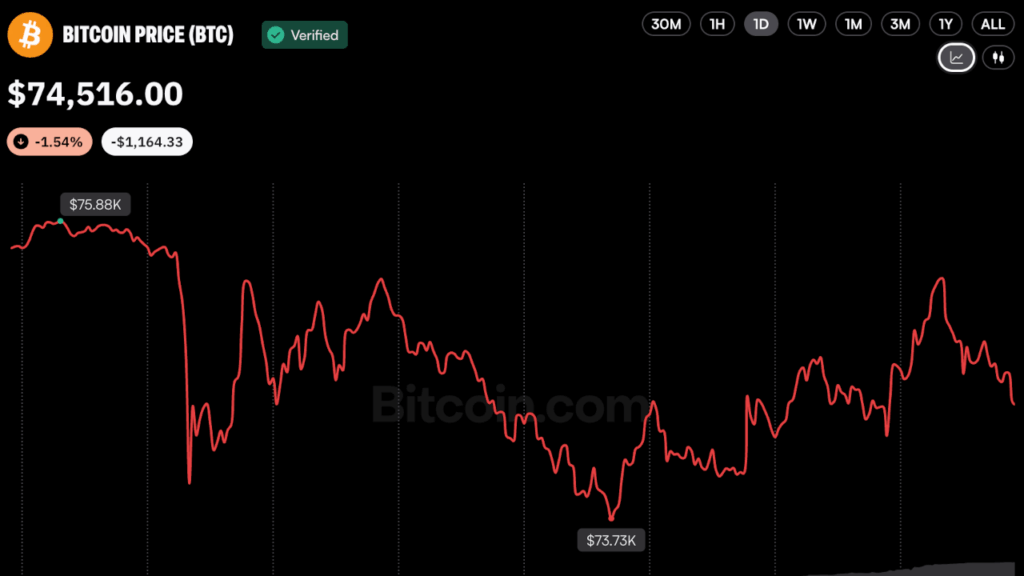
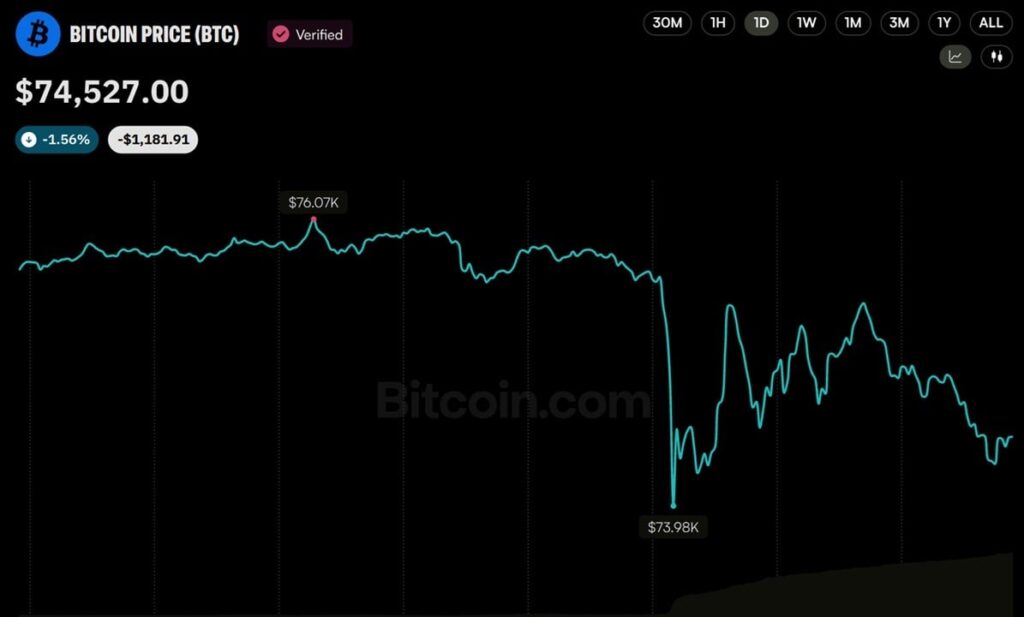
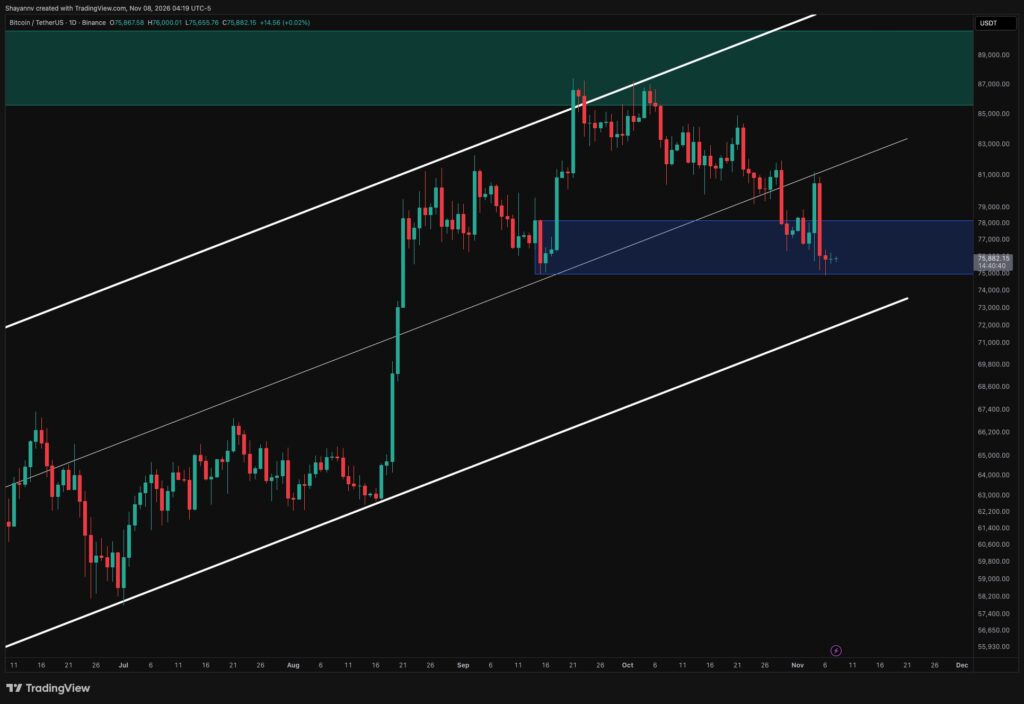
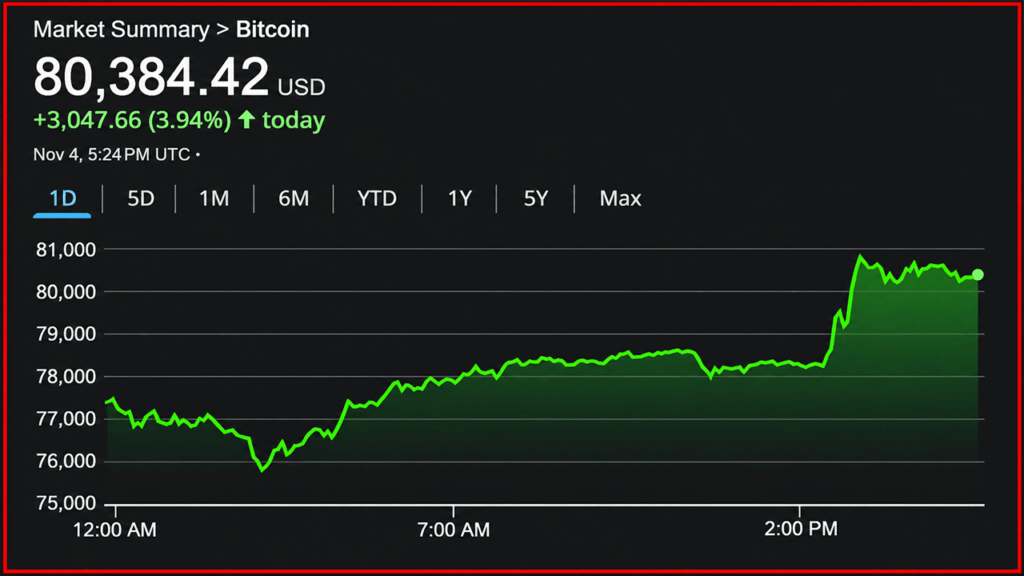
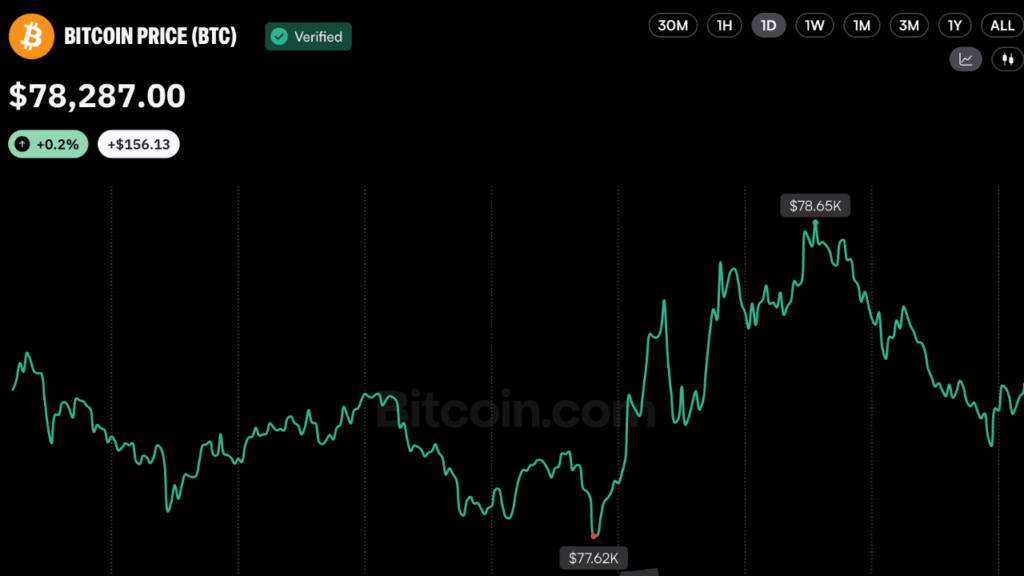
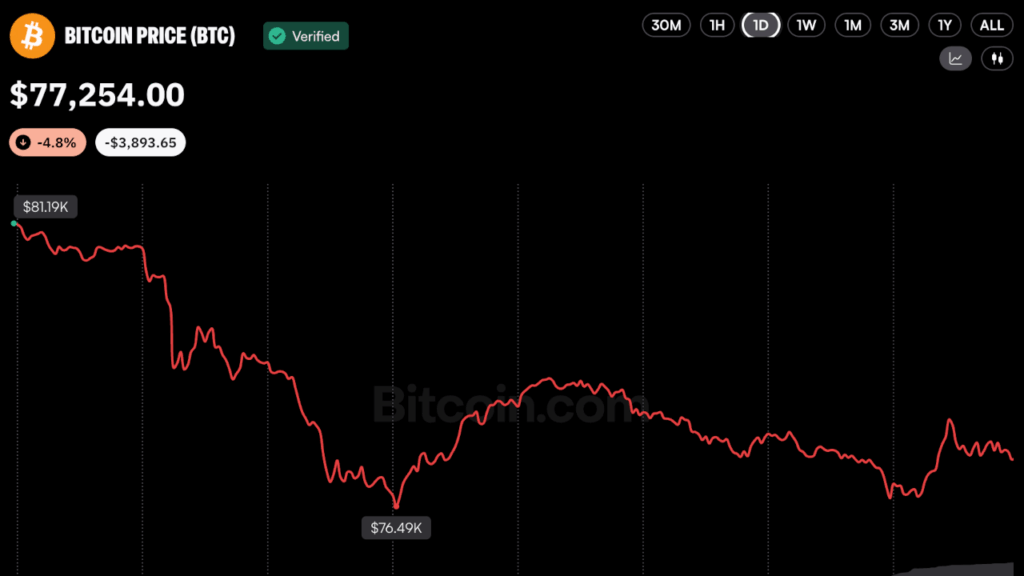
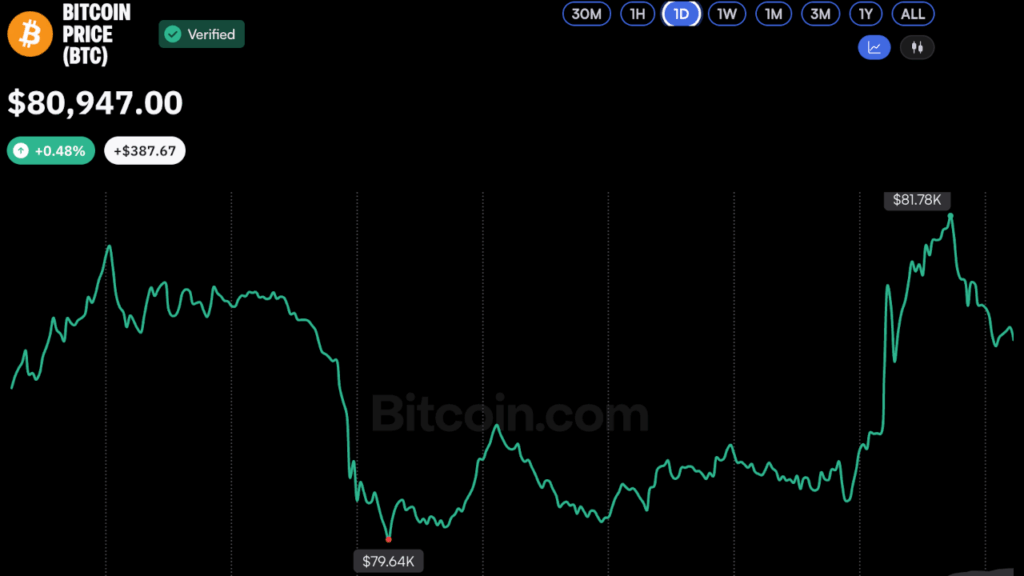
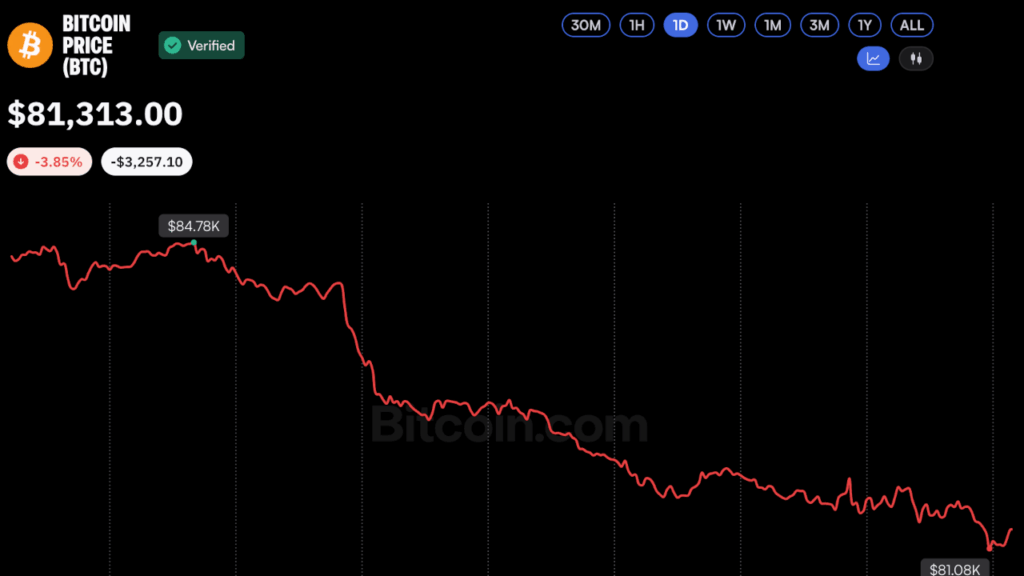
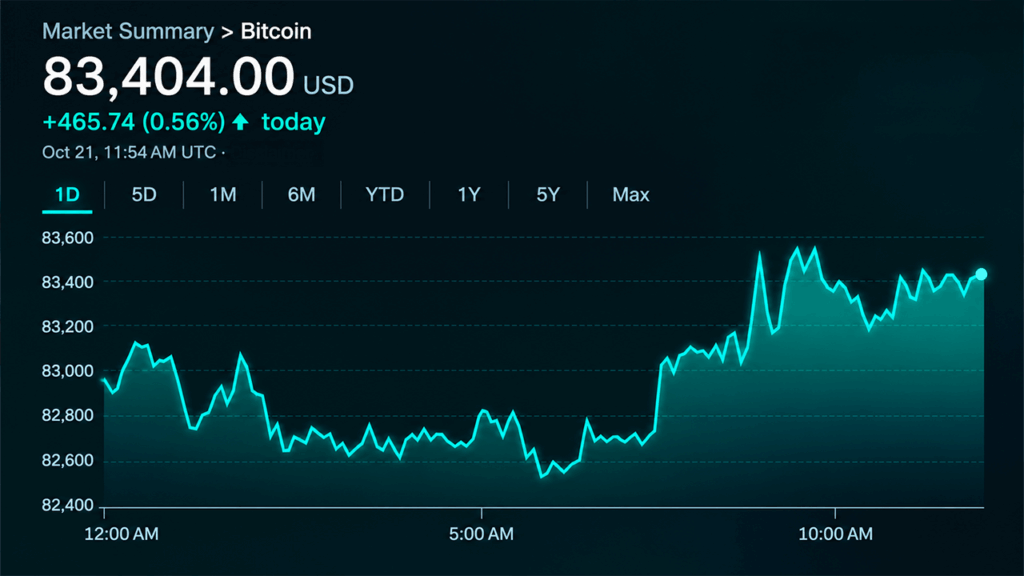
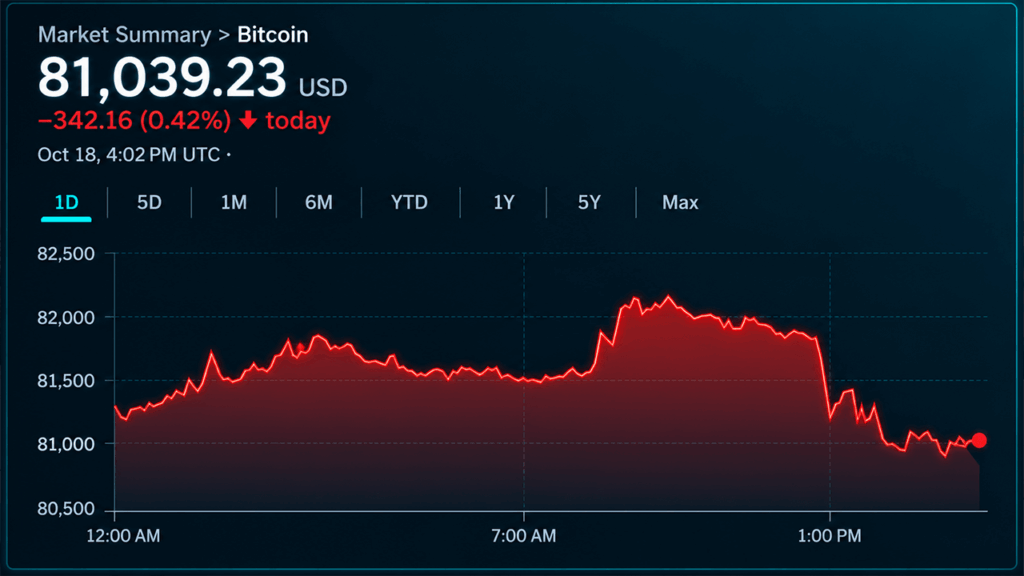
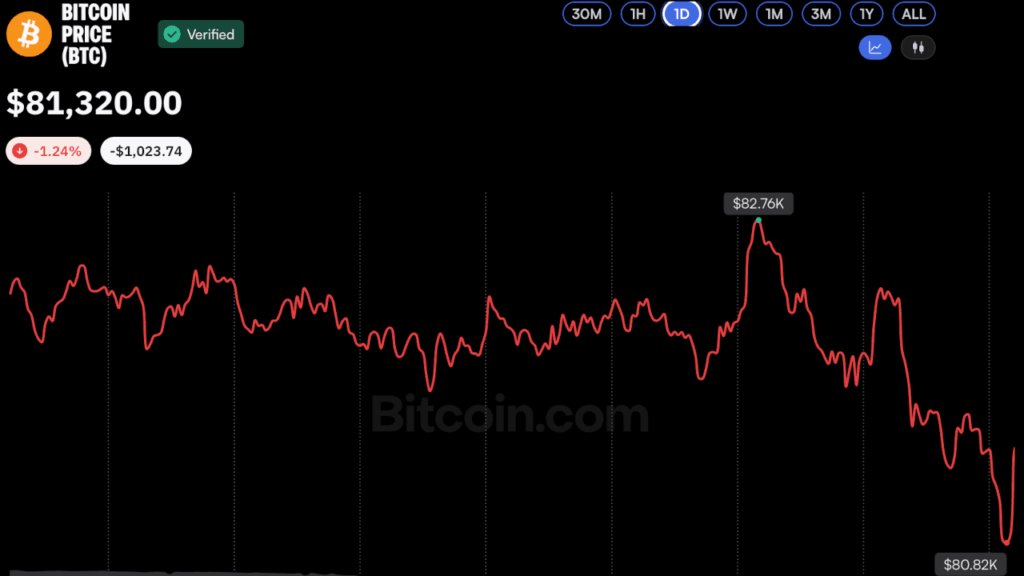
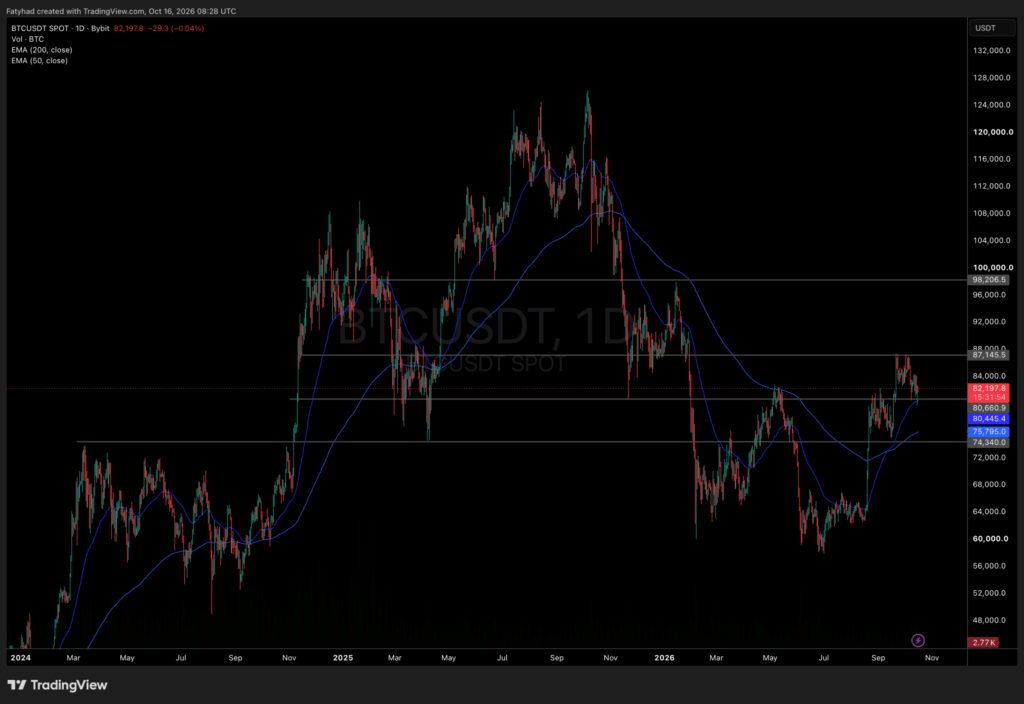
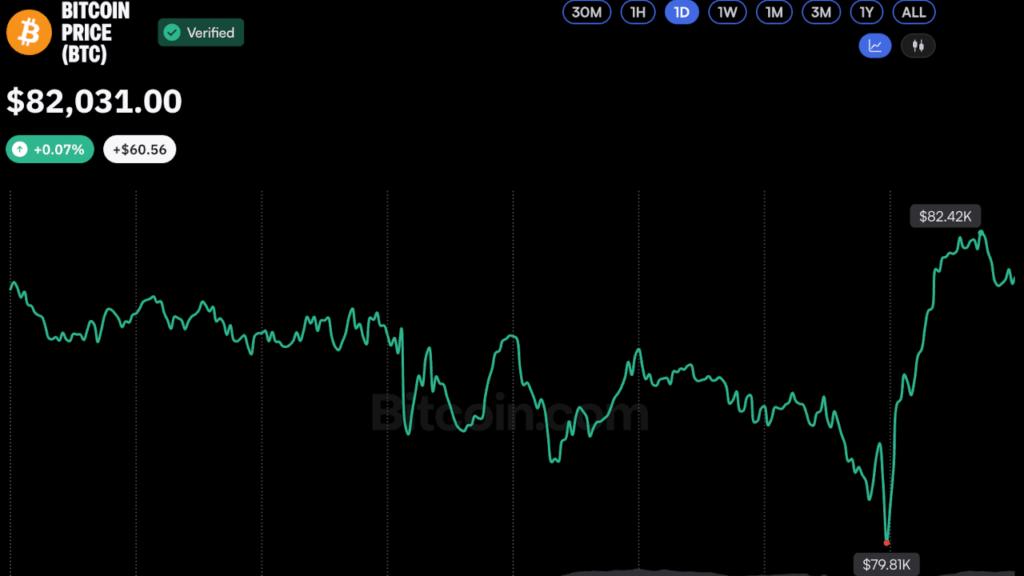
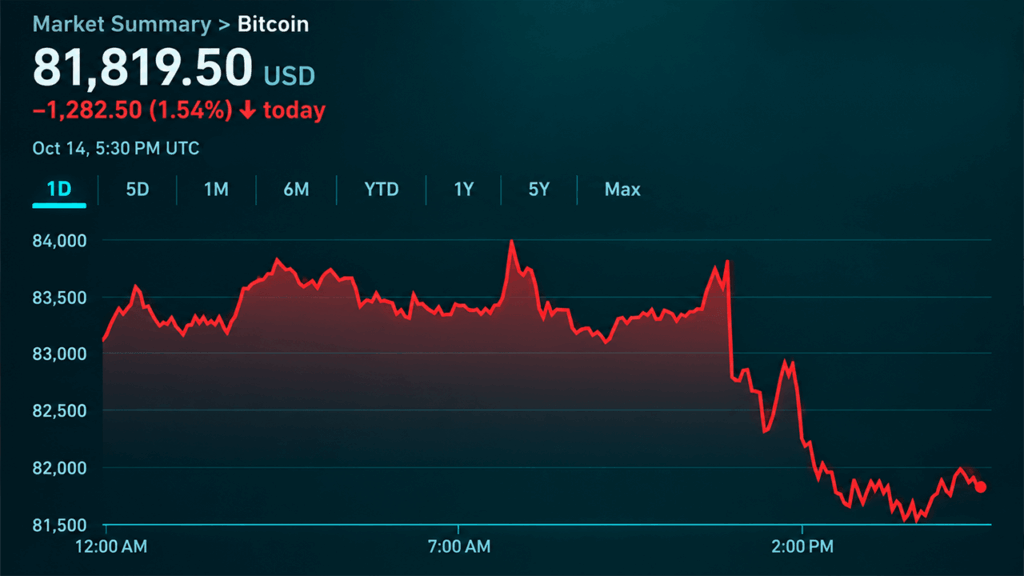
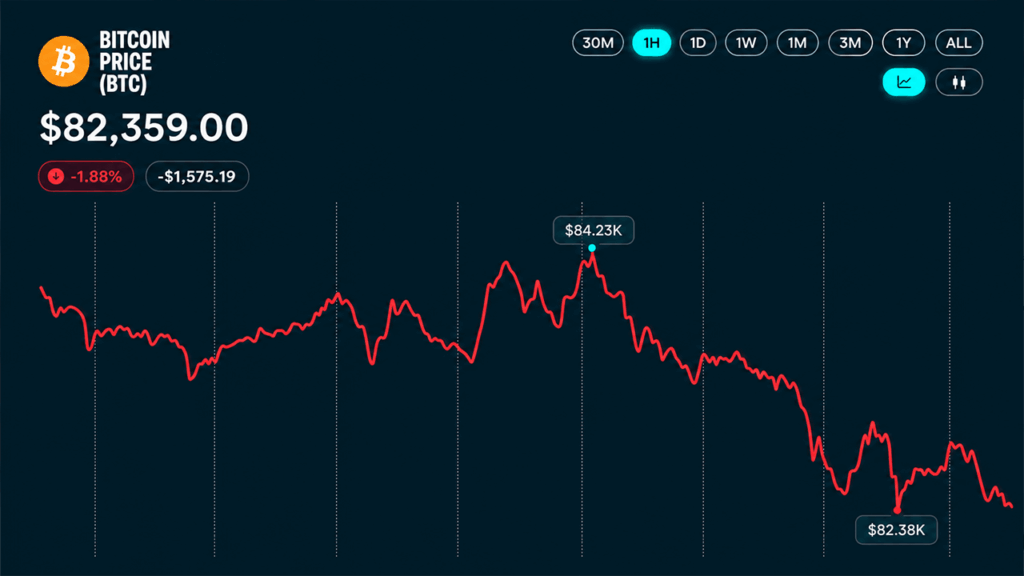
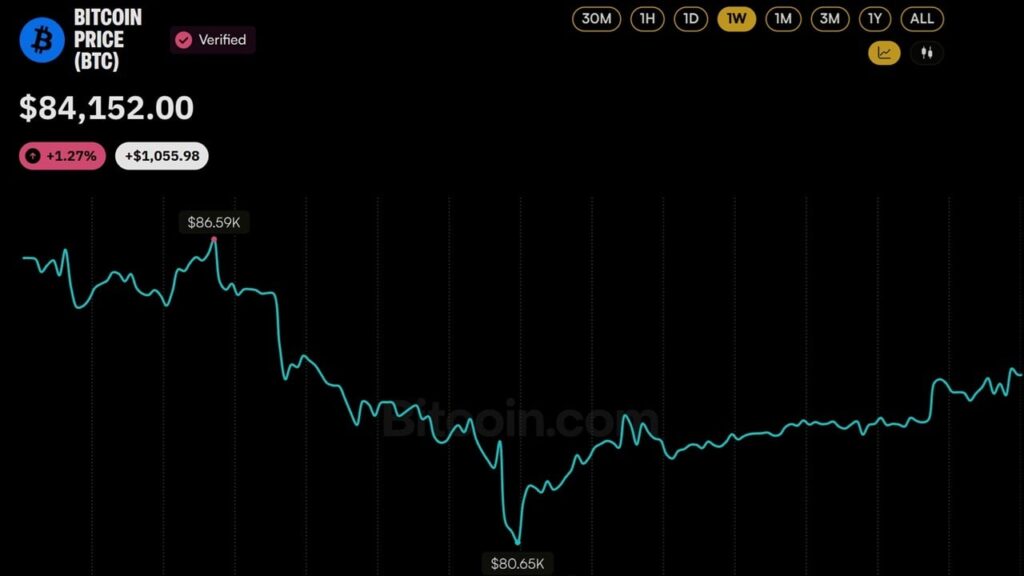
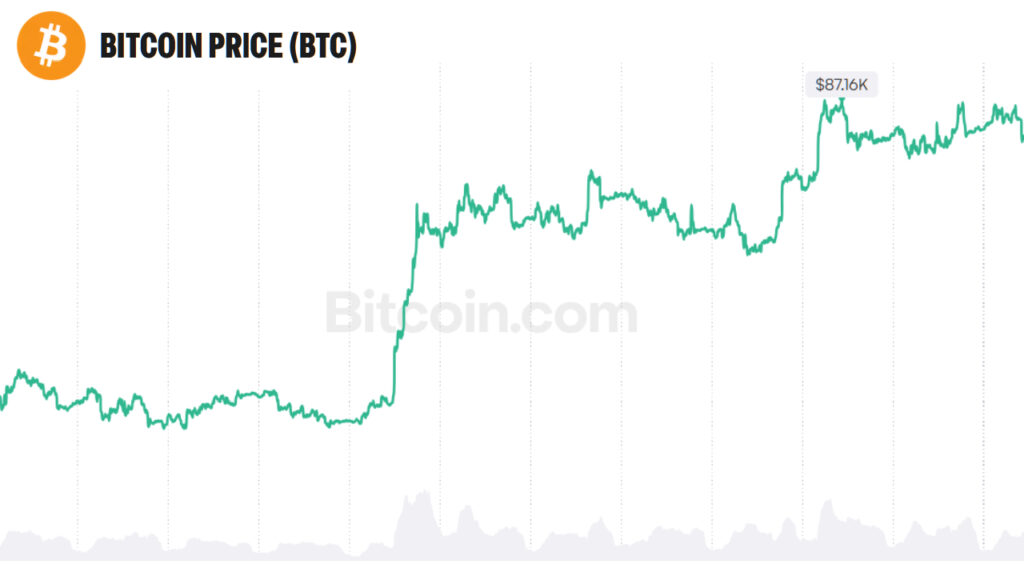
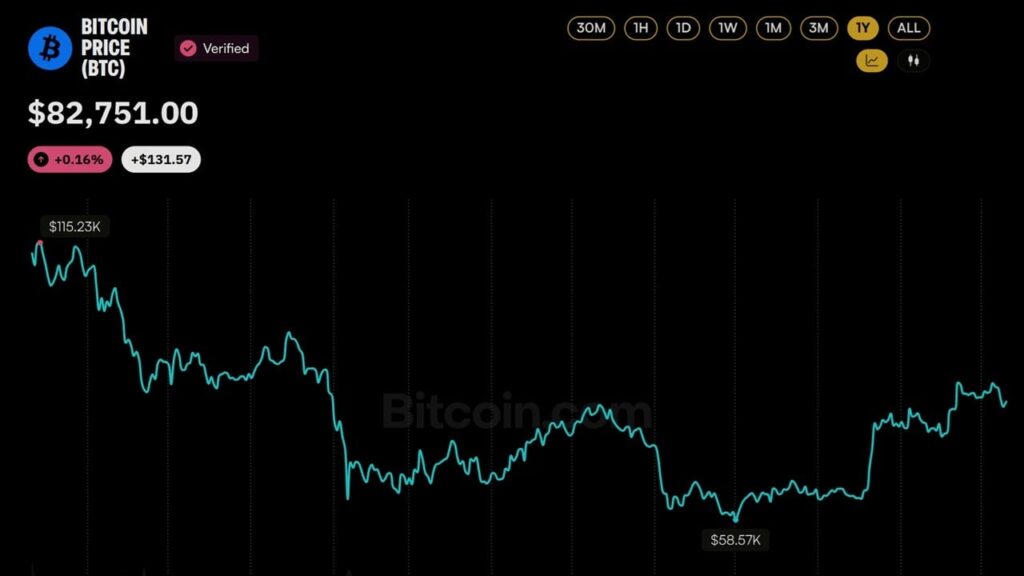
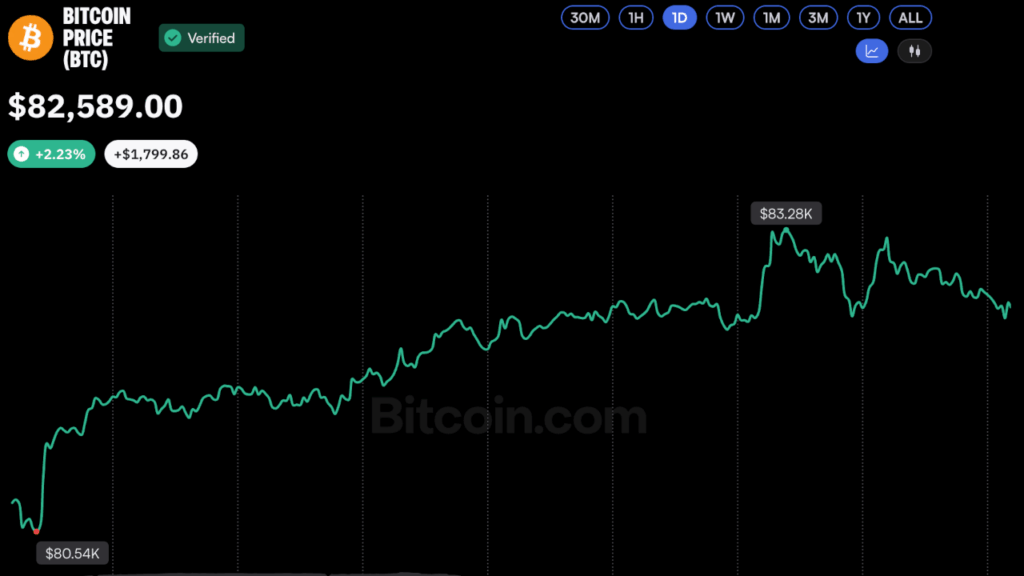
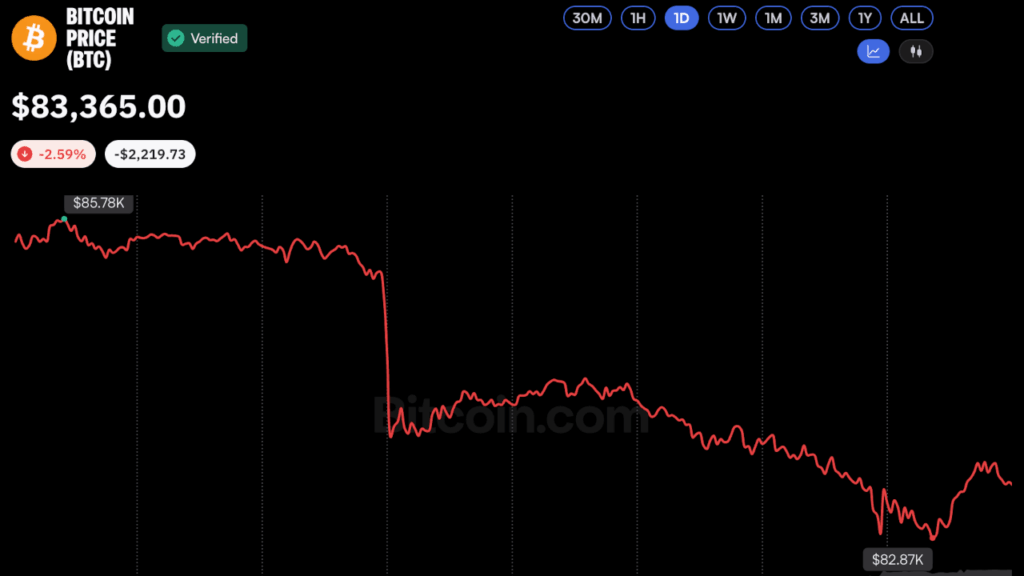
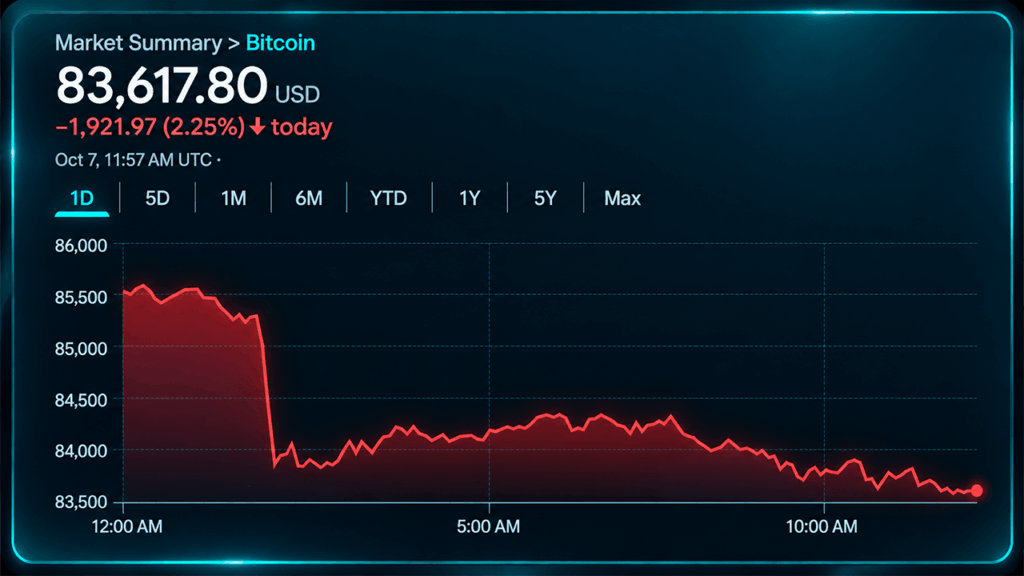
With bitcoin currently hovering around $61,600, those holdings are worth about $52.3 billion against a cost of about $64.2 billion. That leaves Strategy roughly $12 billion underwater on paper.
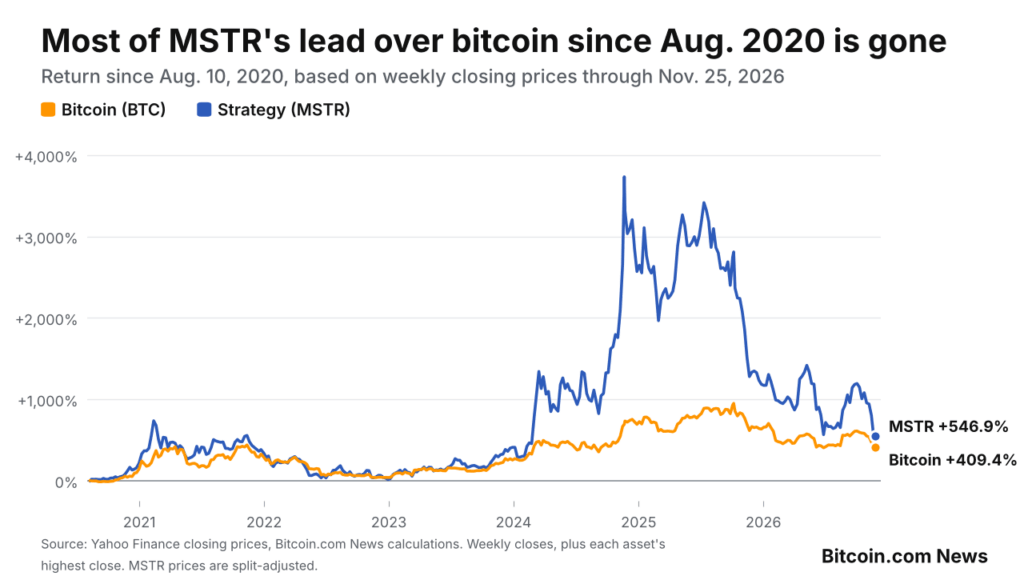
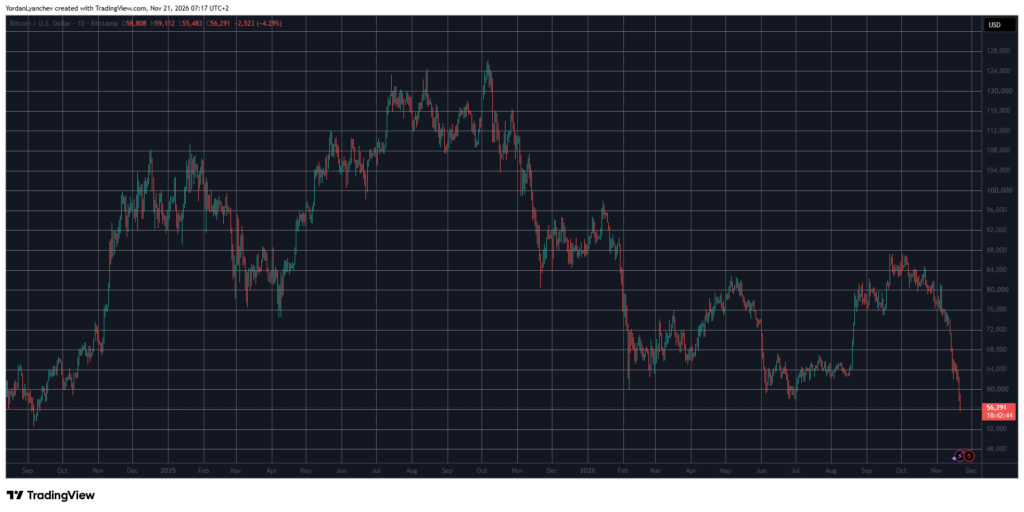
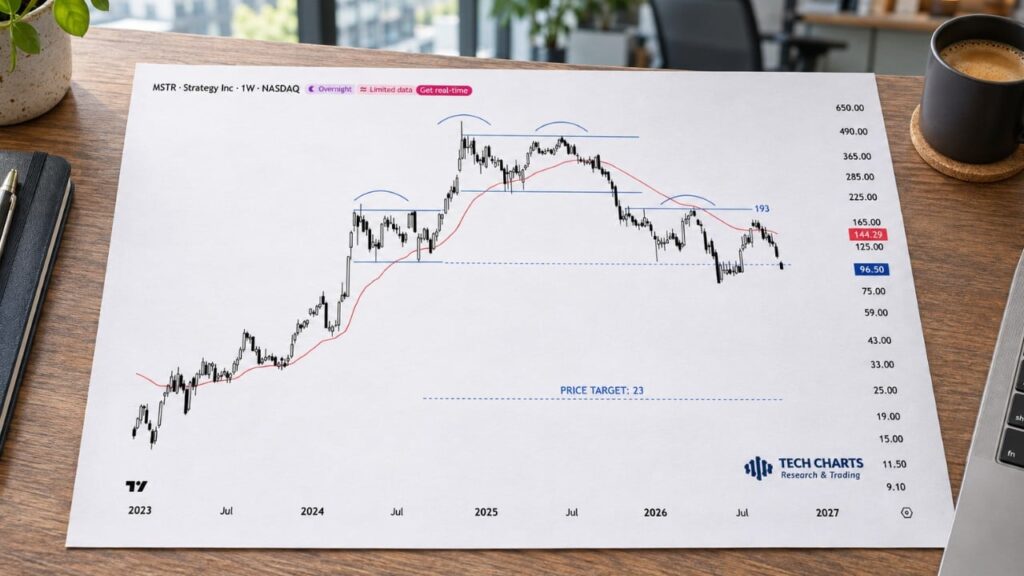
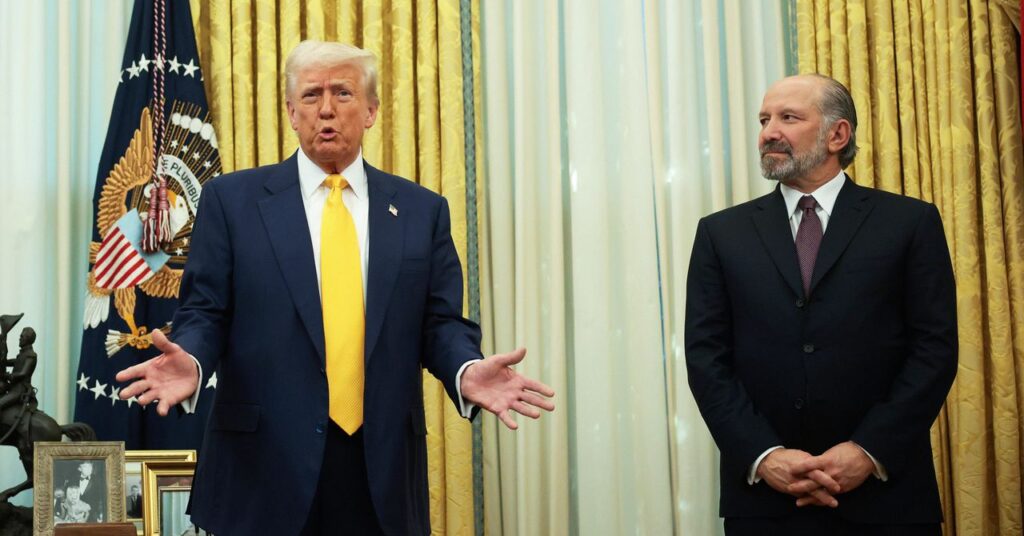
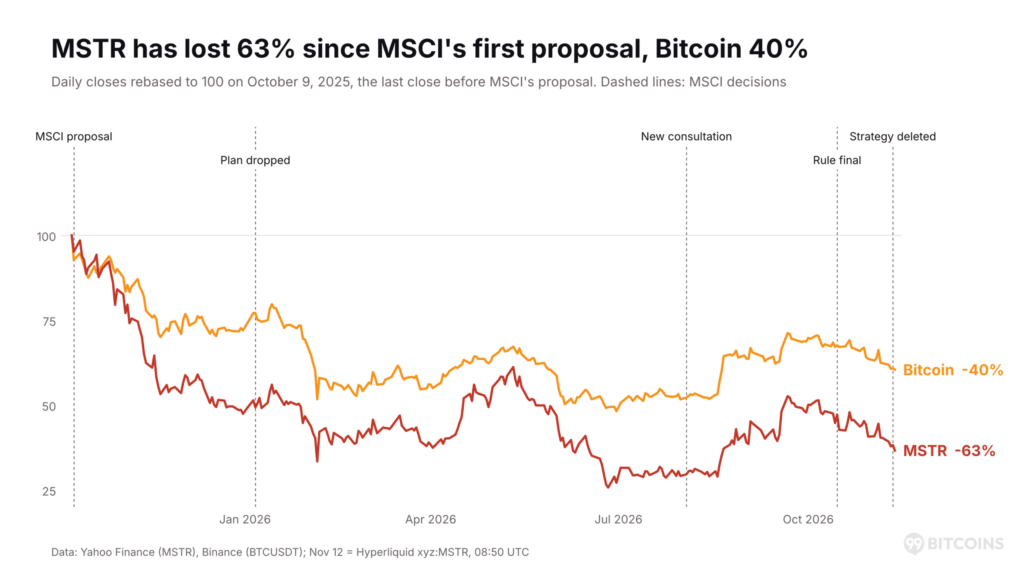
MSTR stock is down about 83% from its November 2024 peak, and MSCI is set to drop the company from its USA, World and ACWI indexes on Monday.
TD Cowen Says Strategy Can Wait Out the Winter Easily
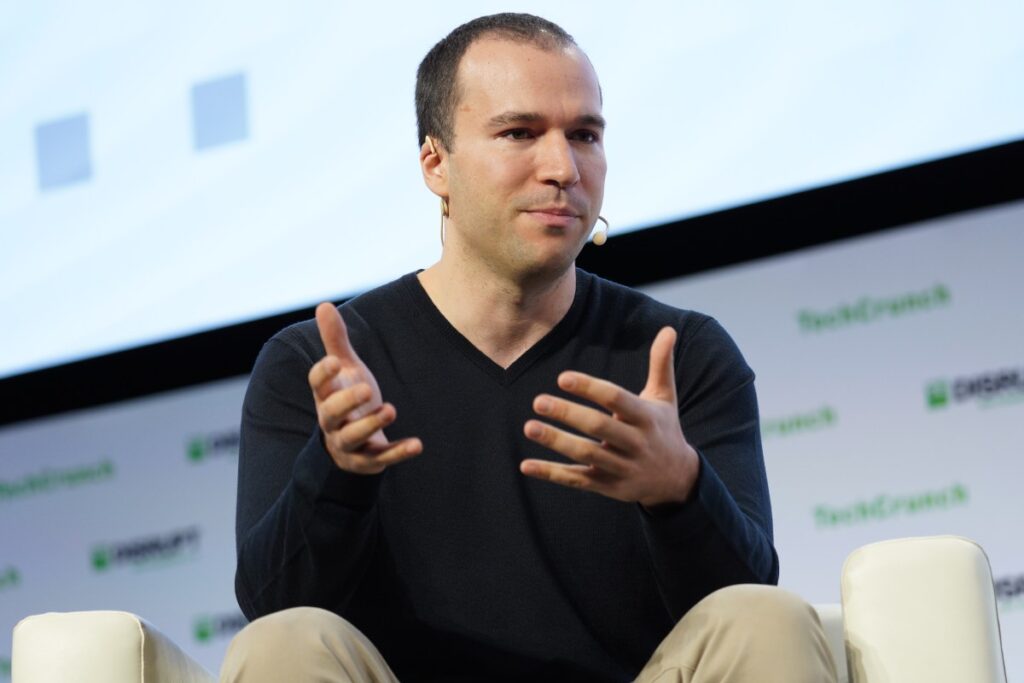
Wall Street is not unanimous in its skepticism, as TD Cowen analyst Lance Vitanza said earlier today that Strategy could cover its obligations for 43 years with bitcoin trading at $75,000. He said bitcoin would have to stay at levels that stop Strategy from raising new capital for over 45 years before the company could no longer service what it owes.
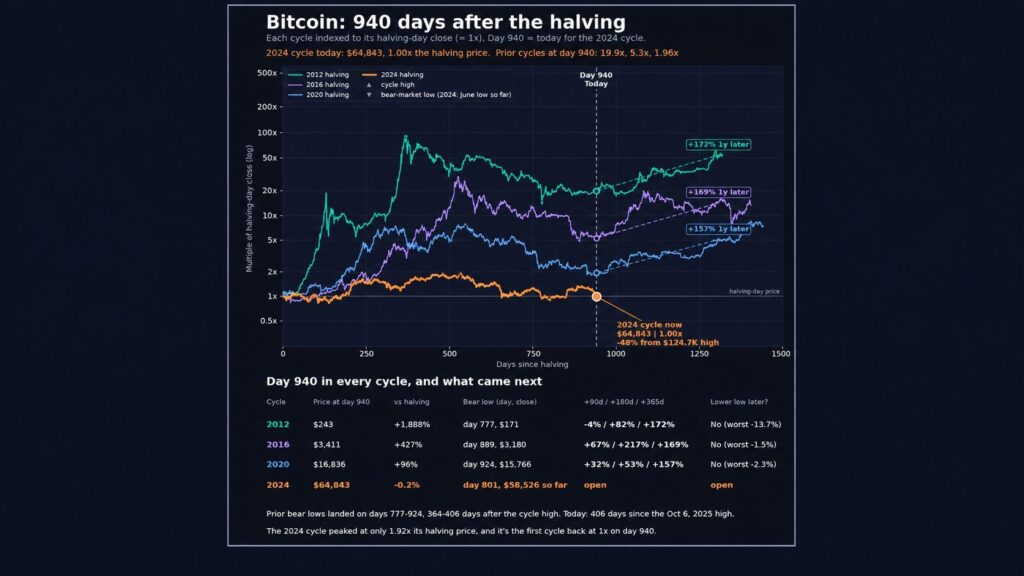
Vitanza’s stress test goes further and he believes Strategy is well-capitalized enough to survive a 10-year bear market even if bitcoin bottoms at $20,000. The argument rests on Strategy’s long-dated debt and its dollar reserve, which give it years of runway before any forced sale.
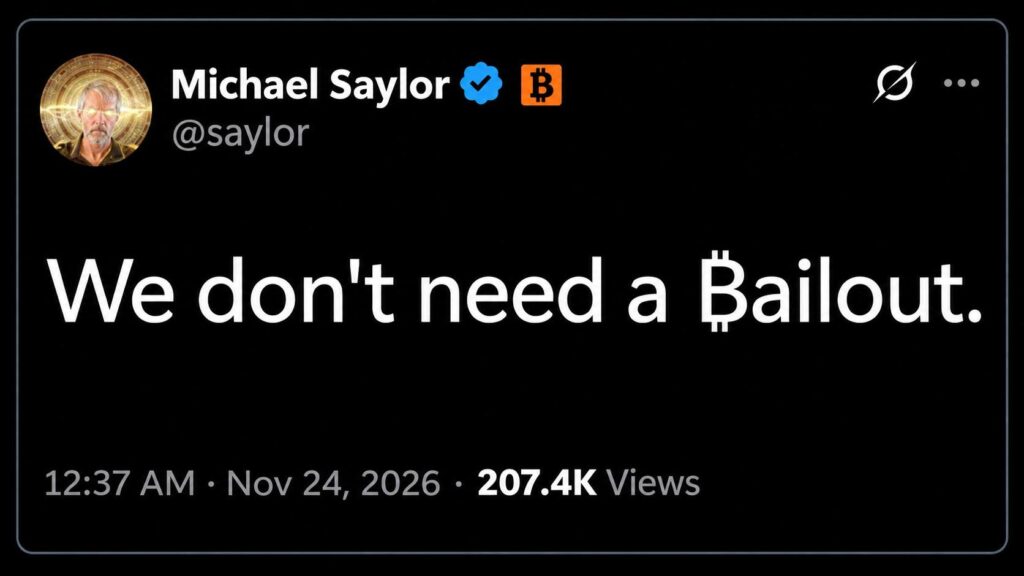
Saylor, meanwhile, is pitching a bigger goal, recently stating:
We aim to become the world’s largest company by market cap through issuing the strongest credit, better than investment-grade. As the bitcoin price goes up, the credit spreads compress and get less risky, demand rises, we sell more credit, we buy more BTC.
A Shift From Stock to Credit
That pivot is already visible in Strategy’s filings because, with its common stock trading below NAV, the company has leaned on preferred shares and credit products rather than equity sales to fund purchases. Its weekly bitcoin buys have shrunk from 1,036 BTC to 485 and then 457 over its last three filings. Bitcoin.com News also reported this week that Saylor argued STRC beat bitcoin and the S&P 500 on a risk-adjusted basis.
Whatever be the case, critics still believe that the strategy works only if bitcoin rises, while supporters, including TD Cowen, say the company can hold through a long drawdown without selling.