



















































































































































































































































































































































































































































































































































































































































































































































































































































































































































































































































































































































































































































































































































































































































































































































































































































































































































































Food delivery app tied to crypto stealing malware returns to App Store



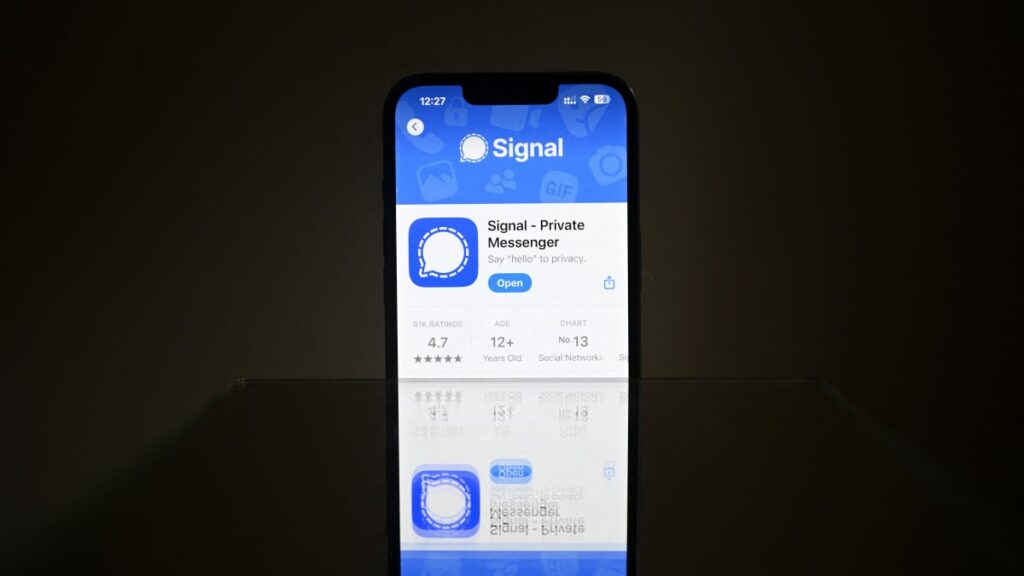
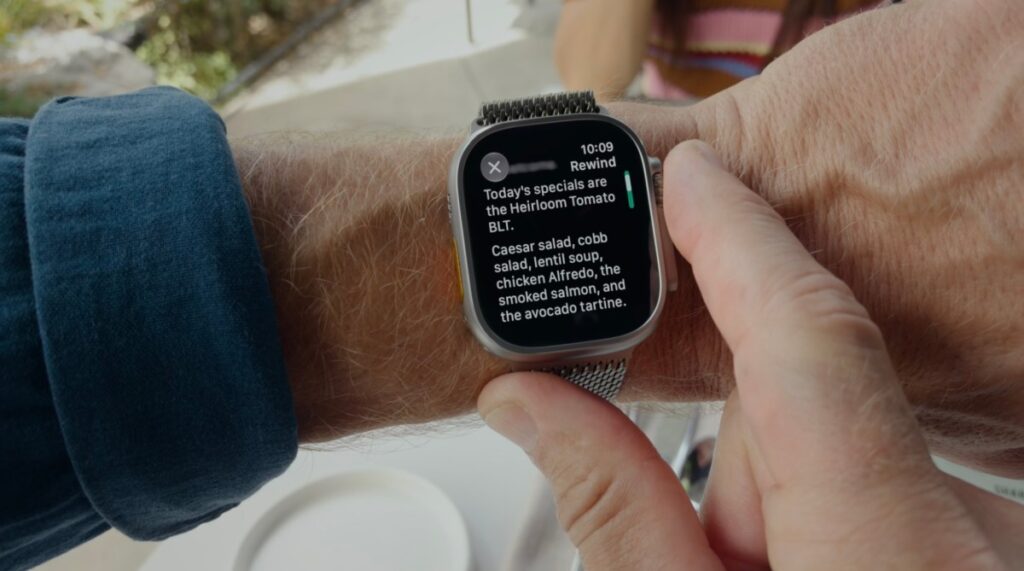
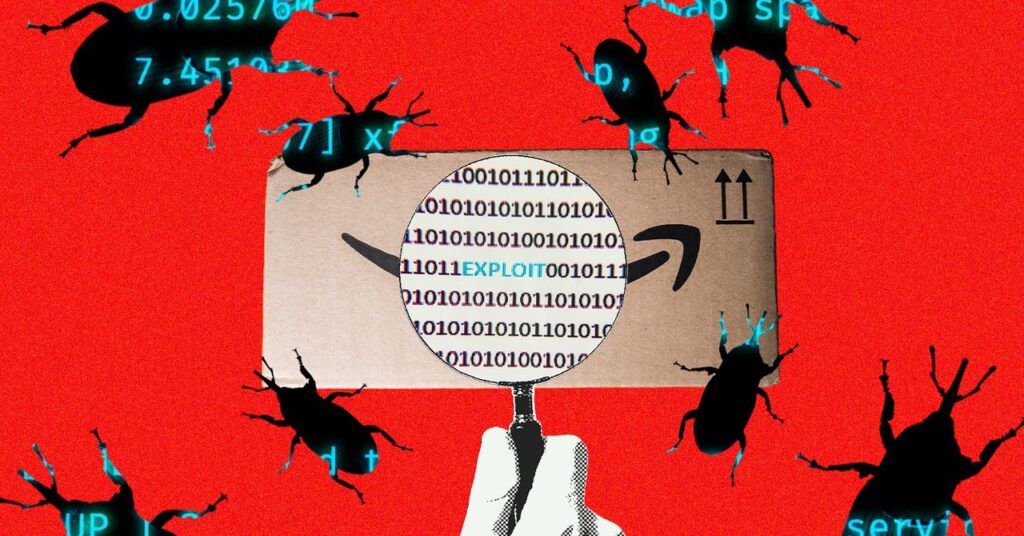
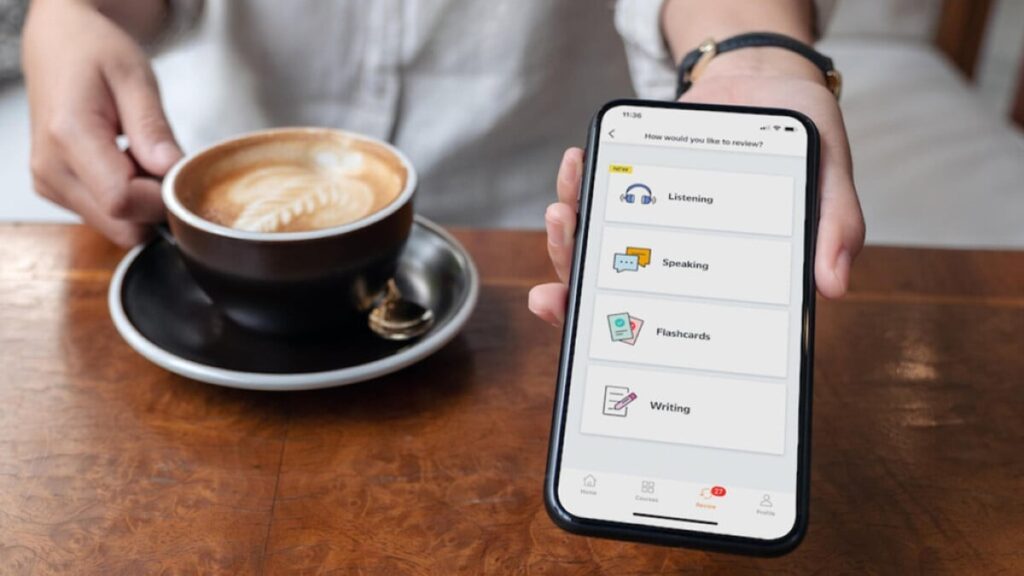
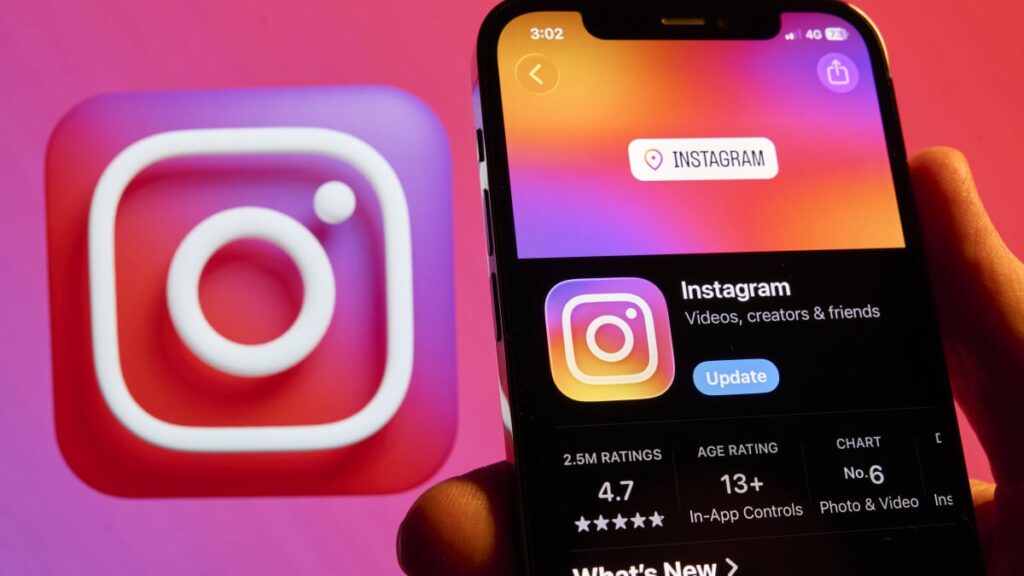
Wukong, a food delivery service previously linked to malware designed to steal cryptocurrency wallet recovery phrases, has received a fresh application update on Apple’s App Store under a new publisher.
Summary
- Wukong released version 1.0.7 on Nov. 24 after returning to Apple’s App Store under a different publisher in October.
- Kaspersky identified the original Wukong application among apps infected with SparkCat malware capable of extracting cryptocurrency wallet recovery phrases from smartphone images.
- Reports in October indicated that Apple had blocked users from opening the earlier application and instructed them to remove it from their devices.
- The latest Wukong update addresses checkout problems, application crashes and interface issues, with no mention of security fixes in its release notes.
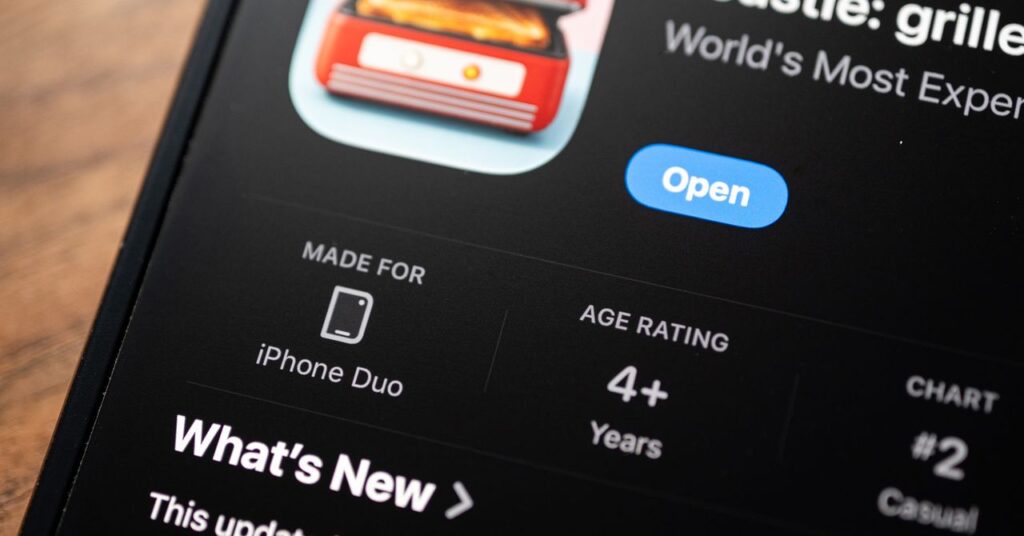
According to the application’s version history, Wukong released version 1.0.7 on Nov. 24, introducing several changes to its checkout process, addressing problems with product images and fixing an issue that caused the application to crash while customers browsed restaurants.
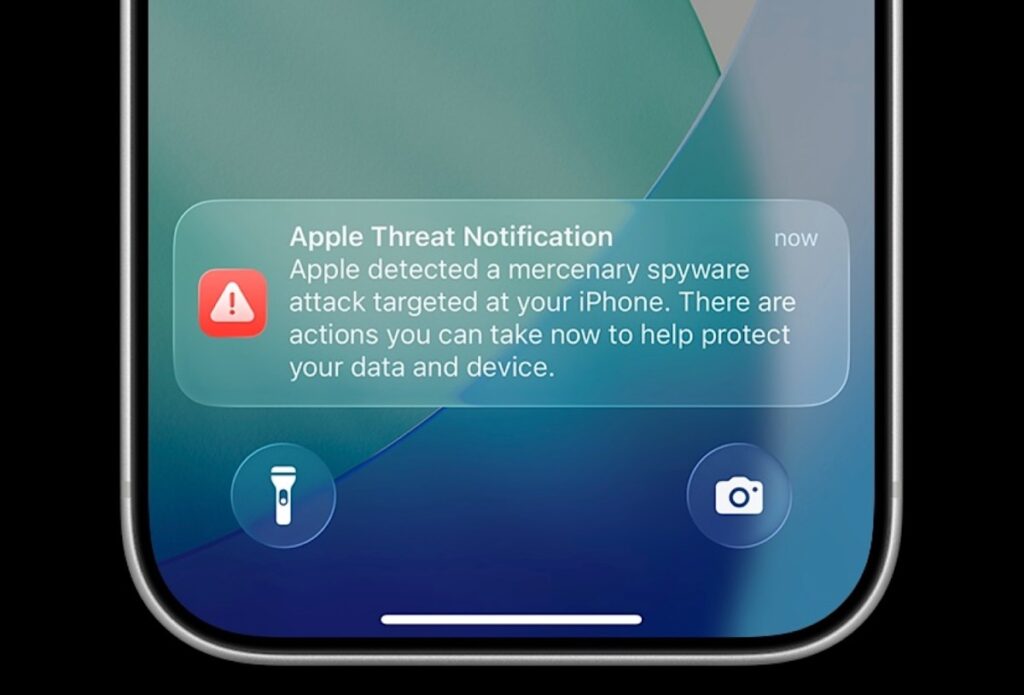
The update follows reports in October that iPhone users attempting to access an earlier version of the food delivery service were being met with an Apple security warning that prevented them from opening the application.
Chinese-language publication Bodu News reported on Oct. 26 that the operating system had identified Wukong, which serves Chinese-speaking customers in Thailand under the Gokoo brand, as containing malicious software and instructed users to remove it from their devices.
Wukong resurfaces under a different App Store publisher
Apple’s records show that the current application was first released on Oct. 22 under PGI CIPTA SDN BHD, while historical application records maintained by FoxData identify Gokoo Online Co., Ltd. as the publisher of the earlier listing, which dates back to February 2021.
Seven subsequent updates have been released for the new application, with earlier changes introducing support for tracking deliveries through Apple’s Live Activities feature and addressing problems encountered by customers ordering food in Vietnam.
While the latest release notes detail improvements to the application’s everyday functionality, they make no reference to malware removal or fixes related to the earlier security concerns.
Under the privacy information submitted to Apple, the new publisher lists purchase history, location information, contact details and device identifiers among the categories of data that may be collected and associated with a customer’s identity.
How was Wukong linked to crypto wallet theft?
Wukong’s association with cryptocurrency-stealing malware dates back to February 2025, when cybersecurity firm Kaspersky published an investigation into a malicious program dubbed SparkCat and identified the original application’s bundle identifier, com.wukongwaimai.client, among infected iOS applications.
As crypto.news previously reported, applications carrying the malware had collectively recorded more than 242,000 downloads on Google Play, while the campaign itself had been active since at least March 2024.
Unlike conventional phishing attacks that rely on convincing cryptocurrency holders to disclose sensitive information, the SparkCat malware incorporated optical character recognition technology that allowed it to read text contained within images stored on a user’s smartphone.
On iOS, researchers found that malicious code could request permission to access a customer’s photo library when they attempted to contact customer support, an ordinary interaction during which users might reasonably expect to be asked to upload an image.
Screenshots containing wallet recovery information could subsequently be identified and transferred to servers controlled by attackers, potentially giving them access to assets held in self-custodial wallets without needing the owner’s application password.
Kaspersky said it could not conclusively determine whether the infected applications had been compromised through third-party software components or whether their developers had deliberately incorporated the malicious code.
Crypto wallet malware continues to reach official app stores
In April 2026, Kaspersky identified a new version of SparkCat within two applications distributed through Apple’s App Store and another available on Google Play, including legitimate software used for business communications and food delivery.
Researchers have documented similar techniques in a related malware family known as SparkKitty mobile spyware, which was discovered in June 2025 and could collect entire images from compromised smartphones, potentially exposing passwords and other personal information alongside cryptocurrency credentials.
More recently, blockchain security firm SlowMist investigated the FomoPeek application, which introduced malicious software components through an update released on Sept. 9, 2026, allowing attackers to access sensitive information stored by other applications on vulnerable iPhones.
The security firm found that the components remained present in a subsequent September release before being removed in version 1.3 on Sept. 17.